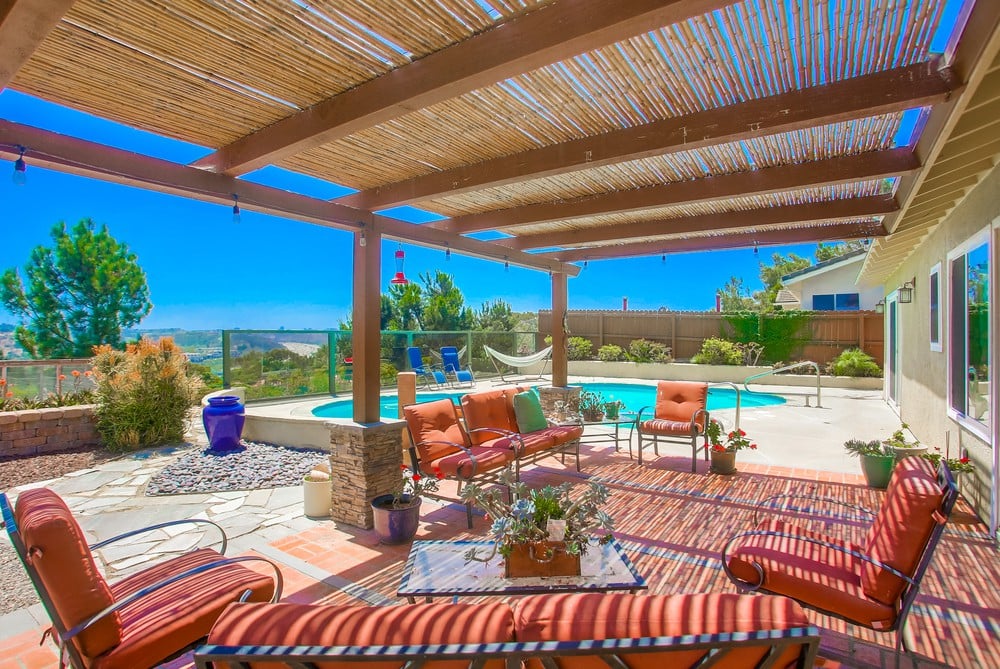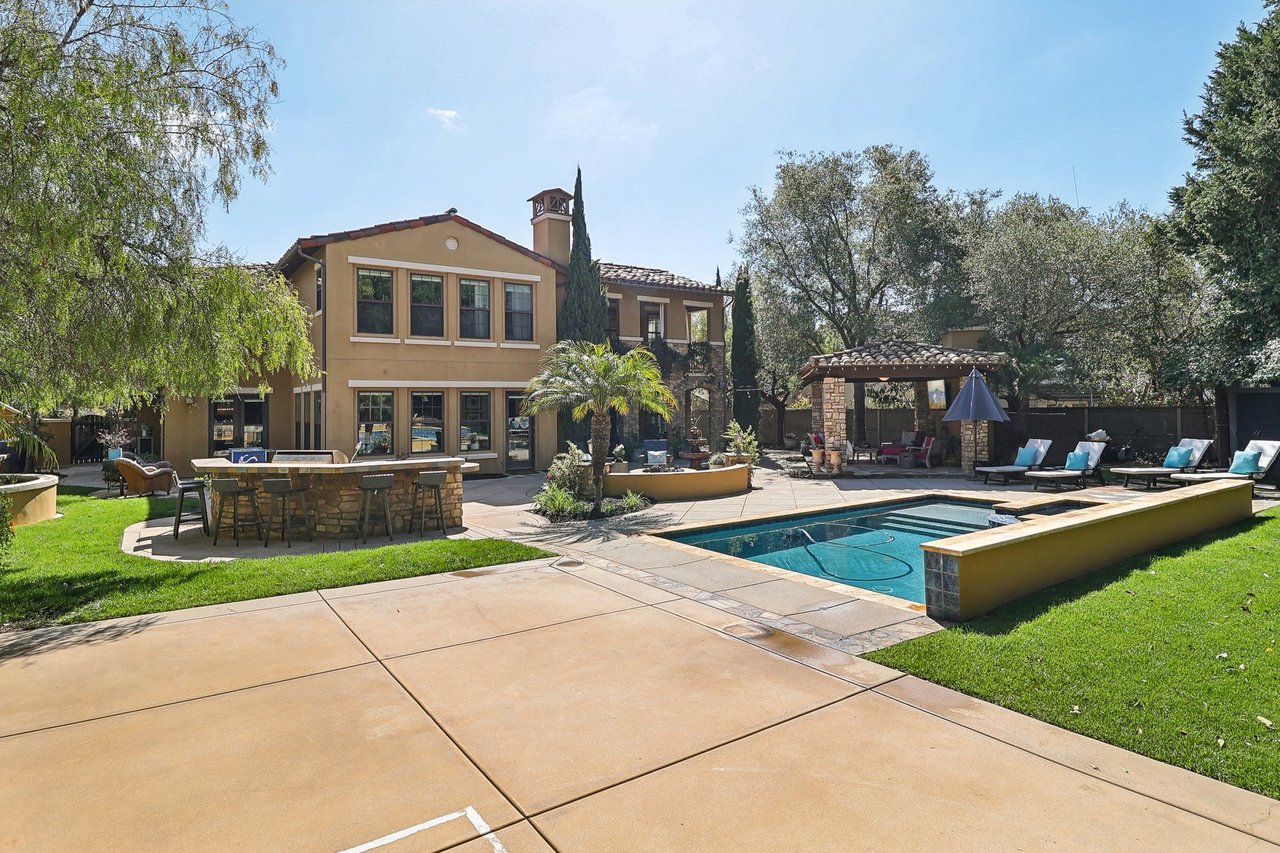
Picture this: morning coffee on a sunny patio steps from the beach, followed by a full calendar of guest bookings when you head home. If you are eyeing Carlsbad Village for a place you can enjoy and also rent, you are not alone. The location is walkable, the vibe is coastal casual, and visitor demand stays strong. In this guide, you will learn exactly where short‑term rentals are allowed, what it takes to operate legally, what numbers to run, and how to avoid costly surprises. Let’s dive in.
Why Carlsbad Village works
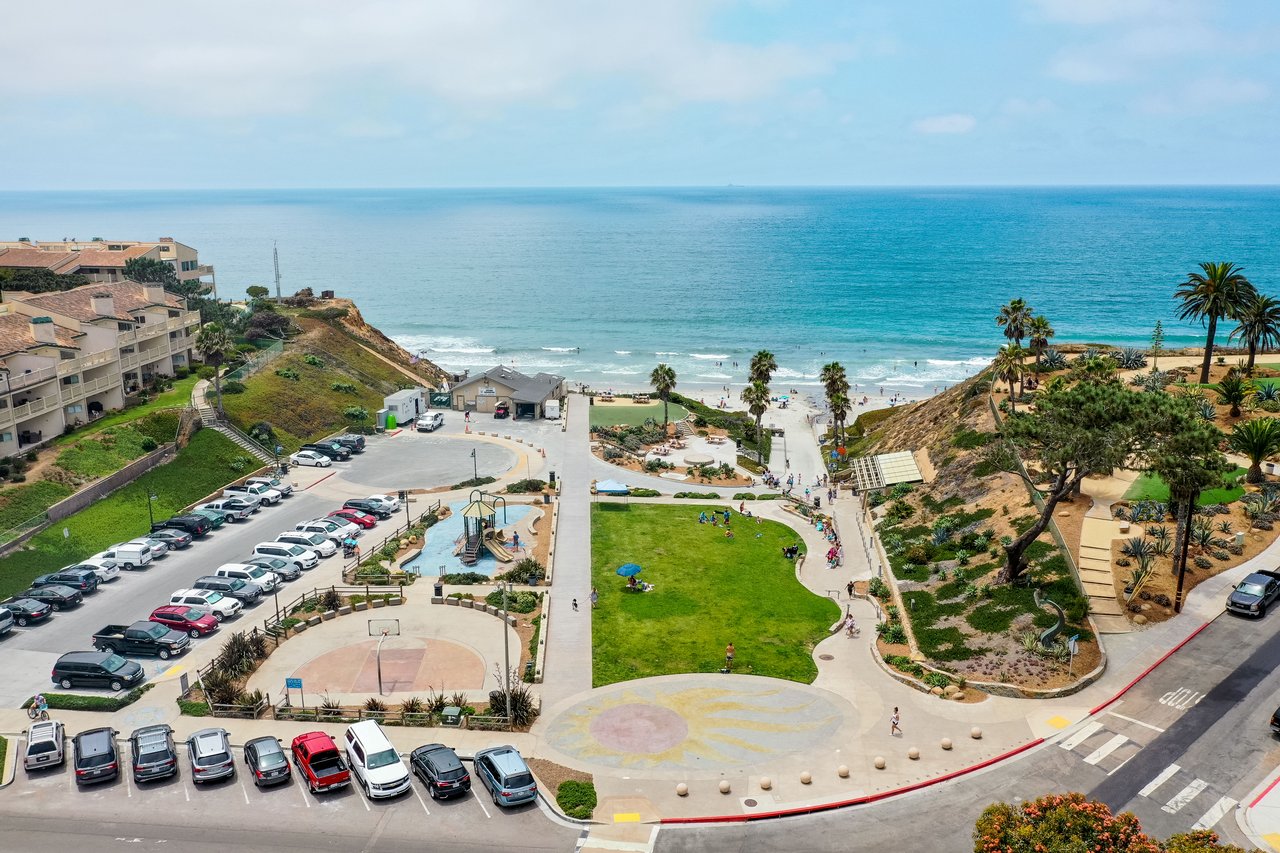
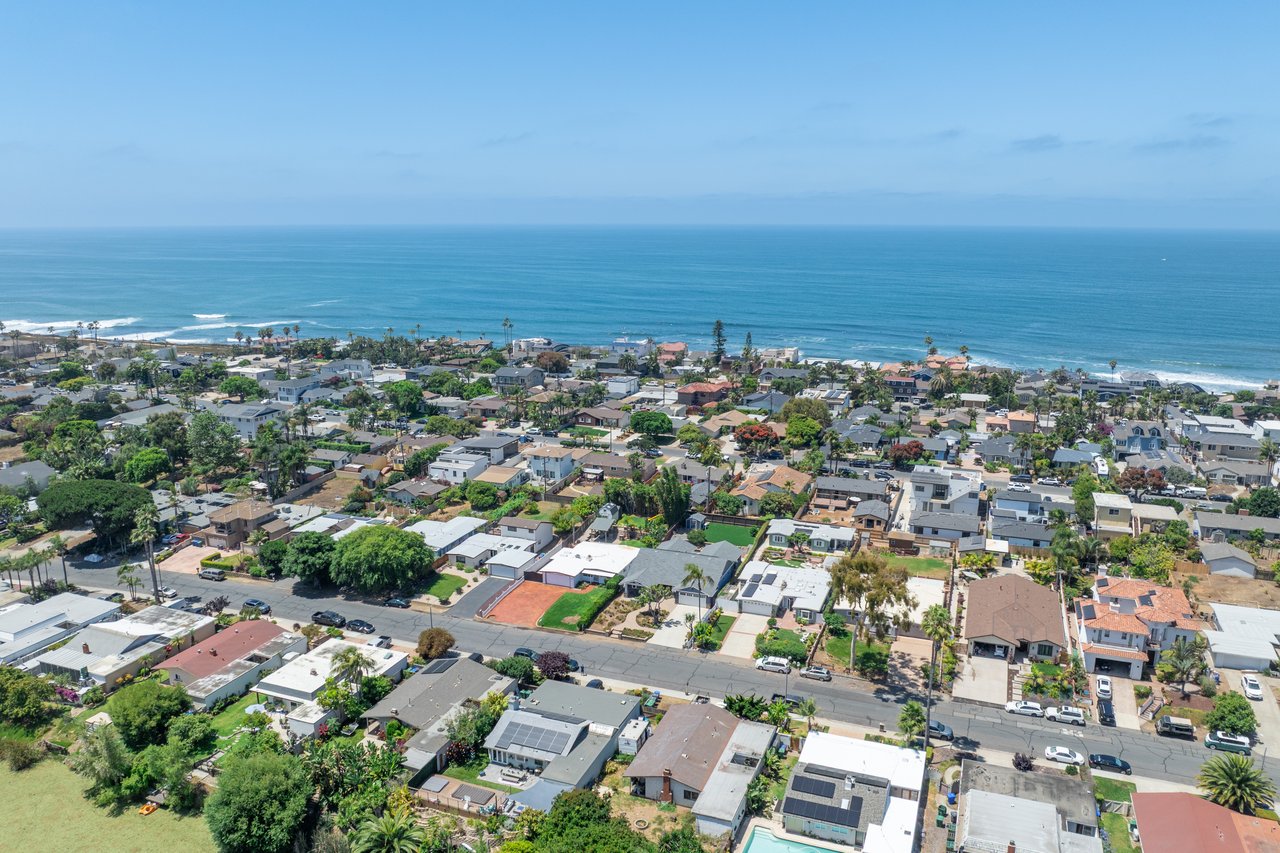
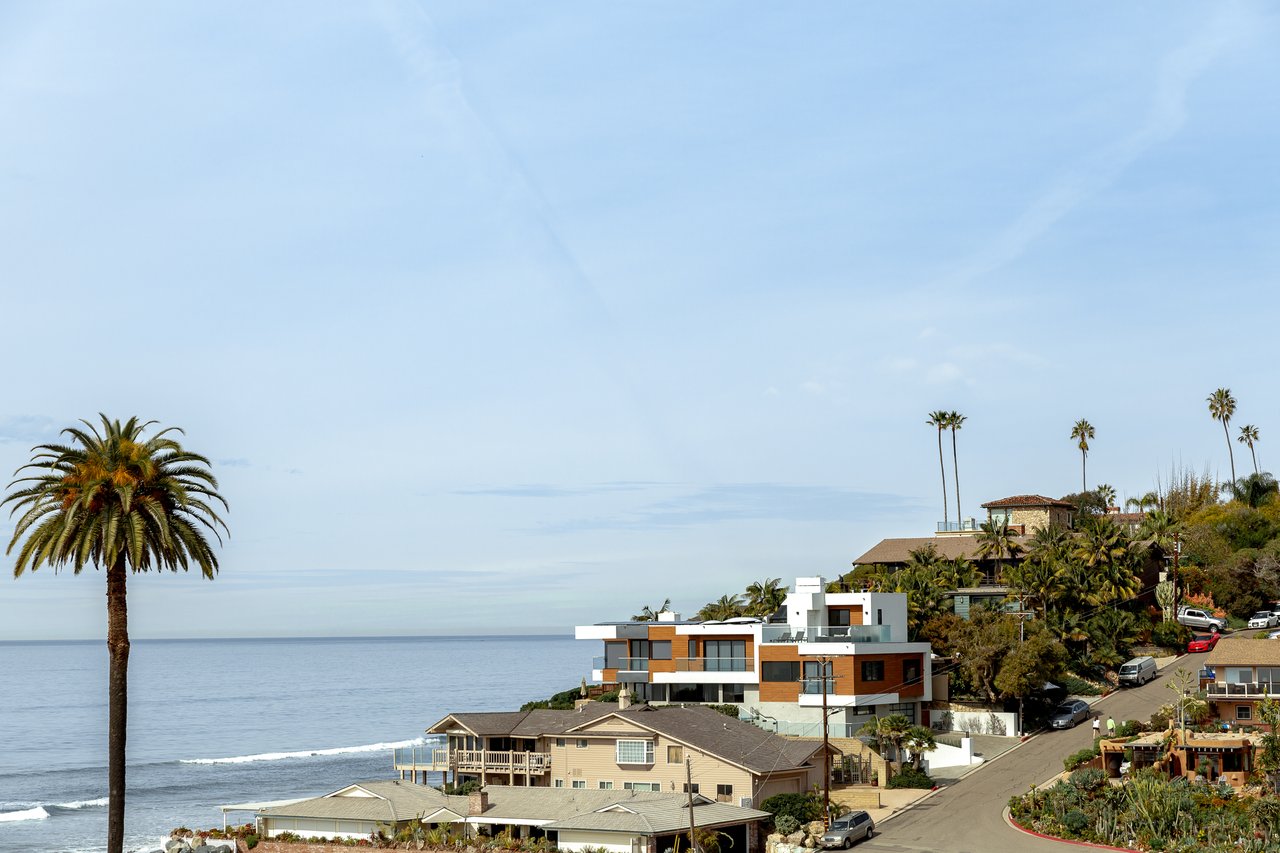
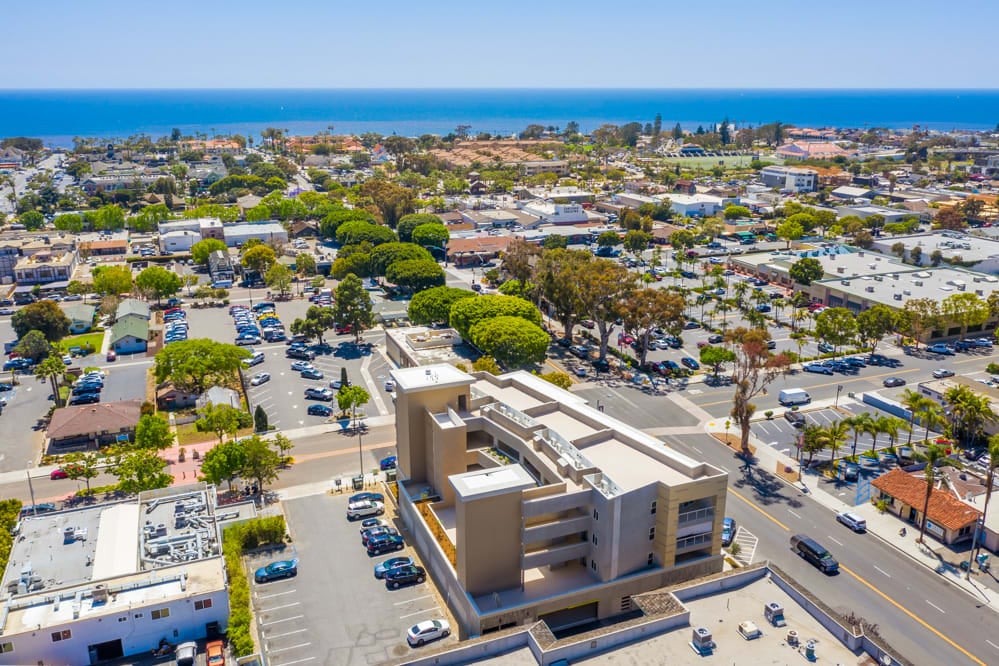
Carlsbad Village offers a rare mix of beach access, a compact downtown, and a steady flow of visitors. You have shops and dining, a weekly farmers’ market, and quick access to Frazee Beach. Seasonal draws like The Flower Fields and family favorites like LEGOLAND add to demand. The Coaster station in the Village also makes quick day trips easy for guests and owners.
Walkable, vacation‑oriented homes near the Village often command a premium. Public summaries show Carlsbad short‑term rental performance can be strong, with typical median daily rates often in the 300 to 400 dollar range and occupancy frequently in the 60 to 70 percent range. Those are market‑level ranges and will swing by property type, season, and exact location.
For a quick look at local attractions that fuel demand, review this overview of things to do in Carlsbad. It captures why visitors pick the Village and surrounding coastline.
Where short‑term rentals are allowed
This is the most important point in Carlsbad: short‑term vacation rentals are allowed only in the City’s defined Coastal Zone and within the La Costa Resort & Spa Master Plan area. Being “walkable to the Village” does not guarantee eligibility. The Coastal Zone boundary is parcel‑specific, so two nearby properties can have different rules.
Before you write an offer, confirm the parcel’s status using the City’s resources for short‑term vacation rentals and the Coastal and zoning tools described under planning. You can also review the City’s Coastal Zone permit guidance to understand how coastal rules may apply to improvements.
One more key restriction: accessory dwelling units and junior ADUs with building permits issued after January 1, 2020 cannot be used for short‑term vacation rentals in Carlsbad.
Permits, taxes, and operating rules
If the parcel is eligible, you must secure two approvals before hosting any short stays:
- A City short‑term vacation rental permit.
- A City business license (home‑based business) from the Finance Department.
Carlsbad added an annual STVR permit fee of 225 dollars for permits applied for after September 1, 2024. The application requires an Impact Response Plan, and both the plan and permit must be posted on the exterior of the unit. See the City’s short‑term vacation rental page for forms and the current process.
Operational rules include:
- Occupancy limit of two people per bedroom plus one person per unit.
- A local contact available 24/7 who can respond within 45 minutes.
- Compliance with Good Neighbor Policies covering noise, parking, trash, and a ban on commercial events.
- Your listings must display the City STVR permit number.
You will also collect and remit lodging taxes on stays under 30 days. Carlsbad charges a Transient Occupancy Tax of 10 percent and a Carlsbad Tourism Business Improvement District assessment of 2 percent. Some platforms may collect and remit on your behalf, but you are responsible for confirming how bookings are handled with both the platform and the City. Details are on the City’s STVR guidance.
Enforcement and HOA restrictions
Carlsbad actively monitors listing platforms and partners with a data provider to identify unpermitted activity. Administrative citations escalate from 100 to 200 to 500 dollars. If you receive three or more administrative citations or verified code violations within a 24‑month period, the City will revoke your STVR permit. A revoked permit cannot be reestablished at that parcel for at least 36 months. Read about the monitoring approach in this overview of the City’s platform tracking partnership.
Private rules matter too. A City permit never overrides HOA Covenants, Conditions & Restrictions. If a condominium or planned community bans or limits short‑term rentals, those private rules control. Carlsbad’s code is explicit on this point; see the City’s ordinance language summarized here: STVR code and private restrictions. Always confirm CC&Rs and any minimum‑stay or owner‑occupant requirements before you close.
Running the numbers: a simple model
Start with a conservative revenue estimate, then subtract realistic expenses. A simple way to frame potential income is:
- Estimated gross annual revenue = Average Daily Rate × (365 × occupancy rate)
Public summaries for Carlsbad STRs often show median ADR around 300 to 400 dollars and occupancy around 60 to 70 percent. Using that as a directional range, here is an illustration:
- Likely case: ADR 340 dollars and 68 percent occupancy yields about 248 booked nights and roughly 84,320 dollars in gross annual revenue.
That is only a starting point. Your property’s bedroom count, parking, outdoor space, and exact walkability can push results up or down. For deeper comps, commission a property‑level report that includes ADR, occupancy, and seasonality for true peers. A quick primer is available in this Carlsbad STR investor guide.
To set context for purchase price and long‑term rent alternatives, public summaries for ZIP 92008 often show typical home values in the 1.0 to 1.2 million dollar range and asking rents in the low 3,000s. Always underwrite with current, property‑specific data.
Key expenses to budget
- City taxes and fees. Carlsbad’s 10 percent TOT and 2 percent CTBID apply to stays under 30 days. The annual STVR permit fee is currently 225 dollars for permits applied for after September 1, 2024. See the City’s STVR page for current rates and forms.
- Management. Full‑service managers in many markets charge about 18 to 35 percent of gross revenue, with mid‑20s common. Budget 20 to 30 percent unless you plan to self‑manage. See fee ranges reflected in public filings like Vacasa’s annual report.
- Cleaning and turnover. Per‑stay cleaning is often paid by guests, but you should set aside funds for periodic deep cleans, linens, and supplies.
- Insurance. Standard homeowners or condo policies often exclude business activity. Secure a short‑term rental or landlord‑style policy and understand platform coverage limits. This short‑term rental insurance overview explains key gaps to consider.
- HOA dues and reserves. Budget for assessments, maintenance, and coastal wear. Salt air and humidity accelerate replacement cycles.
Sensitivity check
Because performance is property‑specific, run best and worst cases before you buy:
- Conservative: ADR 300 and 60 percent occupancy ≈ 65,700 dollars gross.
- Likely: ADR 340 and 68 percent occupancy ≈ 84,320 dollars gross.
- Upside: ADR 380 and 70 percent occupancy ≈ 97,090 dollars gross.
These are directional only. Always validate with a property‑level STR comp set before finalizing your offer price or financing plan. The Carlsbad investor guide is a useful place to begin.
Property type, parking, and coastal factors
Condominiums and planned developments near the Village often have HOAs. Many restrict or prohibit short‑term rentals or impose minimum stays. Confirm CC&Rs and any registration steps directly with the HOA. Remember that a City permit does not override private restrictions. See this reference on how private rules interact with City code.
Parking is also critical in the Village. Many parcels have limited on‑site spaces, and the City actively manages downtown parking. Your STVR operation should rely on on‑site parking and clear guest guidance. If you cannot provide adequate parking, you may need to cap guest counts or adjust your rental strategy. Review the City’s Village Parking Management Plan when evaluating a specific address.
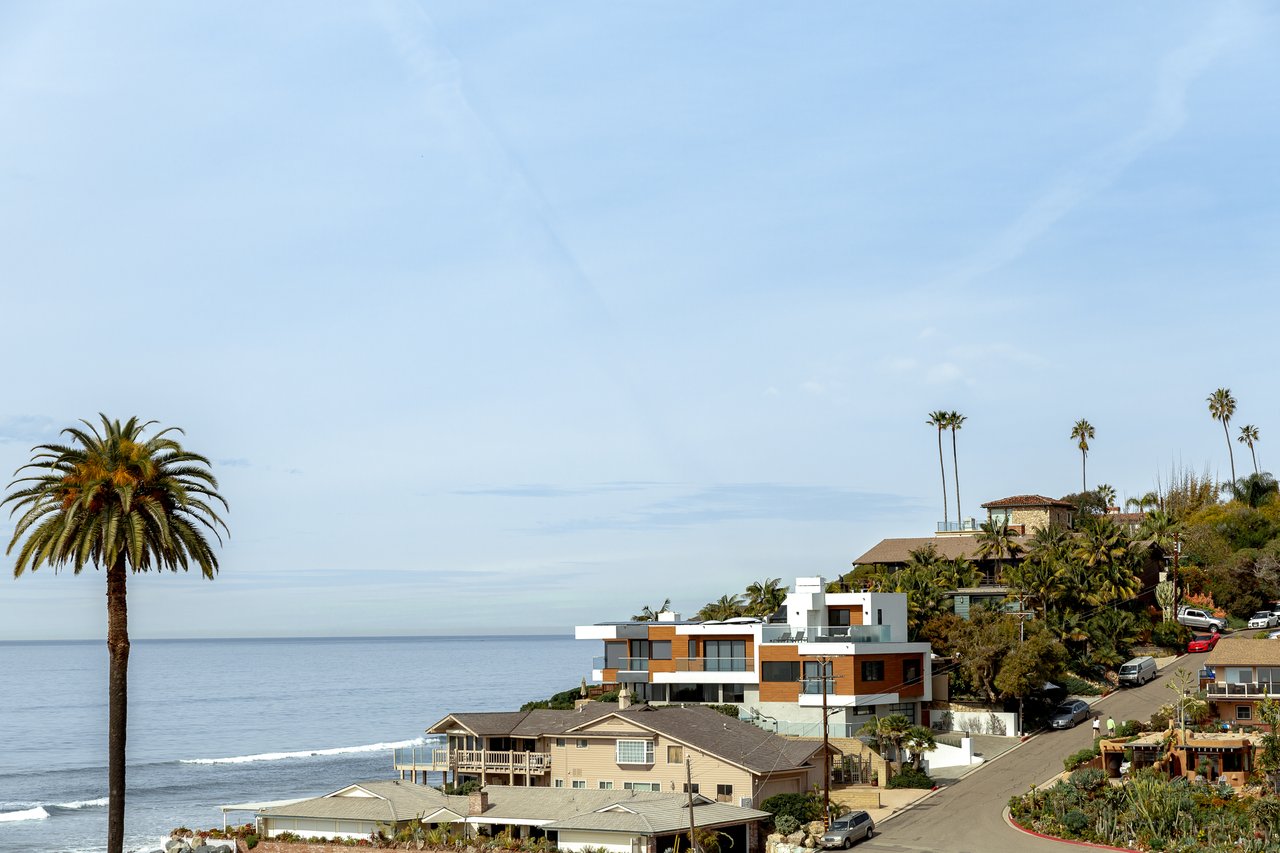
For beachfront or bluff‑edge properties, assess long‑term coastal risks and adaptation planning. Carlsbad’s Local Coastal Program update and Sea Level Rise Vulnerability Assessment are your authoritative sources. Start with the City’s Local Coastal Program update page and include insurance and reserve impacts in your hold plan.
If STVRs are not allowed: long‑term rental option
If a great home sits outside the Coastal Zone or your HOA bans short‑term rentals, consider a long‑term lease strategy. Public rent summaries for 92008 often show average asking rents in the low 3,000s, and you avoid lodging taxes and constant turnover costs. You can still enjoy the home part‑time if you plan around a longer lease term or seasonal vacancy, but be sure the numbers fit your goals and financing.
Your due diligence checklist
Use this step‑by‑step process before you write an offer:
- Confirm parcel eligibility. Verify the address is in the Coastal Zone or the La Costa Resort & Spa Master Plan area and check whether an STVR permit exists. Start with the City’s short‑term vacation rentals resources.
- Review HOA and CC&Rs. Ask for written confirmation on rental rules and any minimum‑stay or owner‑occupancy requirements. The City’s code clarifies that private bans still apply; see STVR code and private restrictions.
- Validate parking and access. Count on‑site spaces, note guest parking rules, and scan the City’s Village Parking Management Plan for local enforcement details.
- Line up a 24/7 local contact. Carlsbad requires a contact who can respond within 45 minutes. Decide whether you will self‑manage or hire a local manager. Review rules on the City’s STVR page.
- Get STR insurance quotes. Confirm coverage for commercial activity and liability. This insurance primer highlights common gaps.
- Order a property‑level STR report. Pull ADR, occupancy, seasonality, and comp listings, then run ±10 to 30 percent scenarios. Use this Carlsbad investor guide as a reference.
- Verify tax handling and registration. Confirm whether your platform collects TOT and CTBID and prepare to register with City Finance if needed. See the City’s STVR guidance.
- Assess coastal risk. For beachfront or bluff properties, review the Local Coastal Program update and factor long‑term adaptation into your reserve plan.
How Klinge Realty helps
Buying near Carlsbad Village is equal parts local insight and operational planning. You need parcel‑level eligibility checks, HOA clarity, and realistic income and expense modeling. Our senior‑led team pairs decades of North County market experience with practical, concierge support for buyers and investors. We help you source eligible properties, confirm rules, coordinate the right inspections, and pressure‑test the rental math so you can buy with confidence.
If you are considering a vacation‑plus‑rental strategy in 92008, let’s talk through your plan and the best streets, HOAs, and property types for it. Reach out to Klinge Realty to Schedule a Free Home Strategy Consultation.
FAQs
Are short‑term rentals allowed near Carlsbad Village?
- Yes, but only on parcels inside the City’s Coastal Zone or within the La Costa Resort & Spa Master Plan area; always verify parcel eligibility on the City’s STVR page.
What permits and taxes apply to Carlsbad vacation rentals?
- You need a City STVR permit, a business license, and you must collect 10 percent TOT plus 2 percent CTBID on stays under 30 days per the City’s STVR guidance.
How do HOAs affect short‑term rentals in Carlsbad?
- Private CC&Rs can prohibit or restrict STRs, and City permits do not override them; see the City’s code reference on private restrictions.
What is a realistic ADR and occupancy for 92008 STRs?
- Public summaries often show median ADR around 300 to 400 dollars and occupancy around 60 to 70 percent, but results vary widely by property; see this Carlsbad investor guide.
What happens if a host violates Carlsbad STVR rules?
- Citations escalate and three within 24 months can trigger permit revocation for at least 36 months; the City monitors platforms as outlined in this enforcement overview.
How can I estimate vacation rental income before I buy?
- Use ADR × 365 × occupancy for a gross estimate, then subtract management, cleaning, taxes, insurance, and reserves; validate with a property‑level report like the Carlsbad investor guide.