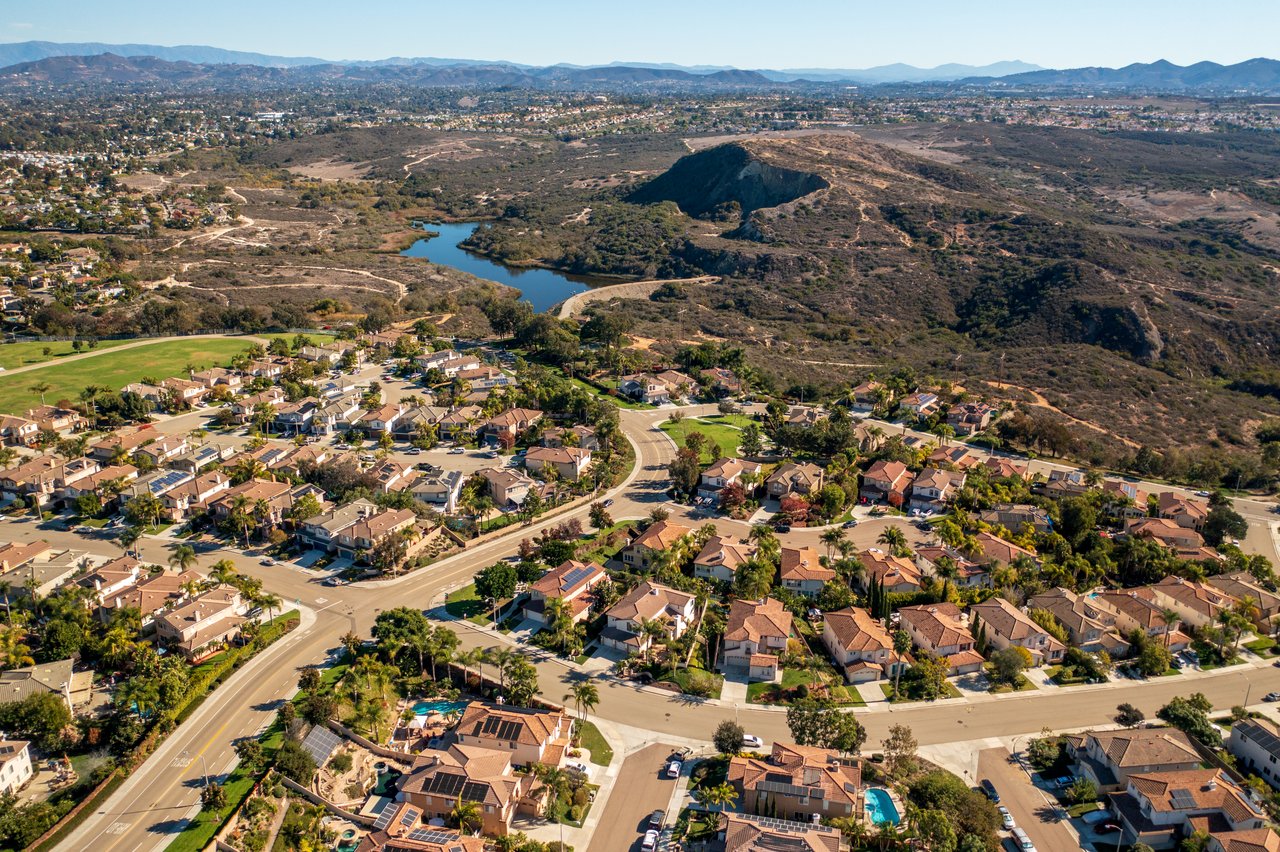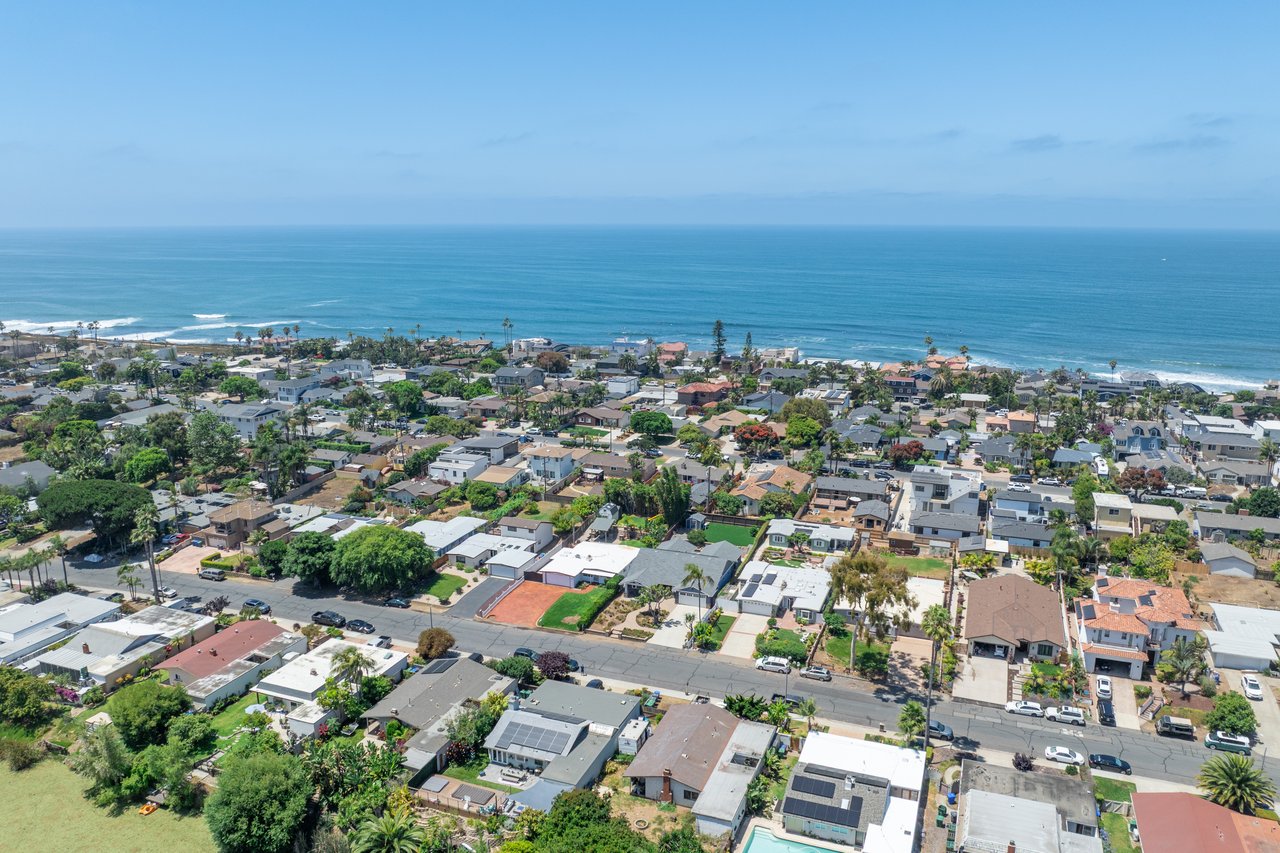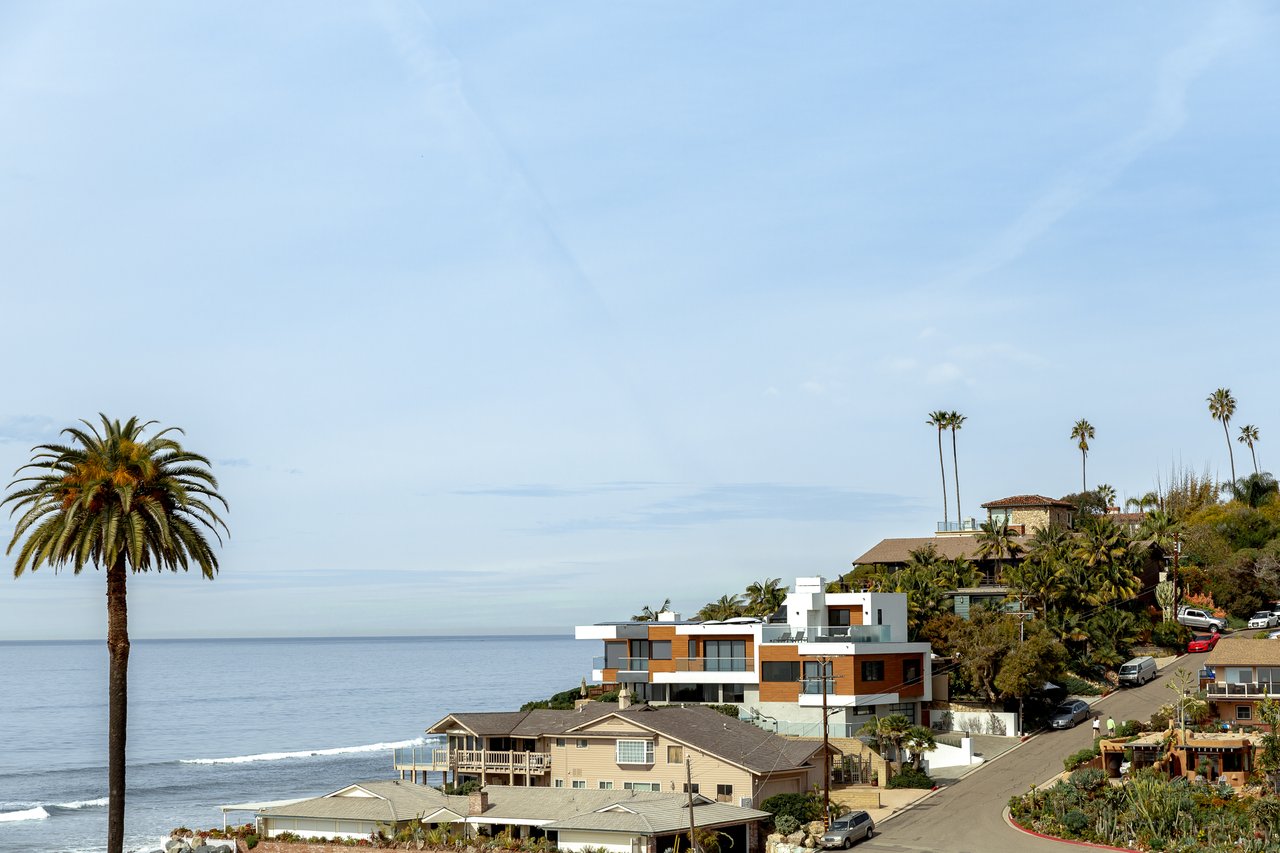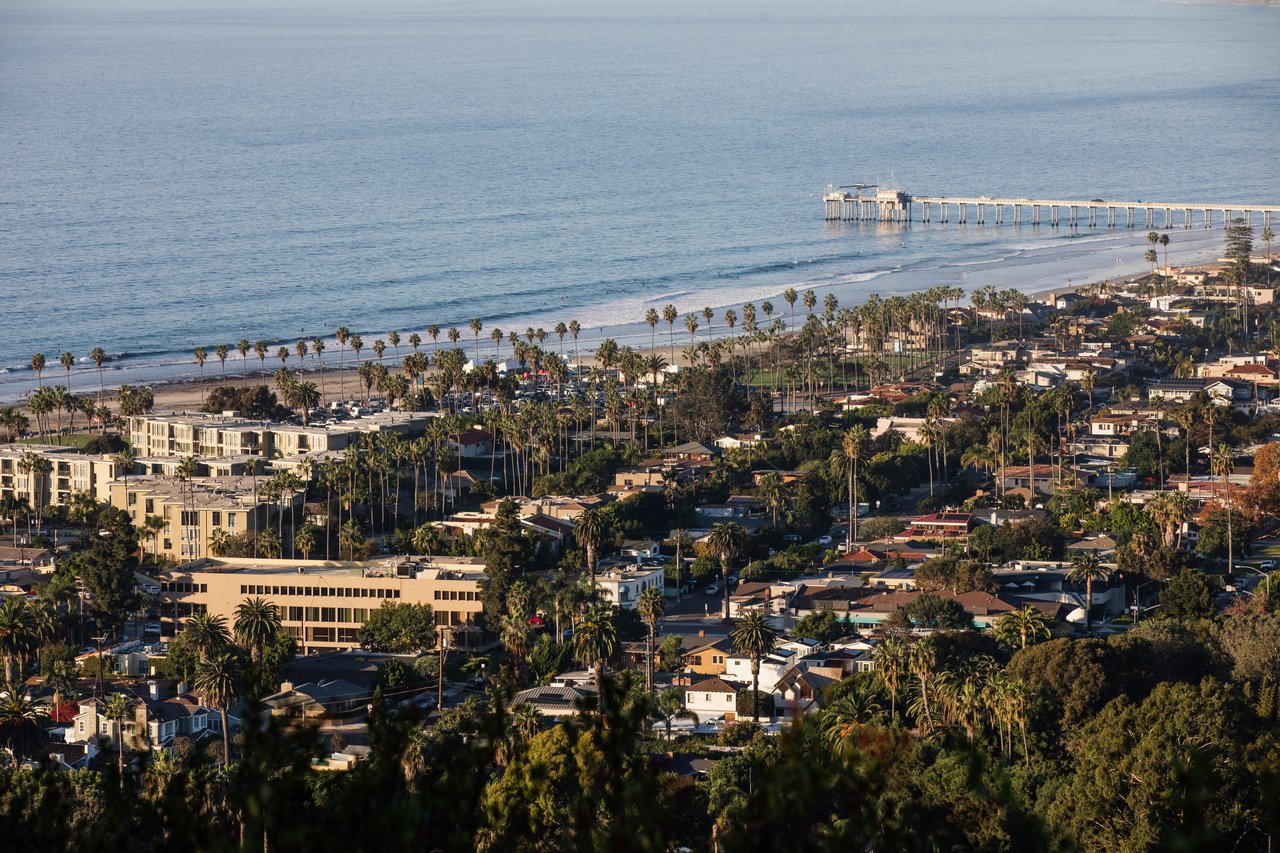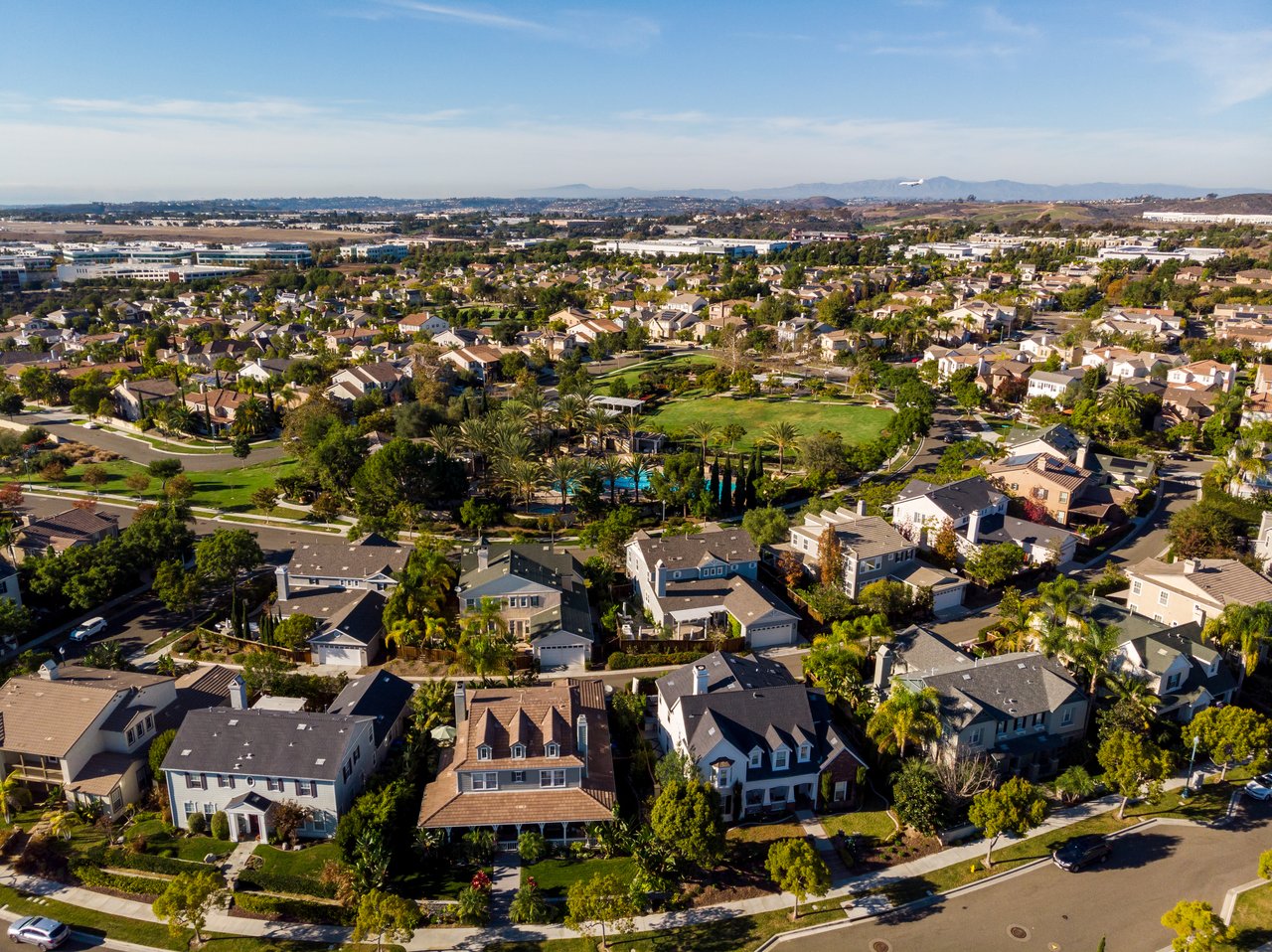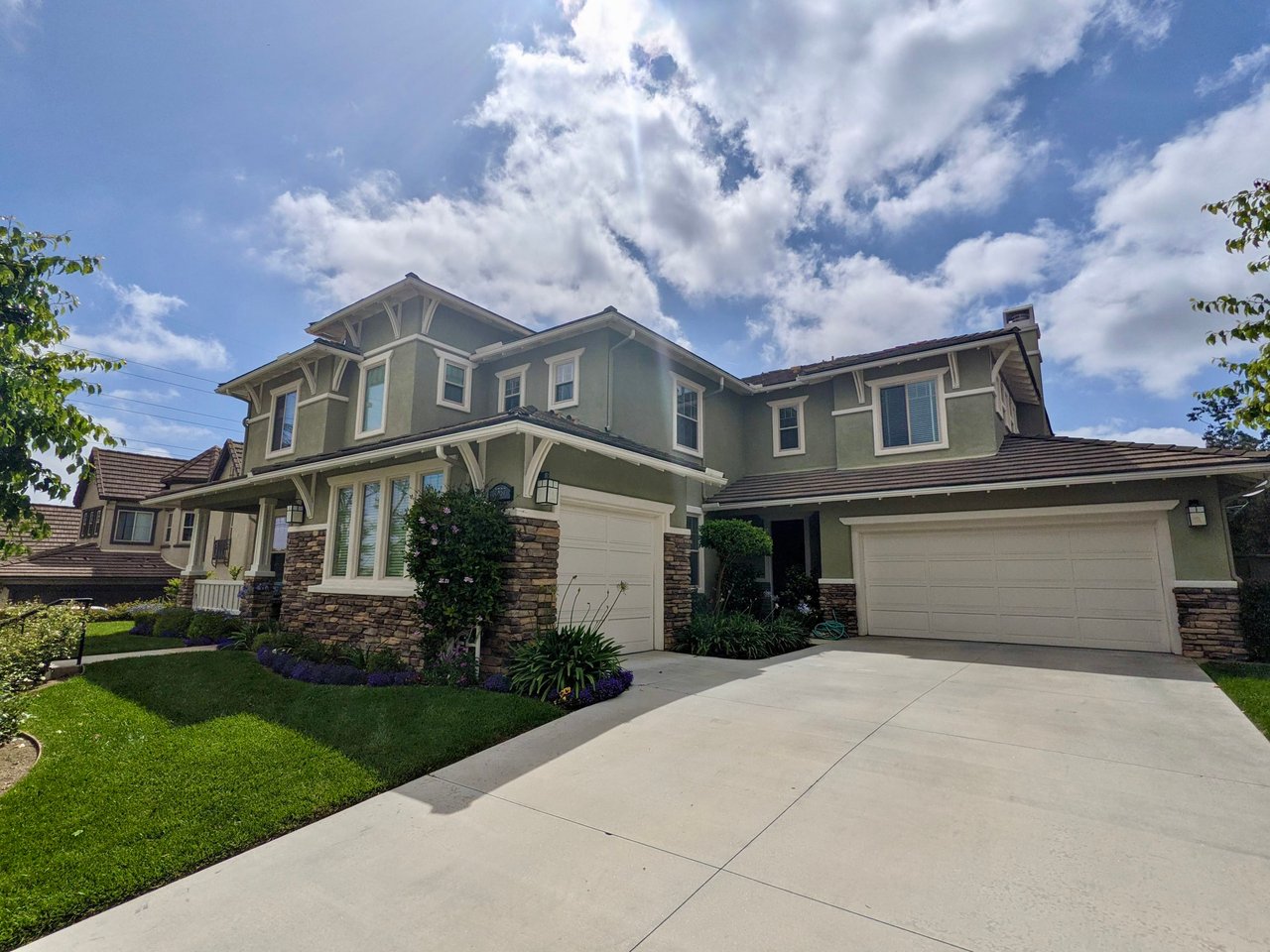
Have you heard agents say “west of I-5” and wondered what that really means in Carlsbad? You’re not alone. The phrase packs a lot into three words: a beach-first lifestyle, a tighter urban feel, and some unique costs and rules. In this guide, you’ll learn how that narrow coastal strip differs in daily life, housing styles, maintenance, permits, and resale so you can decide if it fits your goals. Let’s dive in.
Where “west of I-5” is in Carlsbad
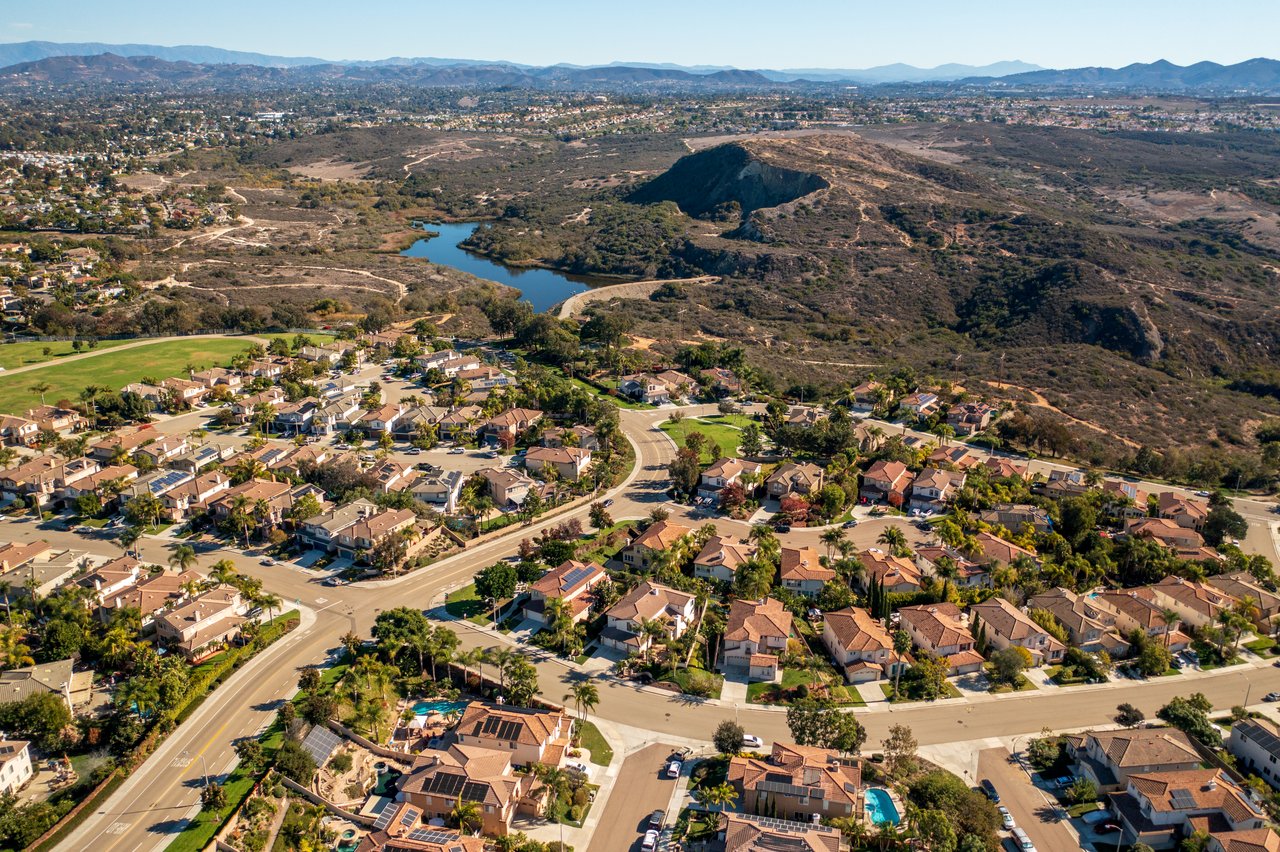
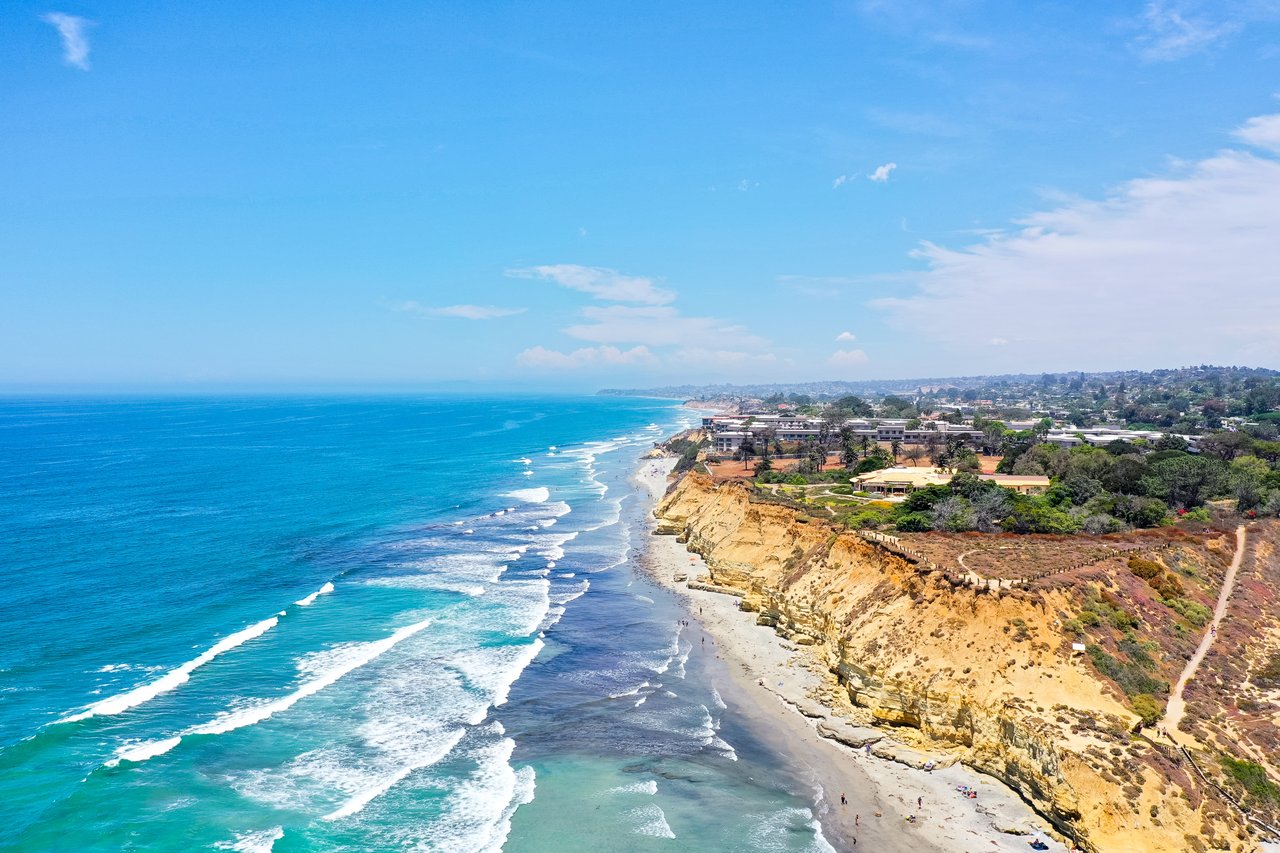
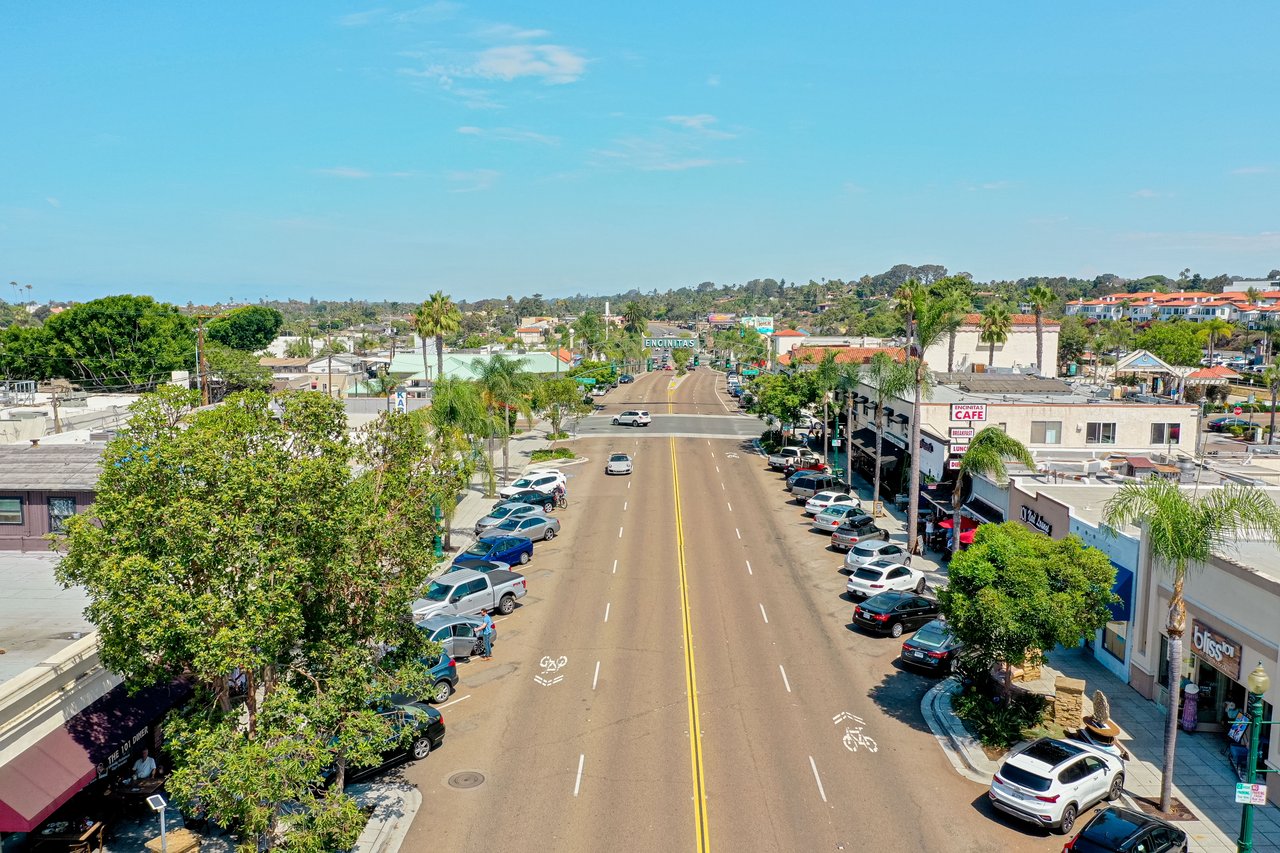
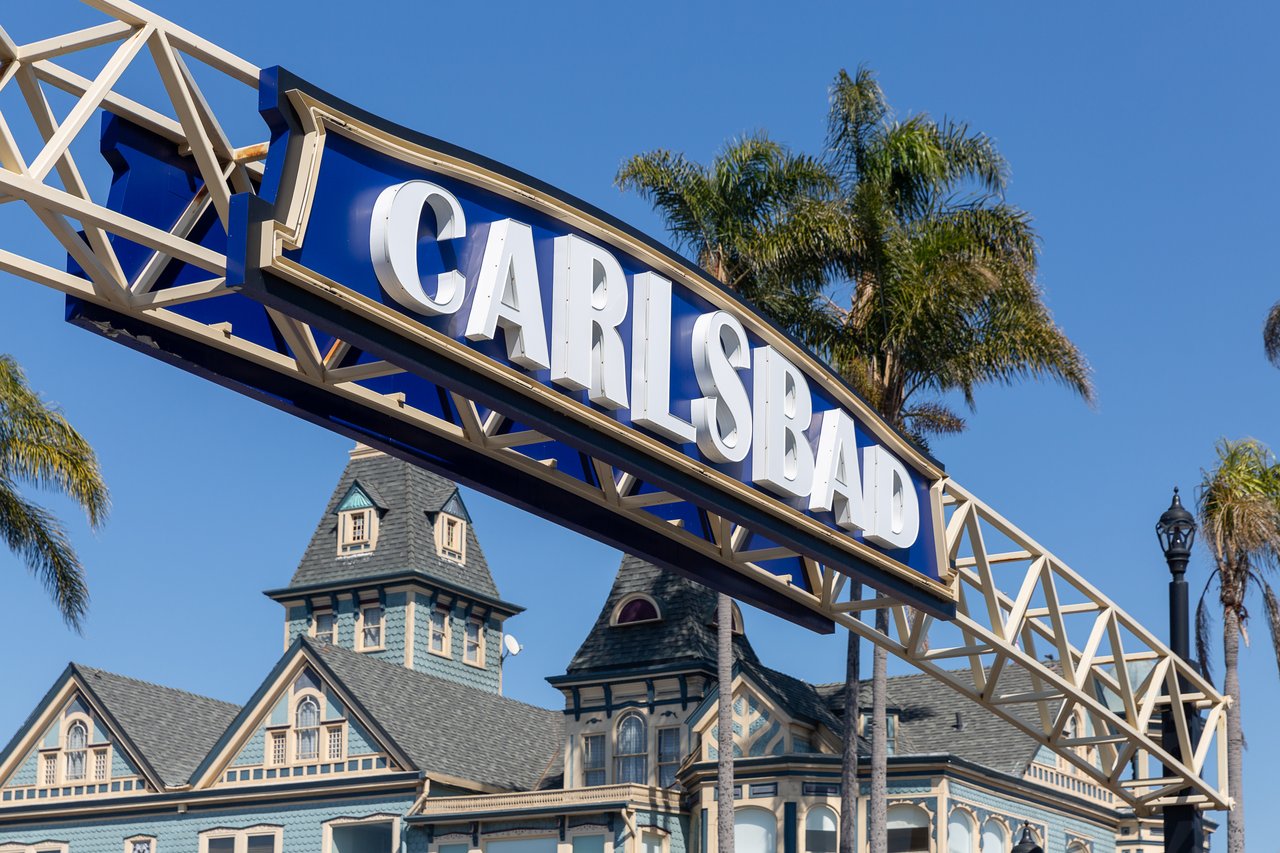
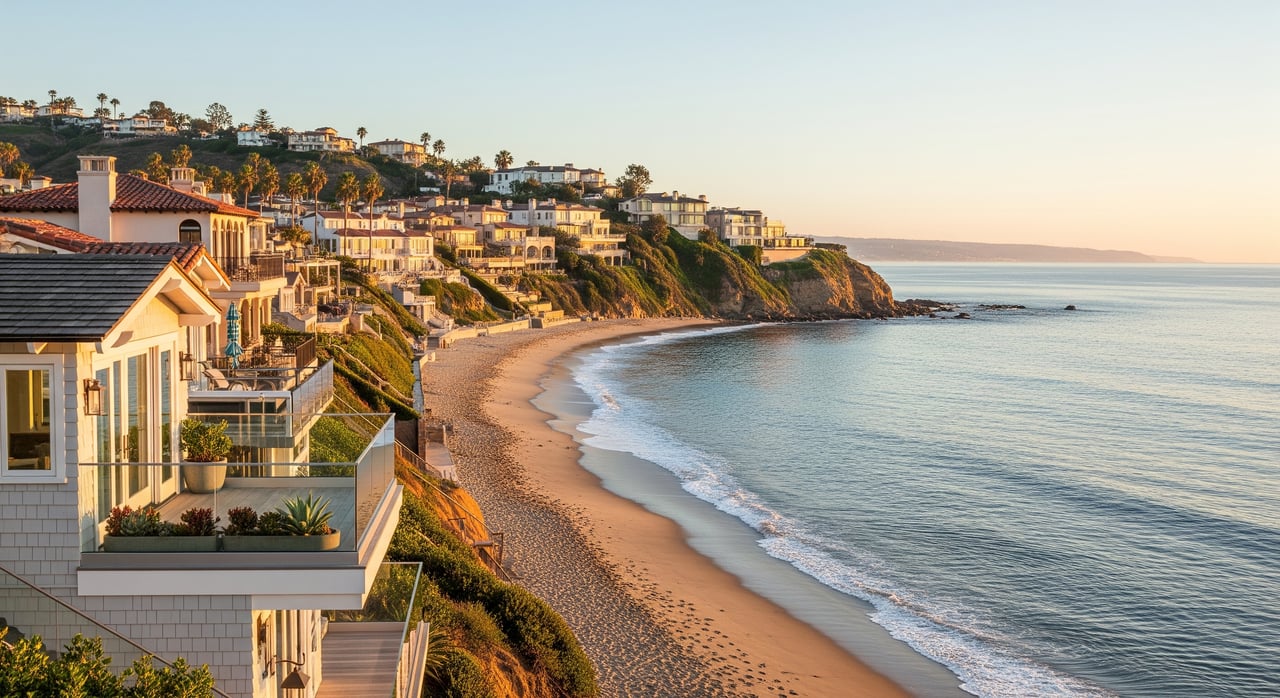
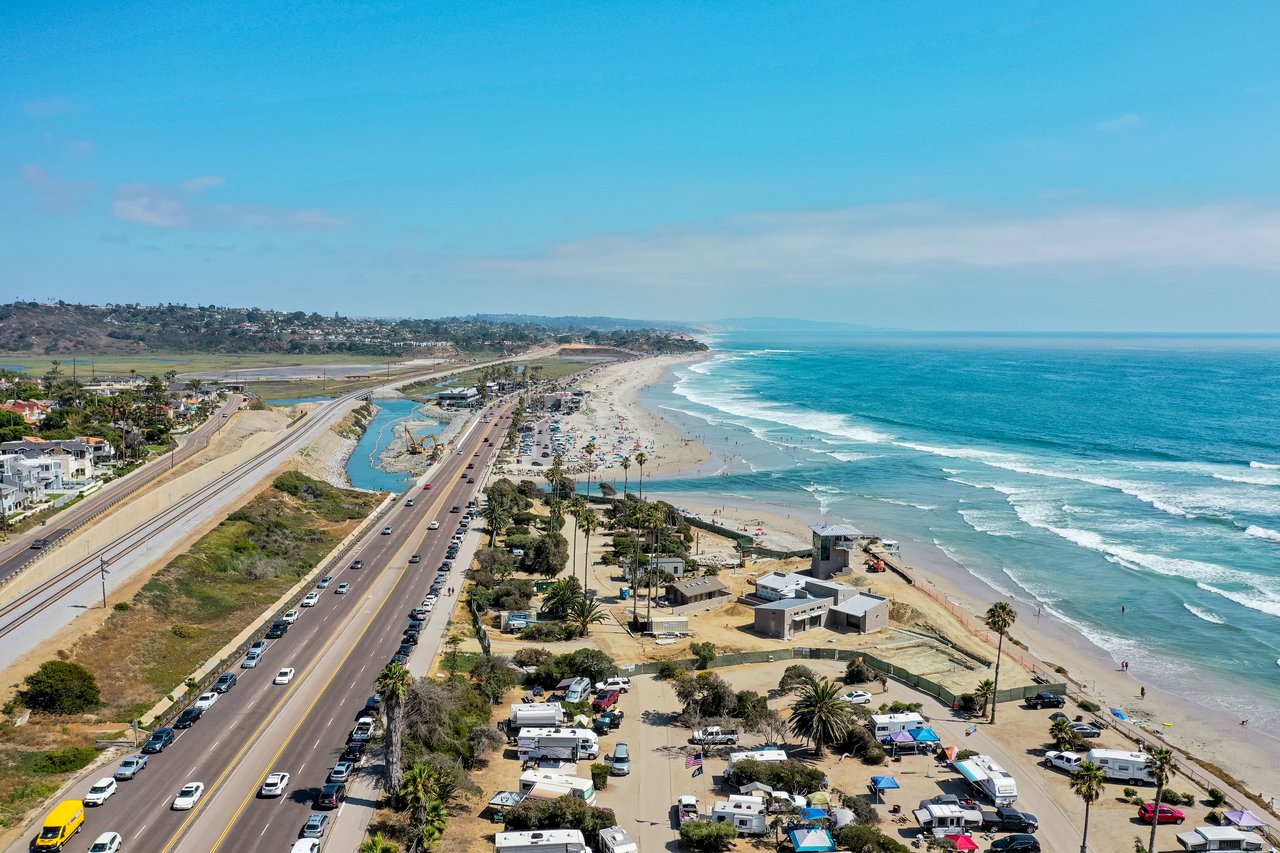
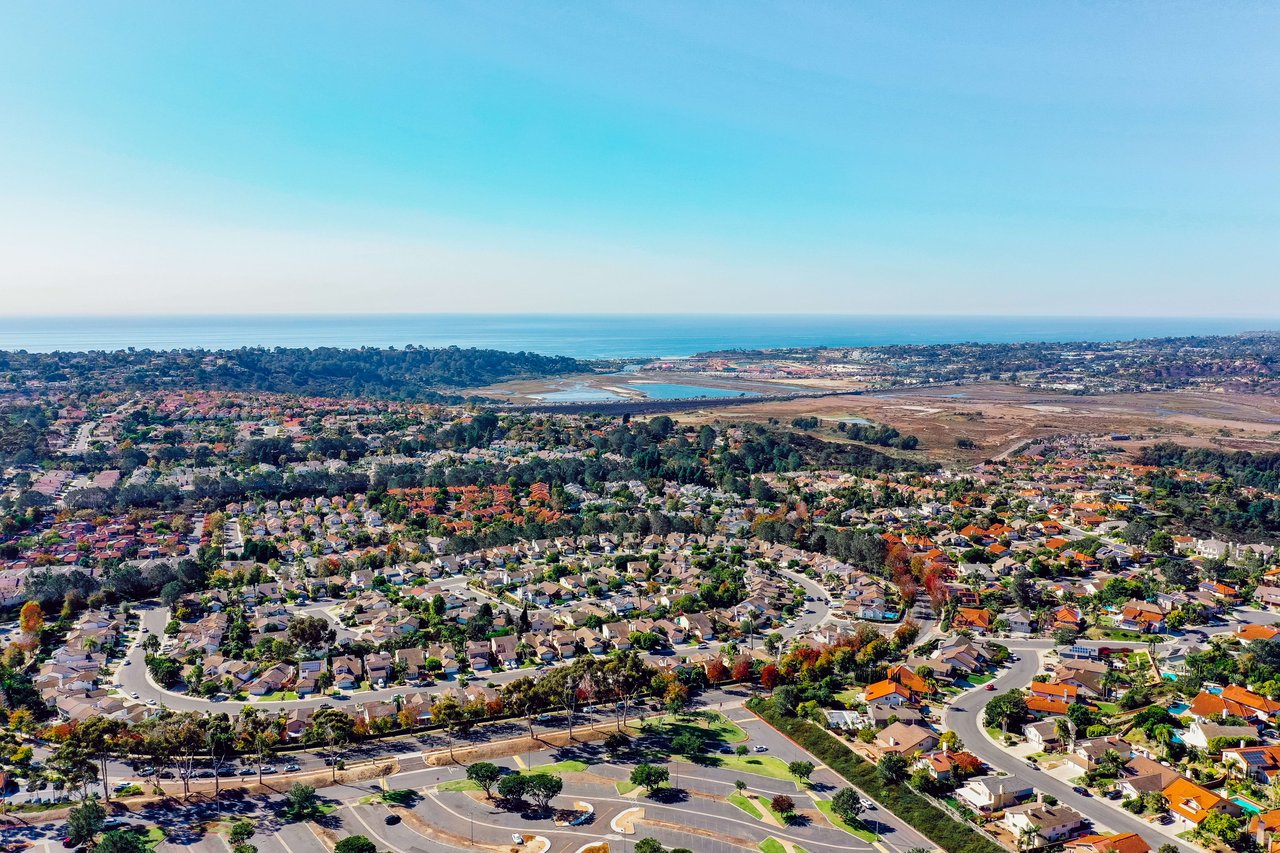
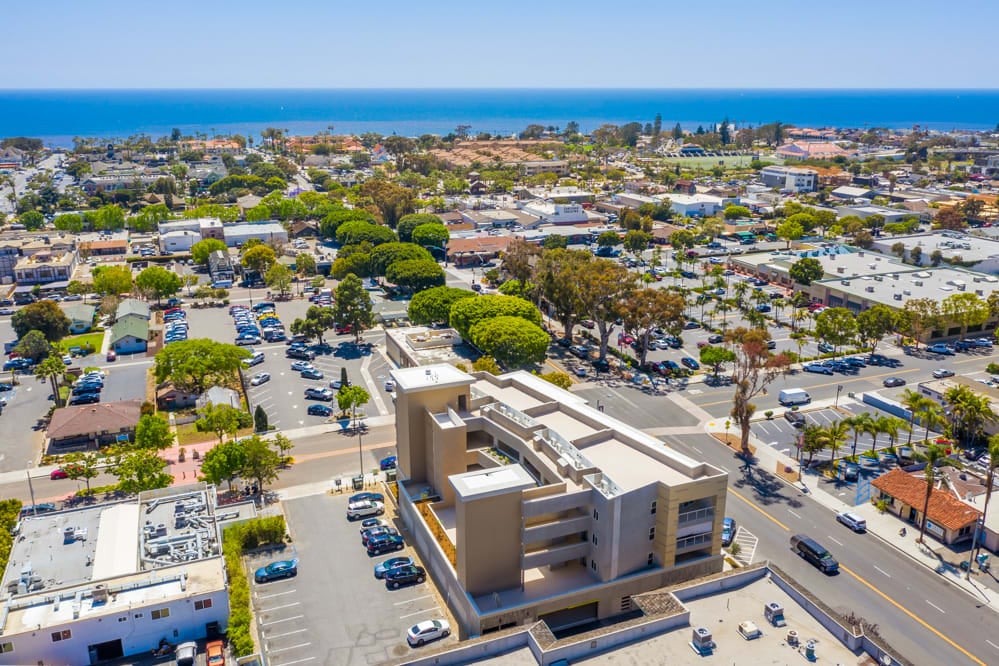
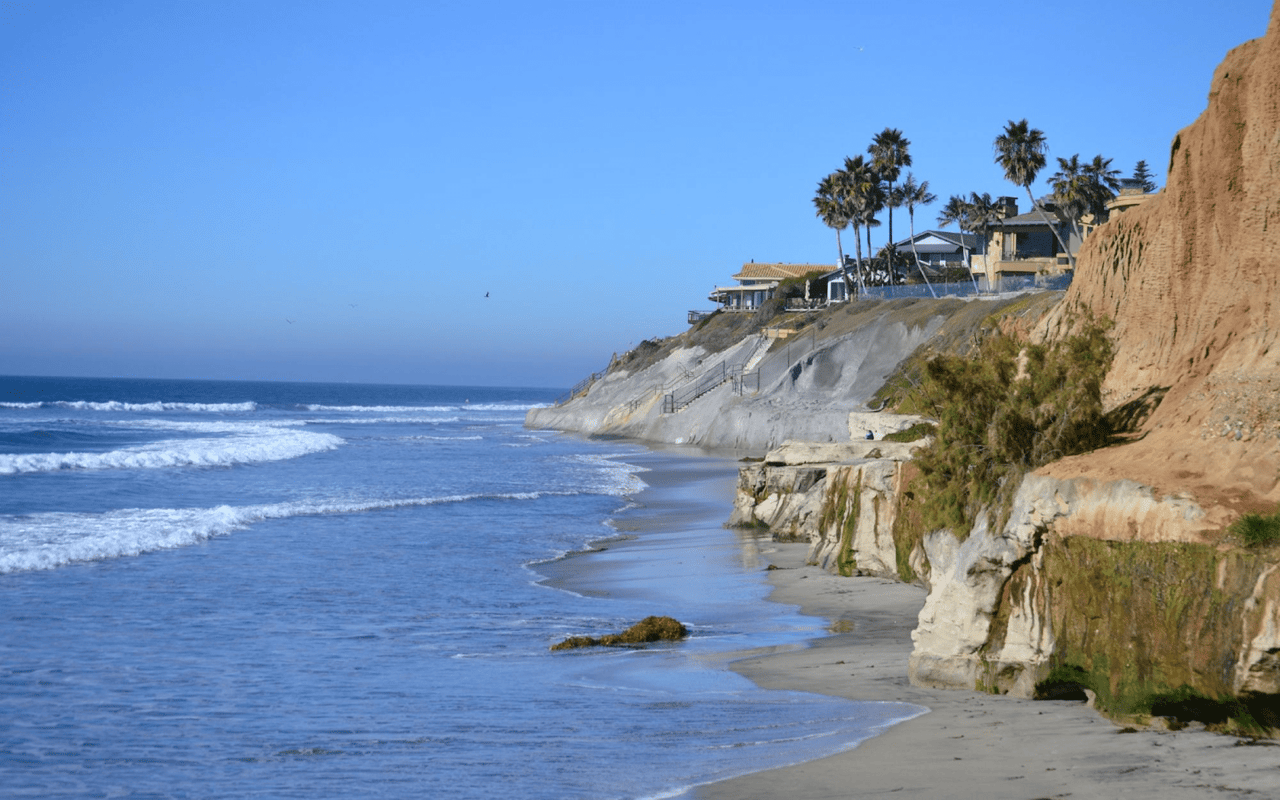
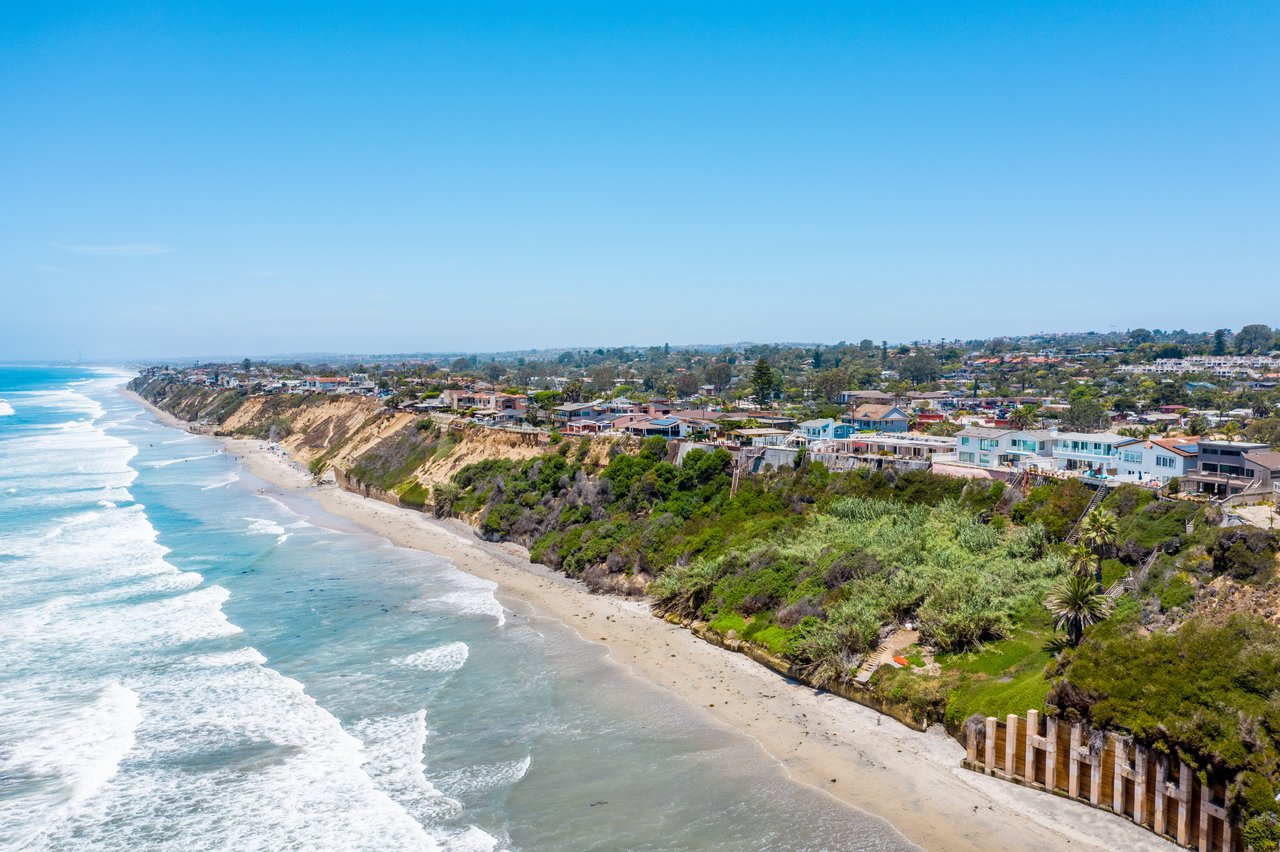
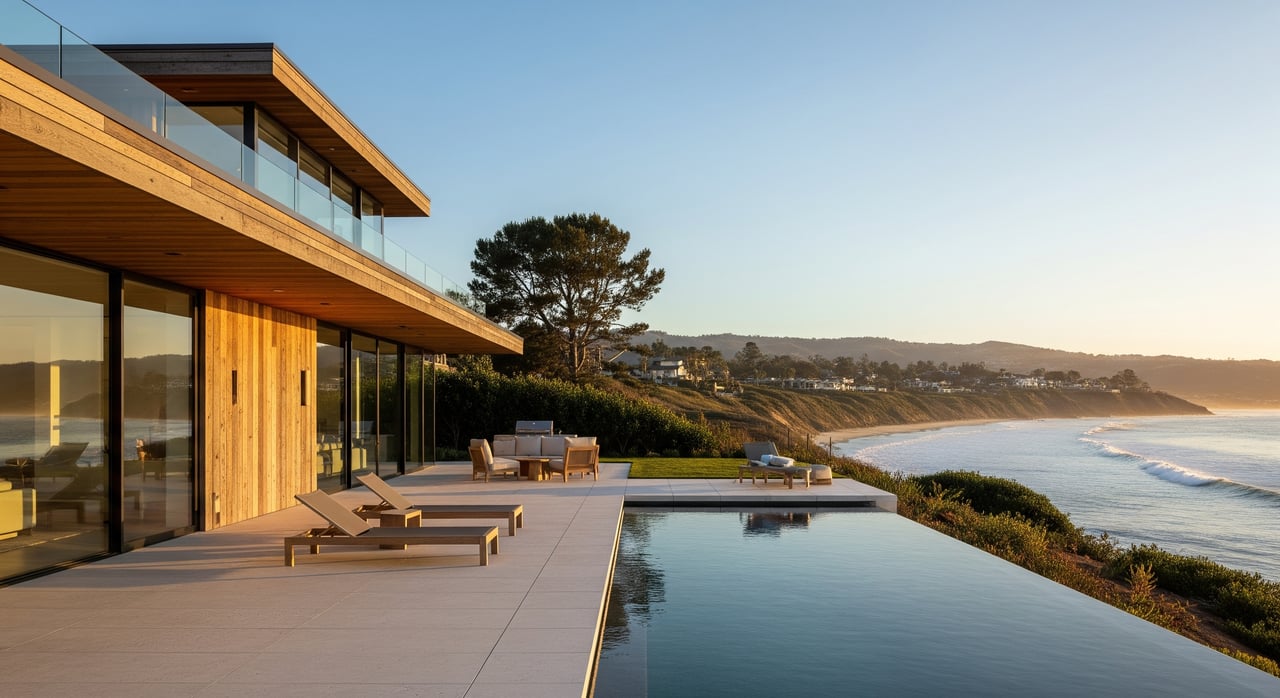
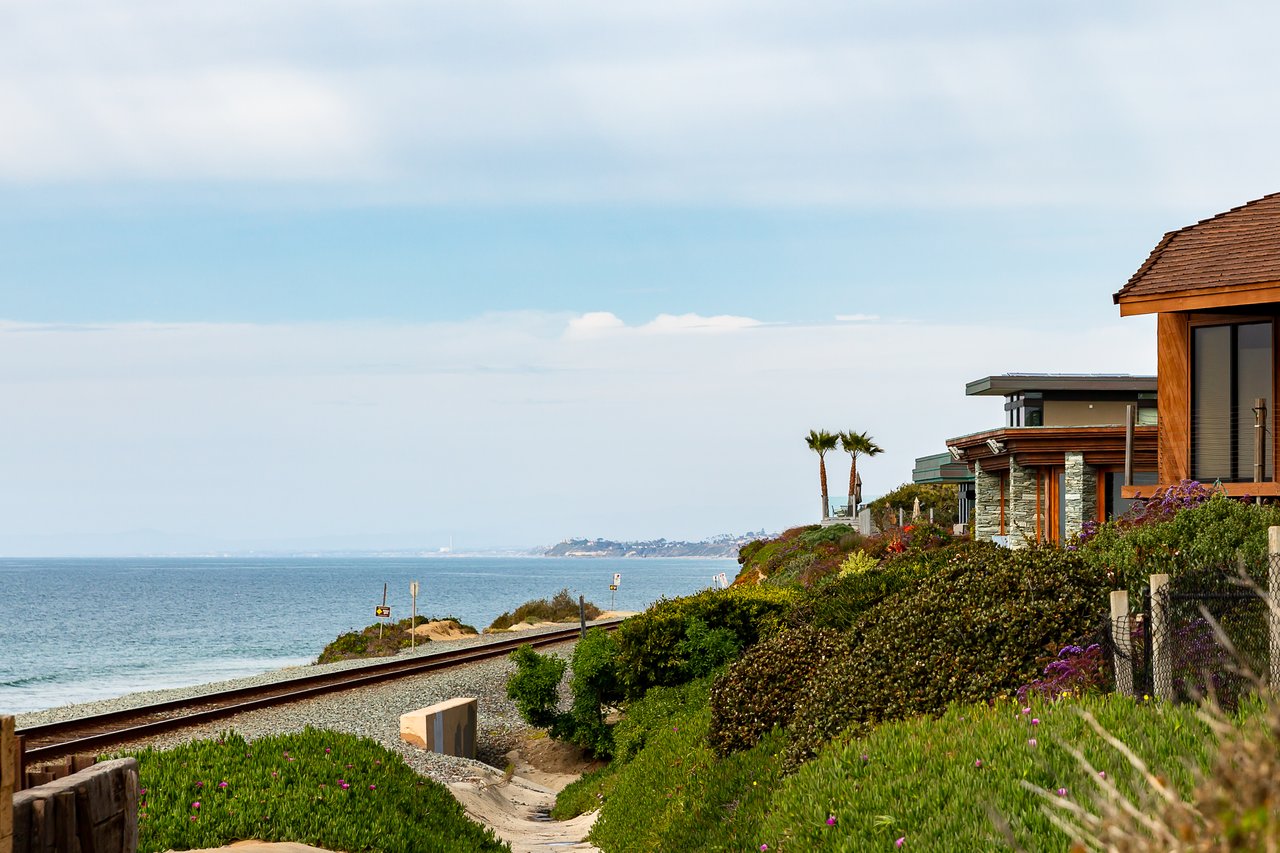
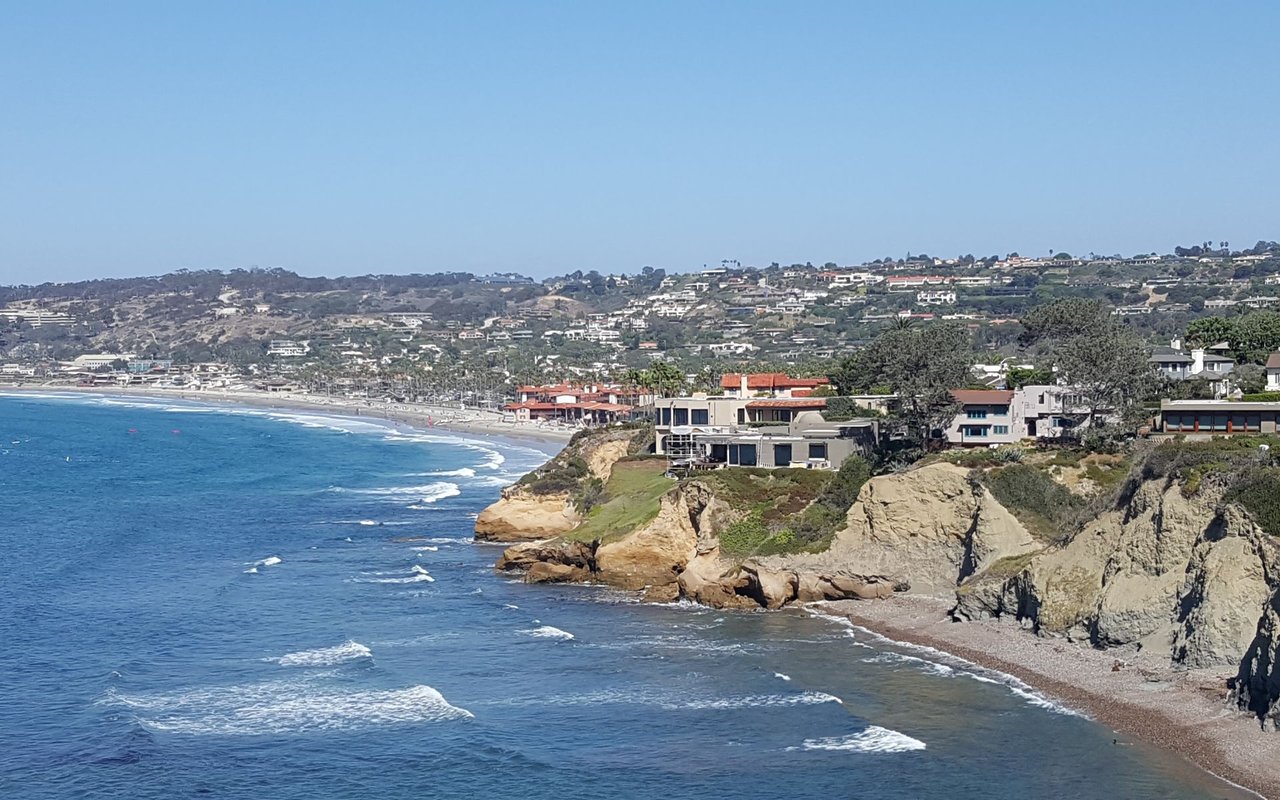
“West of I-5” refers to the ribbon of neighborhoods between Interstate 5 and the Pacific Ocean. In Carlsbad, that band is relatively narrow and includes Carlsbad Village, coastal bluffs, beaches, and low- to medium-density homes and mixed-use blocks.
Because I-5 runs close to the coast in North County, living west of it usually means shorter walks or bike rides to sand, surf, shops, and dining. It also brings a stronger coastal microclimate and a different set of tradeoffs than you’ll find east of the freeway.
What buyers really trade for
- Closer beach access and higher walkability vs. smaller lots and tighter parking.
- Cooler coastal microclimate vs. more salt-air maintenance.
- Limited supply and strong demand vs. higher prices and stricter permitting near the coast.
Homes and lots you’ll find
Typical property types
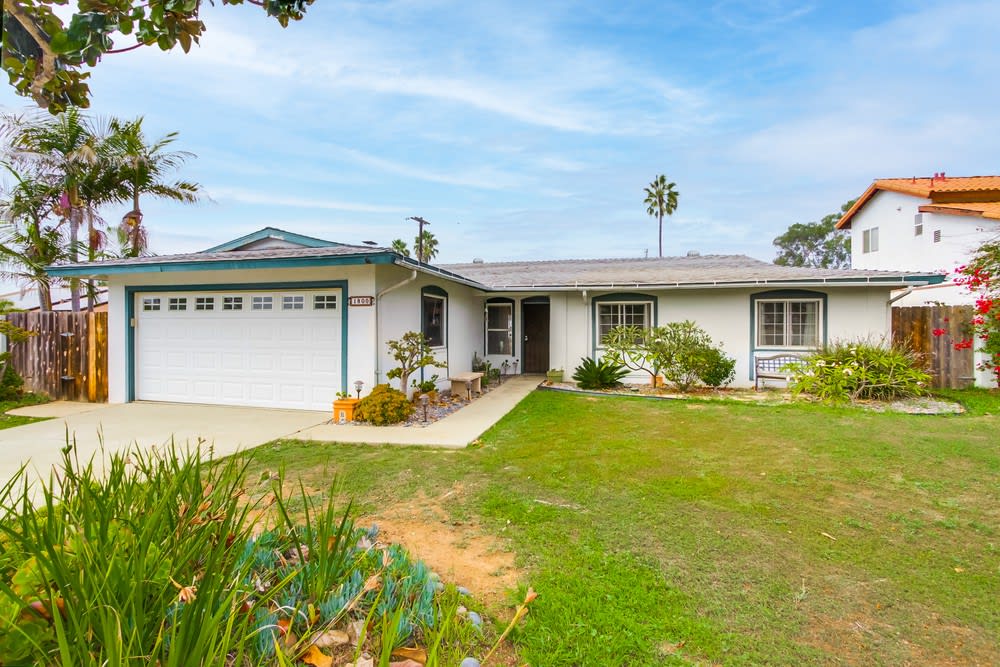
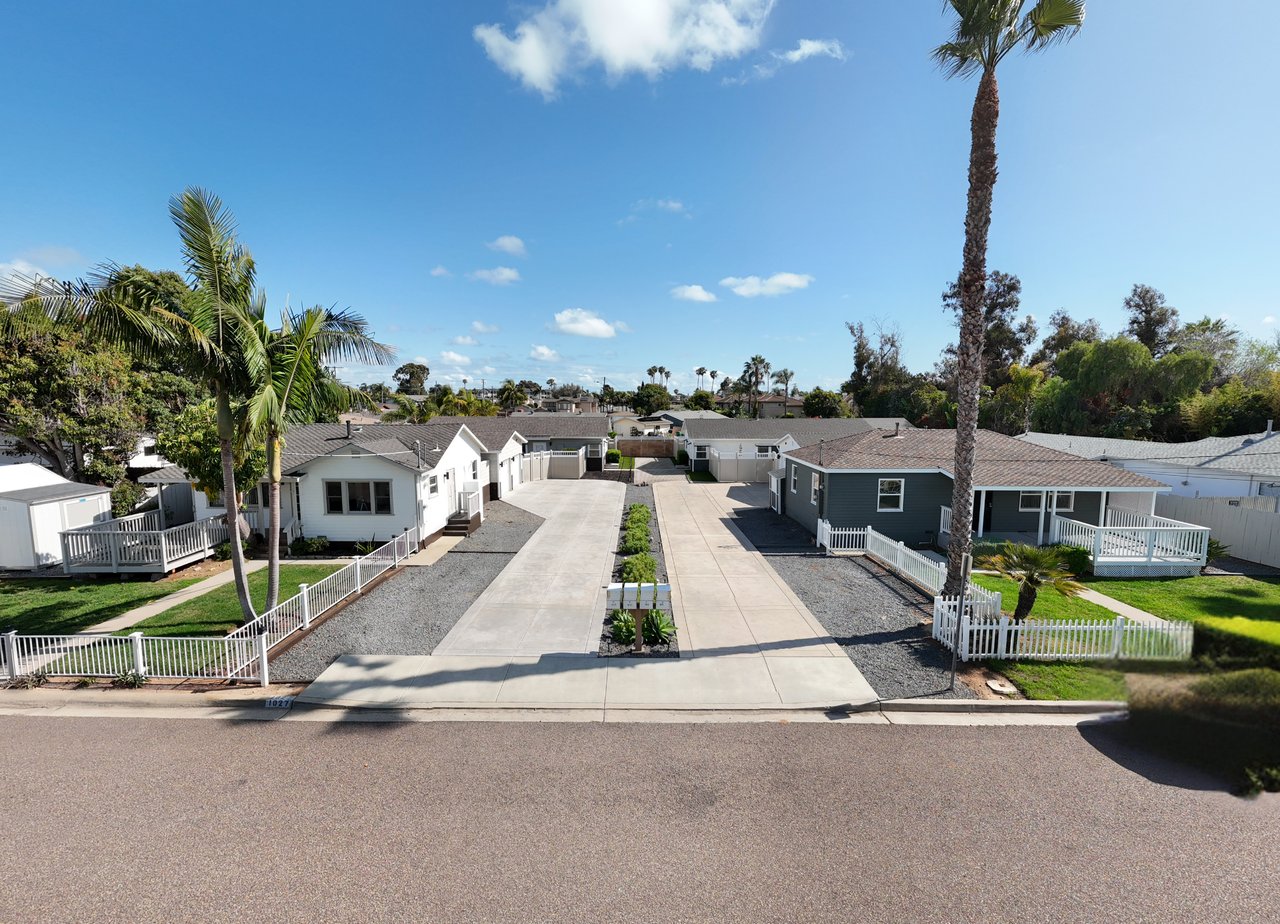
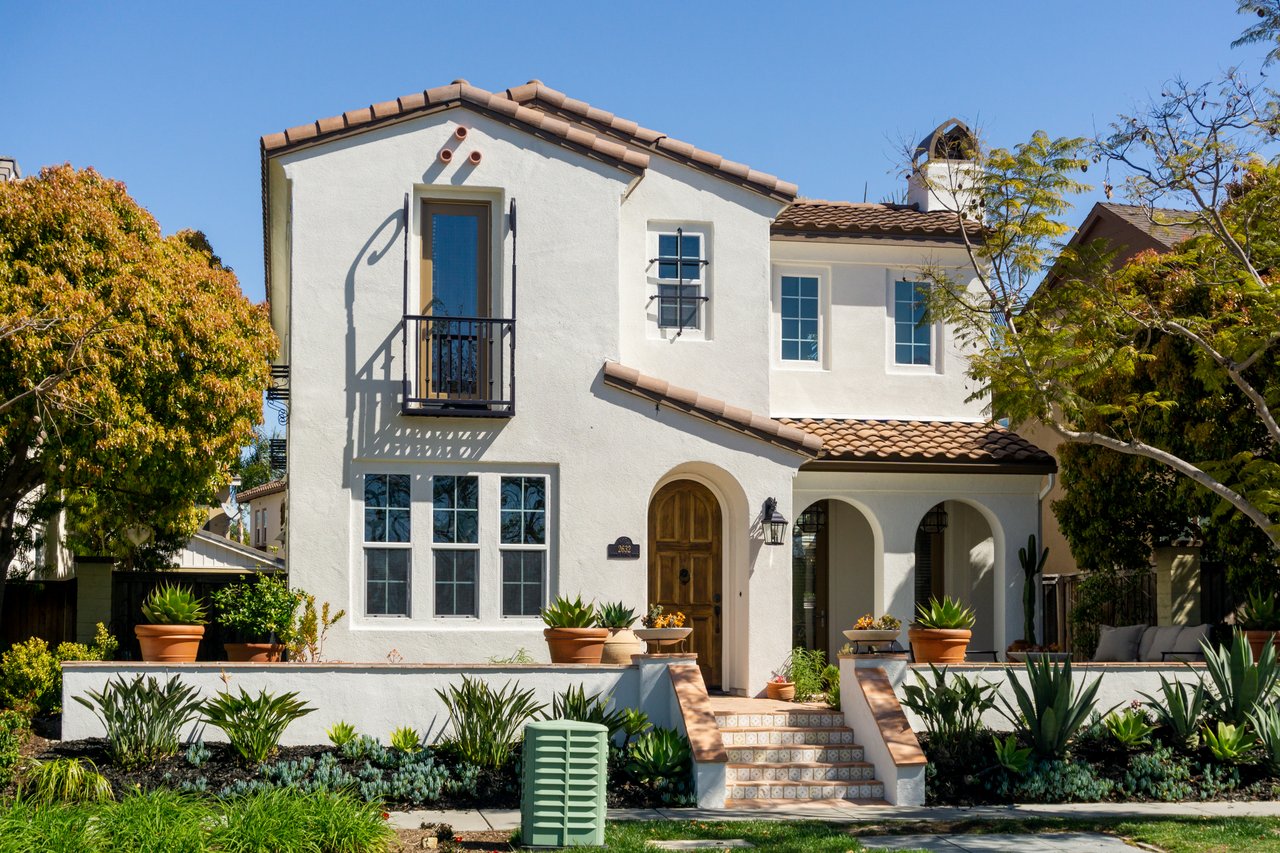
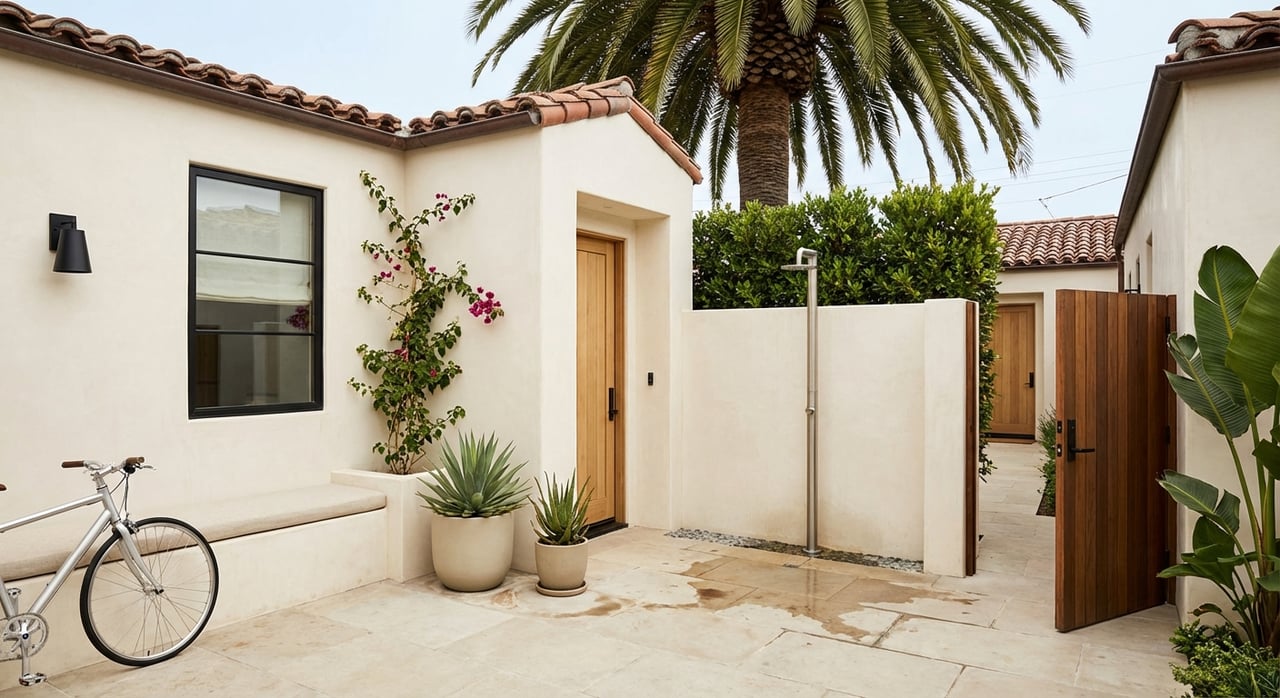
- Older beach cottages and bungalow-style homes on small, narrow lots.
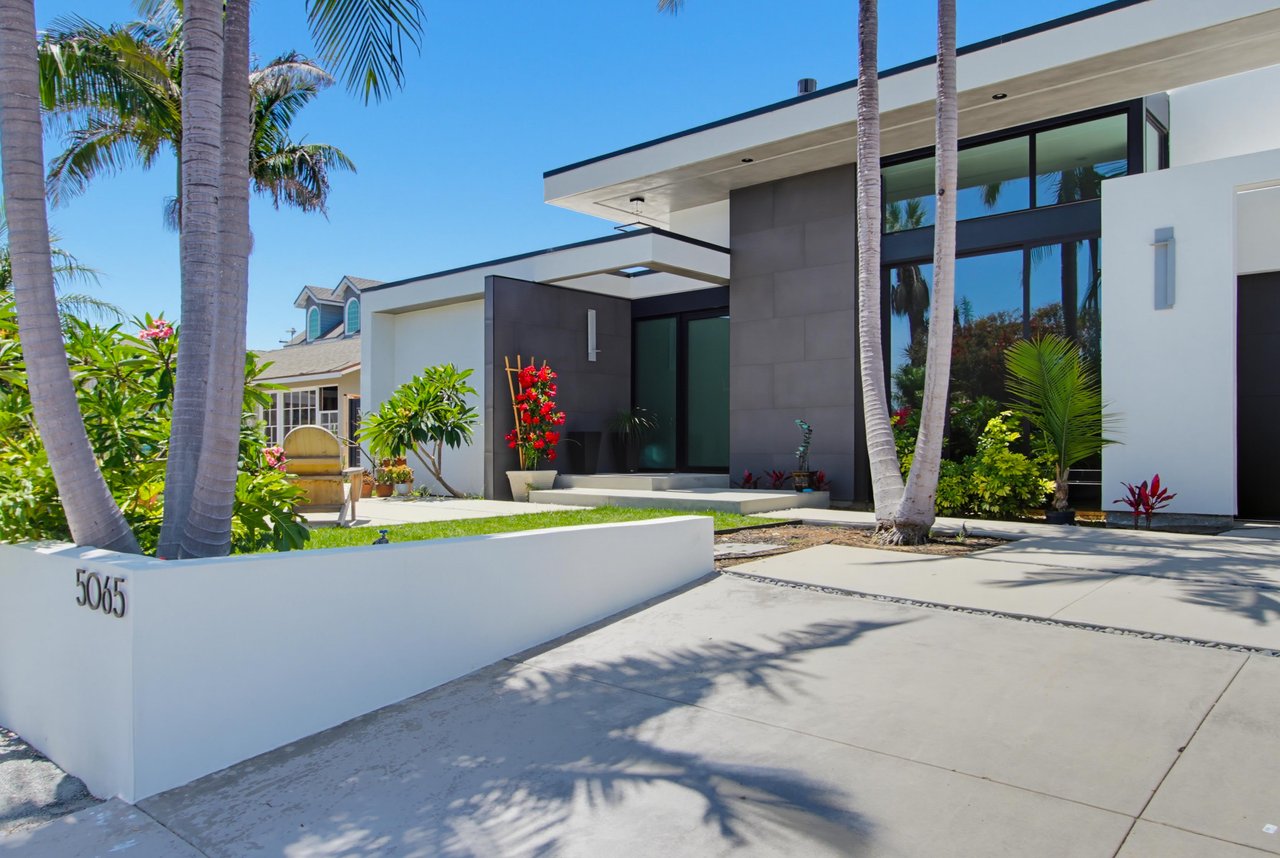
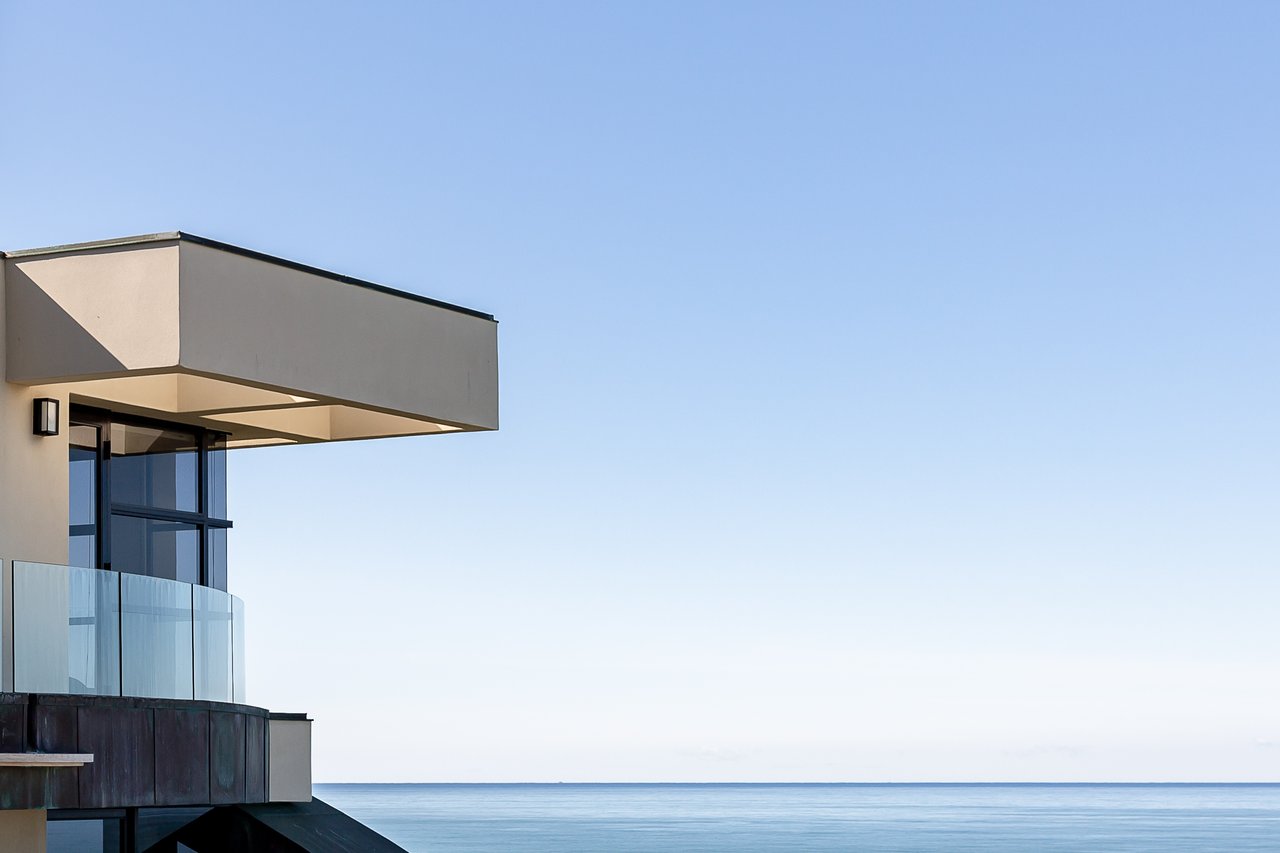
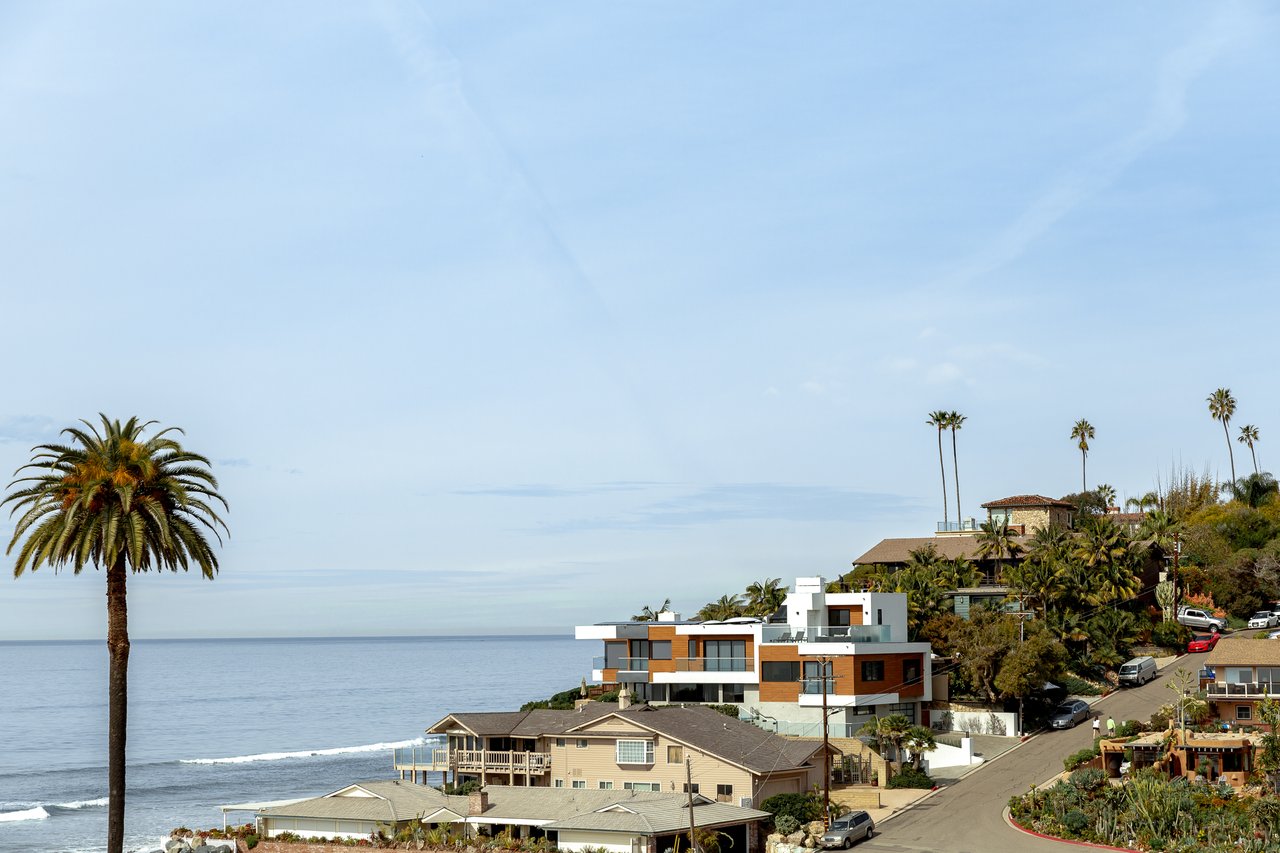
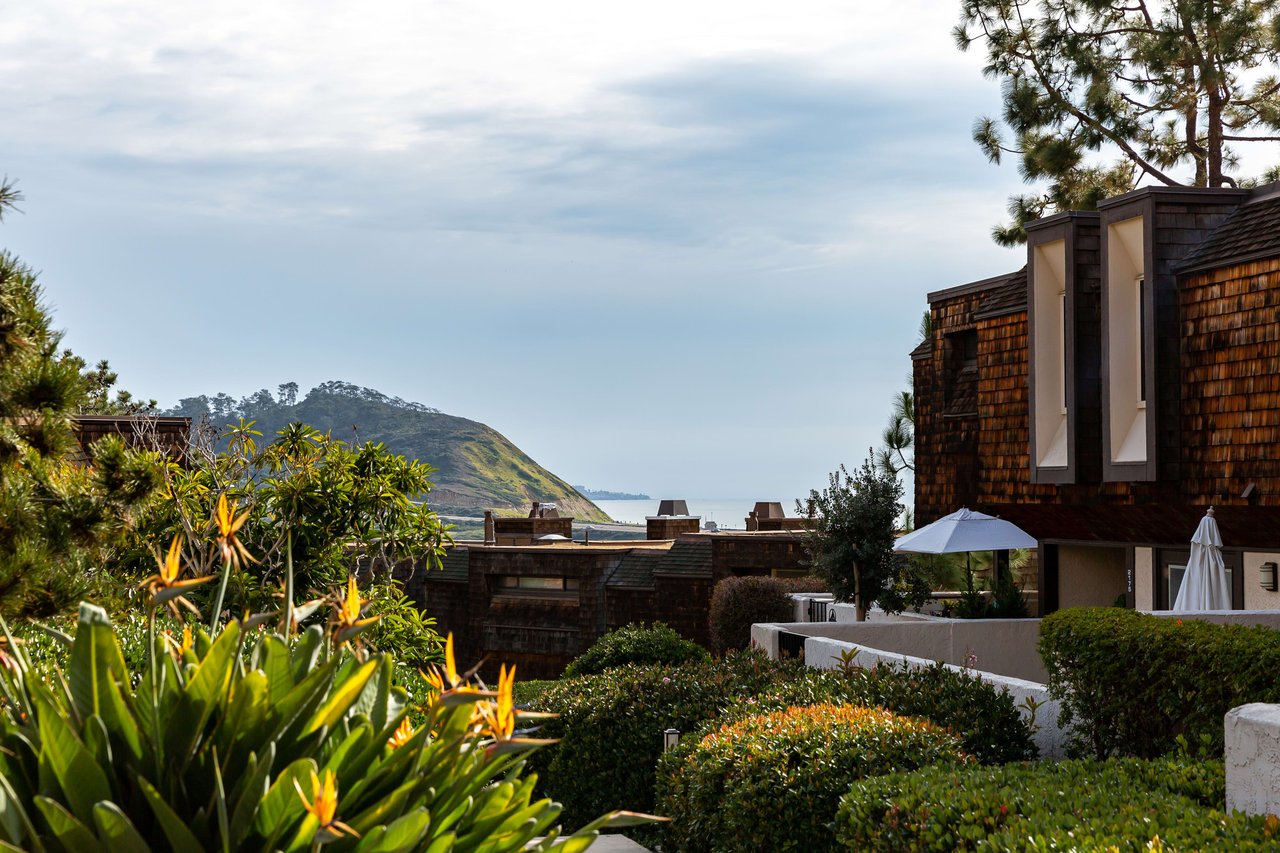
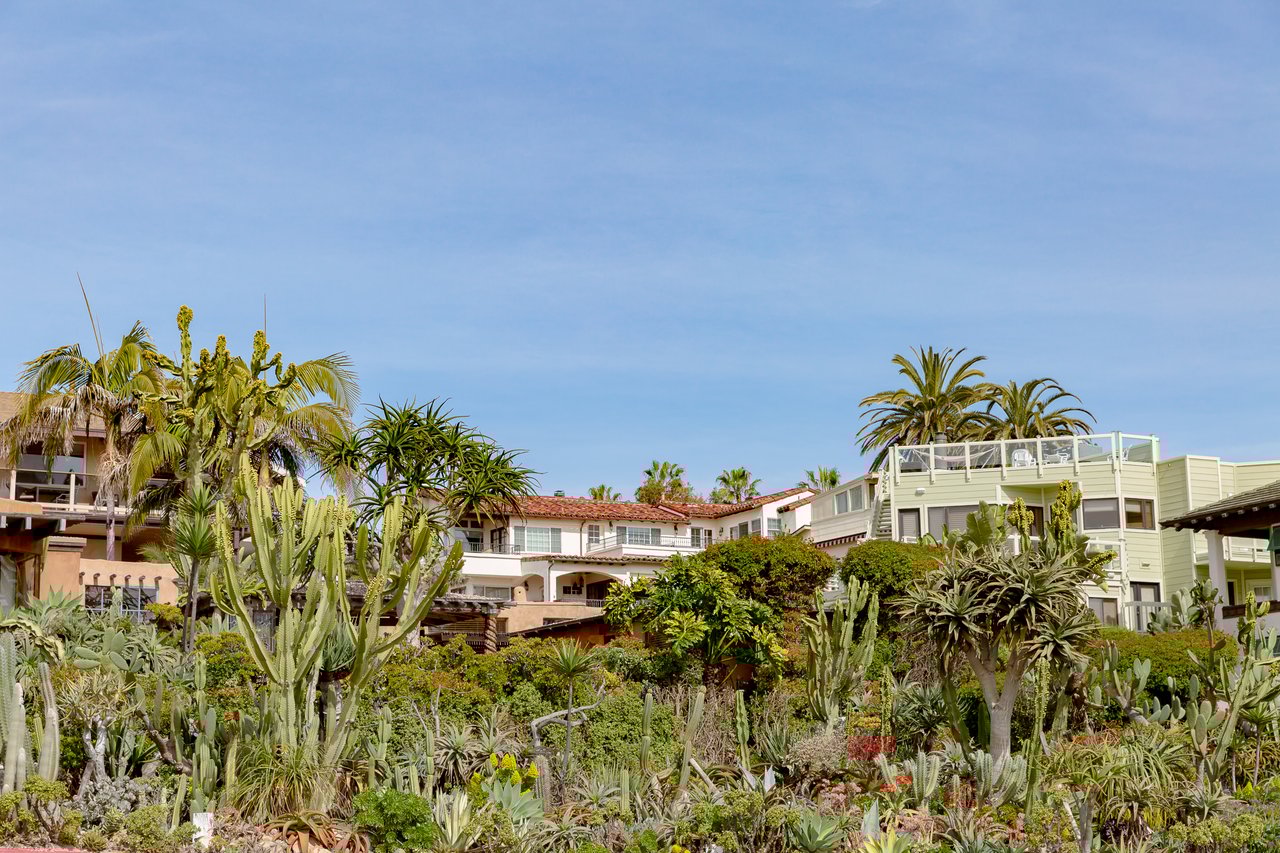
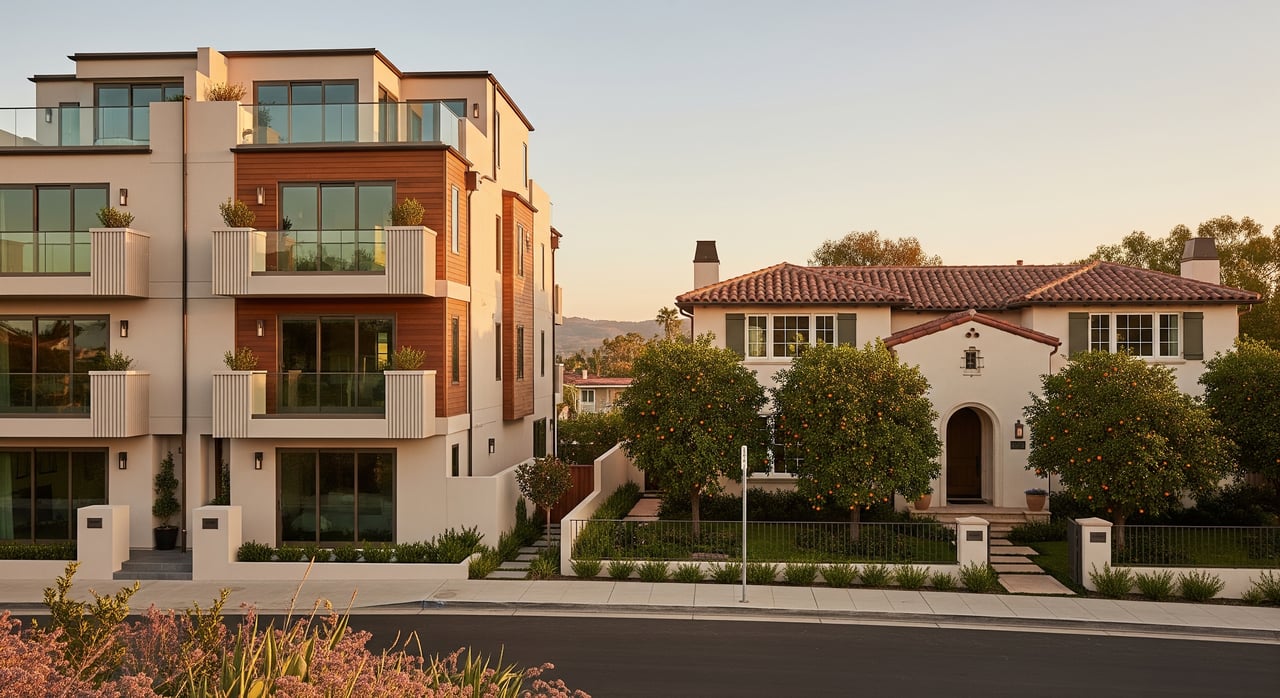
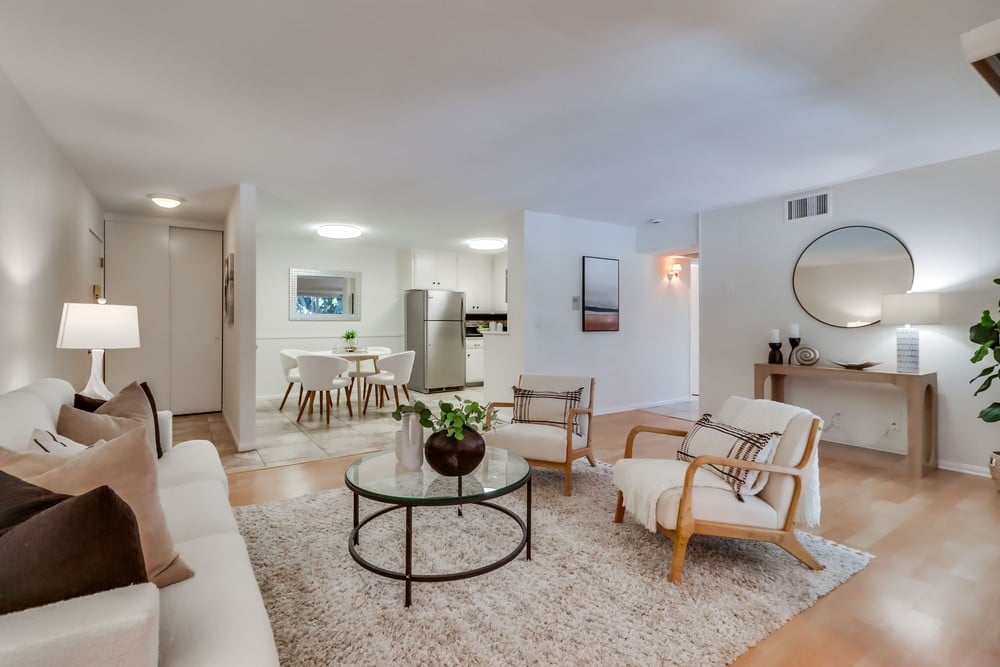
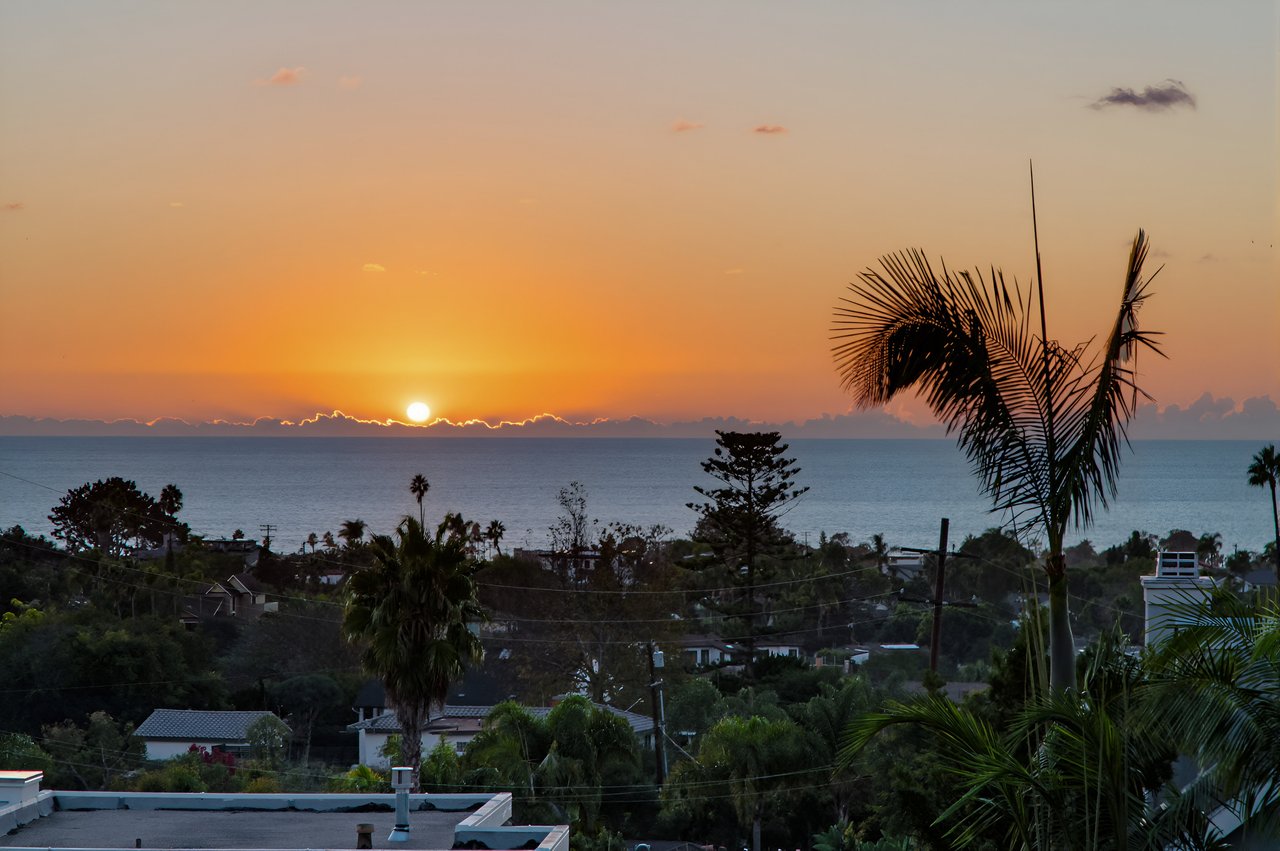
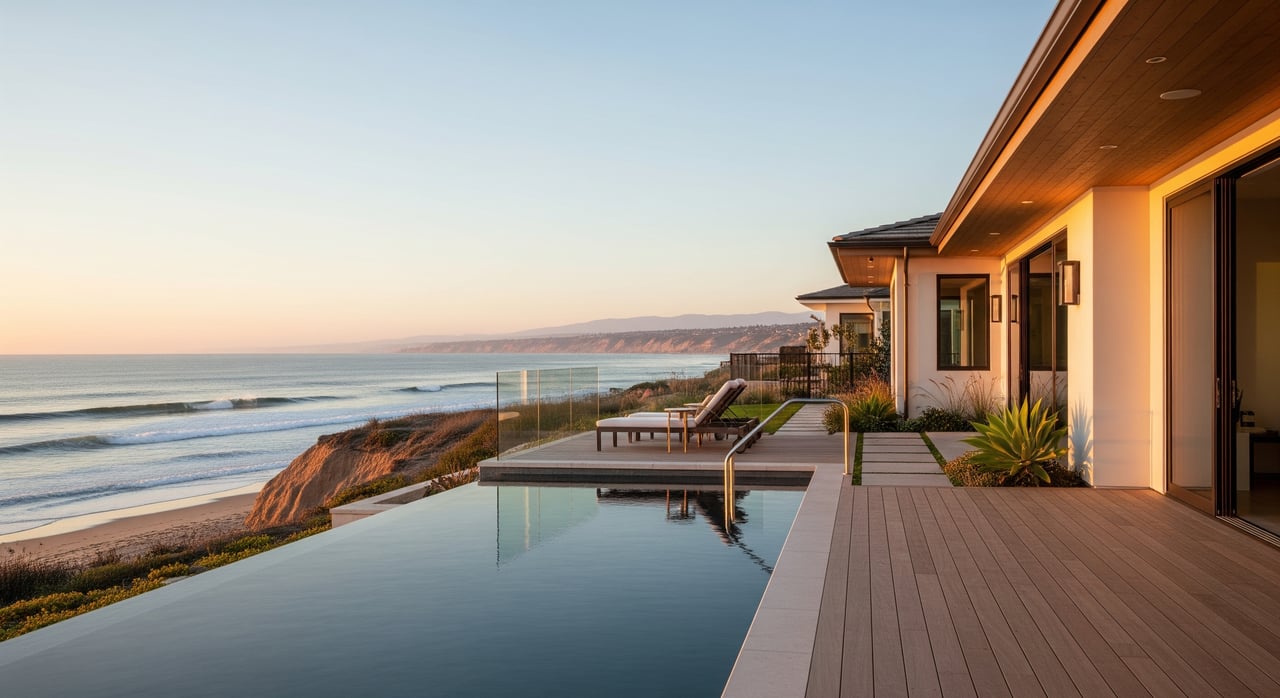
- Multi-level infill homes and vertical townhouses designed to capture ocean views, often with rooftop decks or large balconies.
- Low-rise condominium and apartment buildings near the beach and in the village core.
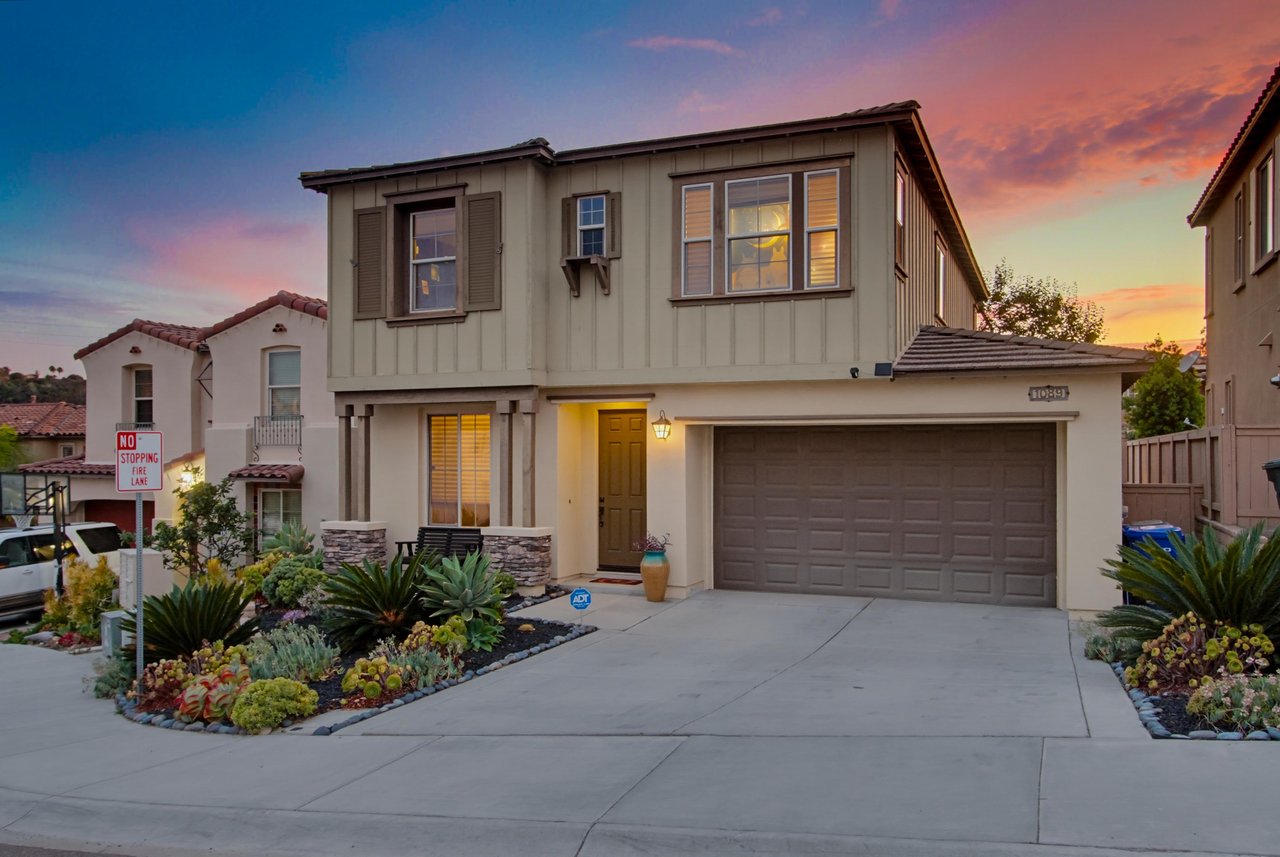
- A few larger single-family homes on bluffs or slightly elevated sites with views.
Physical characteristics
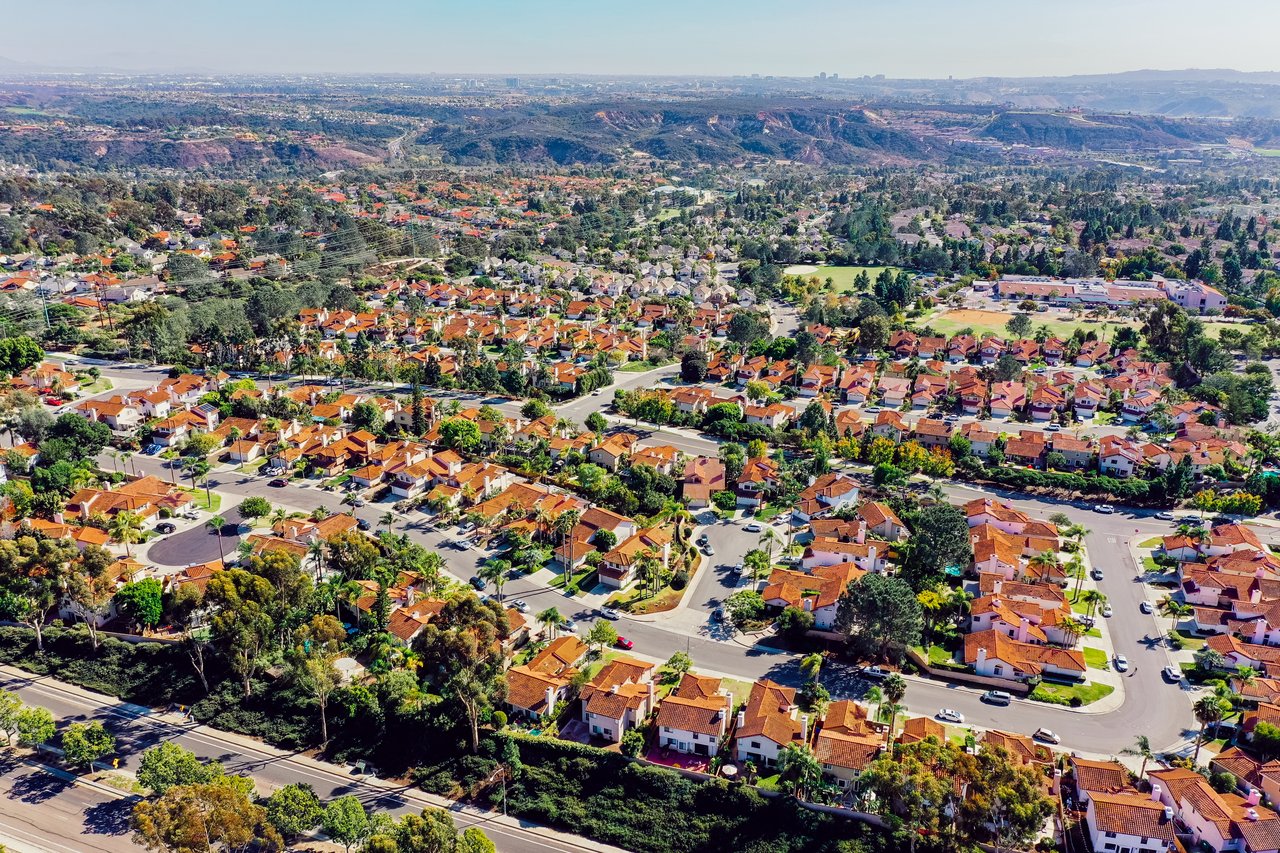
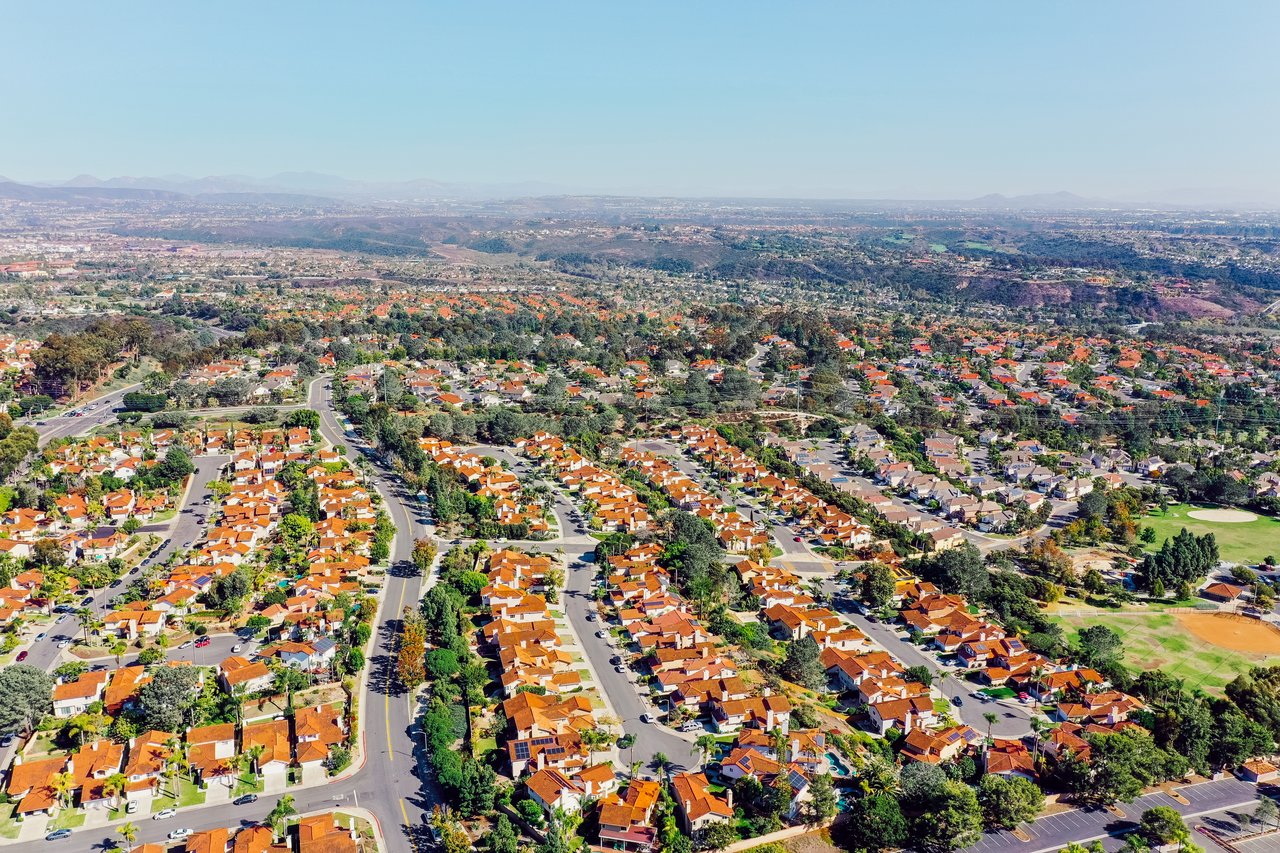
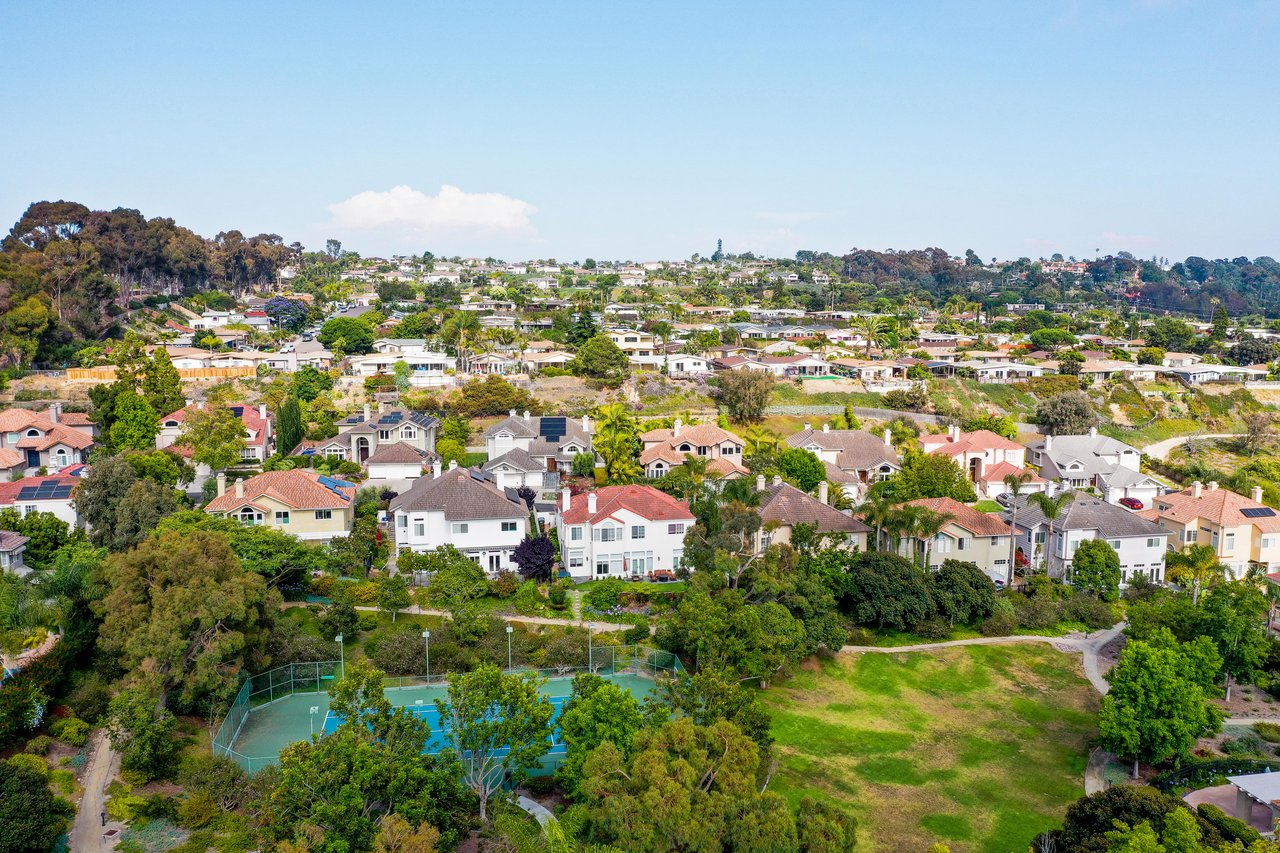
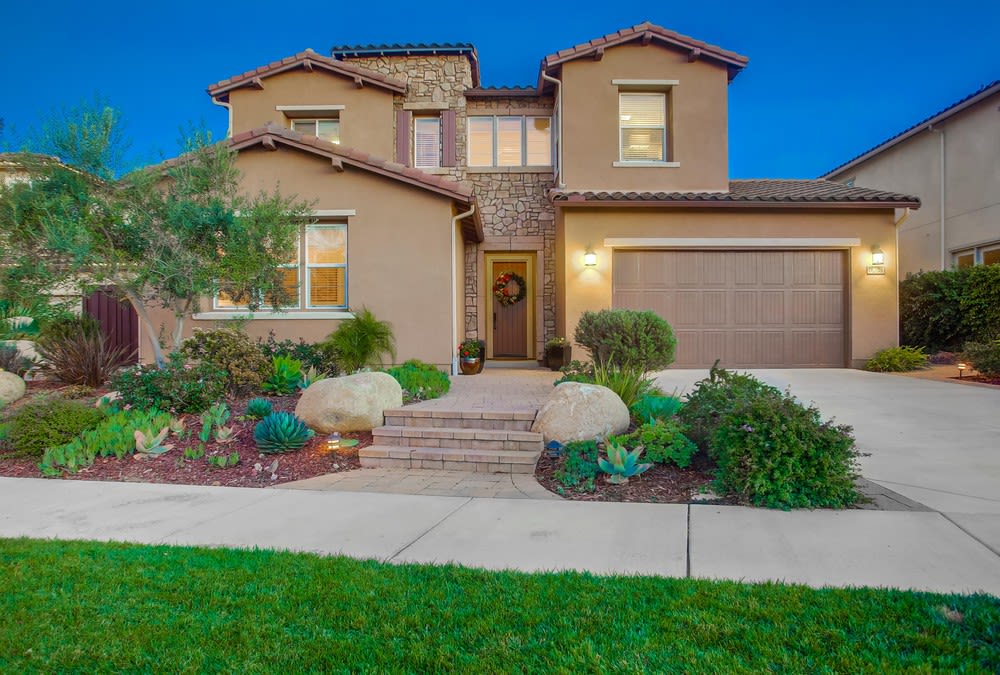
- Smaller lot sizes than inland subdivisions, with many narrow, deep parcels near the beach and village.
- More vertical living to optimize views, which can mean stairs and multi-story floor plans.
- Limited private yard space for some condos and cottages, so residents rely more on public beach access and parks.
Zoning and development controls
- A mix of traditional residential zoning and mixed-use in the village core.
- Height and density limits apply, along with Local Coastal Program rules and bluff setback requirements.
- Coastal bluffs carry extra slope and stability considerations that can affect what you can remodel or rebuild.
Lifestyle benefits and daily realities
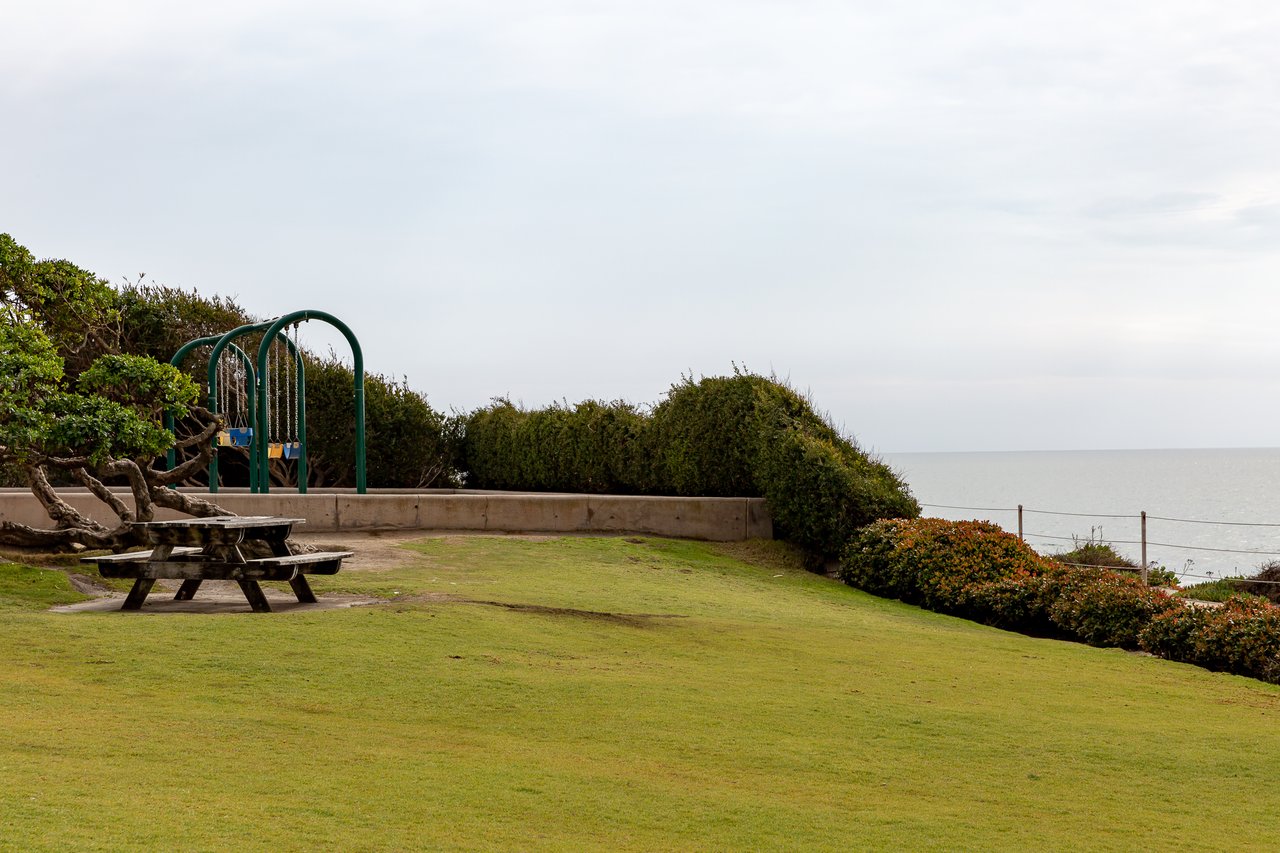
Beach access and parks
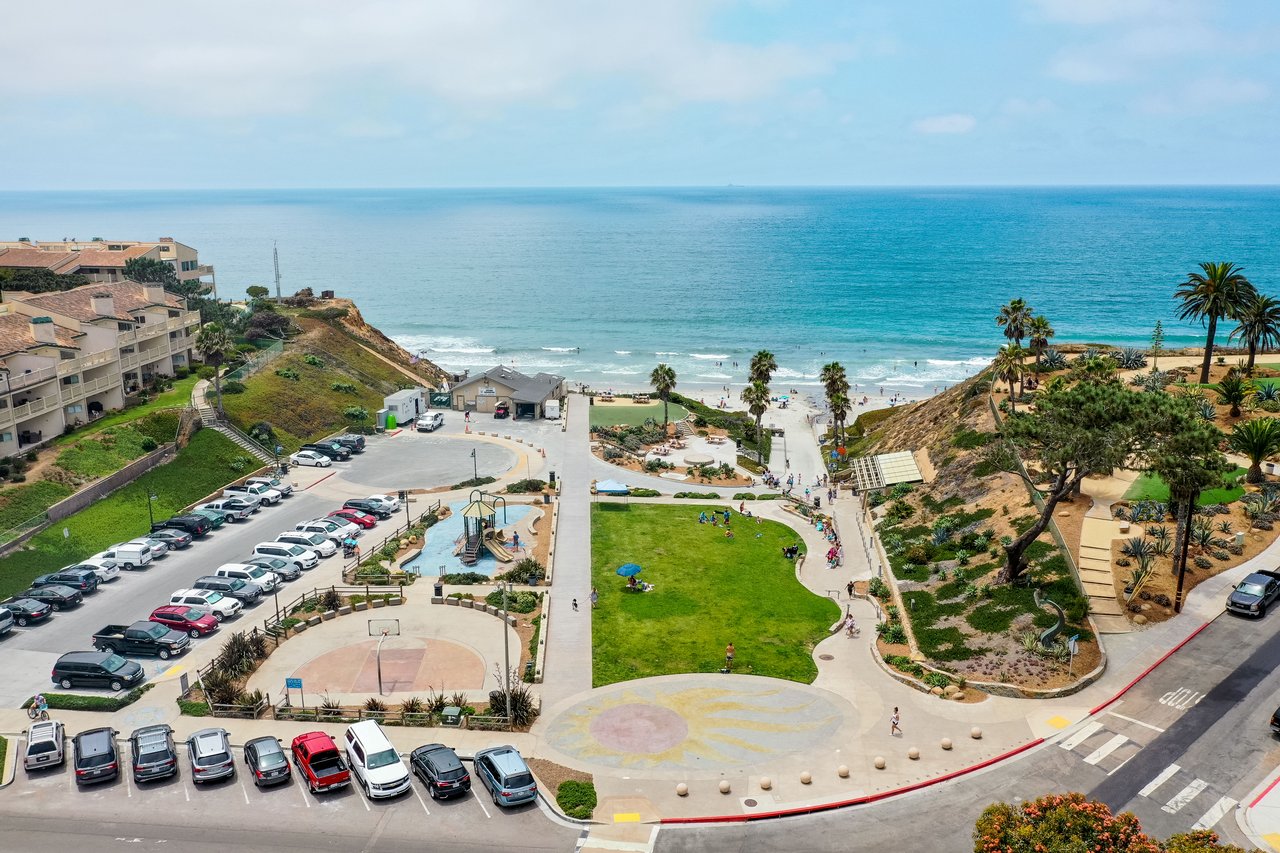
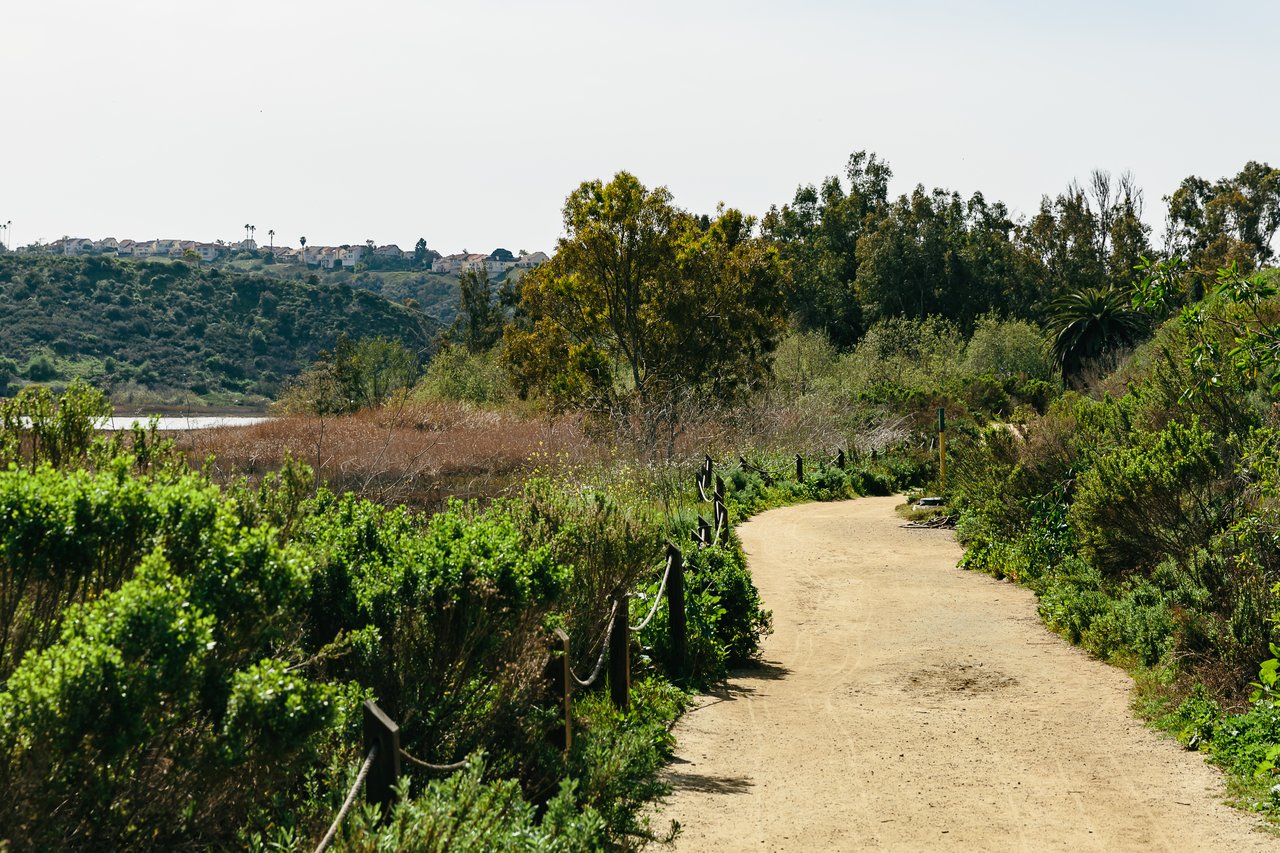
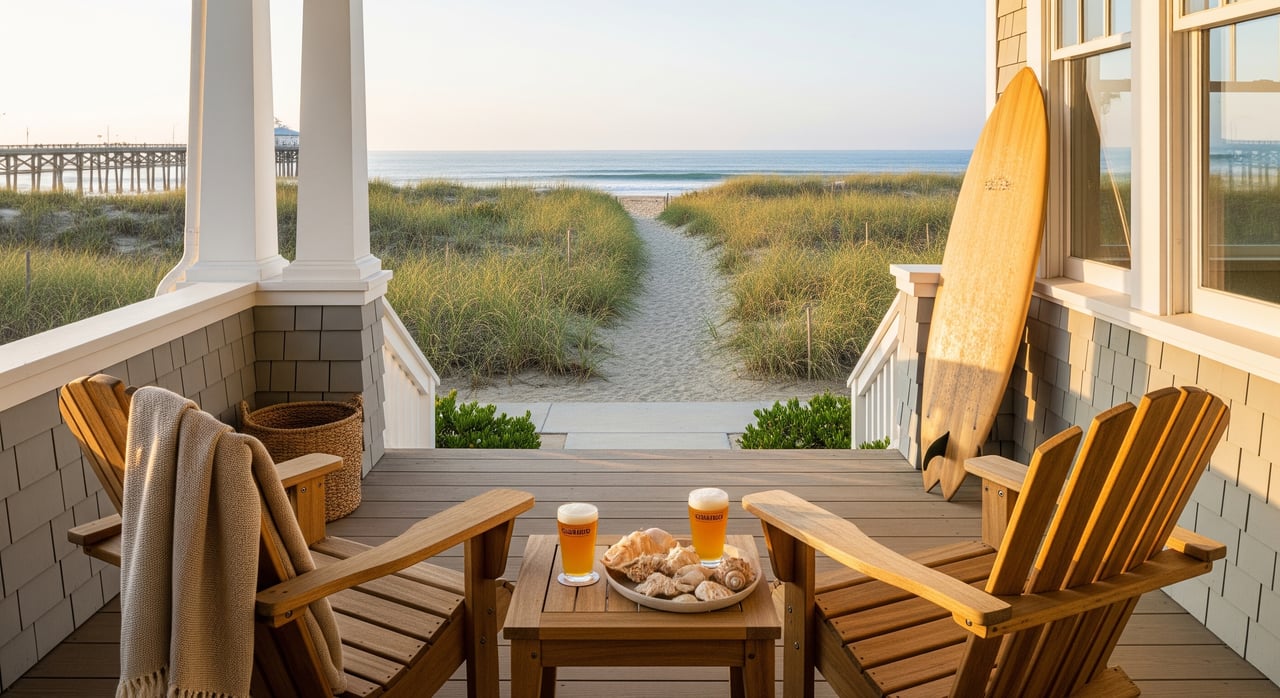
You’re typically a short walk or bike ride from the sand, coastal trails, and village amenities. Public beach parking exists at major beaches and city lots, but it fills early on weekends and holidays. Time limits and meters are common near the village.
Tip: The nearest beach access point matters more than straight-line distance. Being two blocks from a formal stair or ramp feels far more convenient than being three blocks from the nearest access.
Walkability and errands
Carlsbad Village and the immediate coastal strip are the most walkable parts of Carlsbad. Restaurants, retail, and groceries cluster here, so you can often leave the car at home for daily errands.
Transportation and parking
I-5 provides fast north-south car access, though it backs up during peak hours. The NCTD COASTER serves Carlsbad at the Village and Poinsettia stations, which some residents use for trips to downtown San Diego. Street parking can be tight near beaches and in the village, and many older properties have little or no off-street parking.
Microclimate and maintenance
Expect the classic Southern California marine layer, especially in late spring and early summer. Mornings often start cool and cloudy and clear in the afternoon. Daytime temperatures near the water typically run several degrees cooler than inland, often by 5 to 10 degrees.
Salt air helps moderate summer heat and can reduce HVAC use, but it accelerates exterior wear. Plan for more frequent painting, attention to wood and decks, and faster corrosion of metal and HVAC components.
Noise, privacy, and crowds
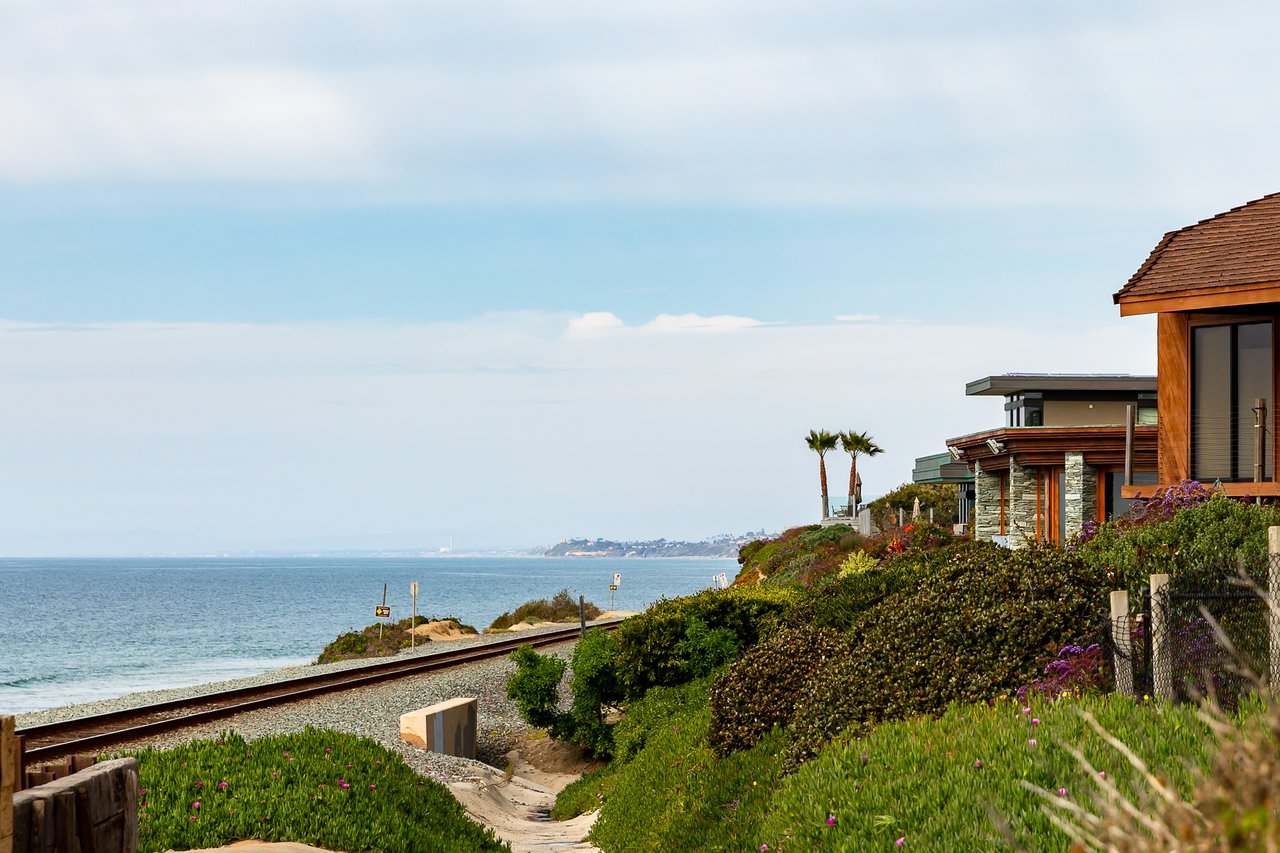
Proximity to beaches and the village brings energy and activity, especially on summer weekends and holidays. Train noise is a factor for homes near the rail corridor. Some buyers love the vibrancy, while others prefer quieter blocks a bit farther from the action.
Costs, risk, and resale dynamics
Price premium and demand drivers
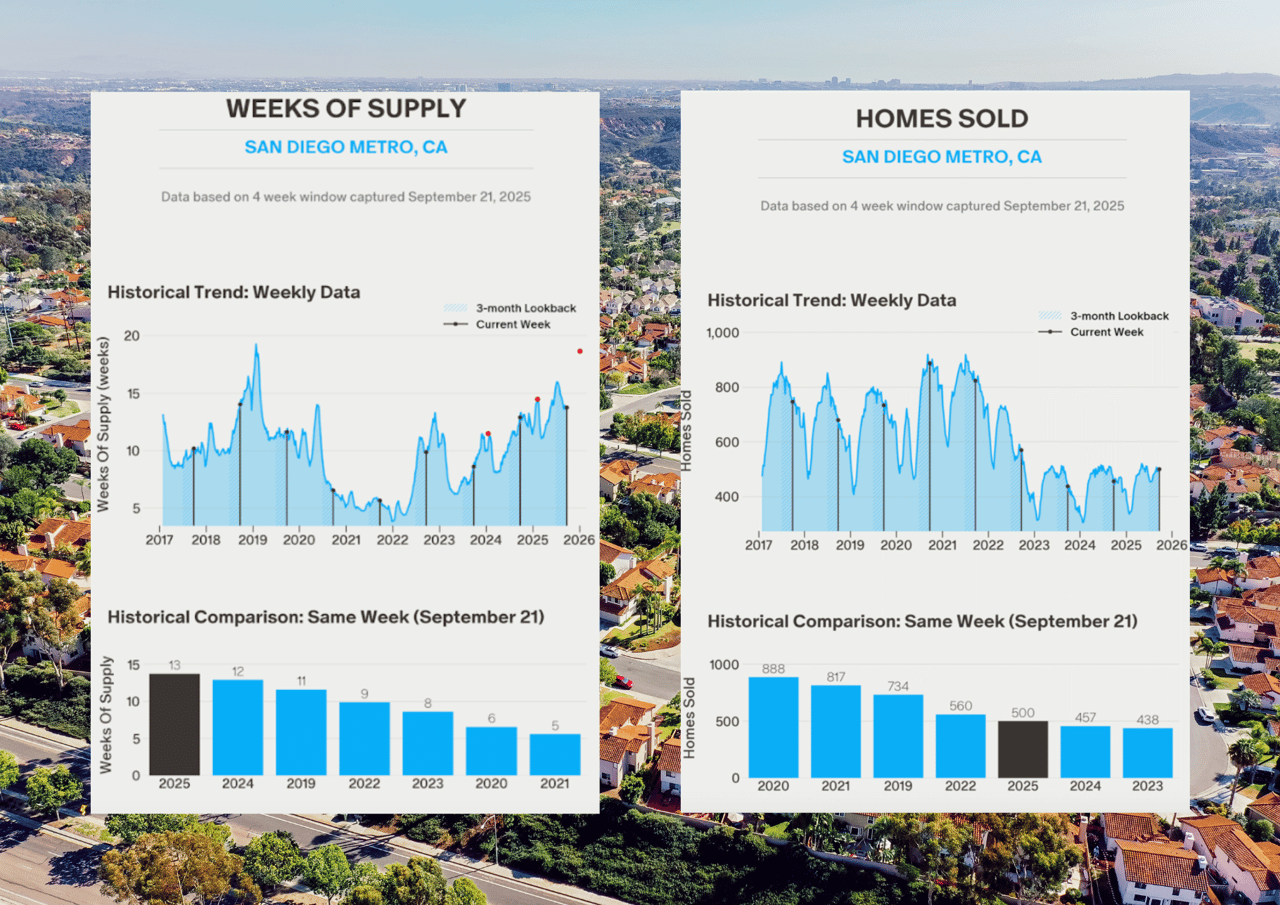
Coastal homes, including those west of I-5, generally command a premium due to scarcity, walkability, and views. Inventory tends to run lower relative to demand, which can lead to faster sales, though local conditions change and should be verified when you’re ready to write an offer.
What can limit your buyer pool at resale
- Limited parking or small garages.
- Multi-story floor plans without an elevator.
- Exposure to coastal hazards like bluff erosion or sea-level rise zones.
- Train or tourism noise in high-activity areas.
Permits, inspections, and disclosures
- Expect Coastal Development Permits for many remodels and additions near the water. Projects must conform to the Local Coastal Program and local setback and height rules.
- Sellers must disclose known geologic hazards and slope stability issues. For bluff-edge sites or major rebuilds, geotechnical review is essential.
- Schedule thorough structural and pest inspections, as moisture and salt exposure can accelerate wood rot and exterior wear.
Insurance and financing
- Homeowners insurance can be higher near the coast due to wind, salt corrosion, and potential flood exposure.
- Flood insurance may be required if a property is inside a FEMA flood zone.
- Lenders may scrutinize bluff-top sites or homes within certain coastal hazard areas, and appraisals for unique ocean-view homes can be more complex.
Sea-level rise and bluffs
Coastal hazards are a long-term consideration. Beachfront and low-lying areas face the most immediate exposure, and bluff-top sites must account for erosion and slope stability. Changing policies on setbacks and stabilization can affect how you improve or rebuild.
Short-term rentals
Coastal homes attract short-term rental interest, but local rules change. Ordinances can set permitting requirements, occupancy and parking limits, and taxes. Confirm current rules before you buy with rental income in mind.
Is west of I-5 right for you?
Choose west of I-5 if you prioritize daily beach access, walkable dining and retail, and a cooler microclimate. It is a great fit if you are comfortable with smaller lots, urban parking, and higher exterior maintenance.
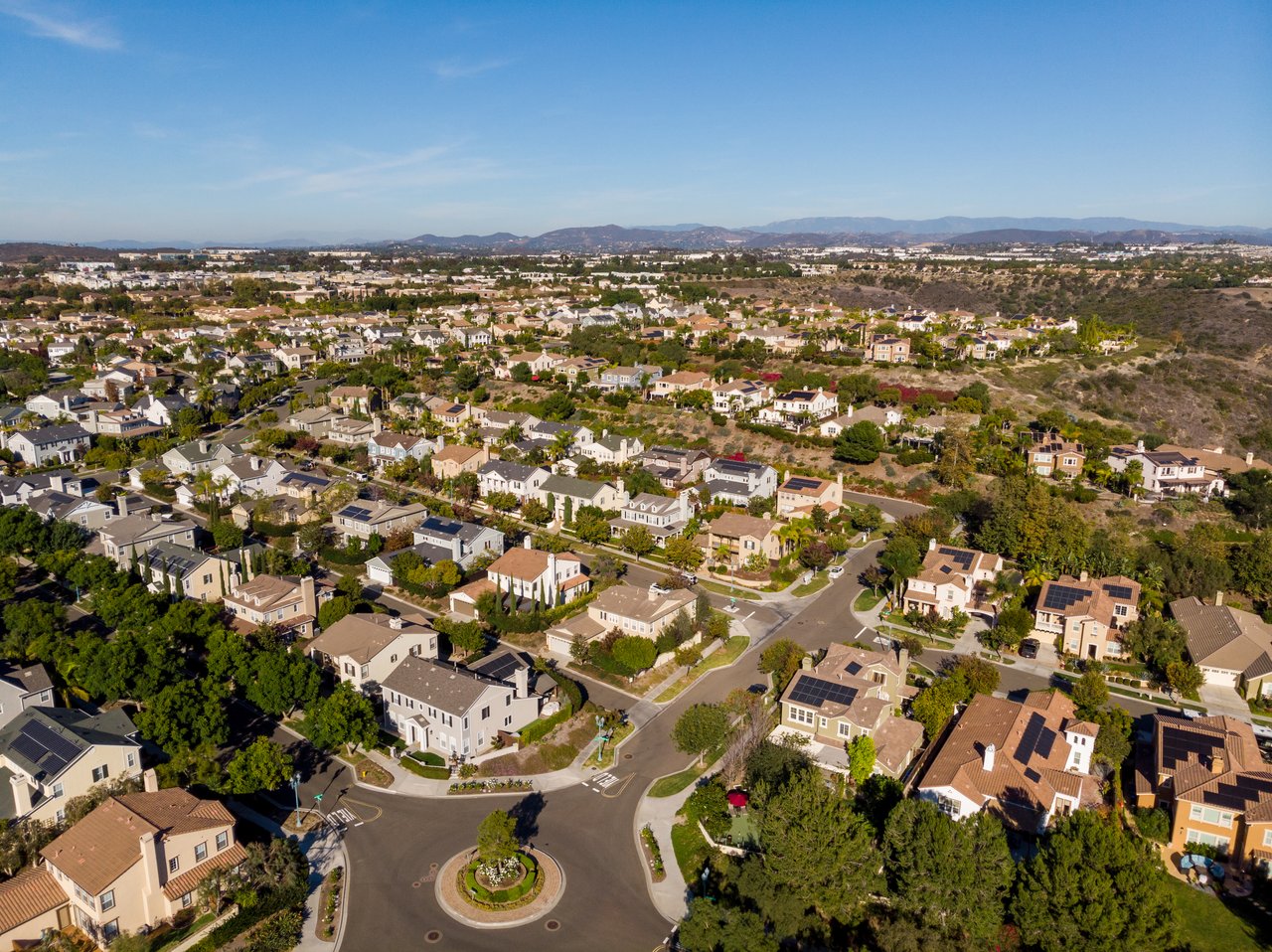
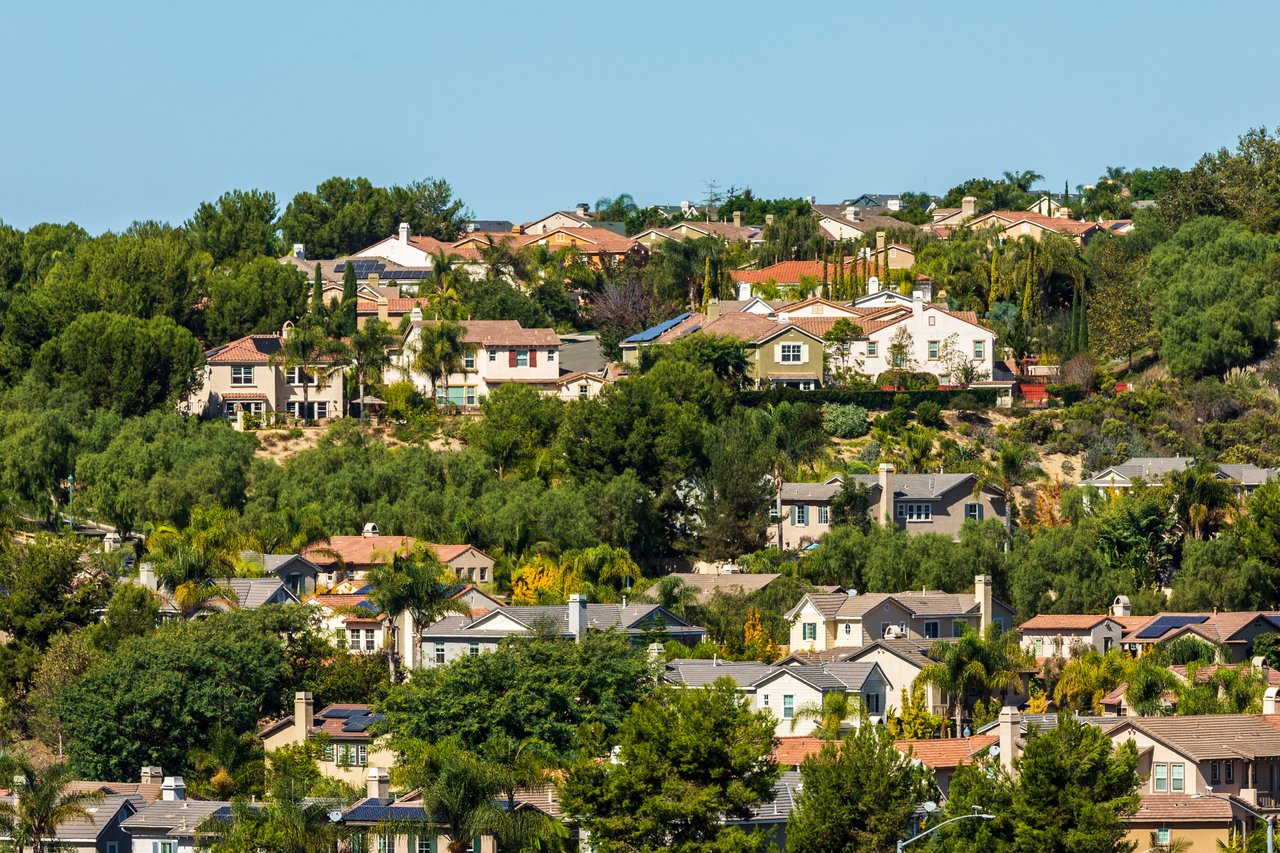
If you want larger yards, more private parking, and quieter streets, consider looking just east of I-5 while staying close enough to enjoy the coast when you choose.
Smart buyer checklist for any address
- Measure the walk or bike time to the nearest formal beach access point, not just the shoreline.
- Confirm resident and guest parking: garage size, driveway, street rules, time limits, or permit zones.
- Check hazard designations: FEMA flood zone, elevation, and whether the site is bluff-adjacent.
- Review likely permits for your remodel plans, including whether a Coastal Development Permit is needed.
- If a condo, compare HOA fees and what exterior items the HOA maintains.
- Budget for coastal maintenance: paint cycles, deck and railing upkeep, roof and HVAC timelines.
- Visit at different times of day to assess train noise, summer crowds, morning marine layer, and afternoon winds.
- Note transit options if valuable to you: proximity to the Carlsbad Village or Poinsettia COASTER stations.
Next steps
If a specific property has your attention, pair the lifestyle with practical facts. Verify the nearest beach access point and route, confirm the parcel’s flood zone and elevation, and understand parking and permit realities before you fall in love with the view.
You do not have to figure it out alone. If you want seasoned local guidance, market-savvy negotiation, and a clear plan to buy with confidence, reach out to Klinge Realty to Schedule a Free Home Strategy Consultation.
FAQs
What does “west of I-5” mean in Carlsbad?
- It refers to the narrow coastal area between Interstate 5 and the Pacific Ocean, including Carlsbad Village, beaches, and nearby residential blocks.
How much more do west-of-I-5 homes cost in Carlsbad?
- Coastal homes typically carry a premium due to scarcity, walkability, and views; verify the current price gap with recent comparables when you are ready to buy.
Is parking difficult near Carlsbad Village and the beach?
- Street and public lot parking fill quickly on weekends and holidays, time limits and meters are common, and many older homes have limited off-street parking.
Will I need special insurance for a west-of-I-5 home?
- You may face higher homeowners premiums and could need flood insurance if the parcel sits in a FEMA flood zone; confirm details during due diligence.
How noisy is it living near the rail corridor in Carlsbad?
- Train activity is noticeable for homes close to the tracks; visit the block at different times to gauge comfort before making an offer.
Can I operate a short-term rental in a west-of-I-5 Carlsbad home?
- Local rules change and can include permits, occupancy and parking limits, and taxes; check the current ordinance before banking on rental income. For more information, use this resource from the Carlsbad Gov: https://www.carlsbadca.gov/departments/community-development/short-term-vacation-rentals