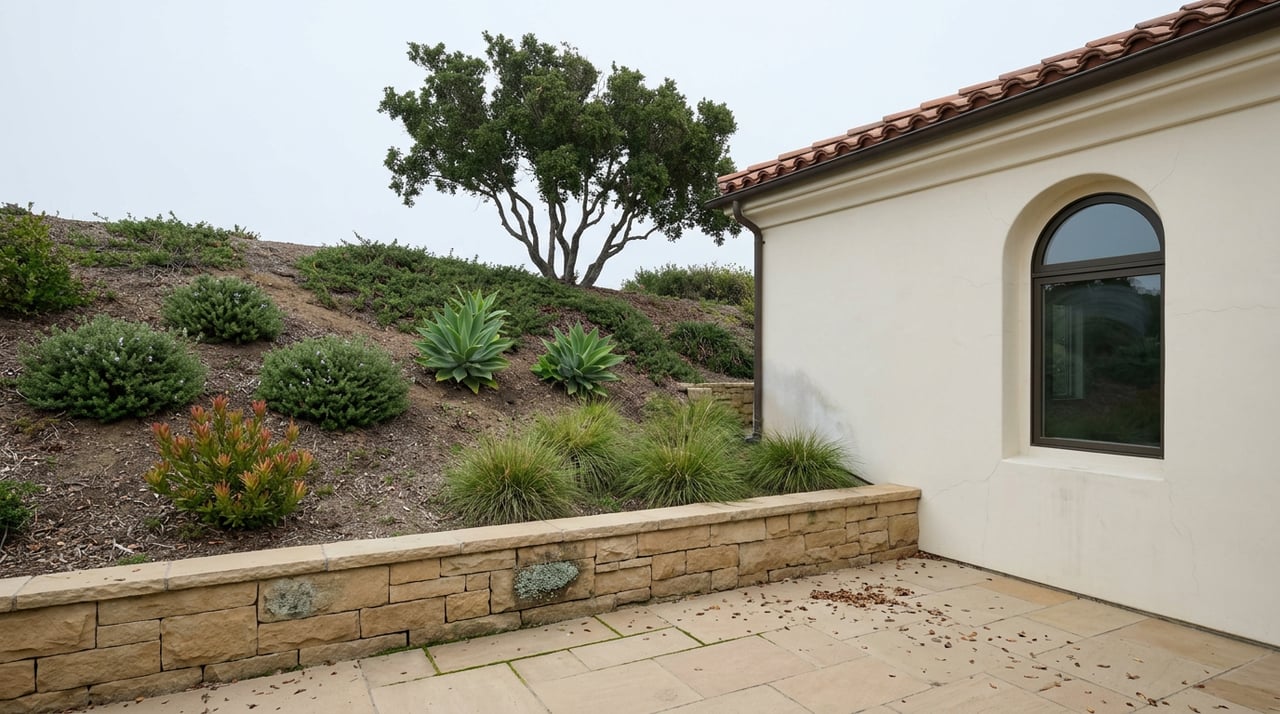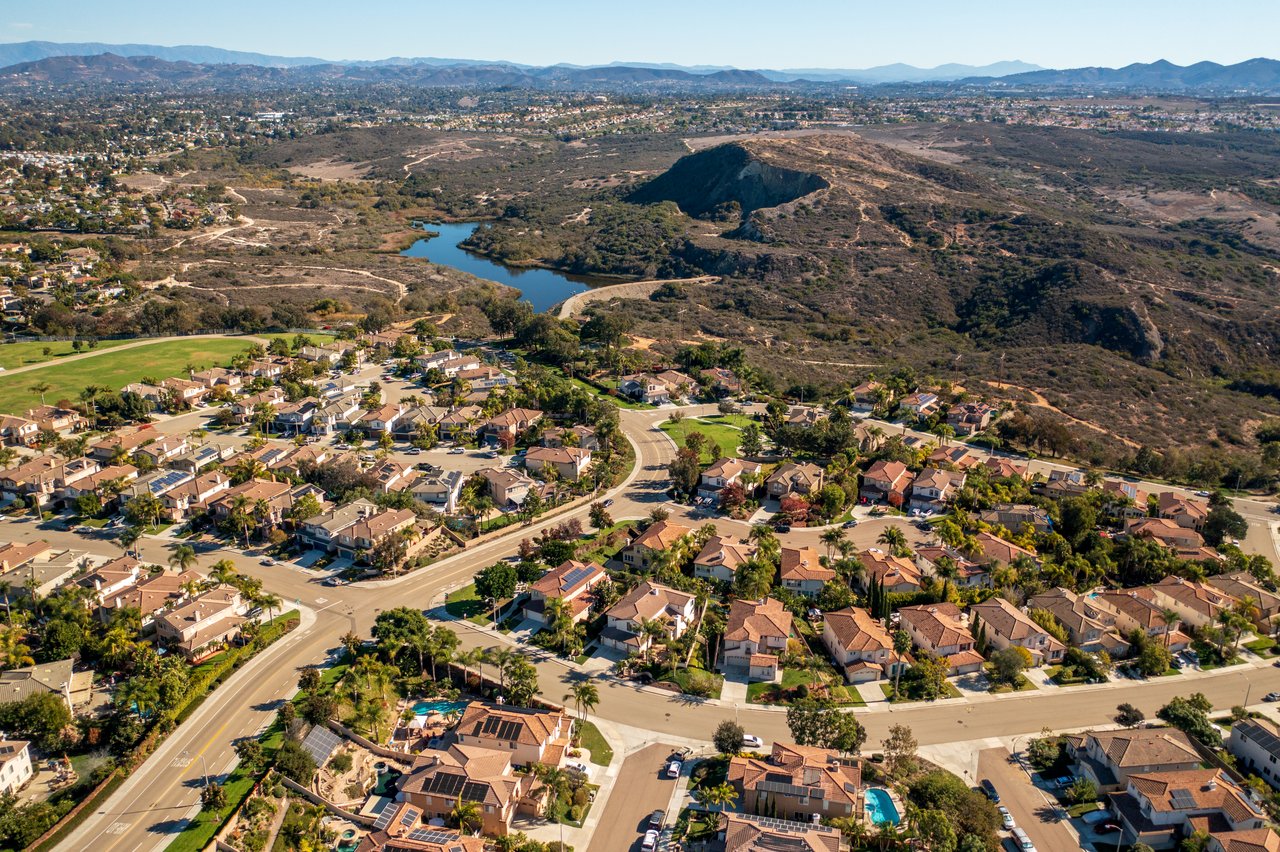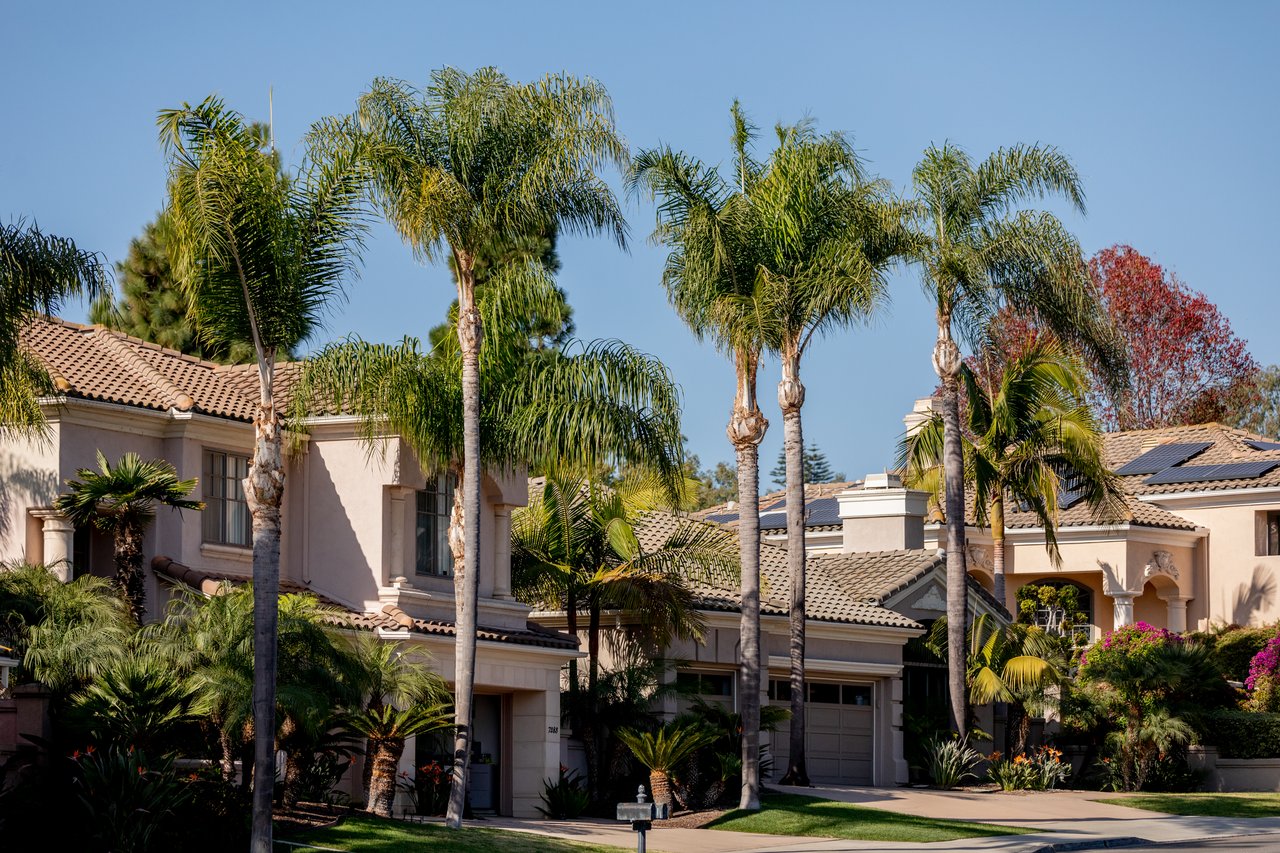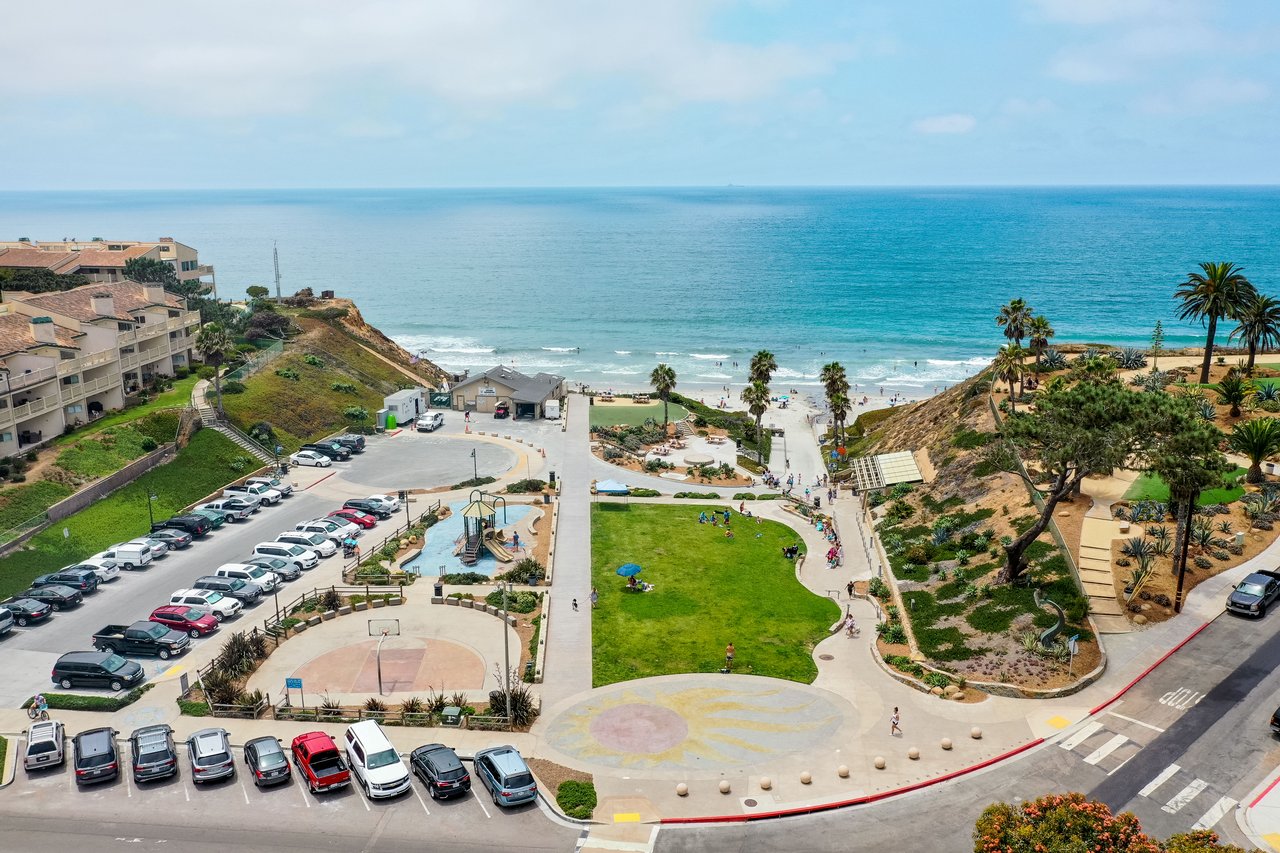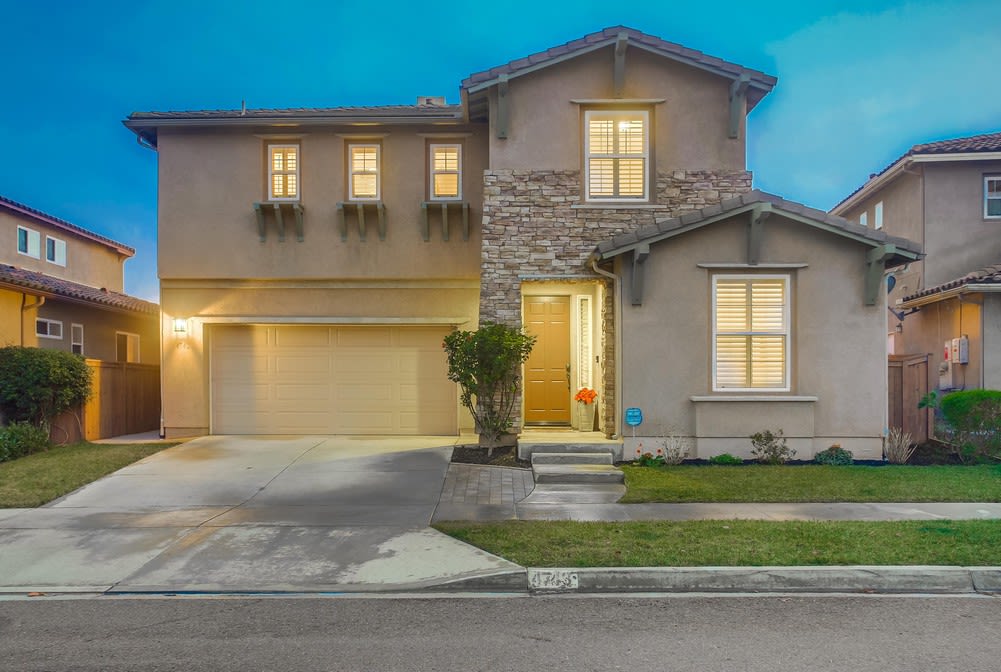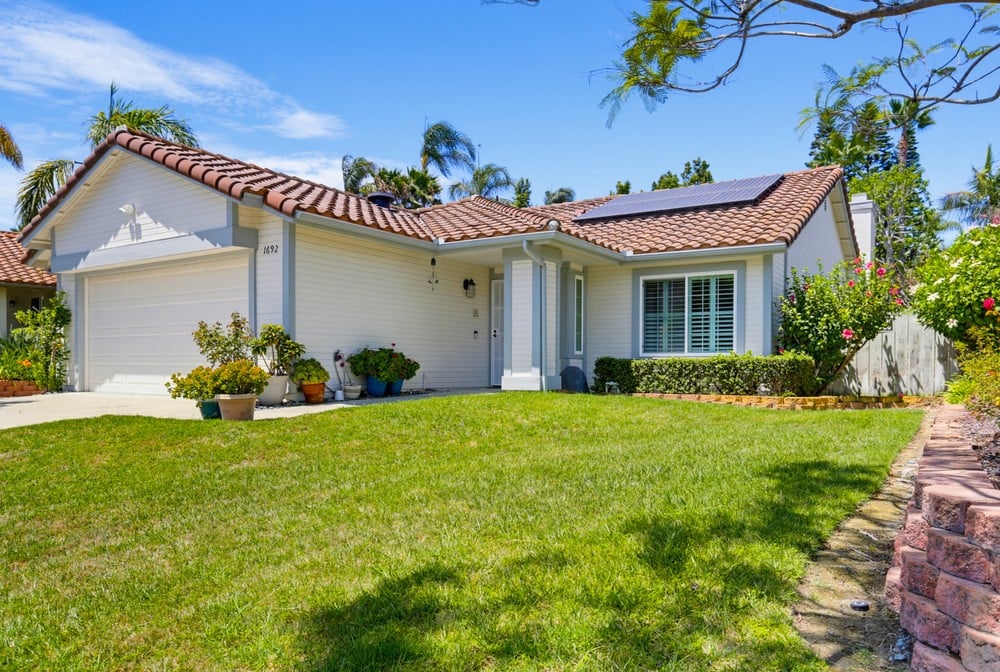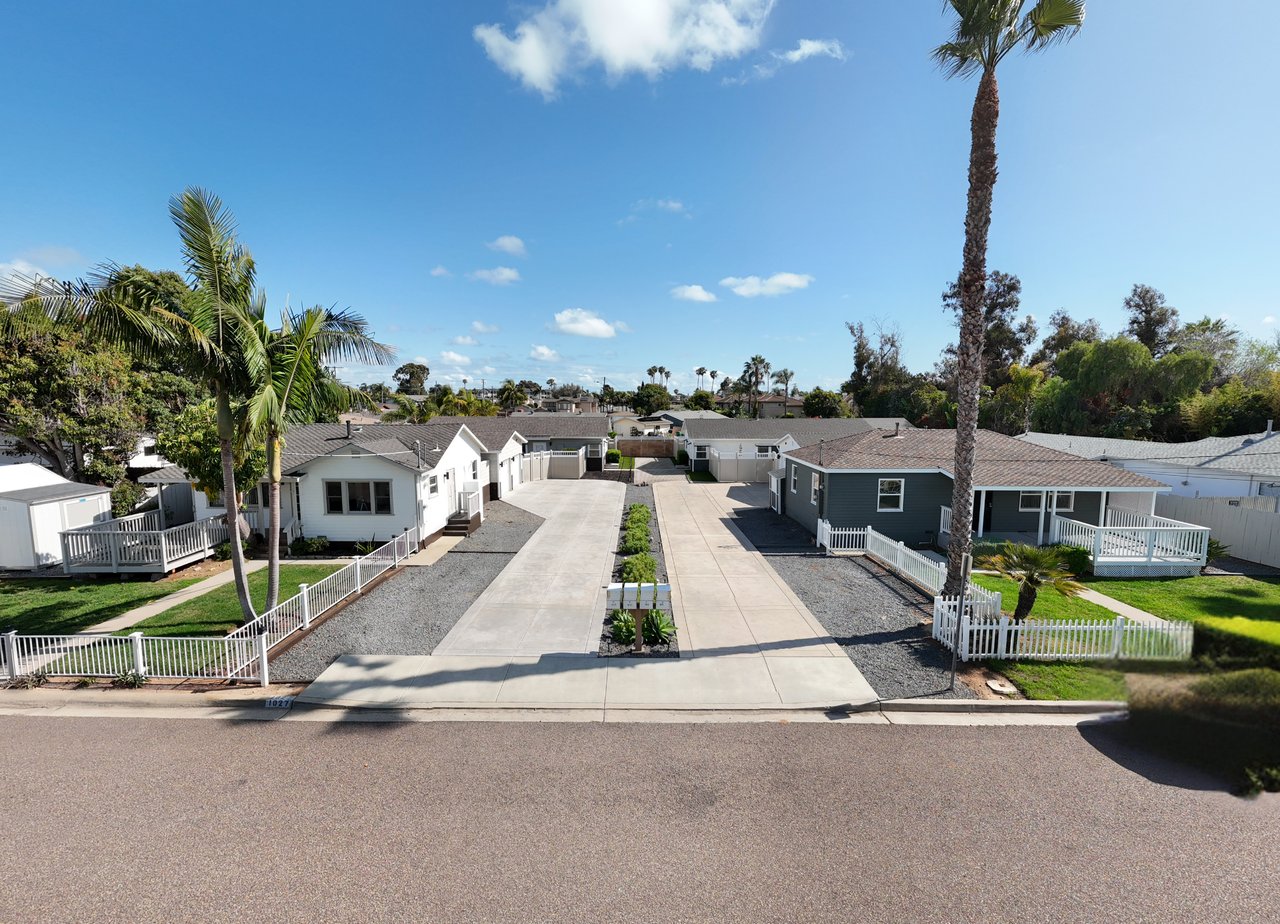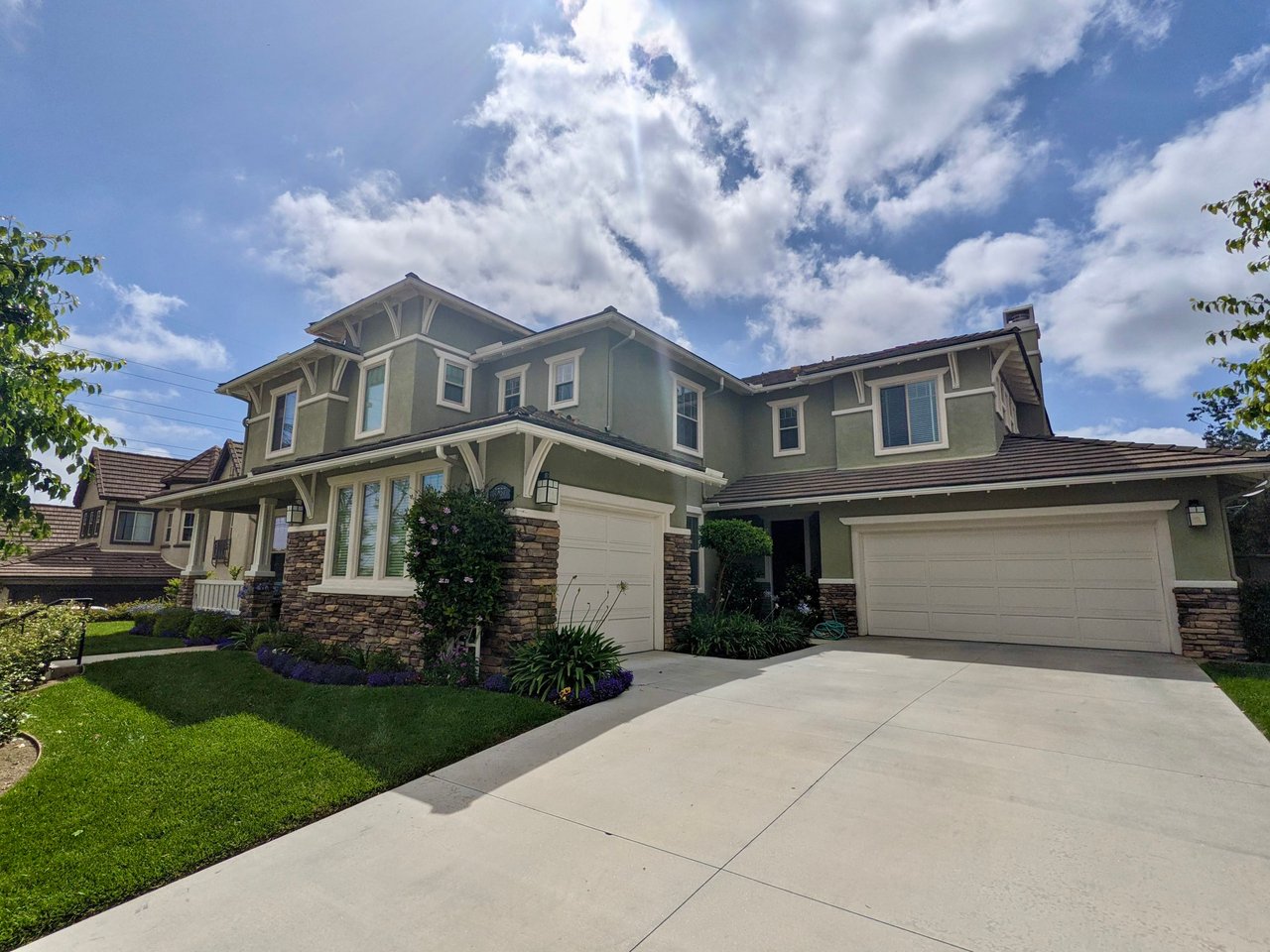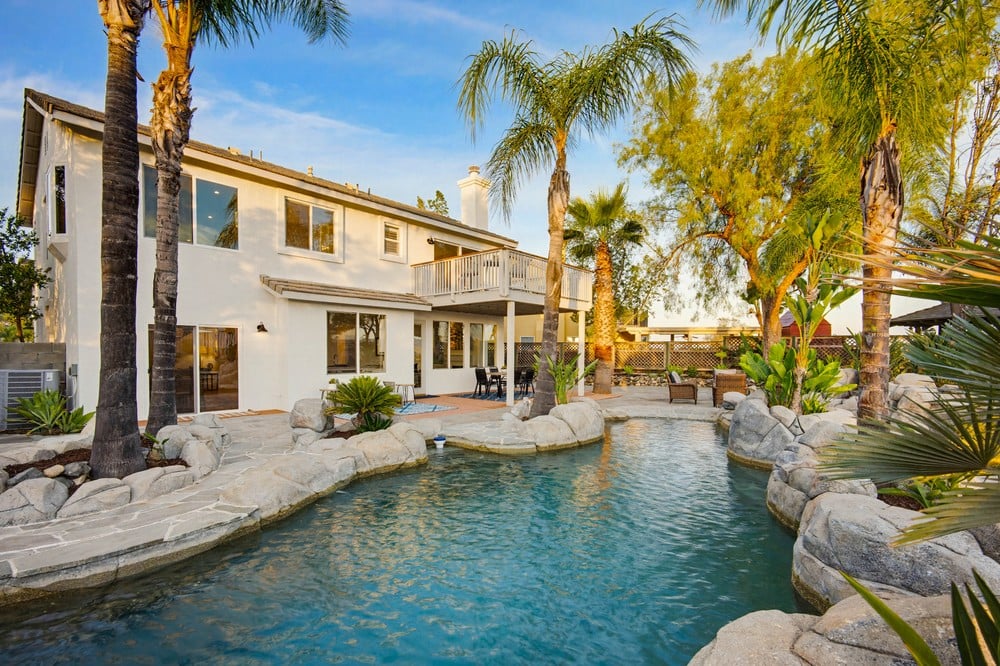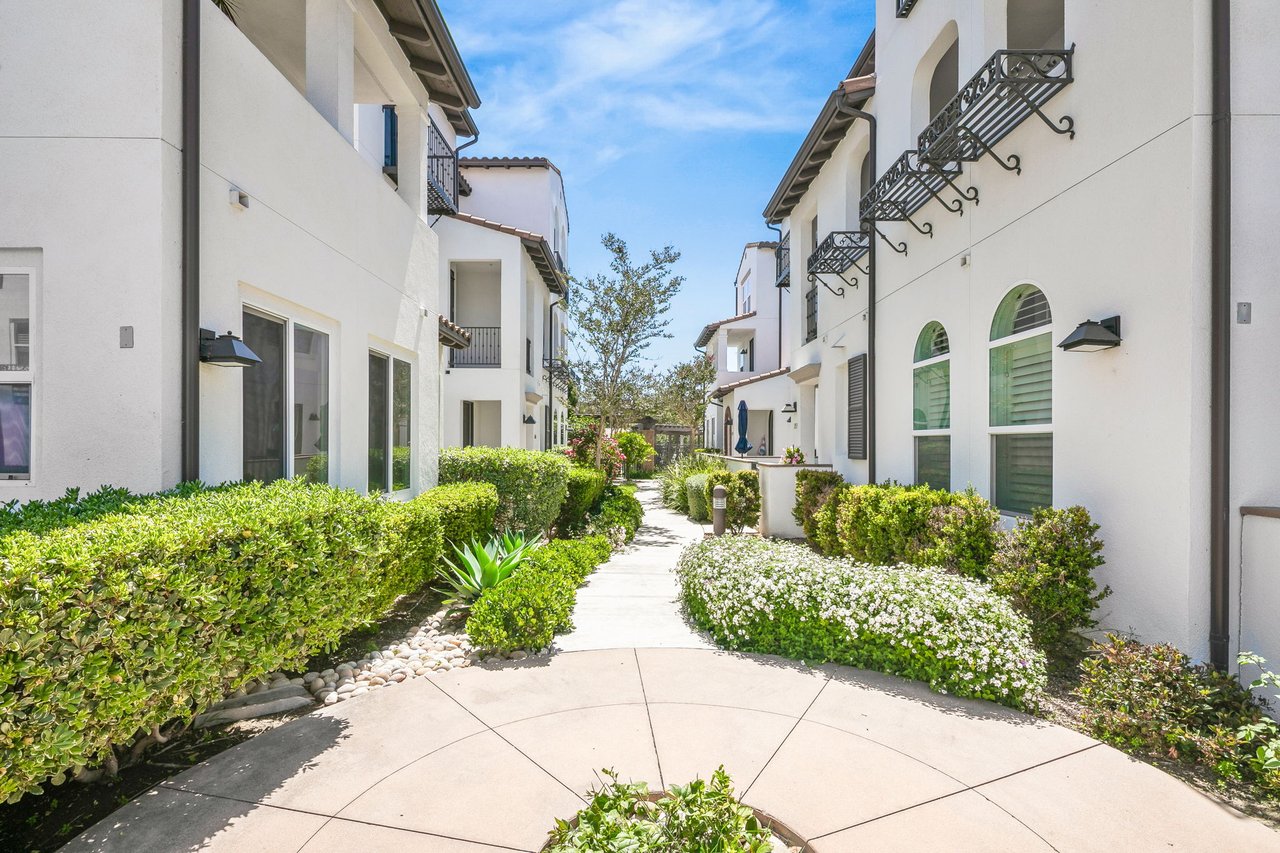
Trying to choose between a townhome and a detached house in Carmel Valley? You are not alone. With the ideal location and incredible schools, 92130 is one of the most sought after neighborhoods in San Diego county. In this guide, you will learn how total cost of ownership plays out, what maintenance and privacy really look like, and how to use a simple decision matrix to pick the best fit for you. Let’s dive in.
What You Can Buy in Carmel Valley
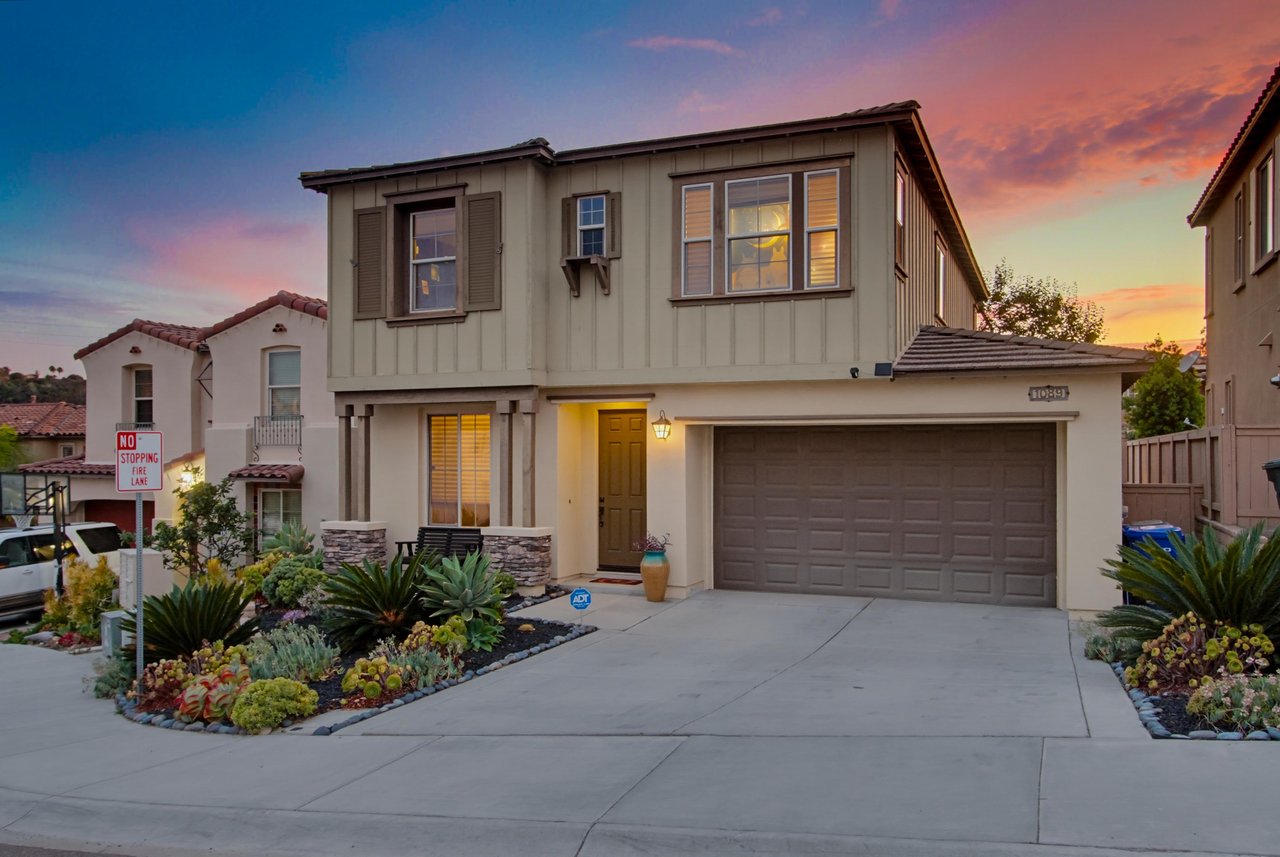
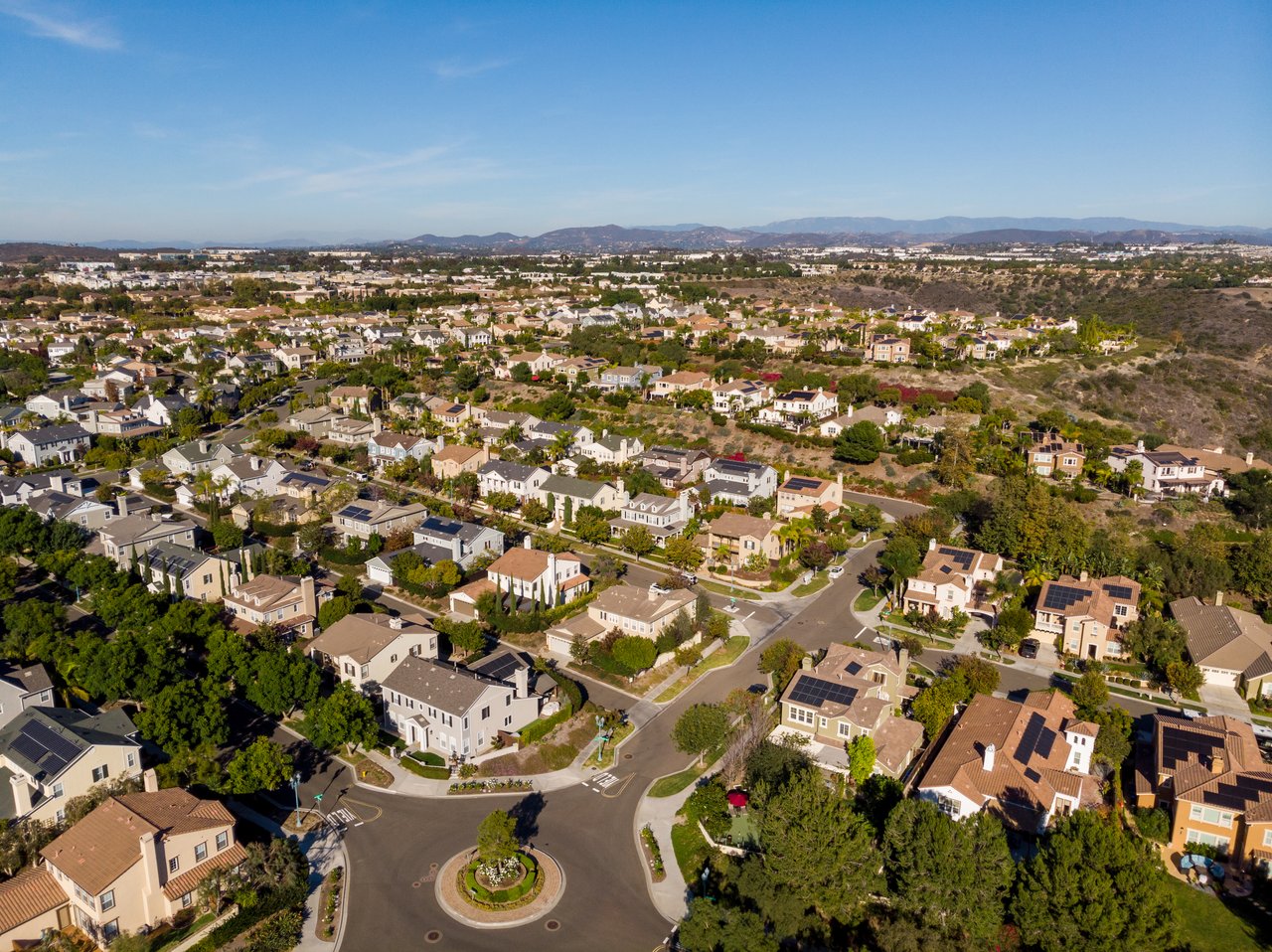
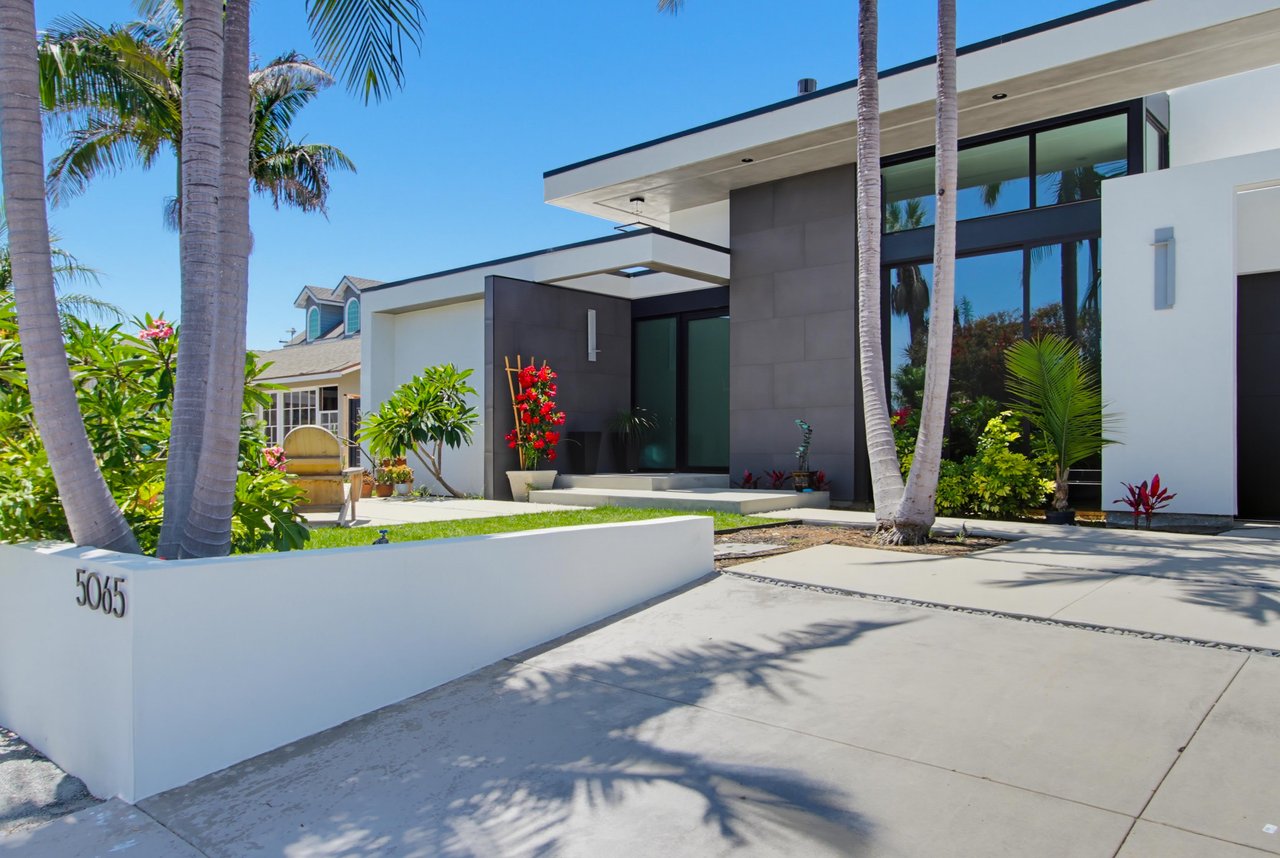
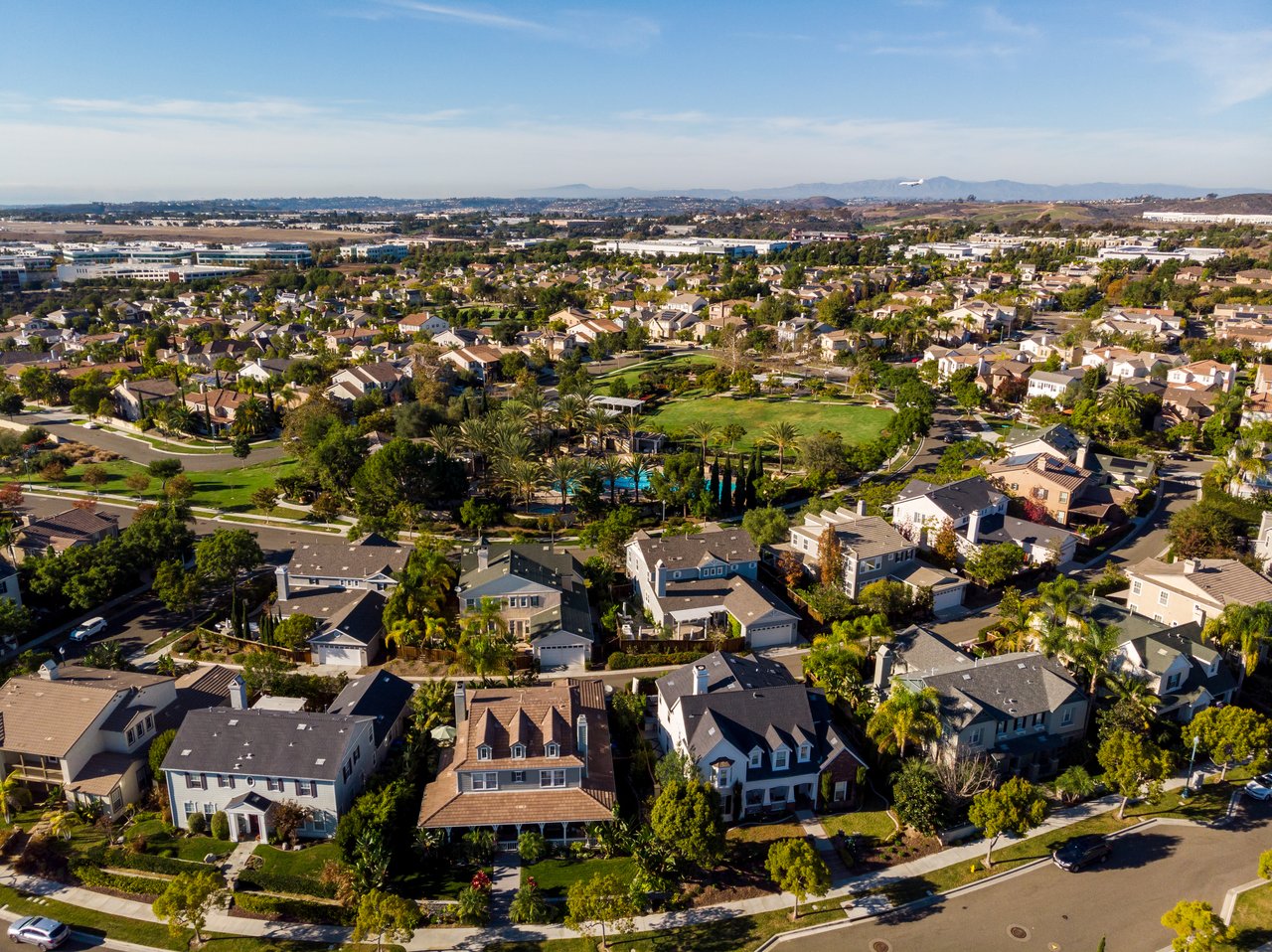
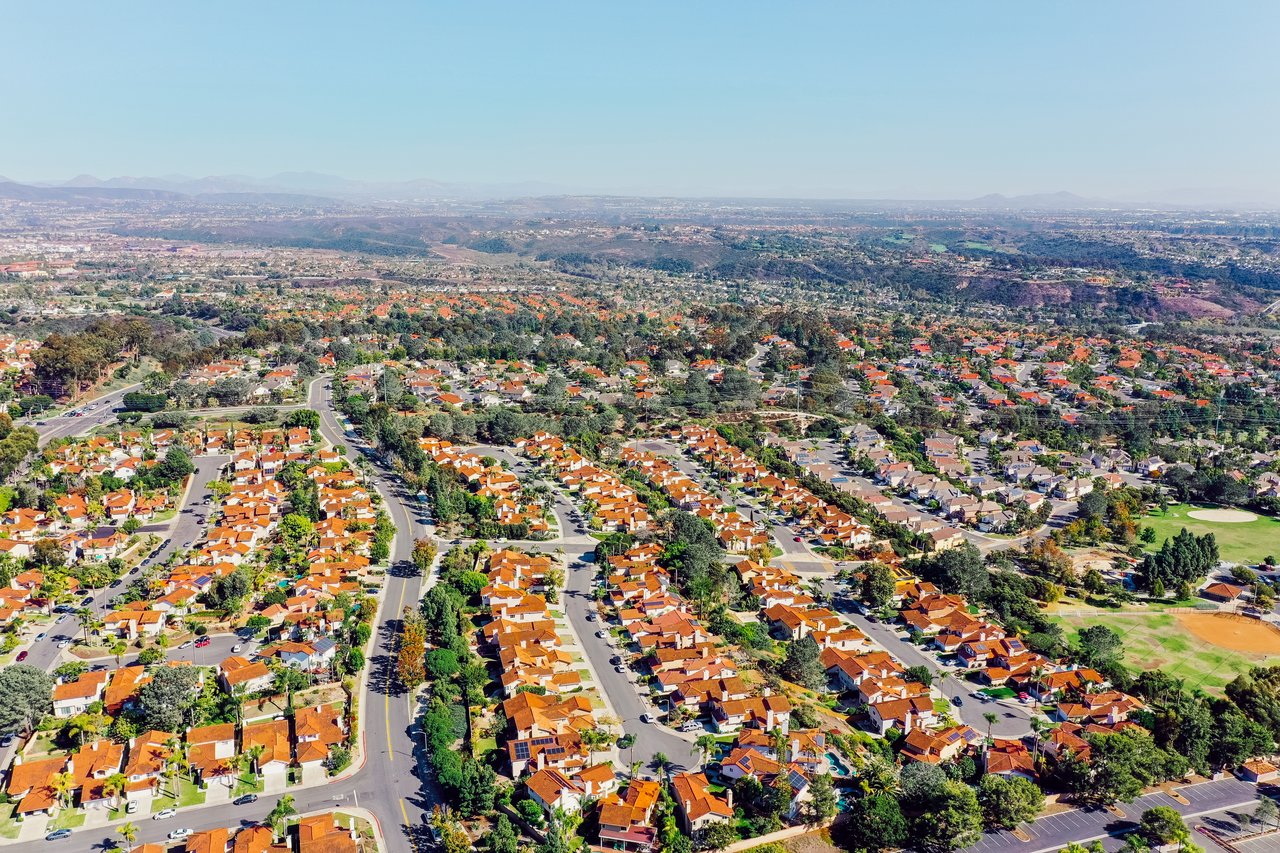
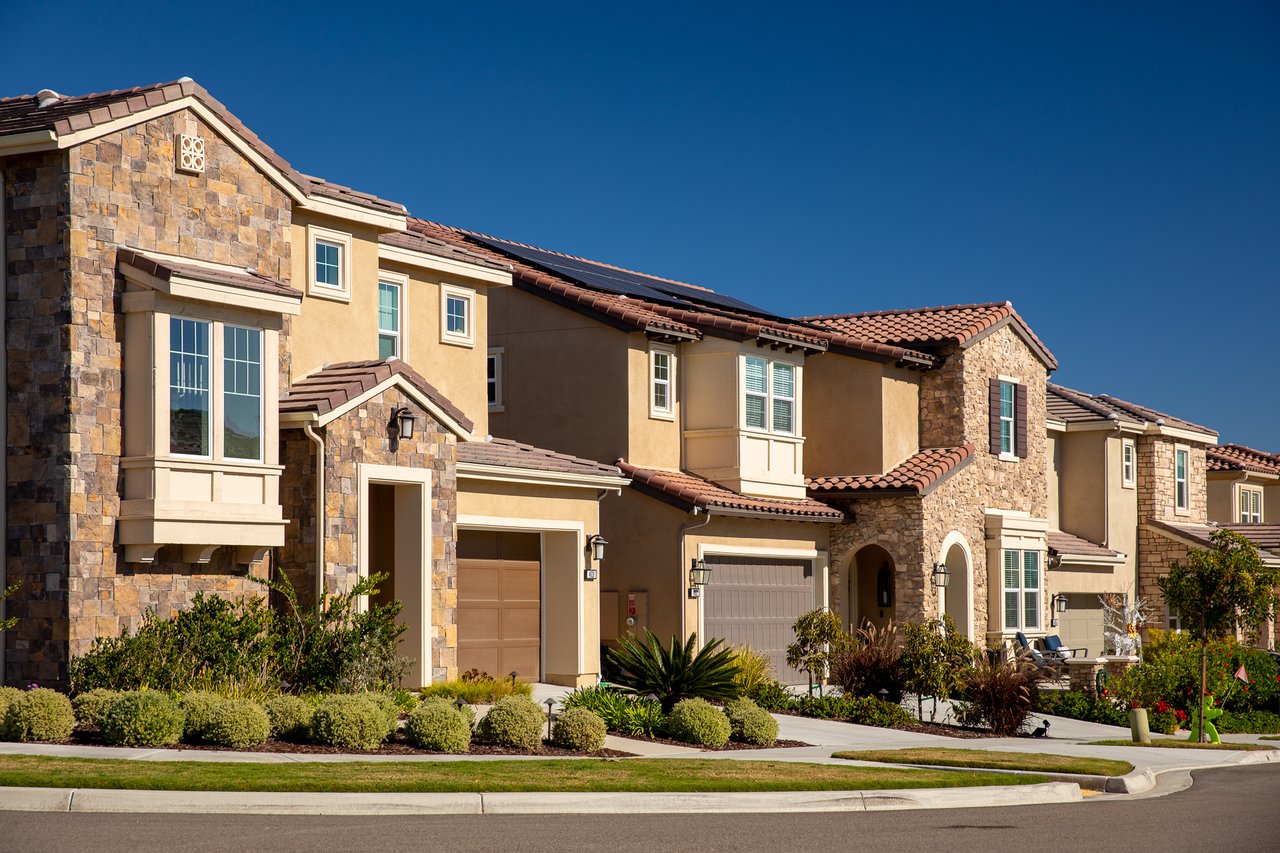
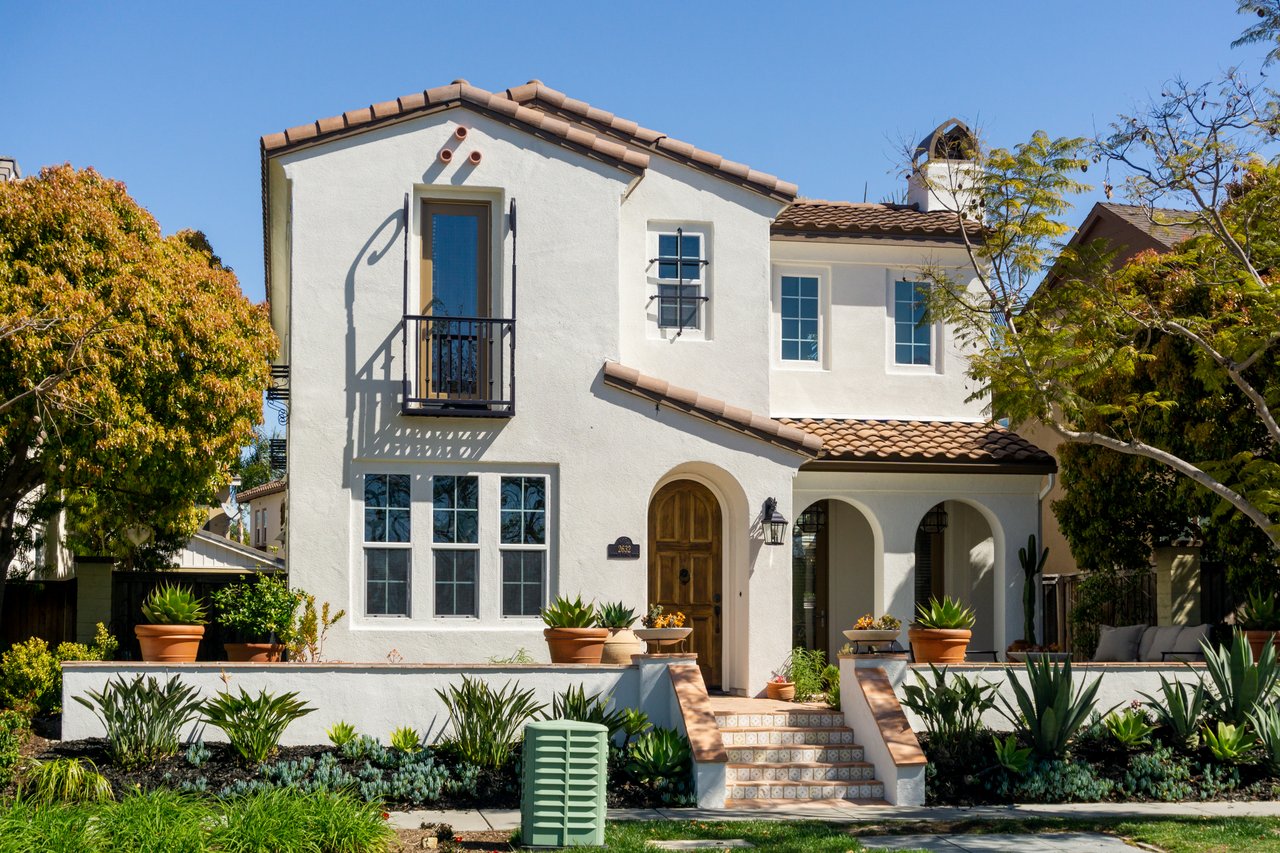
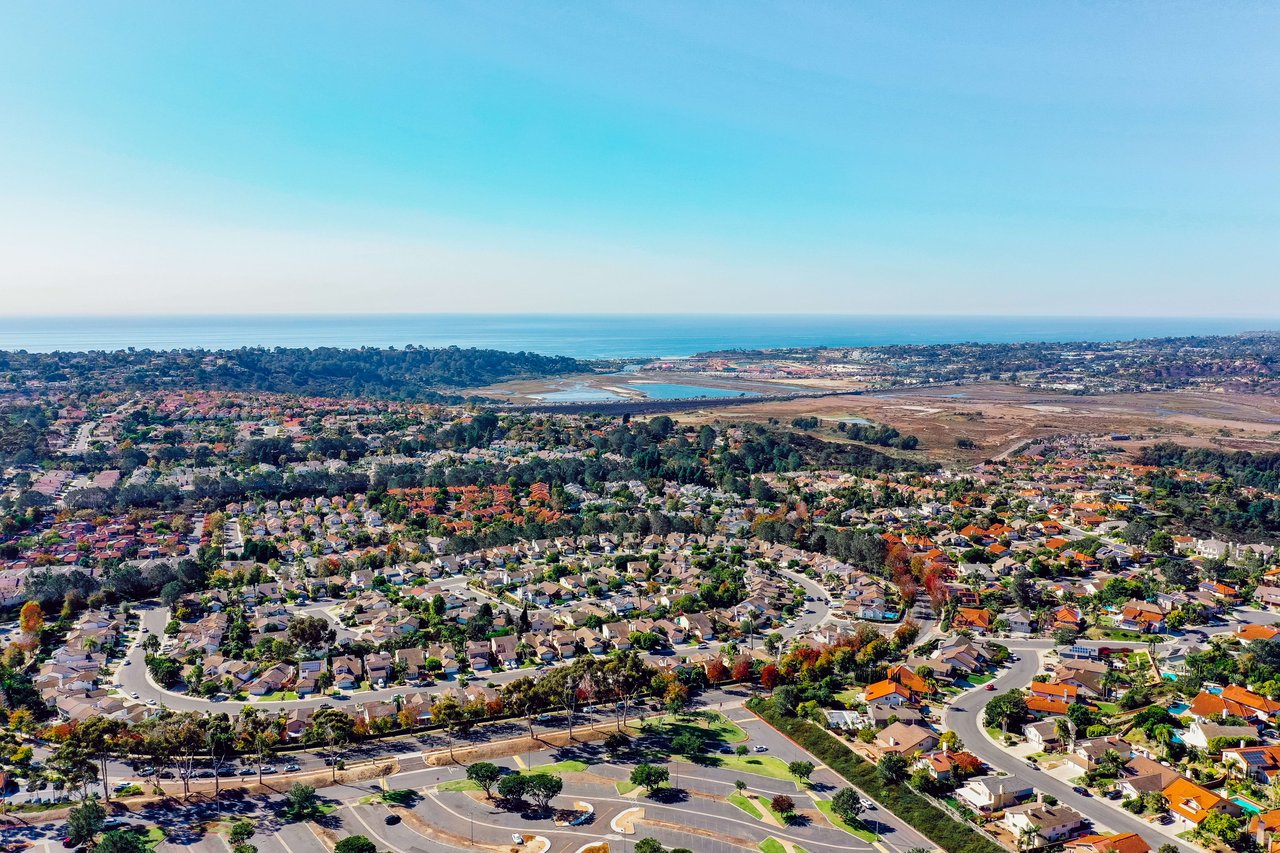
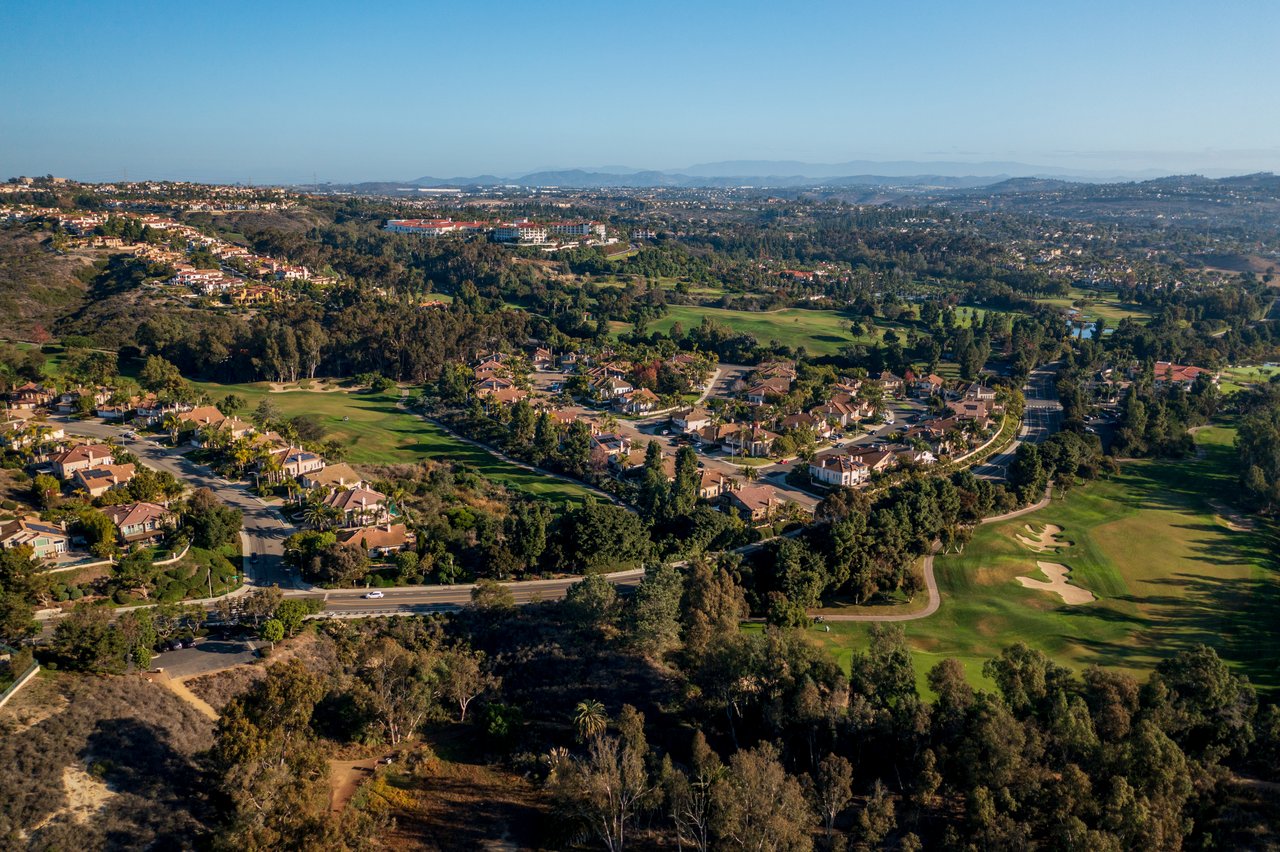
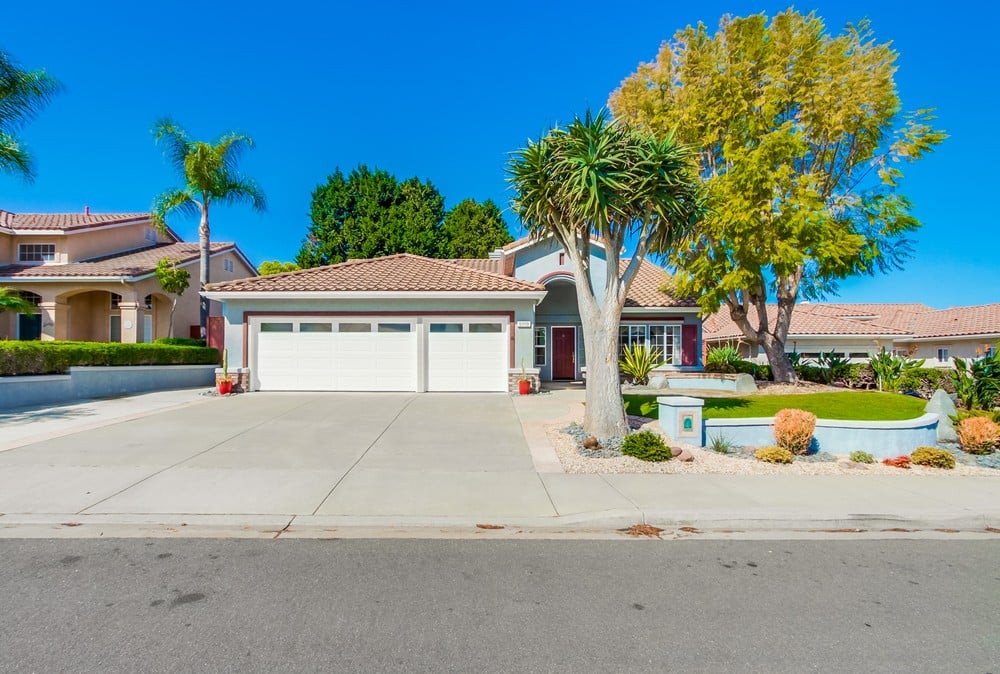
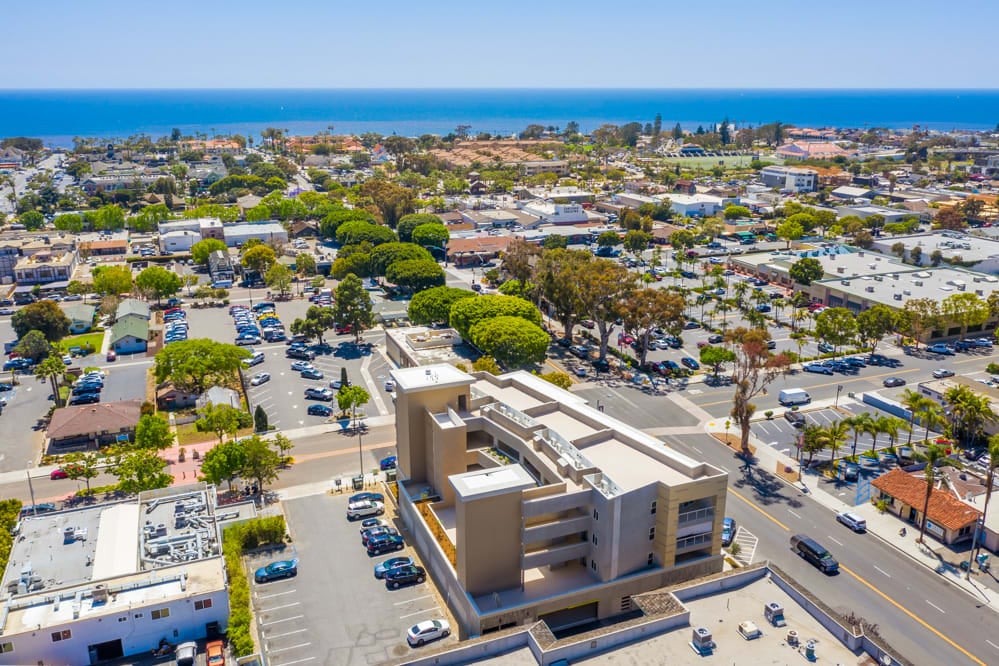
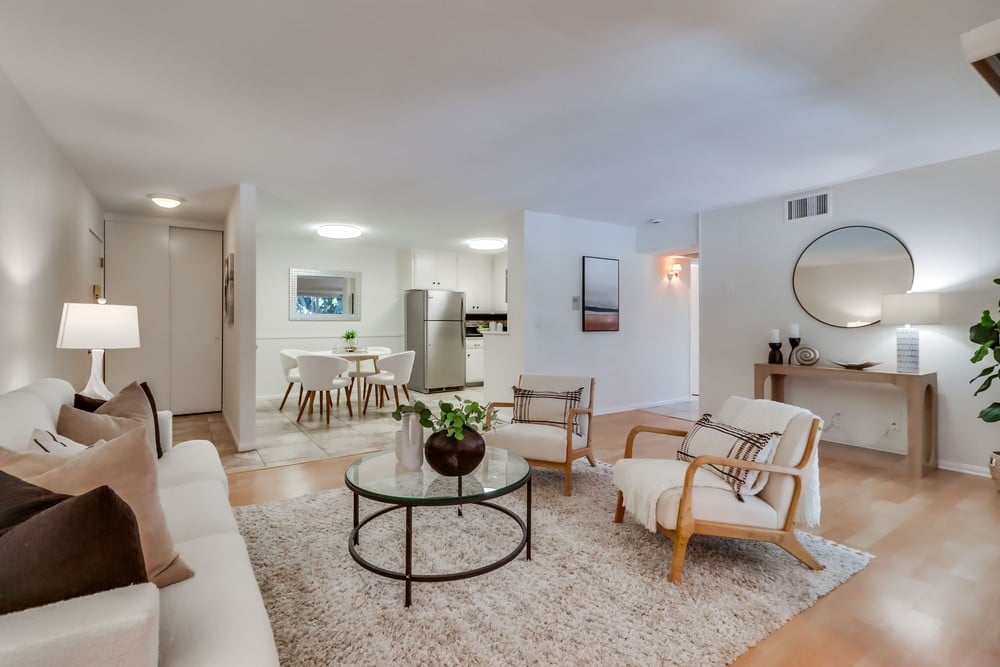
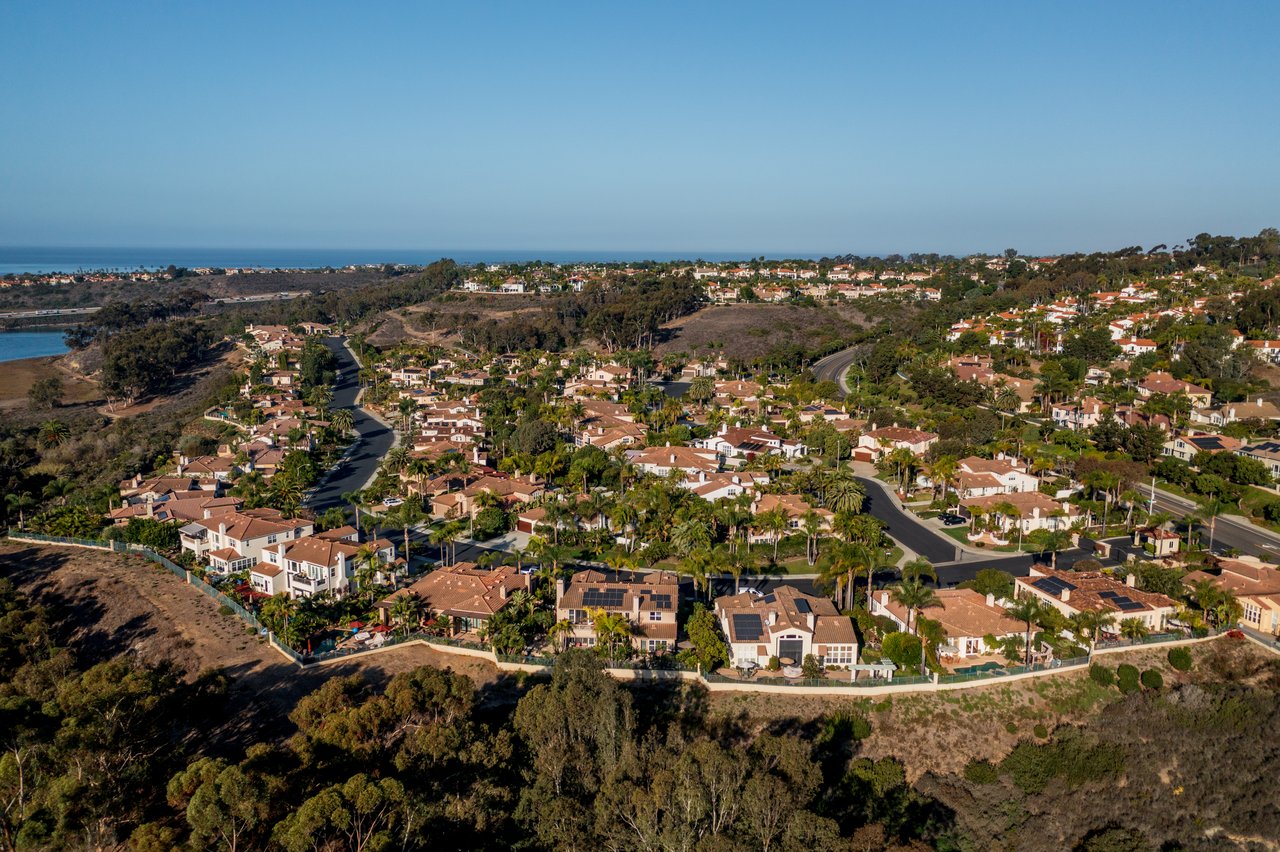
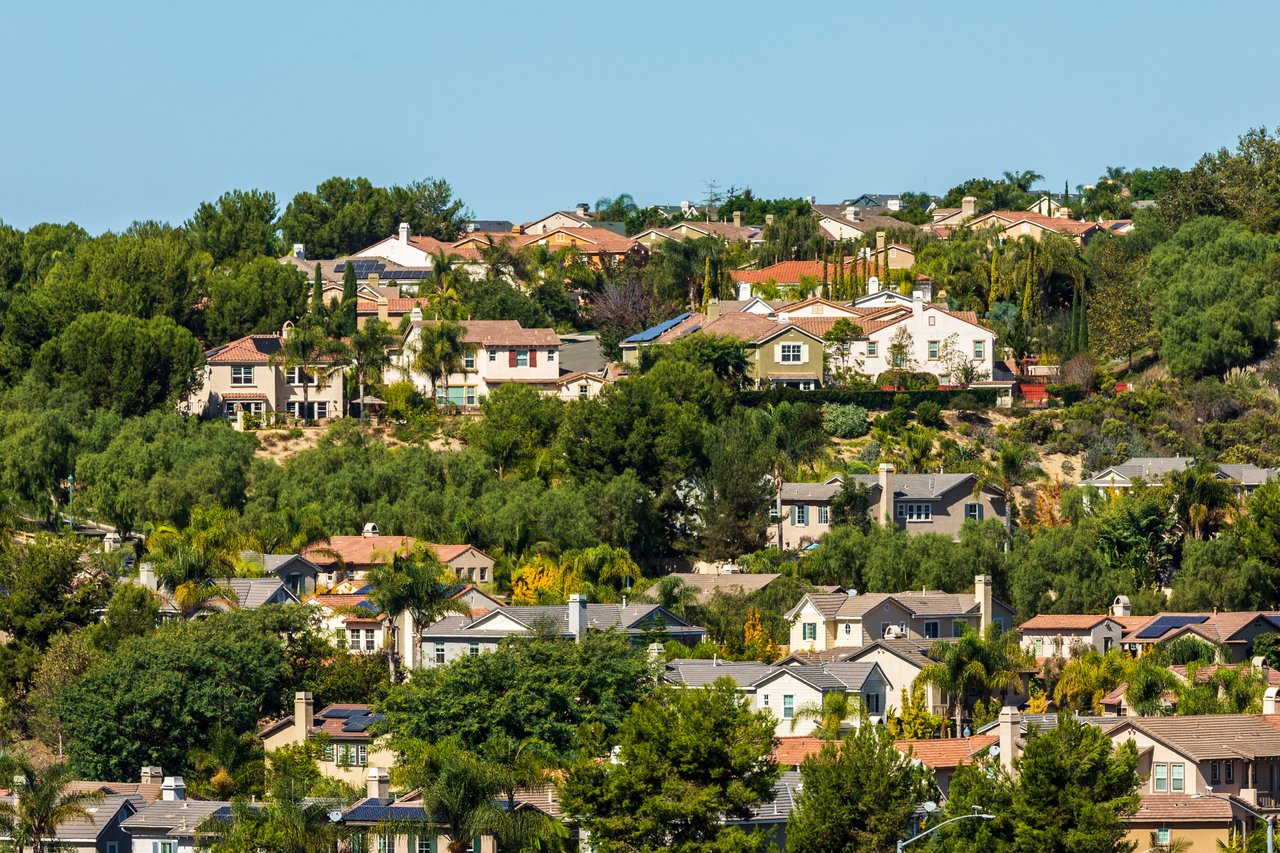
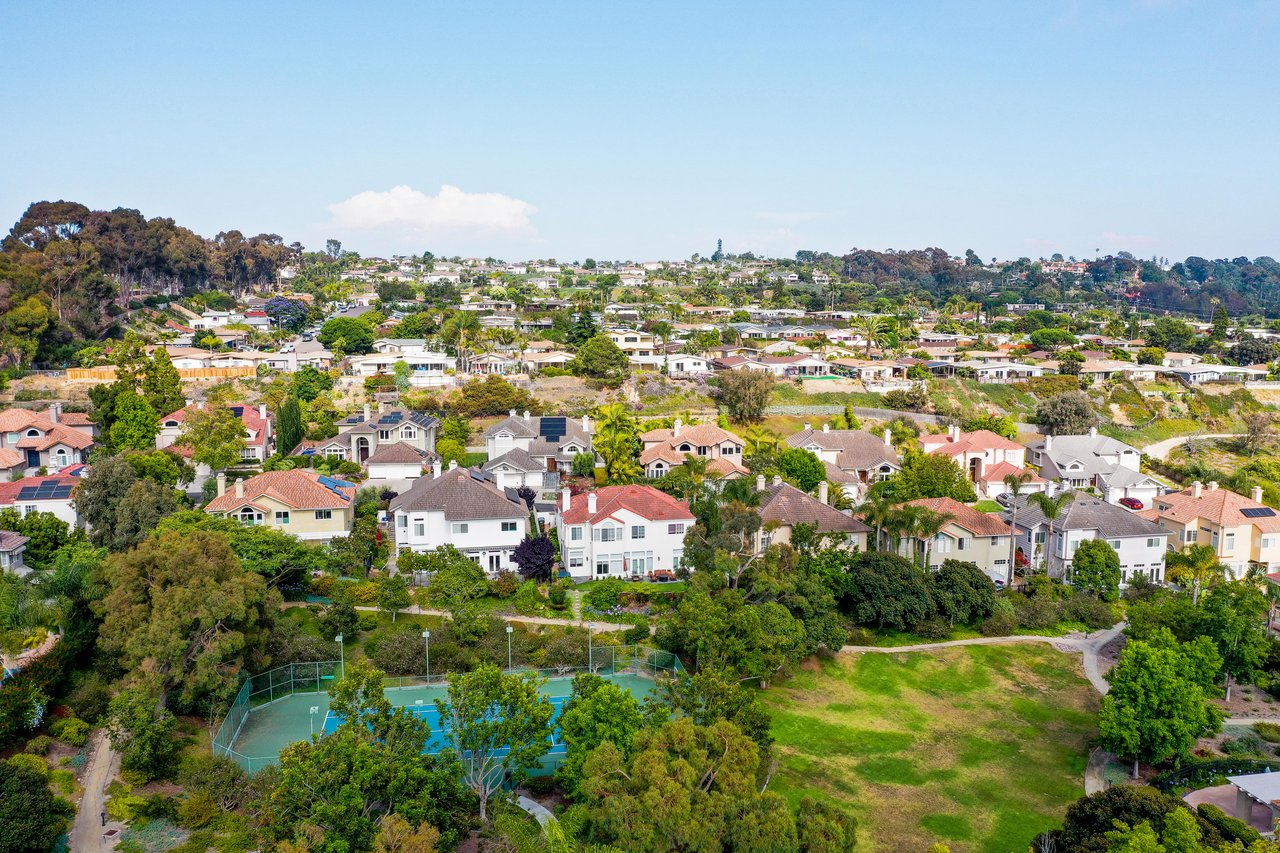
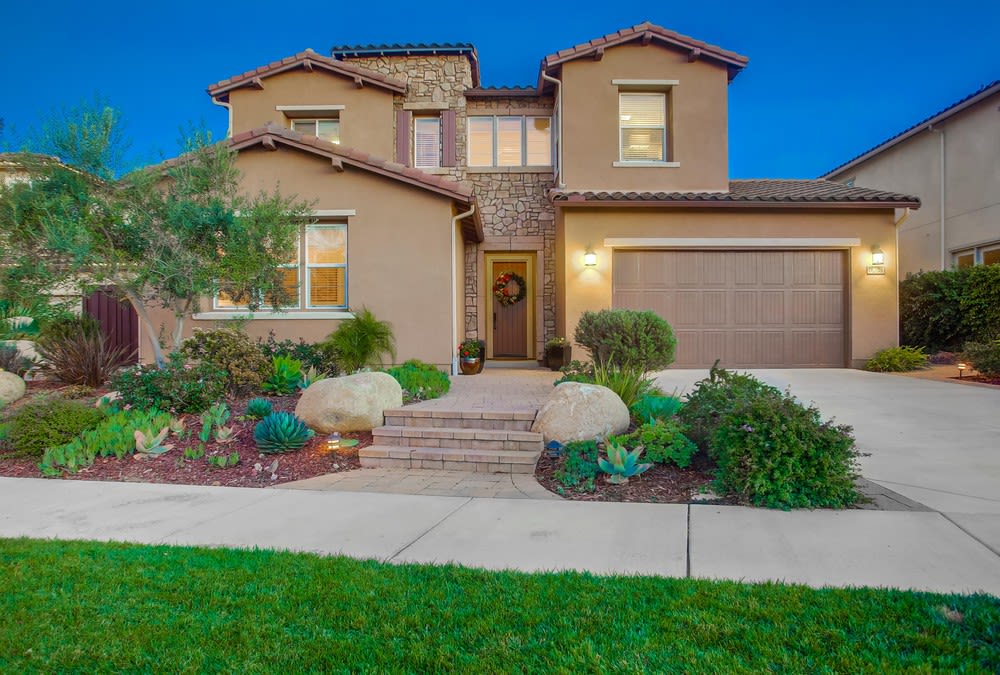
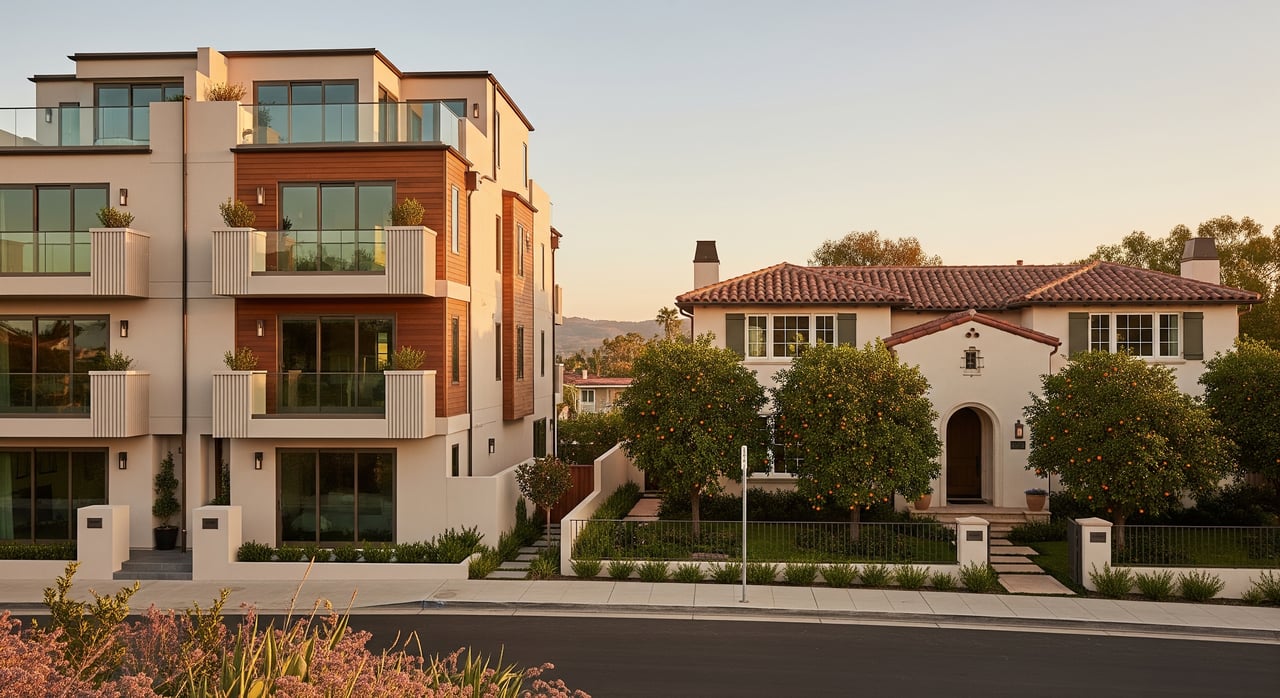
Carmel Valley blends attached townhomes and detached homes, most built from the 1990s onward in master-planned communities. You tend to find more townhomes near retail corridors and higher-density hubs, while detached homes are common in residential tracts with larger lots and private yards. Buyers include families prioritizing local public schools and parks, professionals who commute to UCSD and nearby tech clusters, and downsizers seeking low-maintenance living.
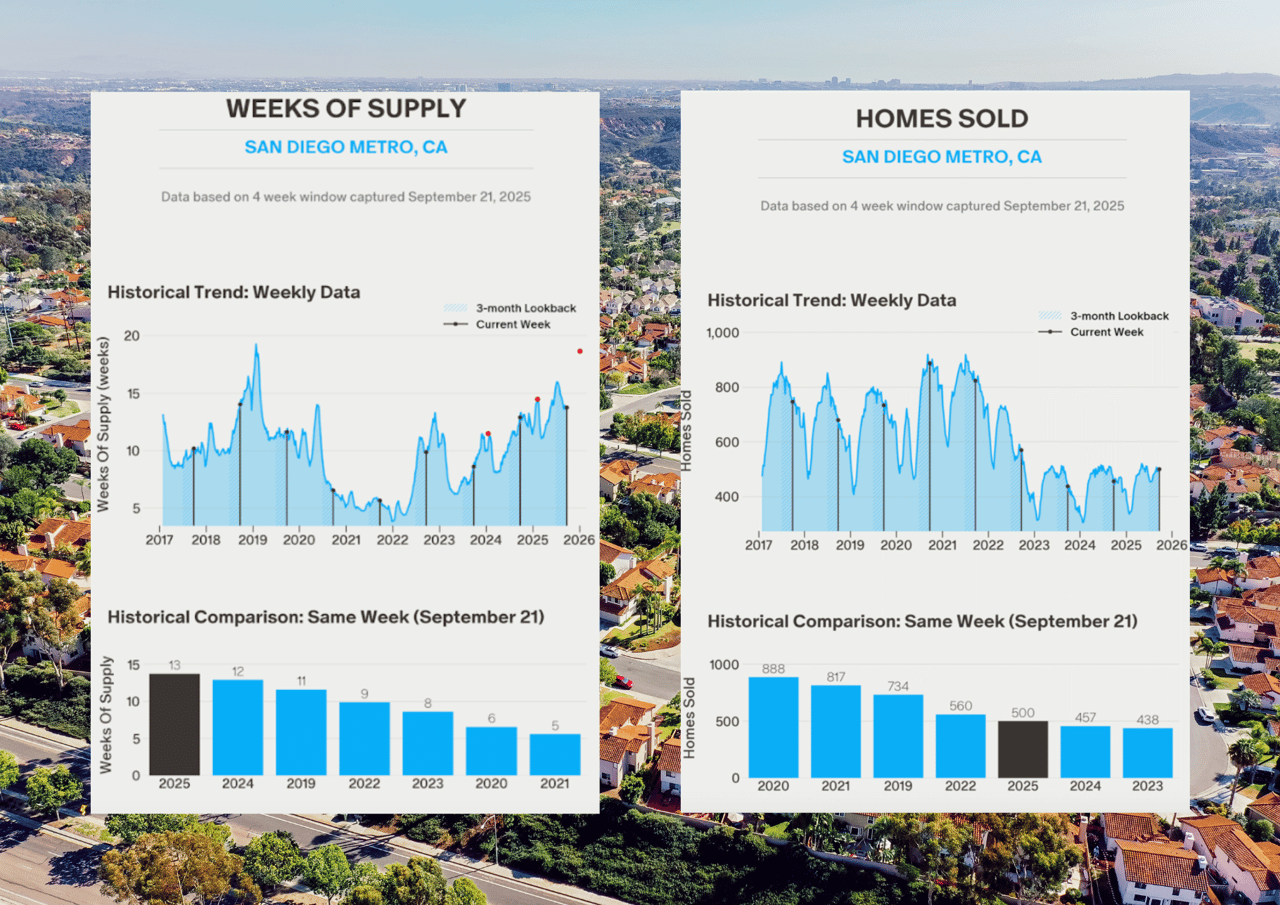
Demand is strong thanks to quality-of-life amenities, commute access along the 5 & the 56, and the coastal-inland climate. Inventory and pricing shift quickly across product types and micro-neighborhoods. For any specific property, you should verify current pricing, tax rates, HOA coverage, and any special assessments before you compare options.
Total Cost of Ownership: The Real Comparison
When you compare a Carmel Valley townhome with a detached house, run the numbers the same way for both. Focus on what you will actually pay each month and year, not just the list price.
One-time purchase costs
- Purchase price and down payment.
- Closing costs such as title, escrow, and lender fees.
- Mello-Roos or Community Facilities District (CFD) special taxes in some newer communities.
- Transfer taxes and recording fees.
Ongoing monthly and annual costs
- Mortgage principal and interest.
- Property taxes.
- HOA dues. Townhome communities typically charge monthly dues that may cover exterior maintenance, common-area utilities, master insurance, and amenities. In Carmel Valley, dues often range from the low hundreds to several hundreds per month depending on what is included.
- Insurance.
- Townhome owners usually carry an HO-6 policy for the interior and personal property, while the HOA’s master policy covers exteriors and common areas. Check whether the master policy is walls-in or single-entity and note the deductible.
- Detached homeowners carry an HO-3 policy for the structure and contents.
- Earthquake coverage is optional and varies in cost.
- Utilities. Some townhome HOAs include portions of landscaping or common-area utilities.
- Maintenance and repairs.
- Detached homes: plan for exterior, roof, yard, and all systems. A common starting reserve is about 1% of home value per year, then adjust for age and inspection findings.
- Townhomes: owners often handle interior systems while the HOA covers some or all exterior items. You still fund maintenance through dues and may face special assessments.
- Reserve contributions and special assessments for HOA communities.
- Landscaping and pool upkeep. Detached homes may carry all costs; townhomes often include common-area landscaping and shared amenities within dues.
Resale and holding considerations
- Appreciation and liquidity can differ by product type. In family-oriented markets with limited lots, detached homes often hold broad appeal due to yard space and separation between homes. Townhomes can attract first-time buyers, lock-and-leave professionals, and some investors.
- Rental restrictions may apply in HOA communities. Review the CC&Rs for limits on rentals or short-term stays.
Maintenance and Your Time
Your time has value. Think about how much you want to do yourself versus what you prefer to outsource.
Townhome maintenance
- Many exterior items such as roofing, siding, exterior paint, and common landscaping are HOA responsibilities. Your costs are packaged into dues and any special assessments.
- Inside the unit, you handle HVAC, appliances, plumbing, electrical, and finishes. Check the CC&Rs for responsibility lines like balconies and decks.
Detached home maintenance
- You handle everything: roof, exterior, yard, fencing, driveway, and any pool or spa. The budget and time commitment are usually higher, but you control the schedule and quality.
Privacy and Noise
- Townhomes share walls or floors, so you may notice more noise transfer. Many communities design for privacy, but you should visit at different times of day to gauge sound.
- Detached homes typically offer more separation from neighbors, as well as visual privacy.
Outdoor Space and Play Areas
- Townhomes often feature small patios, balconies, or compact yards, plus access to shared open spaces. It is a low-maintenance setup that still gets you outside.
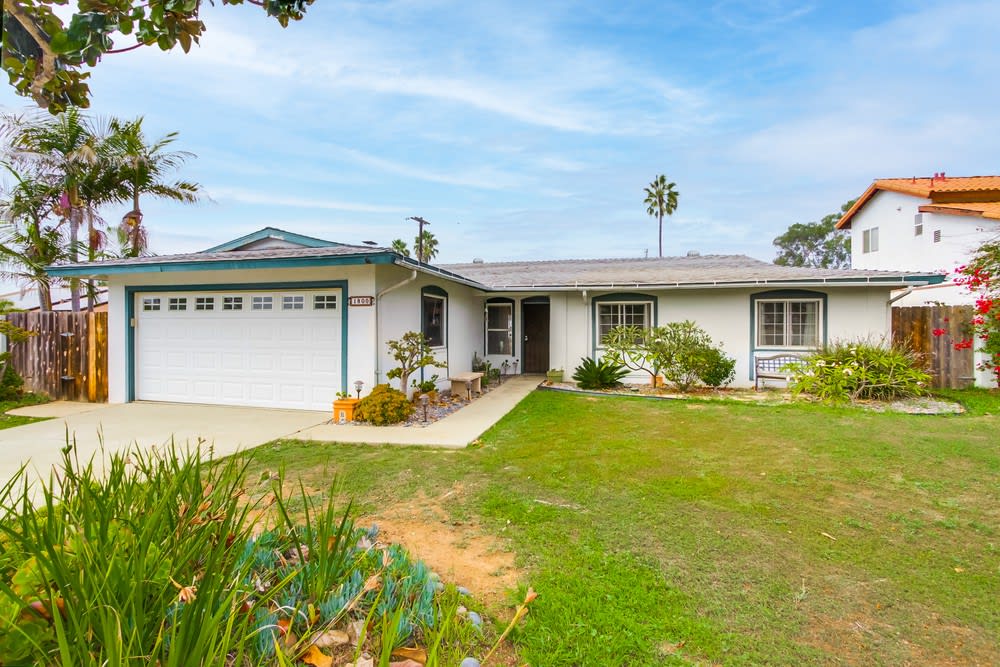
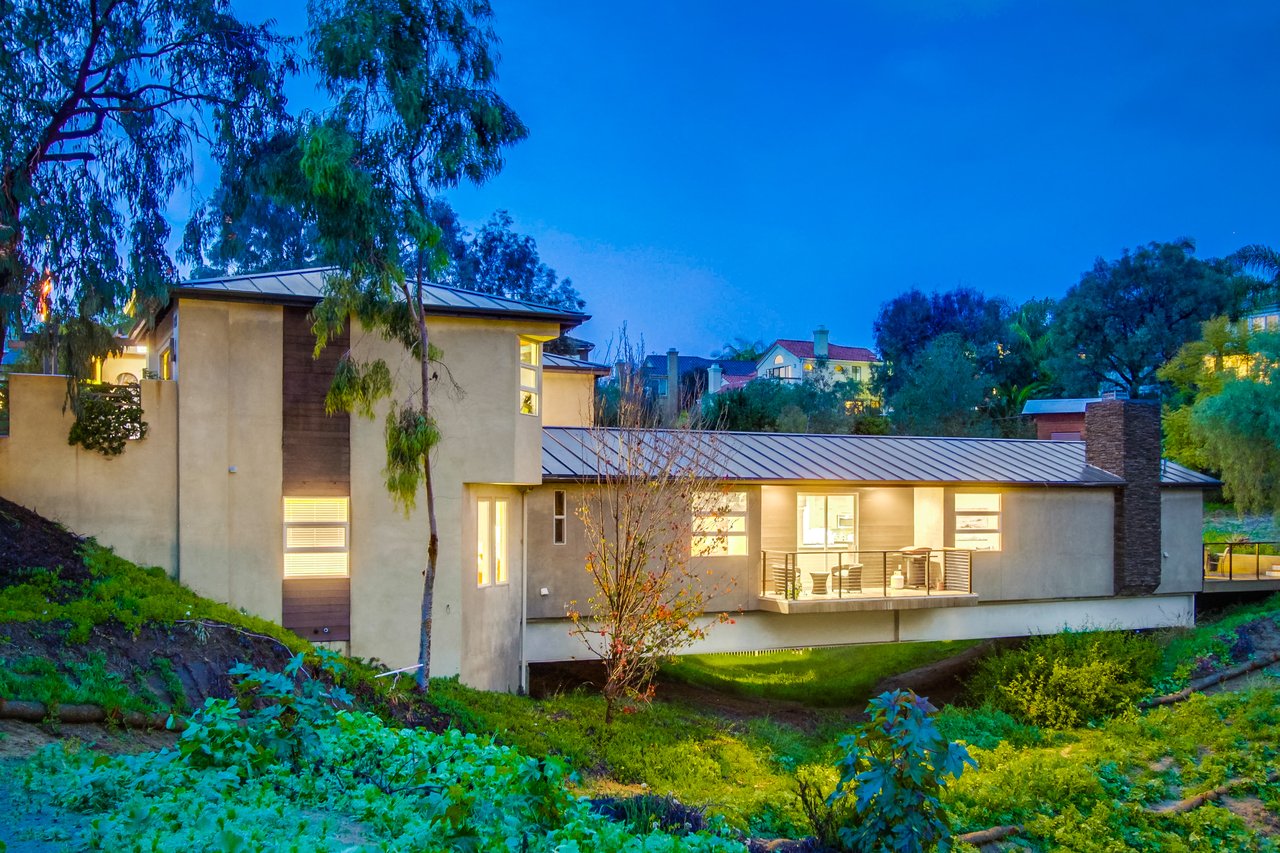
- Detached homes usually provide larger yards for gardening, play sets, pets, or even a private pool. If you want room to expand or add features later, a detached lot can be more flexible subject to city permits and zoning.
Parking and Storage
- Townhomes may include a dedicated garage or assigned parking with guest spaces. Storage can be limited unless the unit has a larger garage or built-ins.
- Detached homes commonly have a driveway and multi-car garage, which adds storage and off-street parking options.
Amenities and Daily Convenience
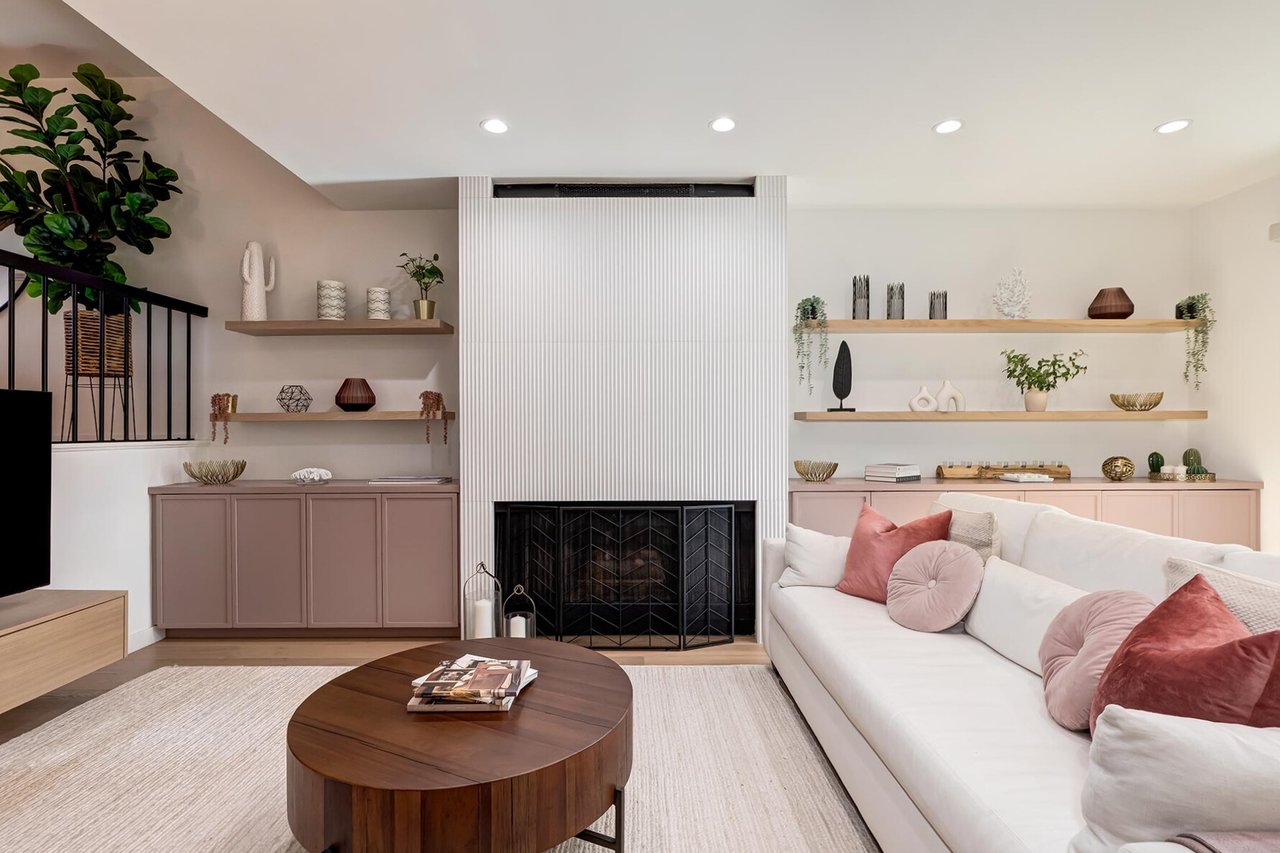
- Many townhome communities include amenities such as a pool, clubhouse, gym, and manicured open space. These are funded through HOA dues and can reduce your need to maintain a private yard or pool.
- Detached homes trade shared amenities for private features and neighborhood parks. Consider proximity to shopping and dining hubs such as Del Mar Highlands and Carmel Valley Village when you weigh convenience and walkability.
Local Rules and Risk Checks to Run
Carmel Valley sits near canyons and open space, and many communities have HOA rules. Before you write an offer, verify these items for each property.
- HOA documents: CC&Rs, bylaws, budget, reserve study, master insurance policy, and recent meeting minutes.
- Mello-Roos or CFD special taxes: confirm via the county tax bill and preliminary title report.
- Property tax base: factor in Proposition 13 rules and any supplemental assessment after purchase.
- Zoning and permits: check city records for past work and feasibility of additions or a backyard ADU on detached lots.
- Rental rules: HOAs may limit short-term rentals or cap total rental units.
- Insurance: obtain quotes for homeowners and optional earthquake coverage.
- Wildfire and flood risk: review hazard maps and the city’s brush management requirements for canyon-adjacent parcels.
- Age and construction: consider roof age, exterior assemblies, and expected replacement timelines.
How to Choose: A Decision Matrix
Use a weighted scoring system so your choice reflects what matters most to you. Score each home from 1 to 10 on each criterion, multiply by the weight, then add the totals.
Suggested weights for Carmel Valley buyers:
- Total monthly cost: 25%
- Maintenance burden and predictability: 15%
- Privacy and noise: 15%
- Outdoor and yard space: 15%
- Amenities and convenience: 10%
- School access and neighborhood fit: 10%
- Resale, liquidity, and restrictions: 10%
Here is a simple template you can copy into a spreadsheet:
| Criterion | Weight | Townhome Score (1-10) | Townhome Weighted | House Score (1-10) | House Weighted |
|---|---|---|---|---|---|
| Total monthly cost | 25% | ||||
| Maintenance burden | 15% | ||||
| Privacy and noise | 15% | ||||
| Outdoor and yard | 15% | ||||
| Amenities and convenience | 10% | ||||
| School access and fit | 10% | ||||
| Resale and restrictions | 10% | ||||
| Total | 100% |
Run sensitivity checks by changing the weights. That way, you can see how the answer shifts if your priorities change.
Two Common Buyer Profiles
Your best fit depends on your daily life and time budget.
Family with kids
- Often values larger private yards, storage, and privacy. Detached homes may score higher on outdoor space and noise separation.
- May prefer predictable costs. A well-run HOA can help a townhome score well on maintenance, but a detached home can still win if the lot and expansion potential matter more.
- School access and neighborhood fit are key. Verify attendance boundaries and walking distances before you set weights.
Relocating professional
- Often values low-maintenance living and convenient amenities near shops and commute corridors.
- Townhomes can score higher on amenities and predictable exterior upkeep through the HOA.
- If you want more privacy and a home office with yard space, a detached home could still win once you weight privacy and outdoor criteria higher.
Quick Due-Diligence Checklist
Use this list to avoid surprises after closing.
- Order a full home inspection. Focus on roof, HVAC, plumbing, electrical, drainage, and pest history. For detached homes, pay close attention to yard, fencing, and any pool or spa.
- Review all HOA documents, including the budget, reserve study, insurance master policy, and recent meeting minutes to spot pending assessments.
- Confirm the most recent property tax bill and any special assessments or CFD amounts.
- Check city permit records for past work and feasibility of future upgrades or an ADU.
- Verify rental rules and any short-term rental limits.
- Obtain insurance quotes, including optional earthquake coverage.
Ready to Compare Homes in Carmel Valley?
Choosing between a townhome and a detached house comes down to your numbers, your time, and your daily routine. If you want help building a side-by-side cost worksheet, reviewing HOA documents, or running a decision matrix on specific listings, our team is ready to guide you. We pair deep local knowledge with hands-on execution so you can move forward with confidence.
Reach out to Klinge Realty to start your personalized comparison and see which option truly fits your life today.
FAQs
What is included in Carmel Valley townhome HOA dues?
- Dues often cover some exterior maintenance, common-area utilities, a master insurance policy, and shared amenities. Check the community’s CC&Rs, budget, and reserve study for exact coverage.
How do property taxes work for San Diego homes?
- California’s base property tax is roughly 1% of assessed value plus local assessments. Always confirm the actual rate and any Mello-Roos or CFD amounts on the county tax bill.
Are townhomes or detached homes cheaper to maintain?
- Townhomes shift many exterior costs into HOA dues, which can feel more predictable. Detached homes require owner-managed upkeep and a larger maintenance reserve, but you control timing and scope.
How can I evaluate noise in a townhome?
- Visit at different times, listen in key rooms and on patios, and ask neighbors or the HOA about common noise issues. Construction and layout also influence sound transfer.
What should I review before buying in an HOA community?
- Read the CC&Rs, budget, reserve study, master insurance declarations, and recent meeting minutes. Look for pending assessments, rule changes, and insurance deductibles.
Can I rent out my Carmel Valley home?
- Many HOAs limit short-term rentals or cap the number of rentals. Review the CC&Rs and the city’s rules to understand what is allowed and any permit needs.