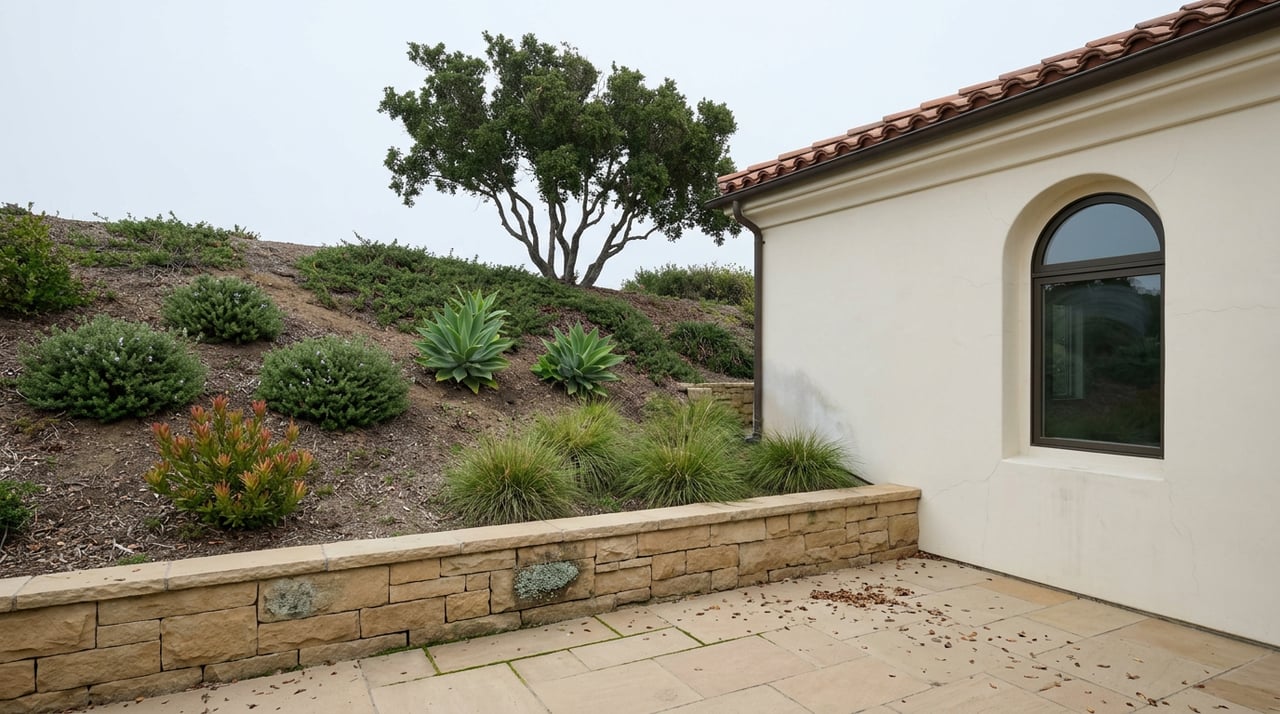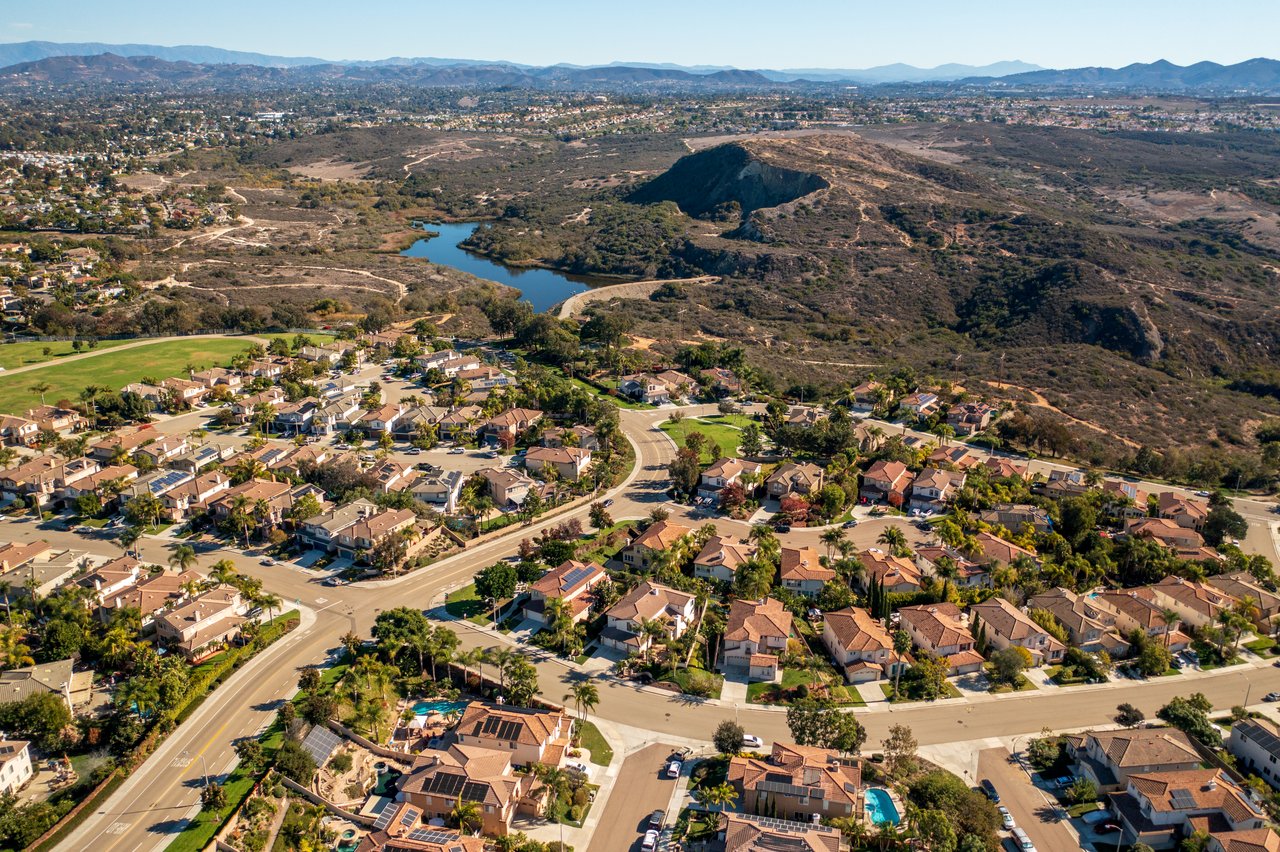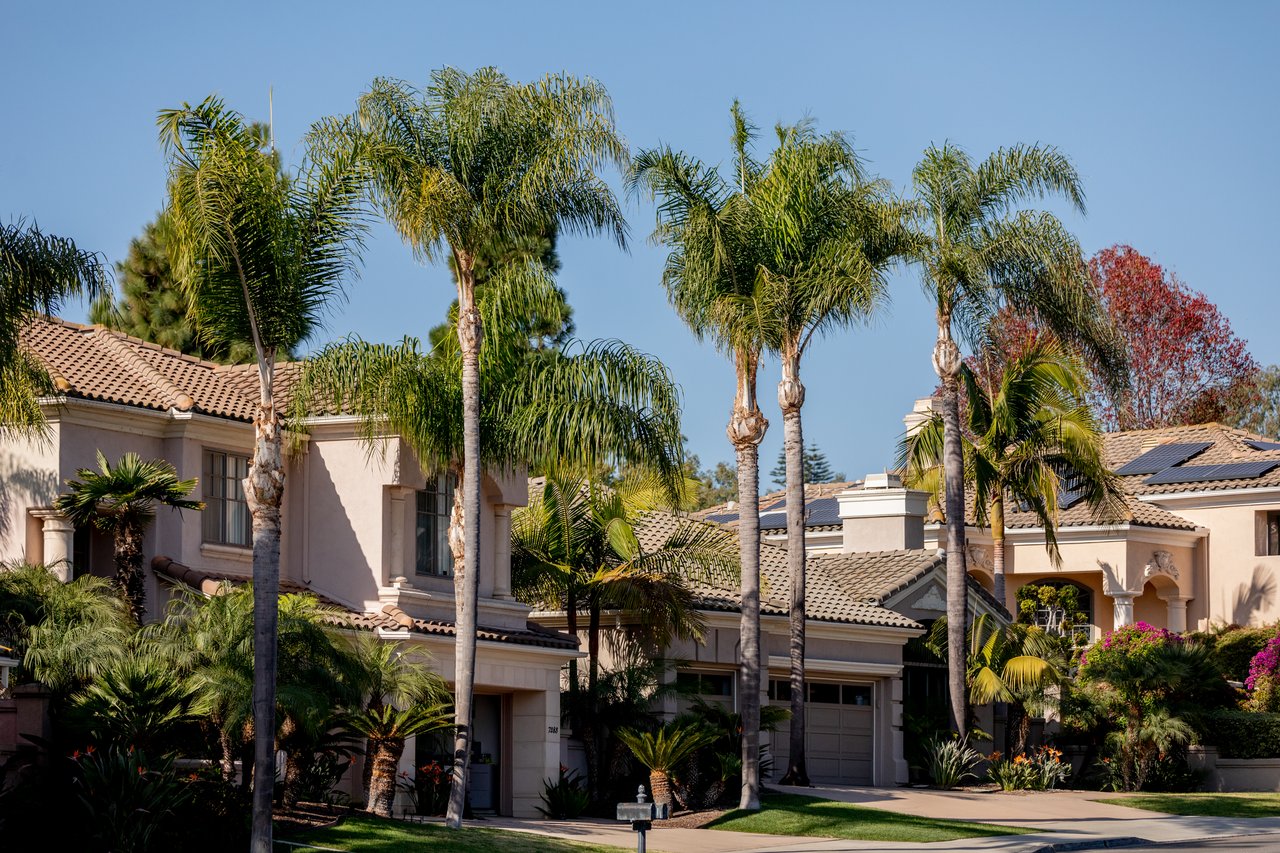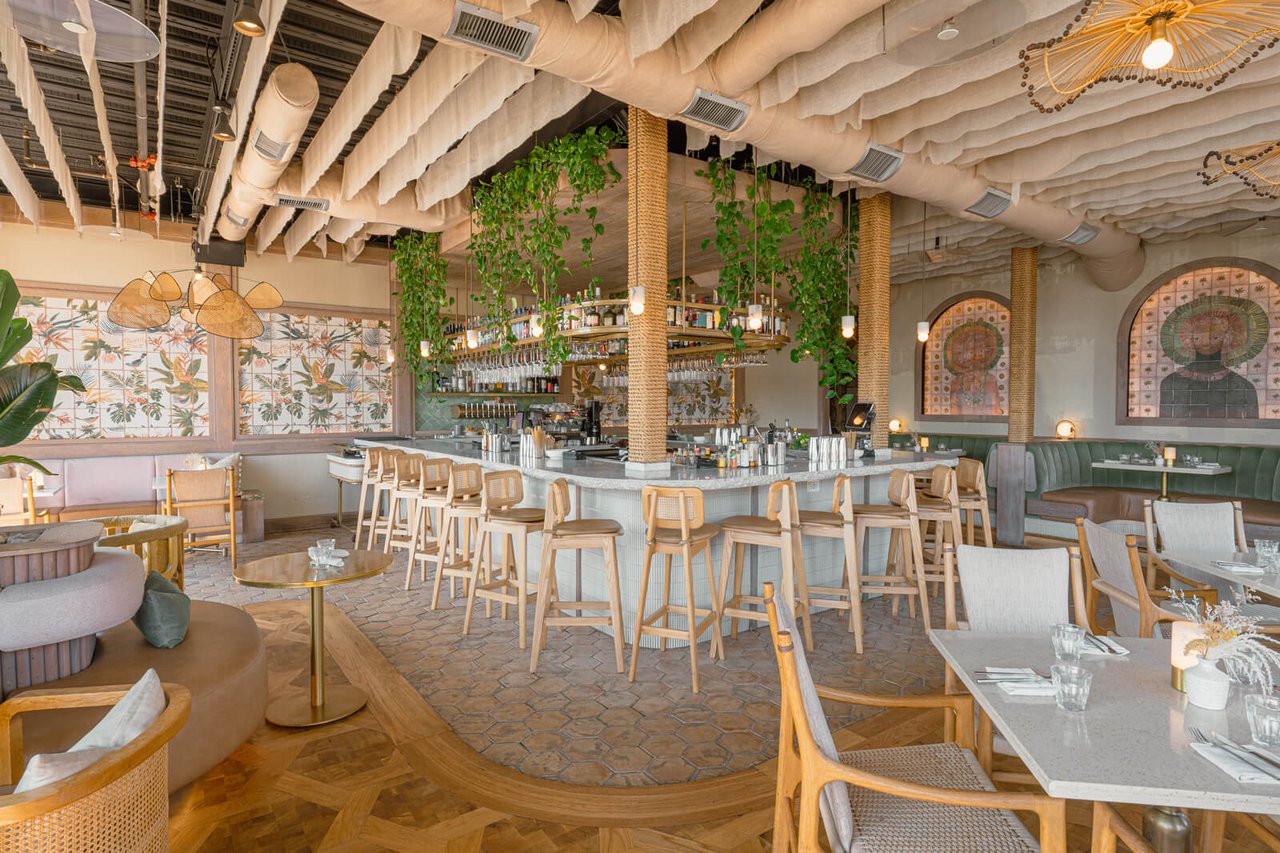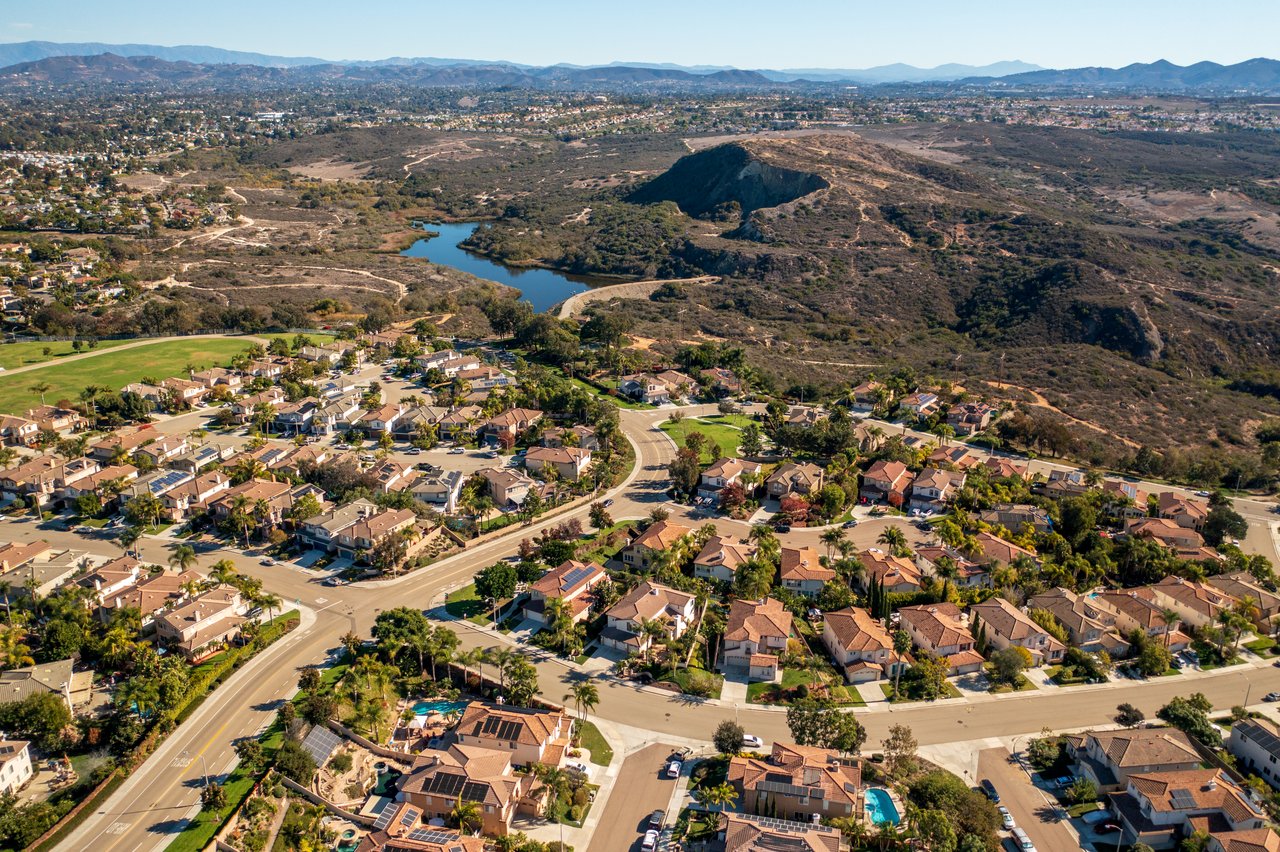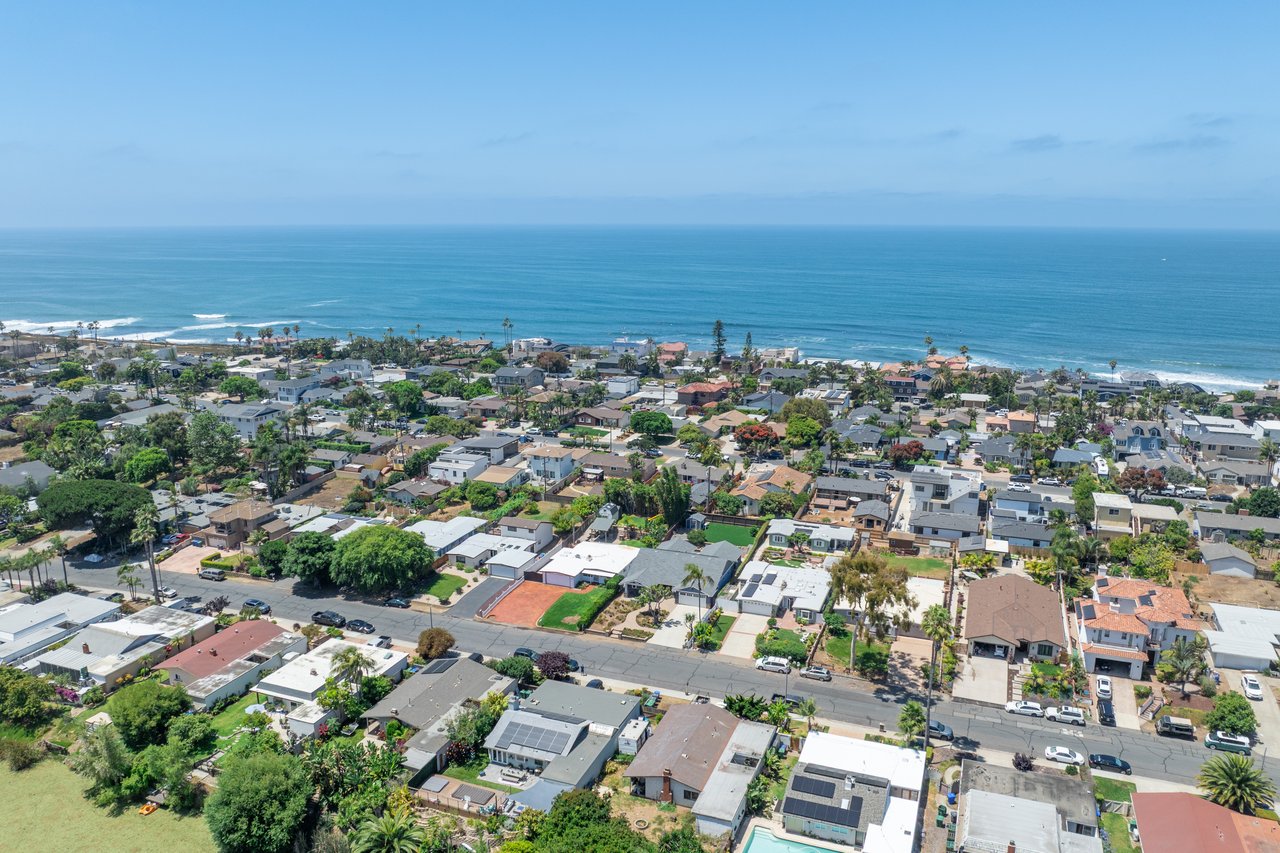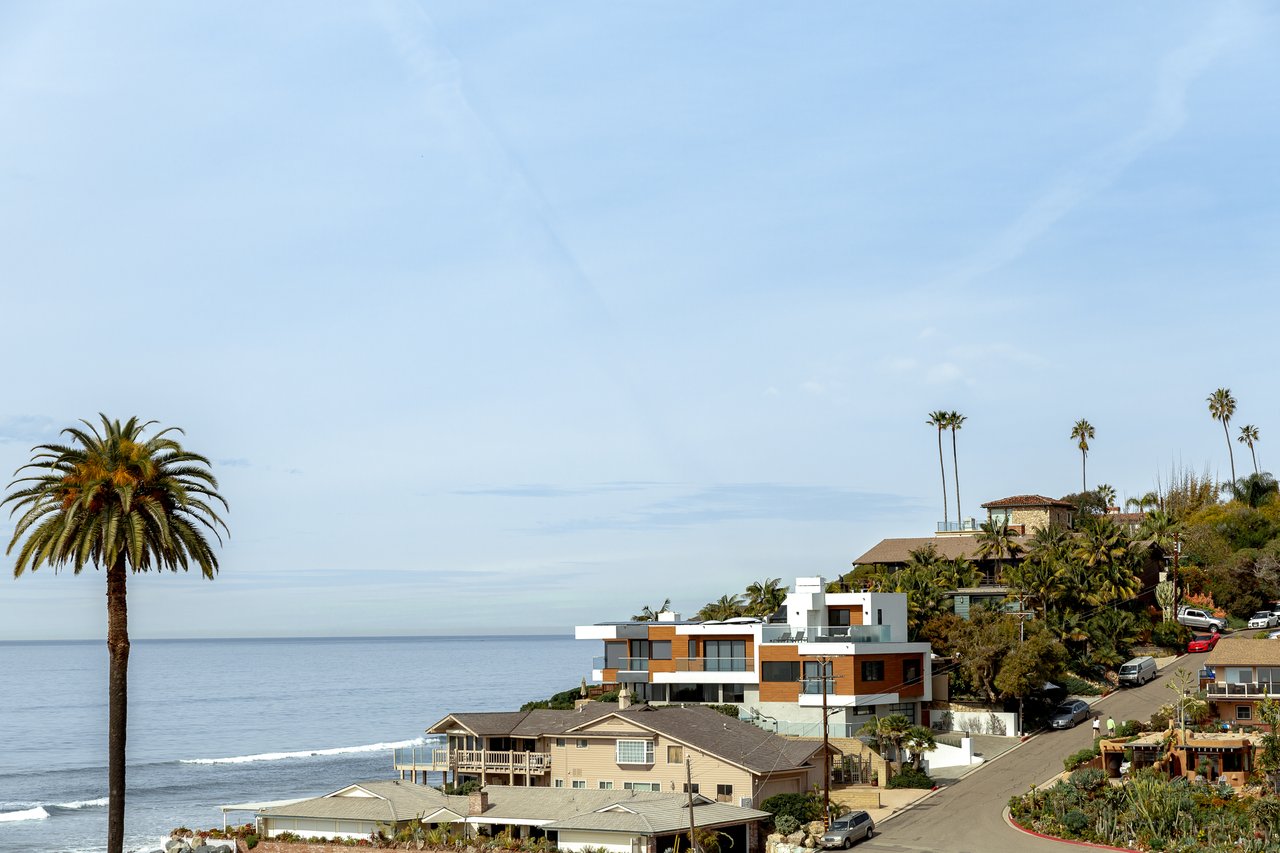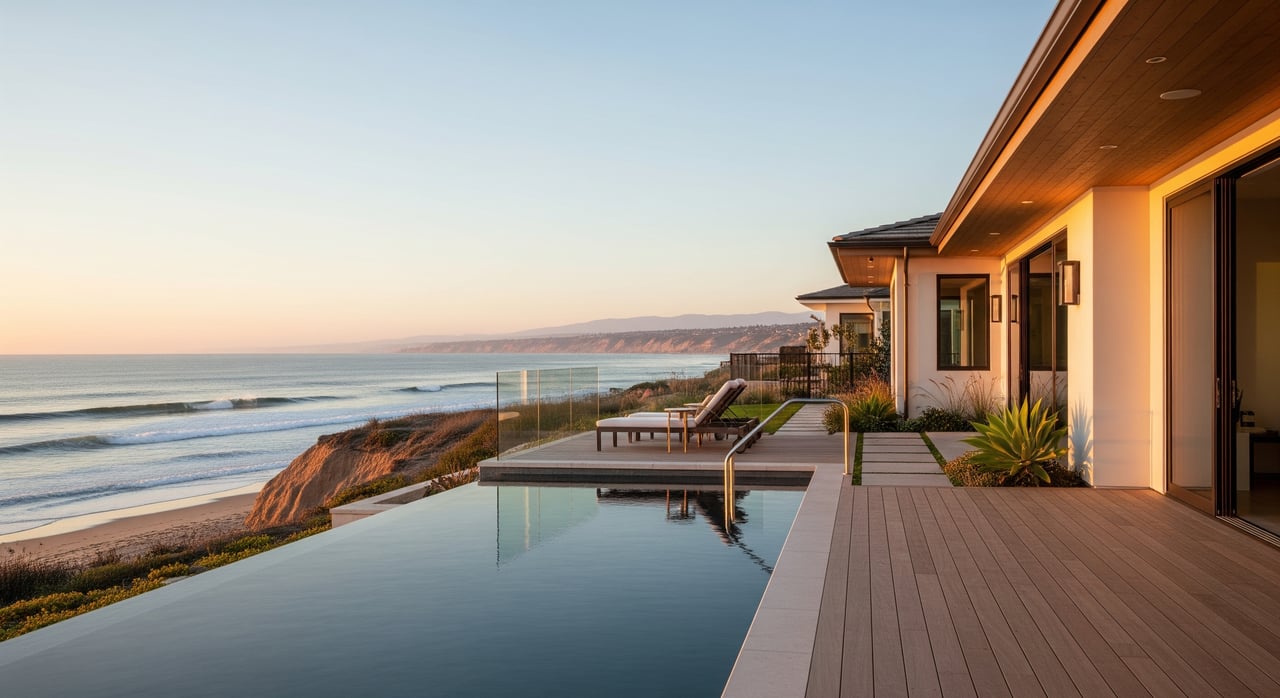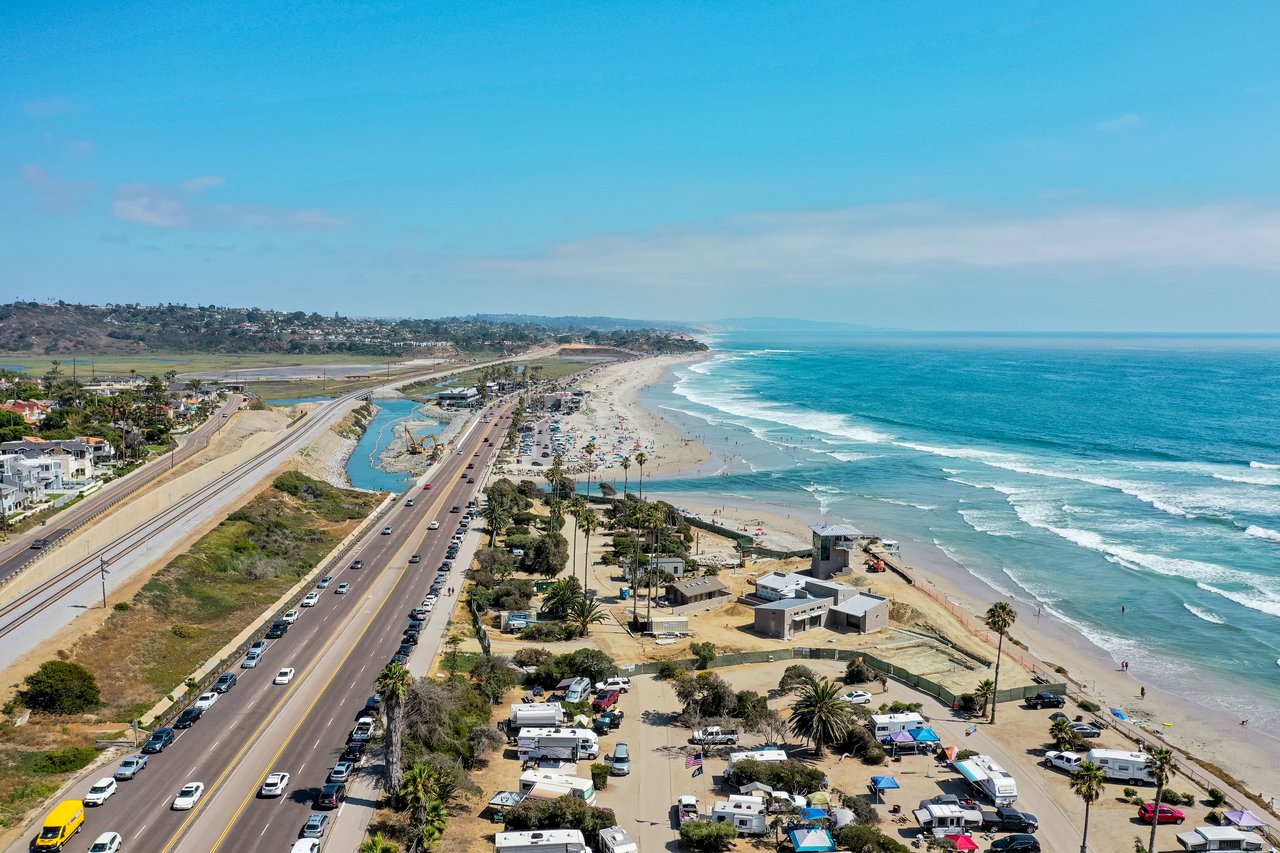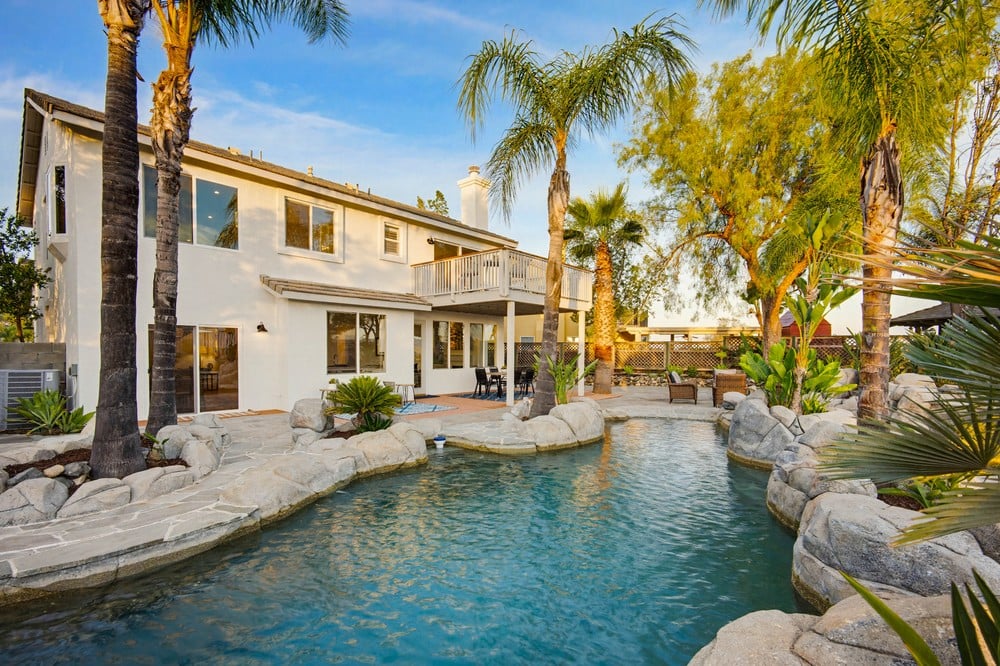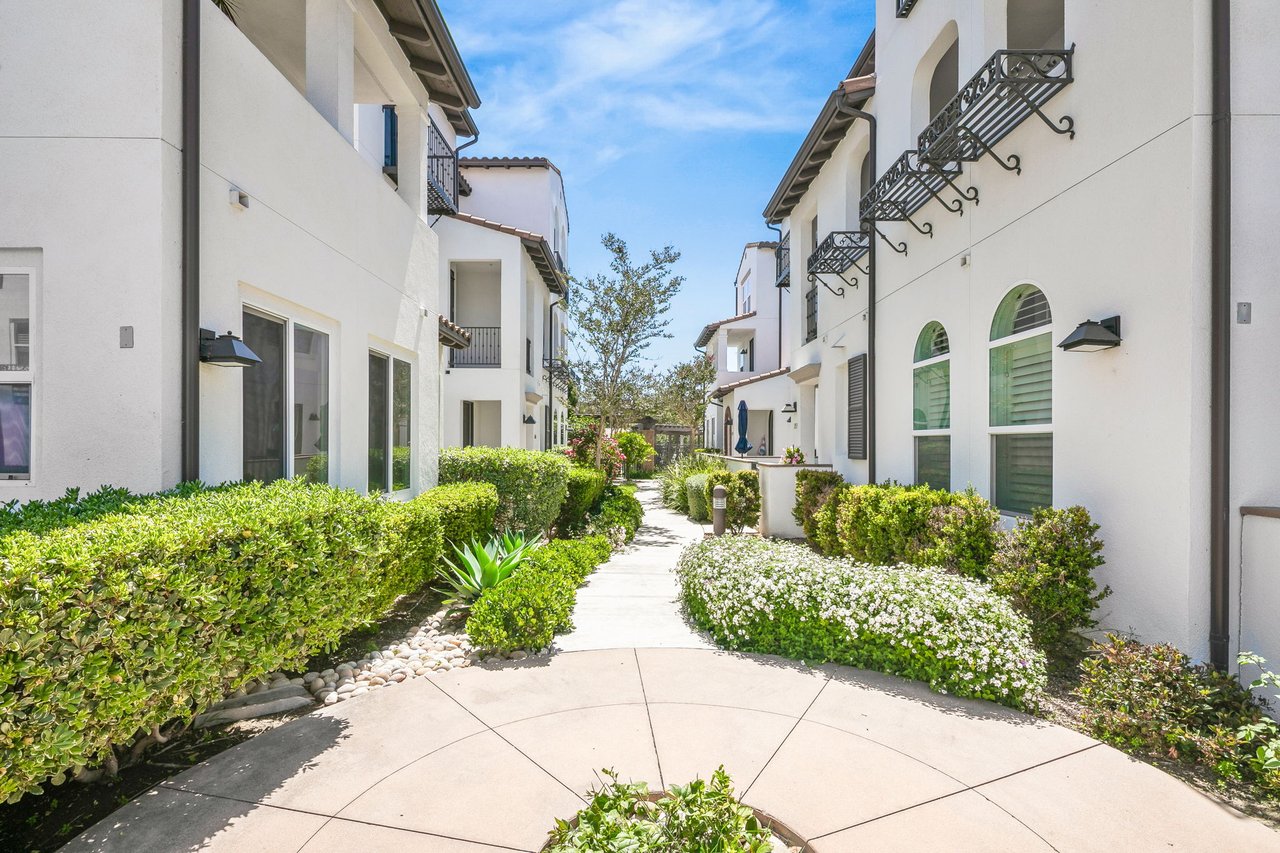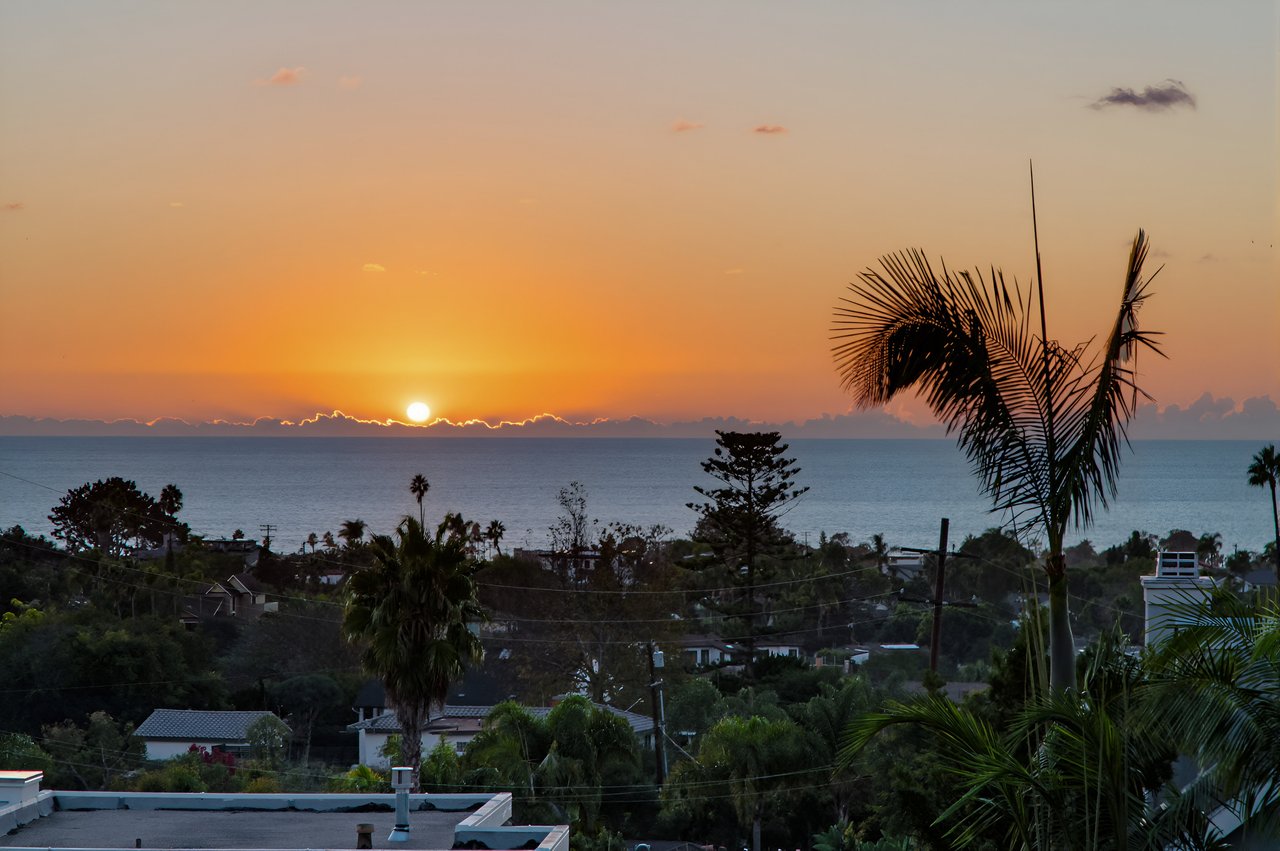
If your ideal day starts with sandy feet and ends with a local pint, South Oceanside might be your kind of beach town. You get an easygoing coastal rhythm, with morning marine layer, breezy afternoons, and a front-row seat to sunsets. At the same time, you want clear facts on homes, walkability, and what it really costs to live near the beach. This guide breaks down daily life, housing types, buyer tips, and practical checks so you can decide if South O fits your goals. Let’s dive in.
South Oceanside lifestyle
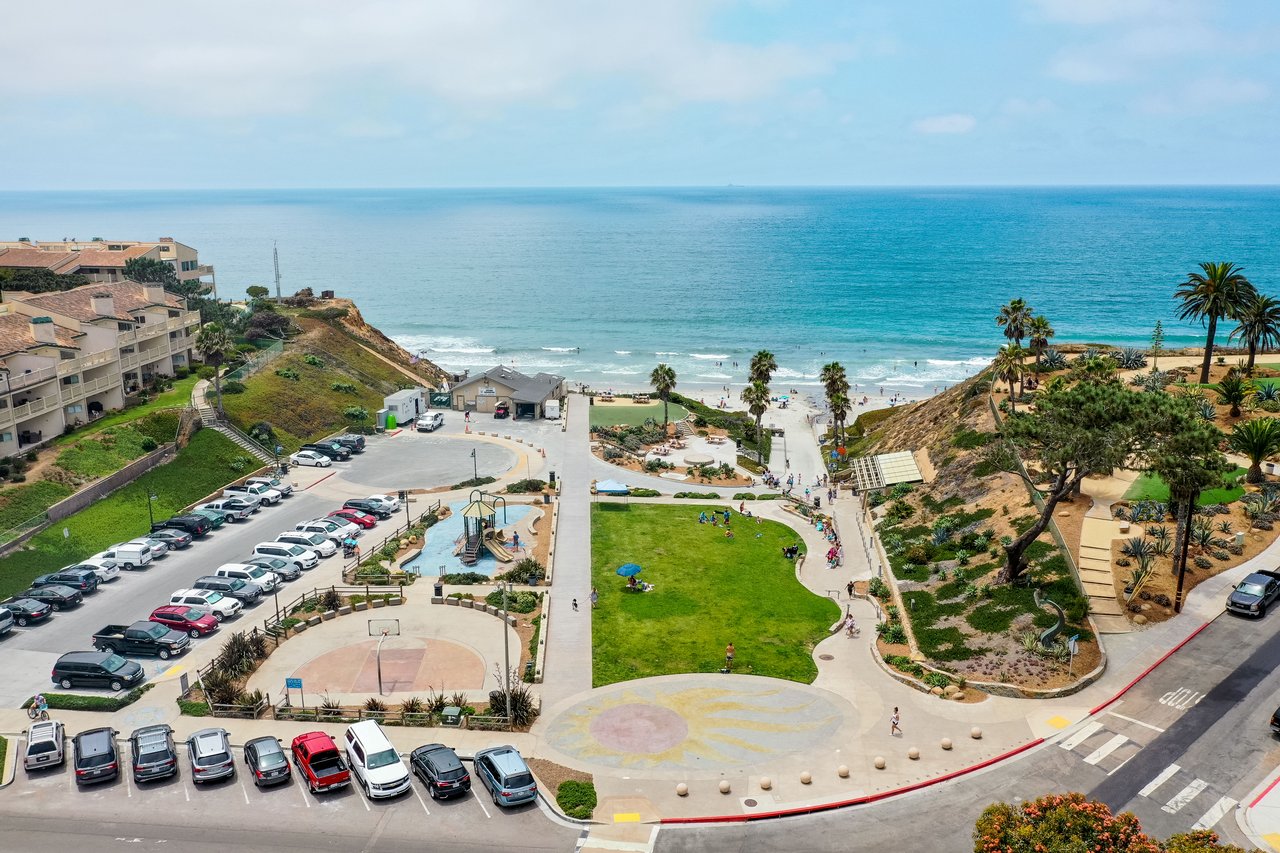
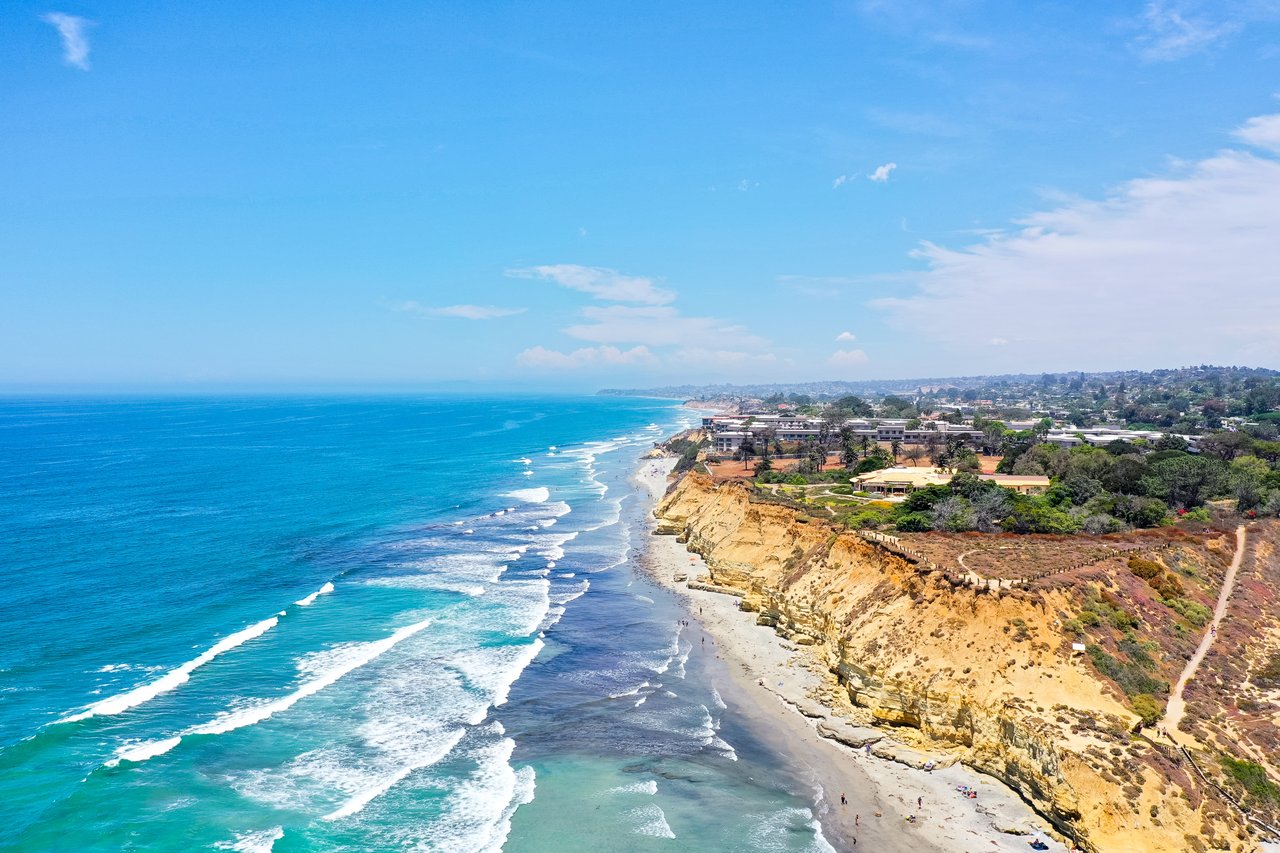
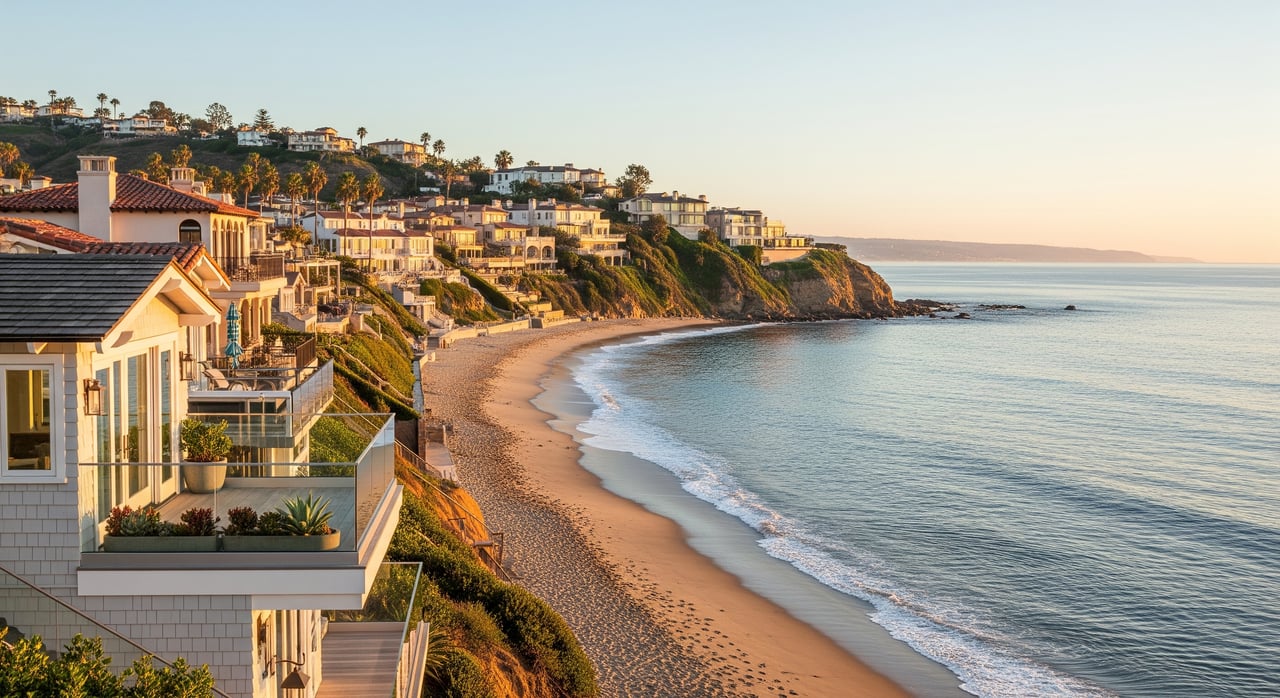
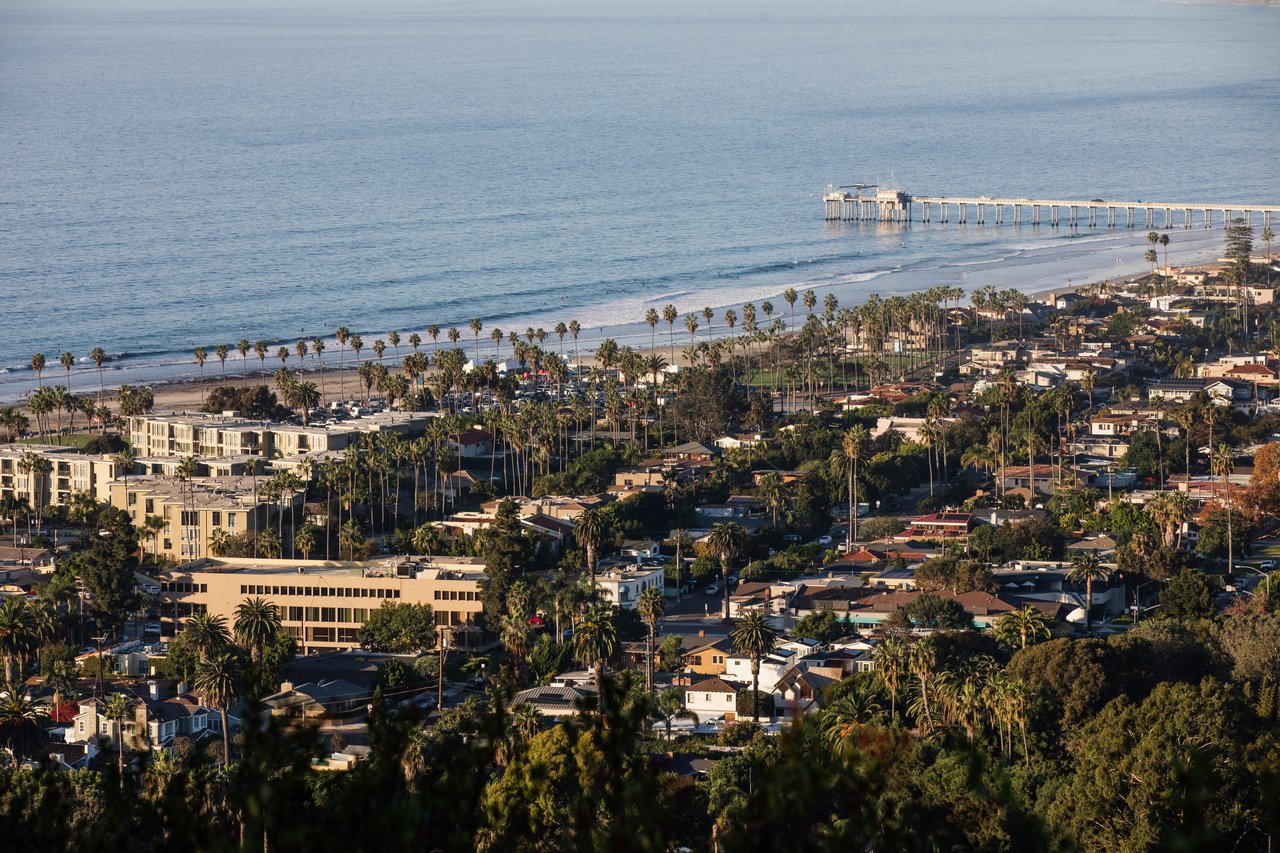
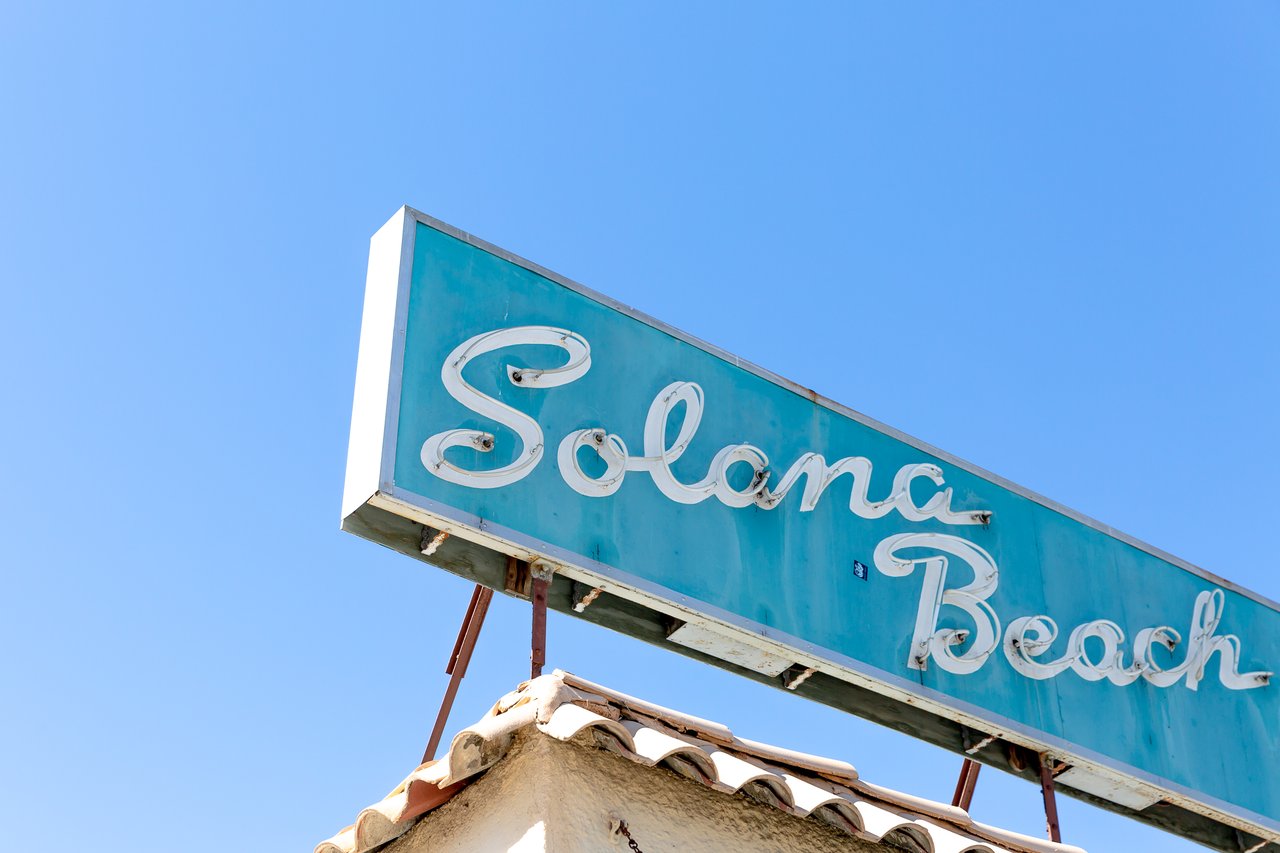
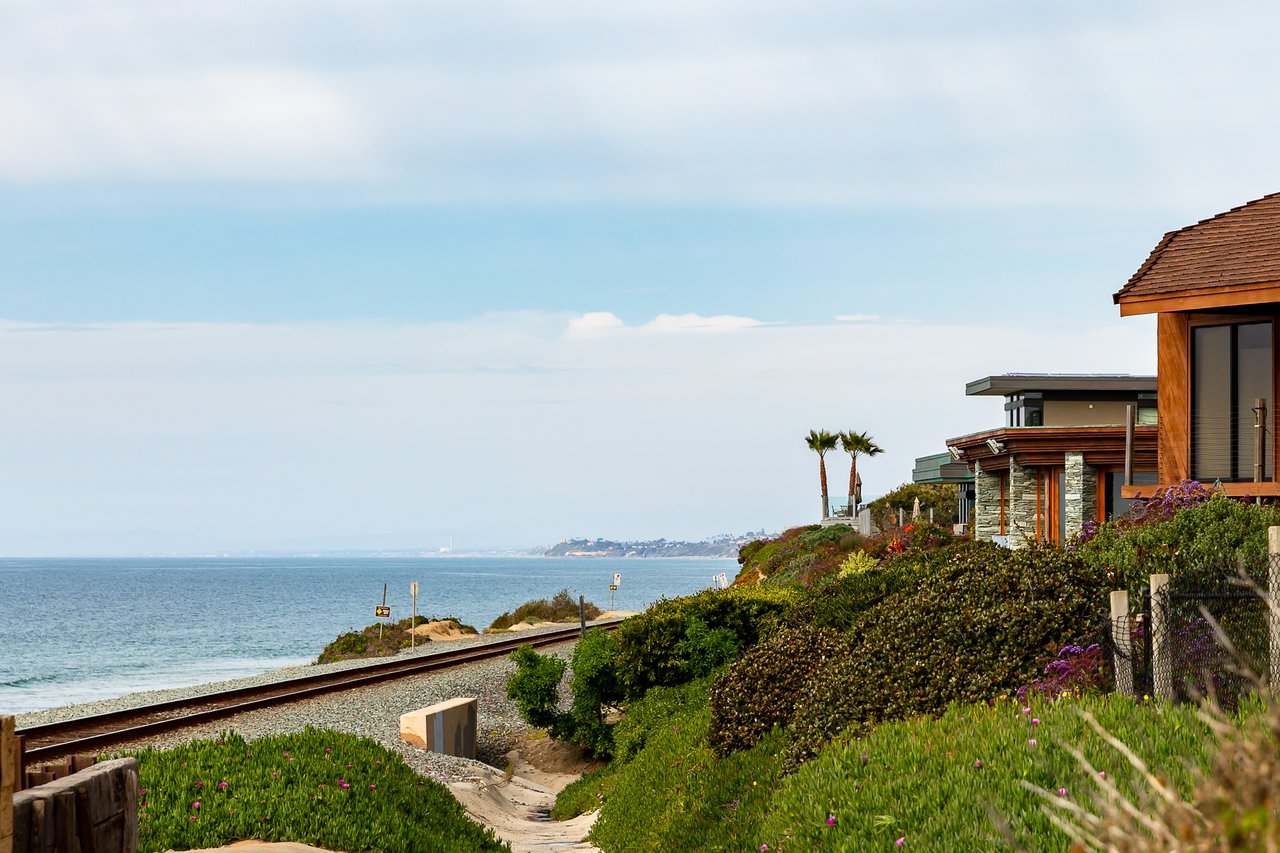
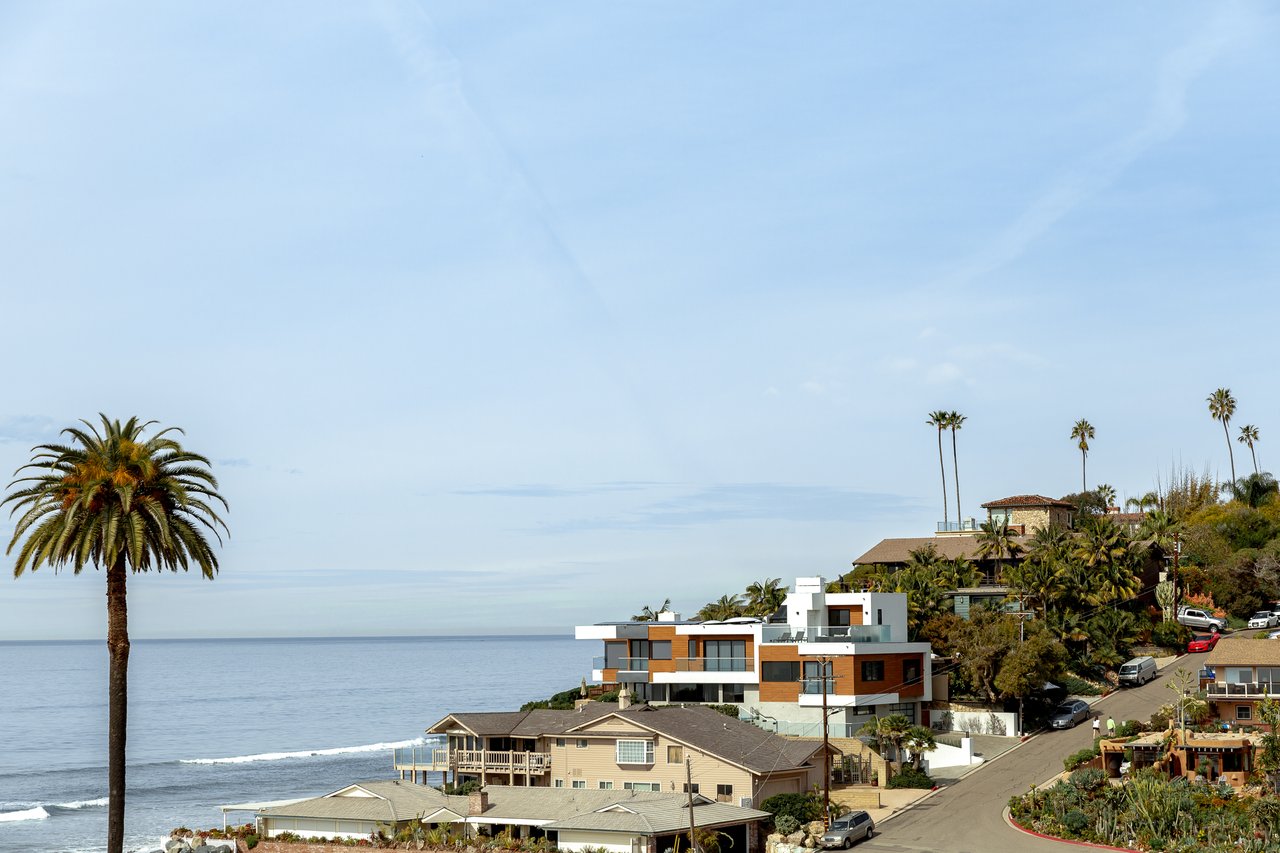
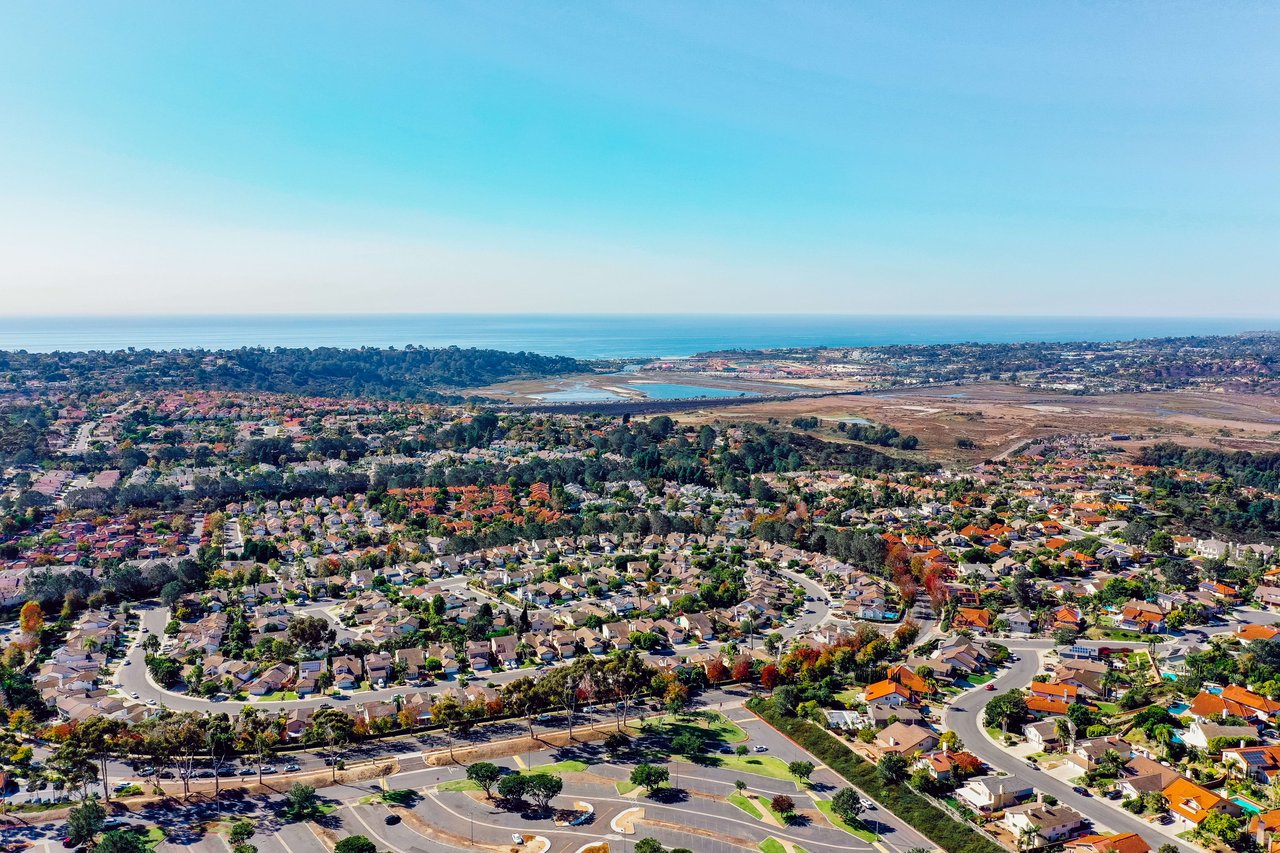
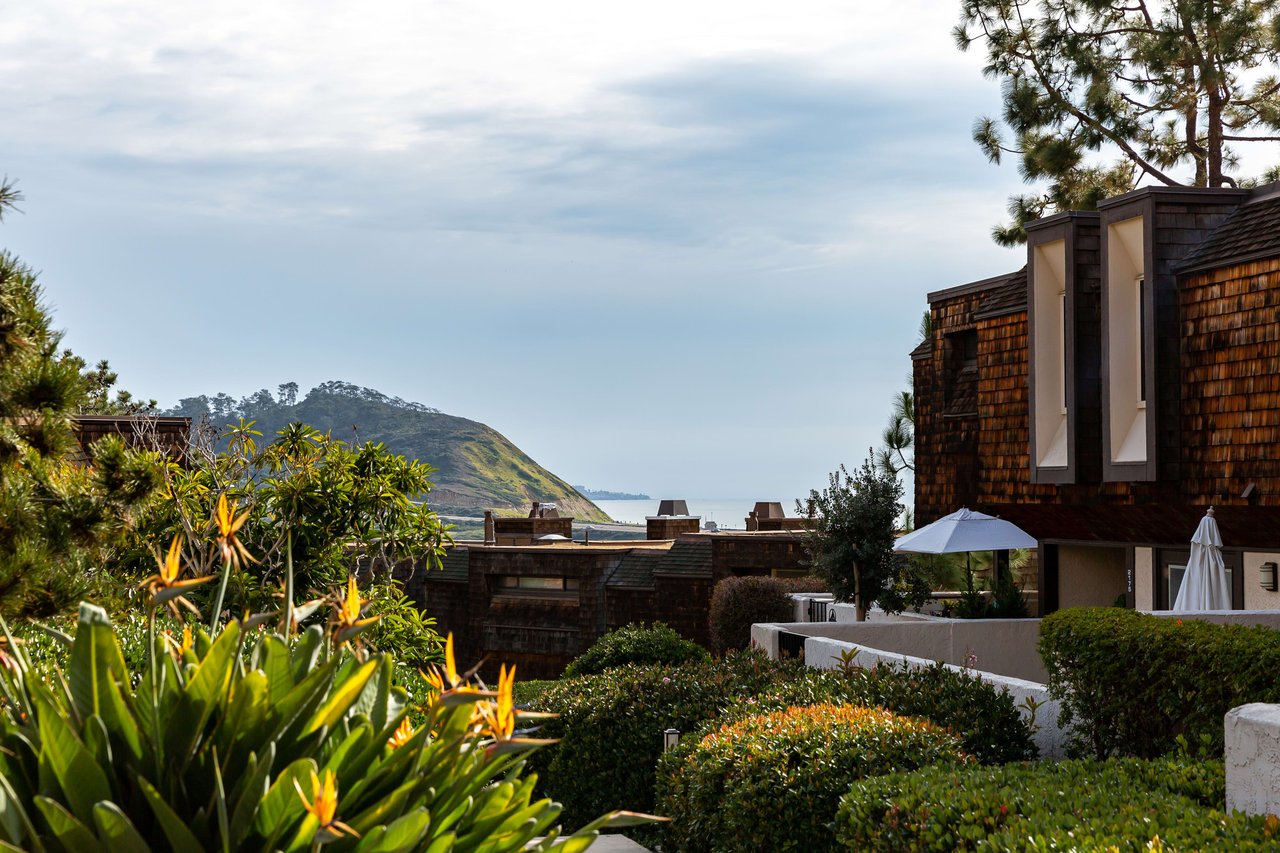
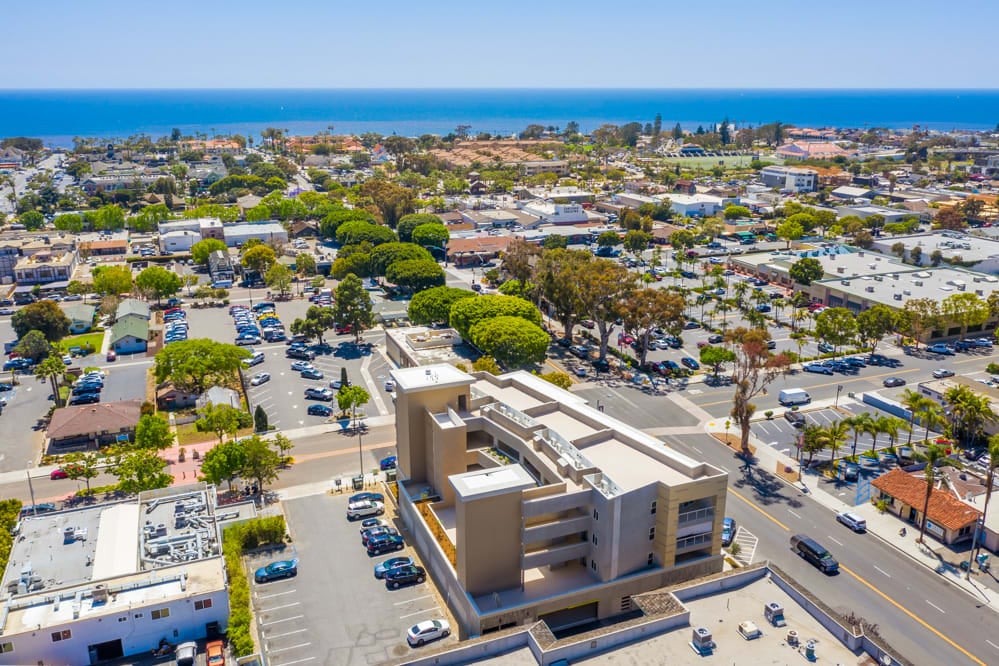
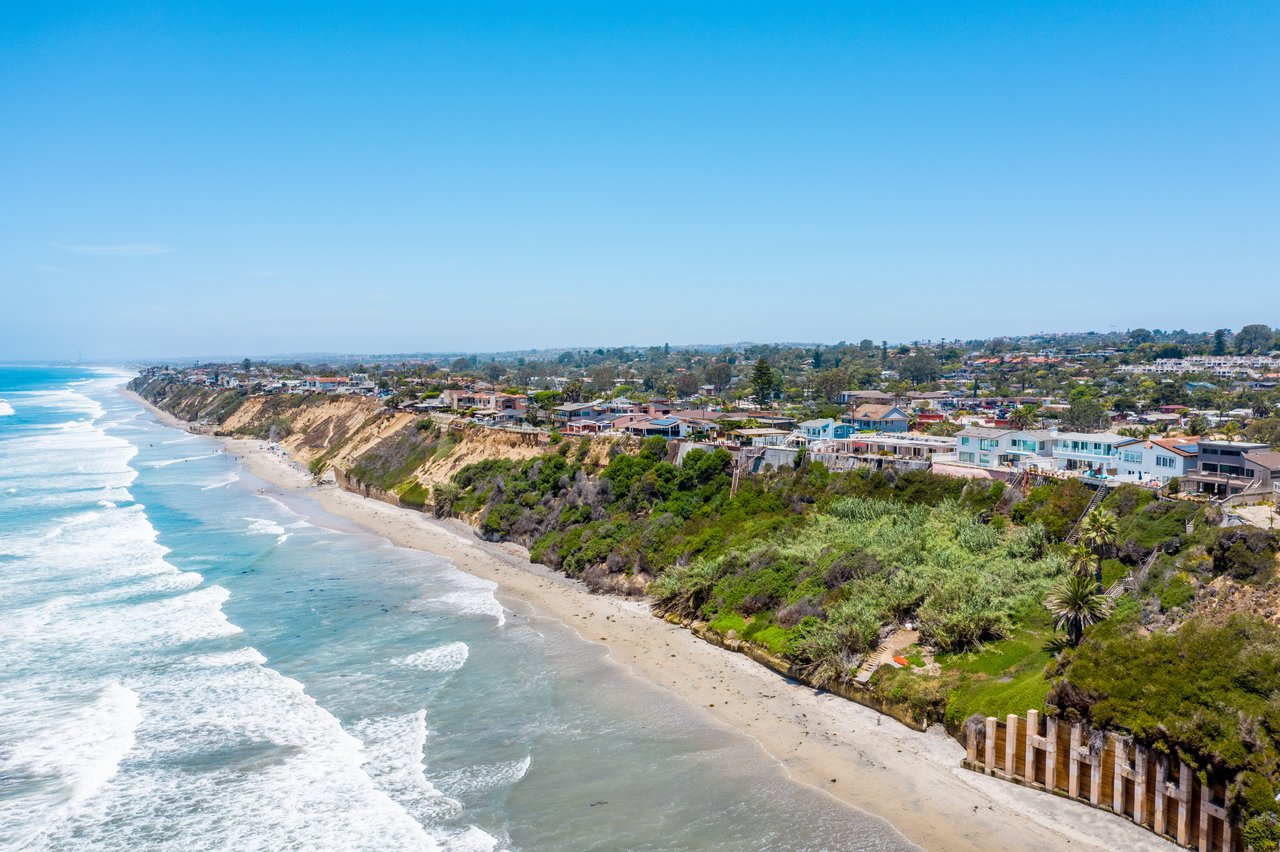
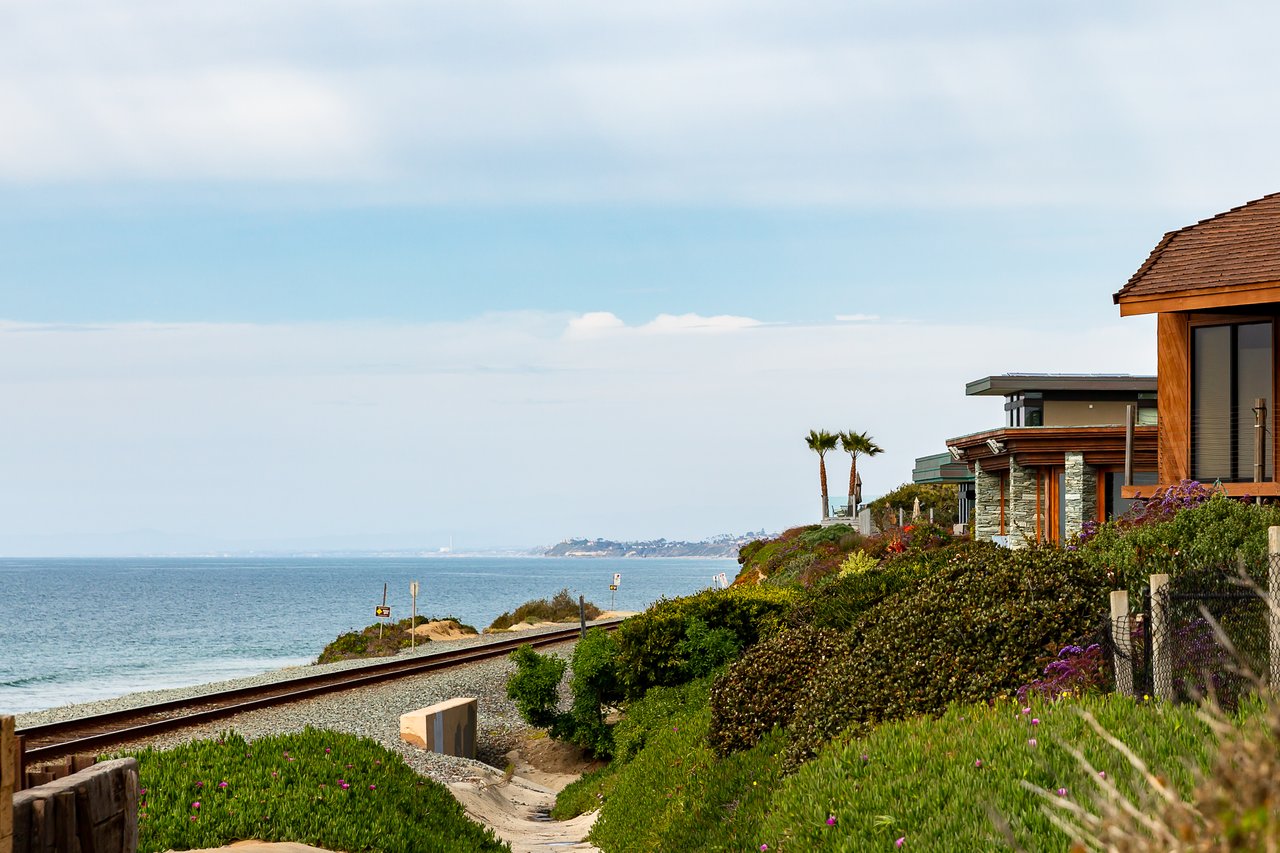
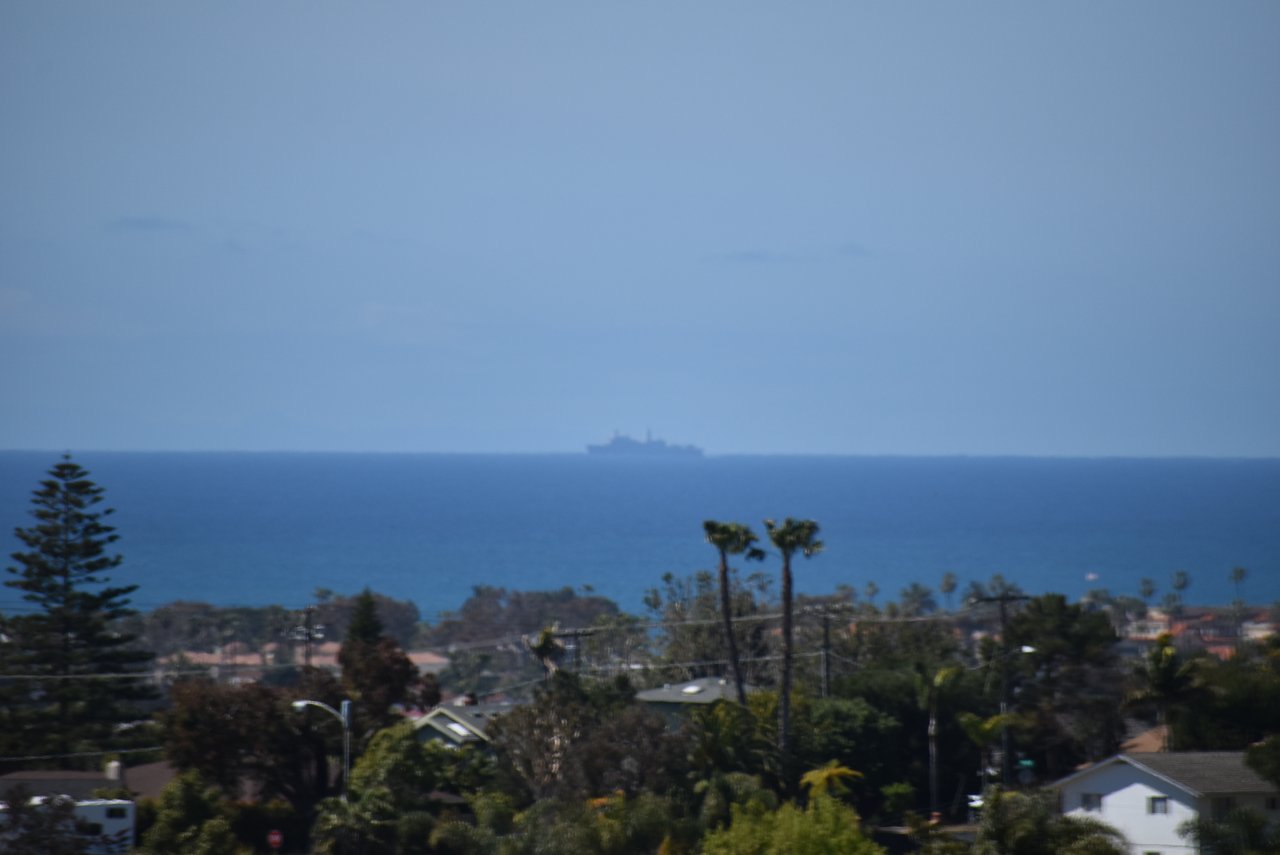
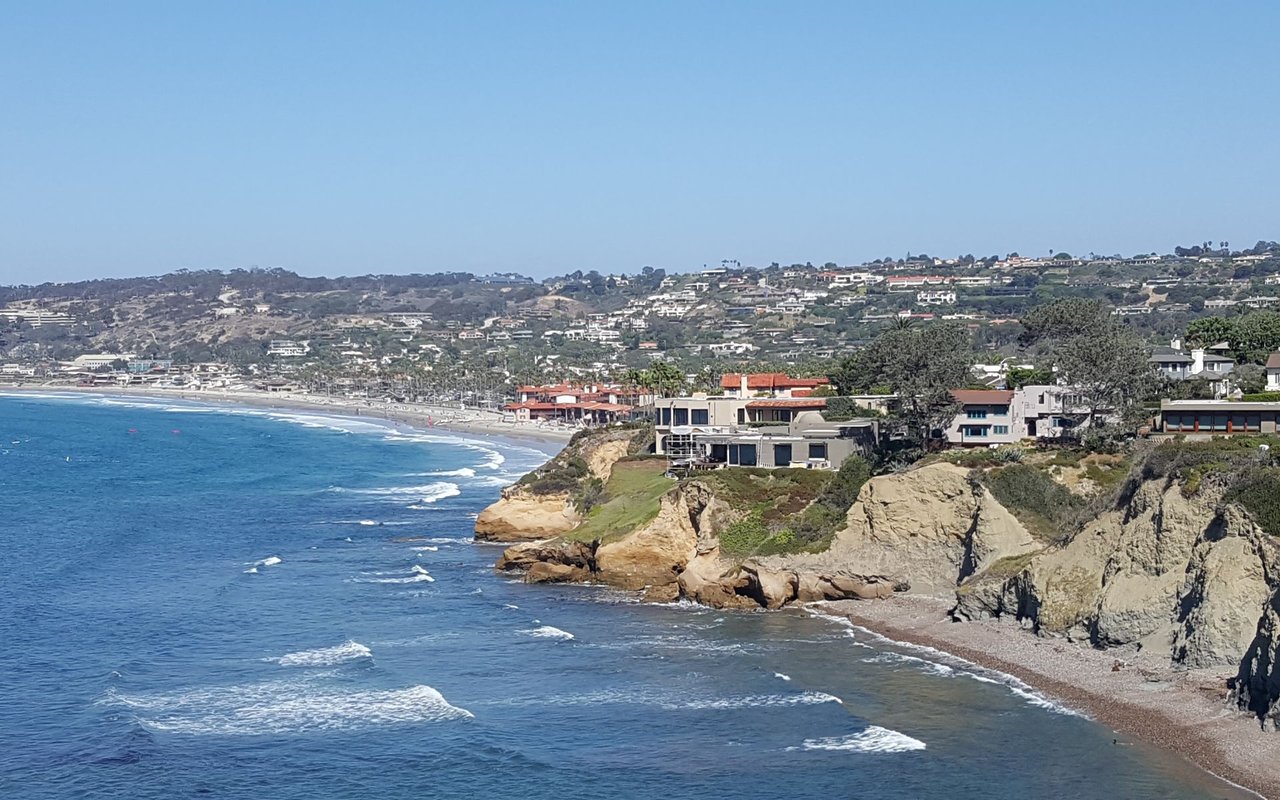
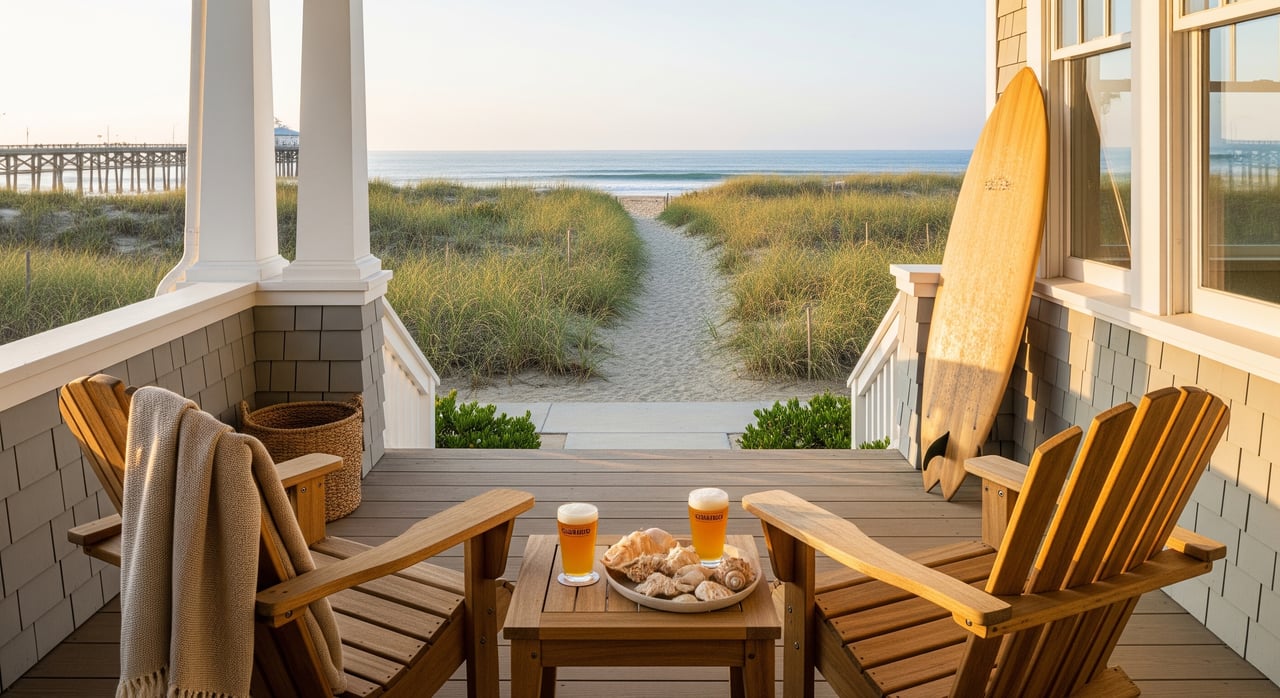
South Oceanside sits along the North County coast with a casual feel and strong connection to the outdoors. You can walk or bike to Buccaneer Beach, grab coffee on Coast Highway, and choose from a growing mix of taprooms and casual restaurants. The vibe is laid-back and local, with a mix of long-time residents and newer homeowners.
You’ll notice the small-town pace during weekdays and a busier scene on weekends and in summer. Beach parking and Coast Highway traffic can pick up during peak times. Many residents plan around the tides and set their schedules for morning surf checks, dog walks in permitted areas, and sunset strolls.
Beaches and outdoor rhythm
Buccaneer Beach basics
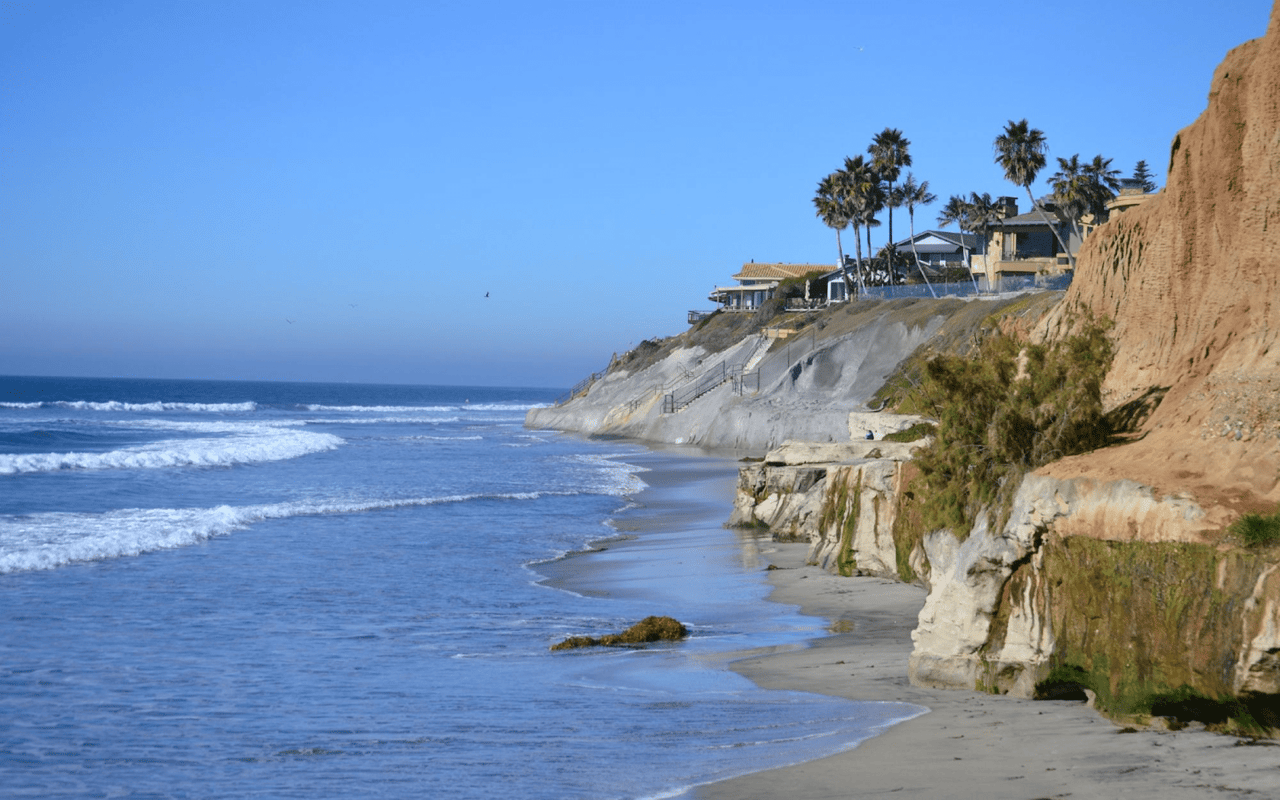
Buccaneer Beach is a neighborhood anchor where you can catch a quick surf, bodyboard, or relax with a book. The city supports seasonal lifeguards, beach parking lots, and public restrooms in key areas. Coastal access points include stairs or ramps in parts of the shoreline, which makes quick drop-ins easy when conditions look good.
Parks and bikeable blocks
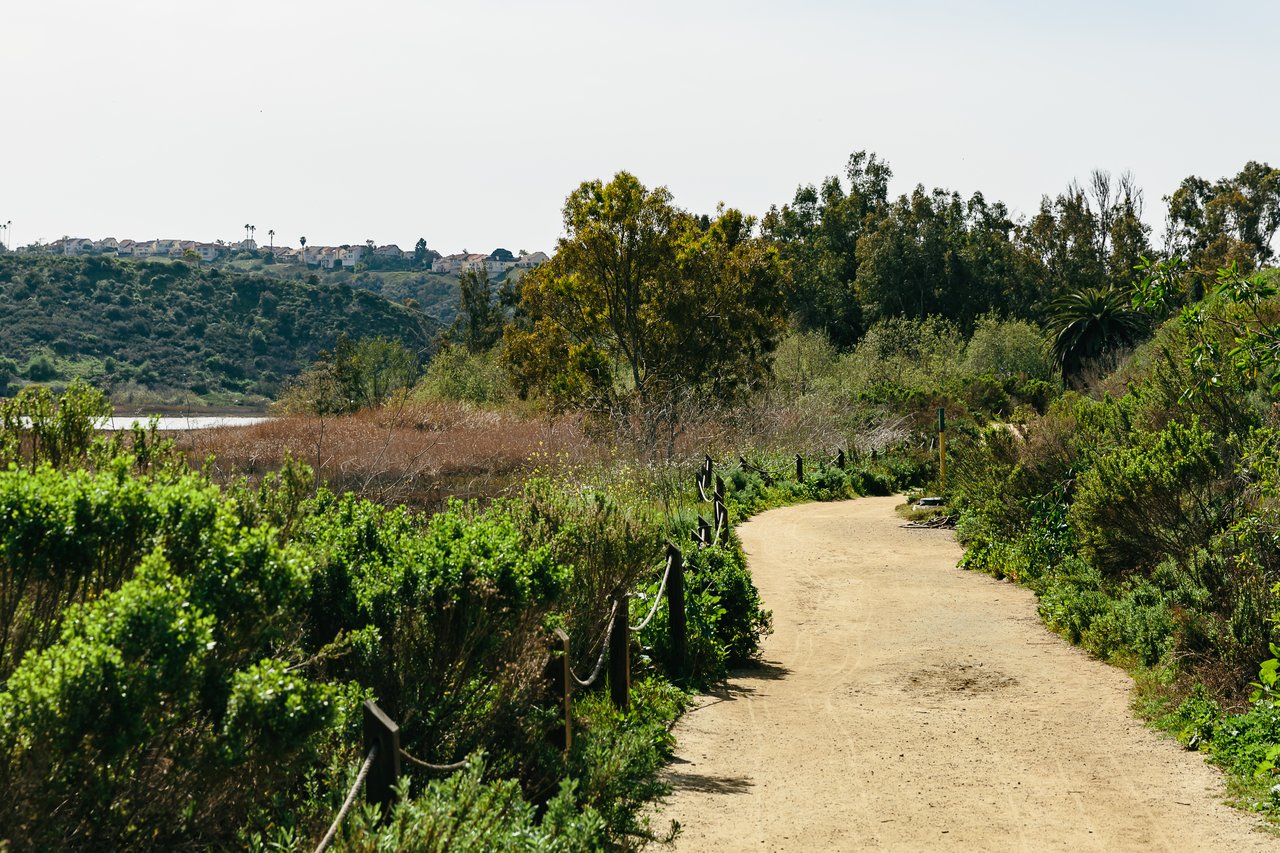
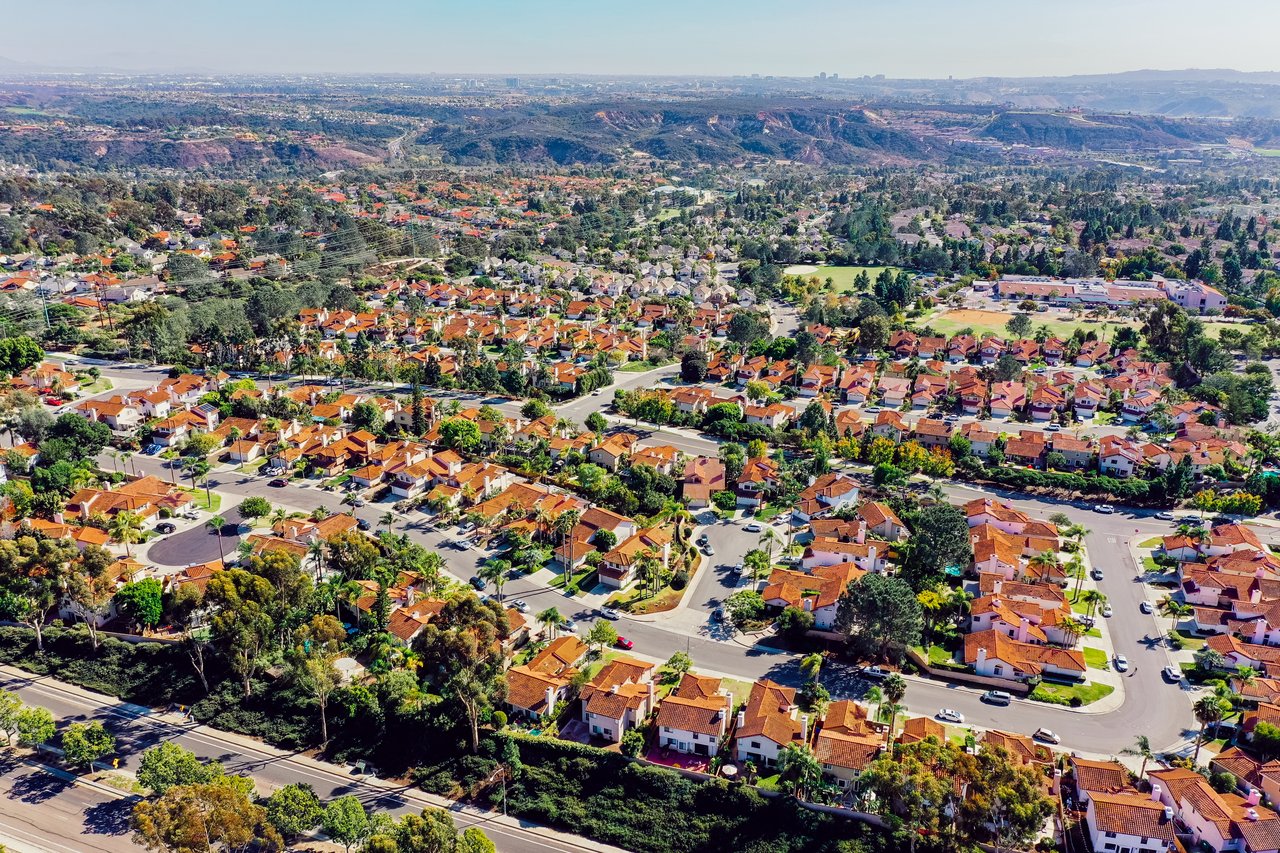
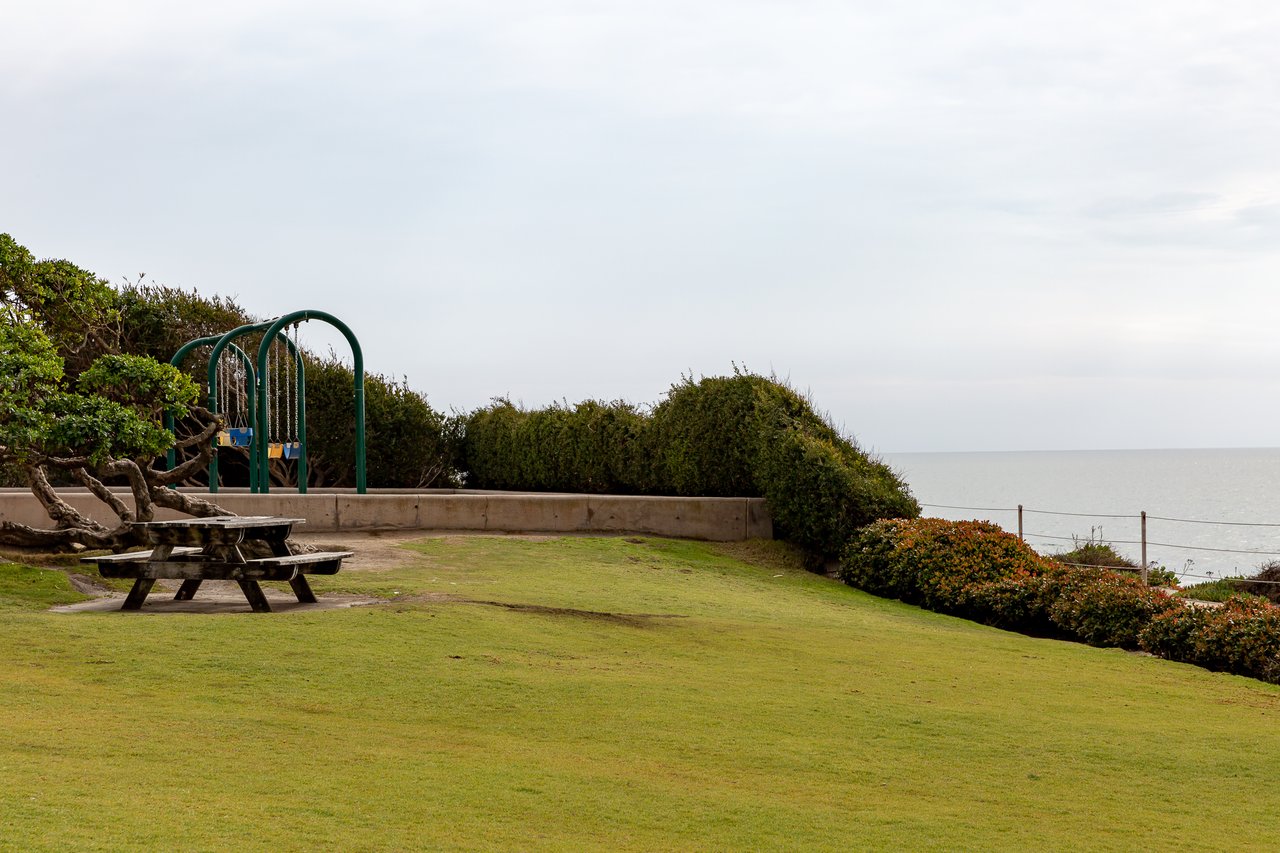
Older residential streets run in a simple grid parallel to the coast. Many blocks are walkable and bike-friendly, especially near Coast Highway. You’ll also find small parks and pocket green spaces tucked between homes and beach access points, which add to the everyday outdoor feel.
Homes: bungalows to reimagined
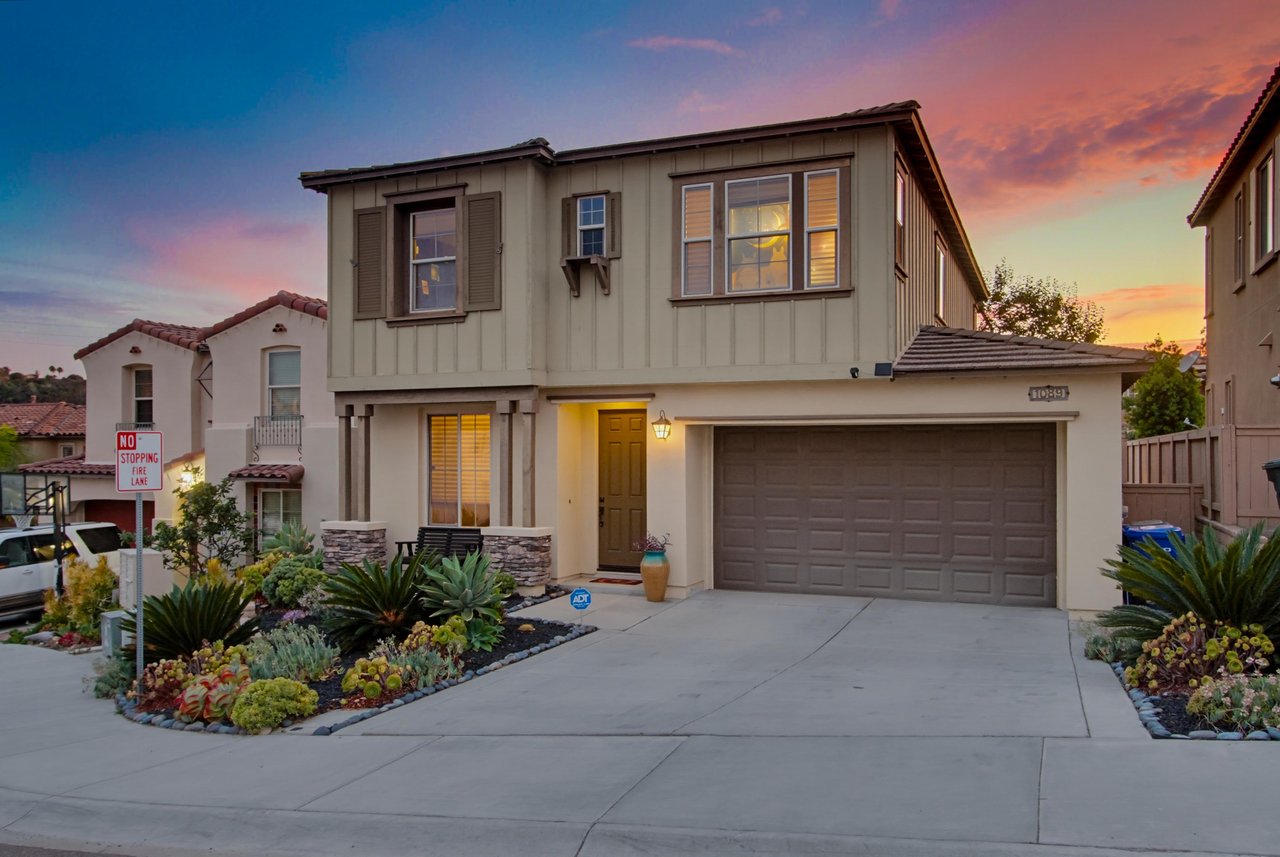
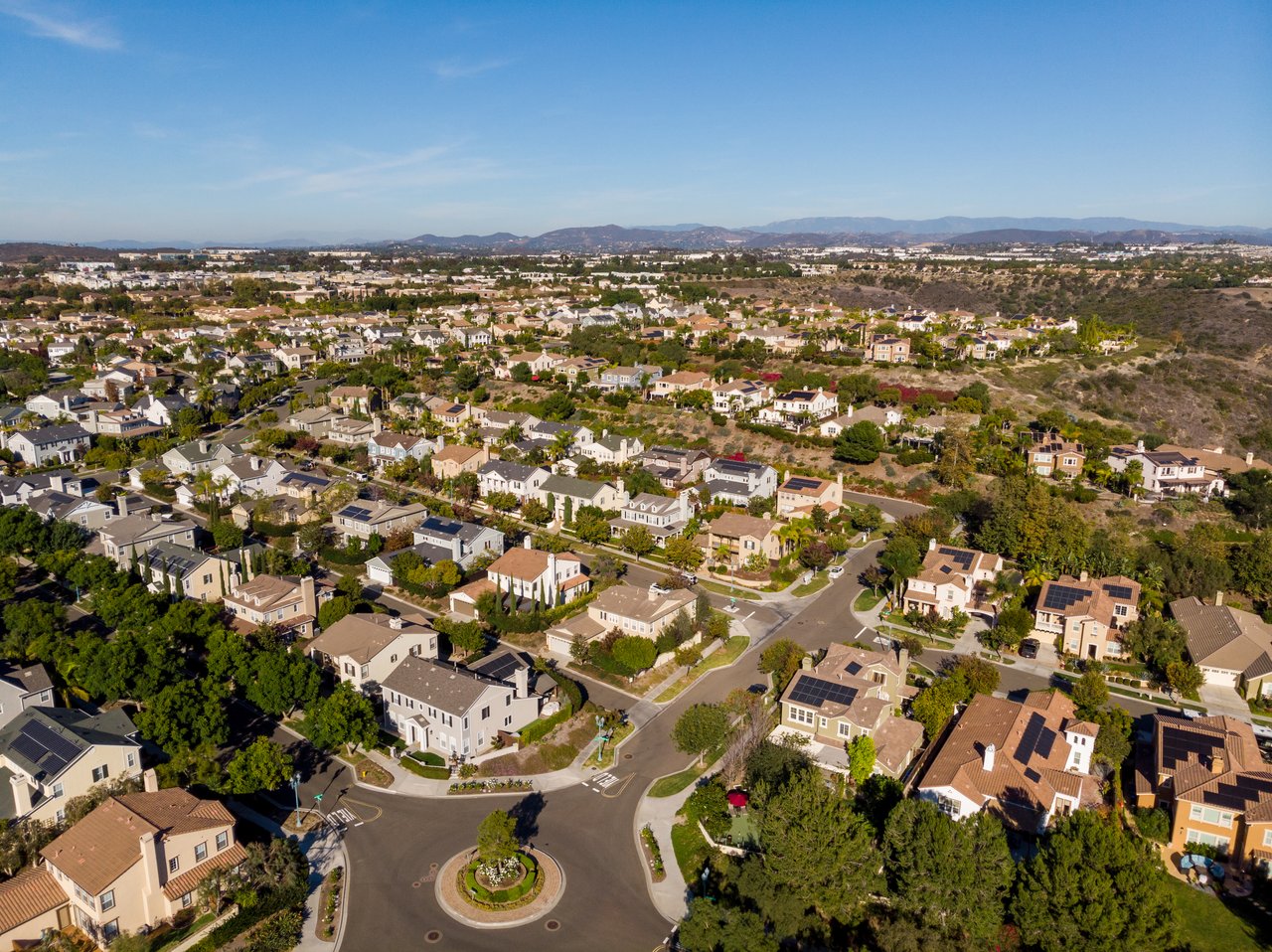
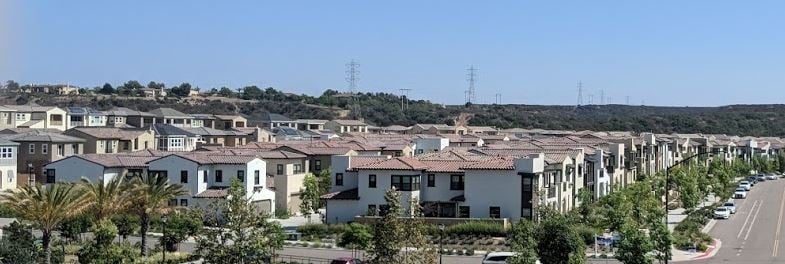
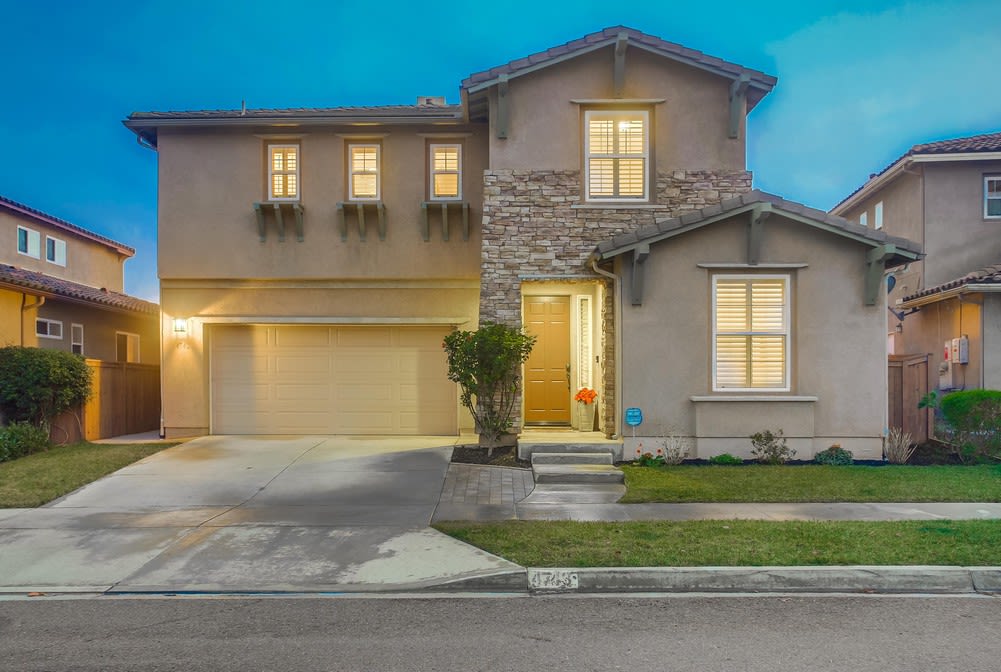
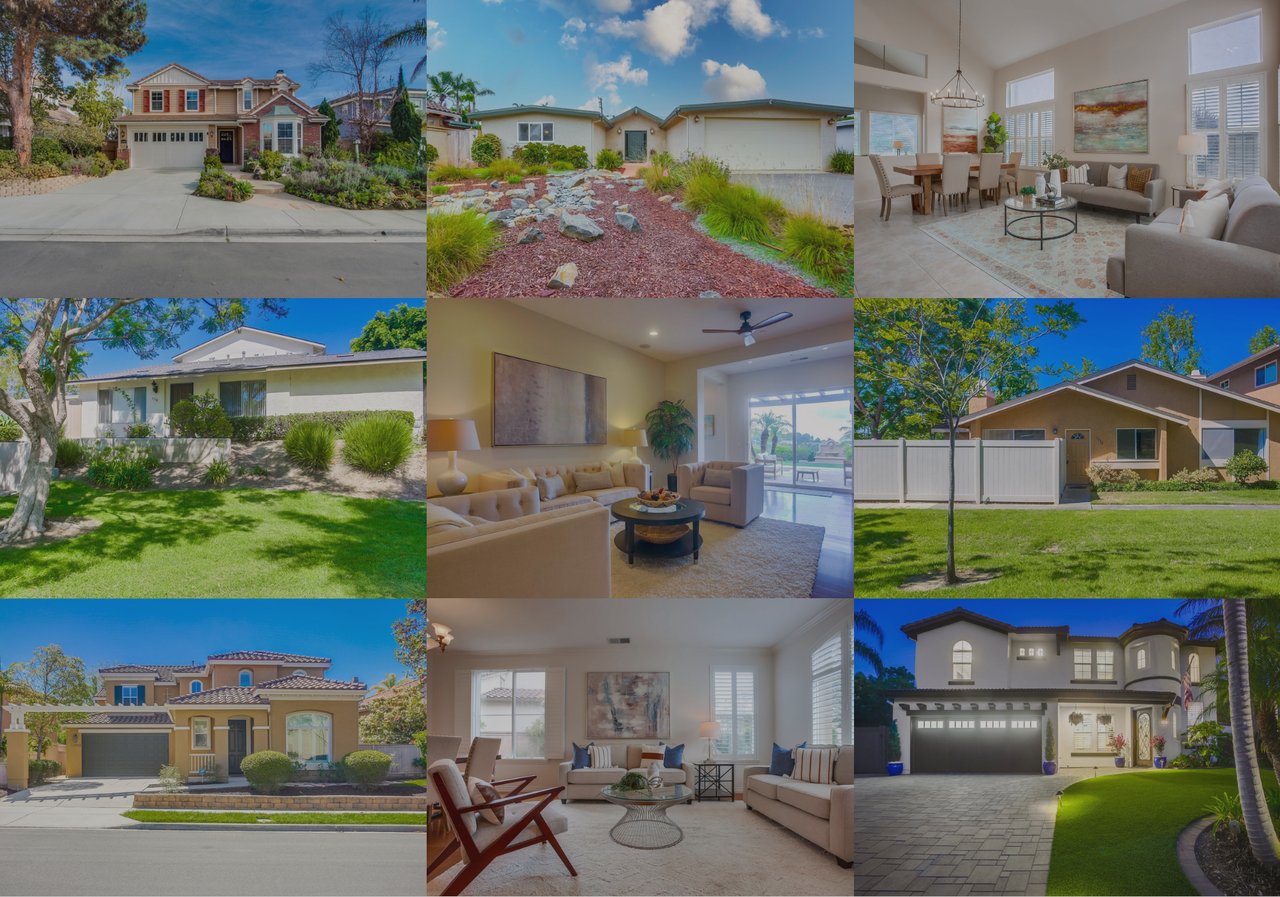
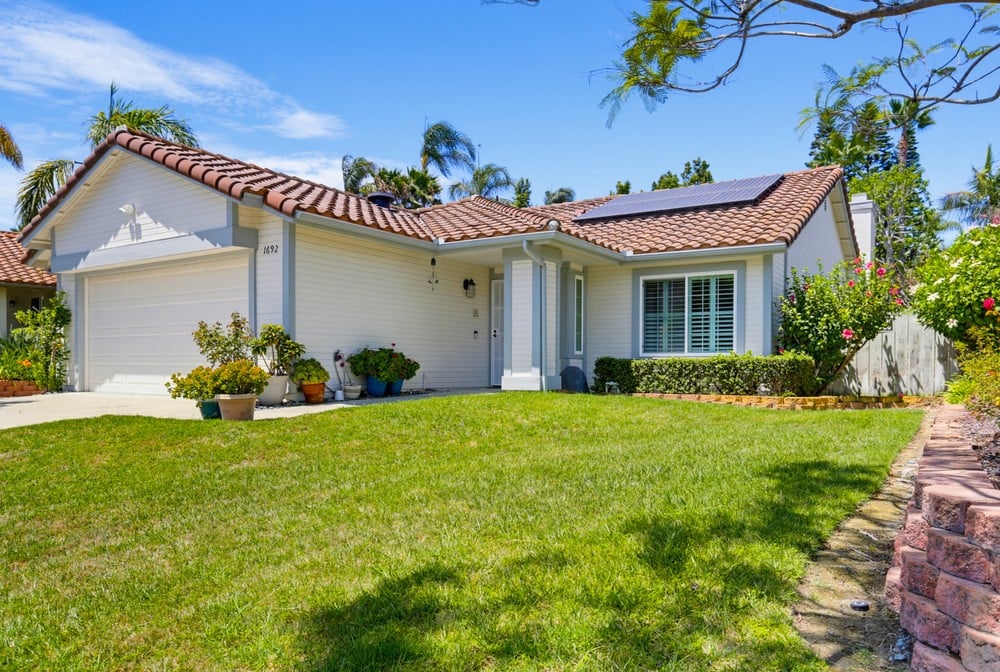
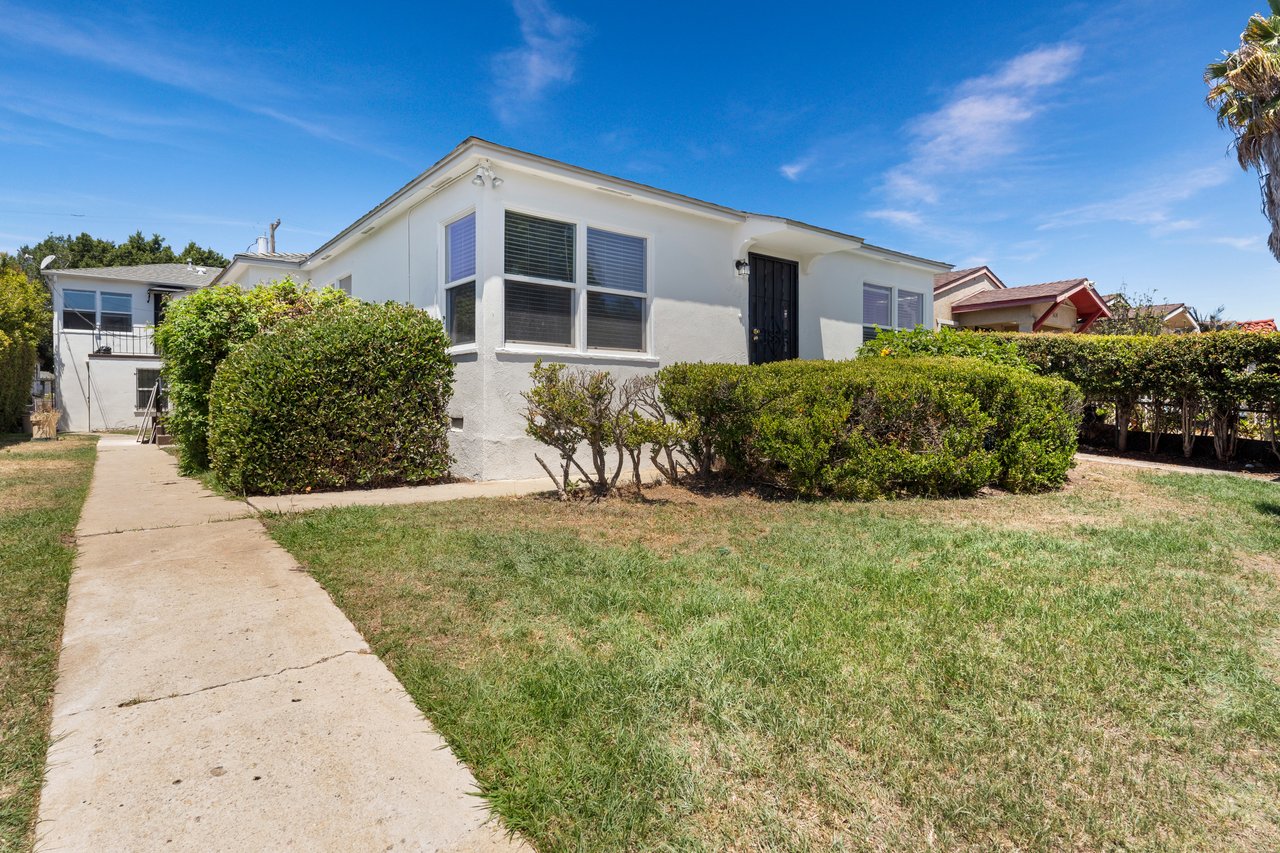
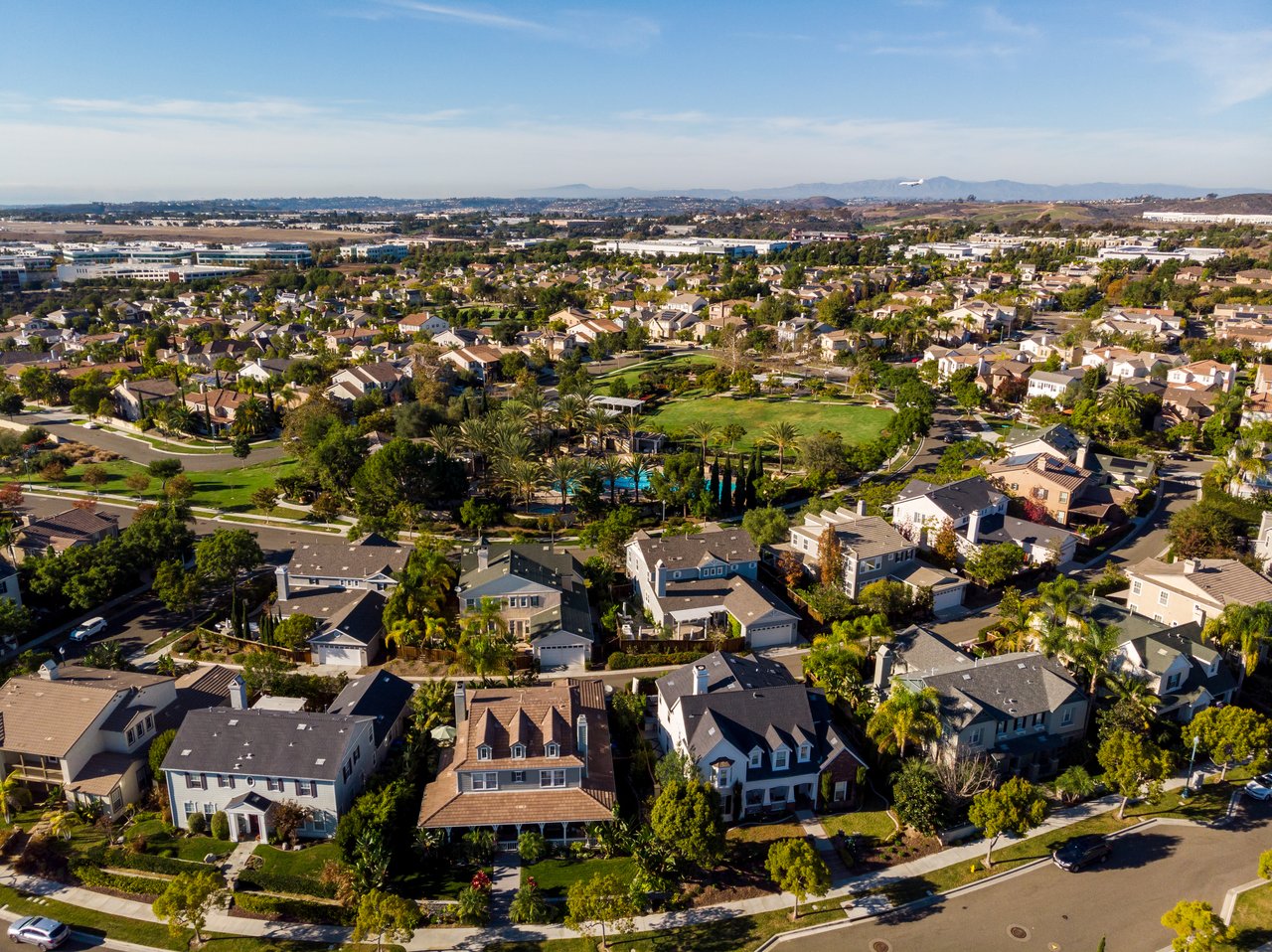
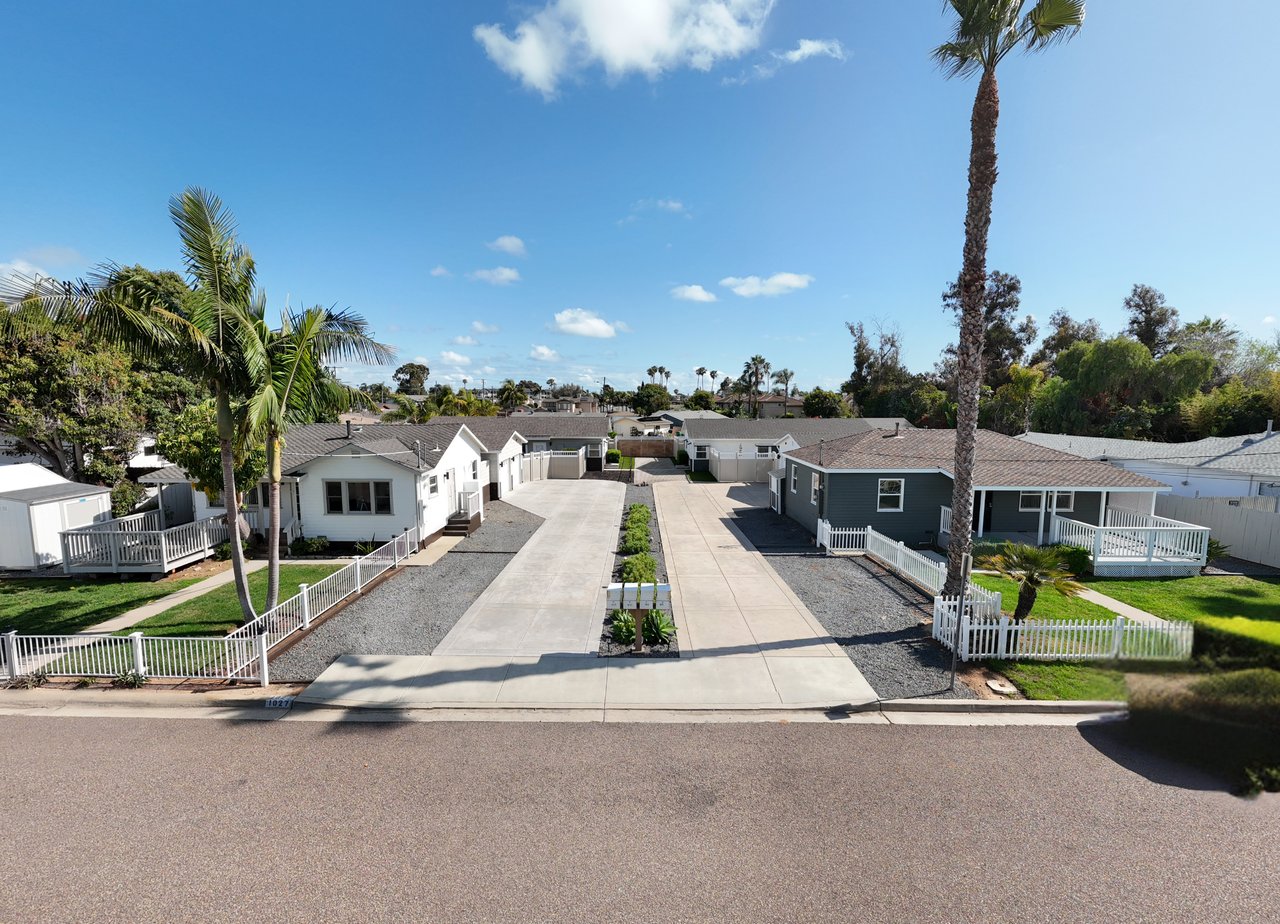
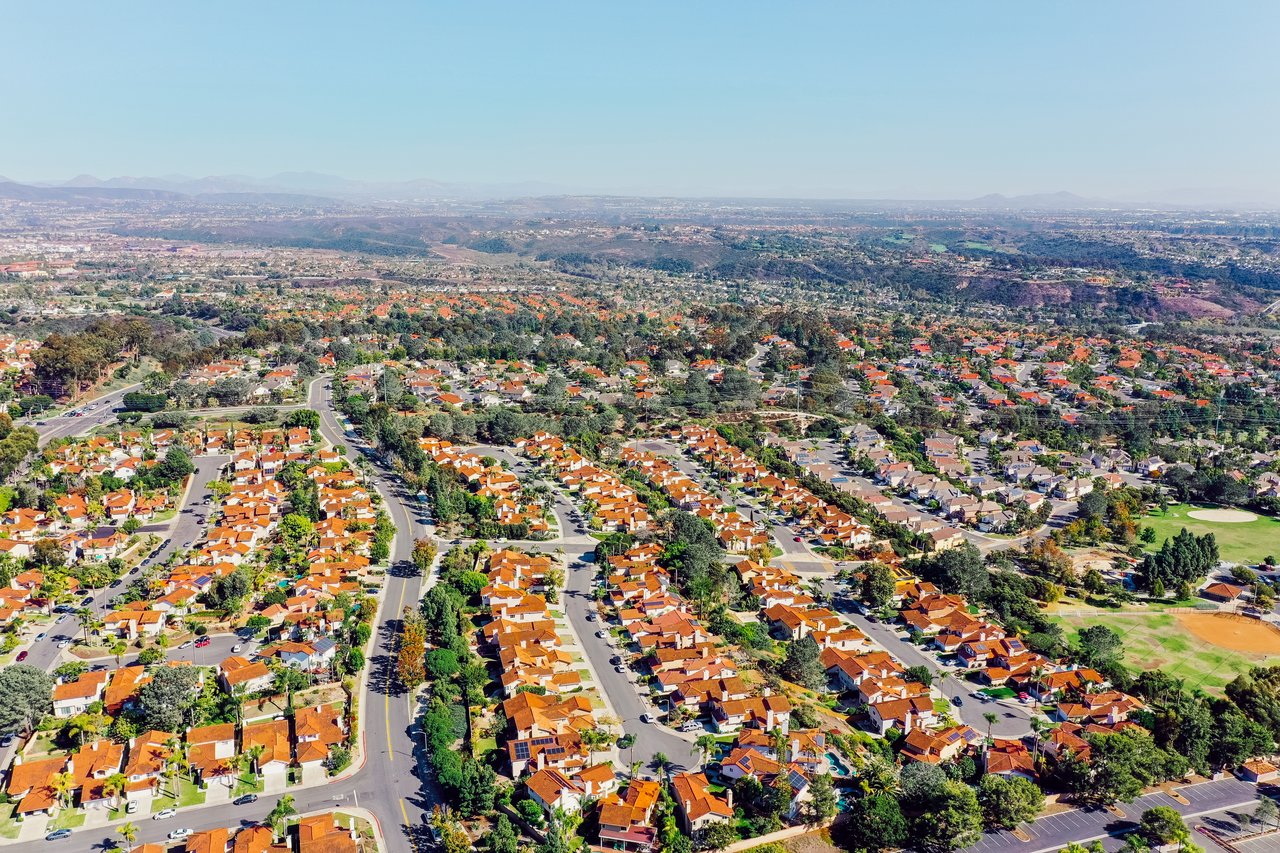
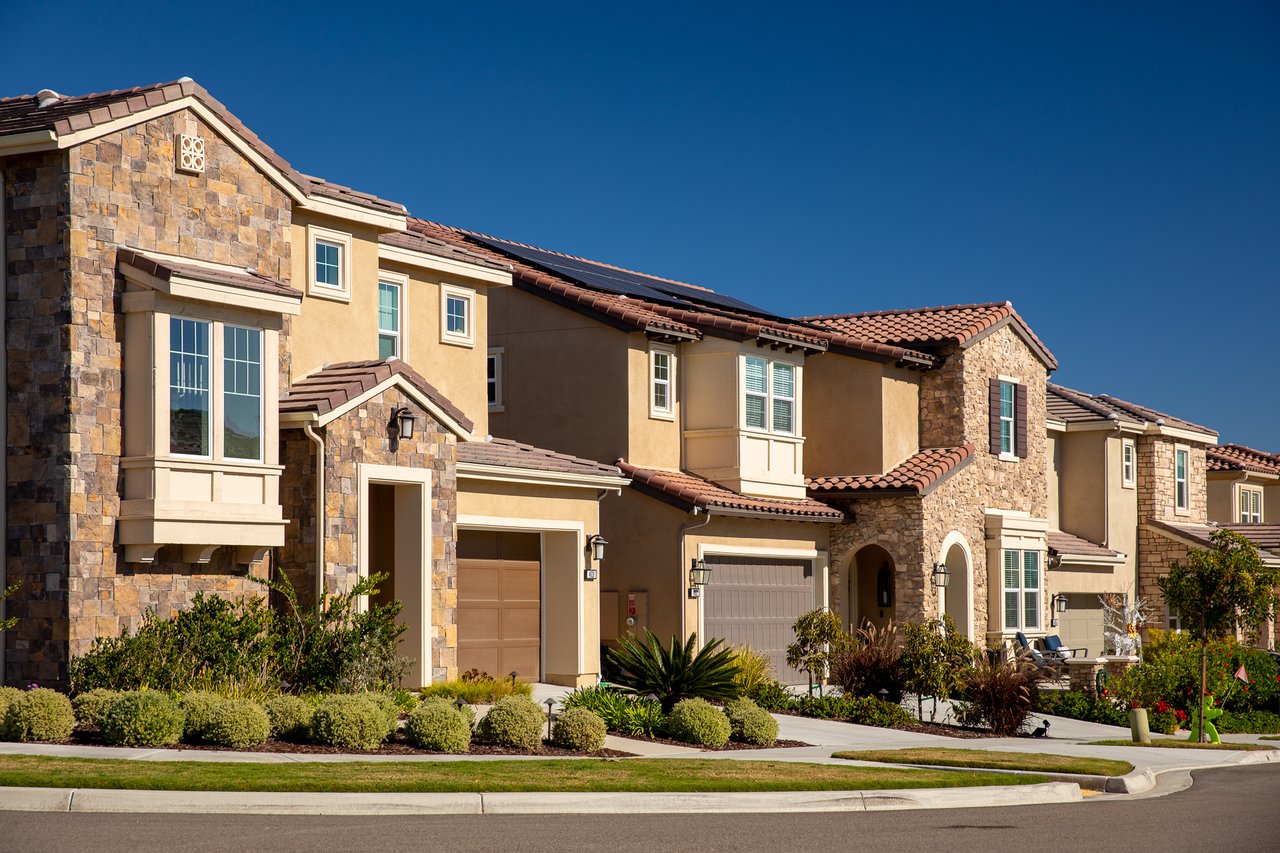
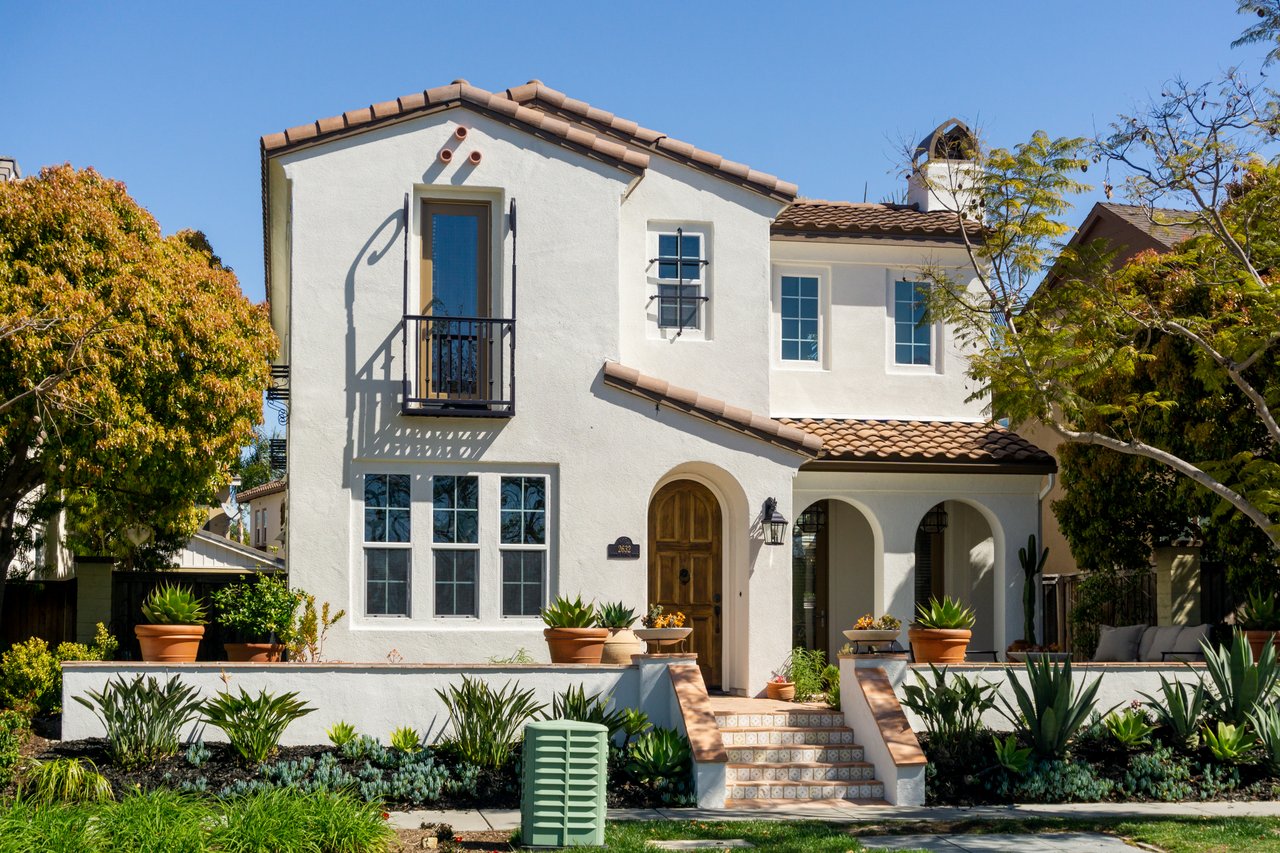
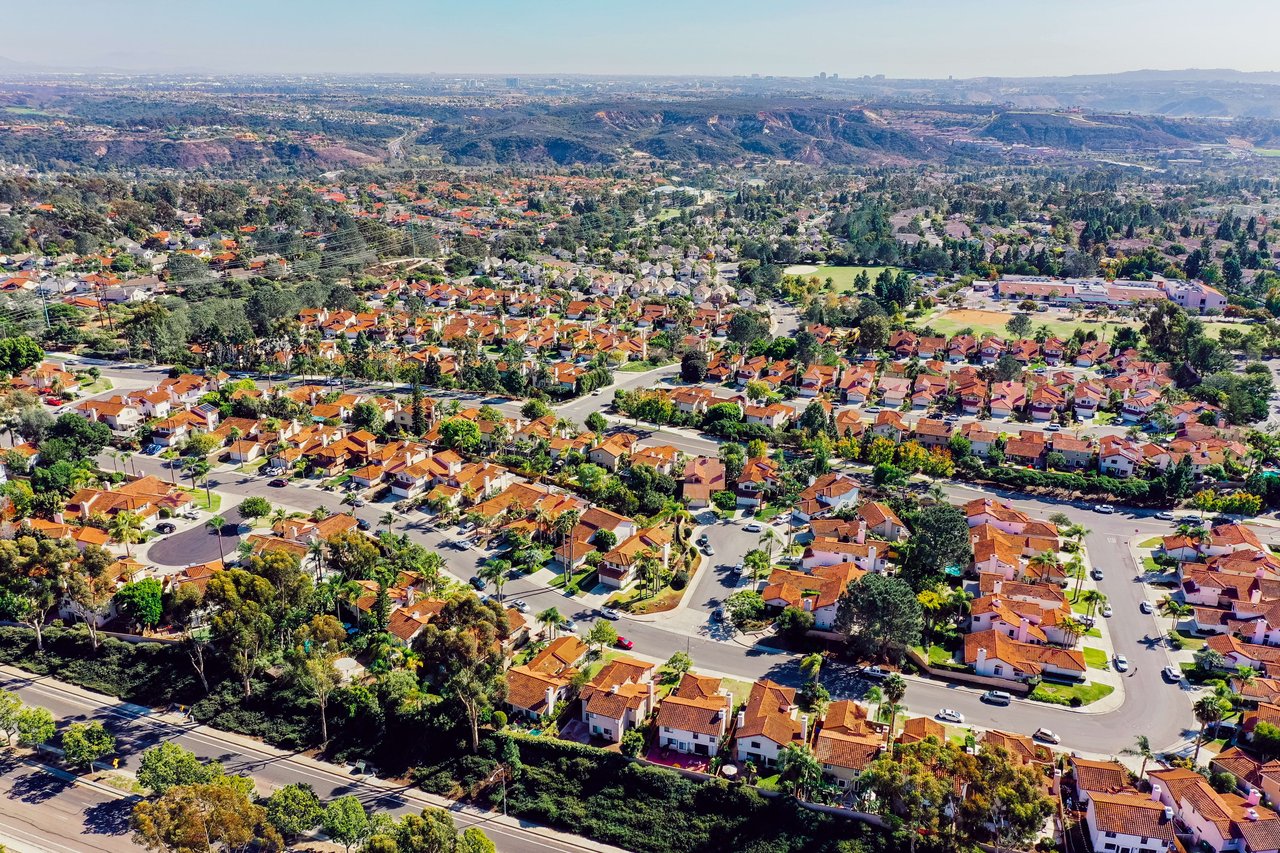
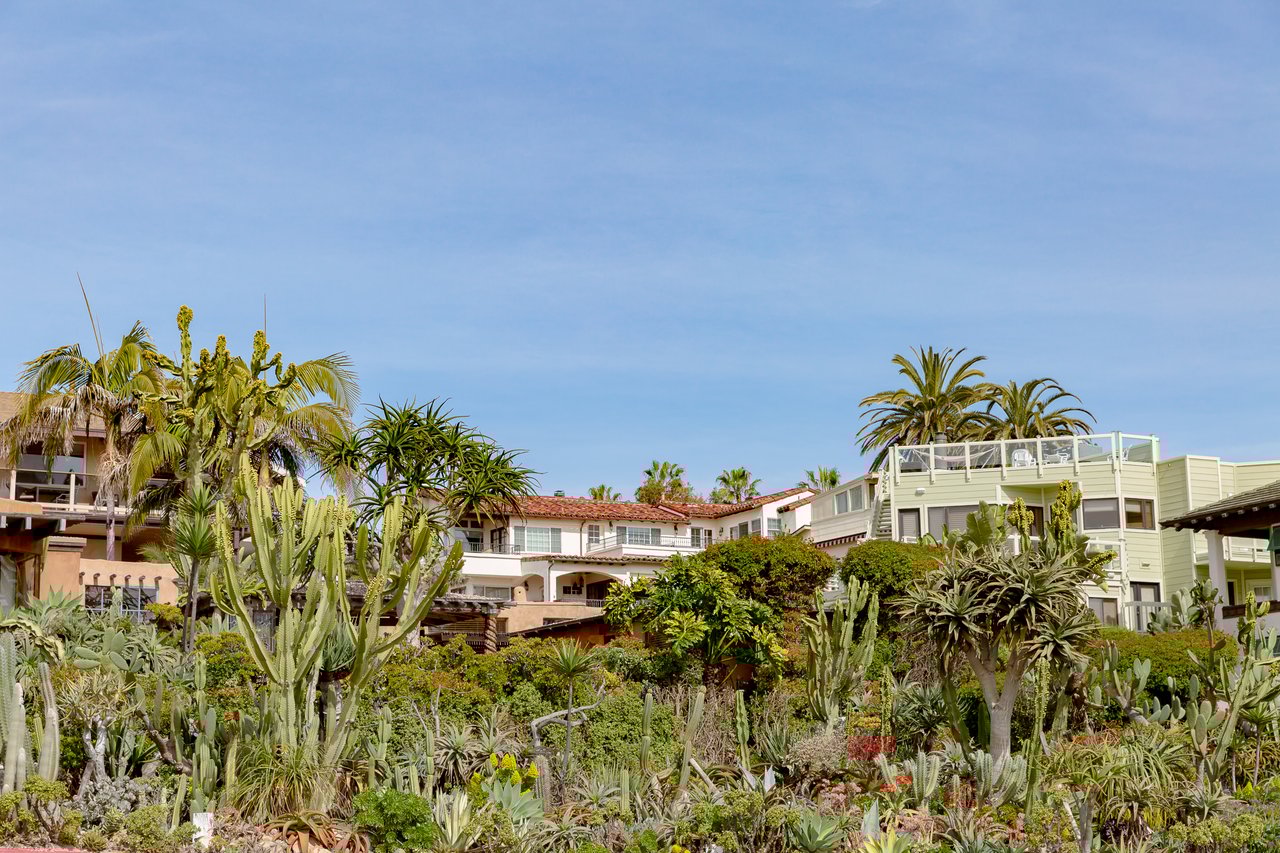
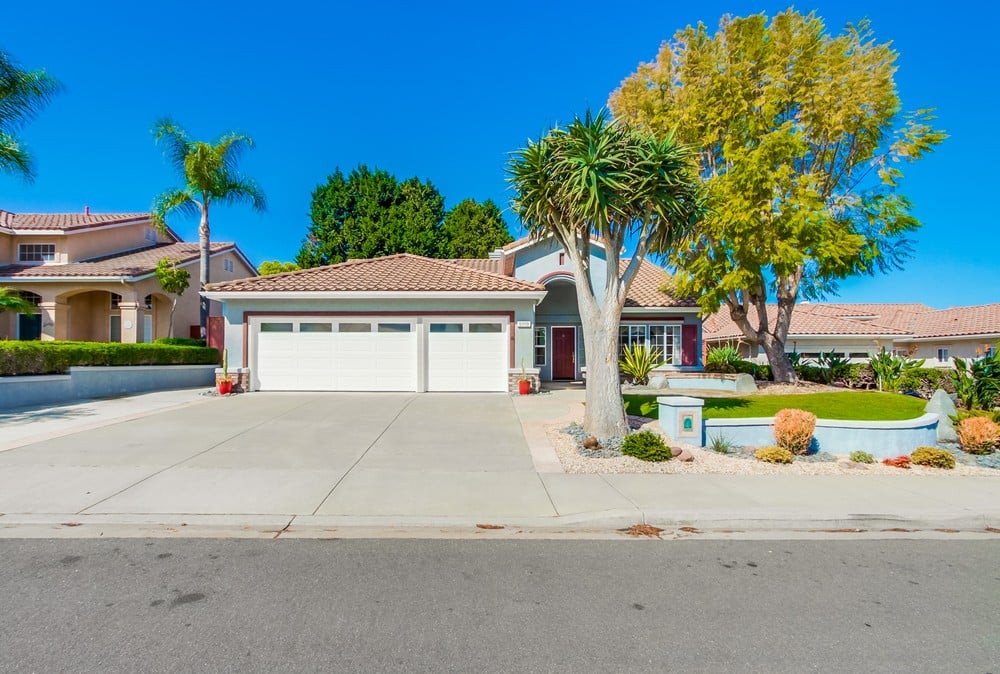
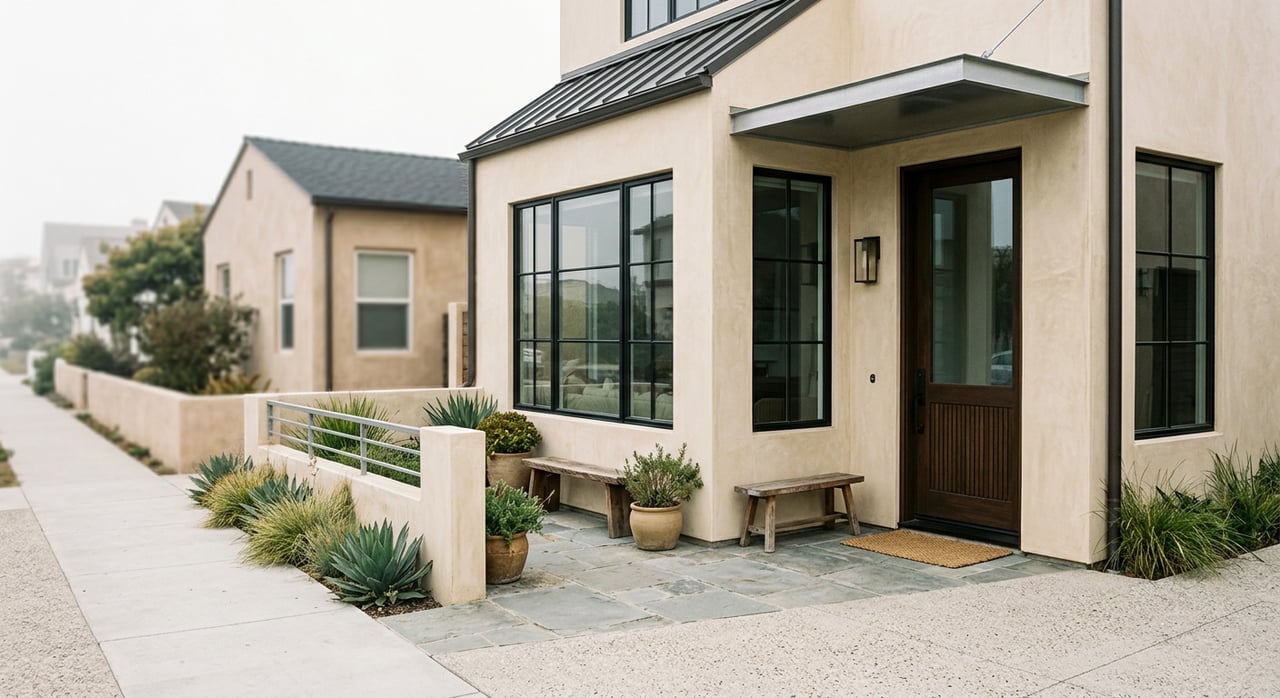
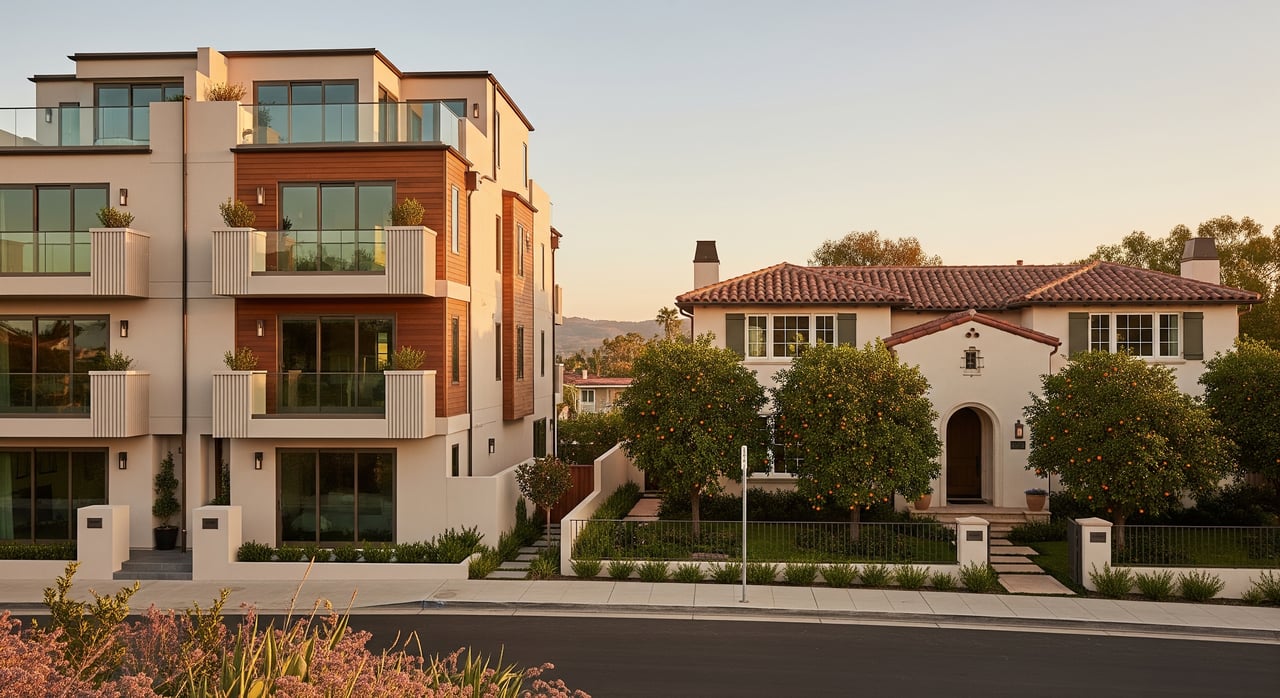
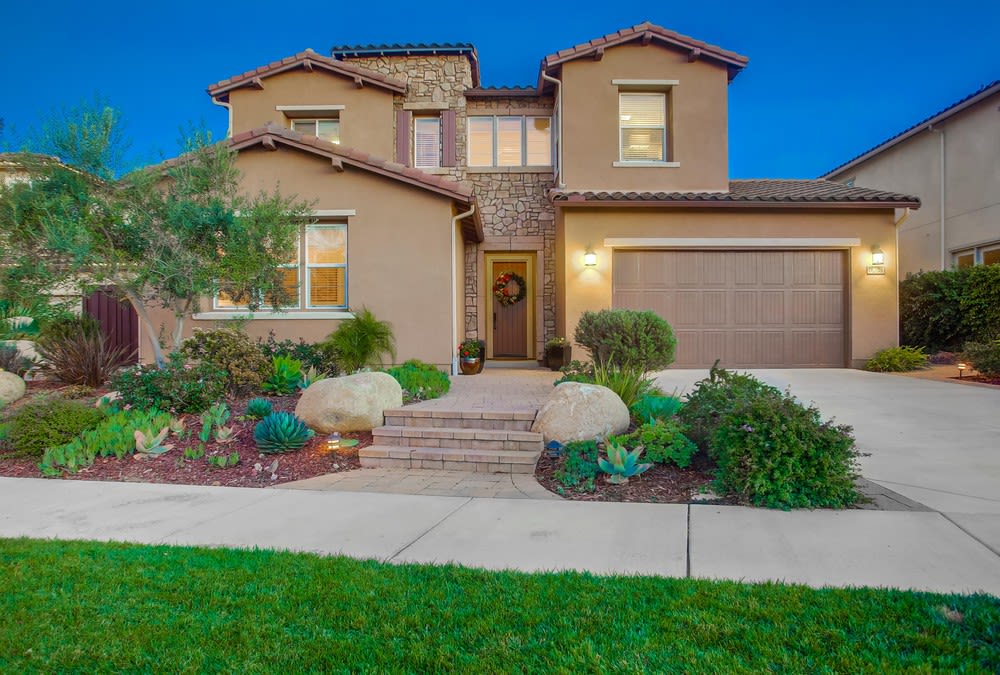
South Oceanside’s housing stock is a blend of classic and new. You’ll see original beach bungalows and cottages from the early to mid-20th century alongside mid-century homes, remodeled single-family properties, and small condo or duplex buildings. In recent years, infill development has added newer low-rise units on pocket lots.
Original charm
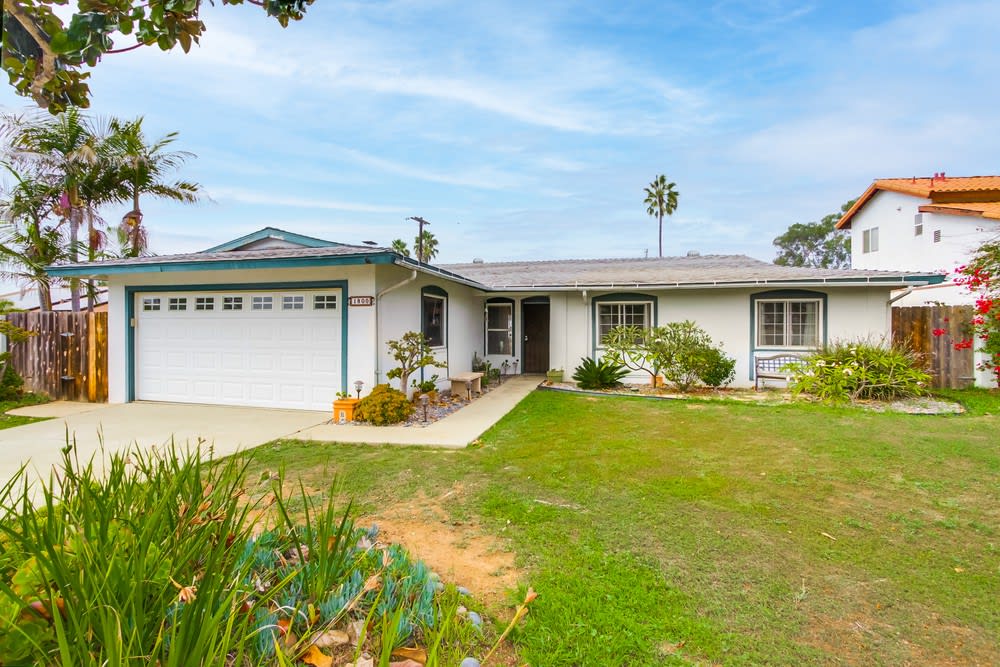
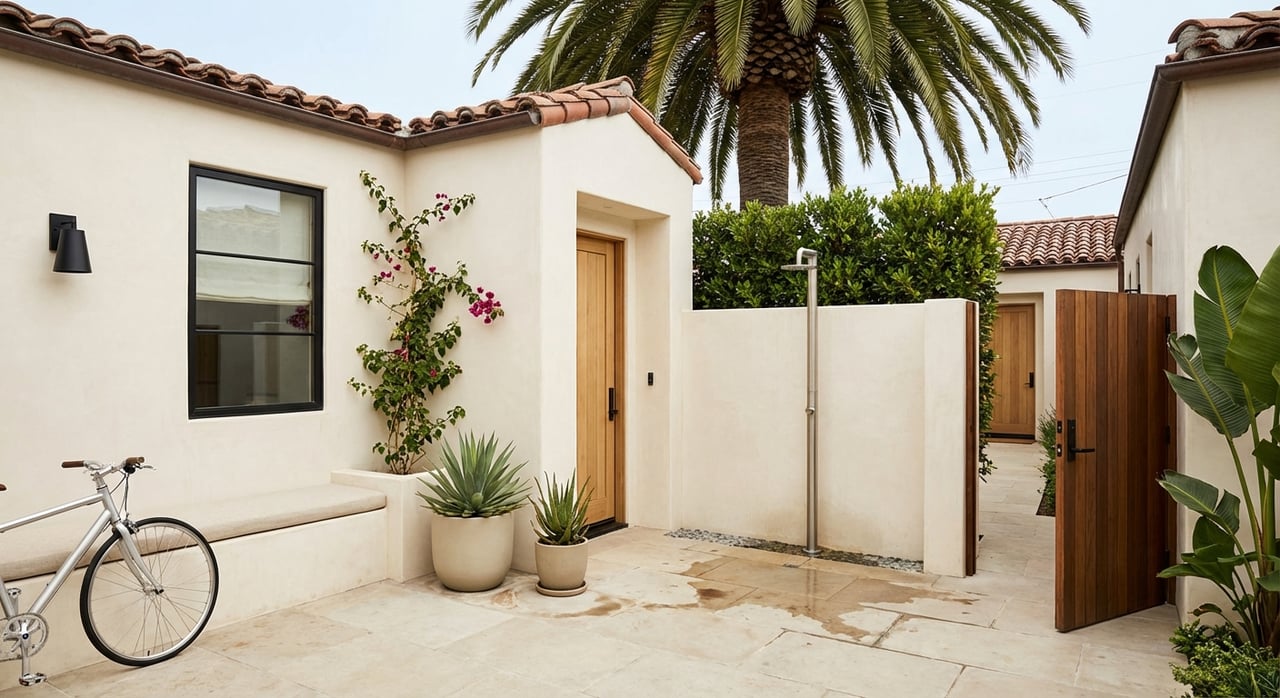
Many original bungalows are single story with modest footprints and simple lines. Buyers love the character, front porches, and potential to create efficient indoor-outdoor living on smaller lots. Interiors often include wood floors and built-ins. Maintenance needs can be higher with older systems, which is why inspections and budgeting matter.
Remodeled and expanded
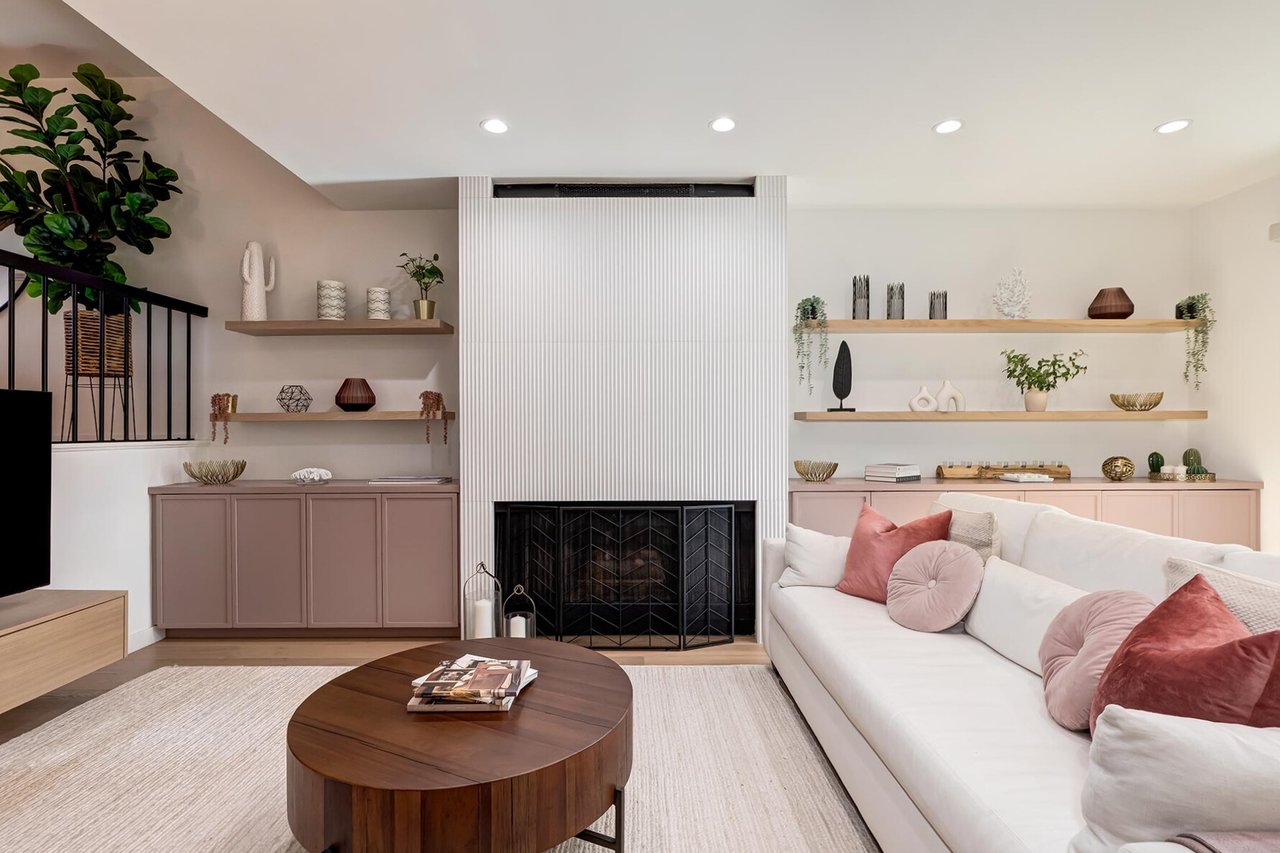
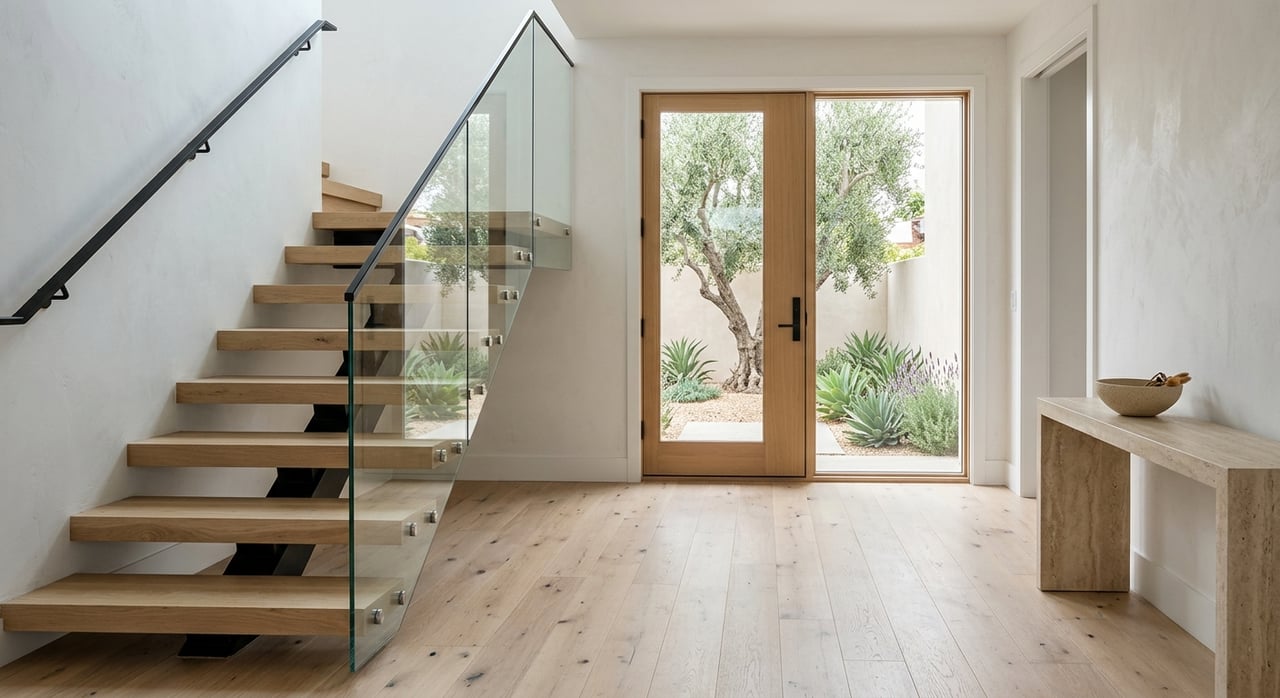
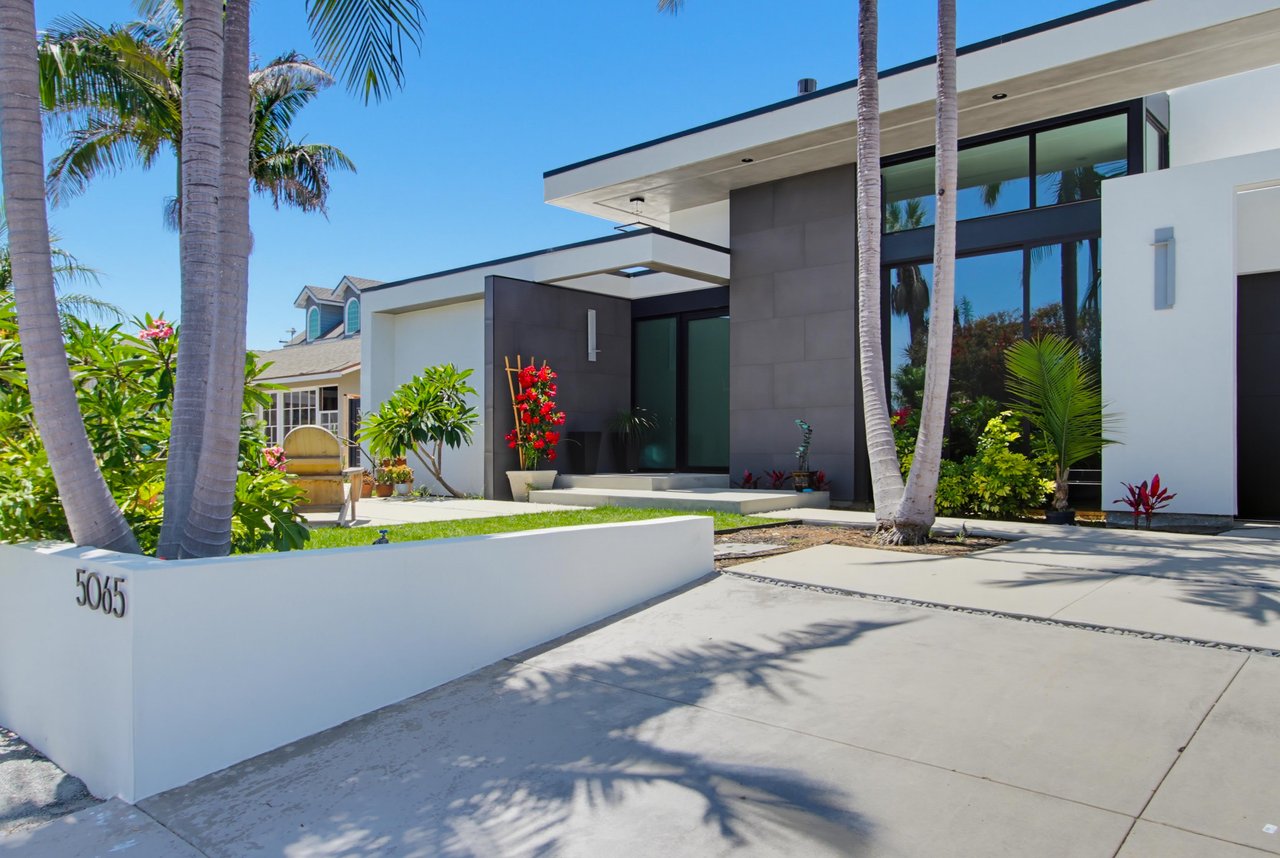
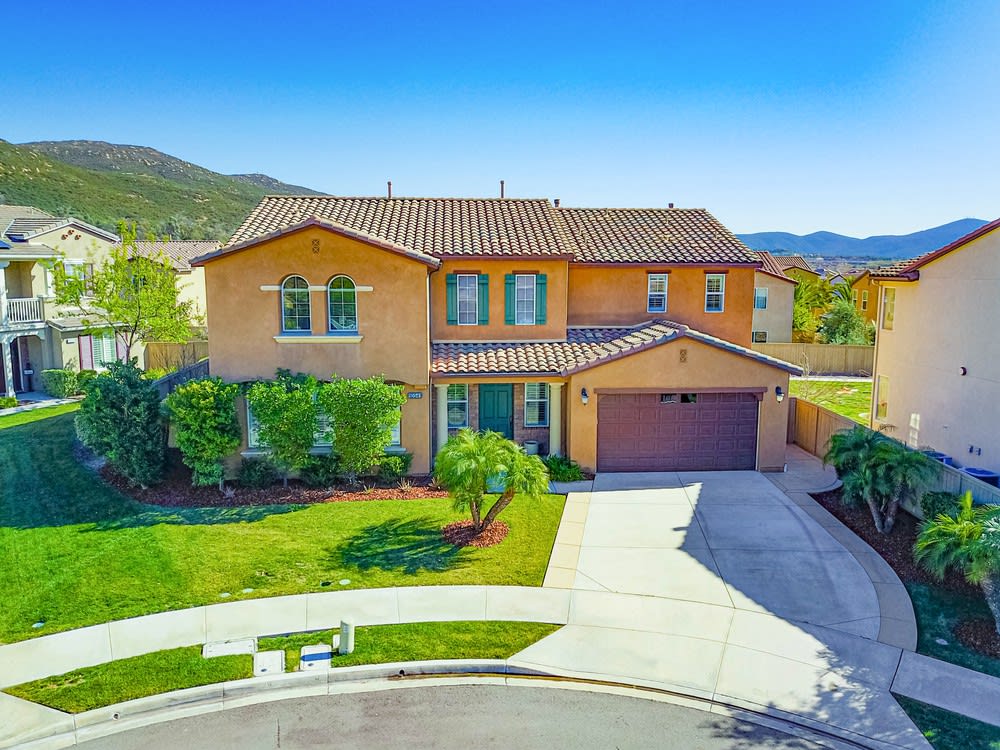
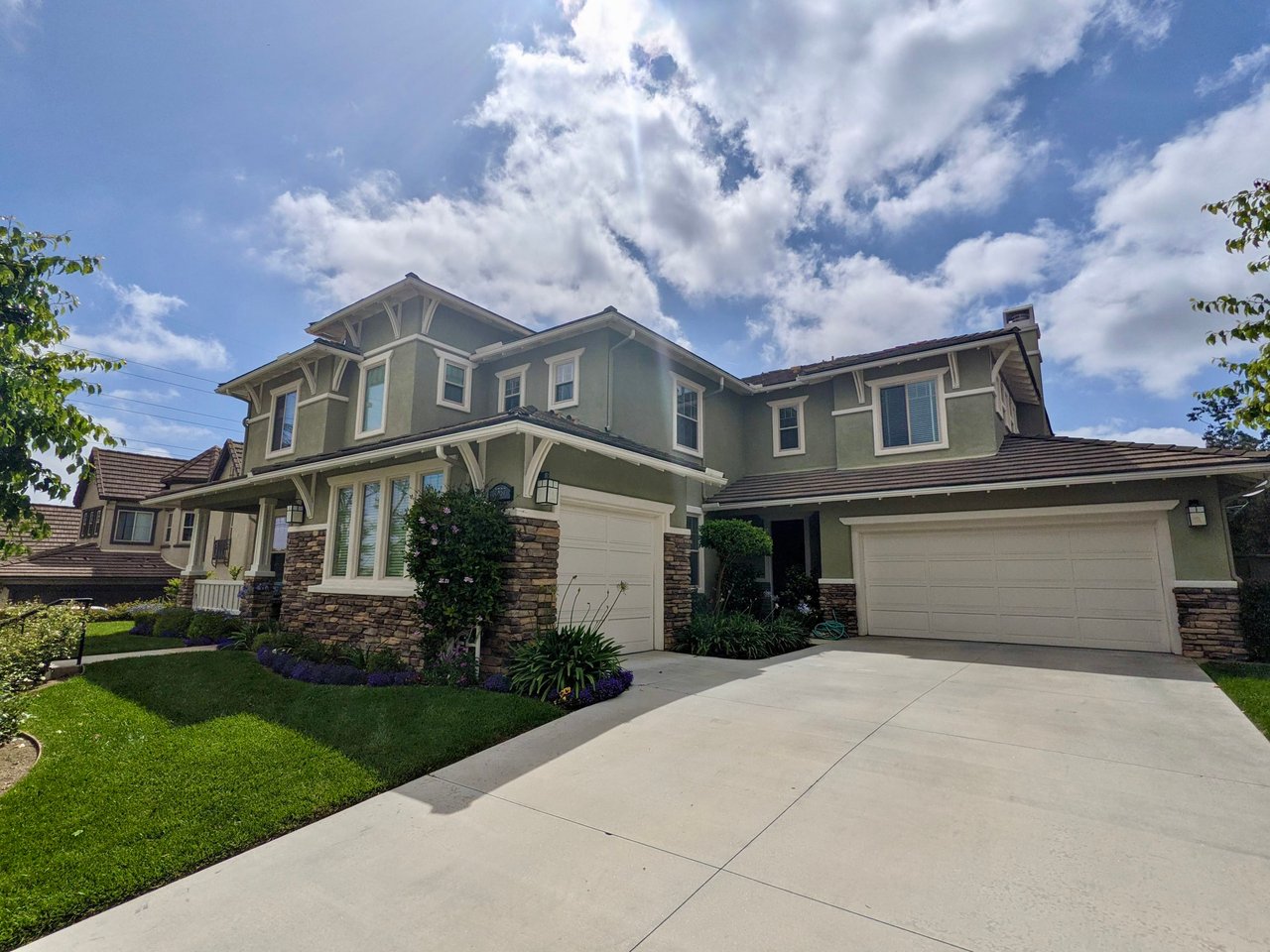
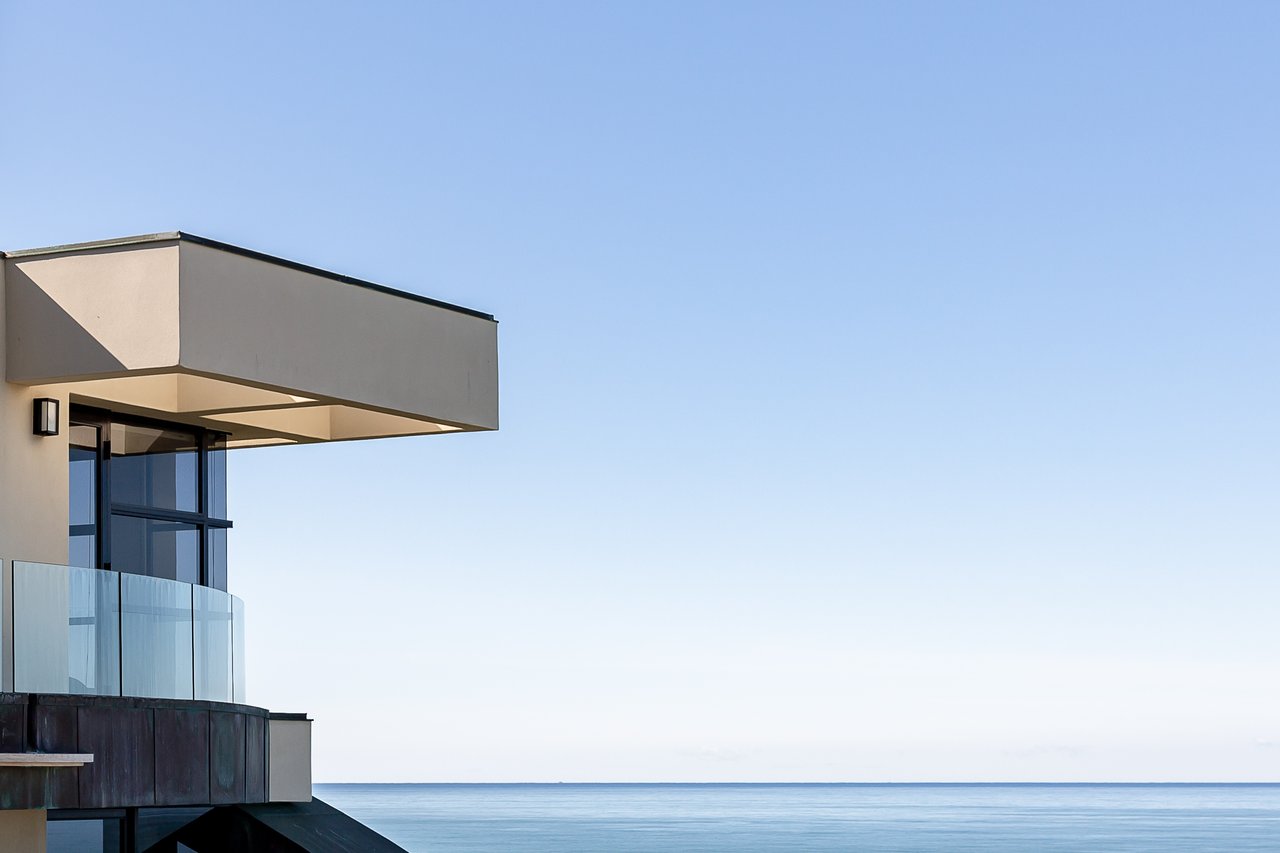
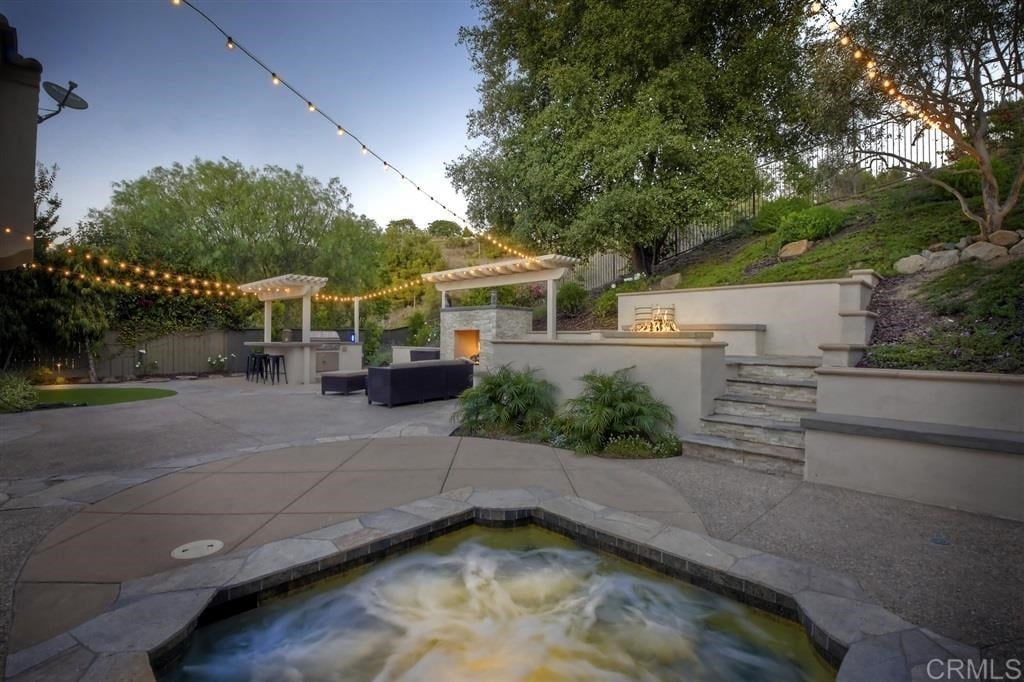
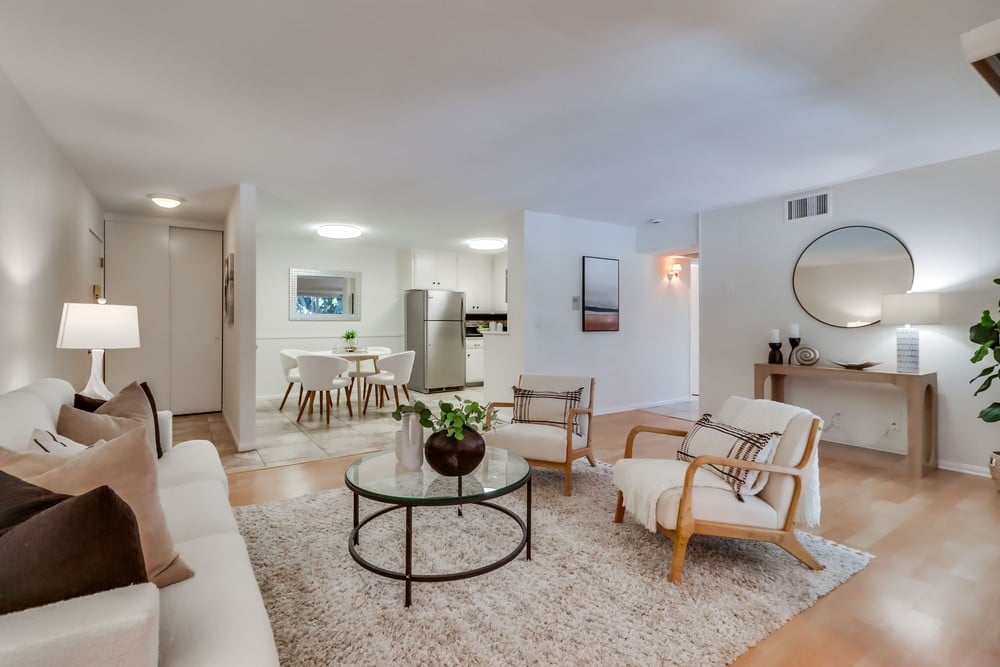
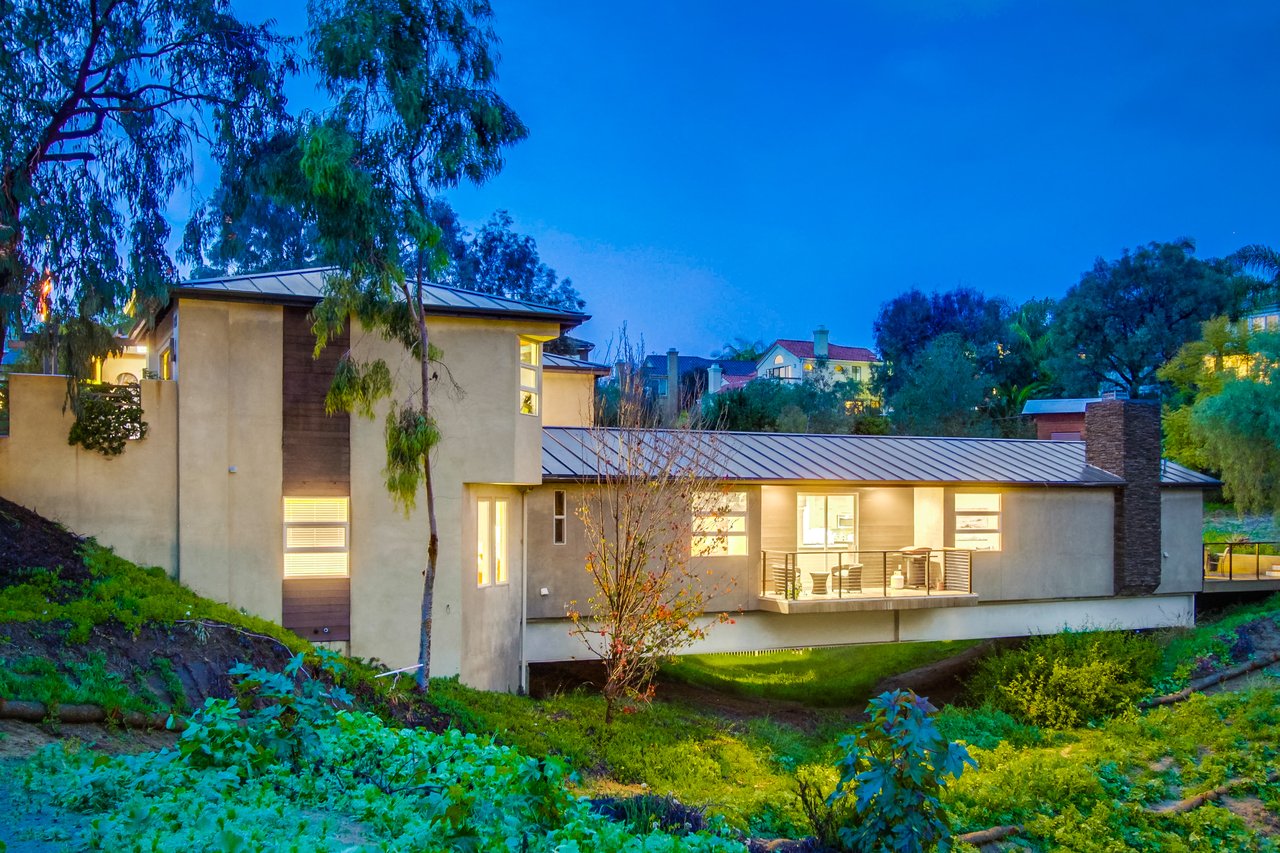
You’ll also find homes that started as bungalows and have been expanded or extensively modernized. These often feature open floor plans, updated kitchens and baths, and added second stories. Outdoor spaces like patios or rooftop decks may be part of the plan where allowed. These upgrades can bring modern comfort to classic streets, with tradeoffs in privacy and scale compared with neighboring originals.
Condos, duplexes, and ADUs
Condos and small multi-unit buildings appear along Coast Highway and nearby pockets. Some blocks are seeing more duplexes and accessory dwelling units as infill and rental demand grow. These options can diversify price points and offer lower-maintenance living, though HOA rules and fees vary by building.
How the market works here
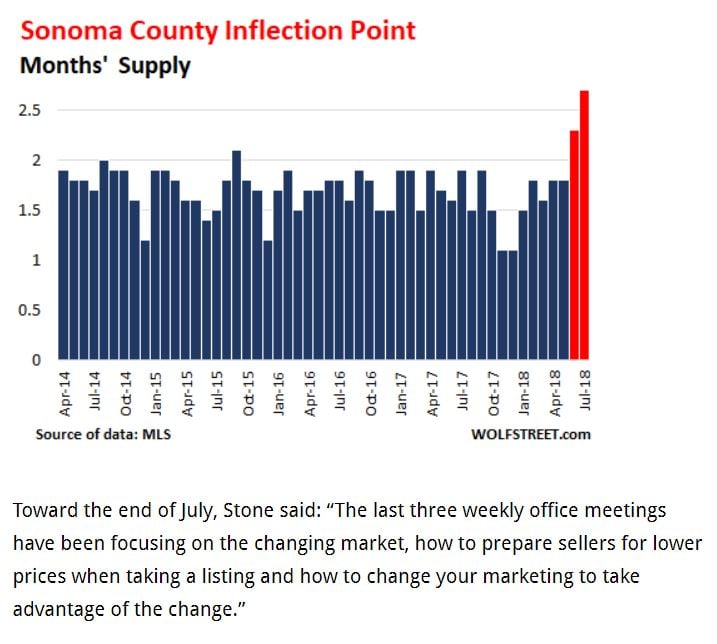
In South Oceanside, value changes block by block. Proximity to the sand, views, lot size, and walkability to Coast Highway can have a big impact on price and demand. Two homes on the same street can sell at very different numbers based on condition, upgrades, and viewlines.
Setting realistic budgets
To understand current pricing, review closed sales from the last 6 to 12 months and compare three cohorts:
- Small, original beach bungalows closest to the water
- Fully remodeled or expanded single-family homes
- Condos, duplexes, and newer infill units
Use the local MLS or major aggregators for a quick pulse, then verify with your agent for the most accurate numbers. Short-term shifts in inventory and mortgage rates can move the market quickly. Rather than relying on list prices, focus on recent closed comps and adjust for distance to the beach, views, and renovation scope.
Walkability, transit, and daily needs
Coast Highway conveniences
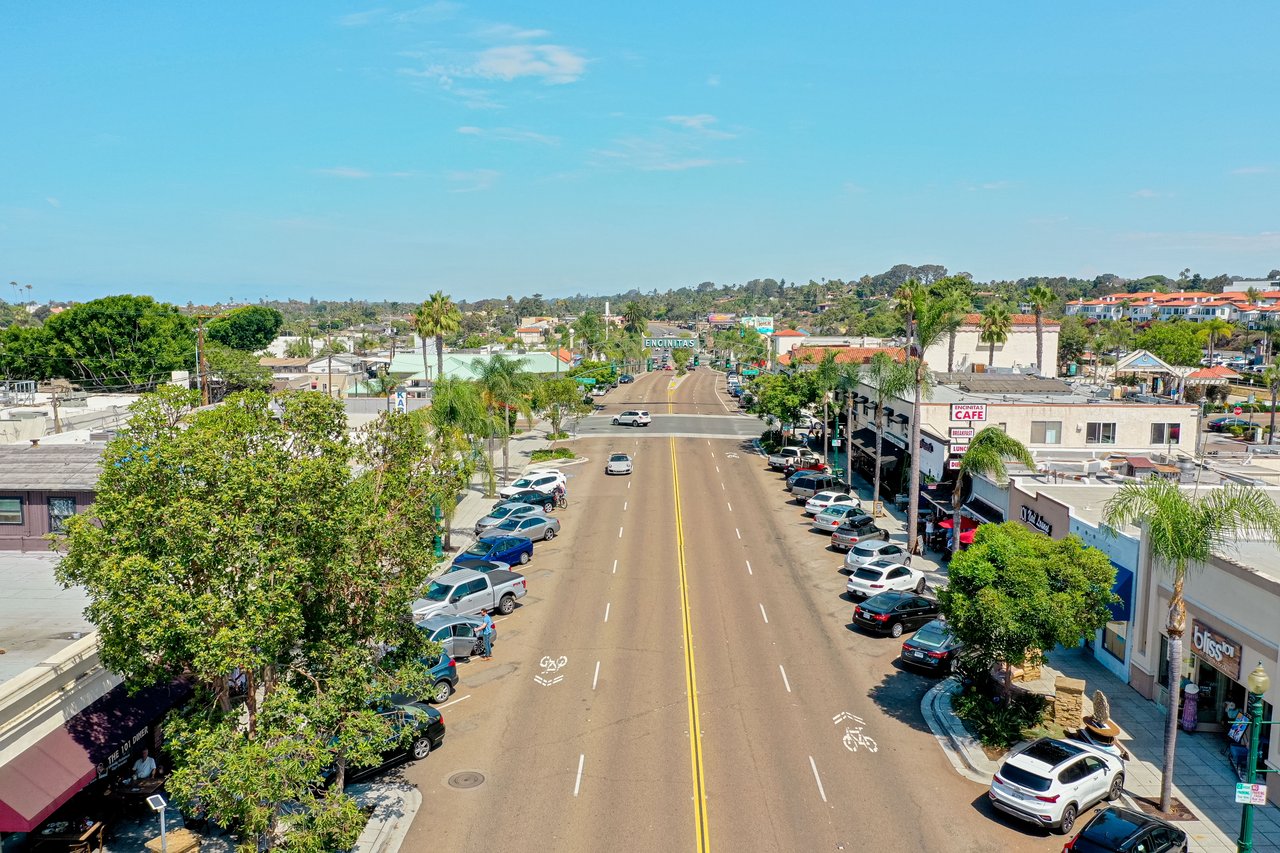
South Oceanside residents often walk to coffee shops, casual dining, and small retail along Coast Highway. Grocery stores, pharmacies, and basic services sit along major corridors like Coast Highway and Mission Avenue, with larger shopping a short drive inland. Expect more limited parking on weekends and summer afternoons near the beach.
Commuting options
For regional transit, the Oceanside Transit Center connects you to COASTER commuter rail, Amtrak Pacific Surfliner, Metrolink, and NCTD BREEZE buses. If you drive, I-5 is the main artery for trips south to central San Diego or north to Orange County. Commute times vary widely with traffic patterns, so testing your route at target hours helps.
Parking and visitor patterns
Weekend and holiday crowds can fill beach lots and nearby street parking. Many residents plan guest parking ahead and consider driveway space and garage layout when choosing a home. If you expect frequent visitors or larger households, factor in on-street parking norms and municipal lot options.
Schools and enrollment basics
South Oceanside is served by Oceanside Unified School District. Attendance boundaries can change, so verify school assignment with district resources. For performance data, use official state tools that publish testing and other metrics. If you are considering private or charter options, confirm current operations and enrollment before you decide.
Practical buyer checklist
Property condition and inspections
- Prioritize inspections for wood rot, termite or pest activity, and roof condition.
- Check for salt corrosion on exterior metals and mechanical systems near the coast.
- Review plumbing and electrical if the home dates to earlier decades.
Coastal costs to plan for
- Budget for more frequent exterior paint, window, and hardware upkeep due to salt air.
- Discuss homeowners insurance early, including any wind or flood endorsements.
- For condos, review HOA dues, reserves, and upcoming maintenance assessments.
Zoning, permits, and additions
- If you plan to expand or add a second story, review local planning rules and any coastal development permit needs.
- Ask about accessory dwelling unit guidelines and current permitting timelines.
- Confirm past work was permitted and closed out with final inspections.
Flood and coastal hazards
- Check FEMA flood maps to understand flood zones and insurance implications.
- If you are near bluffs or low-lying areas, ask about hazard studies and future sea-level projections.
- Look for signs of water intrusion, drainage issues, and grading around the property.
Condo and small multi-unit specifics
- Read HOA documents for use rules, rental restrictions, and pet policies.
- Evaluate building maintenance history and upcoming repair plans.
- Compare parking arrangements, storage, and guest access policies.
Lifestyle and logistics fit
- Test walk times to the beach, coffee, and groceries from homes you tour.
- Visit at different times of day to gauge crowd levels, noise, and parking.
- Map your commute and confirm transit schedules match your routine.
Is South Oceanside a fit for you?
If you want a laid-back coastal lifestyle with bungalows, remodeled homes, and walk-to-everything convenience, South Oceanside delivers. You get a local food and taproom scene, daily beach access, and a neighborhood mix that feels approachable. The flip side is coastal maintenance, seasonal crowds, and careful price research across micro-locations. With a clear plan and the right comps, you can move with confidence.
Ready to explore homes or get a pricing read on your property? Reach out to the team at Klinge Realty for local guidance, concierge preparation, and senior-level negotiation that helps you move forward.
FAQs
What is daily life like in South Oceanside?
- Expect an outdoor rhythm with morning marine layer, breezy afternoons, easy beach access, and walkable dining along Coast Highway.
How close to the beach can I find an affordable home?
- Compare recent closed sales within 0 to 2 blocks, 3 to 5 blocks, and 10 or more blocks from the beach to see how proximity affects price.
What types of homes are common in South Oceanside?
- You’ll see original bungalows and mid-century homes, remodeled and expanded single-family properties, and a mix of condos, duplexes, and newer infill units.
How does walkability work near Coast Highway?
- Many blocks near Coast Highway offer practical walks to coffee, restaurants, and the beach, though weekend parking and crowds can increase activity.
What should I inspect in older beach bungalows?
- Focus on wood rot, termite or pest issues, roof age, plumbing and electrical systems, and signs of salt corrosion on metals and equipment.
Are there transit options for commuting from Oceanside?
- The Oceanside Transit Center links to COASTER commuter rail, Amtrak, Metrolink, and local BREEZE buses, with I-5 as the main driving route.
How do schools work in South Oceanside?
- The area is served by Oceanside Unified School District, and attendance boundaries can change, so verify school assignment with official district resources.