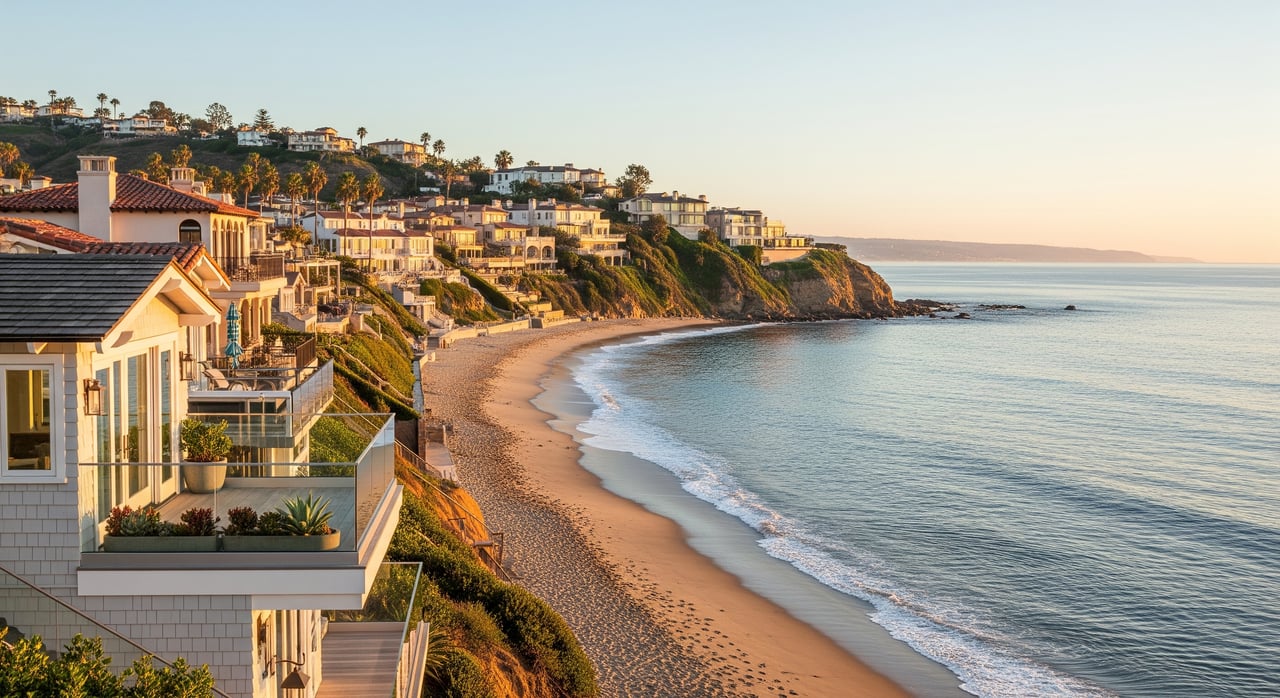
Trying to choose between Beach Colony, Olde Del Mar, or Del Mar Heights? In Del Mar, small shifts in location can change your day-to-day life, your remodel options, and even your insurance. You want great beach access, a home that fits how you live, and confidence you understand the trade-offs. In this guide, you will learn how each micro-area differs in walkability, lot size, views, architecture, and lifestyle, plus what to know about permits, hazards, and due diligence. Let’s dive in.
How Del Mar’s location shapes value
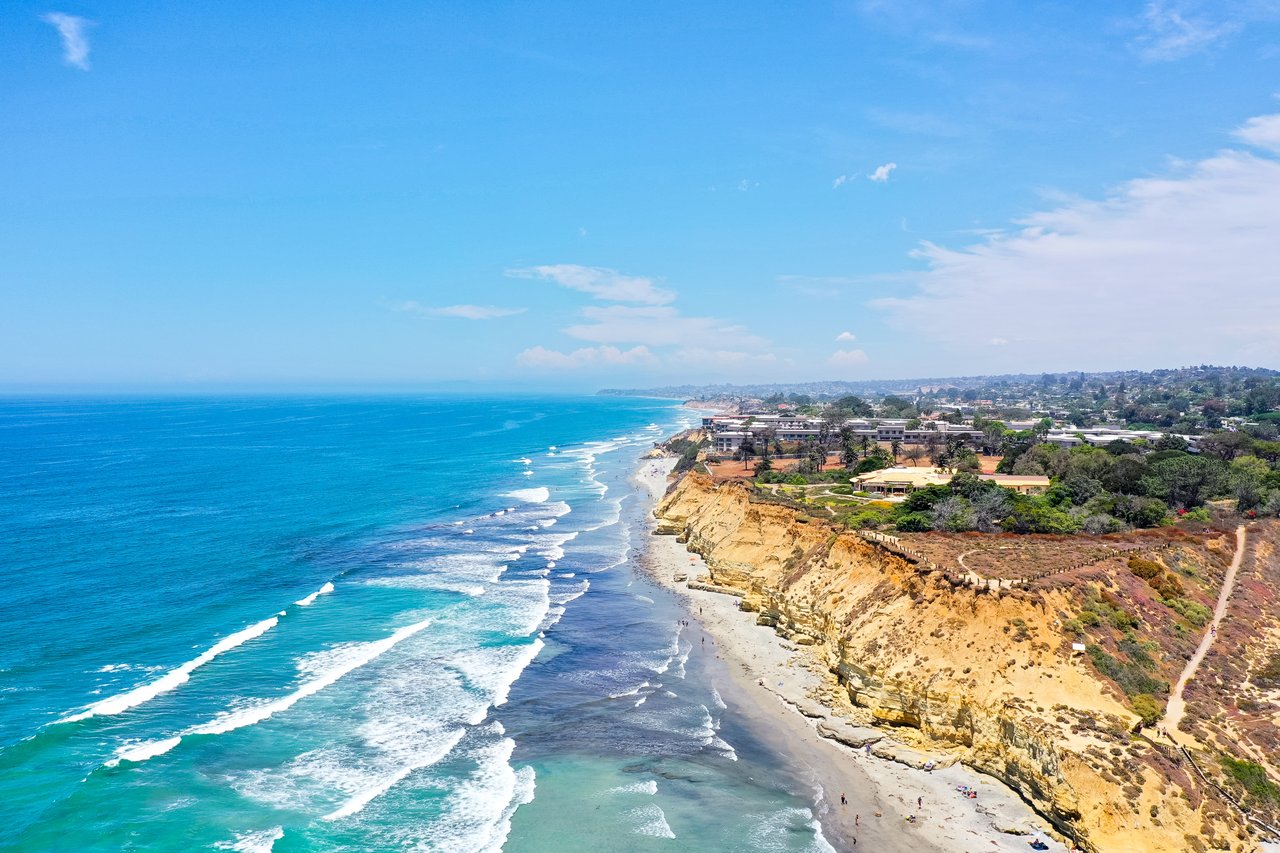
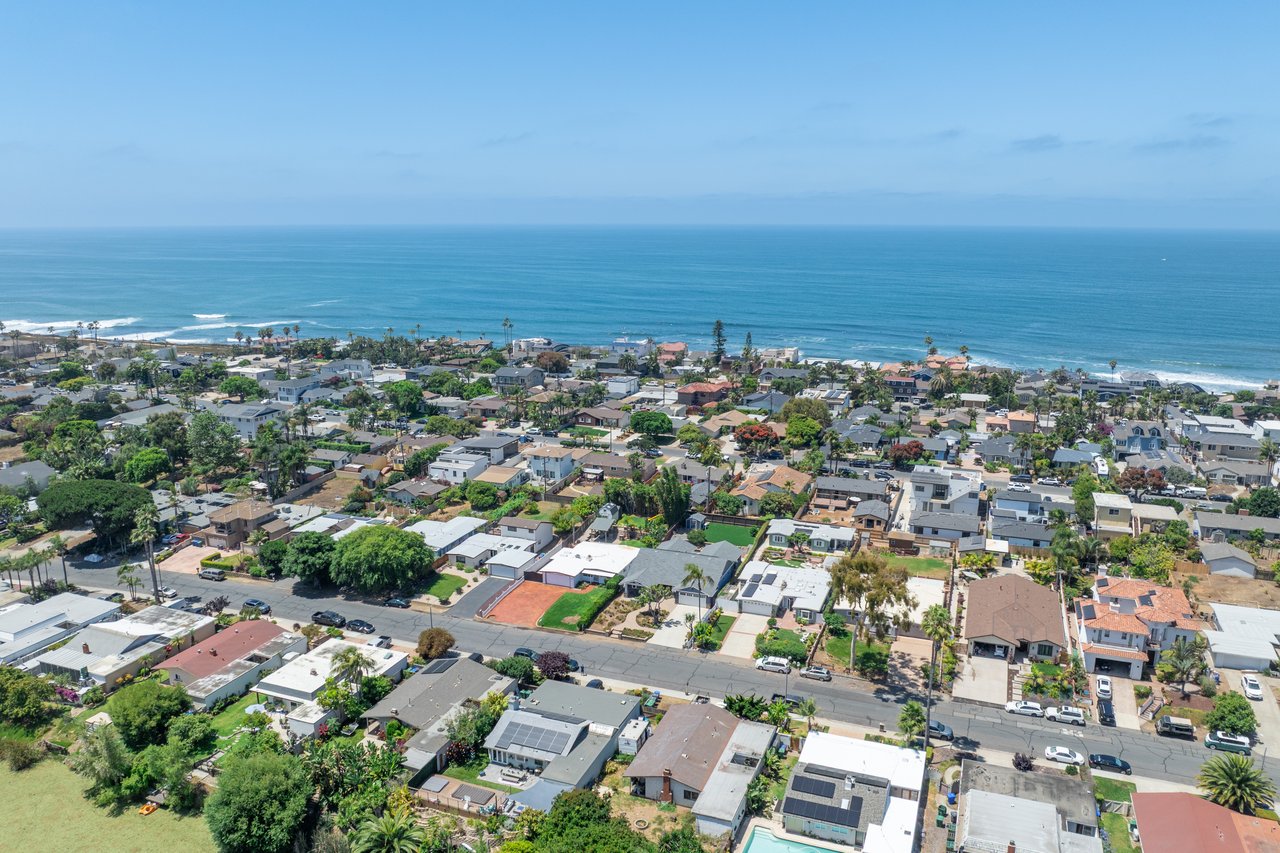
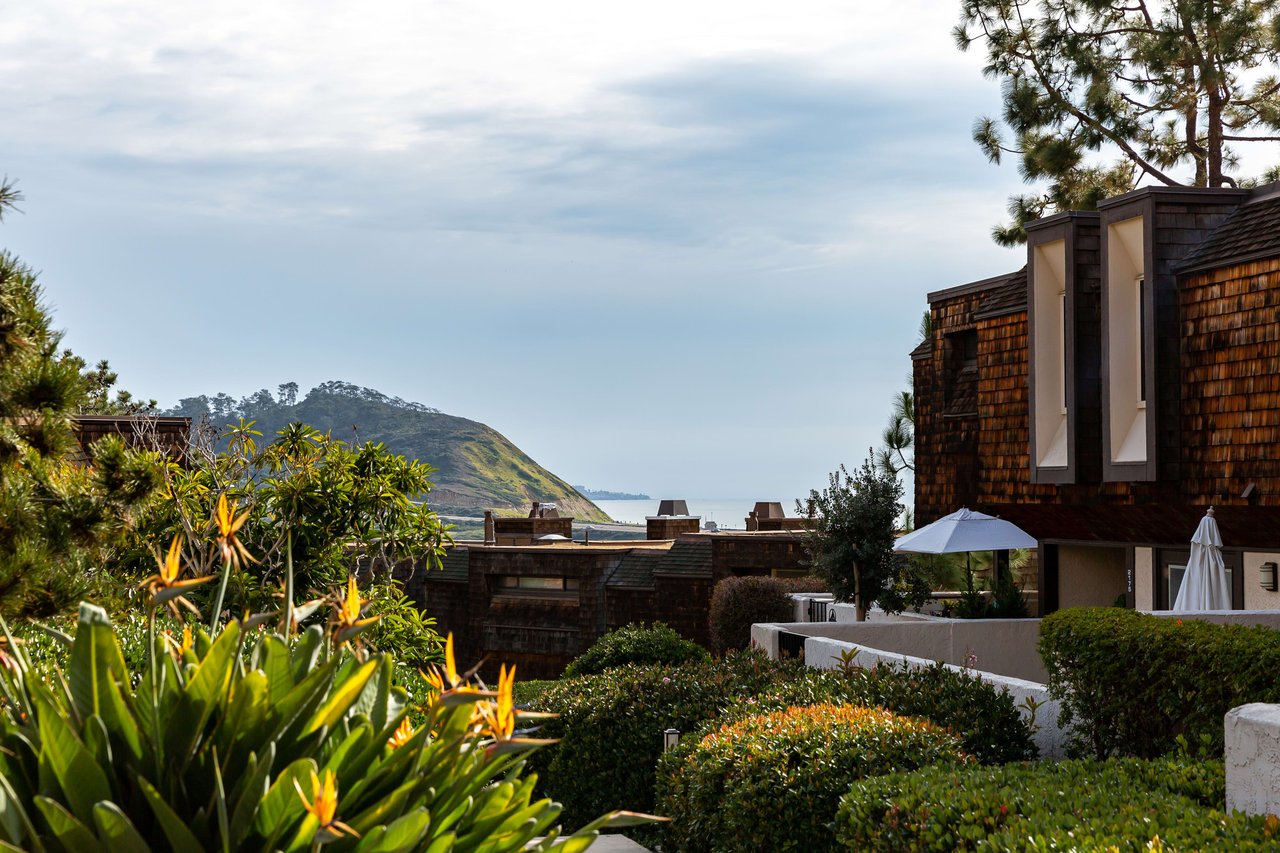
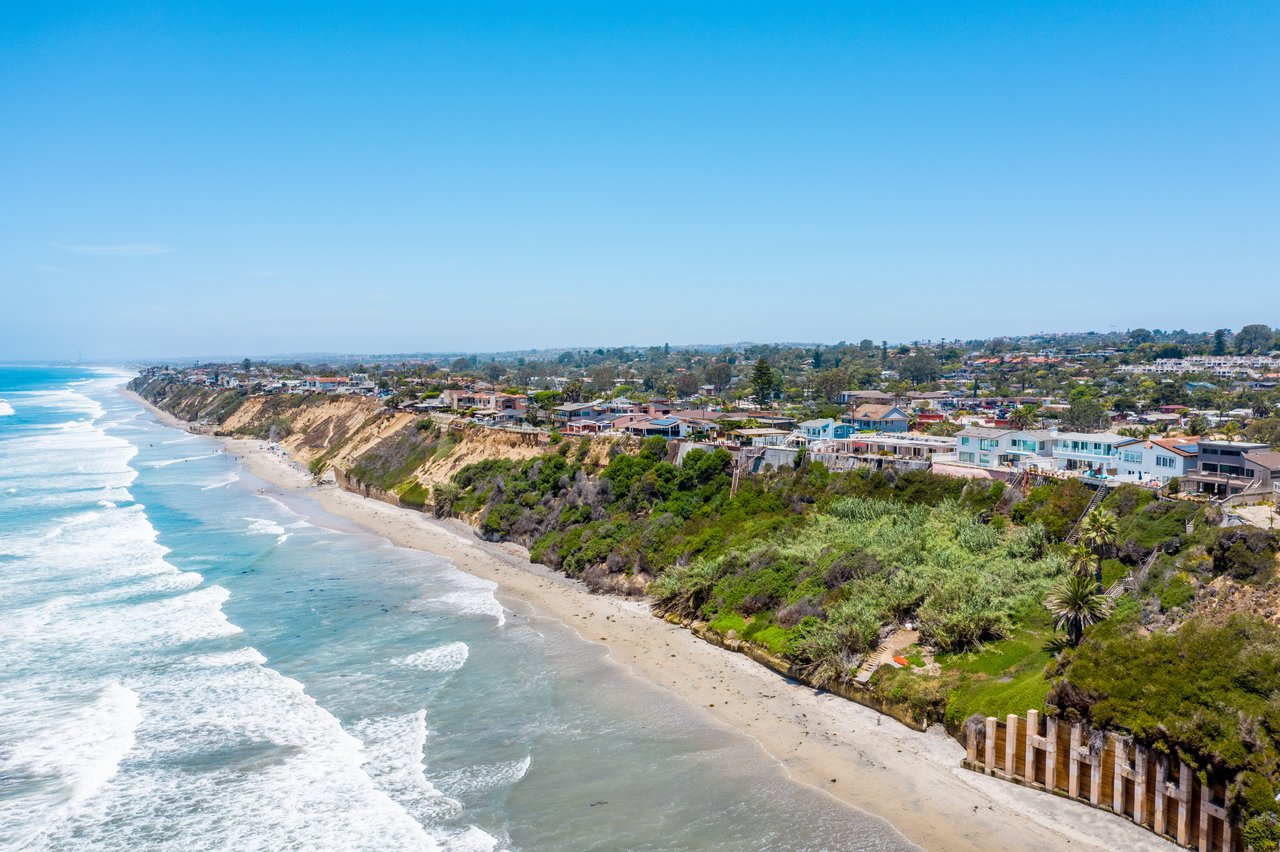
Del Mar is a small coastal city with a compact, walkable village and dramatic bluffs. Because land is scarce and the coastline is protected, micro-location drives value. The closest homes to the beach and bluff hold the strongest premiums, especially with wide ocean views.
The ingredients that shape pricing and demand are consistent across the city. The biggest value drivers are proximity to the ocean, quality of views, walkability to the village and beach access points, and lot size with usable outdoor space. Regulations and natural hazards also matter. Much of Del Mar falls within the state’s Coastal Zone, which raises the bar on design review and redevelopment near the shoreline. Limited inventory supports strong competition for the best listings.
Beach Colony: immediate beach living
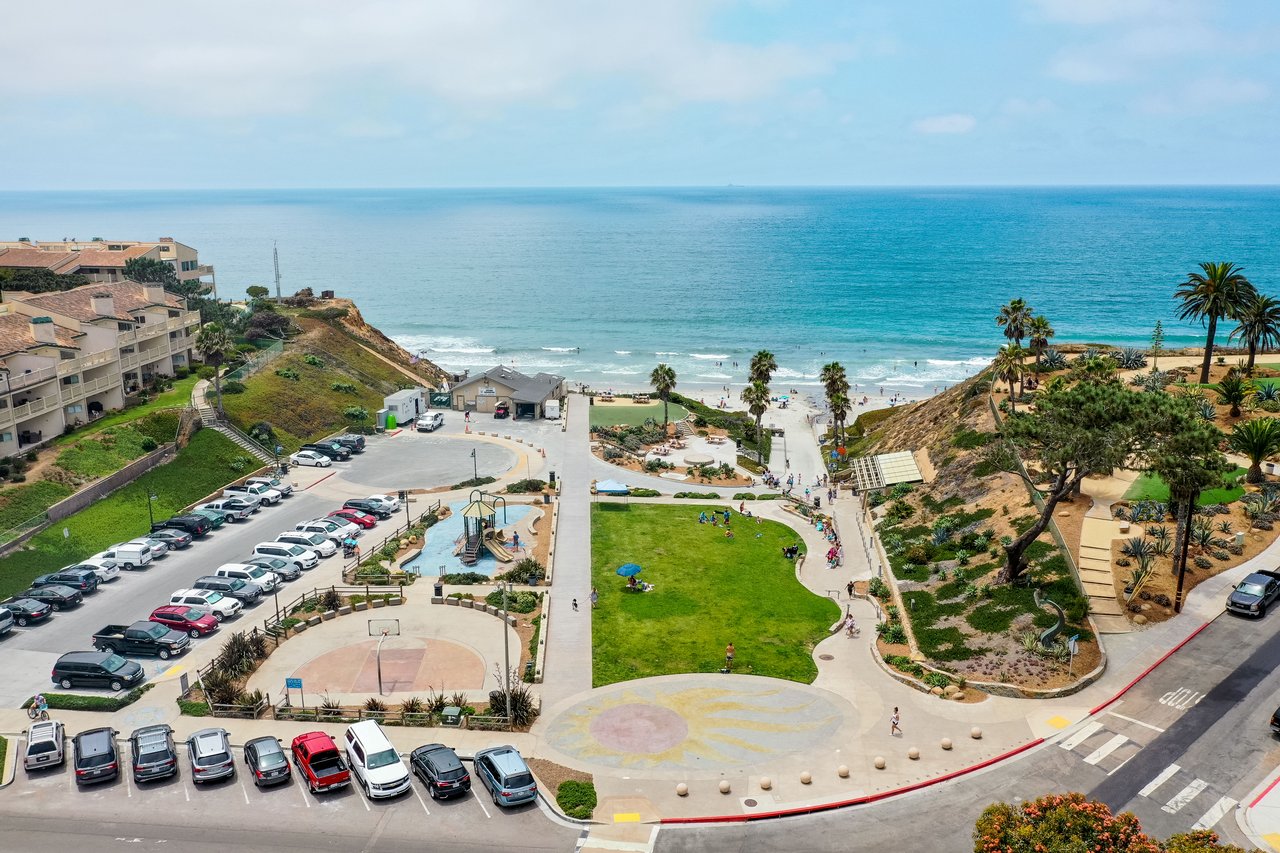
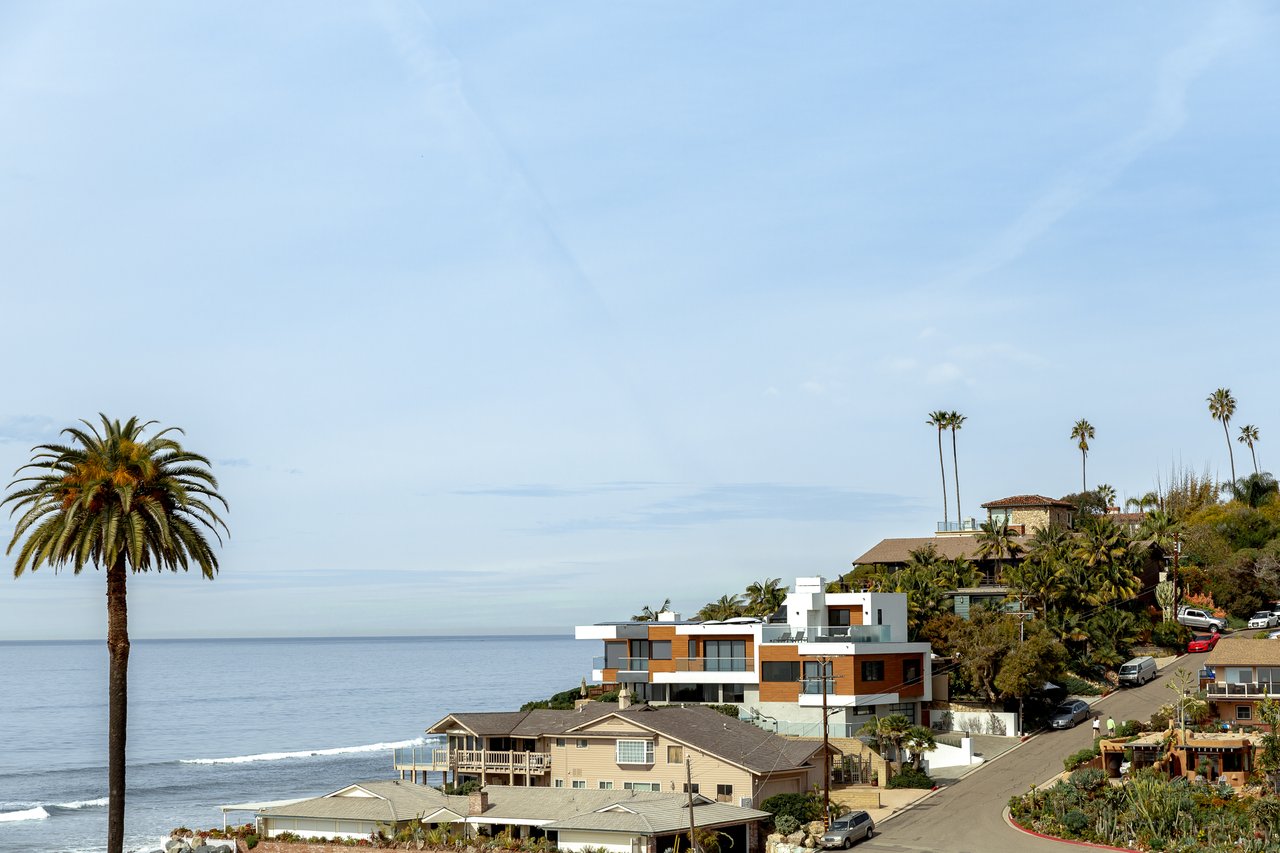
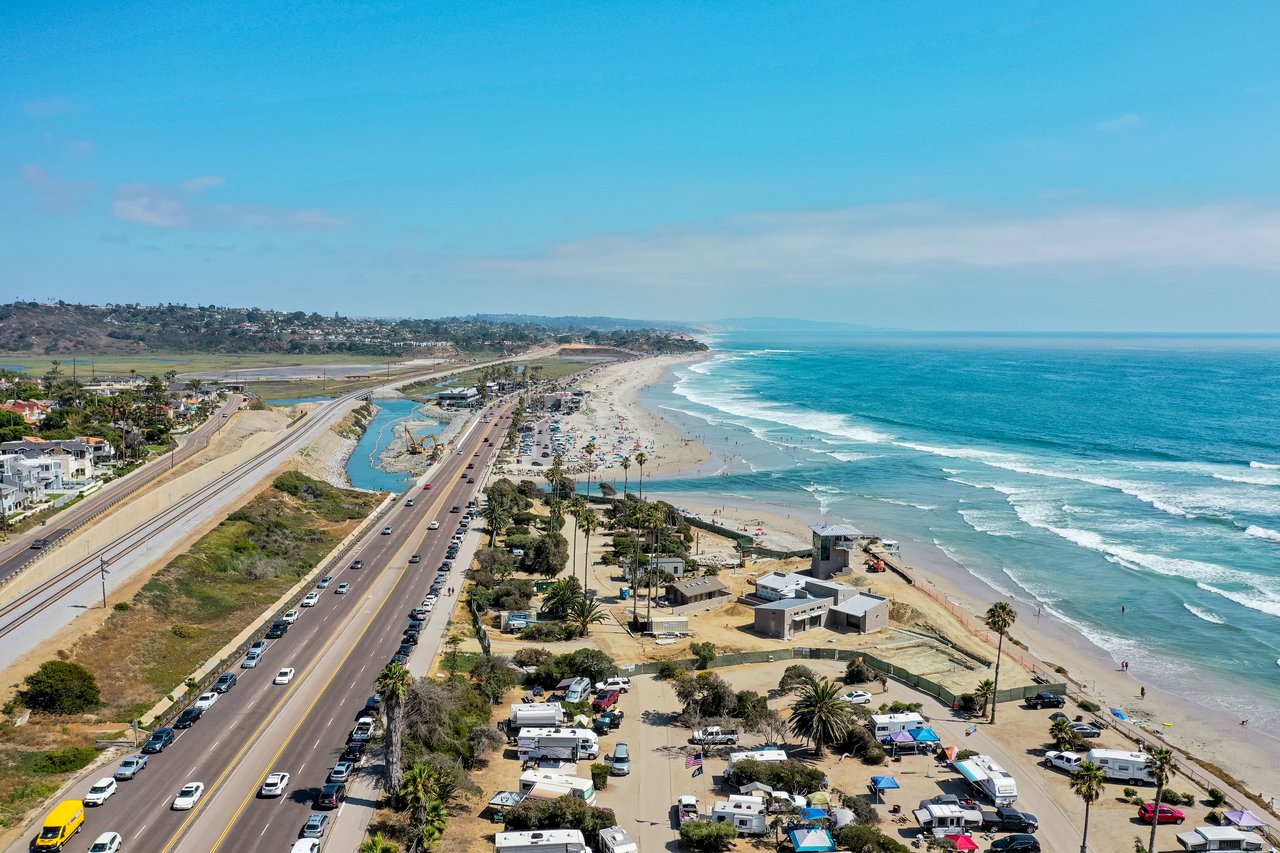
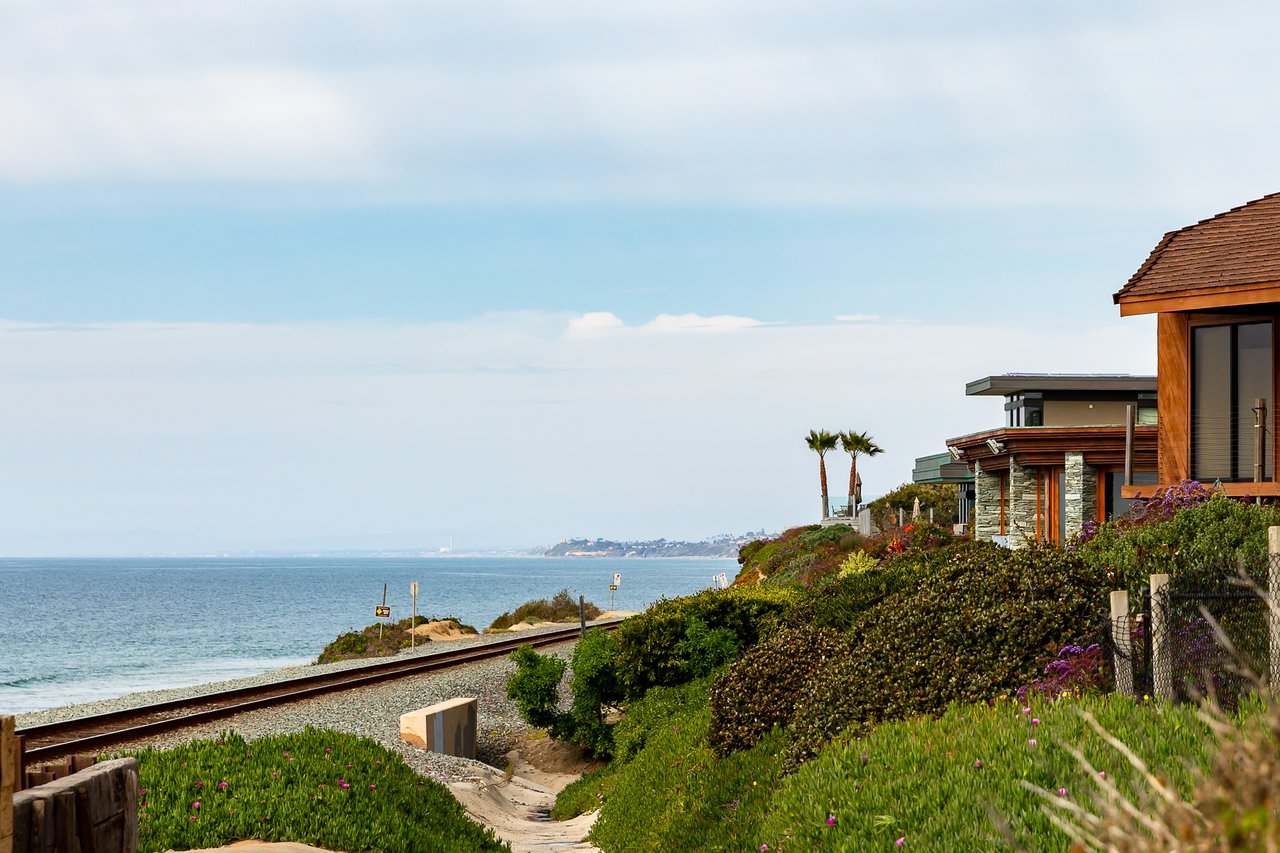
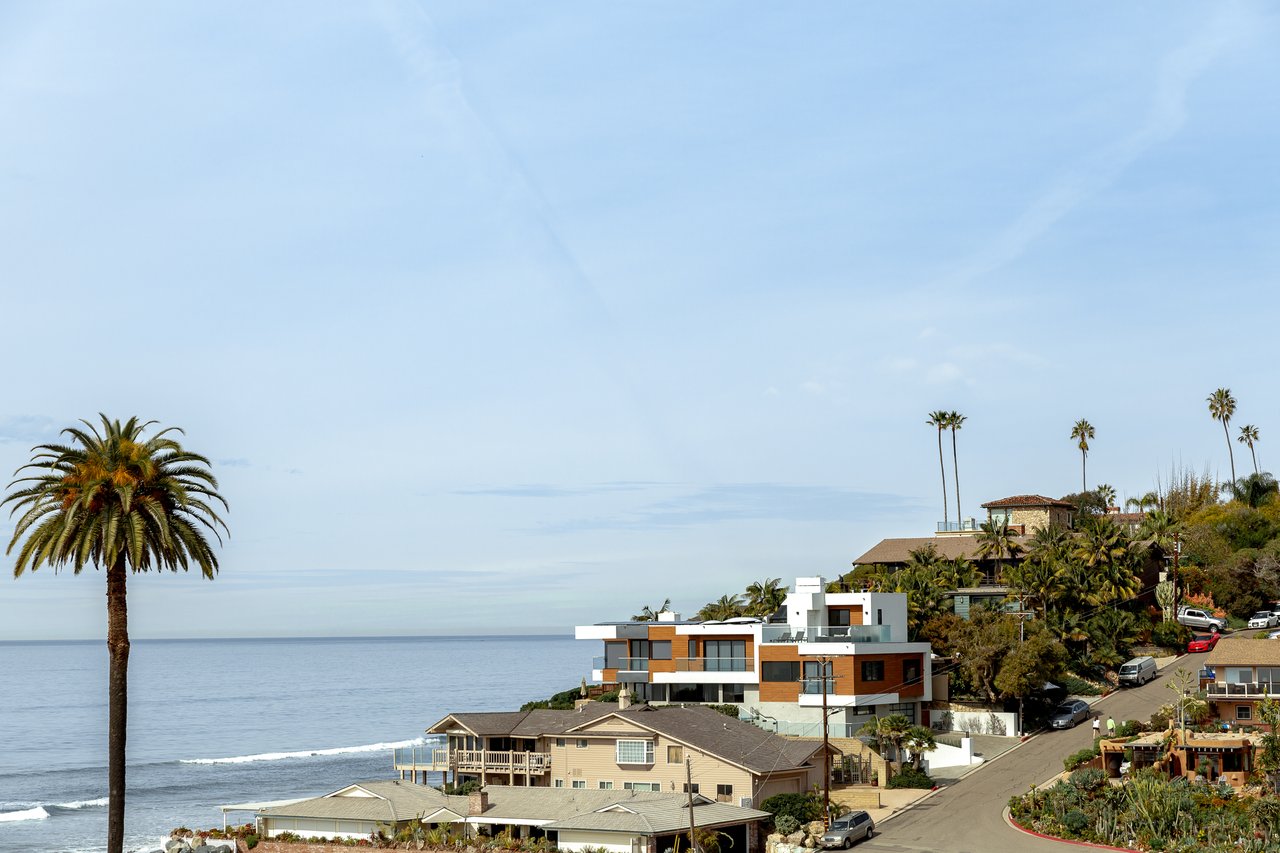
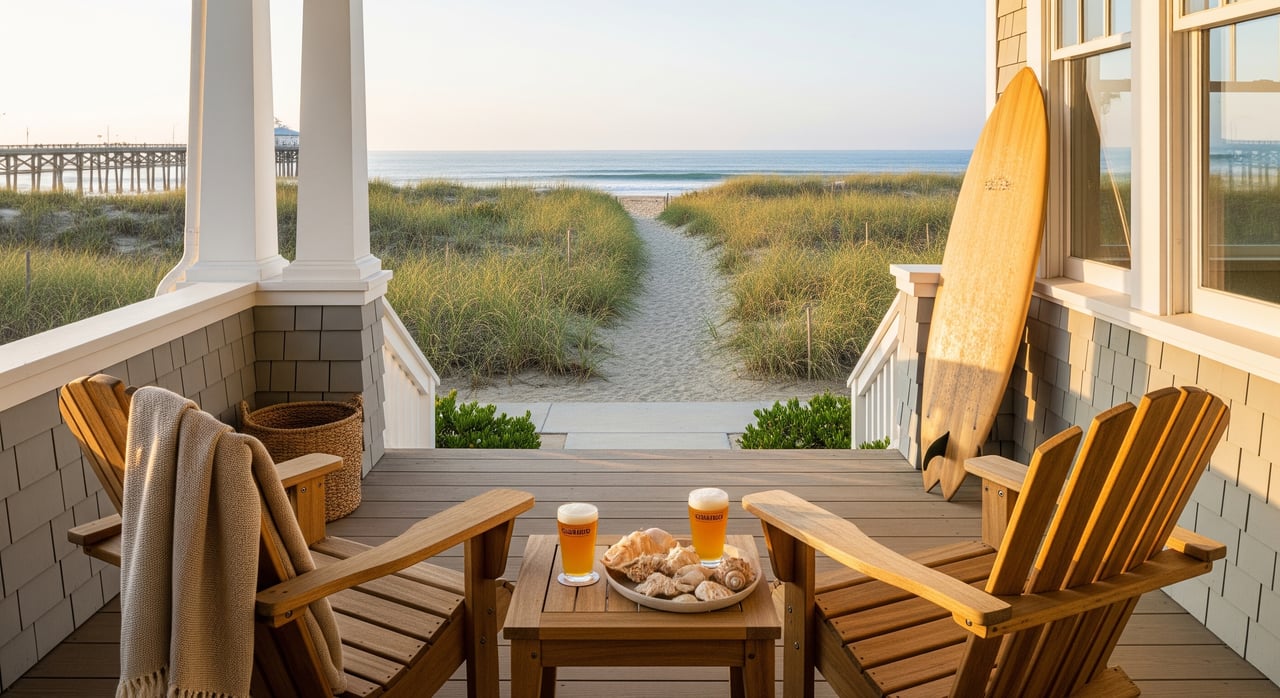
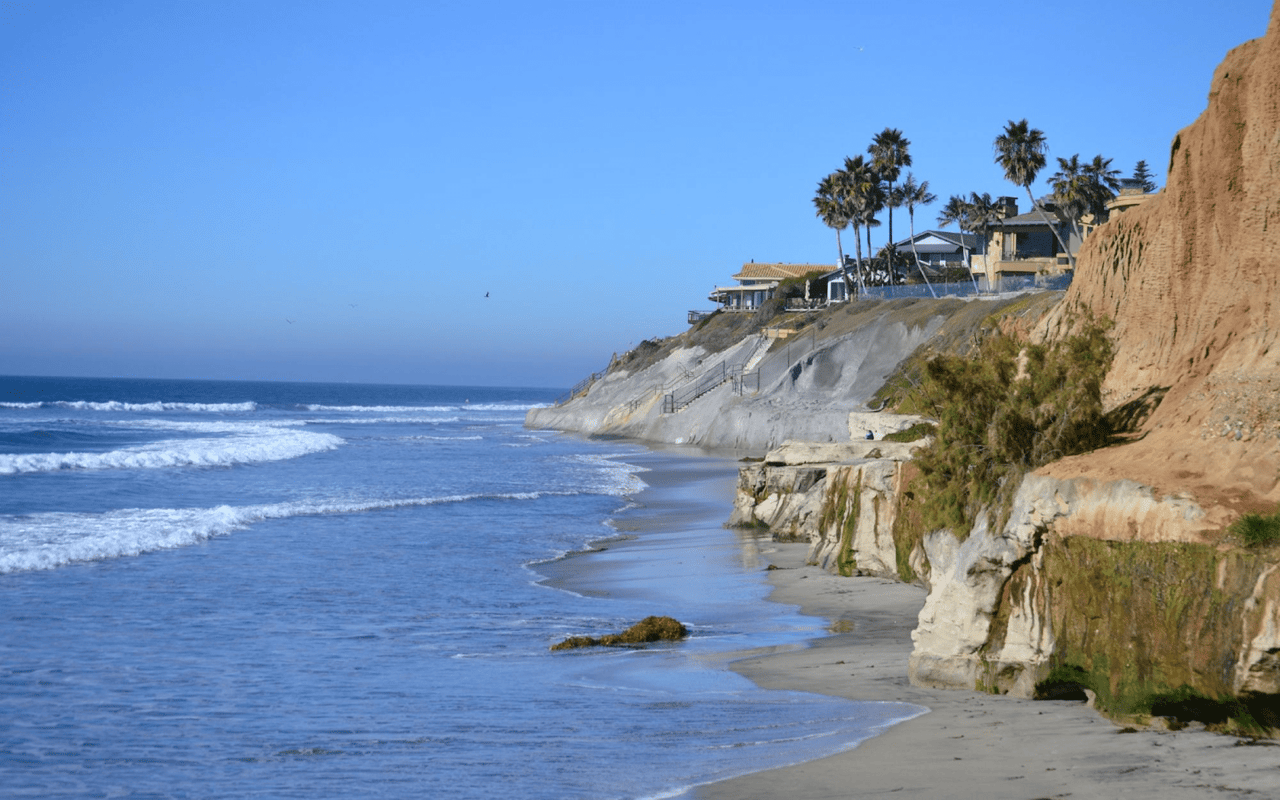
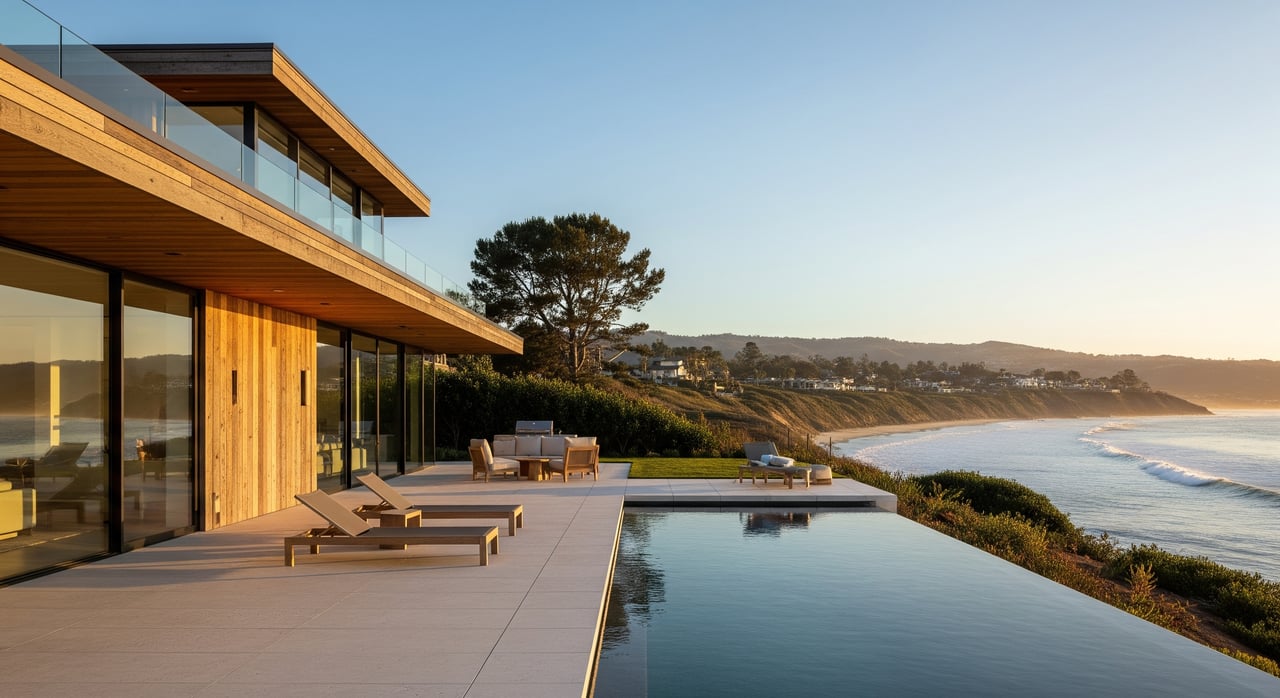
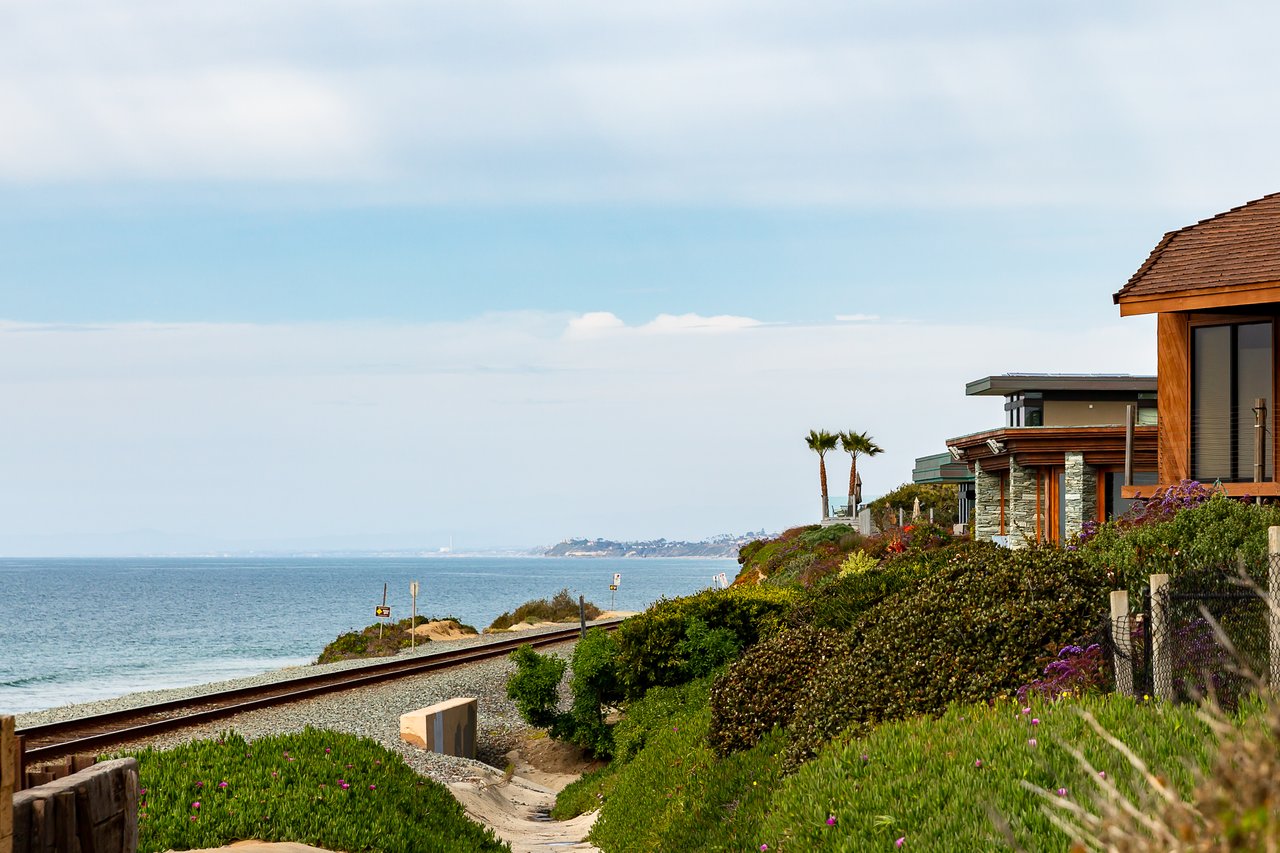
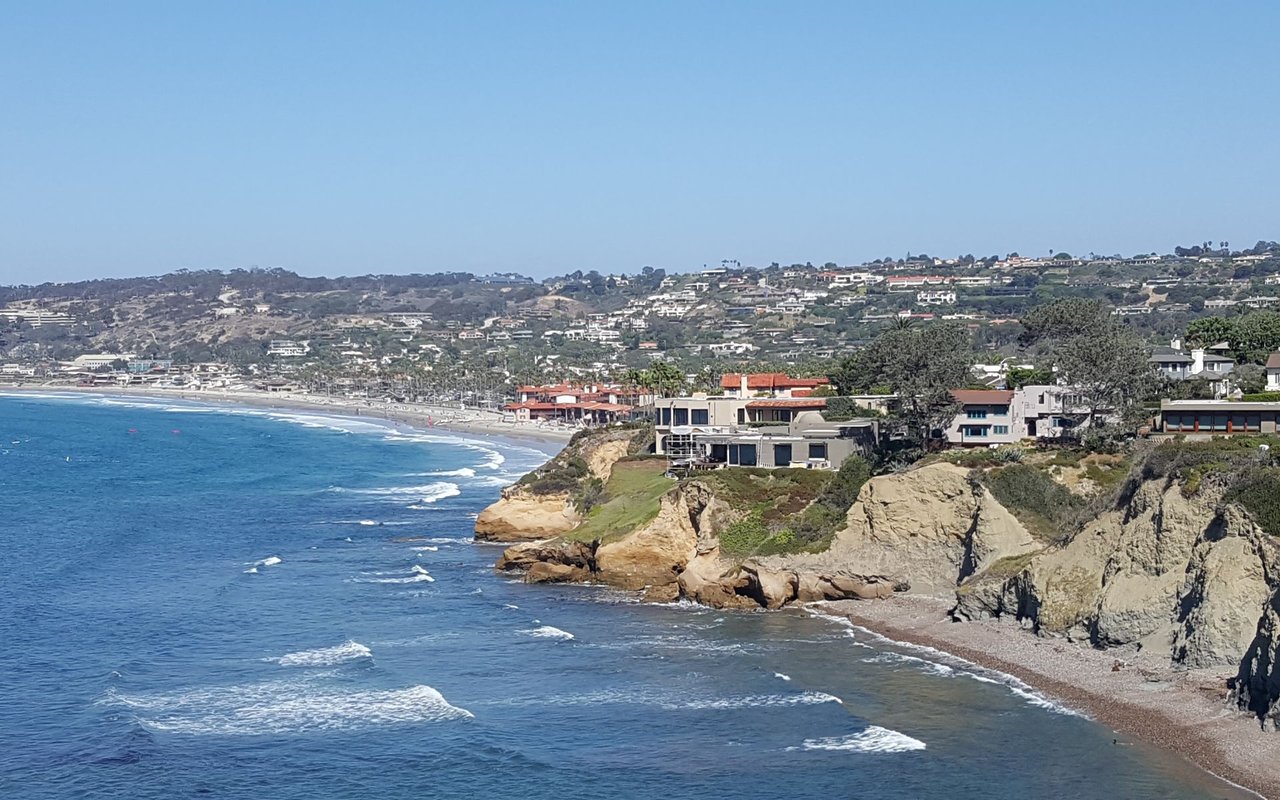
If your dream is to step out and be on the sand in minutes, the Beach Colony area delivers. This narrow strip hugs Del Mar City Beach and the bluff line. It is as close as you can live to the water in Del Mar, and that convenience is the hallmark of the neighborhood.
Lot sizes here are generally small and narrow, with some clustered condos and compact single-family parcels. A few bluff-top lots are larger, but space is limited overall. Setbacks, slope stability, and bluff-edge policies shape what you can build and how you can expand.
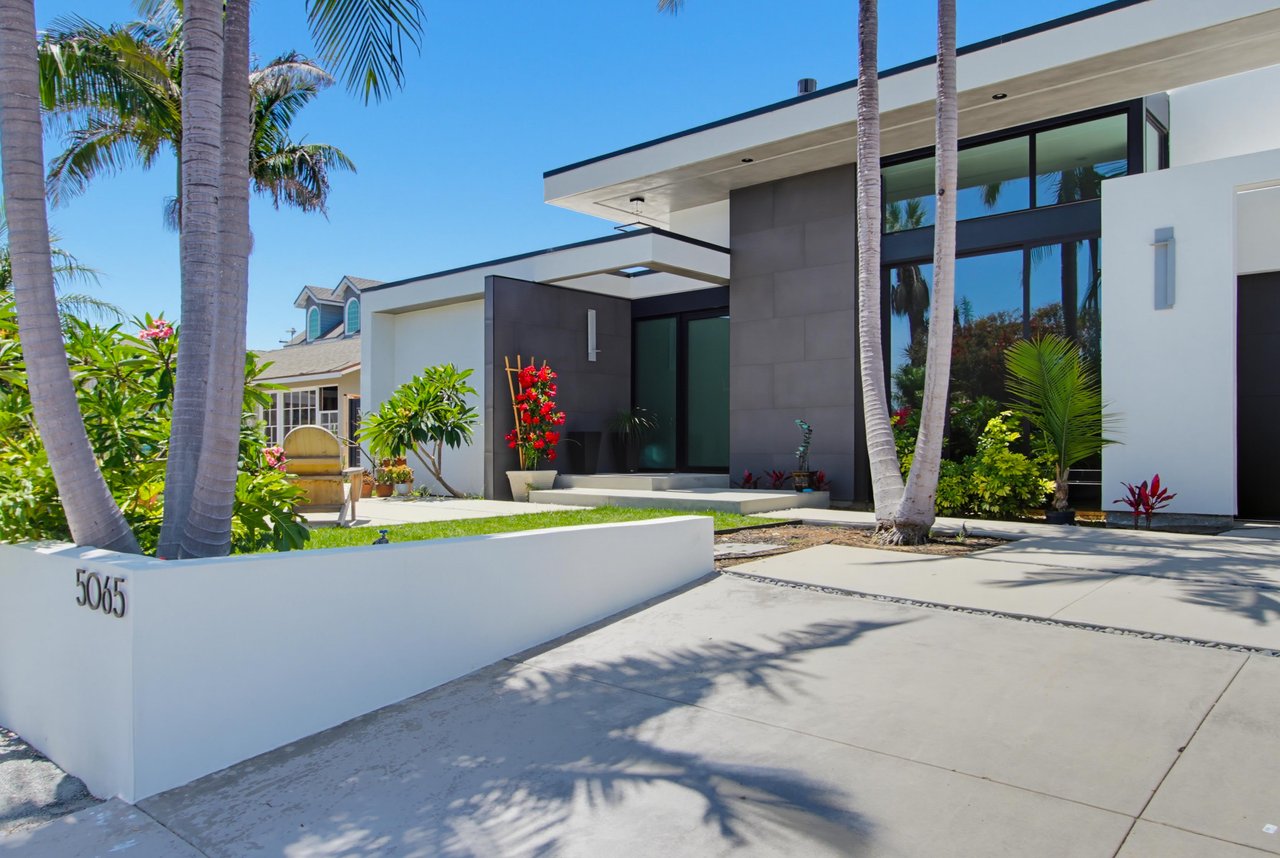
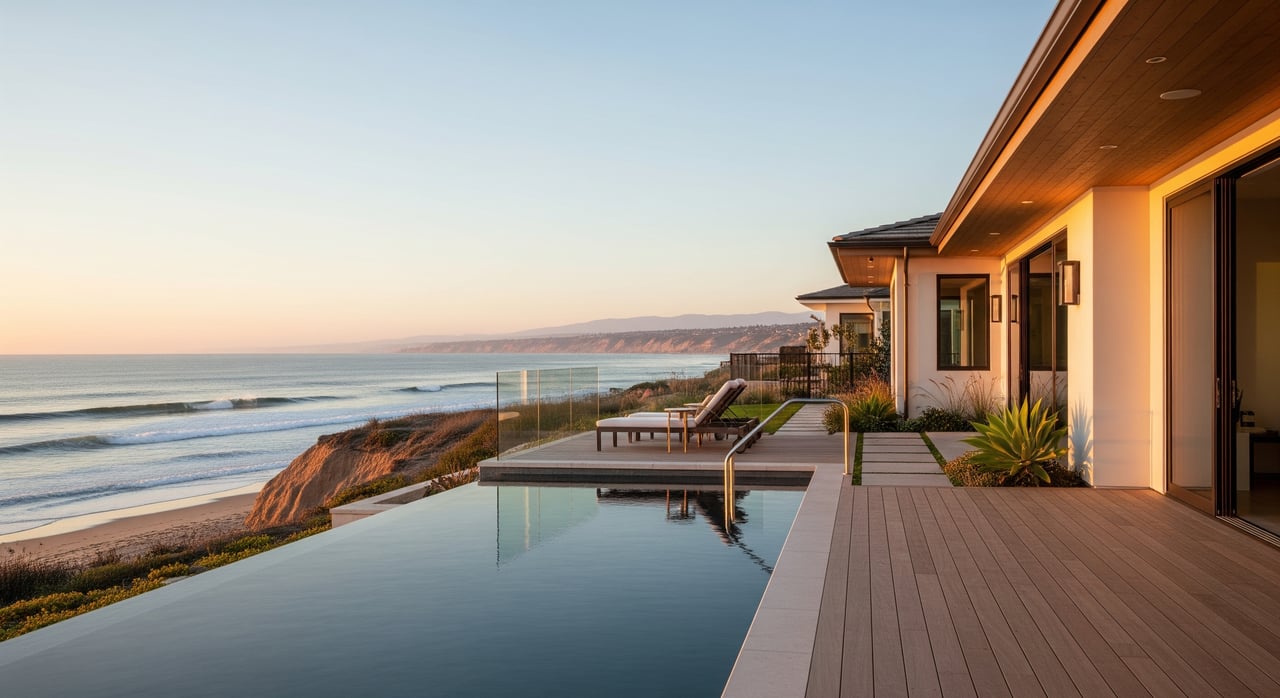
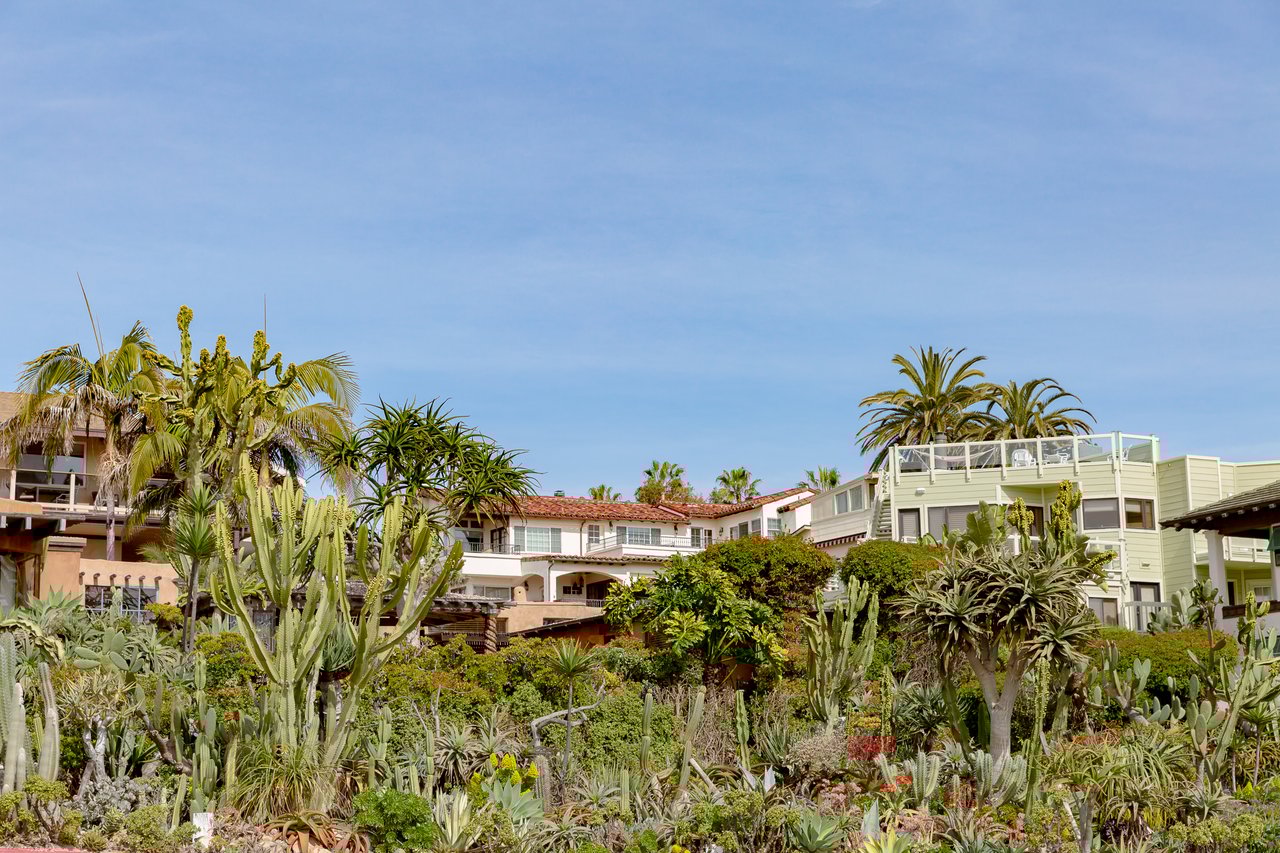
Architecture ranges from historic beach cottages to sleek, multi-level homes that maximize views and interior square footage on tight lots. Because yards are limited, you often see decks, patios, and rooftop terraces that extend living outdoors.
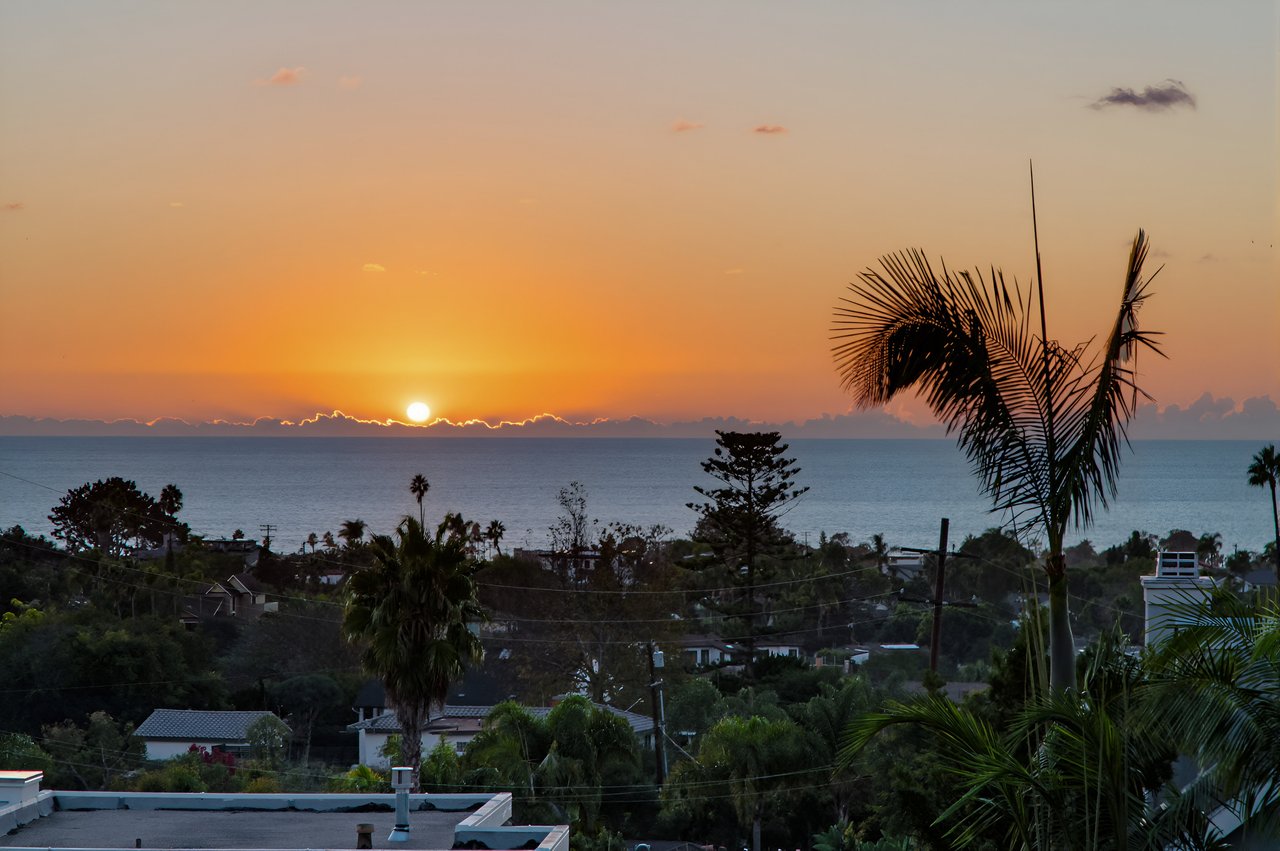
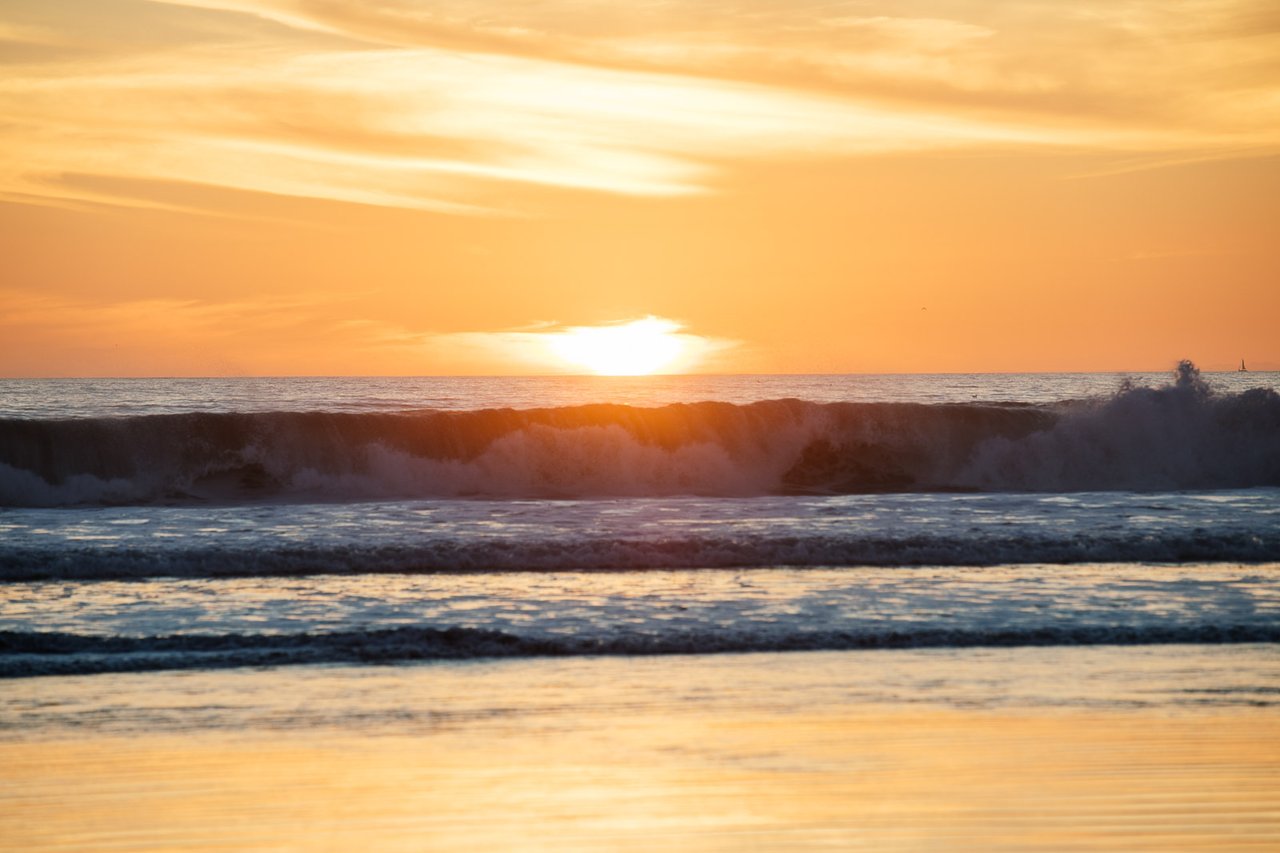
Walkability is excellent. You can usually reach the sand in one to two blocks, and depending on your exact location, the village is a short stroll or bike ride away. The lifestyle appeals to surfers, sunset watchers, second-home owners, and anyone who wants the beach as the daily backdrop.
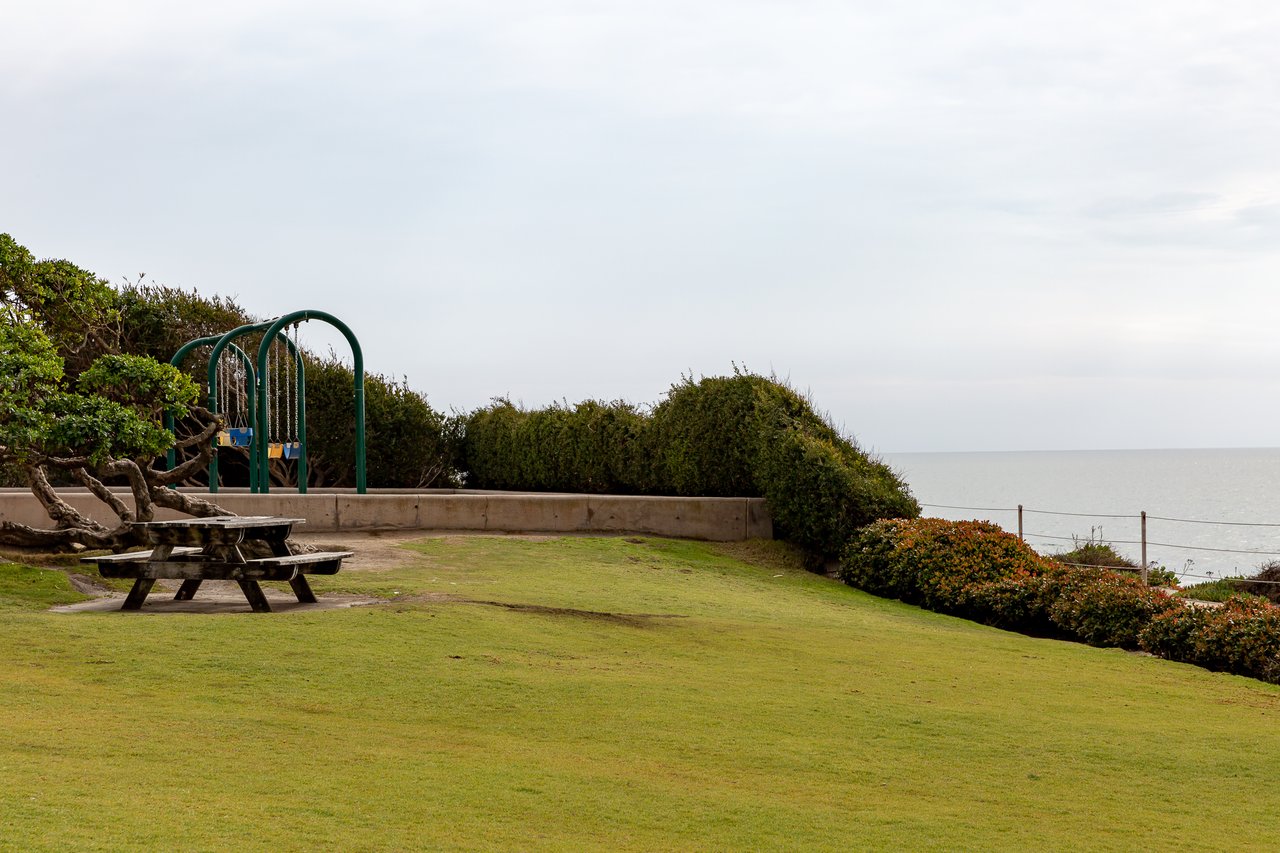
Value is driven by ocean adjacency, direct access, and views. Per-square-foot pricing is typically highest here. Buyers should be prepared for more intensive regulatory review for repairs and rebuilds near the bluff and shoreline. Bluff erosion and long-term sea-level rise are material considerations for lenders, insurers, and future planning.
Olde Del Mar: village charm and walkability
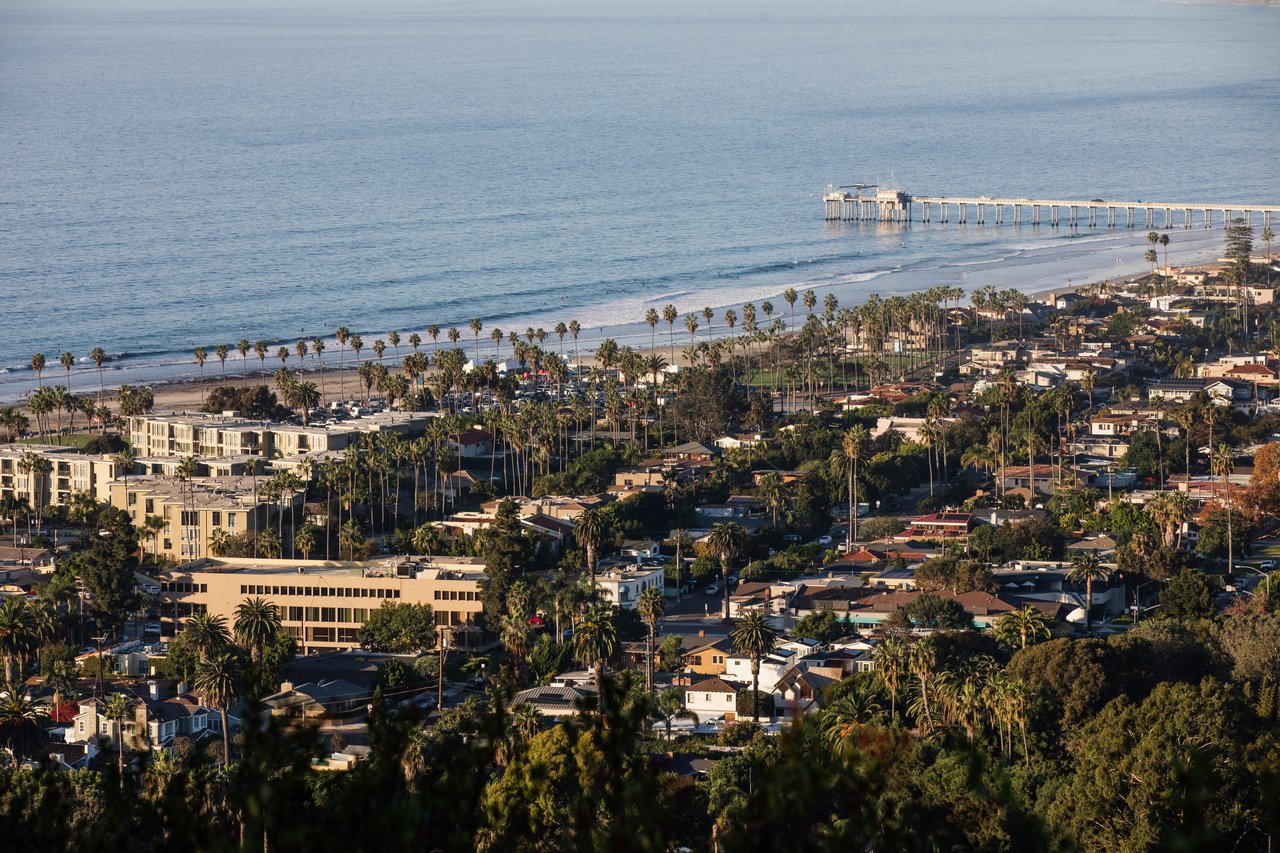
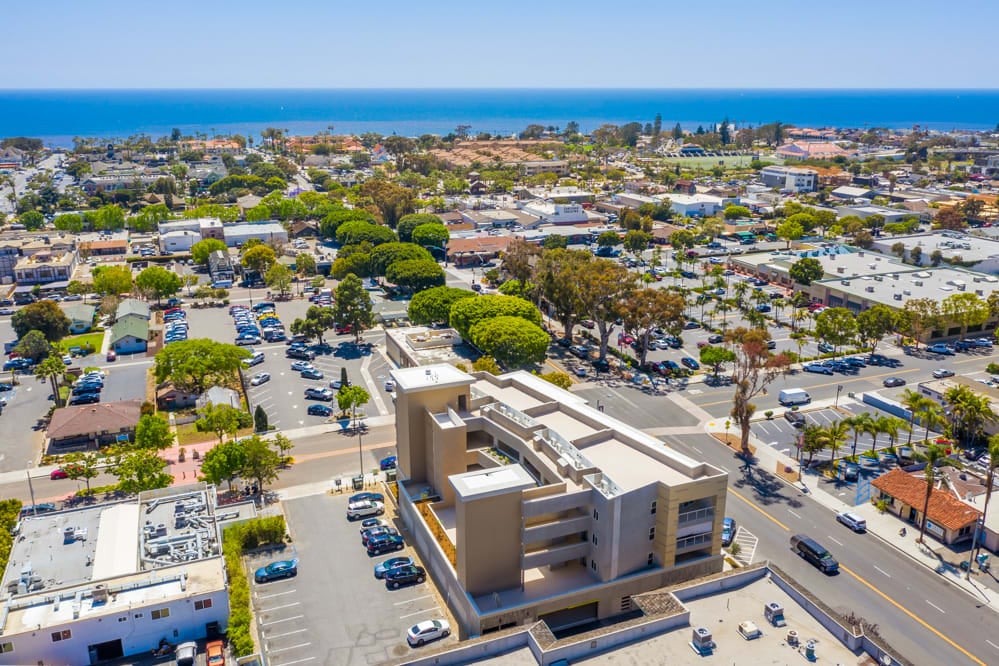
Olde Del Mar, often called the Village, is the historic heart centered on Camino Del Mar and Del Mar Plaza. This is where you find restaurants, boutiques, and a lively pedestrian scene. If you want to park the car and live by foot for coffee, dinner, and errands, the Village is your focus.
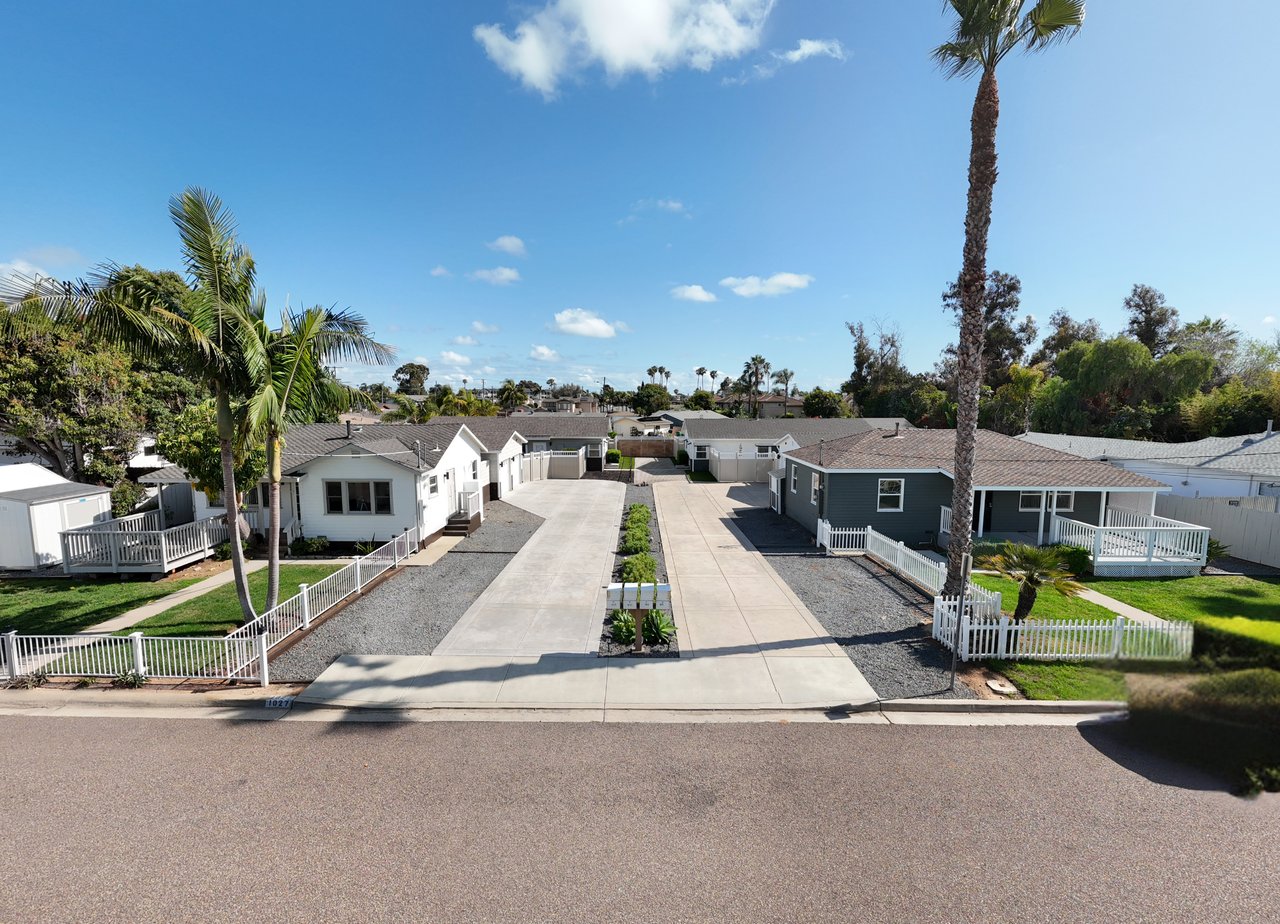
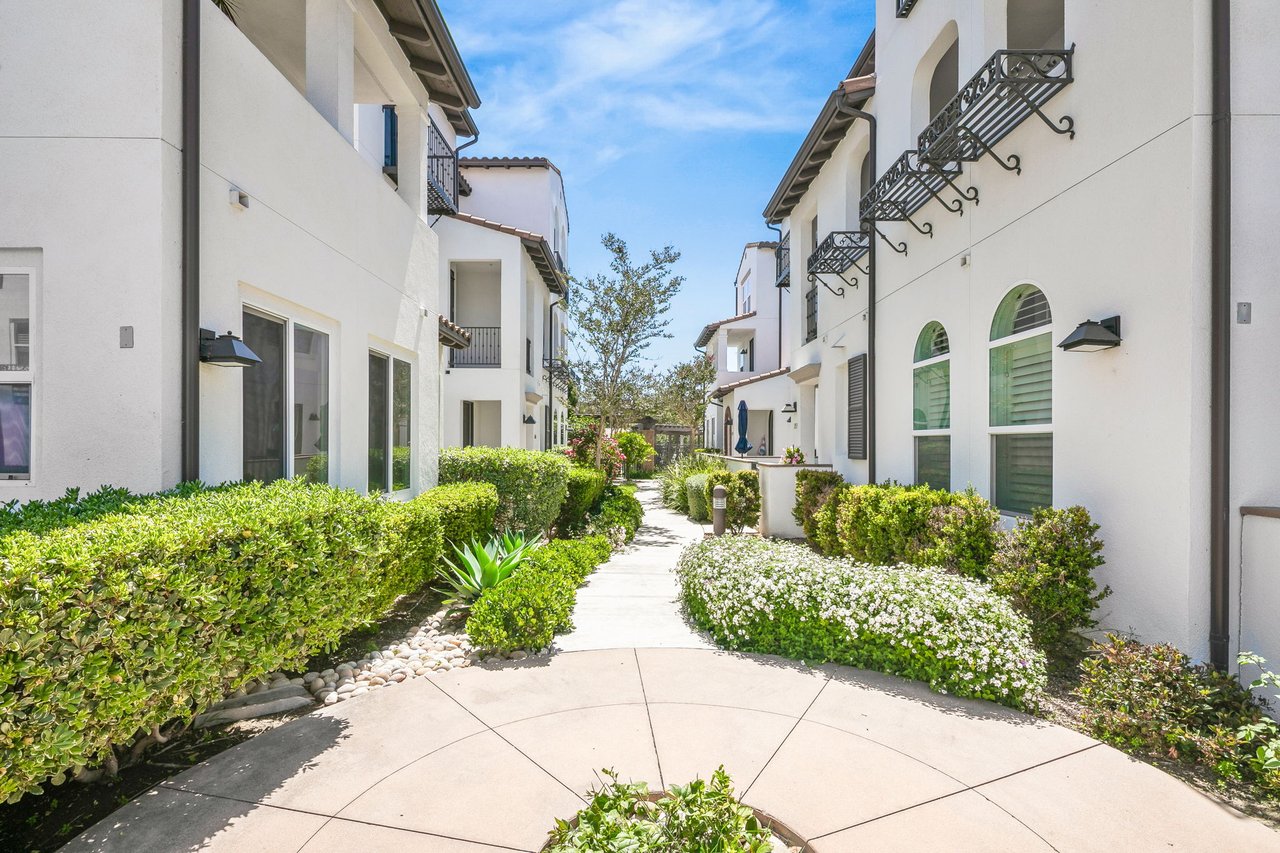
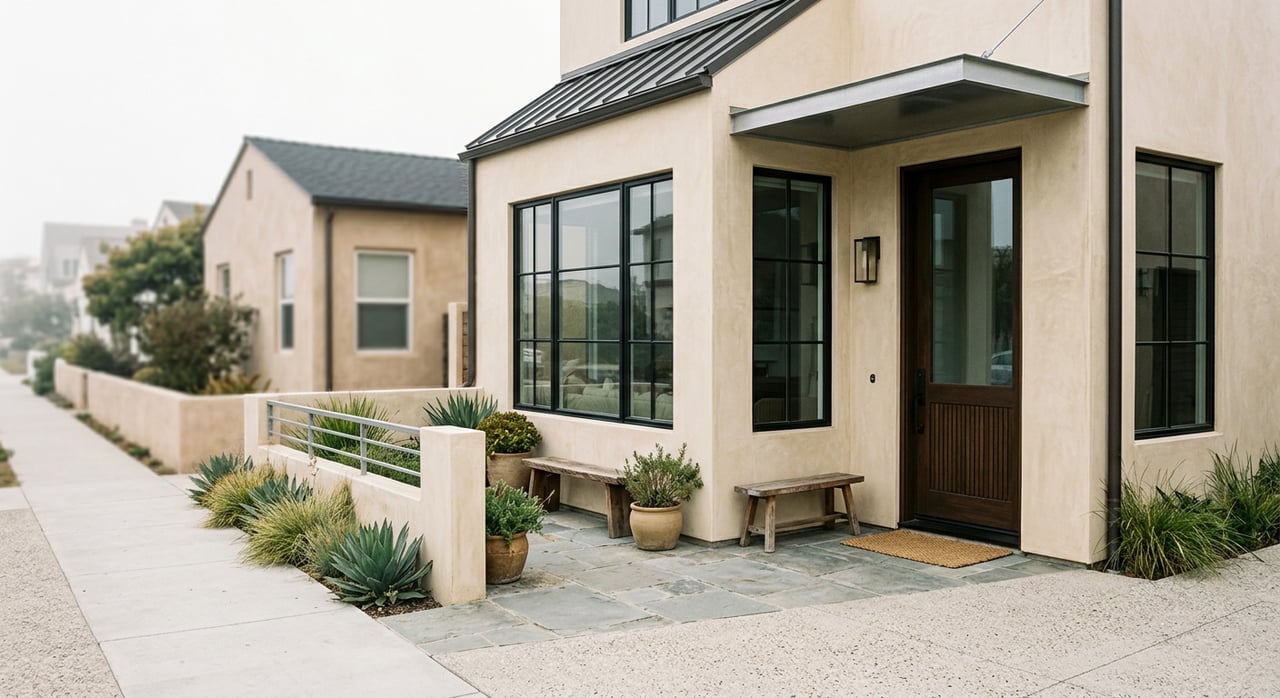
Parcels are generally small to moderate, reflecting early cottage lot patterns. There are pockets of larger parcels, but most homes sit on urban lots with thoughtful use of space. The streetscape has character, with porches, sidewalks, and mature landscaping in many areas.
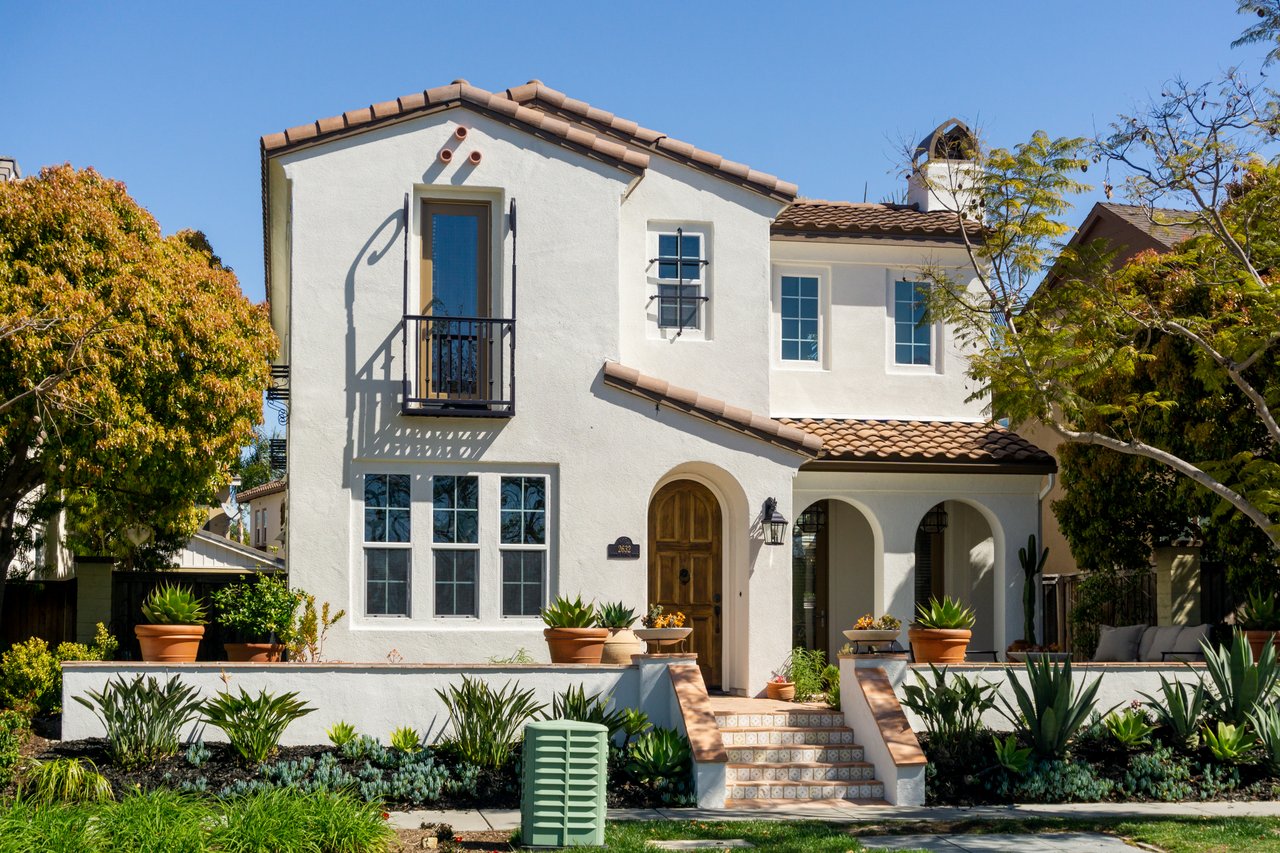
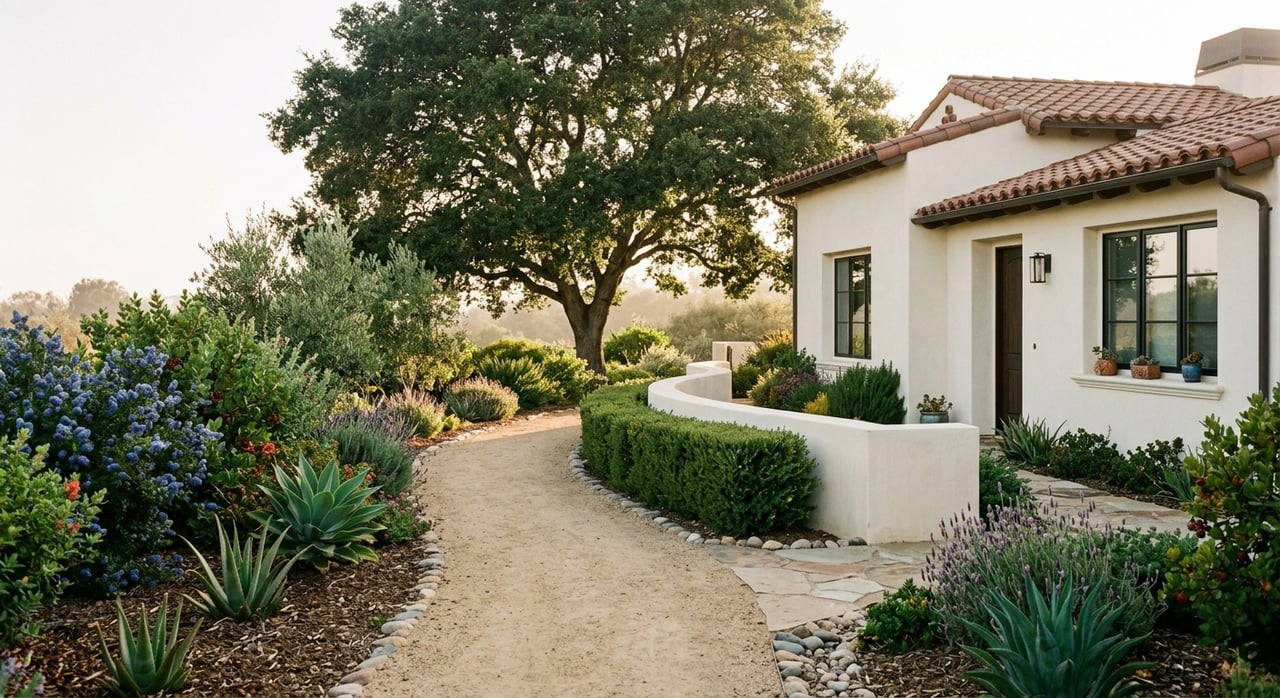
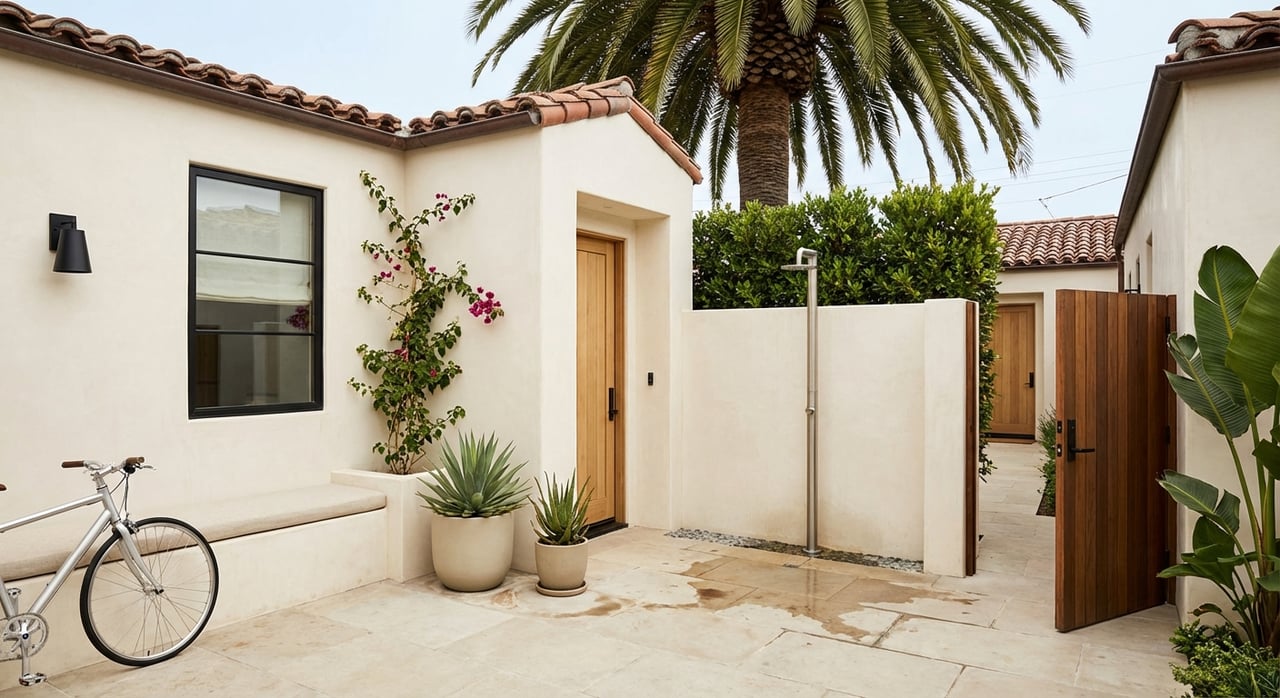
Architecture spans classic coastal cottages, Craftsman and Spanish styles, mid-century homes, and tasteful modern replacements that respect the scale of the neighborhood. Many properties have been remodeled to blend historic charm with updated living.
Walkability is a prime benefit. You are close to Del Mar Plaza, shops, and dining, and there are multiple public beach access points. The lifestyle suits buyers who want convenience, community events, and the energy of the village, without needing to live directly on the beach.
Value leans on proximity. The closer you are to the core and the beach, the stronger the pull. Design review and conservation considerations can limit major redevelopment, which helps preserve character but may influence your renovation timeline and scope.
Del Mar Heights: space, privacy, and access
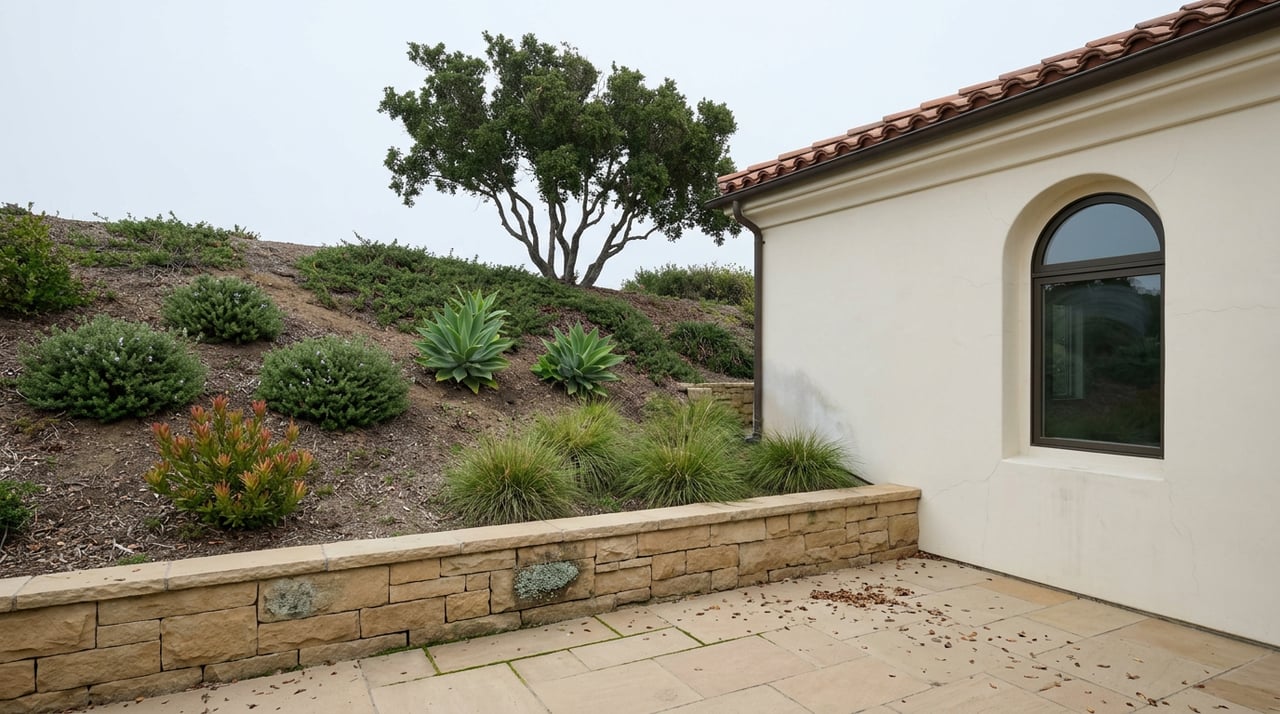
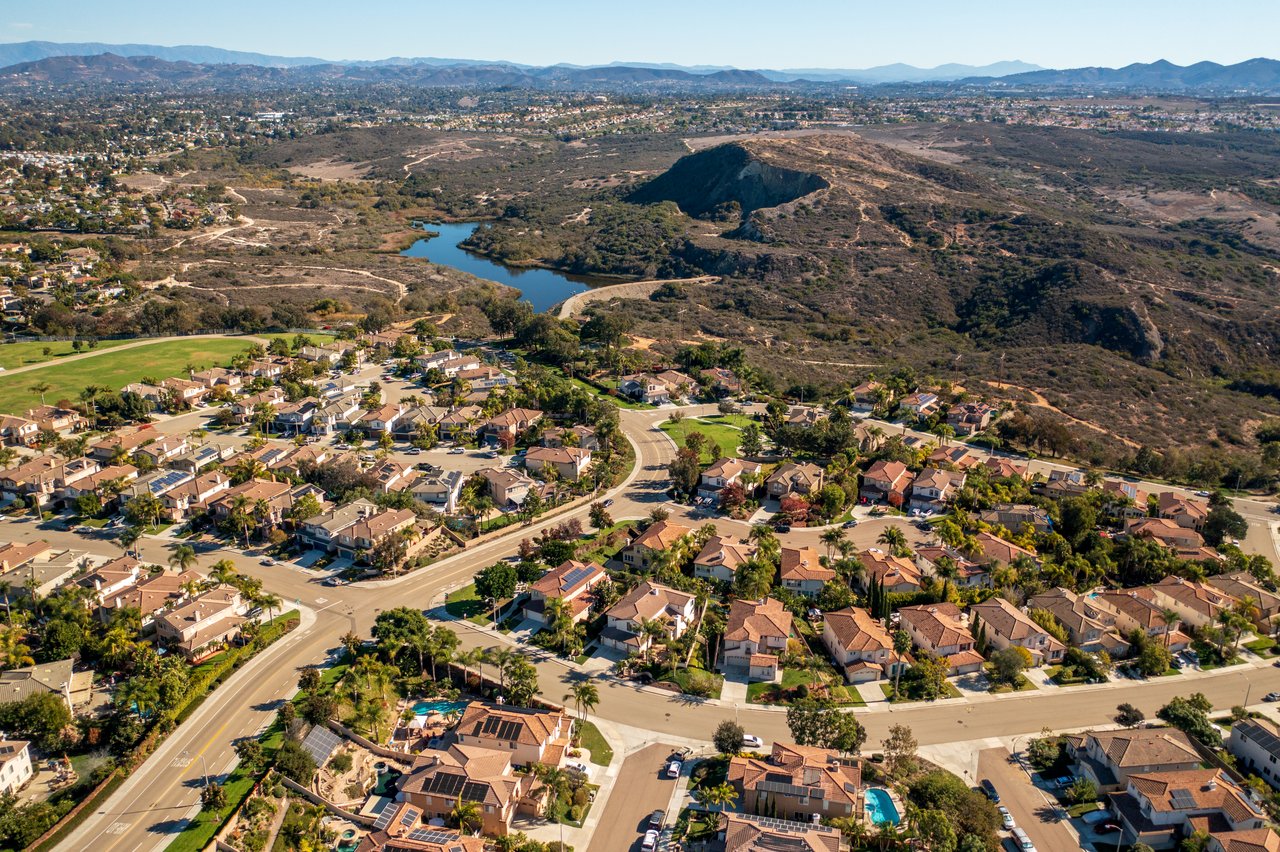
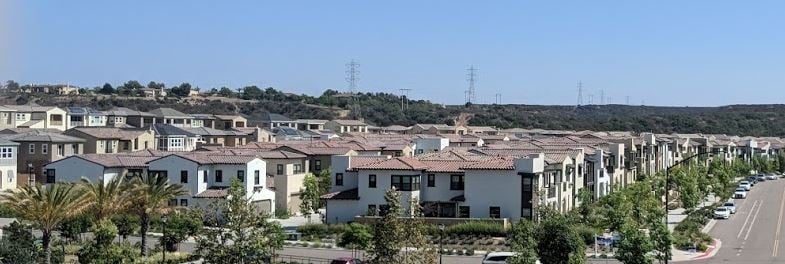
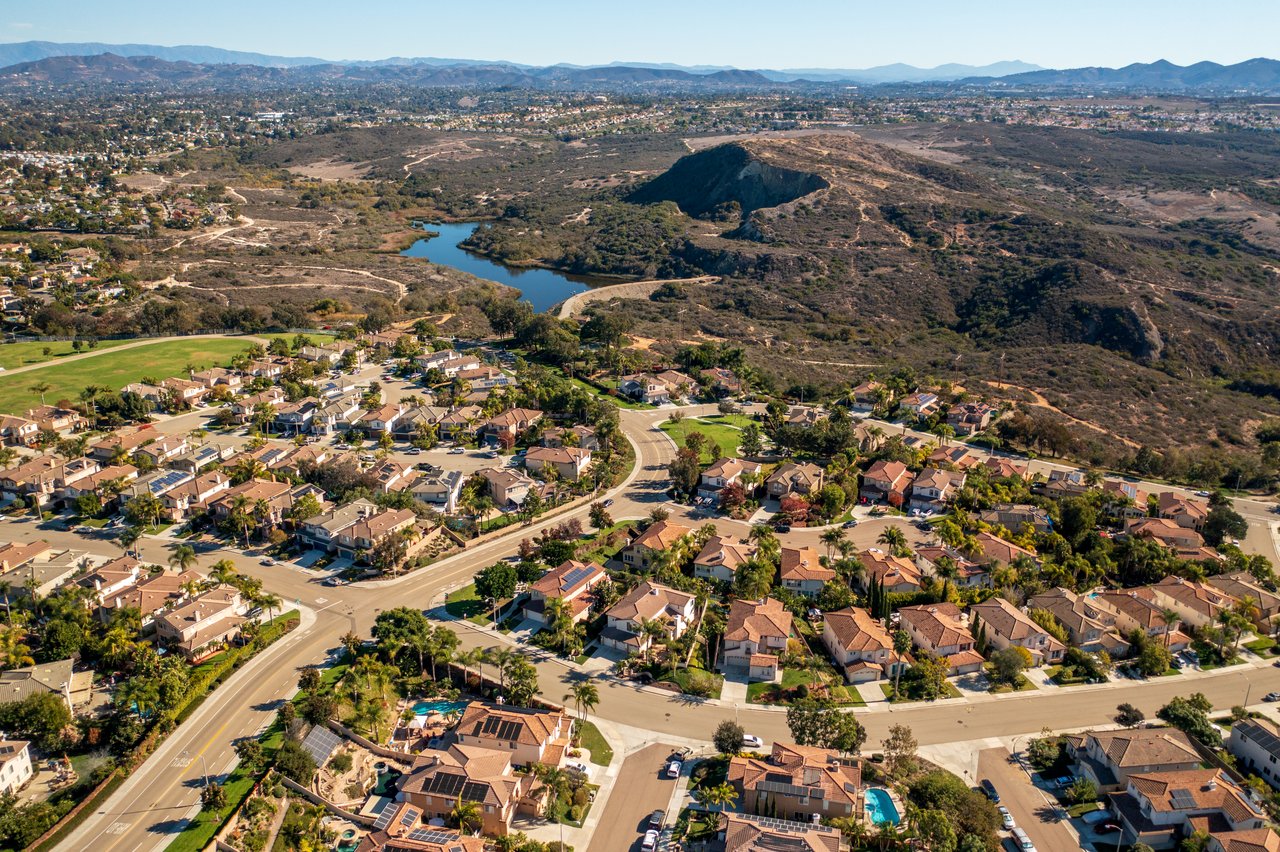
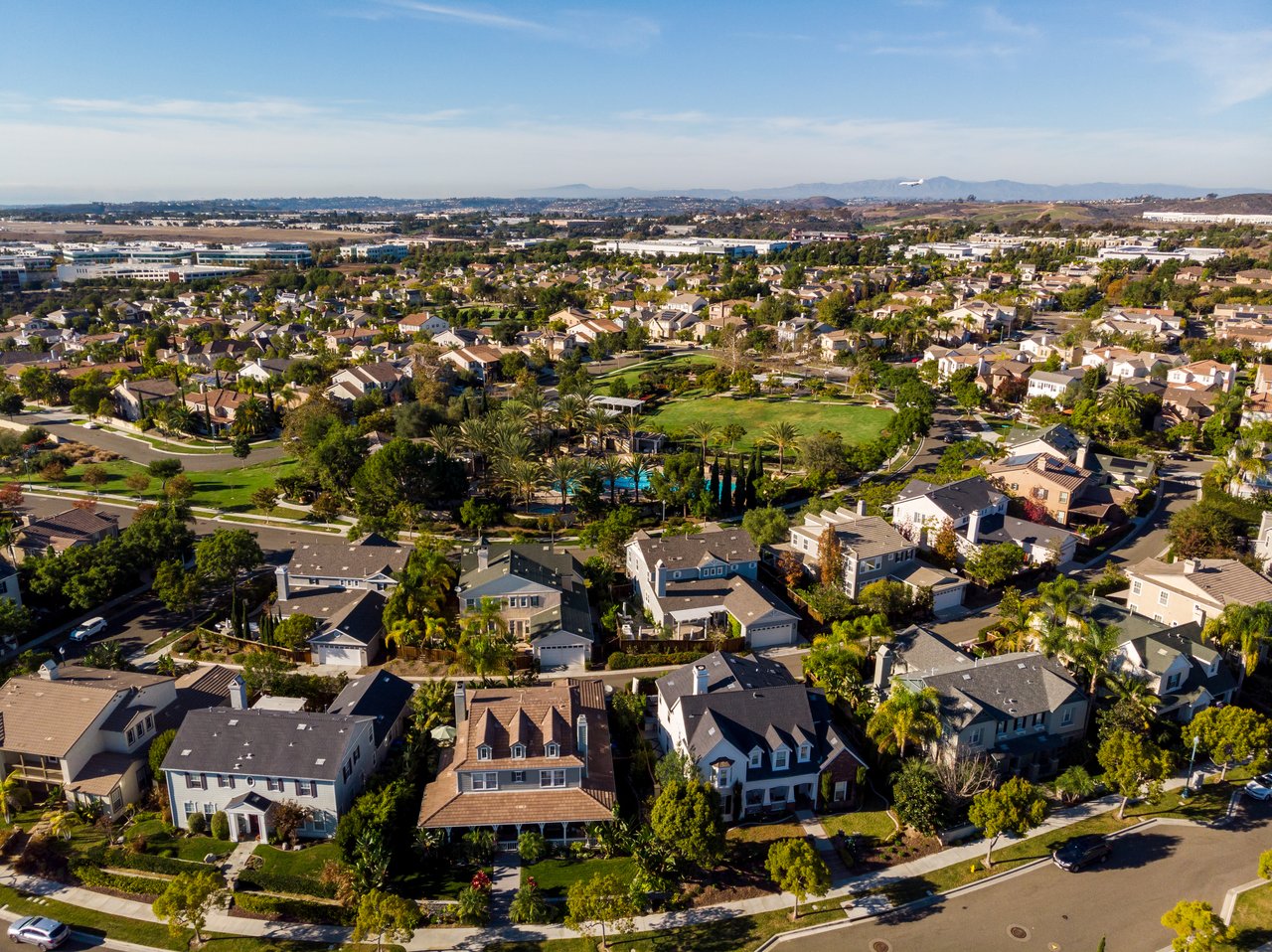
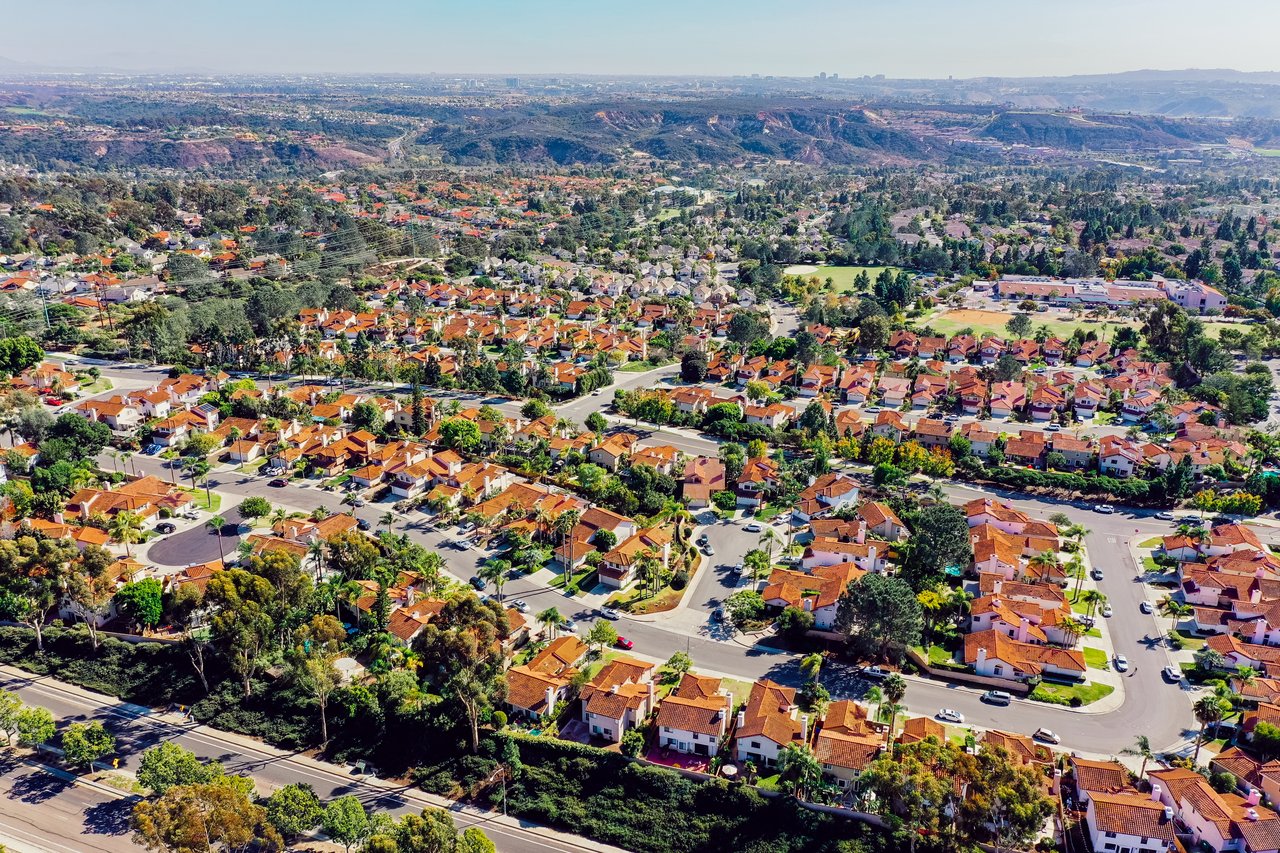
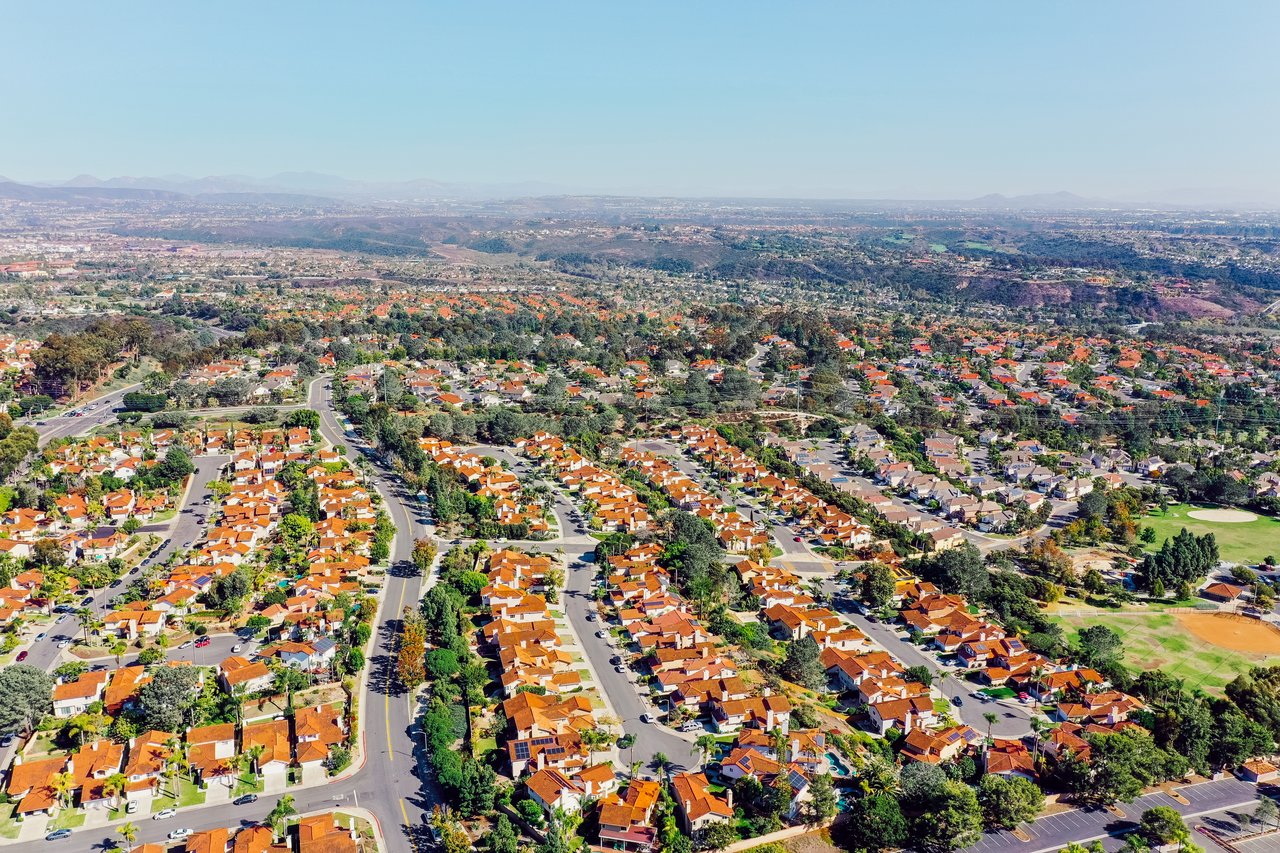
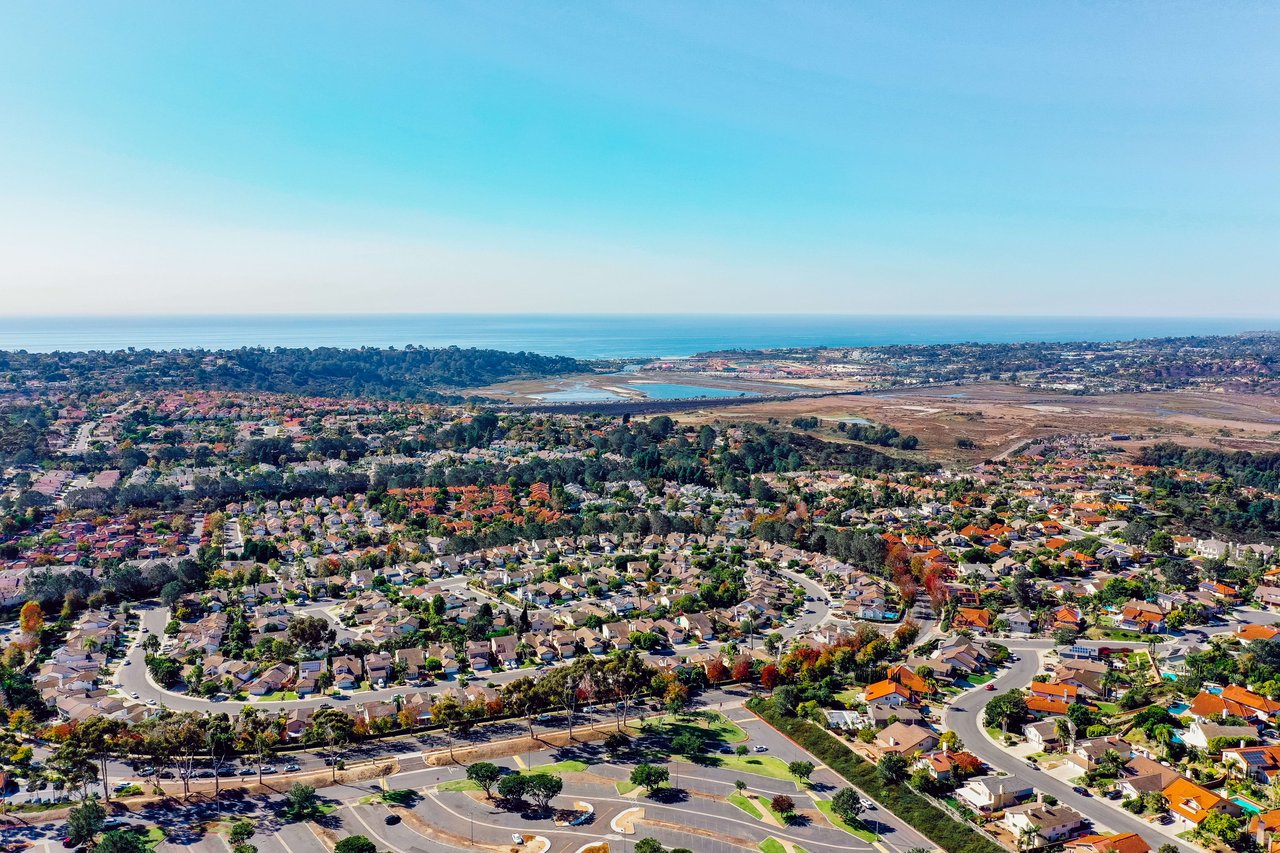
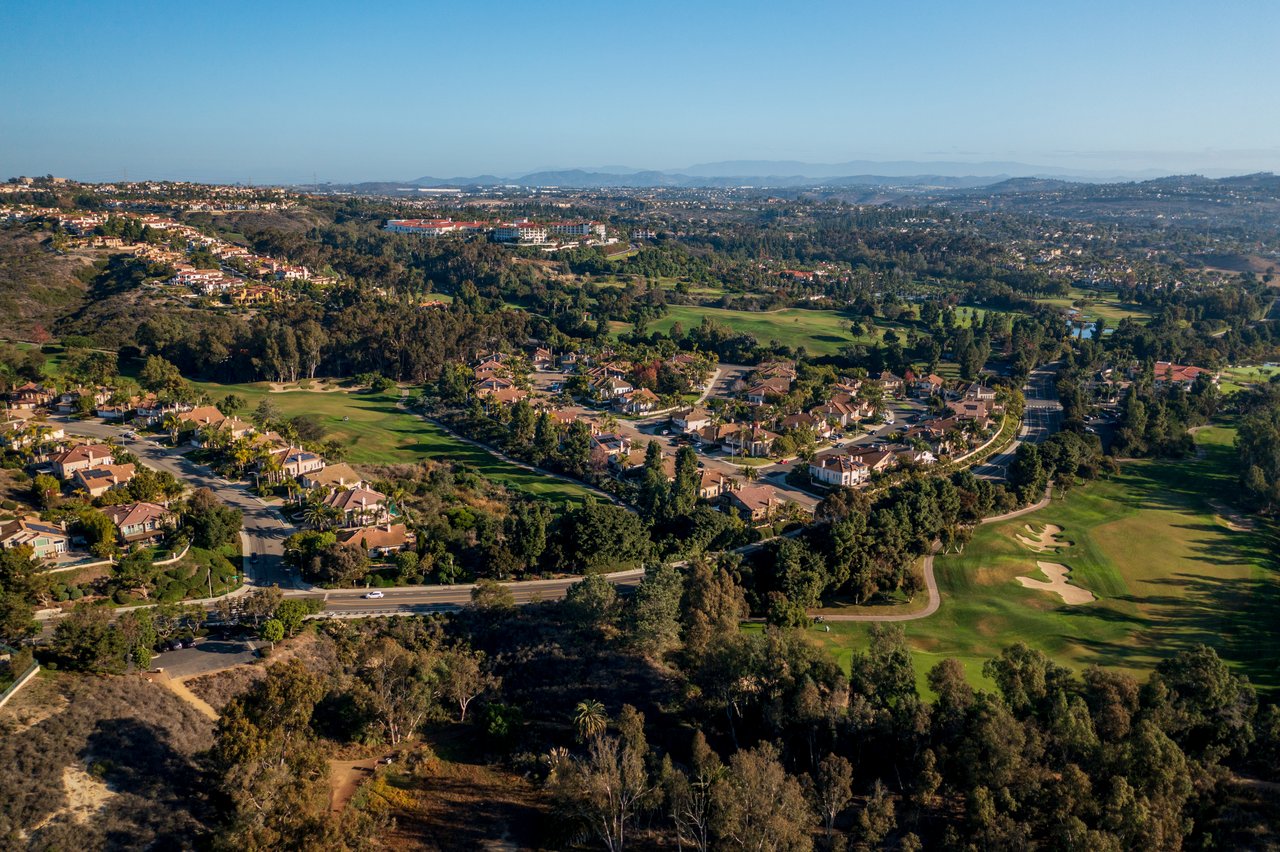
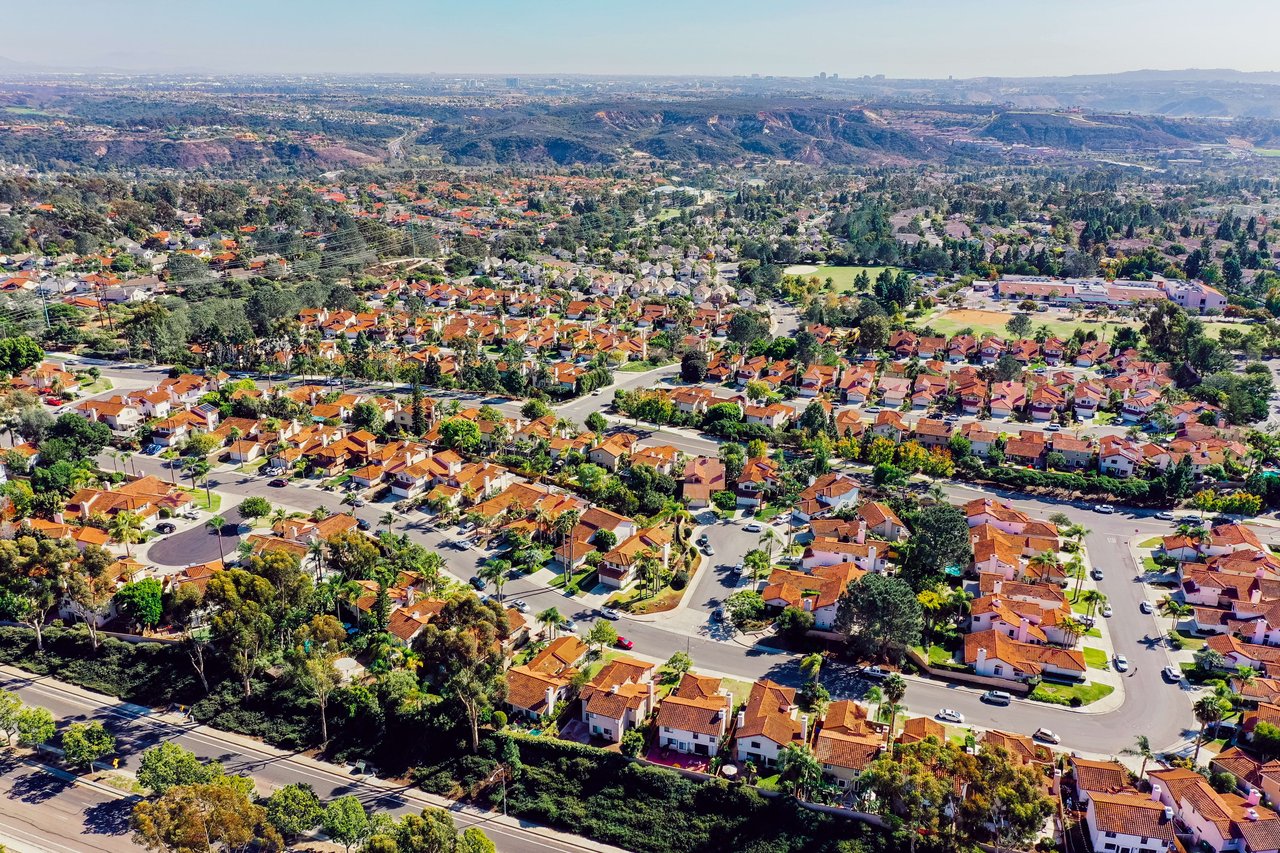
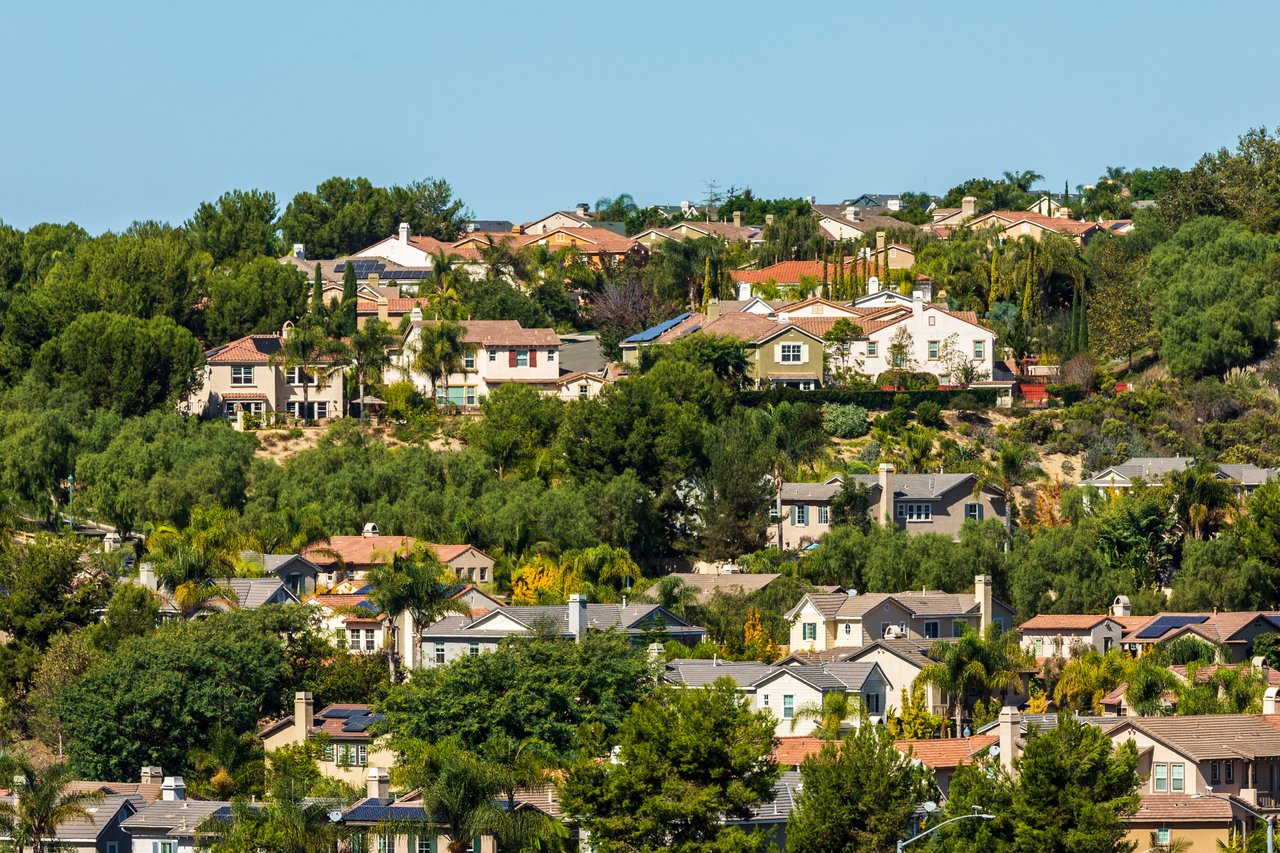
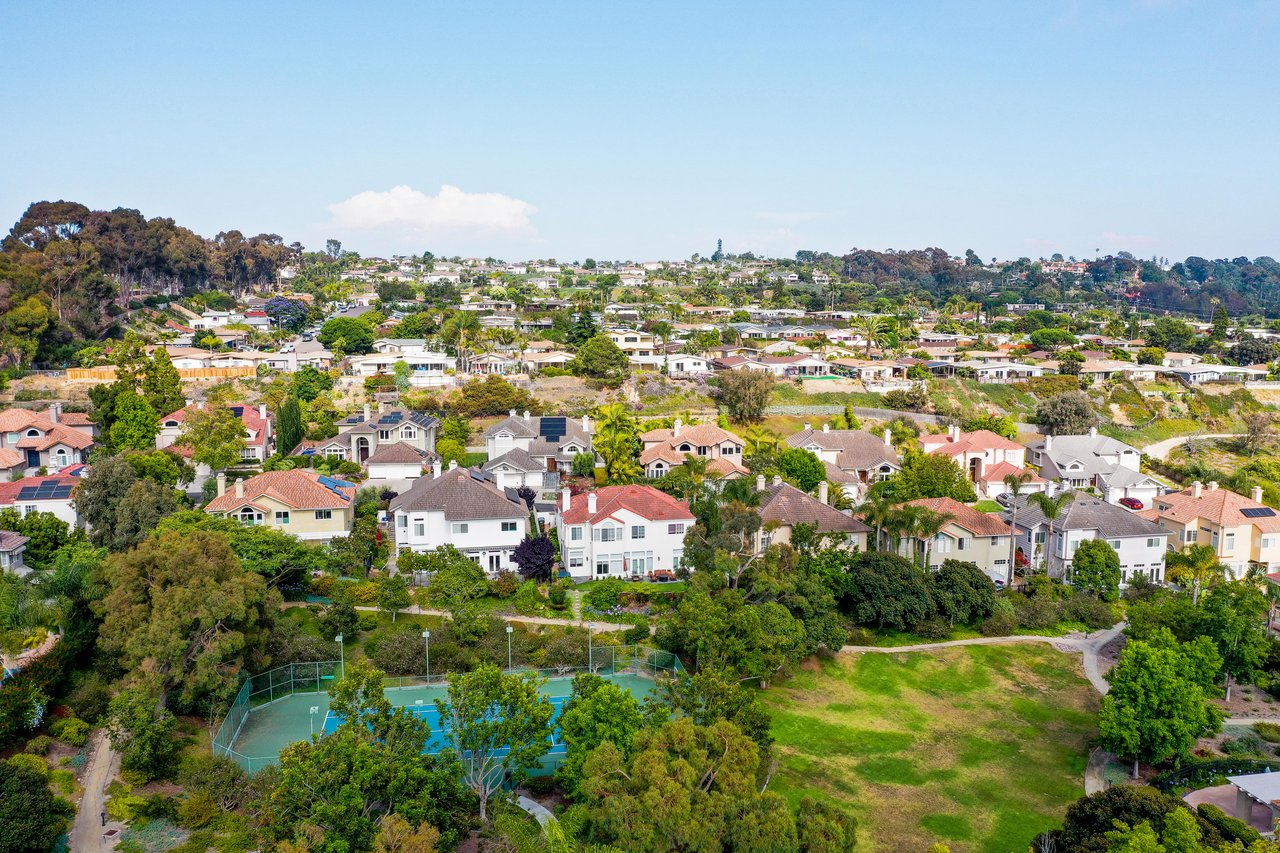
Del Mar Heights sits inland and uphill from the village, extending south and east toward the I-5 and SR-56 corridors and near Torrey Pines. It feels more suburban, with hillside streets and a mix of established tracts and newer custom homes.
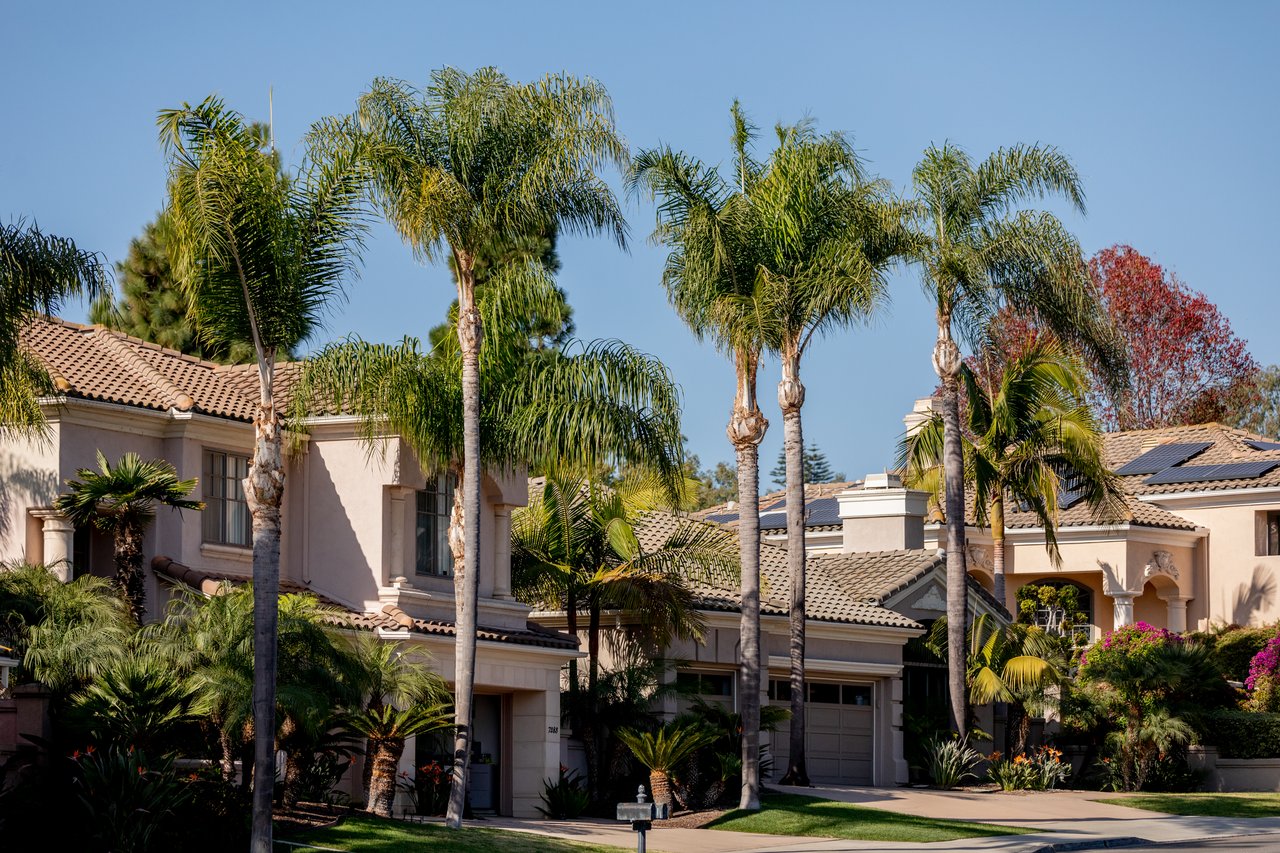
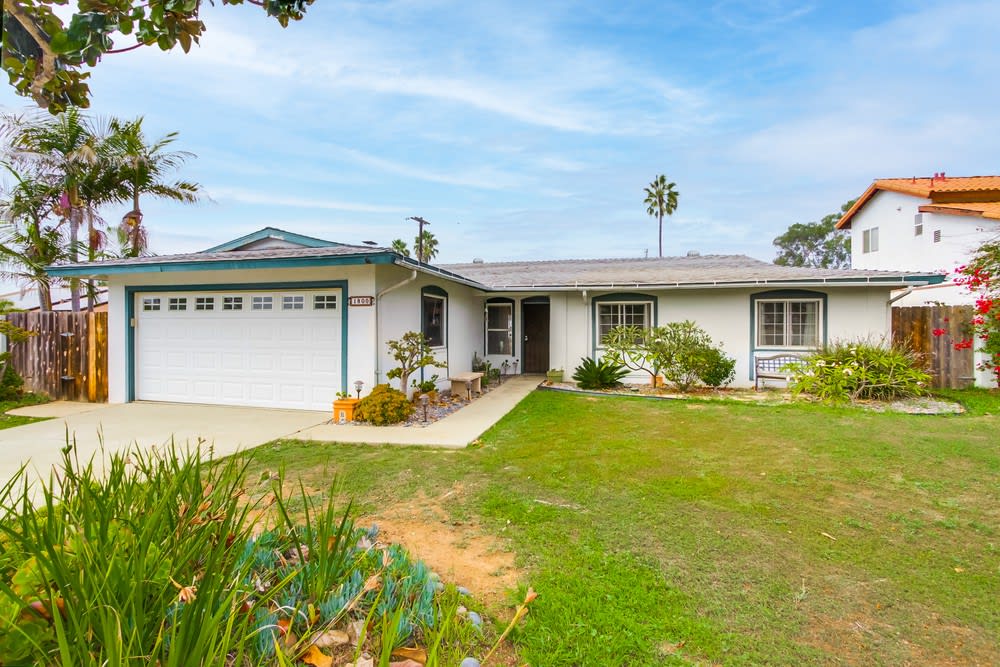
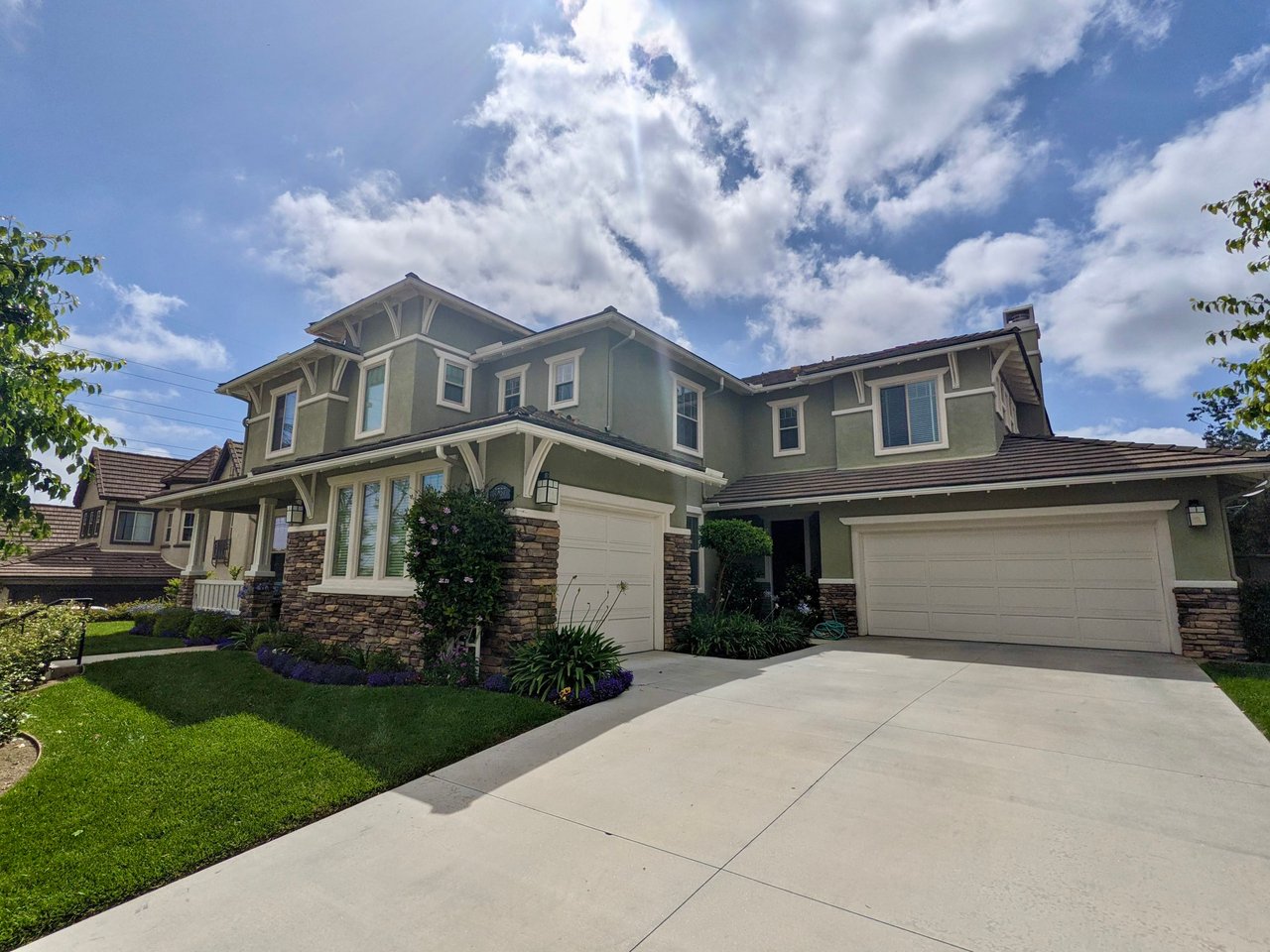
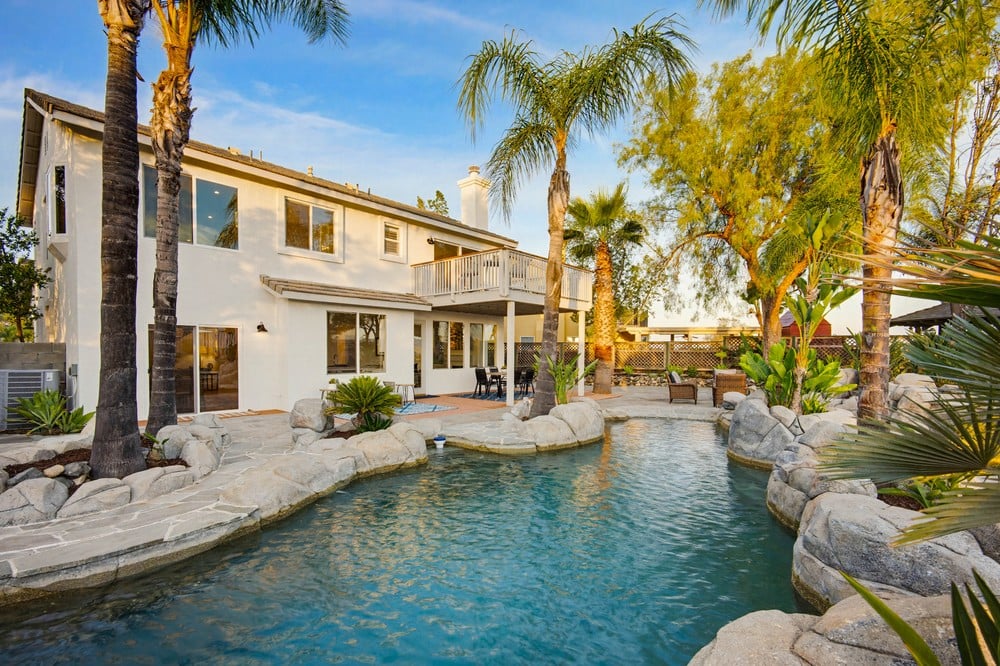
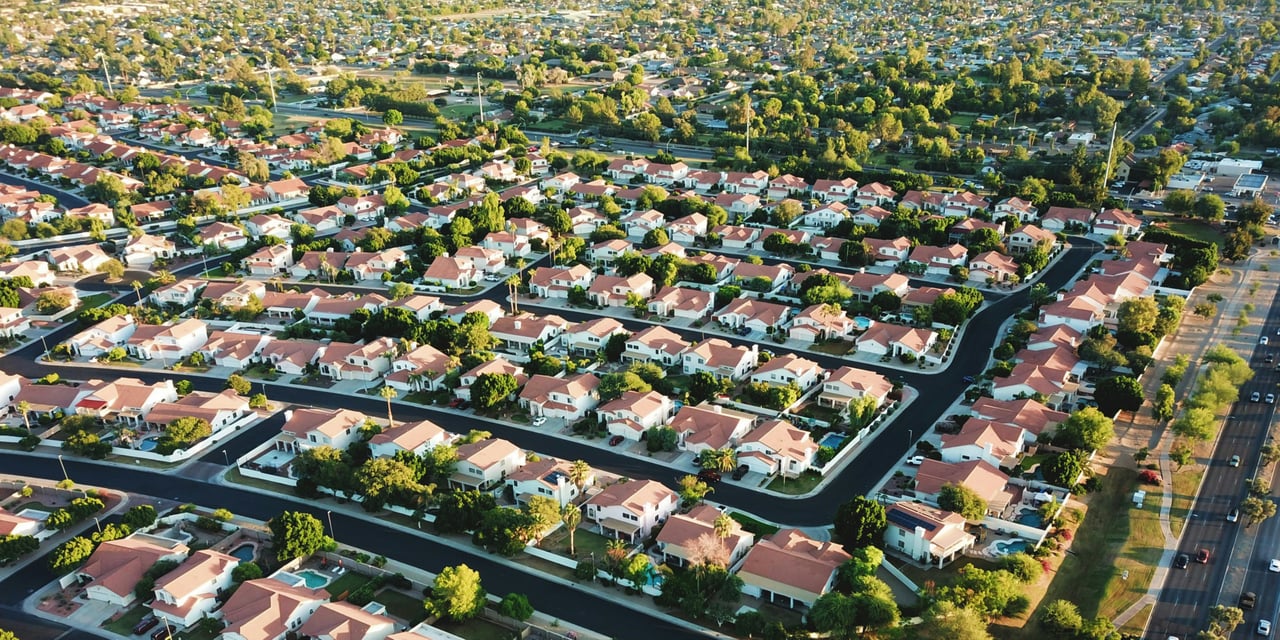
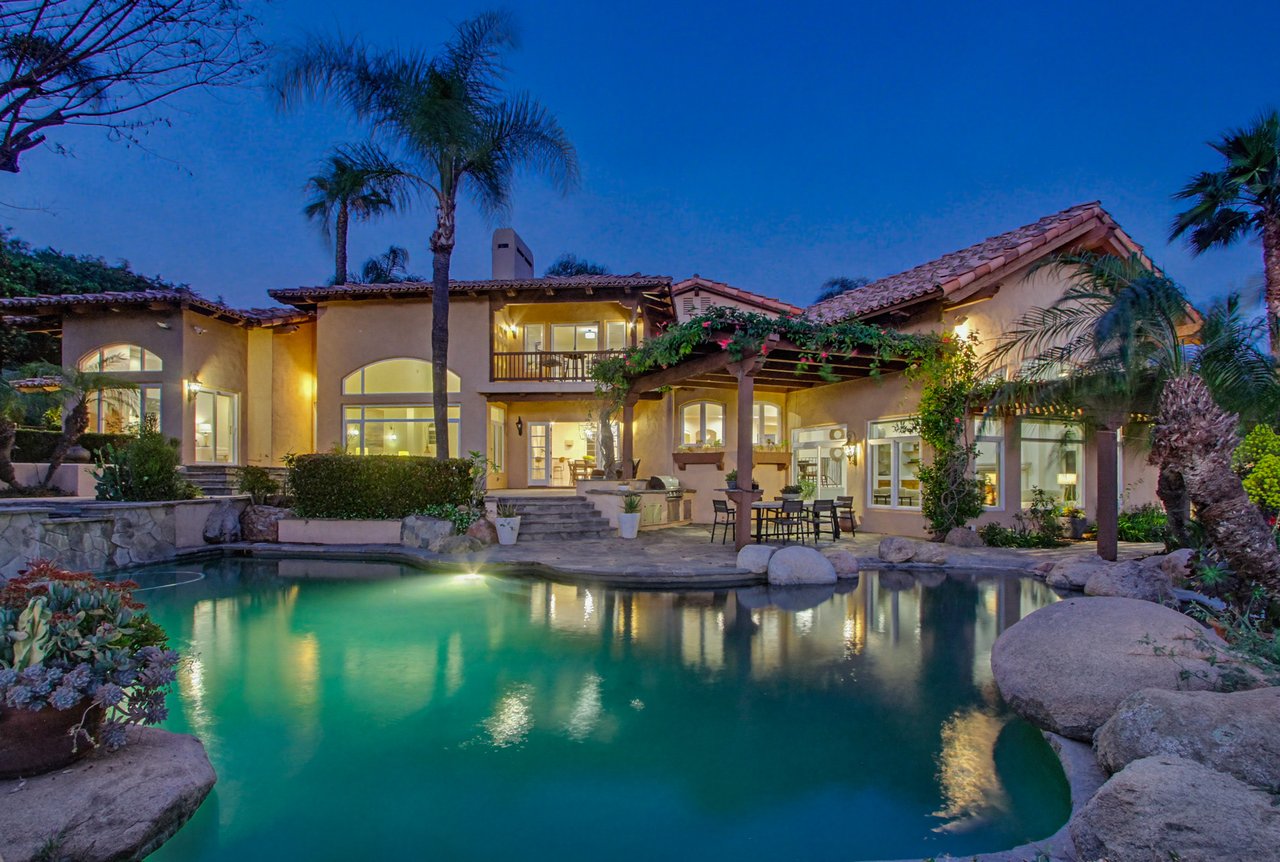
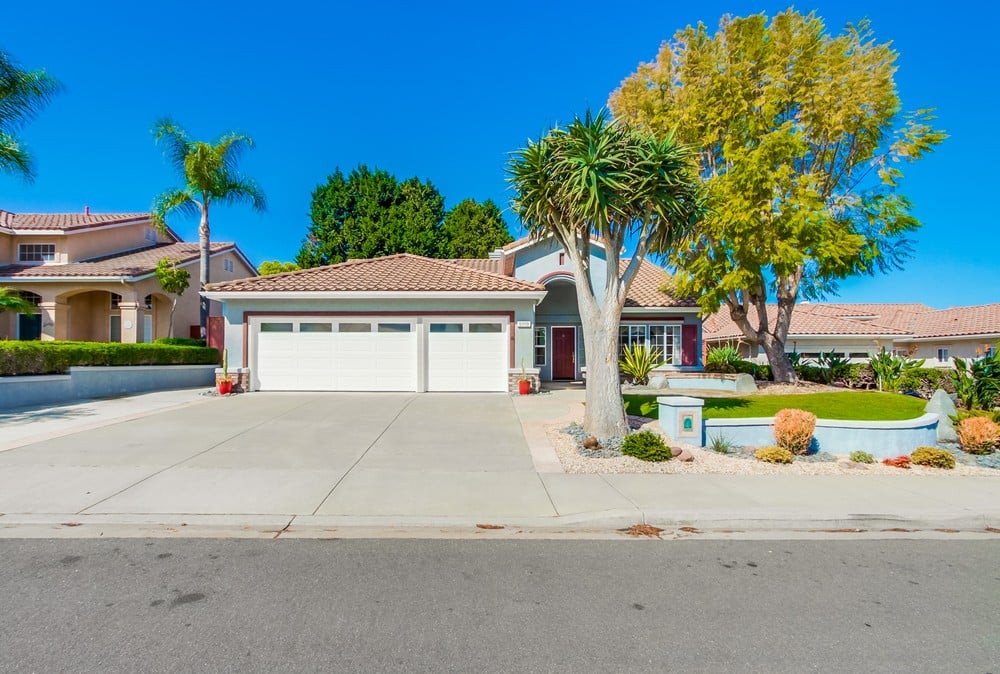
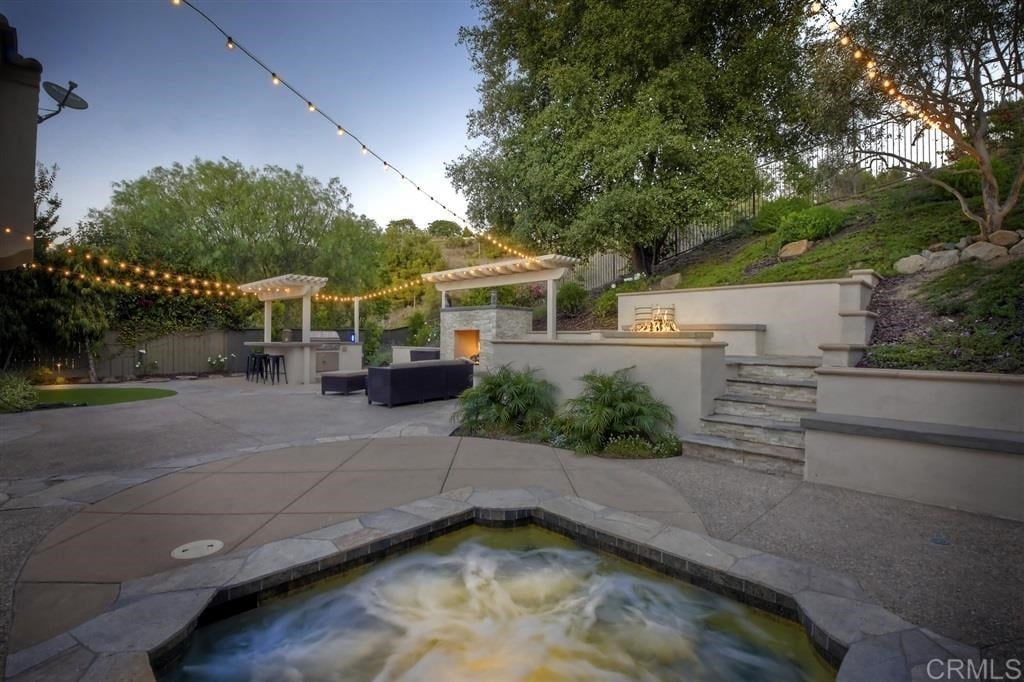
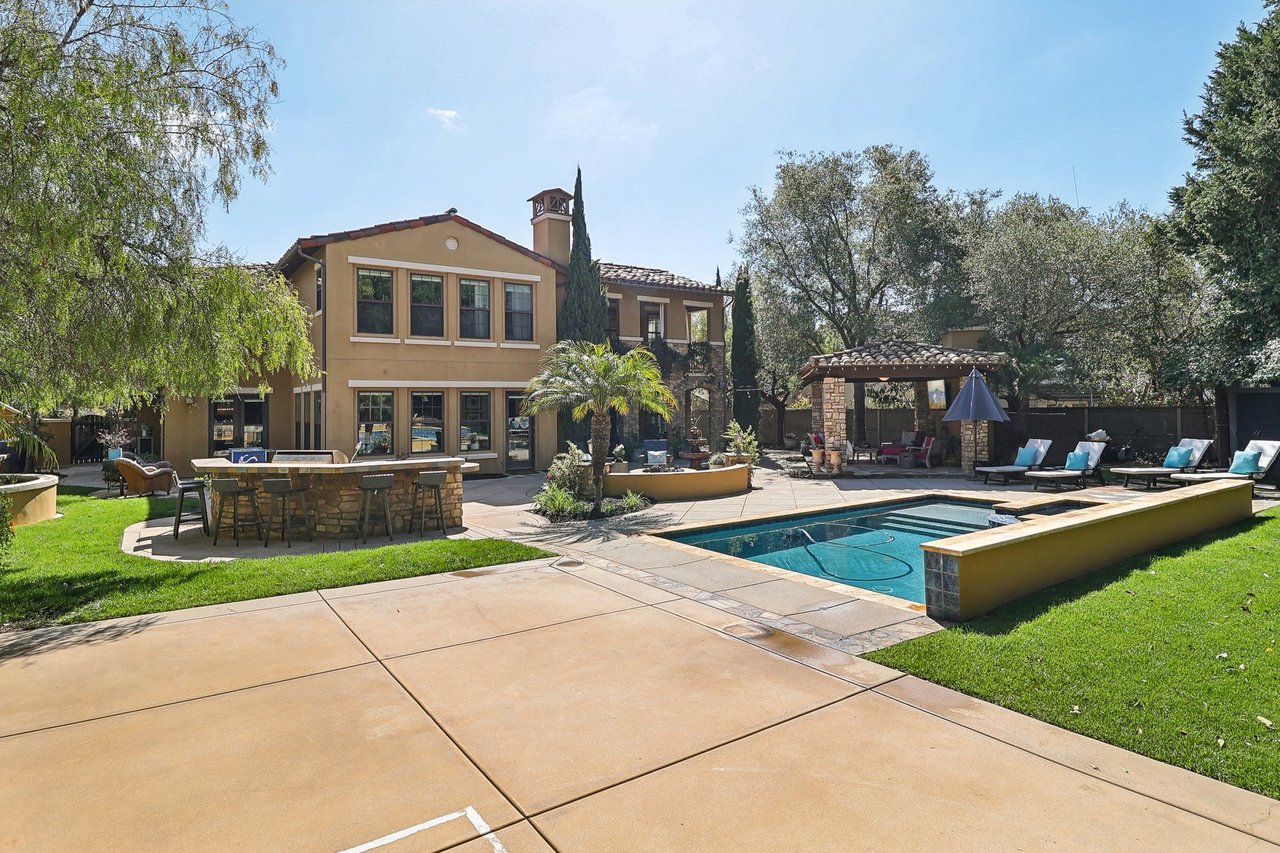
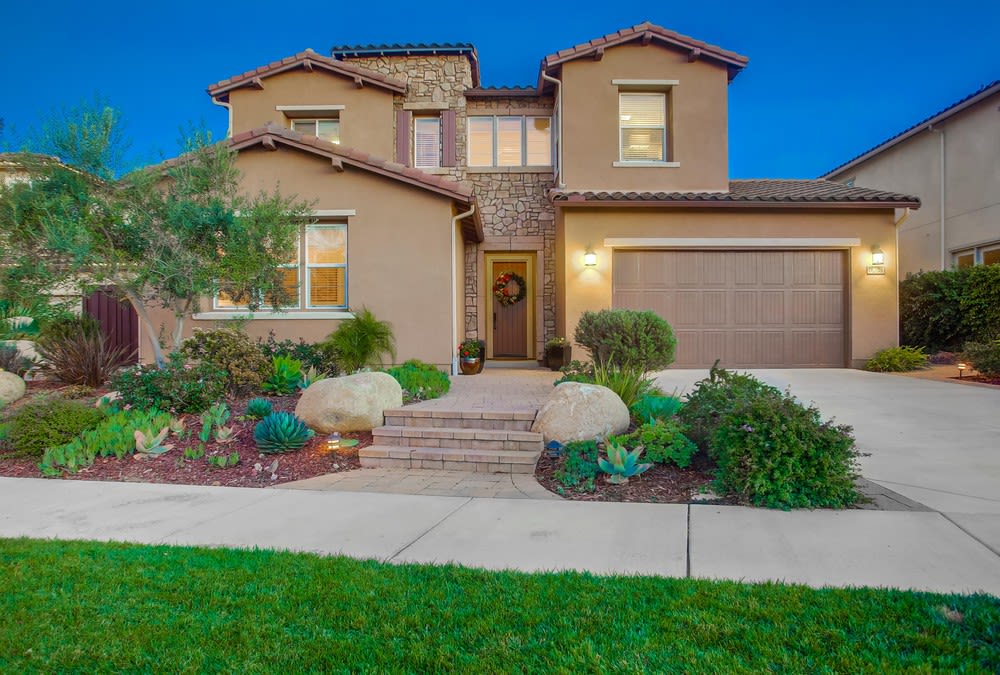
Lots are usually larger than those near the beach or village, often reaching quarter-acre or more. Many properties offer generous yards, pools, and garages, which appeal to buyers who want indoor-outdoor space and privacy.
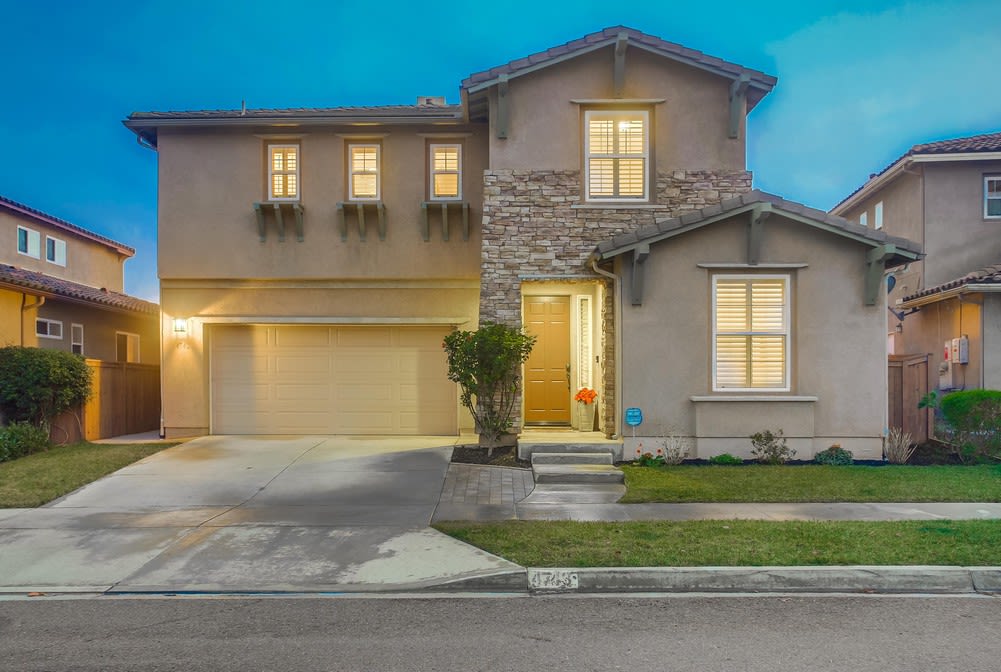
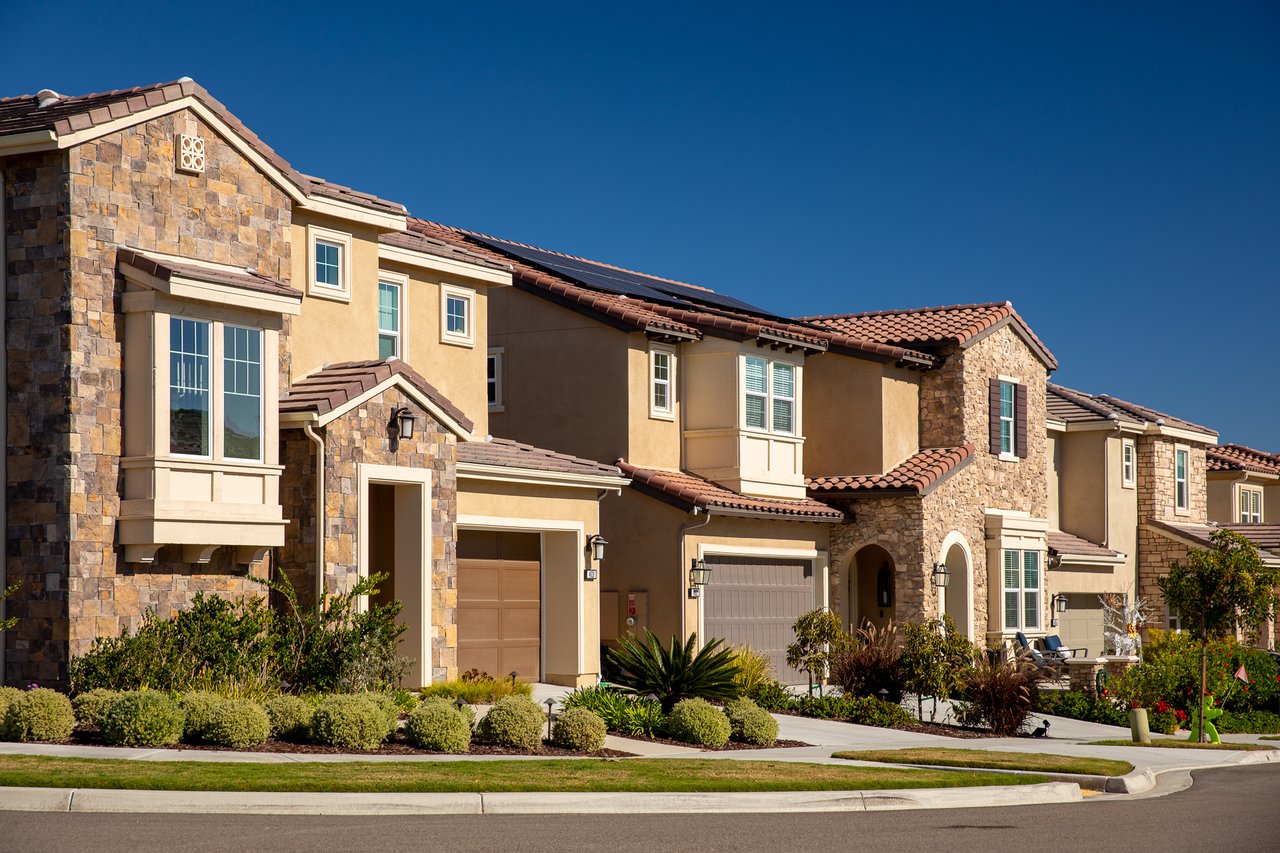
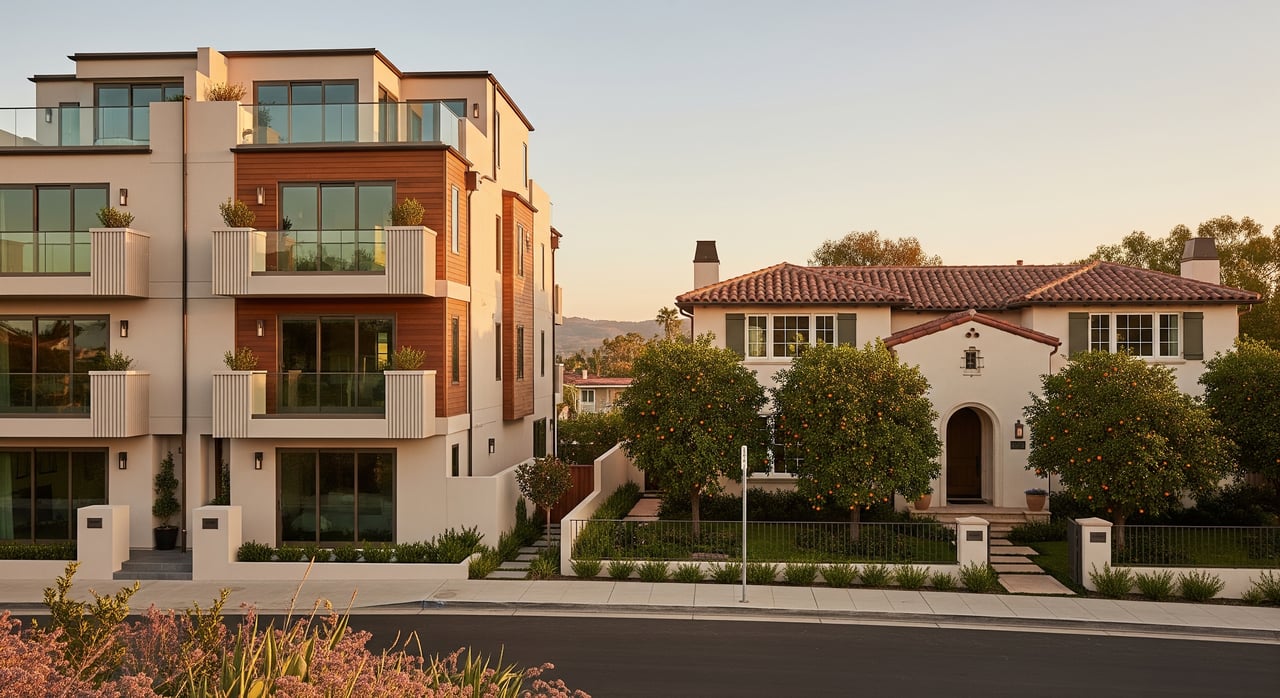
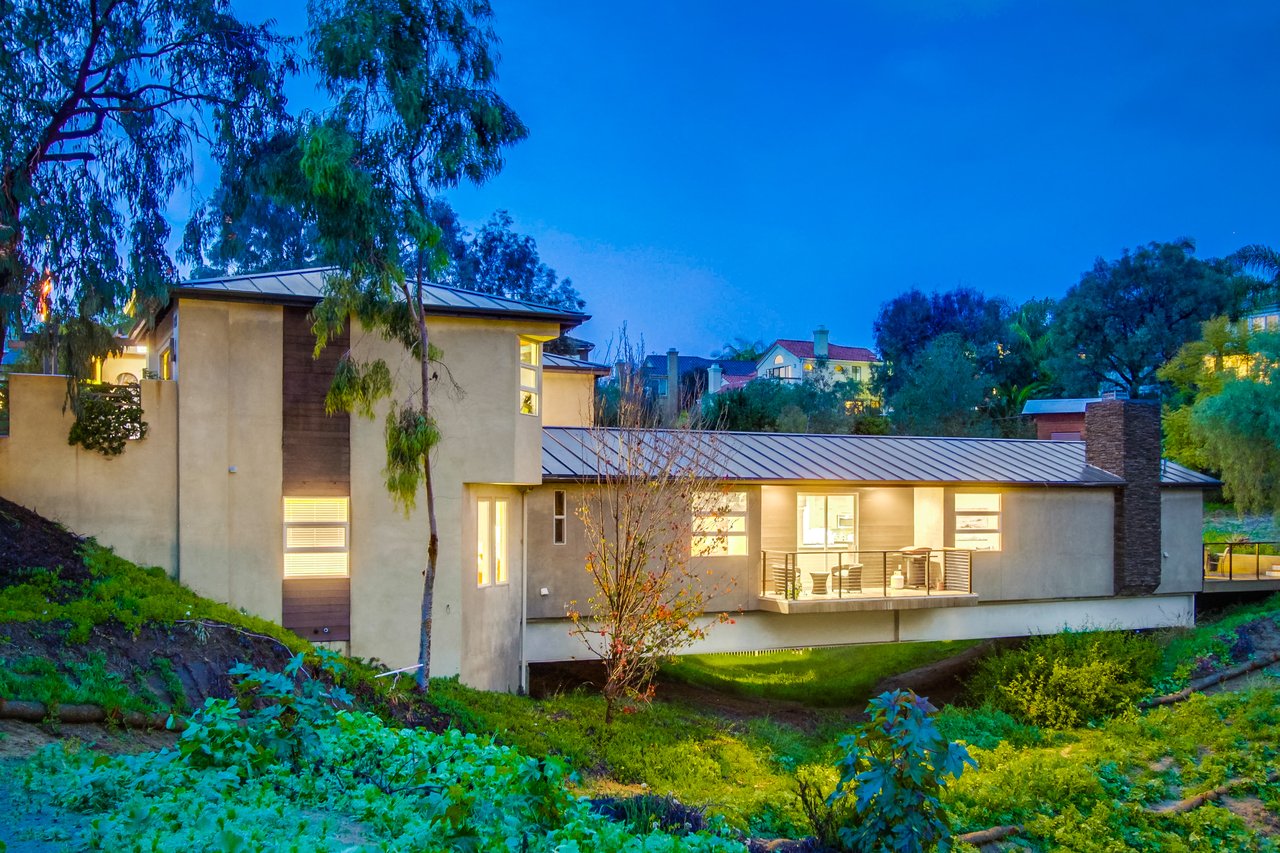
Homes range from mid-century single-story plans to contemporary or Mediterranean-style rebuilds. Larger footprints are common, and many homes prioritize backyard living and functional storage.
Walkability to the beach and village is lower than in Olde Del Mar or the Beach Colony. Most trips are a short drive or bike ride, though some pockets closer to Camino Del Mar are more walkable. For commuters, proximity to freeways is a plus.
Value here is about more house and land for the dollar compared with beachfront areas. You will have less exposure to bluff-related issues, though some parcels face hillside slope constraints and view-protection considerations, and city design rules still apply.
Quick-fit checklist: find your match
Use this simple guide to narrow your focus:
- Want immediate sand access and daily sunset views? Choose Beach Colony.
- Want cafes, shops, and beach paths at your doorstep with village character? Choose Olde Del Mar.
- Want larger lots, more bedrooms, yards, and easier freeway access? Choose Del Mar Heights.
If more than one area fits, tour them back-to-back to compare feel, street activity, and micro-location differences block by block.
Regulations and hazards to know
Del Mar is inside California’s Coastal Zone. Many bluff and shoreline projects require coastal development review, and certain cases will also involve the California Coastal Commission. Expect geotechnical, drainage, and bluff stability studies for bluff-edge properties.
Natural hazards are a core part of due diligence. Bluff erosion, bluff retreat, and potential sea-level rise affect long-term planning near the coast. Flood and coastal hazard exposure can influence mortgage underwriting, insurance availability, and premiums. Buyers should review applicable flood maps and obtain site-specific disclosures during escrow.
Short-term rental rules are set at the city level and can change. If you plan to rent, confirm the current municipal ordinance and registration requirements before you buy. In and around the Village, the Del Mar Fairgrounds hosts the fair and race season, which brings seasonal traffic and parking impacts. For many residents, the events are part of the local charm, but it is smart to understand how the calendar aligns with your lifestyle.
Historic character, especially in Olde Del Mar, is actively preserved. Design review processes and neighborhood guidelines may affect exterior changes and rebuilds. Planning early with the city can clarify what is feasible for your property.
Buyer due-diligence checklist
Work through these steps with your agent before you write an offer or during your contingency period:
- Confirm the exact distance and walking route to the beach and to the Village, and identify public beach access points.
- Verify whether the property sits on or near a bluff or hillside and order a geotechnical or soil report if indicated.
- Review lot dimensions, buildable area, and setbacks. Small coastal parcels can limit additions or yard plans.
- Check local zoning, design standards, and any coastal or shoreline restrictions that may affect a remodel.
- Review applicable flood designations and discuss coastal exposure with your insurance provider.
- Study current and historic photos to understand bluff or slope conditions and any prior shoreline stabilization work.
- Confirm the current short-term rental rules and registration process if you plan to rent the home.
- Ask your agent to compare recent sales and days on market by micro-area so you understand relative pricing and competition.
- Verify which public school districts serve the address and confirm boundaries for the parcel with the district.
What this means for your search
In Del Mar, the right choice depends on what you value most day to day. If you want the beach as your backyard and you are comfortable with tighter lots and added coastal permitting, the Beach Colony is unmatched. If your priority is a stroll-to-everything lifestyle with character homes and strong village access, Olde Del Mar is for you. If you prefer more space, privacy, and a quick commute, Del Mar Heights delivers with larger lots and suburban comfort.
You do not have to figure it out alone. Our senior-led team lives and works these streets, and we can help you compare micro-locations, arrange specialized inspections, and plan upgrades that fit local rules. From video-first tours for remote buyers to concierge-level preparation and vendor orchestration for sellers, we combine deep neighborhood knowledge with hands-on execution.
Ready to see how the areas differ in person and get a clear plan for your move? Reach out to Klinge Realty for a friendly, no-pressure conversation.
FAQs
What are the main differences between Beach Colony, Olde Del Mar, and Del Mar Heights?
- Beach Colony centers on immediate beach access and views, Olde Del Mar offers walkable village living with historic character, and Del Mar Heights provides larger lots and more privacy inland.
How close are Del Mar homes to the beach, and how do I verify access?
- Proximity varies block by block; confirm the walking route and nearest public beach access points for each property during your tours.
What permits are needed to remodel a bluff-top home in Del Mar?
- Many bluff and shoreline projects require coastal development review, possible California Coastal Commission approvals, and geotechnical studies before work begins.
Are short-term rentals allowed in Del Mar neighborhoods?
- Short-term rental rules are city specific and can change; verify the current municipal ordinance and registration steps before buying with rental plans.
Which public schools serve Del Mar addresses?
- Del Mar is typically served by the Del Mar Union School District for elementary and San Dieguito Union High School District for secondary, but always confirm exact boundaries for the parcel.
How do coastal hazards affect insurance and lending in Del Mar?
- Bluff erosion, flood exposure, and future sea-level rise can affect mortgage underwriting and insurance availability or premiums; consult your lender and insurer early in the process.
Do events at the Del Mar Fairgrounds impact daily life near the Village?
- During the fair and race seasons, nearby streets can experience increased traffic and parking; many residents plan errands and parking with the event calendar in mind.