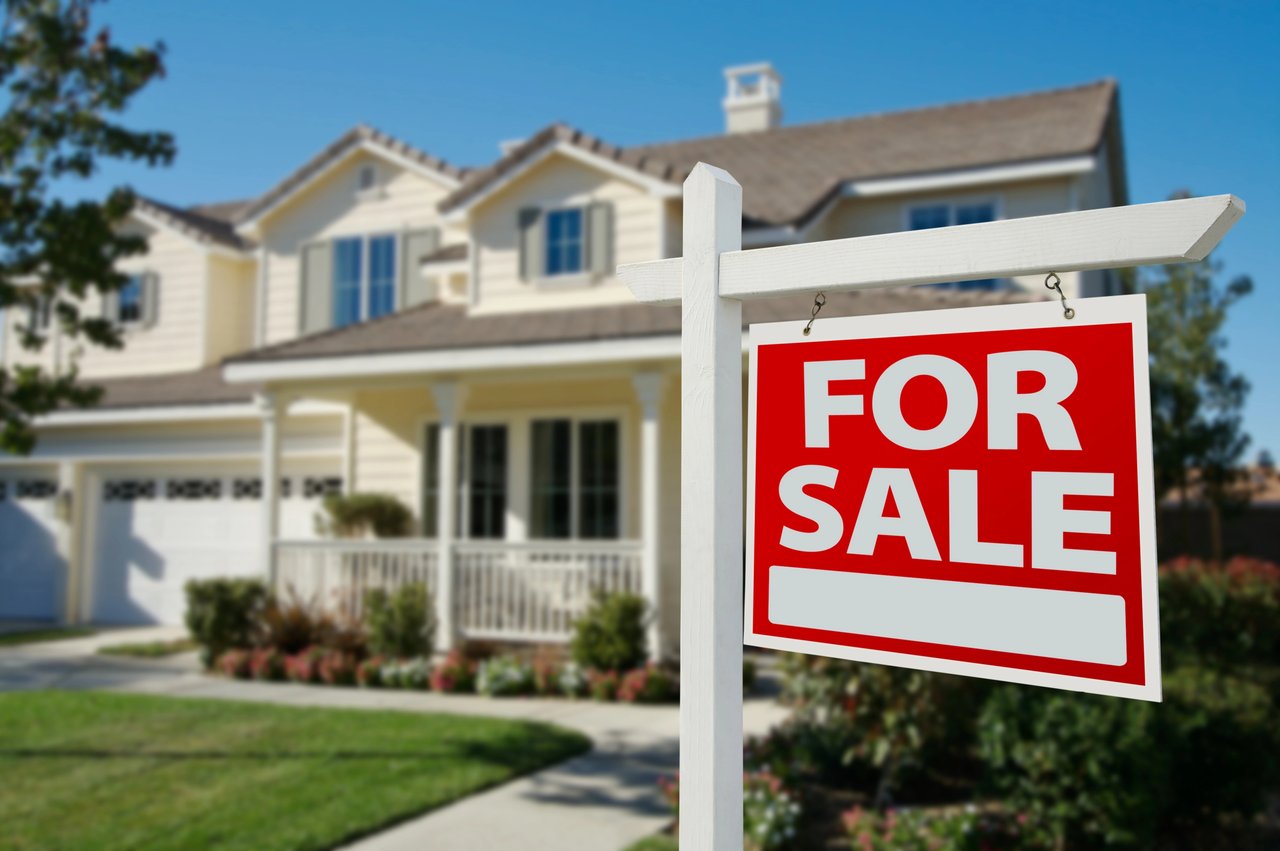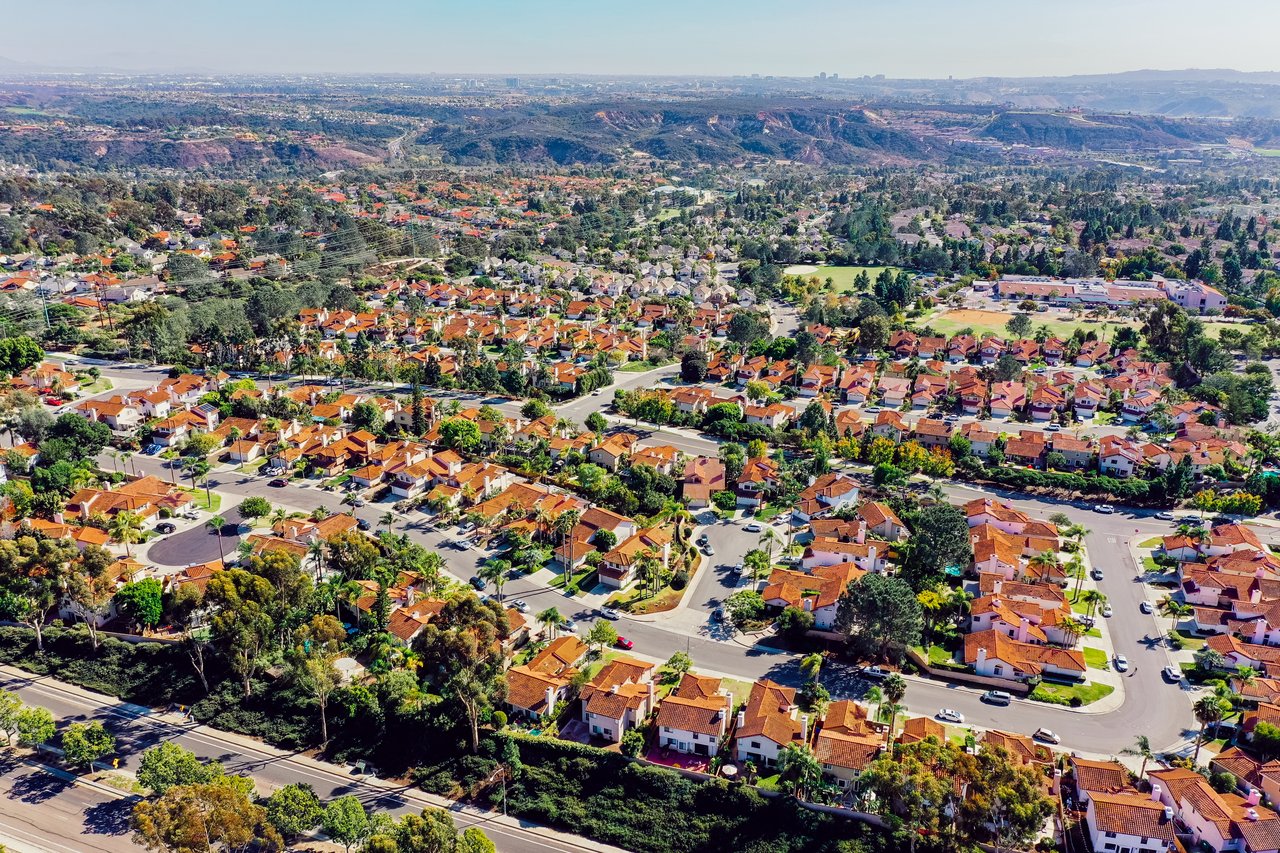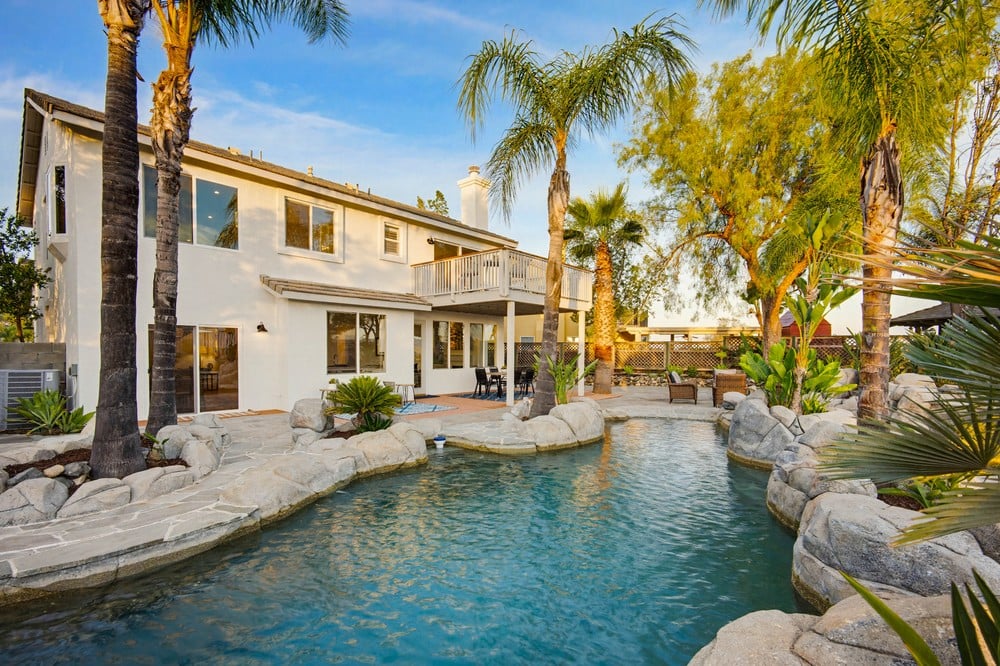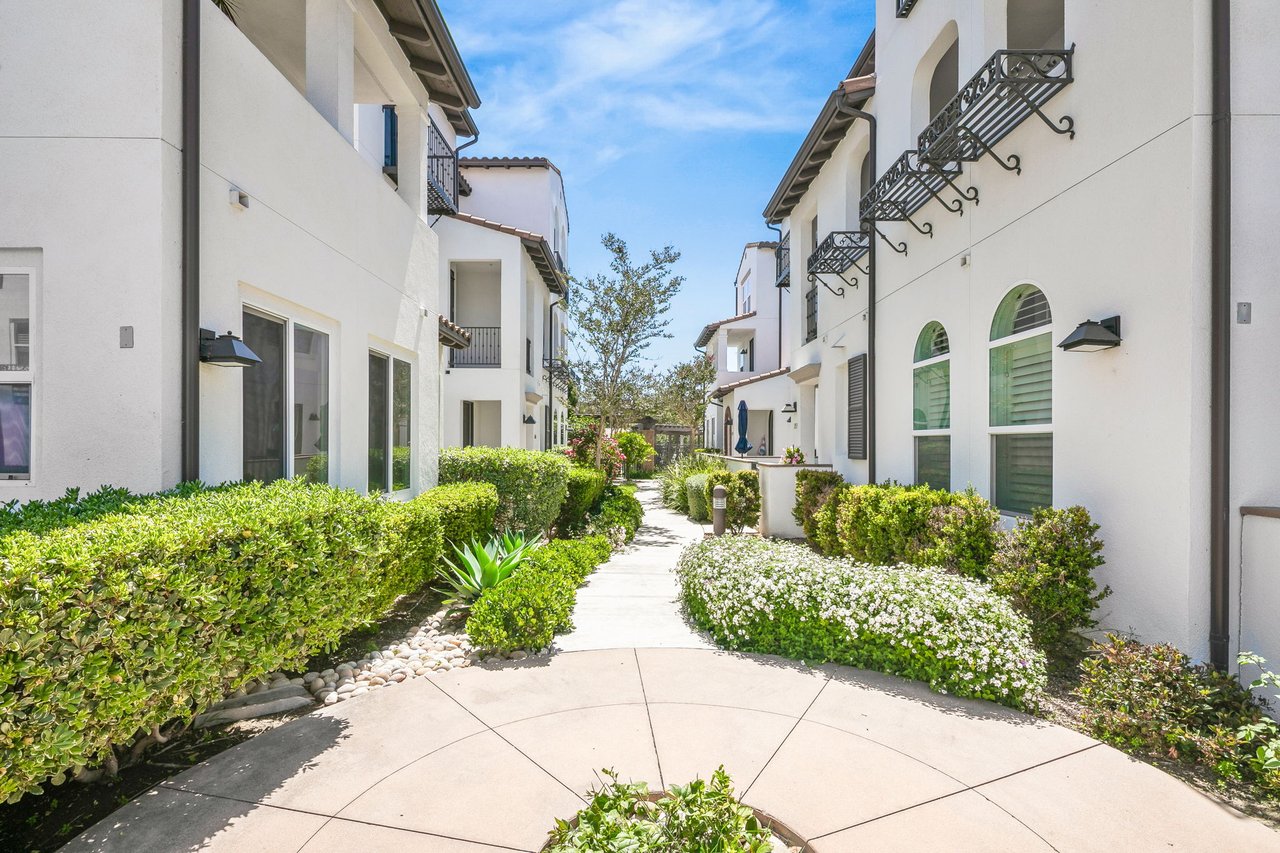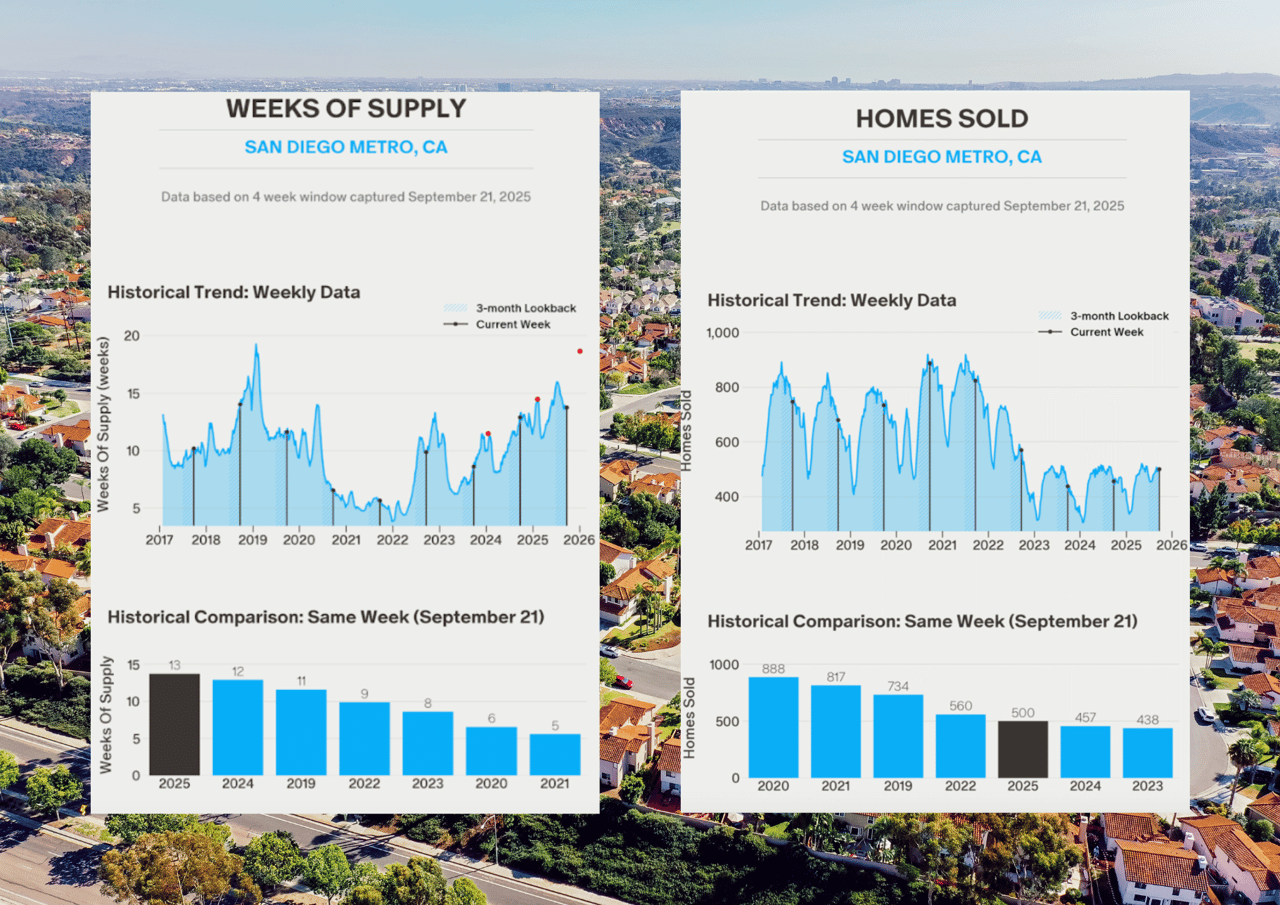
How do sellers maximize sale price in today’s market? By anticipating the real buyer behavior, creating early demand, and negotiating from a position of strength, not by guessing, waiting, or relying on outdated rules of thumb.
This post answers the most common questions home sellers ask when they want to maximize sale price in today’s market. The answers are based on how buyers actually behave, how negotiations really unfold, and what consistently produces strong outcomes, especially when conditions are uncertain.
If you are looking for theory, this is not it. If you want to understand what moves buyers and protects leverage, you are in the right place.
This page is about positioning your home the way buyers see it, responding to real-time feedback, and making decisions that protect price rather than chase it.
FAQs for Sellers Who Want to Maximize Sales Price
Here are five sections of FAQs with red flags for each:
Pricing and Market Strategy
How do I know the right listing price for my home?
The right price reflects buyer behavior first, then comparable sales, condition, location, and presentation. Price too high and buyers will not engage. Price too low and you risk leaving money on the table.
Should I price slightly below market to create a bidding war?
Only when demand is strong and buyers are actively competing. In softer markets, this approach can backfire and cap your upside.
How much do comparable sales really matter?
They matter as reference points, not guarantees. Comparable sales lag the market and do not account for timing, presentation, or buyer urgency. The active and pending listings provide real-time price discovery – rely on those more.
Can a highball listing actually hurt me?
Yes. Overpricing reduces early interest, increases days on market, and weakens negotiating leverage later.
How do market trends affect the timing of my sale?
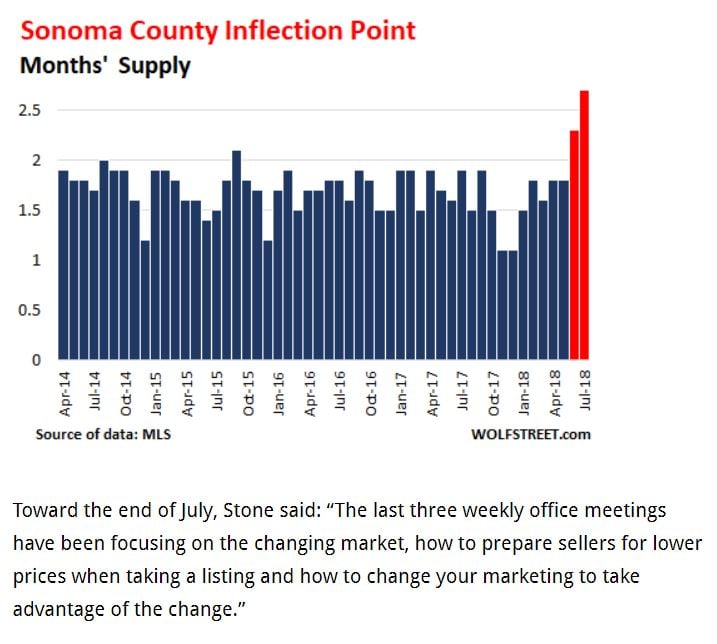
Rising inventory, slowing demand, and buyer hesitation all affect how aggressively you should price and negotiate.
Is it better to sell fast or wait for a better market?
Selling with momentum usually produces better outcomes than waiting for a perfect market that may never arrive.
Should I adjust my price if I do not get offers immediately?
Yes, especially if there are few or no showings (which means your price is probably 10% too high).
How do days on market influence buyer perception?
The longer a home sits, the more that buyers assume something is wrong, especially with the price. Lingering invites lowball offers.
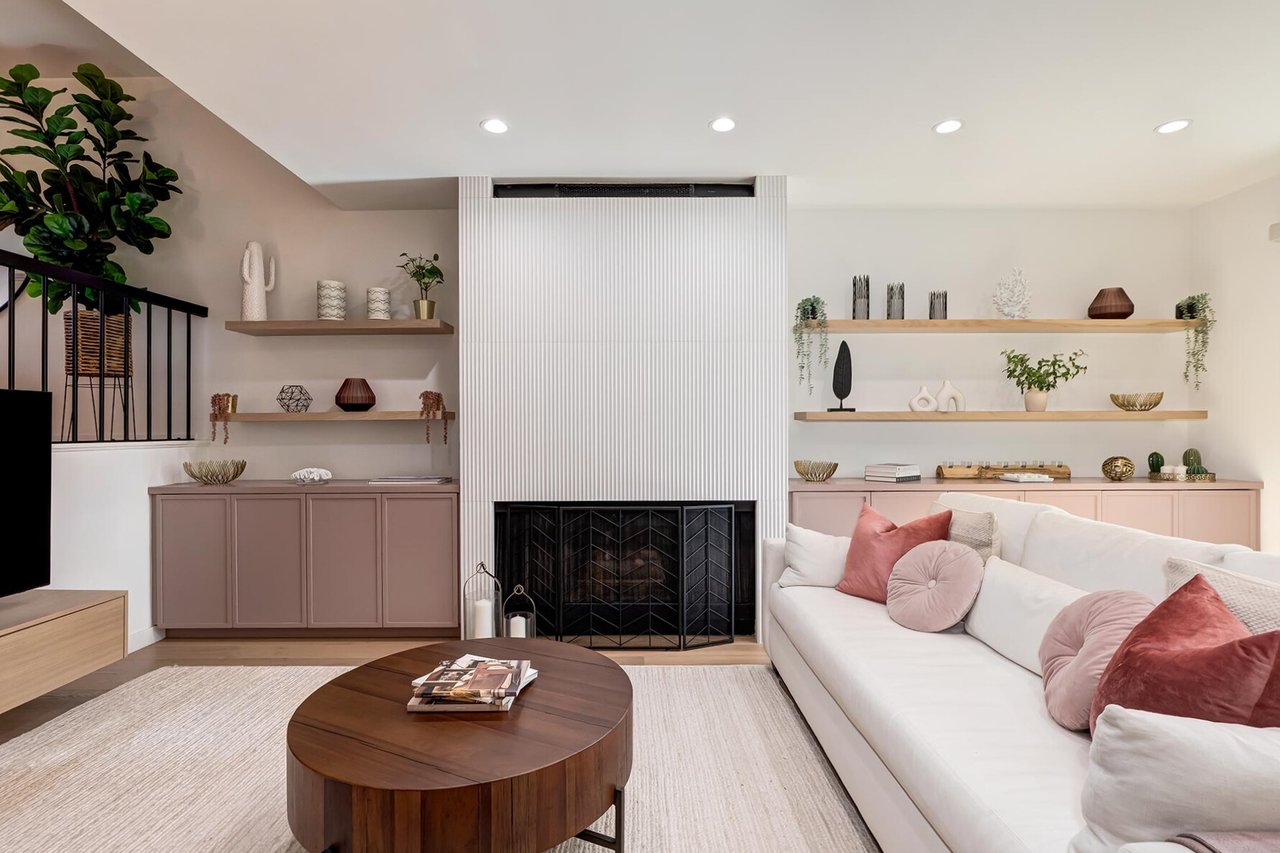
Does staging really impact the sale price?
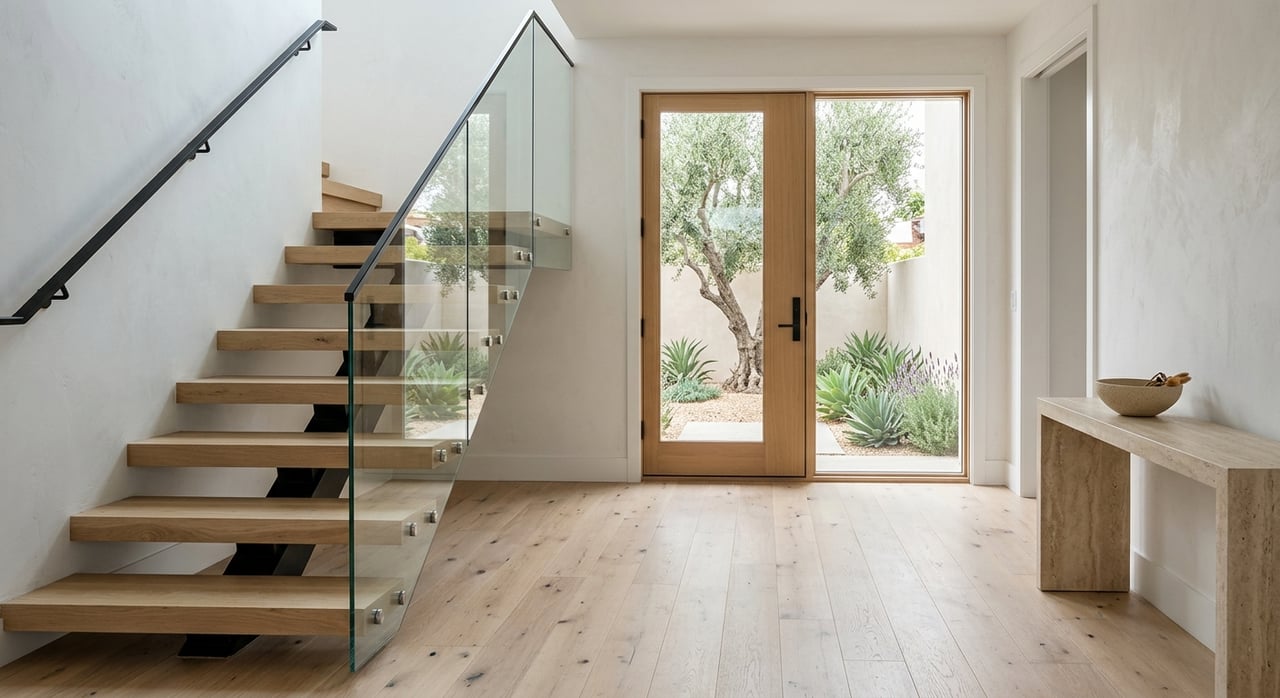
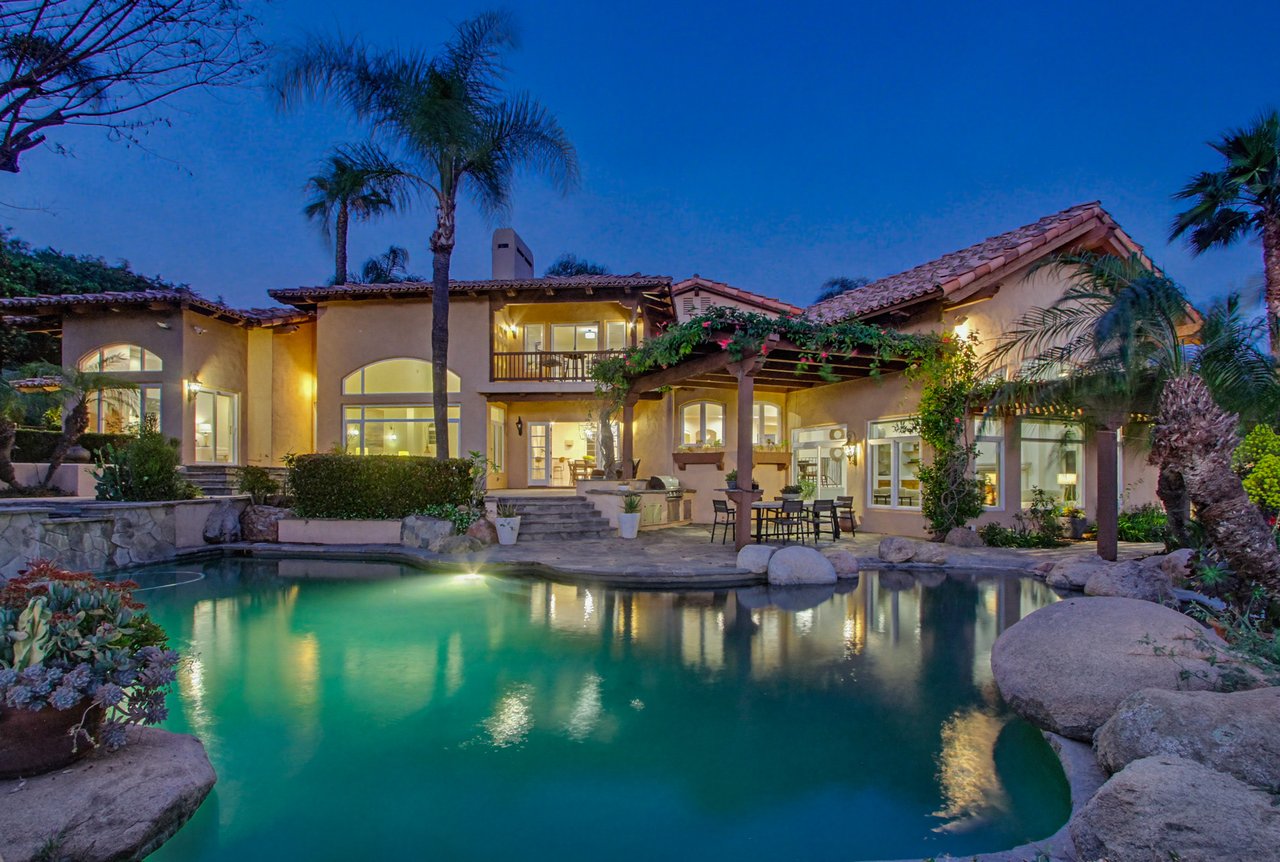
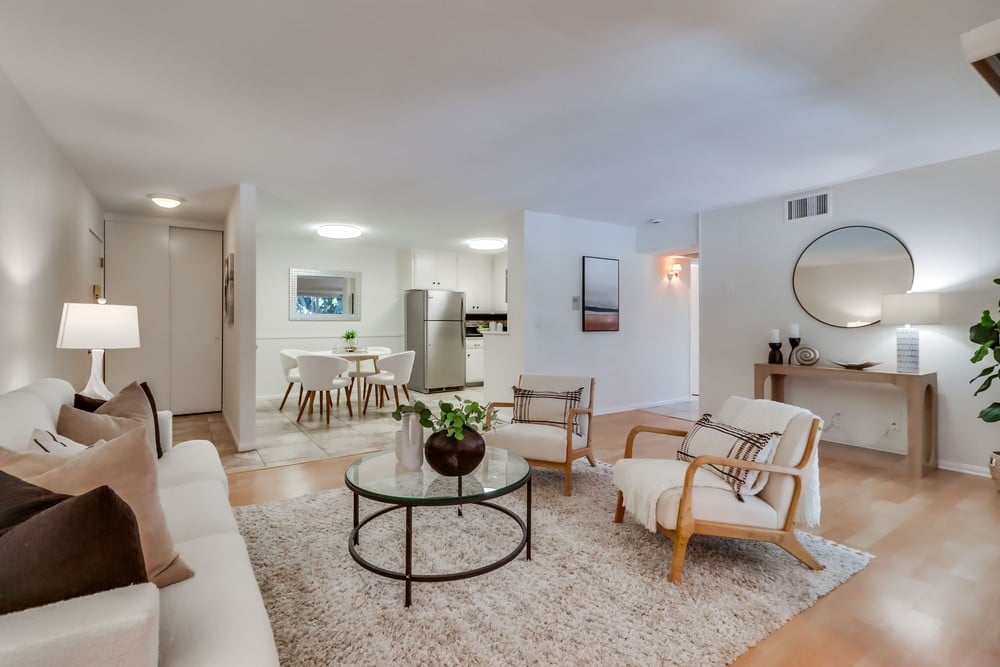
Yes. Staging improves emotional response twice: once online and again when buyers see the home in person. It is especially effective in higher-end properties.
What is the impact of professional photography on my sale?
Most buyers decide whether to tour a home within 4 to 7 seconds after seeing photos.
Pricing and Market Strategy Red Flags
- Pricing based on what you need instead of what buyers are doing.
- Trying to “see what happens” with a high price as a strategy.
- Ignoring early buyer feedback because “the right buyer hasn’t come yet.”
- Treating comparable sales as guarantees instead of historical data.
- Waiting for the market to improve without a plan.
- Assuming low inventory automatically means strong demand.
- Believing days on market do not matter.
- Refusing to adjust after weak early response.
If buyers do not engage early, the market has spoken. Don’t chase it down.
Price is not just a number. It is a message to buyers on what the sellers expect.
Buyer Behavior and Psychology
What motivates buyers to act quickly?
Clarity, confidence, and the sense that they are making a smart decision.
How do I appeal to emotional buyers without overpricing?
Create desire through presentation, not inflated numbers.
How much do small upgrades influence a buyer’s perception?
More than most sellers expect. Paint, lighting, and landscaping often outperform expensive remodels.
Should I remove personal items to make the home more appealing?
Yes. Buyers need to picture their life there, not yours.
How does curb appeal affect first impressions?
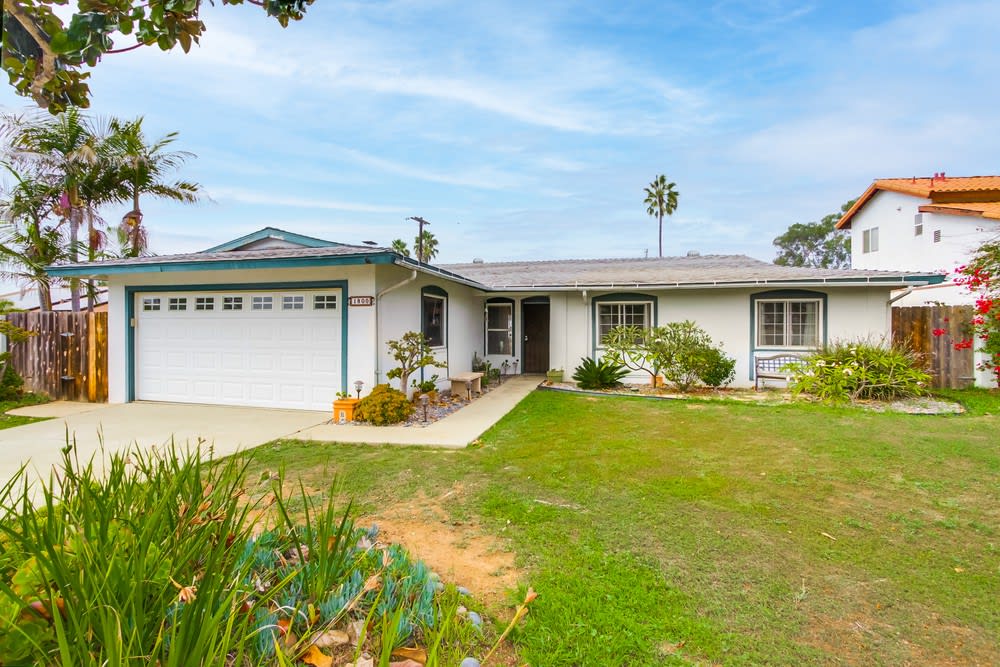
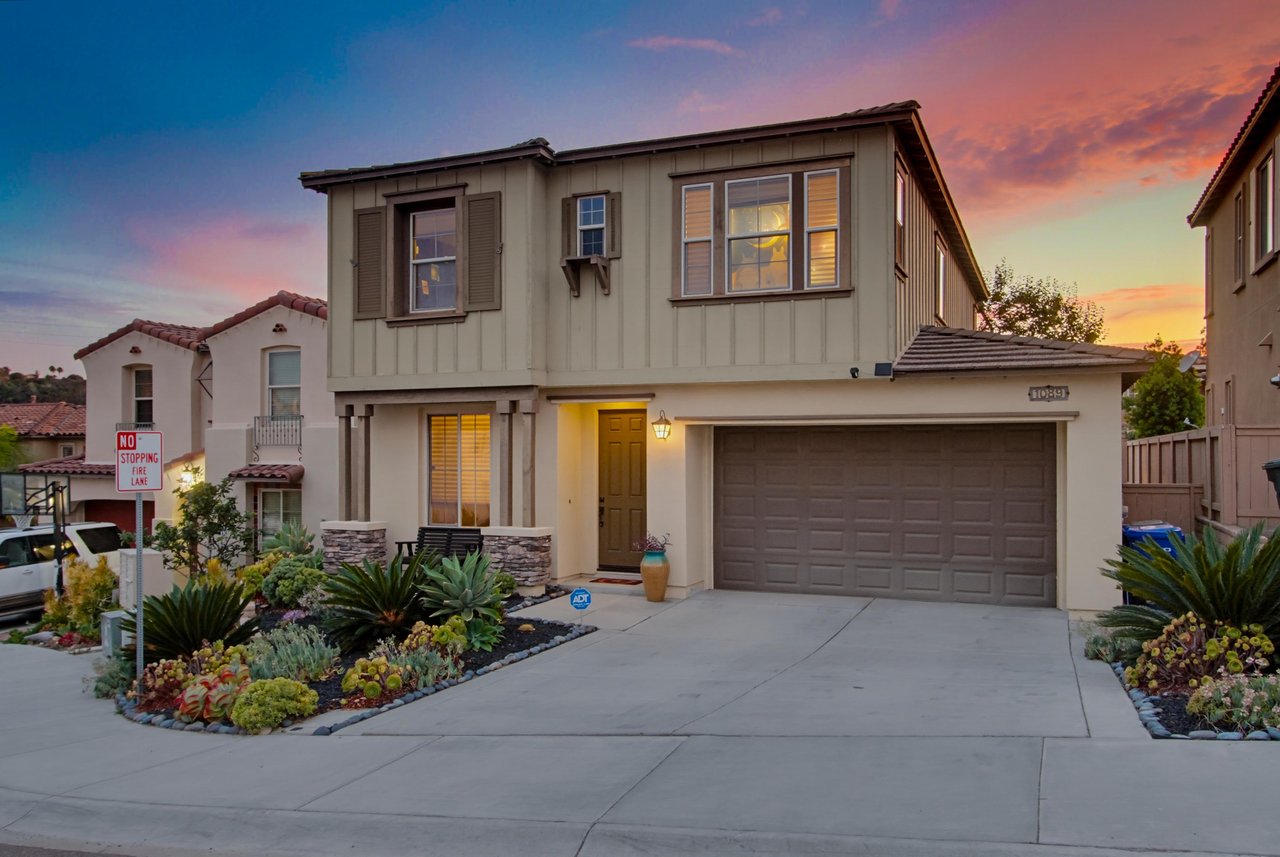
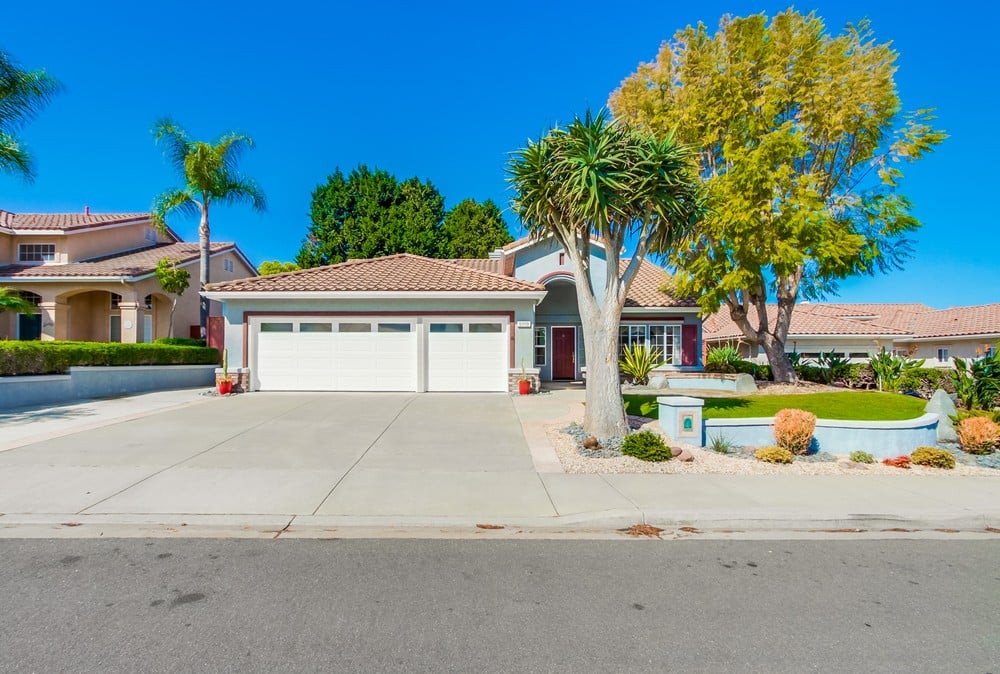
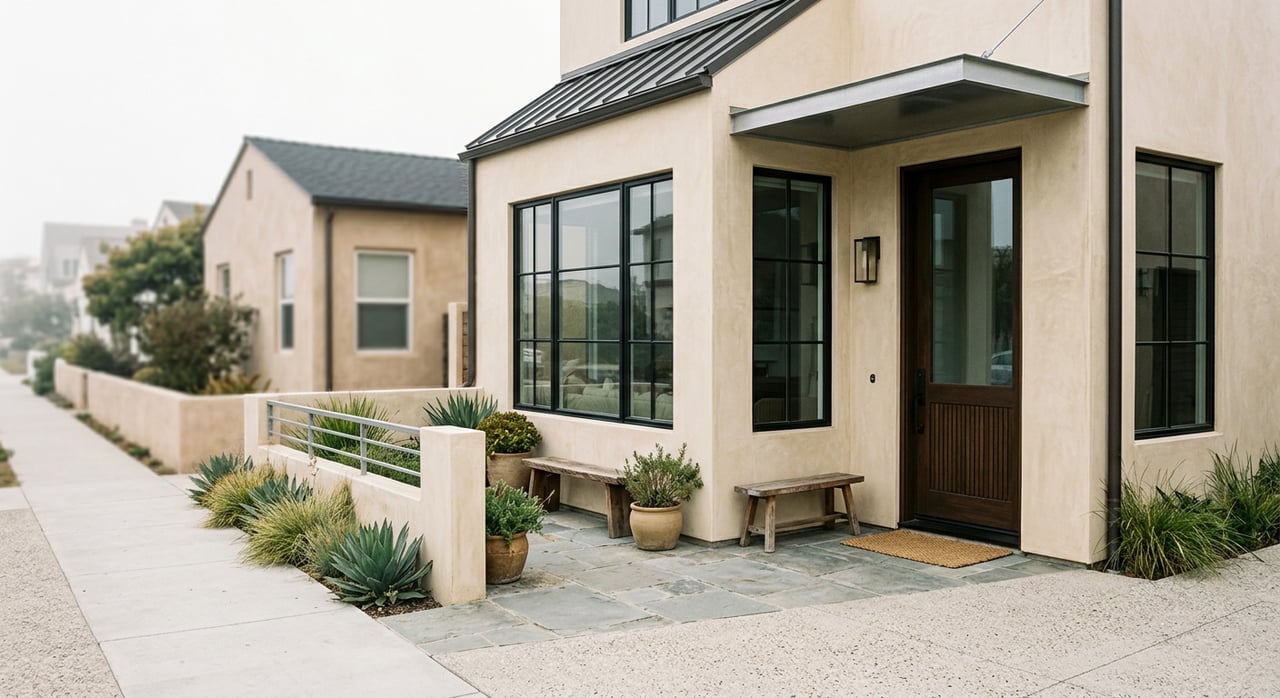
It sets the tone before buyers walk inside. You rarely get a second chance.
Do buyers react differently in slow markets versus hot markets?
Absolutely. In slower markets, buyers are cautious and selective. Strategy must adjust.
How do I handle multiple offers strategically?
Evaluate price, terms, contingencies, timing, and buyer strength. Give all buyers a chance to re-bid and create a controlled, competitive process.
Should I respond to lowball offers or ignore them?
Respond thoughtfully – you may need them later. Low offers often signal interest and reveal negotiating room.
How do I read a buyer’s motivation during negotiations?
Watch deadlines, contingencies, responsiveness, and urgency.
Are there subtle ways to create urgency without pressure?
Yes. Let clarity, activity, and pricing do the work, not artificial deadlines.
Buyer Behavior and Psychology Red Flags
- Assuming buyers will fall in love regardless of price.
- Overvaluing emotional attachment buyers do not share.
- Leaving clutter because buyers “can imagine past it.”
- Underestimating how quickly buyers form opinions.
- Treating low offers as insults instead of information.
- Ignoring buyer caution in slower markets.
- Assuming multiple showings mean multiple offers.
- Trying to manufacture urgency without real demand.
Buyers move when they feel confident, not pressured. Buyers do not pay more when they are emotional; they pay more when they feel safe.
Negotiation and Offers
How much room should I leave for negotiation?
Enough to stay flexible, but not so much that buyers question your confidence.
When is it worth holding firm on price?
Only when demand is real and supported by buyer activity, not assumptions.
How do buyer contingencies affect my leverage?
Fewer contingencies mean fewer ways deals fall apart or get renegotiated.
Should I counteroffer immediately or wait?
Don’t wait more than a day later – buyers cool off quicxkly. In multiple-offer situations, counter all buyers the same day and invite highest-and-best responses.
How do I avoid negotiating against myself?
Do not concede before the buyer asks. Silence is often a negotiating tool. He who speaks first, loses.
When is it better to accept a slightly lower offer?
When certainty, timing, or buyer strength outweigh marginal price differences, often after the first few weeks on the market.
How can I use inspection results strategically?
Address legitimate issues without reopening the entire deal. Credits often work better than repairs.
What are the risks of multiple offers?
Choosing the wrong buyer, overestimating demand, or pushing too hard and losing leverage.
How do appraisal results impact negotiations?
They affect financing. Pricing strategy should anticipate appraisal realities.
Should I disclose defects upfront or wait for inspections?
Upfront. Disclosure builds trust and prevents larger problems later.
Negotiation and Offer Red Flags
- Focusing only on price and ignoring terms.
- Negotiating emotionally instead of strategically.
- Countering too aggressively and killing momentum.
- Making concessions before the buyer asks.
- Assuming the highest offer is always the best offer.
- Misreading buyer readiness.
- Overplaying leverage that does not exist.
- Letting pride override deal structure.
Negotiation rewards clarity, not ego. Leverage comes from options, not attitude.
Marketing and Exposure
What marketing channels yield the best buyer traffic?
High-quality online listings, agent networks, and targeted outreach outperform mass advertising.
Should I host open houses or private showings only?
Private showings often lead to more serious conversations. Open houses can attract unrepresented buyers.
How much does online listing quality matter?
Everything. Weak presentations get skipped instantly and can cost 5 to 10 percent on price.
Is social media marketing effective for higher-end homes?
Only when targeted correctly. Broad exposure rarely converts.
How important is my listing description versus visuals?
Photos earn attention. Words build confidence.
Should I highlight upgrades or let buyers discover them?
Highlight what matters without overselling.
Does timing of listing photos affect engagement?
Yes. Fresh listings perform best, especially with strong natural light.
How can I make my property stand out in a crowded market?
Clear positioning and attractive pricing beat gimmicks every time.
Should I target investors or end-users?
Target the buyer most likely to pay the highest price. For single-family homes, it will be the end-users.
How often should I refresh marketing efforts if the home does not sell?
Weekly. Stale listings lose credibility.
Marketing and Exposure Red Flags
- Weak photography.
- Generic descriptions.
- Overreliance on open houses.
- Assuming exposure equals qualified buyers.
- Letting listings go stale.
- Marketing to everyone instead of the right buyer.
- Failing to refresh messaging.
If value is not obvious immediately, buyers move on.
Preparation and Costs
What repairs or improvements have the best return on investment?
Paint, curb appeal, kitchens, and bathrooms.
Should I remodel or sell as-is?
Only remodel if it improves net proceeds, not just appearance.
How do I know which upgrades buyers care about?
Study local buyer behavior, not national trends. Check what the flippers do.
How much should I spend on staging or landscaping?
Enough to elevate perception without over-investing.
Are pre-inspections worth it?
Often yes. They reduce surprises and increase confidence.
Should I get a pre-appraisal?
It can help frame your pricing expectations – and hopefully the buyer agrees.
How do I calculate realistic net proceeds?
Include commissions, repairs, concessions, and closing costs conservatively.
How much do commissions impact my bottom line?
They matter, but poor pricing and weak strategy cost more. A lot more.
What hidden costs reduce final sale price?
Things that come uo during escrow. Deferred maintenance, inspection surprises, and rushed concessions.
How can I prepare for a smooth transaction?
Be organized, flexible, and realistic from day one. Present the home like a model and show it on demand.
Preparation and Cost Red Flags
- Over-remodeling.
- Skipping small, high-impact fixes.
- Avoiding pre-inspections.
- Underestimating concessions.
- Obsessing over commission instead of net proceeds.
- Assuming defects will not surface.
- Being unprepared for timelines.
- Rushing late decisions.
Uncertainty costs more than preparation. Most price reductions come from avoidable uncertainty and failed hope. Understanding the game helps.
Strong outcomes do not come from guessing right. They come from understanding how buyers and sellers actually behave and positioning the home accordingly.
That is the gap Bubbleinfo.com fills.
Ready to discuss your situation or have a question? You can call or text Jim at 858-997-3801, or email [email protected]