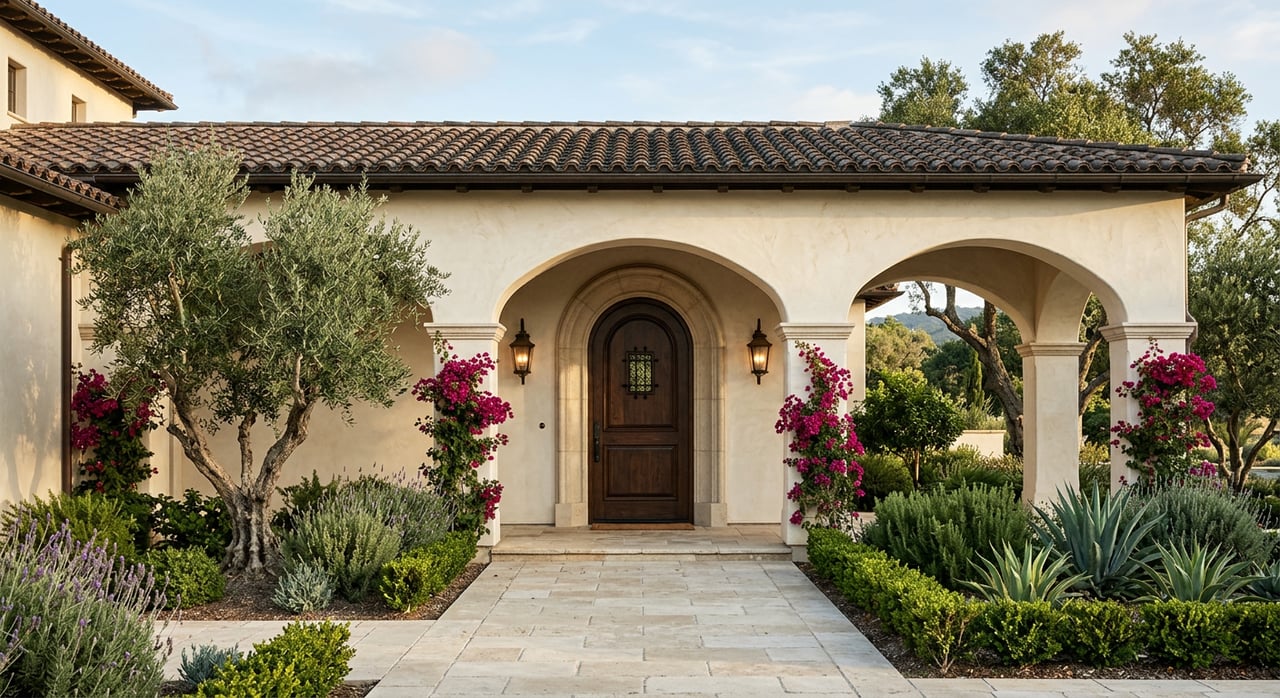
Selling a Rancho Santa Fe estate is different from selling a typical home. Today’s luxury buyers want turnkey condition, privacy, and confidence that the property has been cared for, inside and out. If you are planning to list in the next 6 to 18 months, a smart plan will help you attract stronger offers and a smoother escrow. This guide walks you through what matters now, from disclosures and inspections to equestrian readiness and pricing strategy. Let’s dive in.
What today’s RSF buyers want
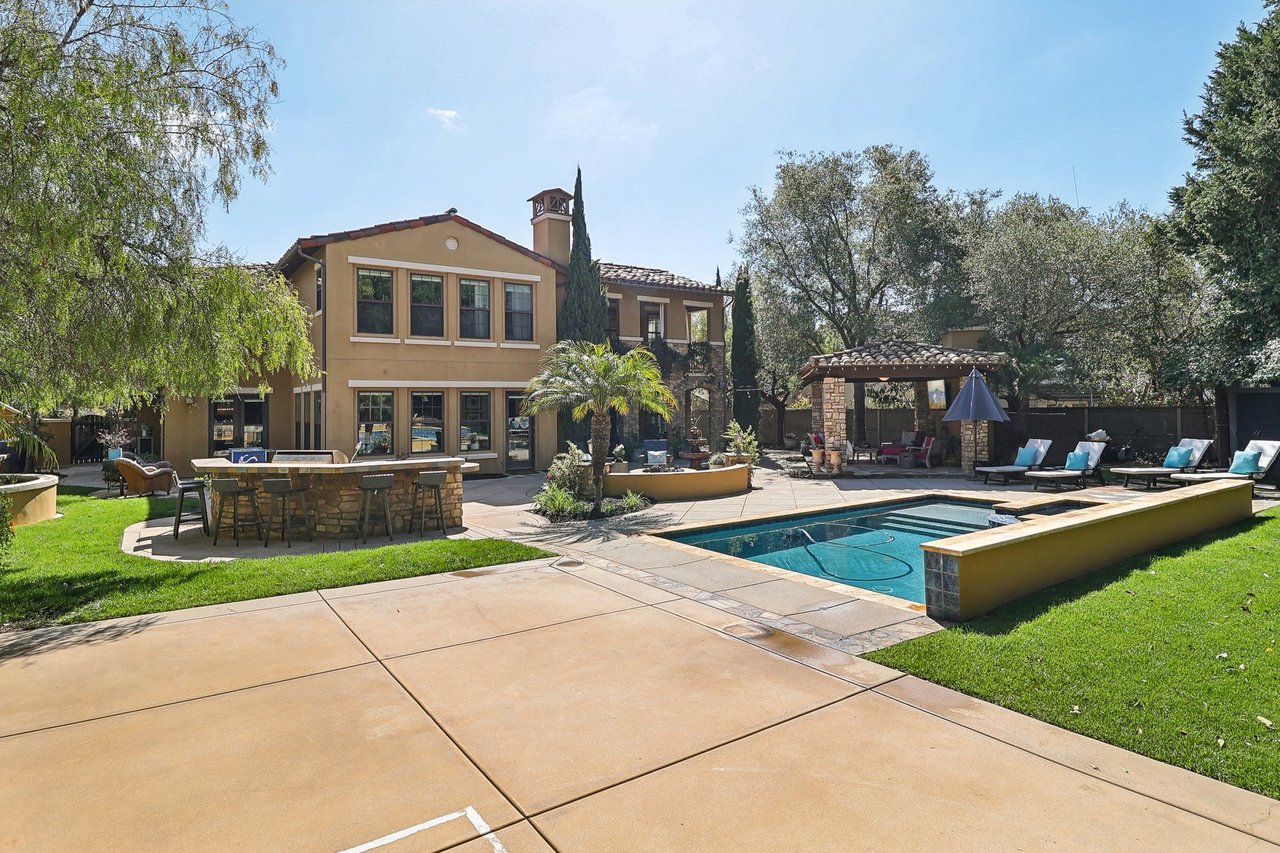
Luxury buyers in Rancho Santa Fe tend to be high net worth and focused on lifestyle. Many value privacy and security, seamless indoor-outdoor living, and equestrian amenities. They increasingly expect smart home and wellness features, turnkey systems, and visible wildfire resilience. A meaningful share of high-end deals can happen off market within broker networks, so preparation and strategic exposure matter as much as presentation.
Market context in Rancho Santa Fe
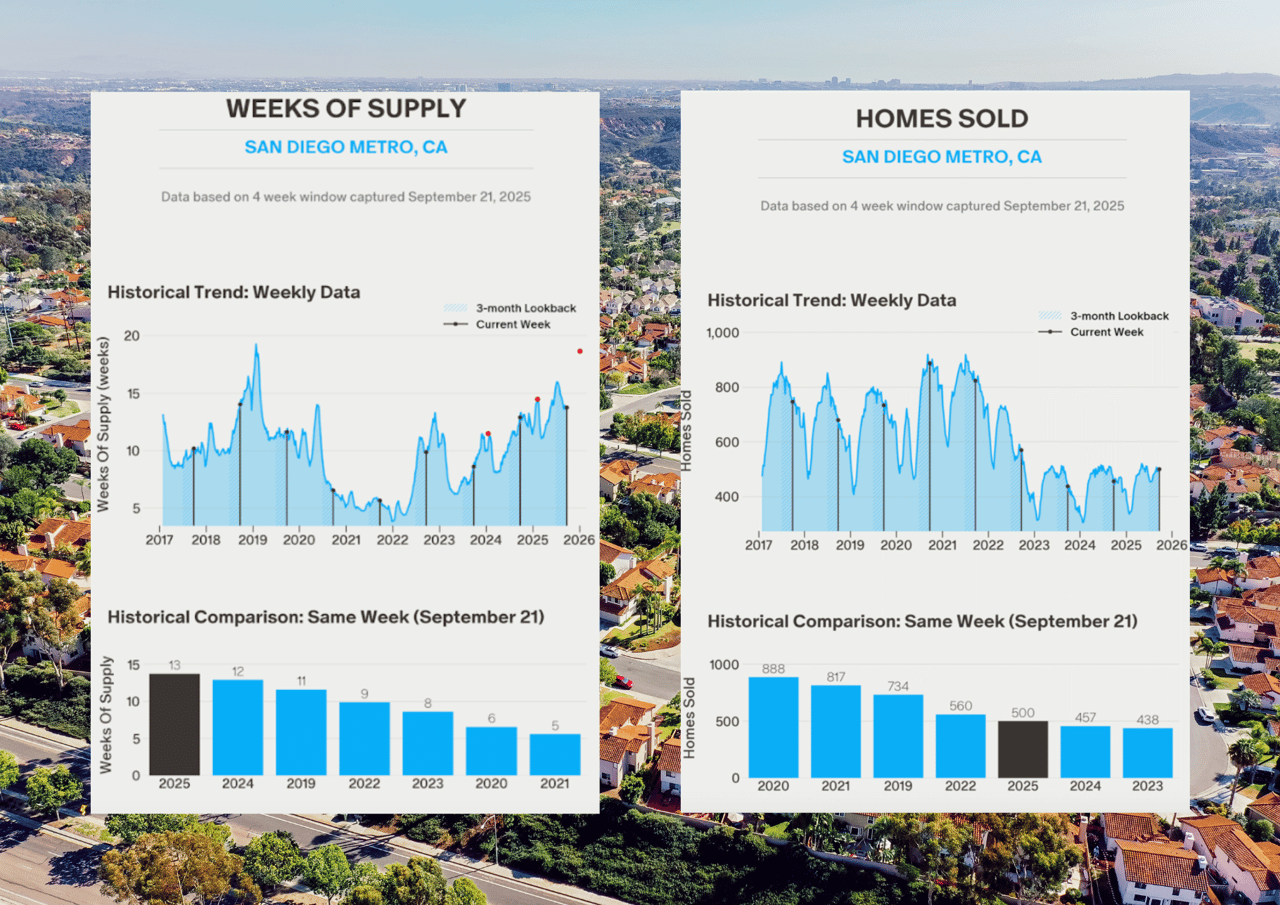
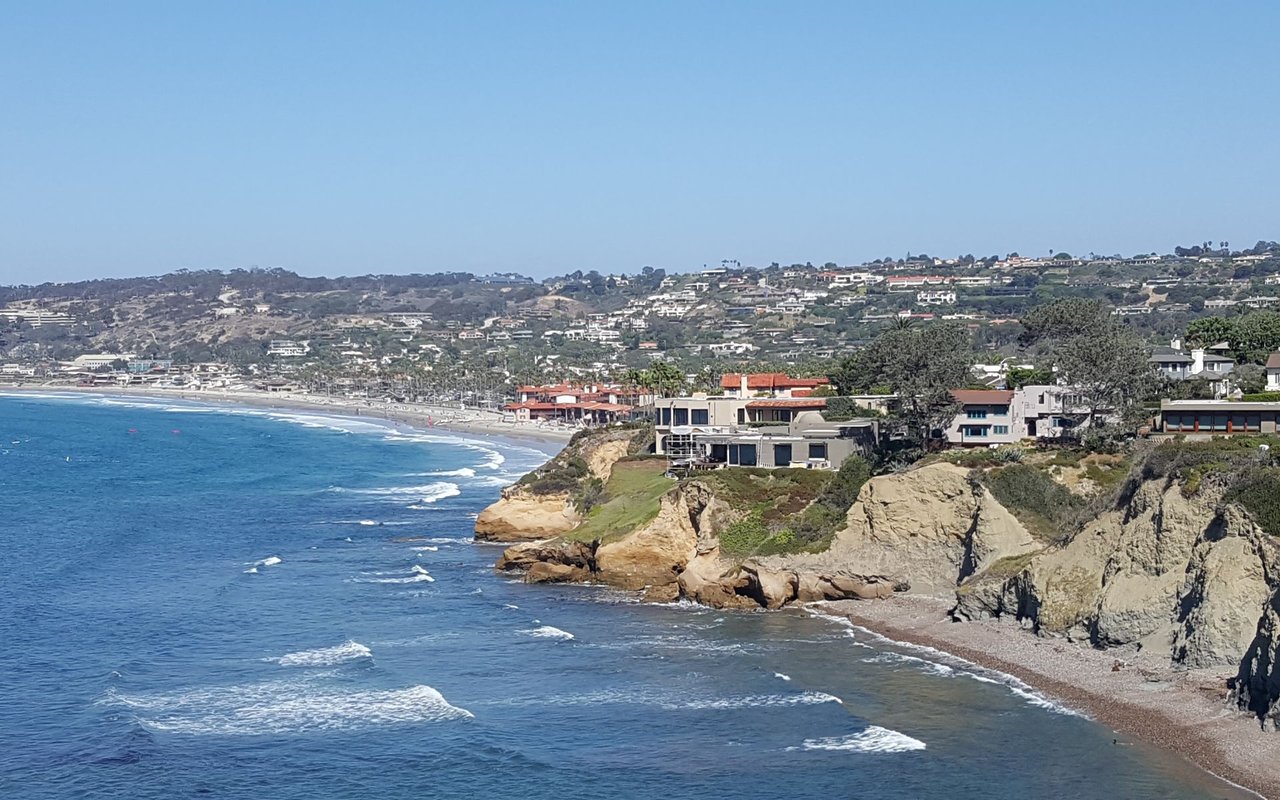
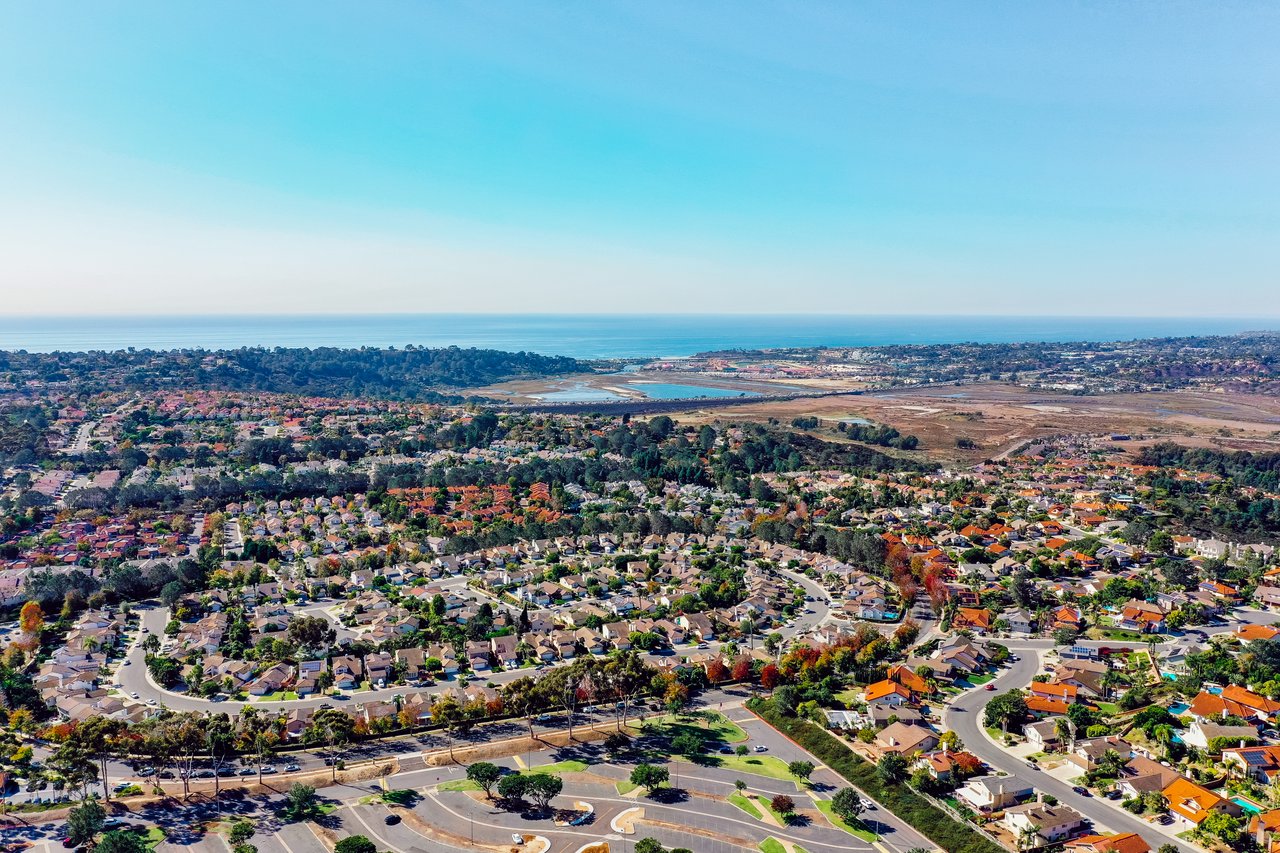
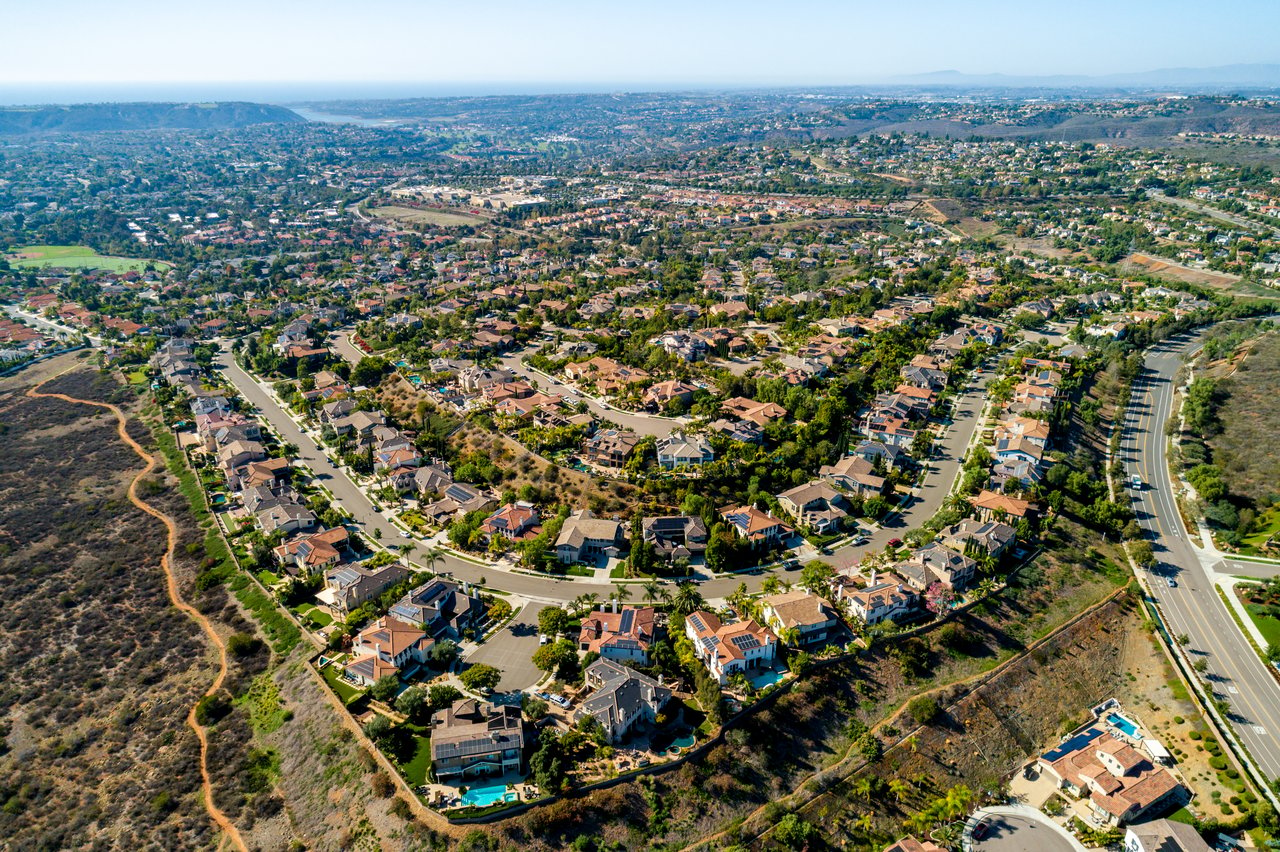
Rancho Santa Fe is a luxury market with home values in the multi-million range. Sales velocity is slower than more traditional suburban areas, and results vary by micro-neighborhood. Inventory can shift quickly, so timing and pricing strategy are important. Work with a local team that can read sub-market signals and position your property accordingly.
Disclosures you must prepare
California requires several seller disclosures. Delivering a complete, accurate package early builds trust and limits late-stage renegotiation.
Transfer Disclosure Statement (TDS)
You must complete the TDS for most one-to-four unit residential properties in California. It covers known material facts about the property’s condition and includes specific delivery rules and buyer rescission rights. Review the TDS requirements and timing so you can prepare early. You can read a plain-English overview of TDS obligations in California’s disclosure framework at this resource on mandatory disclosures.
- Reference: See a summary of mandatory disclosure categories, including the TDS, in this guide to California real estate disclosures: mandatory disclosures overview.
Natural Hazard Disclosure (NHD)
California requires an NHD if a property lies within mapped hazard zones such as flood, fault, or very high fire hazard areas. Many sellers use third-party NHD reports to complete the statutory form. The seller and listing agent remain responsible for accurate disclosure. Learn more about the statutory hazard categories in this overview of mandatory disclosures in California.
Wildfire home-hardening and defensible space (AB 38)
If your estate is in a high or very high fire hazard severity zone, you must provide wildfire-specific disclosures. These include identification of vulnerable features, documentation of defensible-space compliance, and, starting July 1, 2025, a list of low-cost retrofits and any retrofits you completed. Review the legislative text for scope and timing in AB 38.
Form updates for 2025 to 2026
Industry forms for California sellers have been updated to reflect new statutory requirements. Expect expanded items in the Seller Property Questionnaire, solar and energy disclosures, and advisories related to electrical inspections or gas appliance replacement where applicable. Check with your agent on the most current C.A.R. forms and edition dates. See a summary of recent changes here: C.A.R. forms updates.
Pre-listing inspections for estates
High-value buyers expect transparency and documentation. Order key inspections early so you can complete work well before listing.
- General pre-listing home inspection. This helps you spot and fix issues before buyers find them. It reduces surprise renegotiations and gives you a clear repair plan. Learn what a pre-listing inspection covers in this home seller guide.
- Wood-destroying organism (WDO or termite) report. This is routine in Southern California and often required by lenders. Get treatment and repair plans in place with warranties. See a seller checklist that includes WDO steps in this permit and inspection overview.
- Septic and OWTS review. Many Rancho Santa Fe estates use septic systems. Pull permit history, confirm layout and reserve area, and consider dye or function tests if there are red flags. San Diego County publishes technical criteria you can reference here: Septic System Design Criteria.
- Well and water quality. If you are on a private well, gather well logs, water rights or permits, flow tests, and water quality lab reports.
- Pools, roofs, and electrical. Service pool and spa equipment, get a roof assessment, and prepare recent electrical panel and EV charger notes. Many buyers request electrical inspections.
- Solar documentation. Collect proof of ownership or lease/PPA, interconnection documents, and warranty details. C.A.R. has added expanded solar advisory forms to clarify these items. Here is a summary of recent forms changes that includes solar: December 2025 C.A.R. release notes.
- Acreage and specialized systems. Consider soils or geotechnical review if you recently graded, and have an arena footing assessment if horses will be riding on site.
- Permit records. Assemble permits for additions and outbuildings so there are no surprises in escrow. Start with the County’s Planning and Development Services: San Diego County PDS.
Elevate presentation and first impressions
Today’s buyers want quality they can see and systems they can trust. Focus on practical, high-ROI steps that deliver confidence.
Systems and safety readiness
Refresh paint in neutral tones and replace or refinish worn flooring where it makes the most impact. Service HVAC and pool equipment and gather service logs. Ensure electrical panels and main systems are current and code-compliant. Organized mechanical documentation builds buyer confidence and shortens decision time.
Staging and premium media
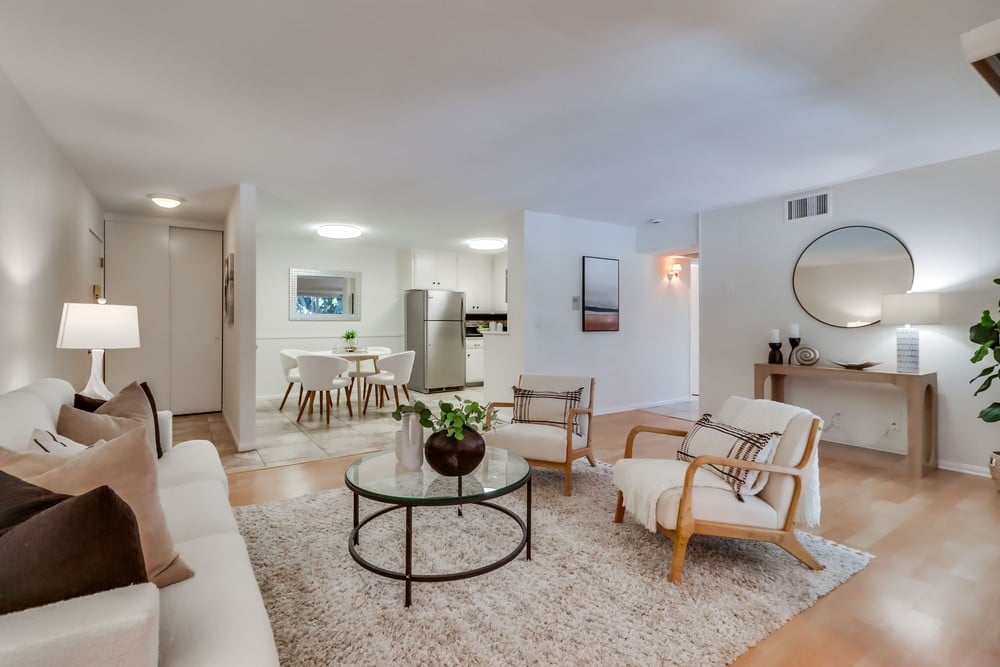
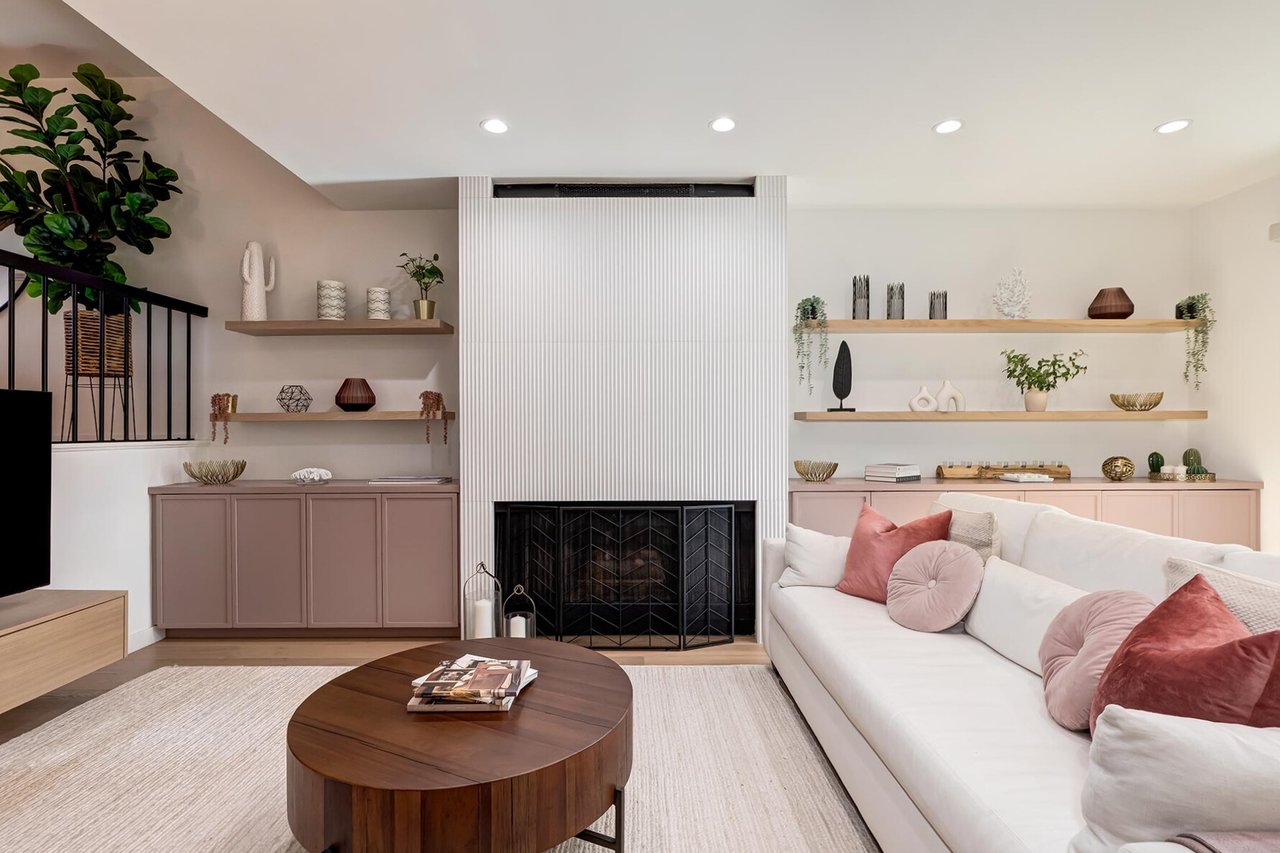
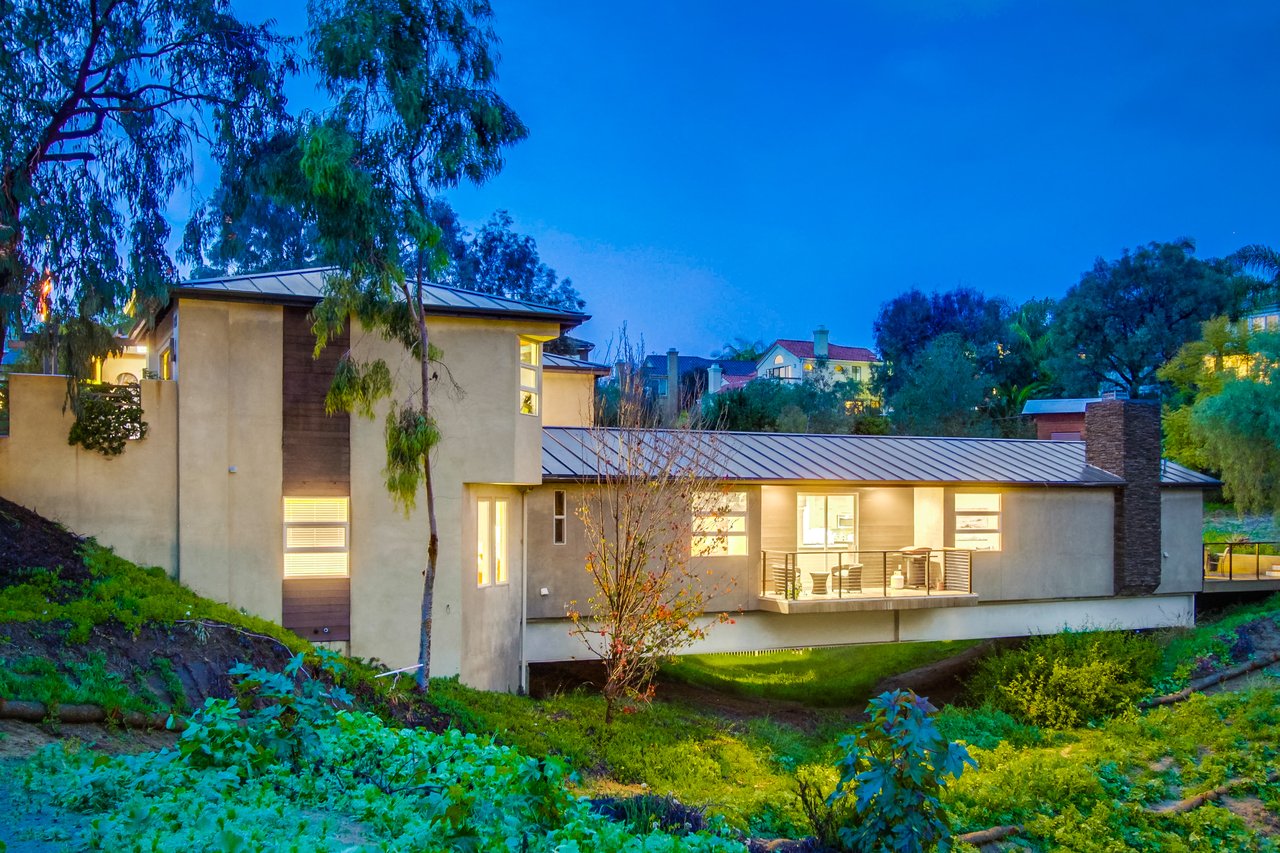
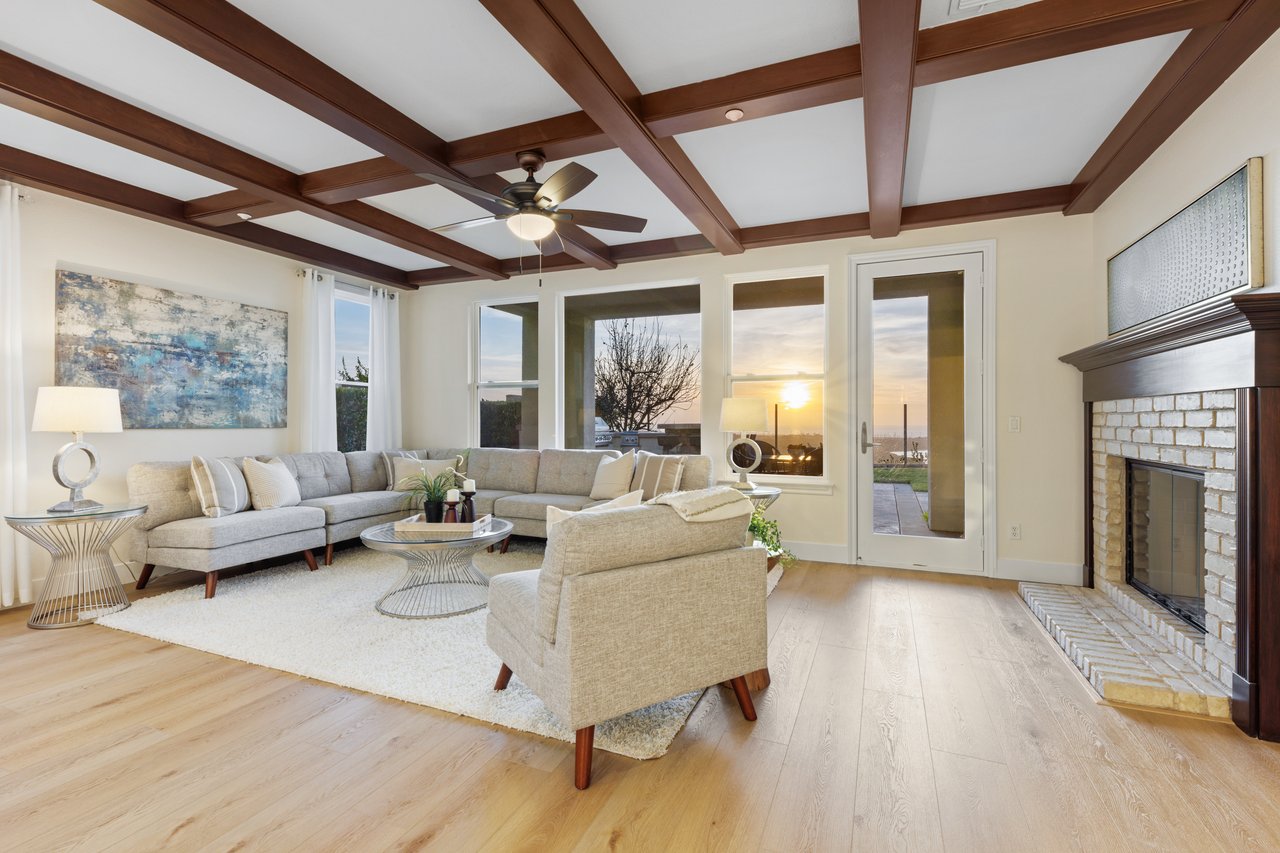
For luxury estates, professional staging and premium media are essential. Curate high-quality furnishings in the entry, great room, kitchen, primary suite, and main outdoor living areas. Showcase architectural features with oversized art and layered lighting, and stage outdoor rooms as lifestyle vignettes. For best practices, see these luxury home staging tips.
Landscape and equestrian readiness
Your arrival sequence sets the tone. Keep the driveway, gates, motor court, and entry landscape crisp and welcoming. For equestrian estates, present clean and safe facilities. Use this quick checklist:
- Clean stalls, tidy aisles, and organized tack and feed rooms.
- Repair fencing and gates and check hardware for safety.
- Groom arena footing and manicure paddocks and turnouts.
- Keep manure areas neat and away from showing routes. Hose down if needed before showings.
- Gather maintenance records for barn equipment and automatic waterers.
Wildfire hardening and defensible space
If your property is in a mapped fire hazard severity zone, document what you have done. Maintain a noncombustible zone next to the home, use ember-resistant vents where practical, keep gutters clean or covered, and note tempered or dual-glazed windows where installed. Provide any compliance certificates or inspection reports with your listing packet. For the statutory framework, see AB 38.
Pricing and deal strategy that protect value
Luxury markets reward precision and preparation. Your plan should address comps, financing, and negotiation structure.
Price with micro-market insight
Rely on a comp set that fits your location and features, whether you are in the Covenant, a gated enclave, or a nearby neighborhood. At the very high end, there may be only a handful of relevant sales, and some activity occurs off market. A conservative, data-driven list price often generates stronger early interest than an ambitious ask that lingers and forces later reductions.
Prepare for jumbo financing and appraisals
Most Rancho Santa Fe buyers use jumbo loans or pay cash. When financing is involved, limited comparable sales can create appraisal challenges. The FHFA baseline conforming loan limit for 2026 is $832,750 for one-unit properties, with higher ceilings in high-cost areas. Anything above that is jumbo. Share a comp package and a property feature memo with the appraiser to support value. Read the 2026 limit update here: FHFA loan limits.
Negotiate from strength
You reduce buyer leverage when you resolve known issues before you list. Provide your home inspection, WDO report, septic layout, solar documents, and permits with disclosures so you negotiate once on price and terms instead of twice after inspections. Keep seller credits limited to verifiable items and use clear language for appraisal or specialized inspection contingencies. If you prefer a private sale path, coordinate any off-market or delayed marketing steps with your broker to ensure form compliance. See a recent summary of California form updates here: C.A.R. forms updates.
Your 6 to 18 month prep timeline
A structured plan keeps the process efficient and lowers risk. Here is a practical sequence tailored to Rancho Santa Fe estates.
6 to 12 months before listing
- Assemble permit history for additions and outbuildings.
- If you plan exterior work, contact the Rancho Santa Fe Association early about approvals and timing. Review the Art Jury process.
- Order septic and well records. Consider soils or engineering review if grading is proposed.
- Schedule structural, roof, and major systems inspections and prioritize code or safety items.
- Plan high-impact interior refreshes such as paint, lighting, and hardware.
3 to 6 months before listing
- Complete major repairs to the roof, mechanicals, and septic.
- Perform a general home inspection and WDO inspection. See what a pre-listing inspection covers in this seller guide.
- Compile the disclosure packet including TDS, NHD, SPQ, WDO, septic and well reports, solar paperwork, and permits.
- Get staging quotes and schedule landscape cleanup and wildfire hardening.
- If your parcel is in a mapped fire zone, obtain defensible space documentation.
4 to 6 weeks before listing
- Finalize staging and styling for key rooms and outdoor vignettes.
- Hire a team for daytime, twilight, and drone photography as needed.
- Prepare a broker packet with local comps, notes on off-market activity, and service contracts.
- Confirm showing logistics and a security plan that fits a high-value property.
Listing week
- Distribute the broker packet and confirm public versus targeted marketing cadence.
- Brief your listing team on appraisal and financing contingency strategy.
- Be ready with private showing protocols to balance exposure and privacy.
Work with a team that leads in North County
Preparing a Rancho Santa Fe estate takes expertise, vendors you can trust, and hands-on management. With senior-level negotiation, deep market knowledge, and concierge-style listing preparation, our team coordinates the details so you can focus on your next move. From staging and vendor orchestration to video-first marketing and Compass Concierge coordination, we help you present with confidence and protect your value.
If you are considering a sale in the next year, let’s build your plan. Schedule a Free Home Strategy Consultation with Klinge Realty.
FAQs
What should I do first when preparing a Rancho Santa Fe estate to sell?
- Start by gathering permits and service records, then schedule key inspections so you can fix issues before buyers see them.
Do I need approval for exterior work inside the Rancho Santa Fe Covenant?
- Yes. Most exterior changes require review. Contact the Association early and review the Art Jury process.
Which disclosures are mandatory for California sellers?
- Expect the TDS, NHD, wildfire home-hardening items where applicable, and updated C.A.R. advisories. Read about statutory hazard disclosures here: mandatory disclosures overview.
Are pre-listing inspections worth it for luxury properties?
- Yes. A general home inspection and WDO report reduce surprises and help you negotiate once on price and terms.
How do I prepare equestrian facilities for showings?
- Focus on safety and cleanliness. Repair fencing and gates, groom arena footing, organize tack rooms, and manage manure and odors away from showing paths.
How do jumbo loans and appraisals affect my sale?
- Many RSF buyers use jumbo financing. Provide a strong comp and features package to support the appraiser and reduce the risk of a value shortfall. See the 2026 FHFA loan limits for context.