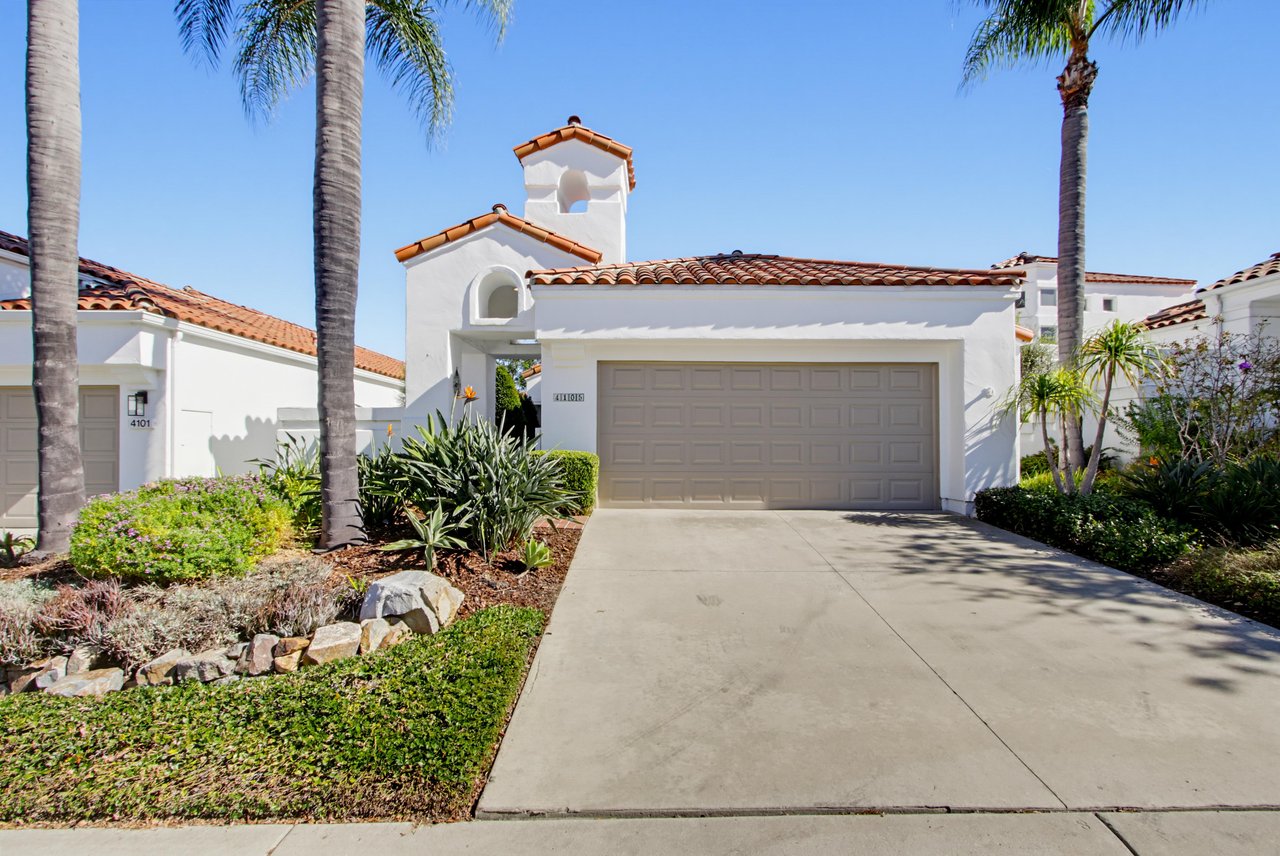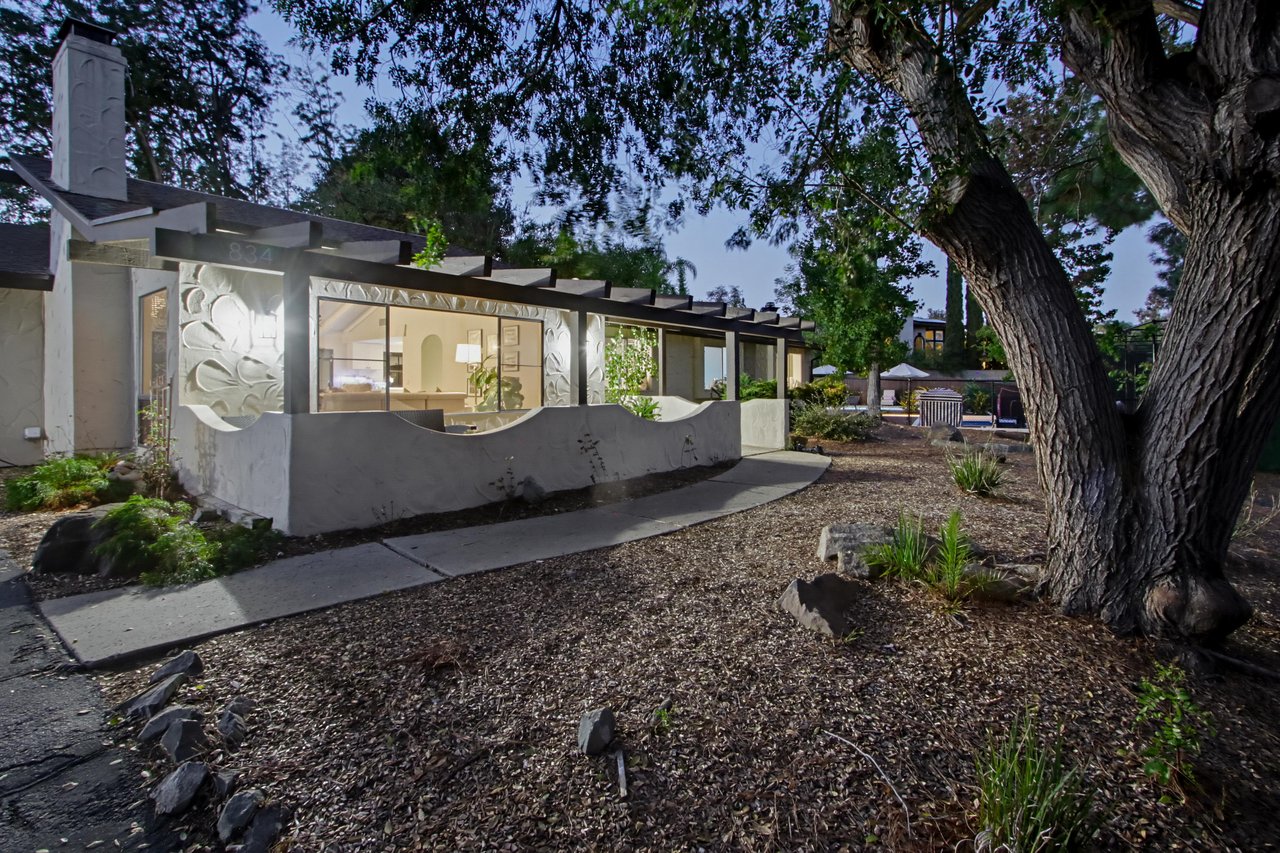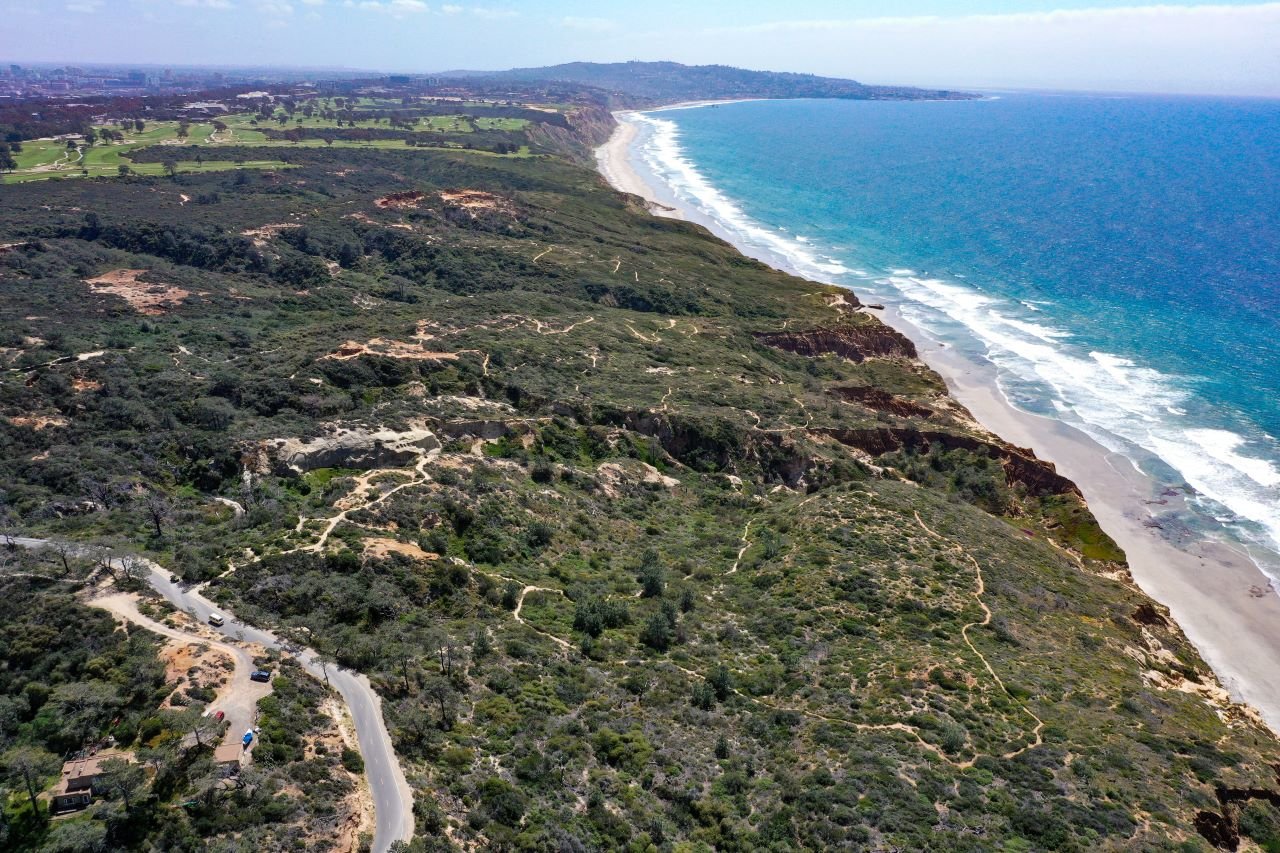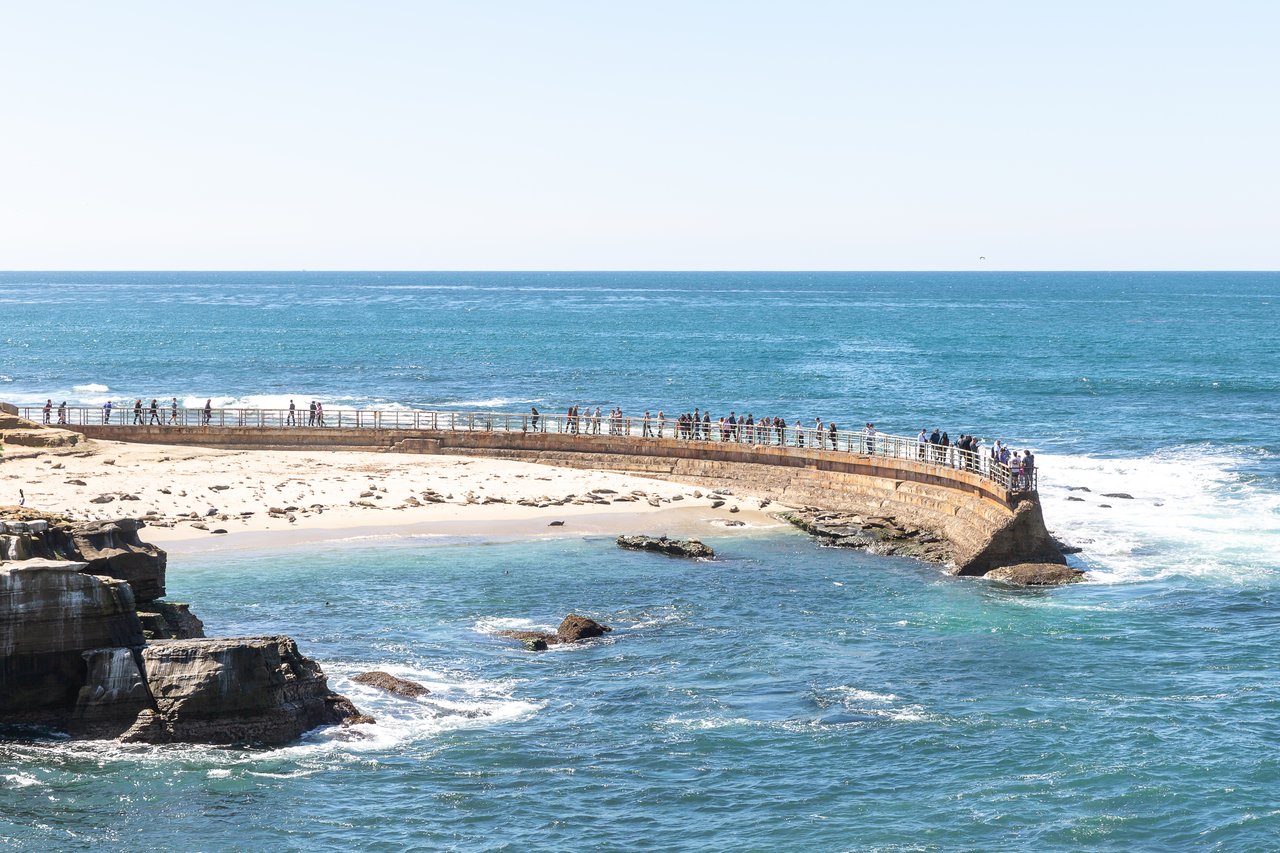
If you have ever wondered whether Encinitas is more surf town, family town, or quiet coastal retreat, the honest answer is yes. Living here is less about one single lifestyle and more about choosing the version of Encinitas that fits the way you want to spend your days. If you are thinking about moving here, this guide will help you understand how the city really feels, what daily life looks like, and which parts of Encinitas may suit you best. Let’s dive in.
Encinitas feels different block by block
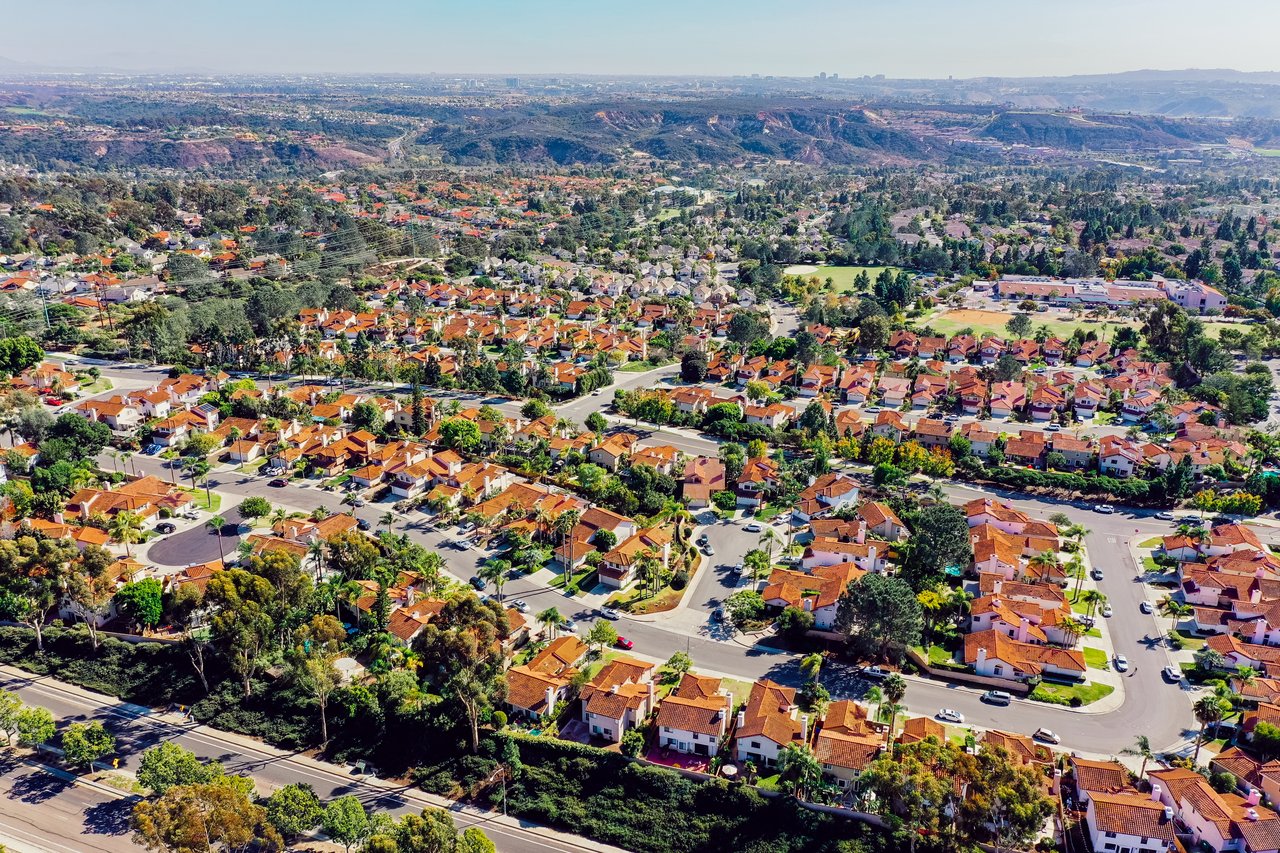
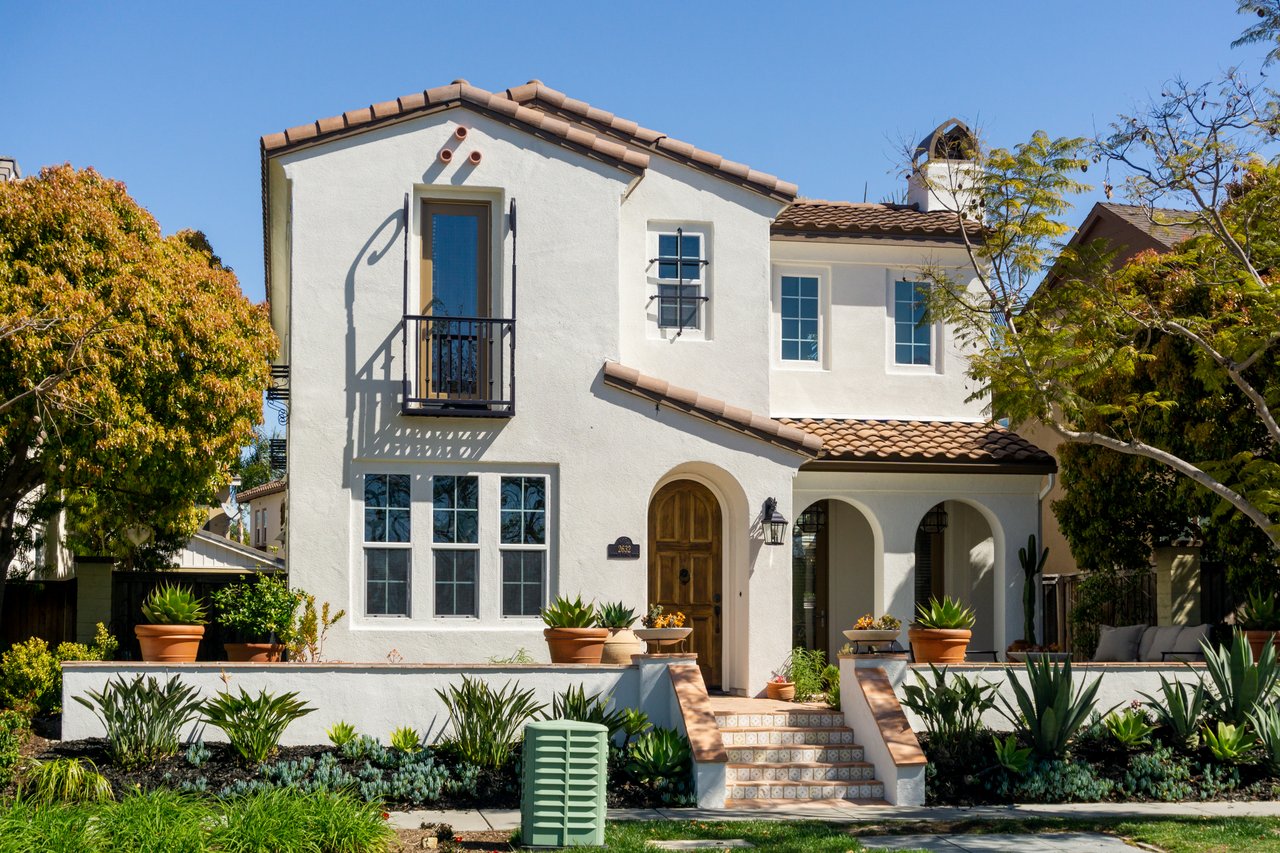
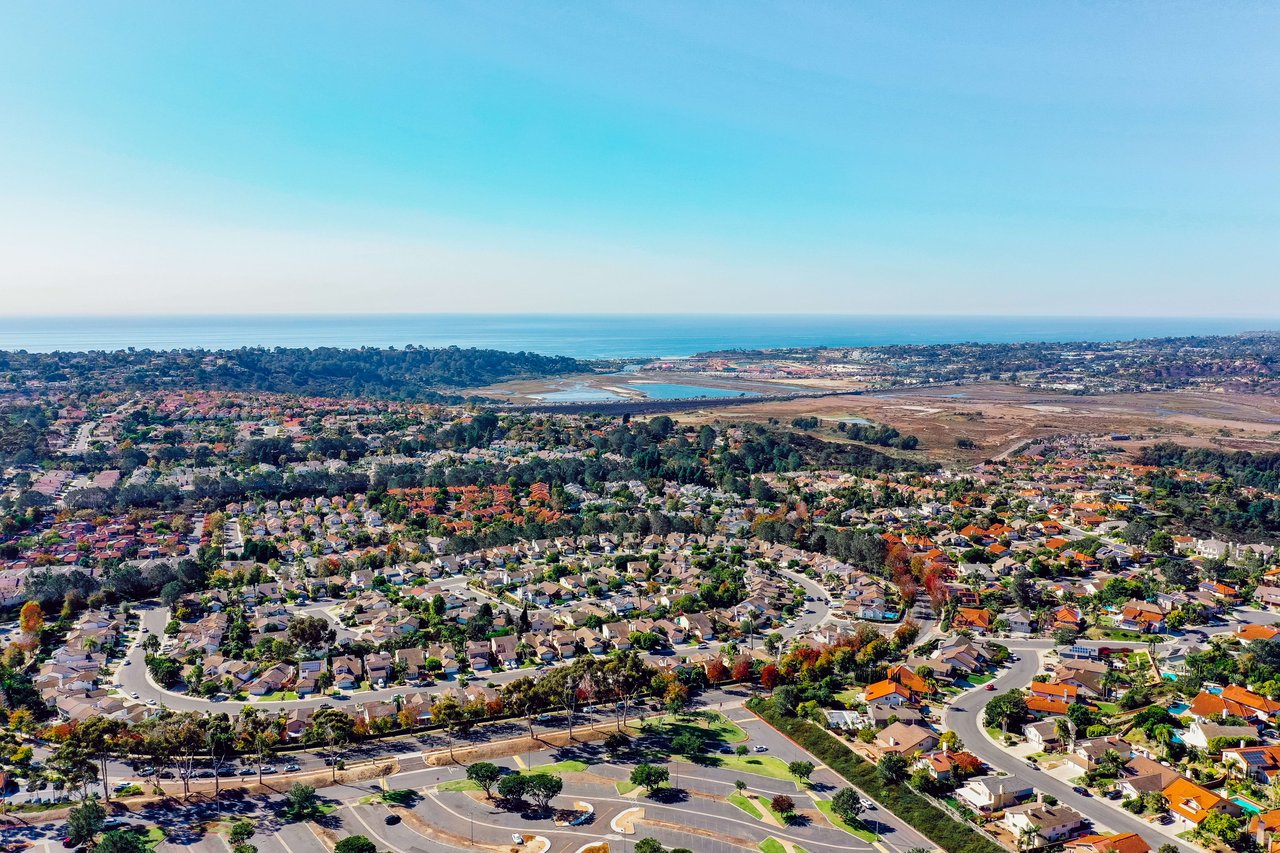
One of the first things you notice about Encinitas is that it does not feel uniform. The city is made up of five communities, and city planning documents highlight how different those areas are in character and layout.
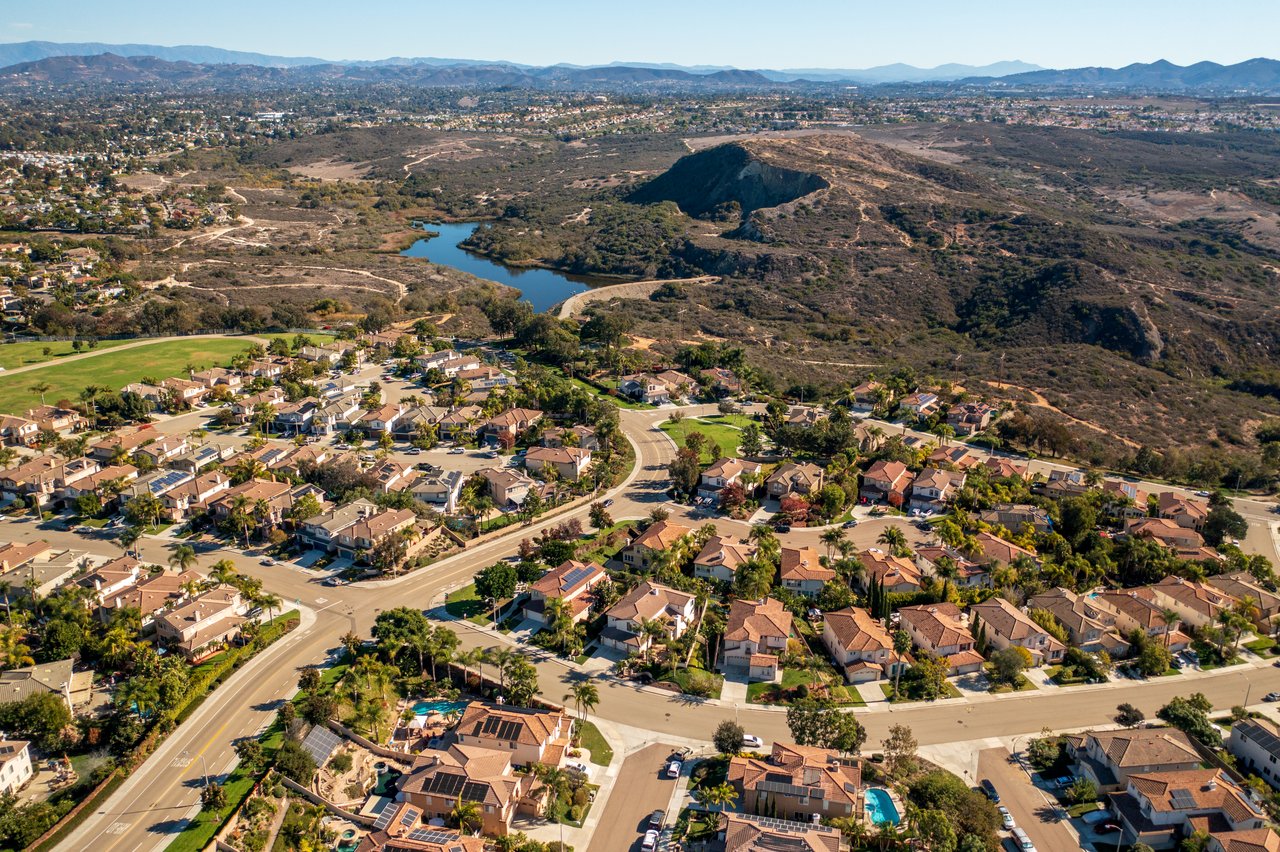
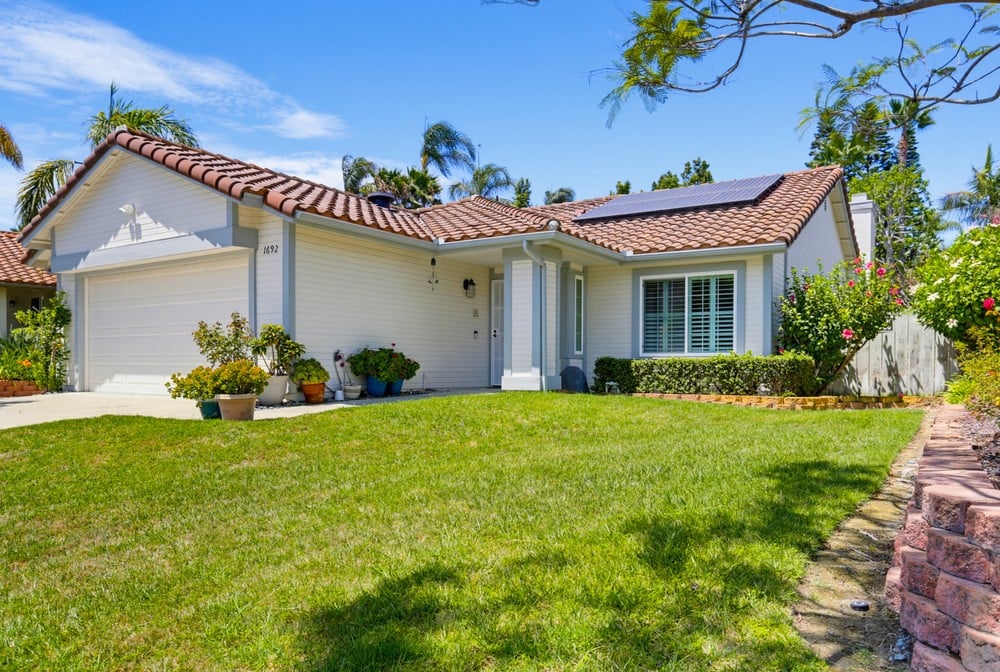
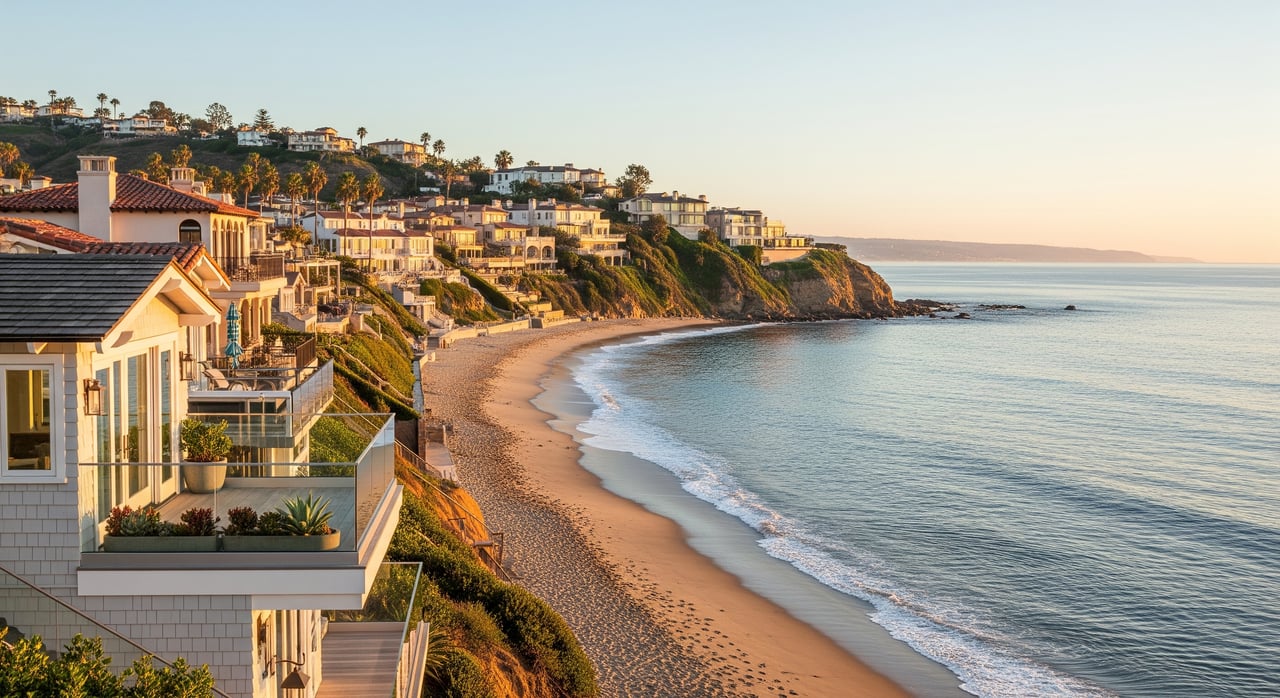
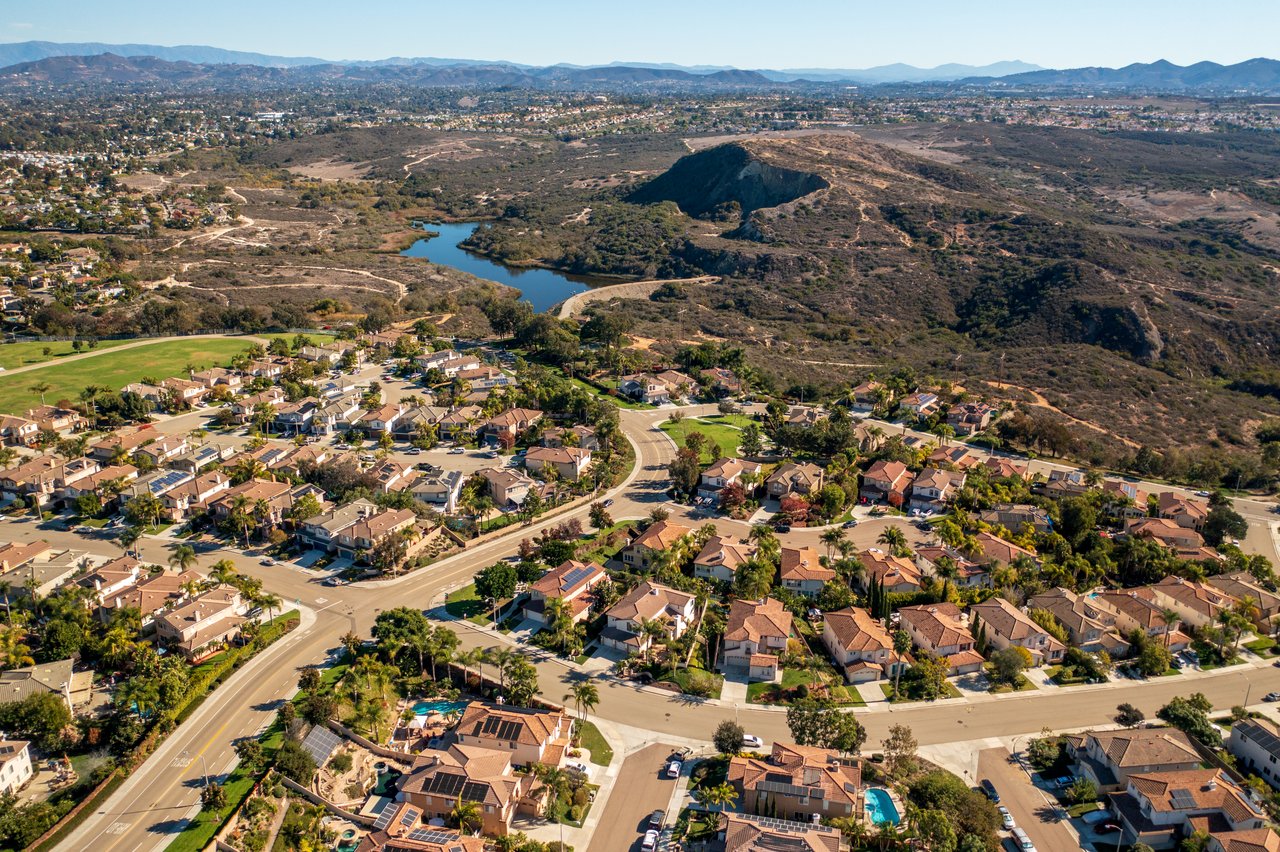
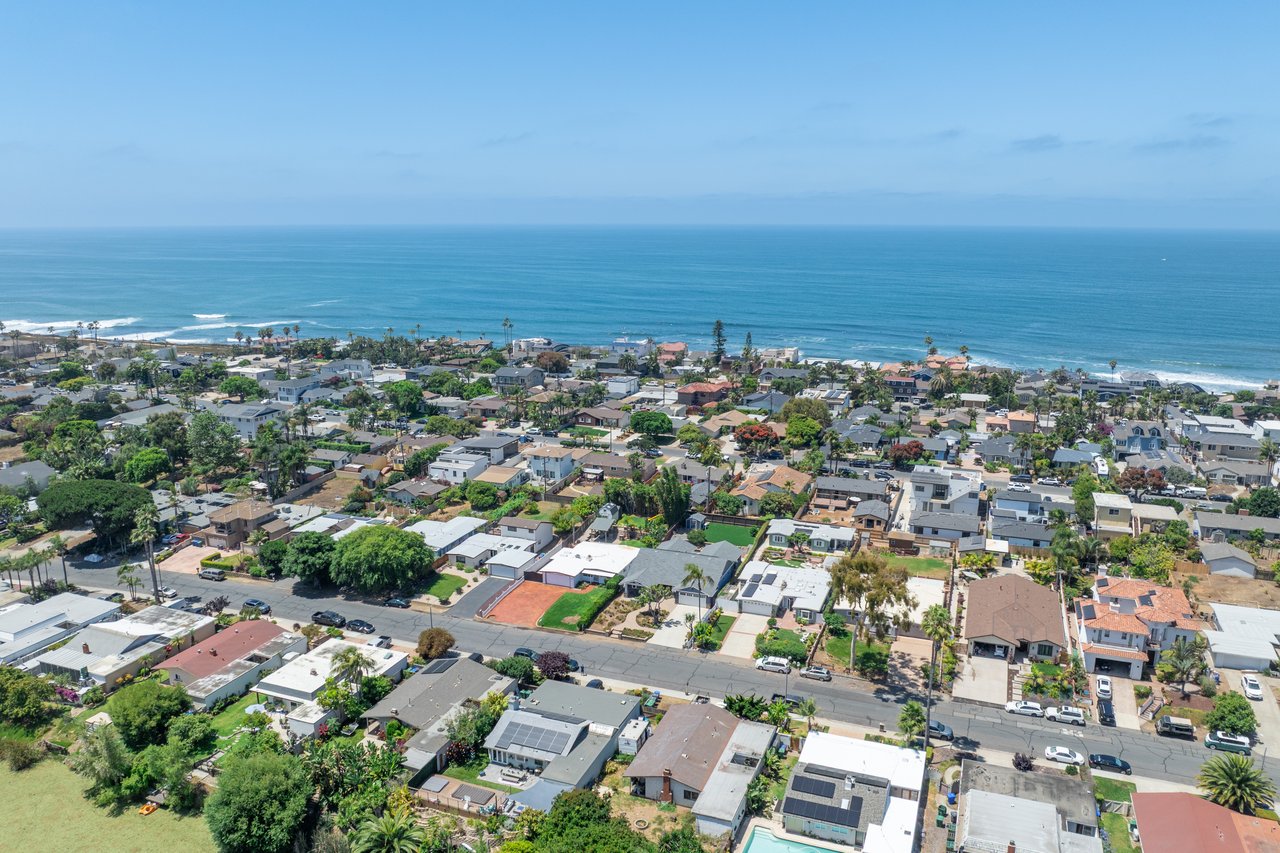
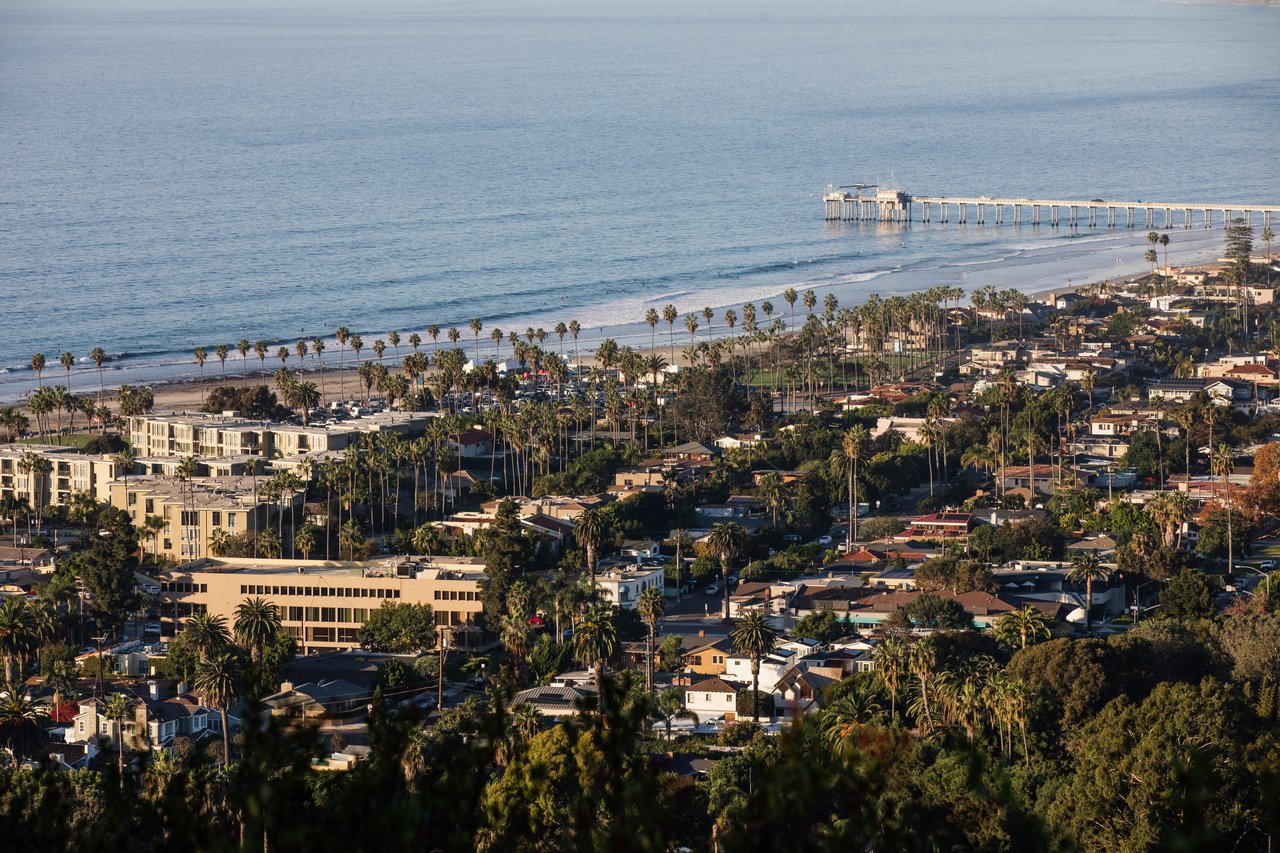
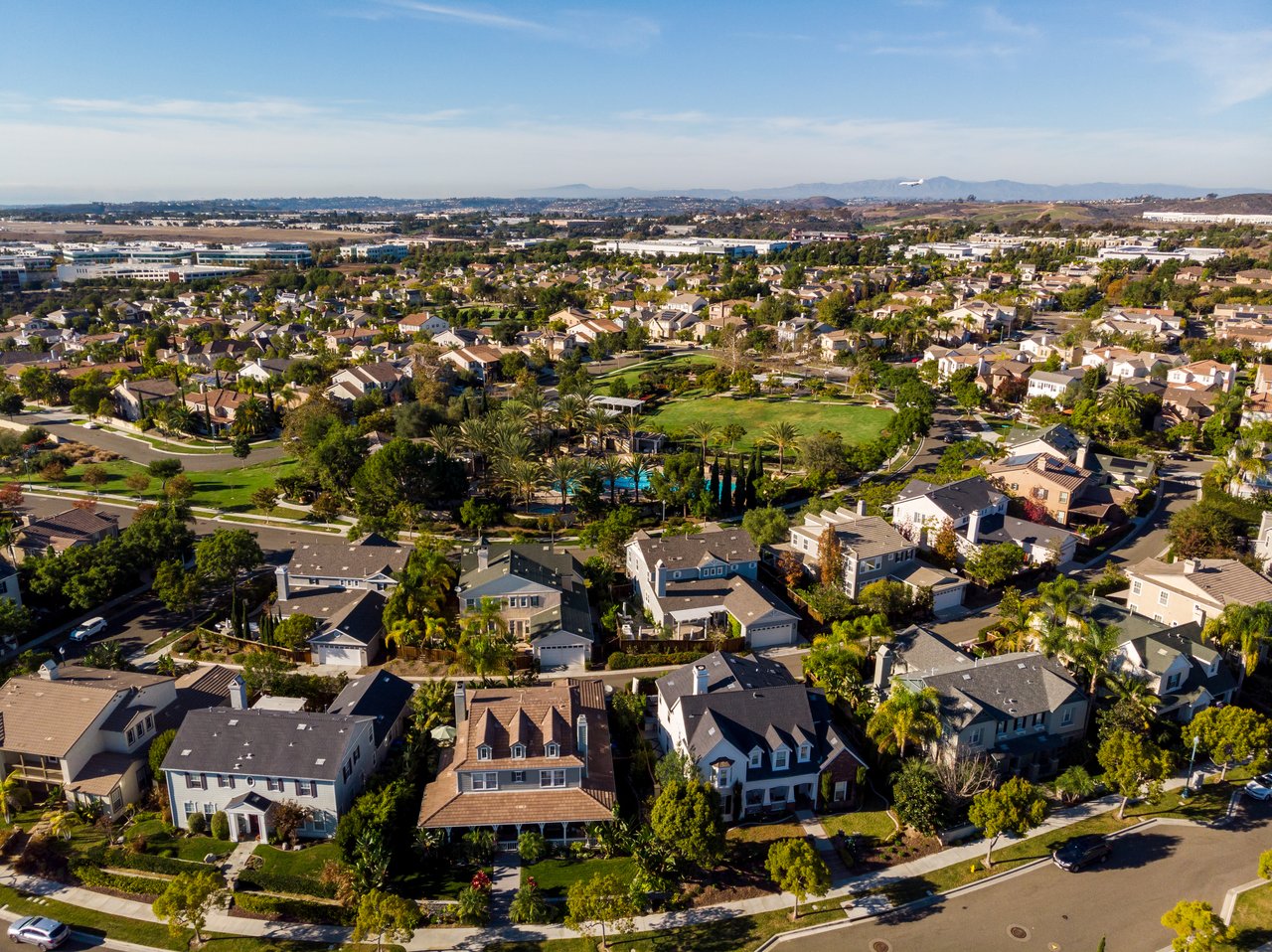
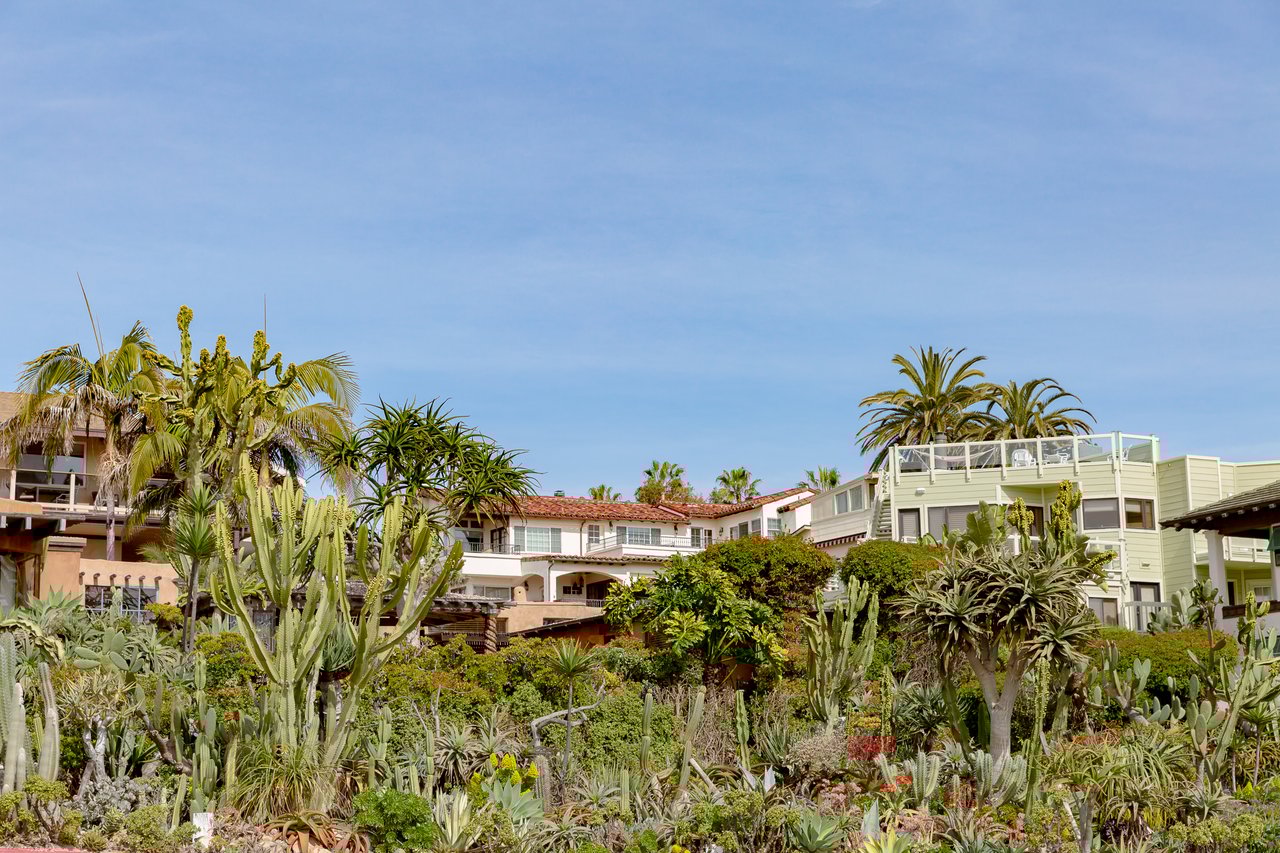
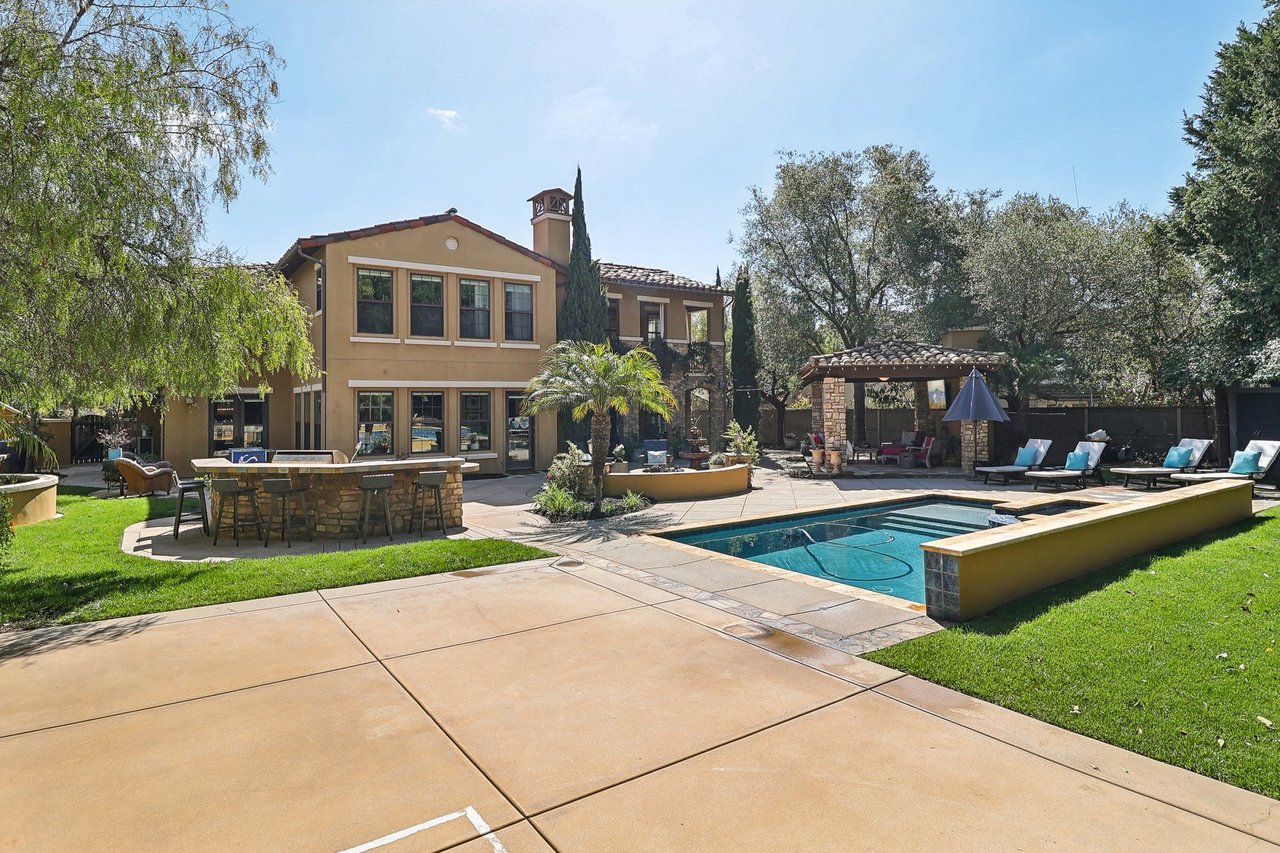
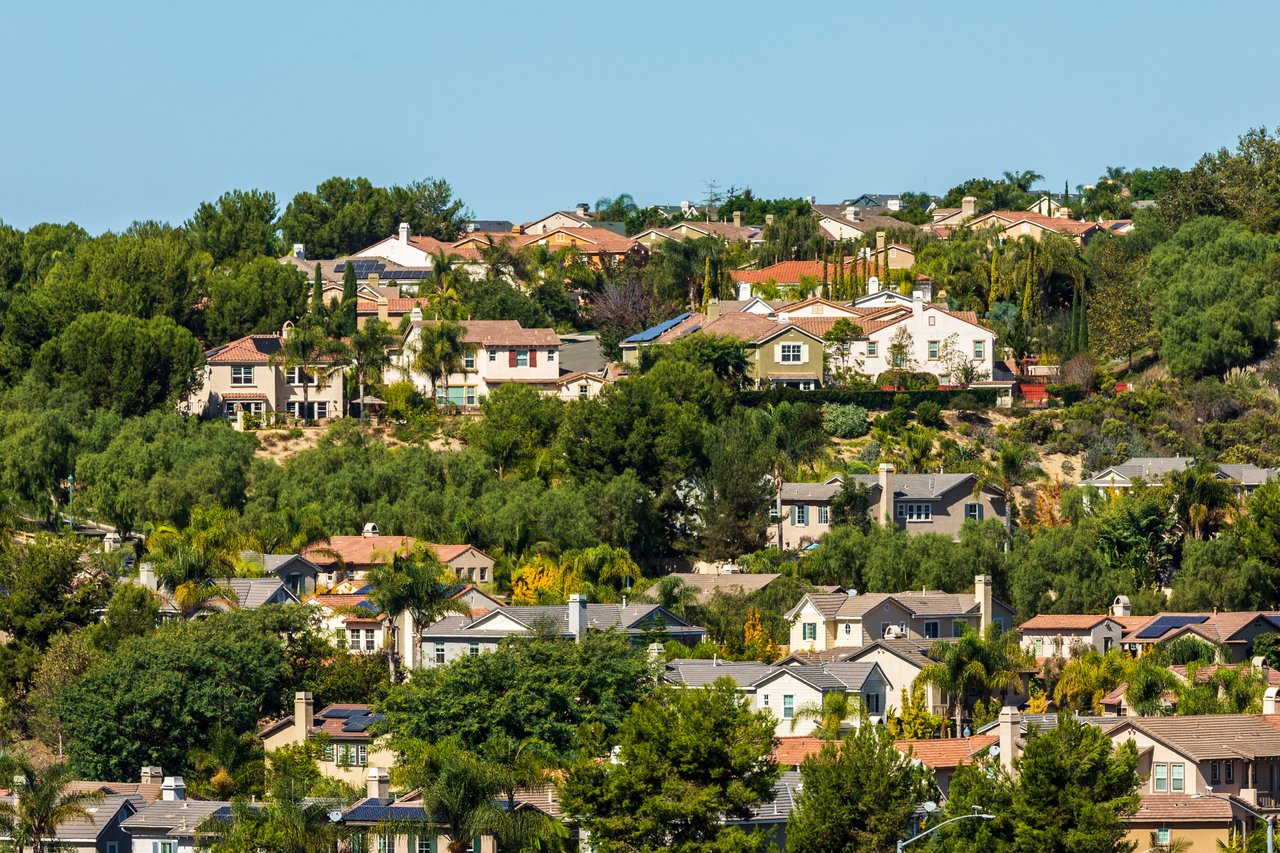
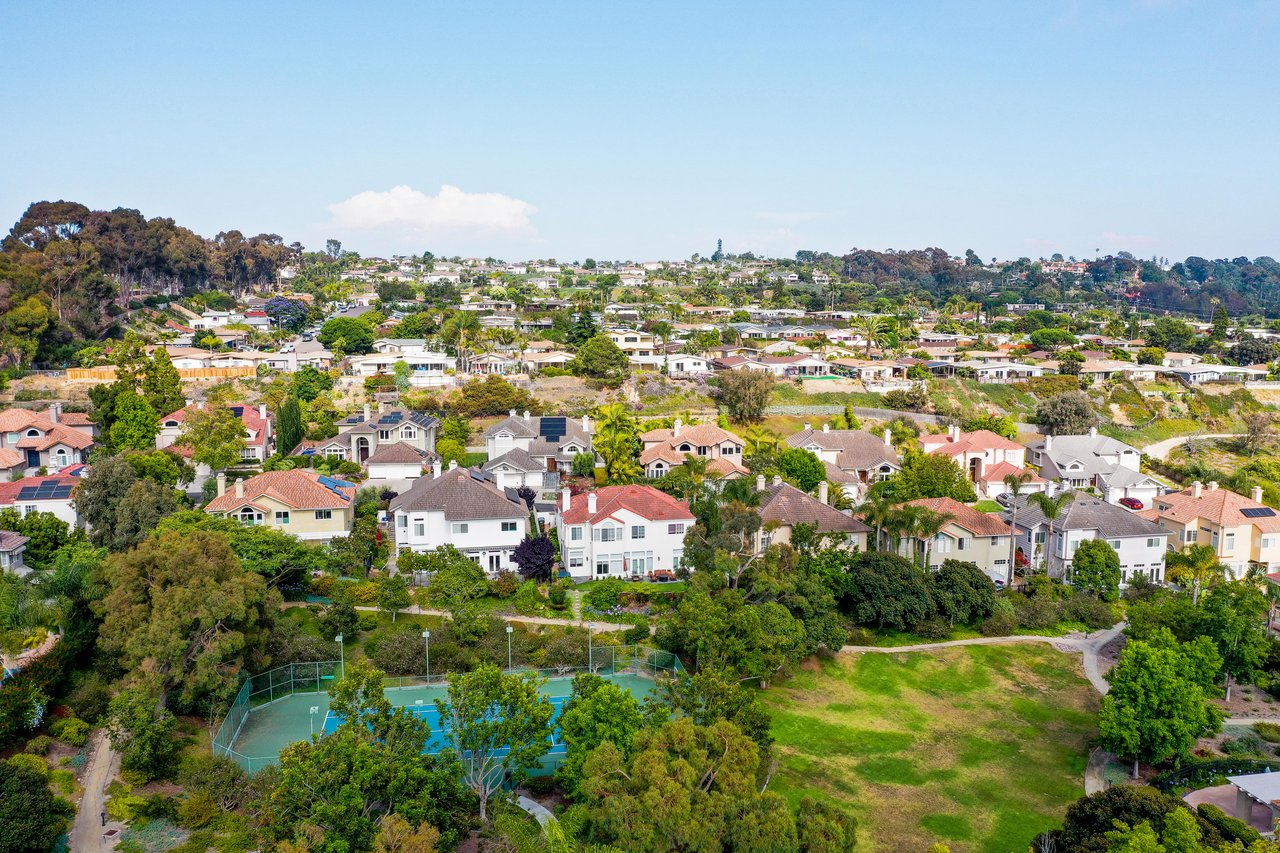
That variety is a big part of the appeal. Along the coast, Old Encinitas and Leucadia feel informal, eclectic, and more pedestrian-oriented. Farther inland, New Encinitas feels more planned, while Olivenhain is distinctly rural with larger lots, trails, rolling hills, and equestrian features.
For you as a buyer, that means your lifestyle match matters just as much as the home itself. Two properties with the same zip code can offer very different day-to-day experiences.
Old Encinitas offers classic beach-town energy
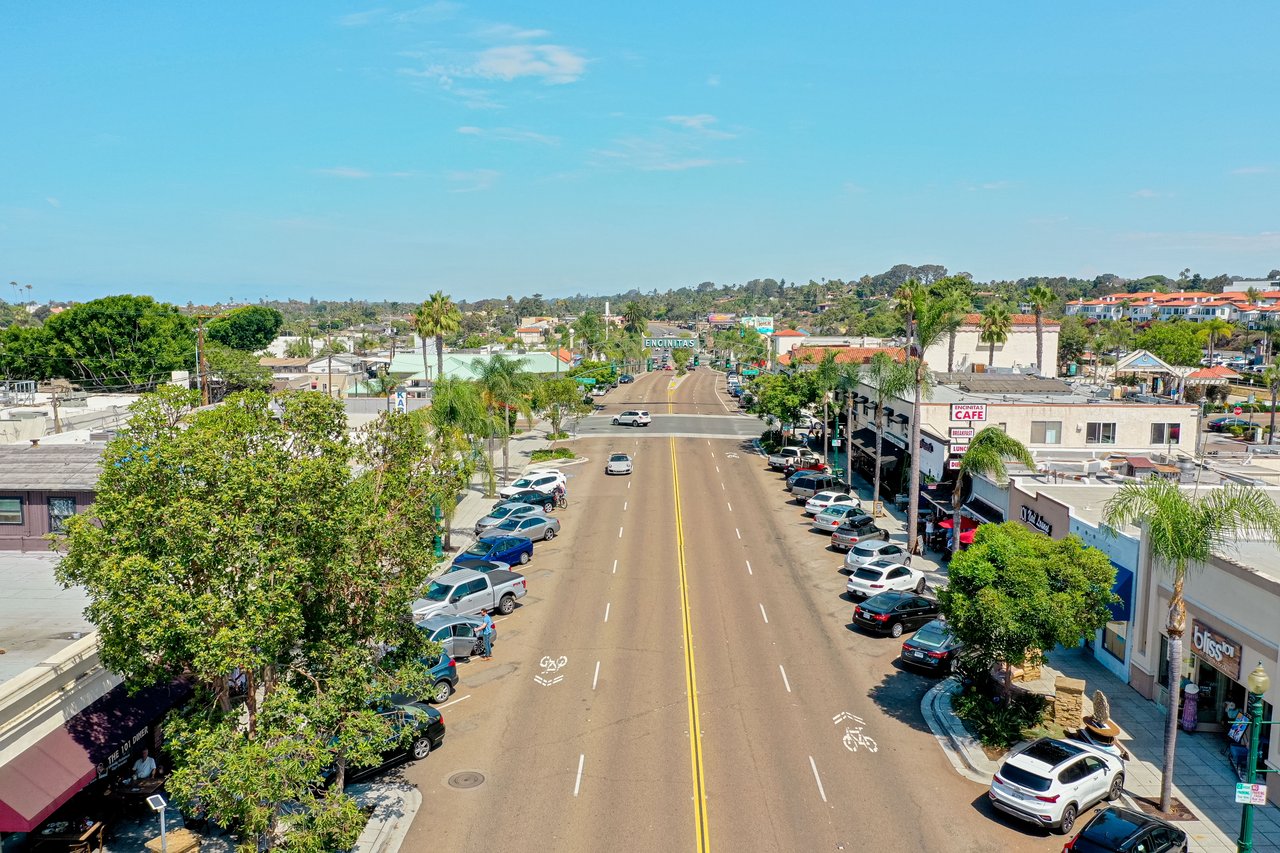
If you picture Encinitas as a walkable coastal town with cafes, local shops, surf culture, and people out and about, you are probably picturing Old Encinitas. The Downtown 101 district is known for historic architecture, sidewalk cafes, specialty retail, and a lively collection of local businesses.
This part of town tends to feel the most social and visibly active. You are close to the beach, close to dining, and close to many of the community events and cultural touchpoints that give Encinitas its personality.
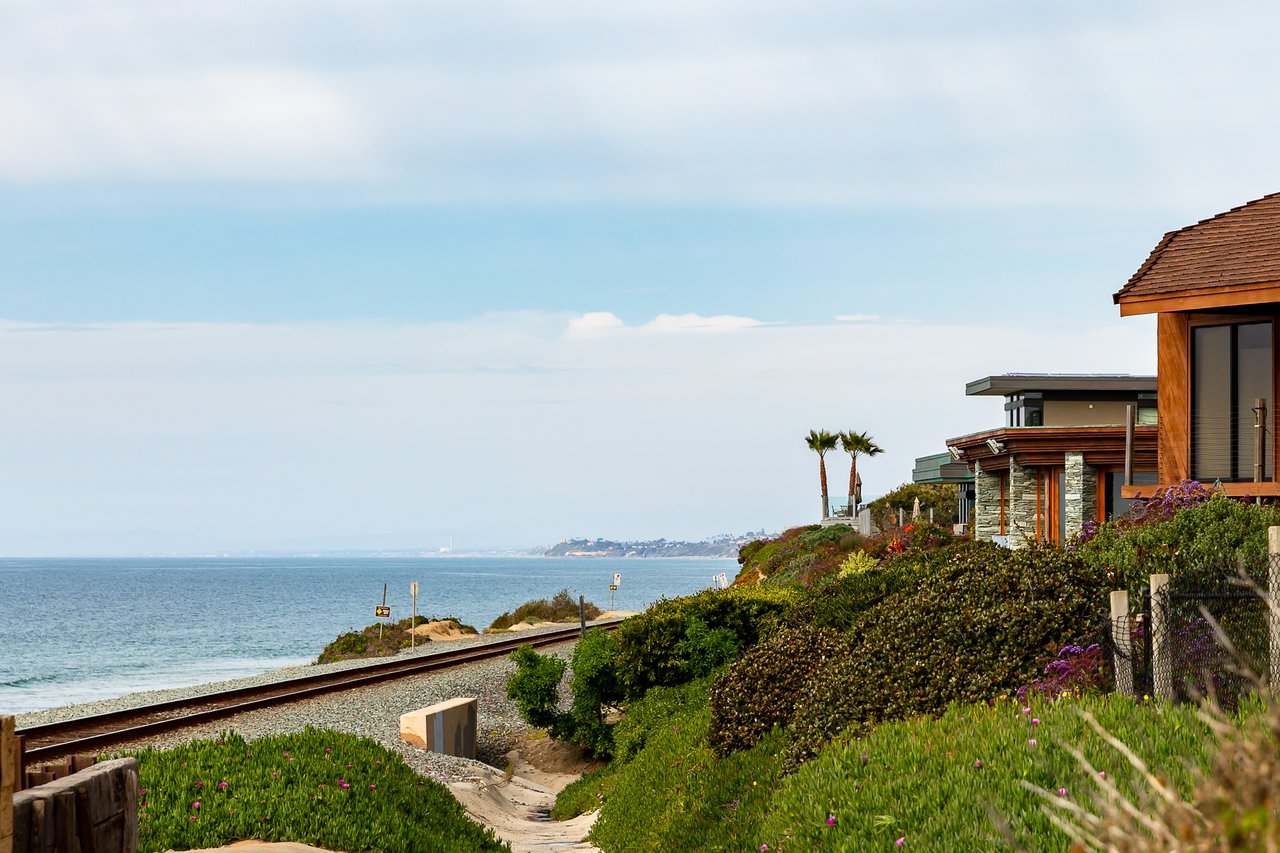
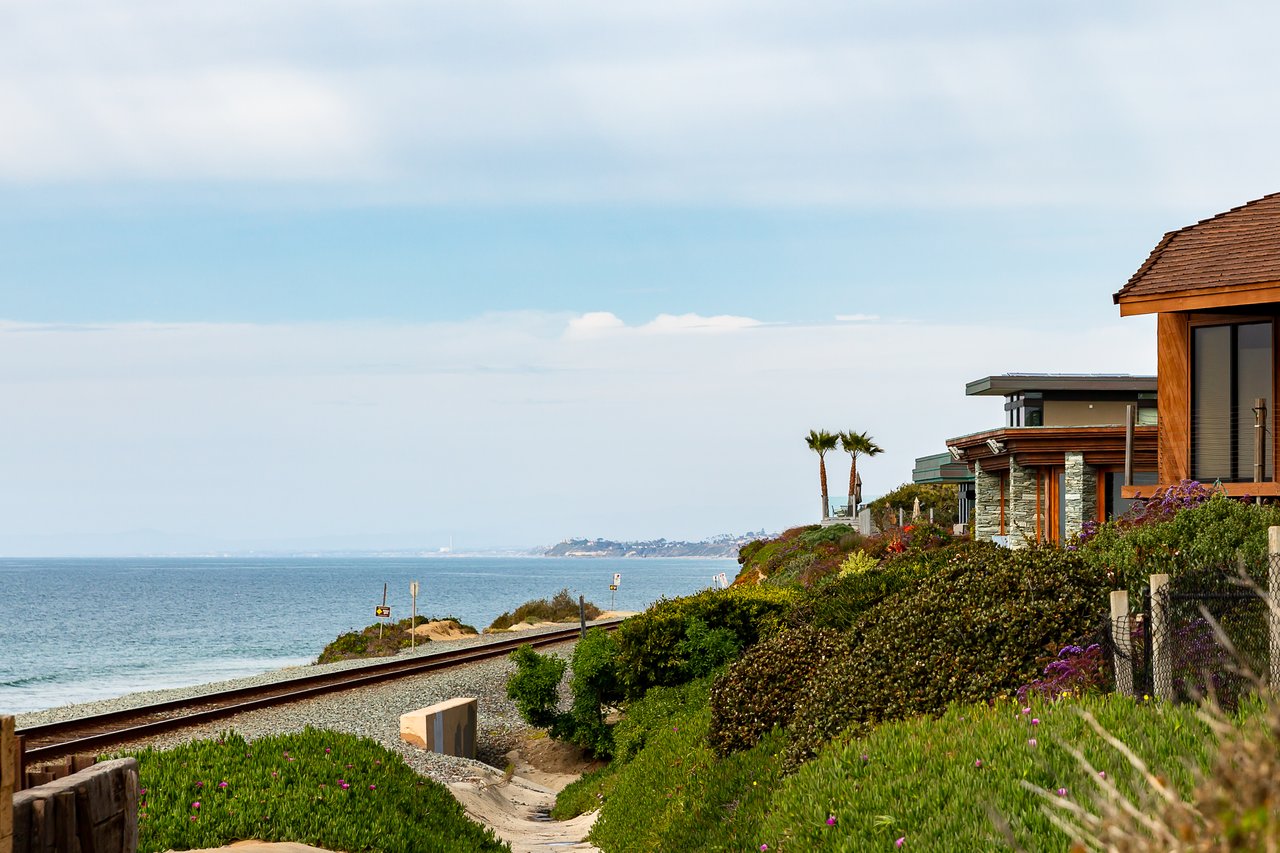
For some people, that is exactly the draw. For others, it is important to know that the active coastal rail line is part of the setting here too, so the beach-town experience can come with a more urban edge.
What daily life feels like in Old Encinitas
Your weekends can be simple here. You might grab coffee, head toward the coast, spend part of the afternoon near Moonlight Beach, and finish the day with dinner along Highway 101.
The convenience is a major plus. If you value being near activity and enjoy a more walkable routine, Old Encinitas often delivers that better than the more inland parts of the city.
Leucadia feels eclectic and laid-back
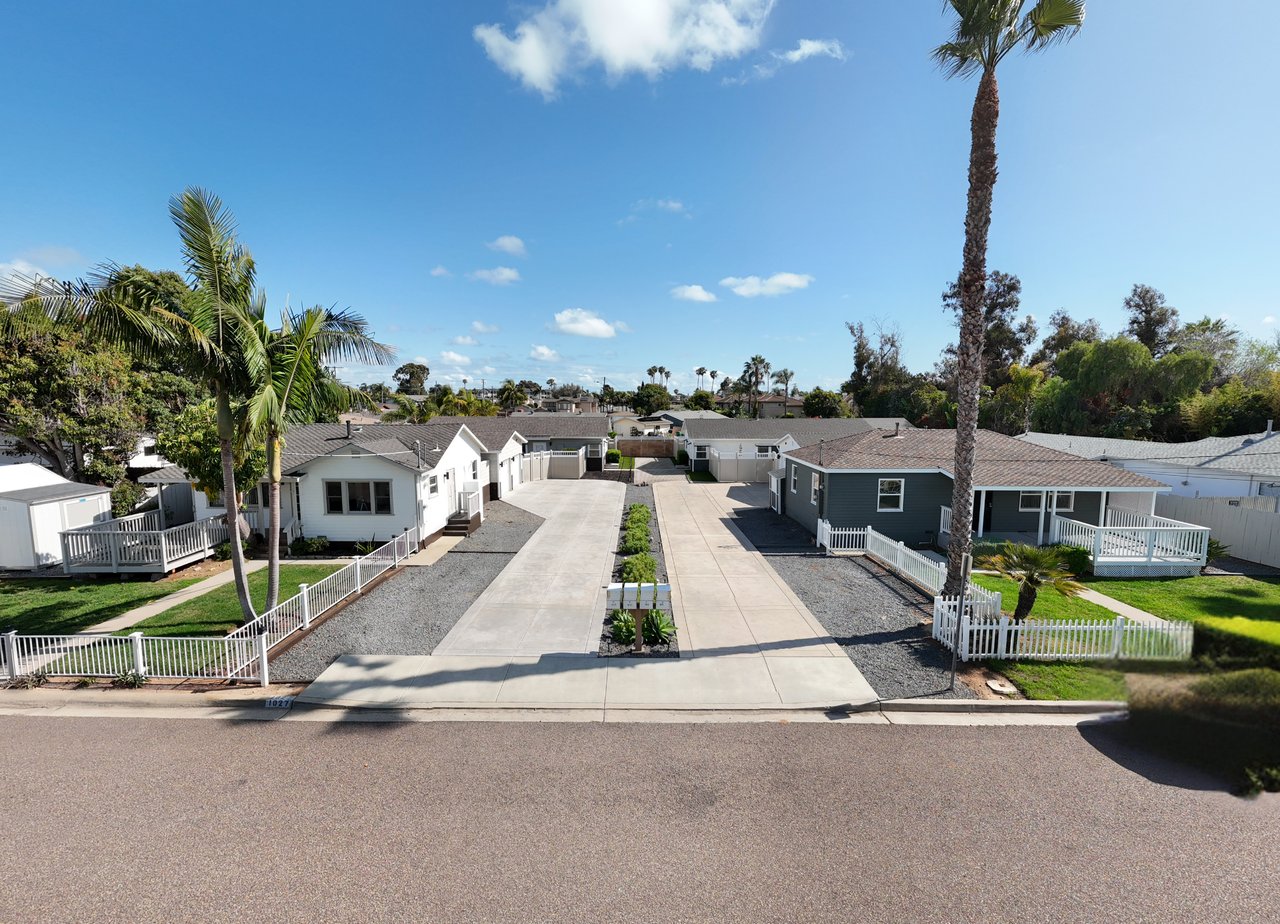
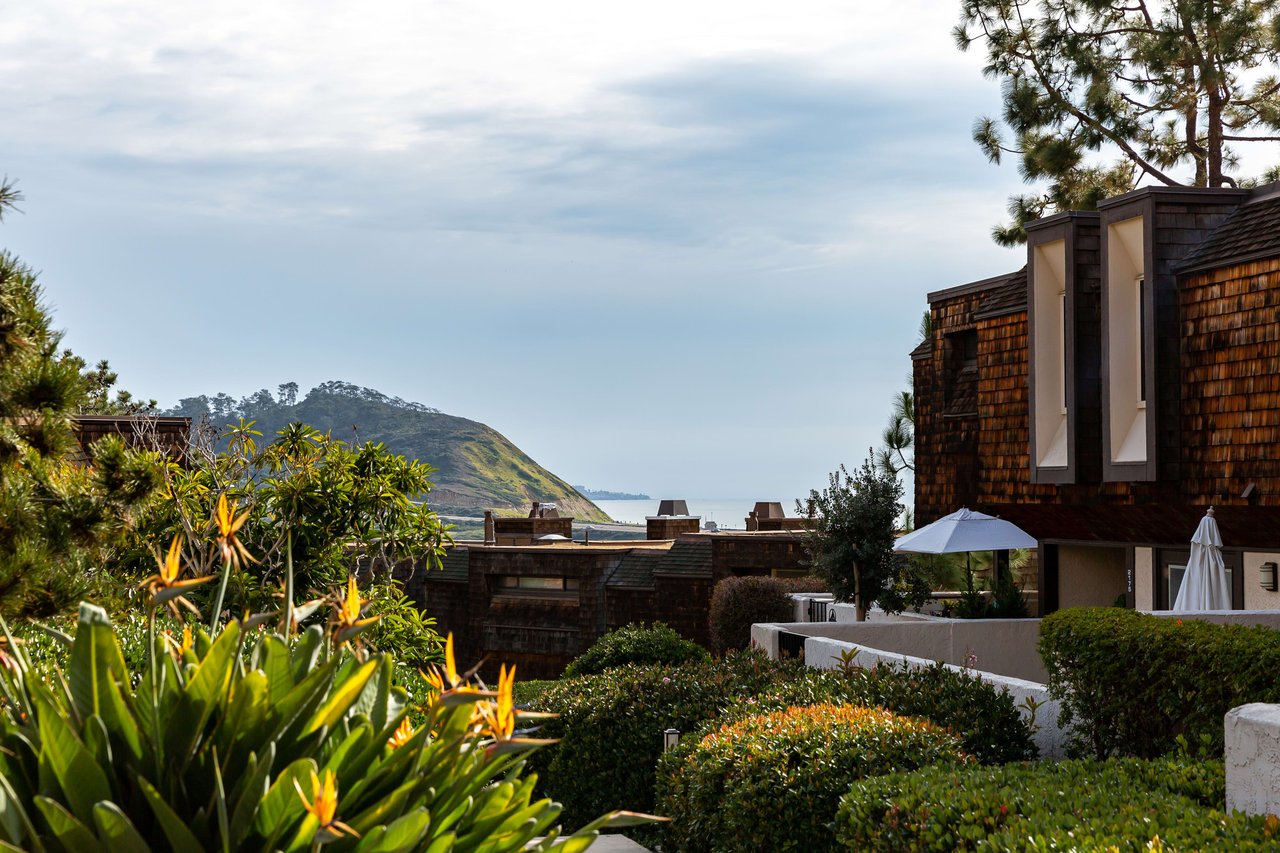
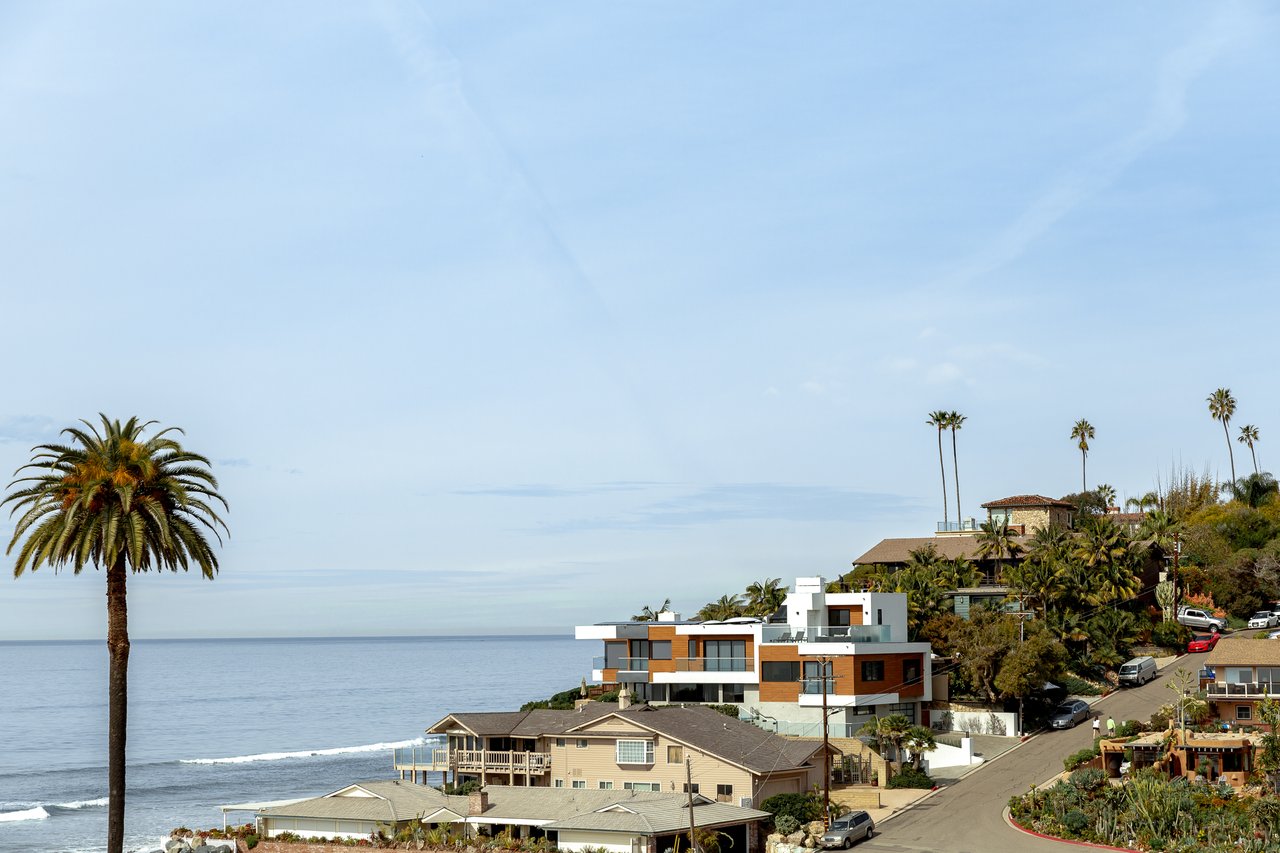
Leucadia has its own loyal following, and it is easy to see why. City descriptions point to narrow streets, mature landscaping, an informal layout, and a small-town coastal feel that reads as less polished and more free-form.
Along North Coast Highway 101, you will find a mix of businesses, eateries, galleries, inns, and beach traffic tied to popular access points like Beacon’s and Grandview. The overall vibe feels independent and local.
If you like places with personality, Leucadia may be the version of Encinitas that speaks to you most. It tends to appeal to people who want a beach setting that feels casual, creative, and a little less buttoned-up.
Why some buyers prefer Leucadia
Leucadia can feel more relaxed than the downtown core while still giving you coastal access and a strong neighborhood identity. It is beachy, social, and local without trying too hard.
That said, the tradeoff can be a more irregular streetscape and a less structured feel overall. For many buyers, that is part of the charm rather than a drawback.
New Encinitas is the practical middle ground
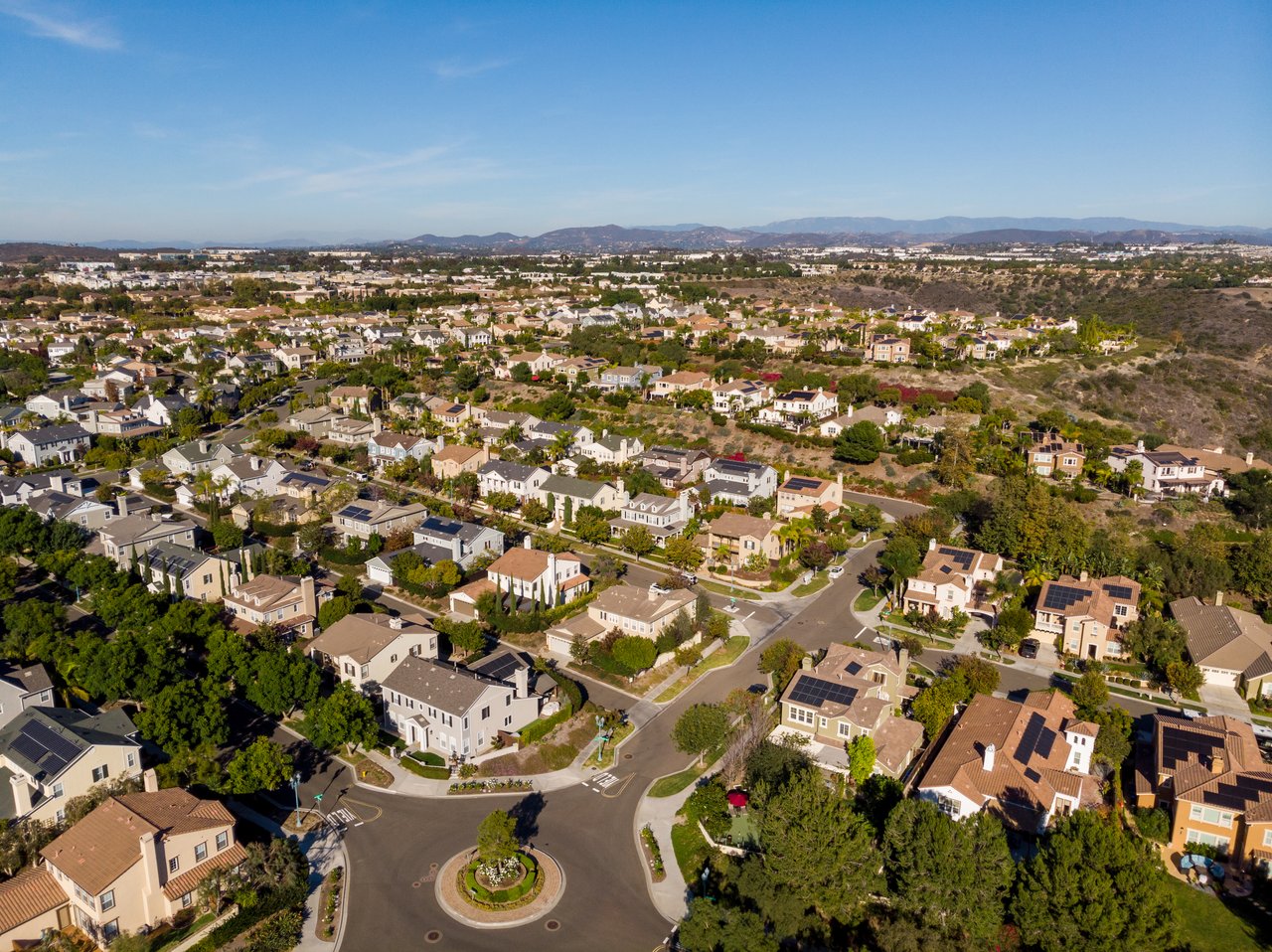
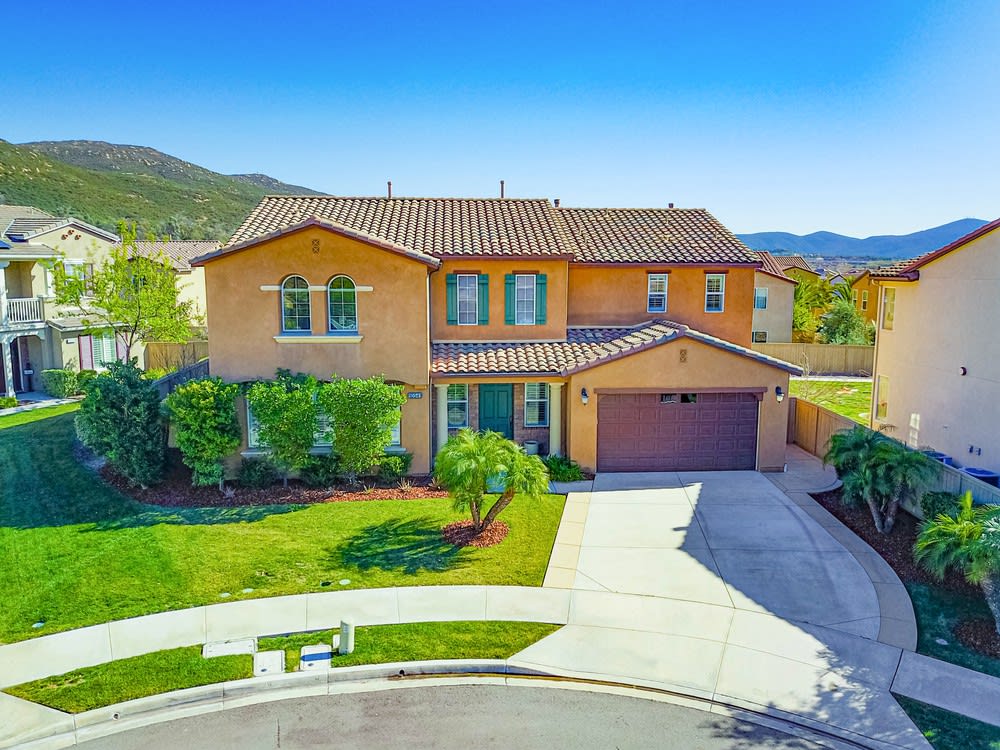
If coastal neighborhoods feel a little too busy and rural living feels a little too spread out, New Encinitas often lands in the sweet spot. The city describes this area as more centrally located and more planned, with institutional and commercial uses along El Camino Real and Encinitas Boulevard.
In practical terms, New Encinitas often feels more convenient for errands, daily routines, and access to services. It also gives you a useful inland option if you want Encinitas living without being right in the beach corridor.
For many households, this is where lifestyle and function meet. You may give up some of the immediate beach-town atmosphere, but you often gain a more straightforward day-to-day rhythm.
Olivenhain is quiet, rural, and spacious
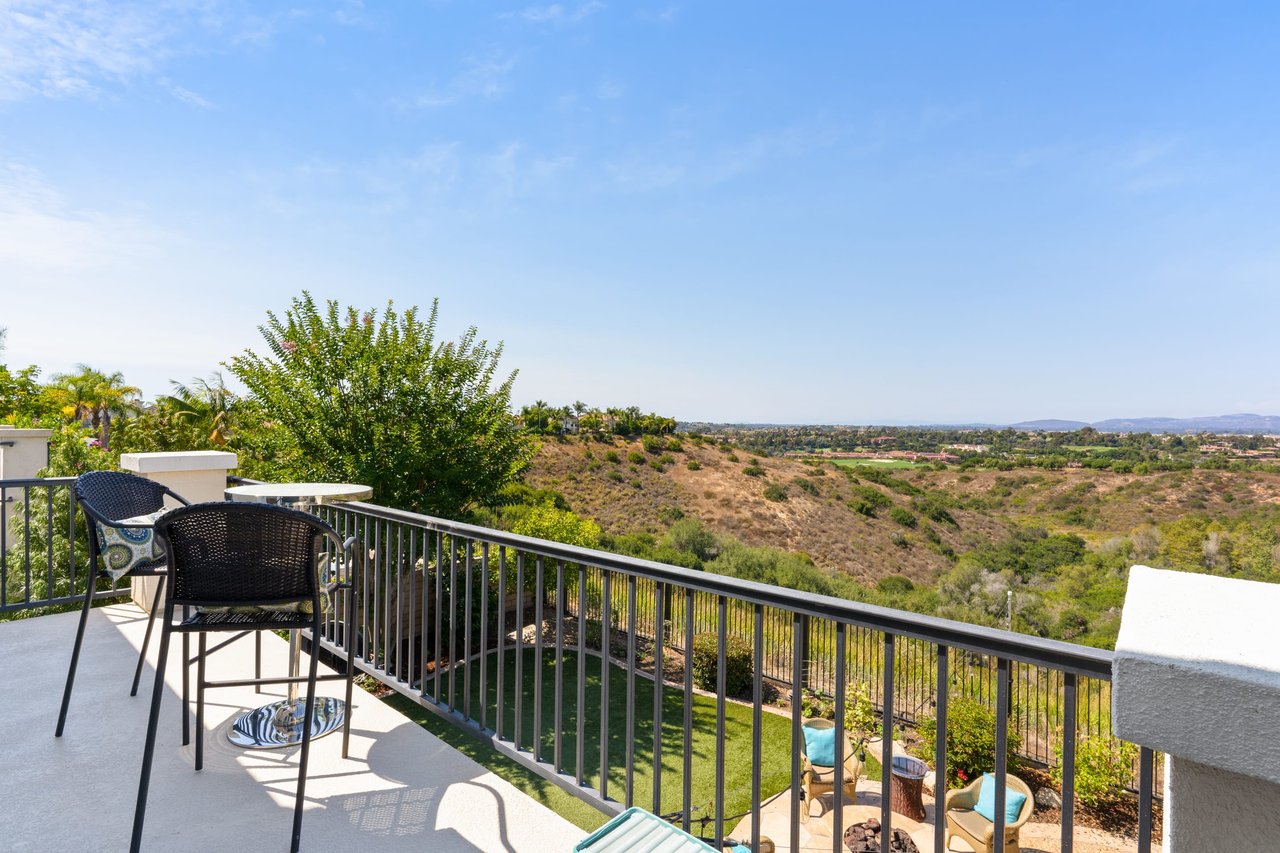
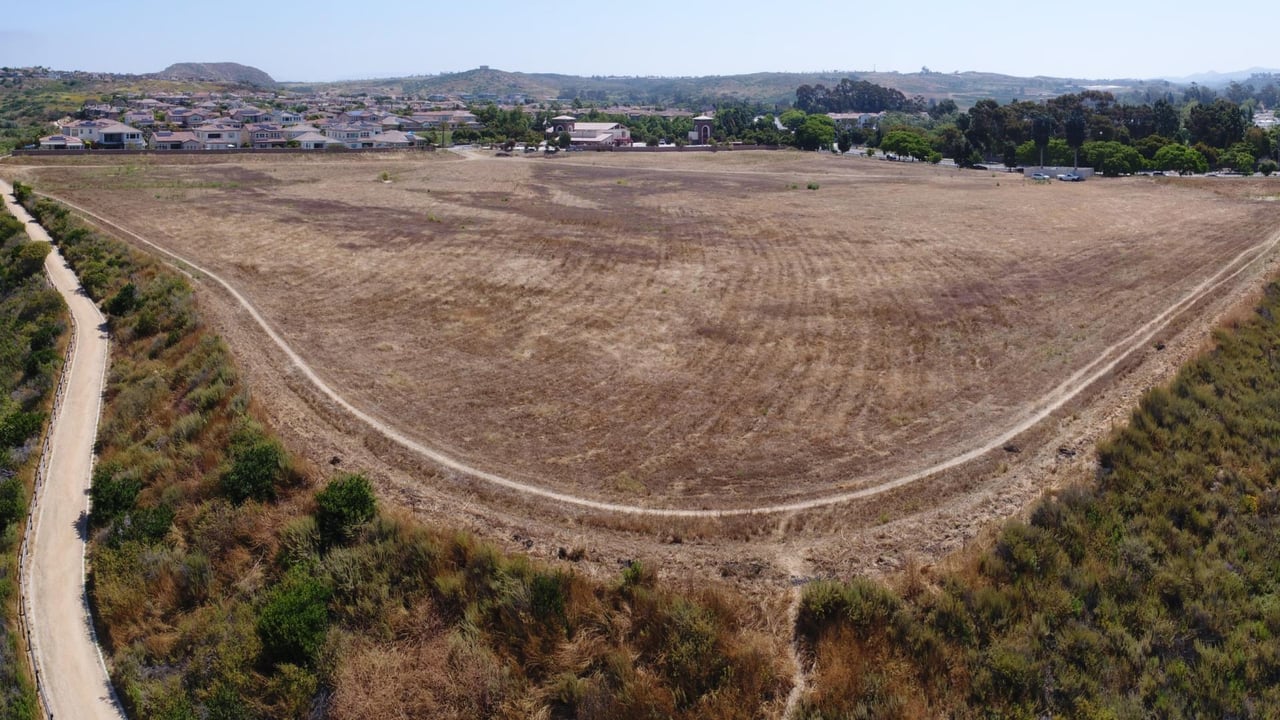
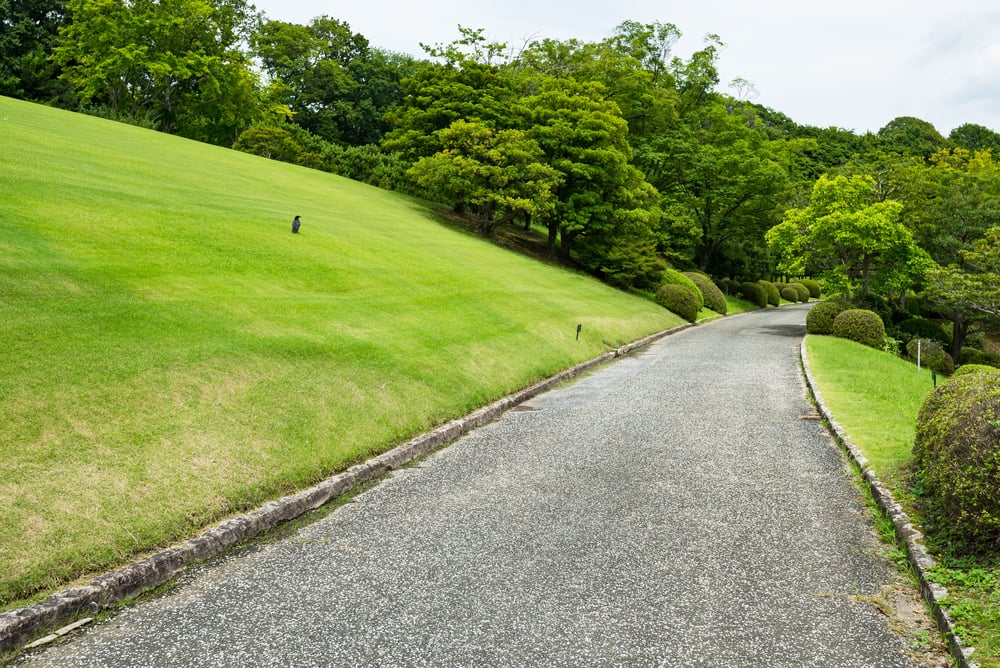
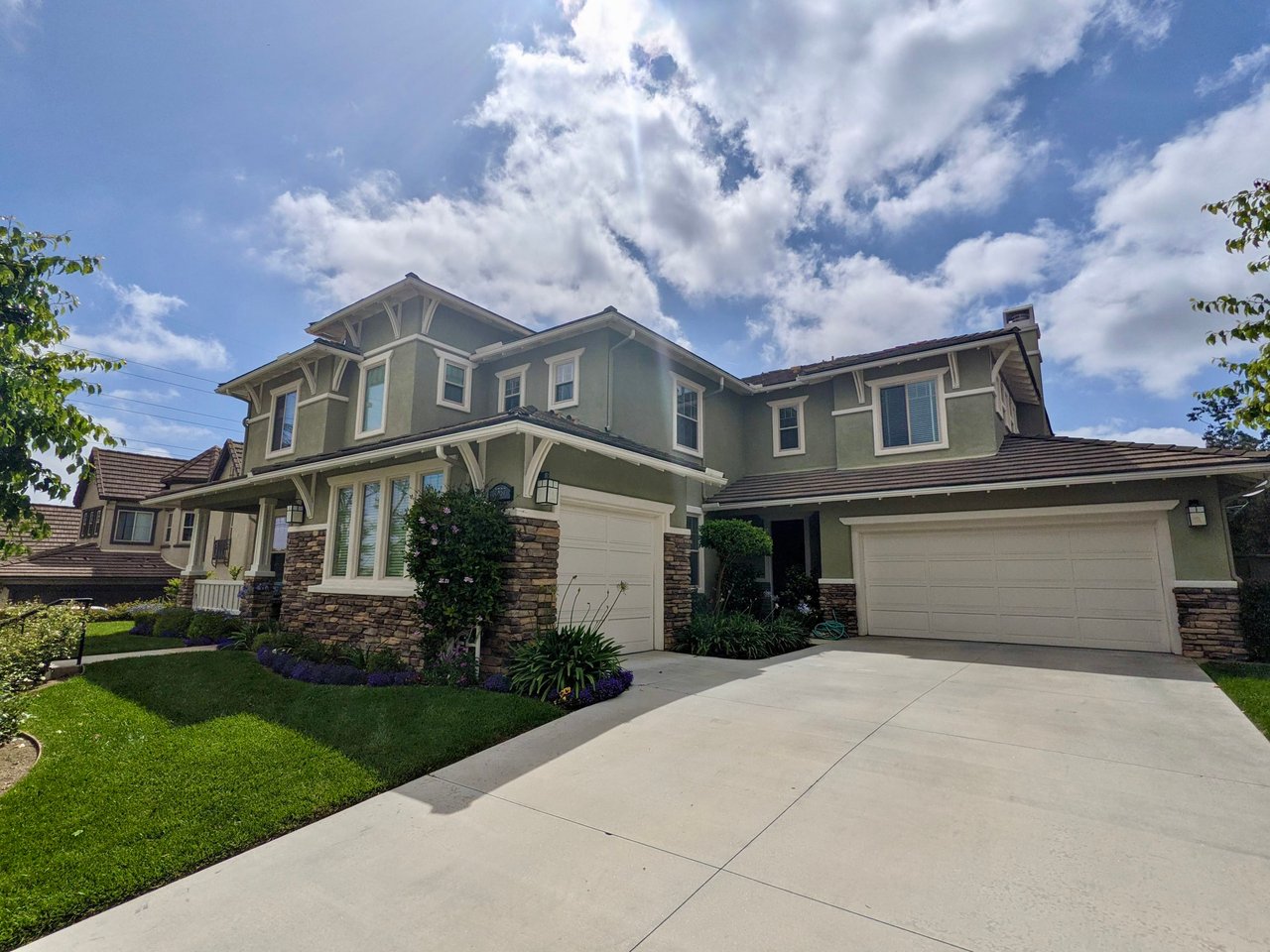
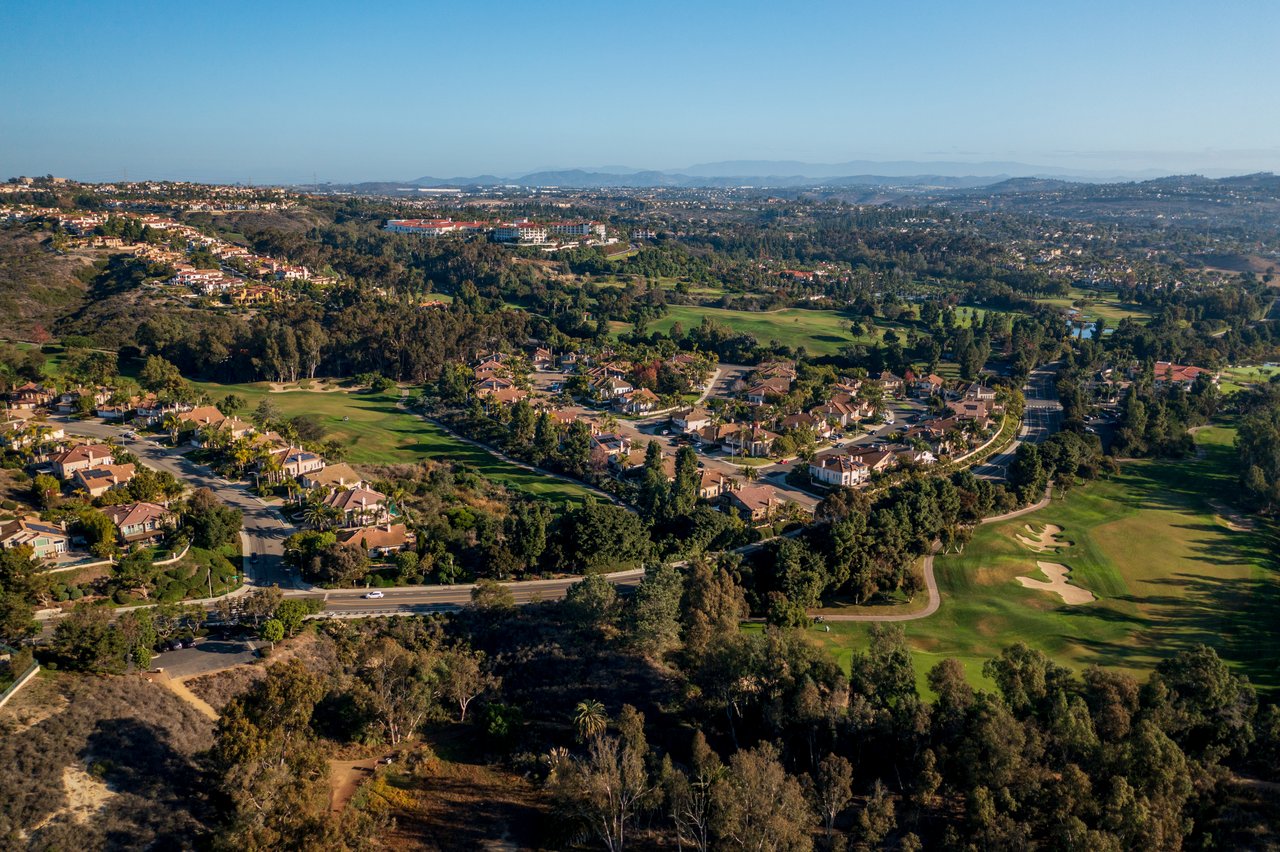
Olivenhain feels like a different world from the coast, even though it is still part of Encinitas. City standards describe it as rural, pastoral, and low-density, with large lots, mature landscaping, open space, rolling hills, and equestrian facilities.
This is the part of Encinitas where you feel the land more. Roads are narrower, homes are more spread out, and the setting is much quieter than what you find near Highway 101.
If you want privacy, elbow room, and access to trails, Olivenhain stands out. It is especially appealing if you are looking for a horse-friendly area or simply prefer a semi-rural setting over a compact coastal one.
Trails are a major part of the lifestyle
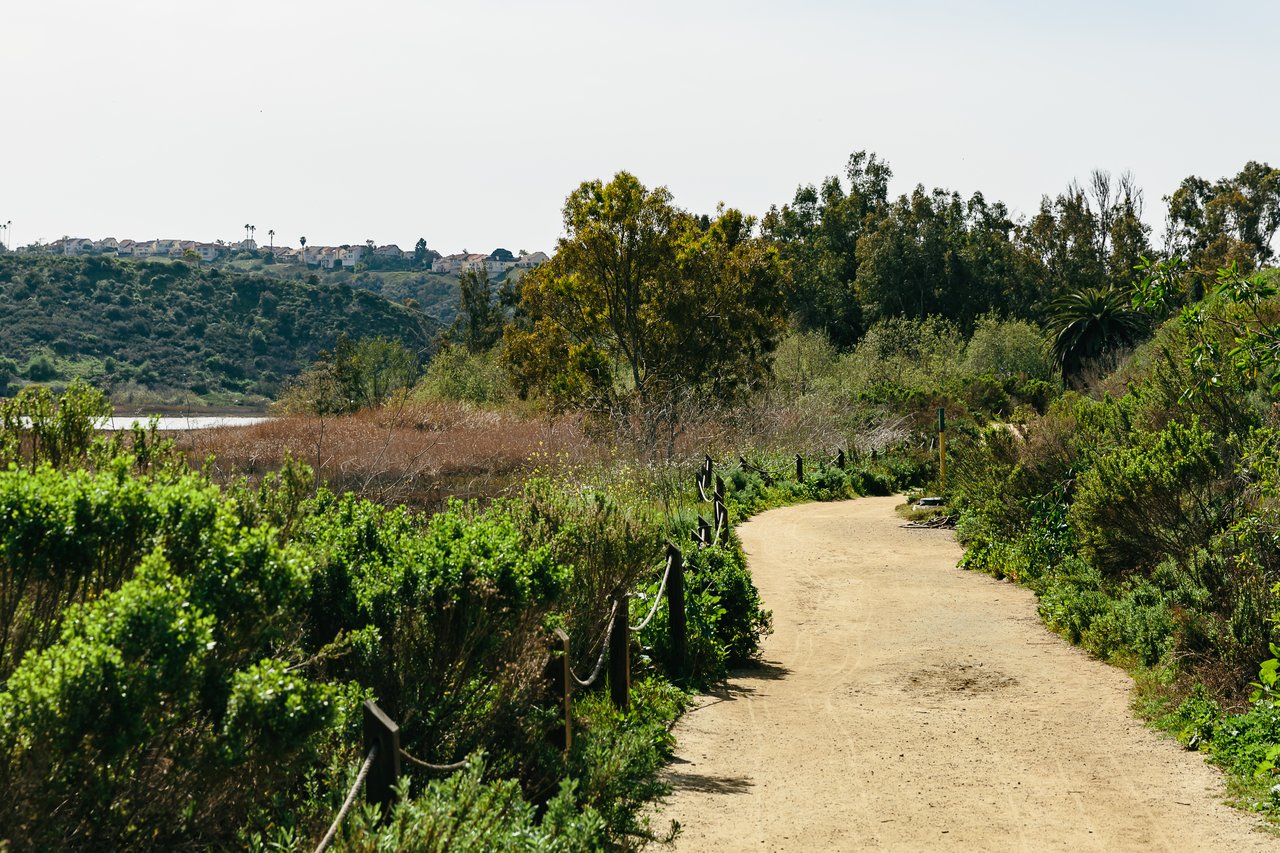
Olivenhain has the most extensive trail network in the city. Those trails are open to hikers, cyclists, and equestrians, which gives the area a strong outdoor identity beyond the beach.
For you, that may mean morning rides, walks, or trail time become part of your normal routine. It is a very different kind of Encinitas lifestyle, but for the right buyer, it is the best one.
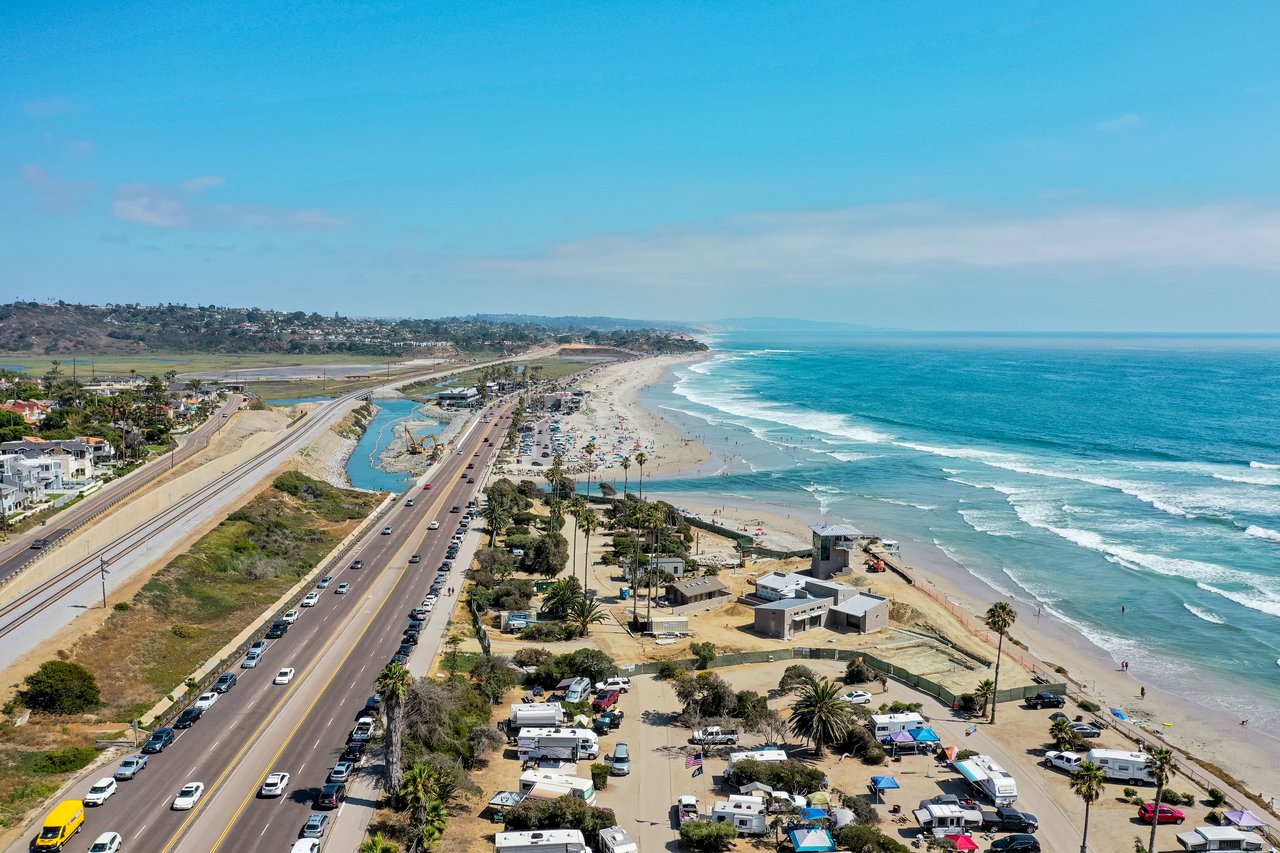
Beach life shapes the city
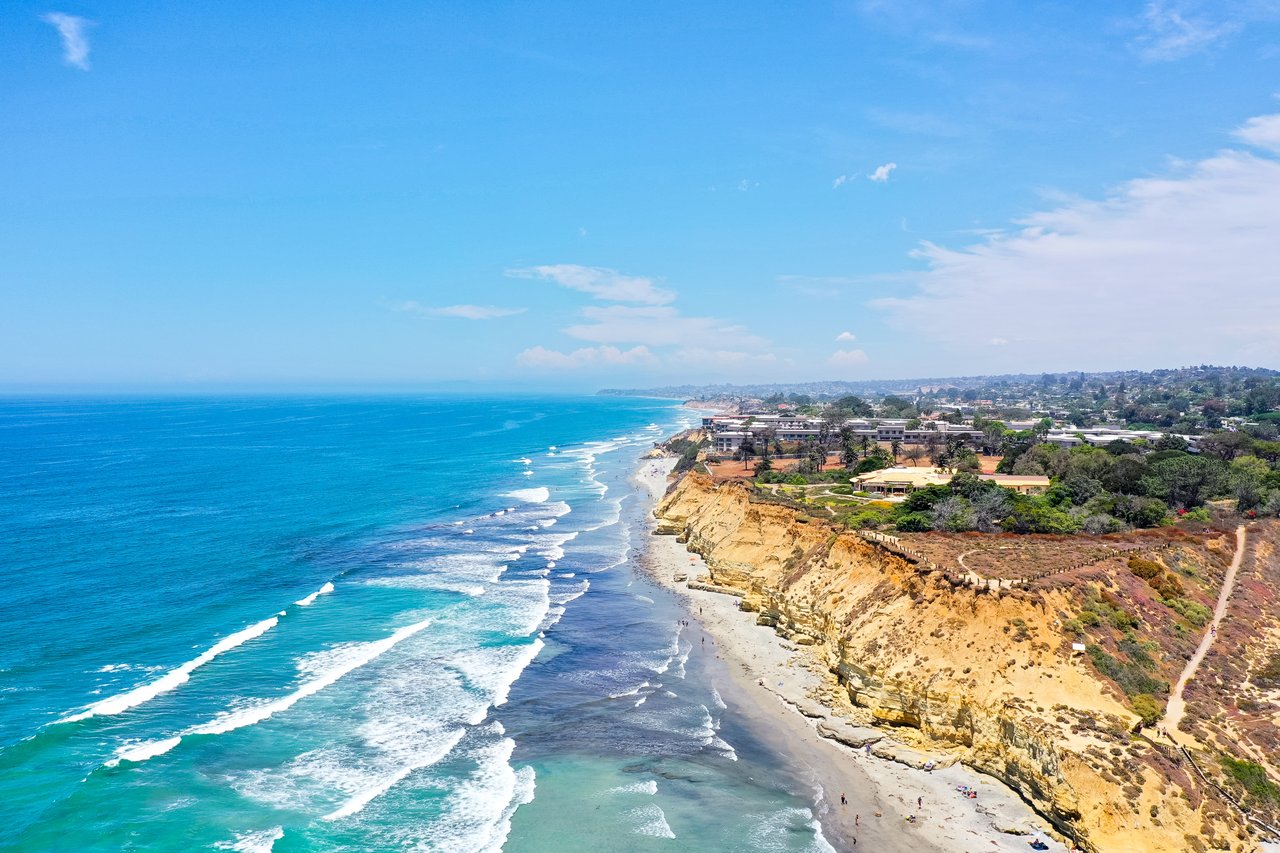
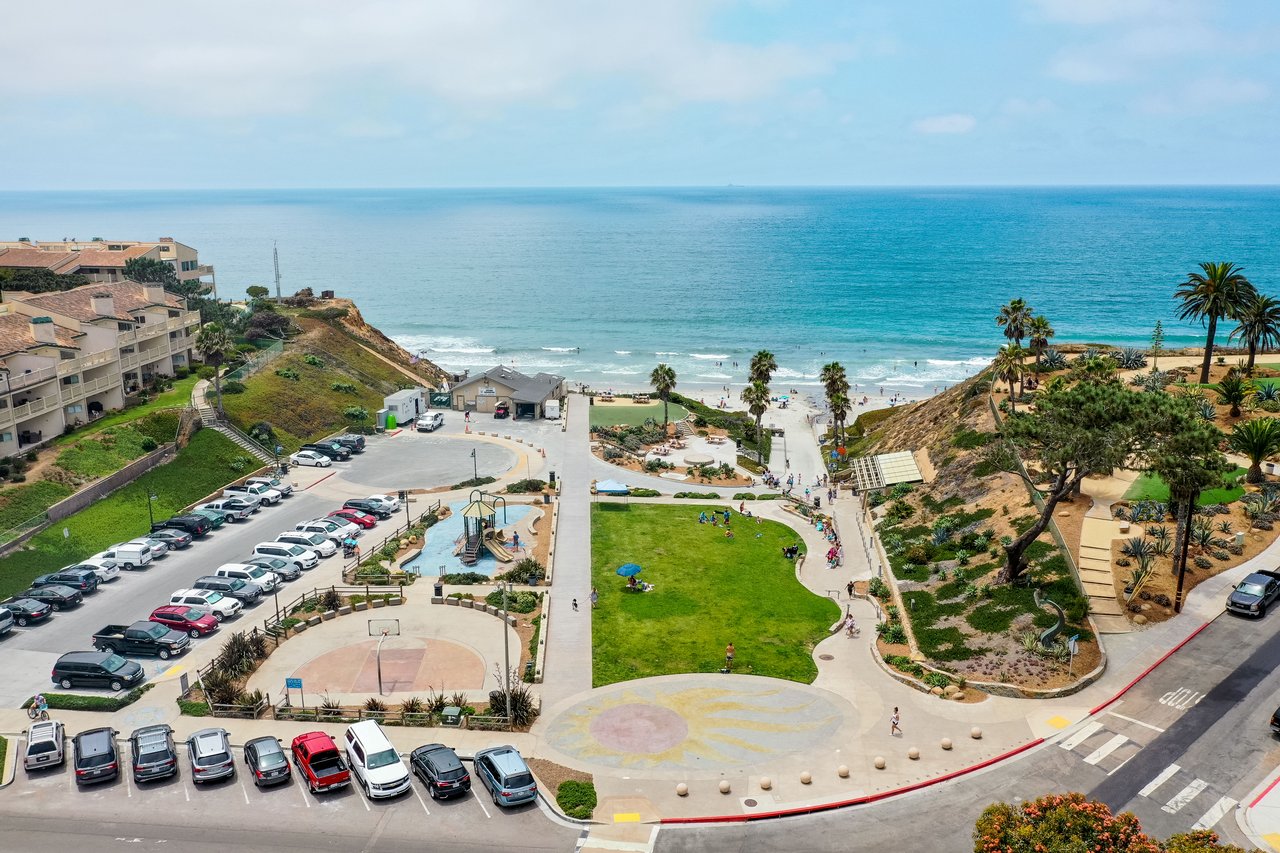
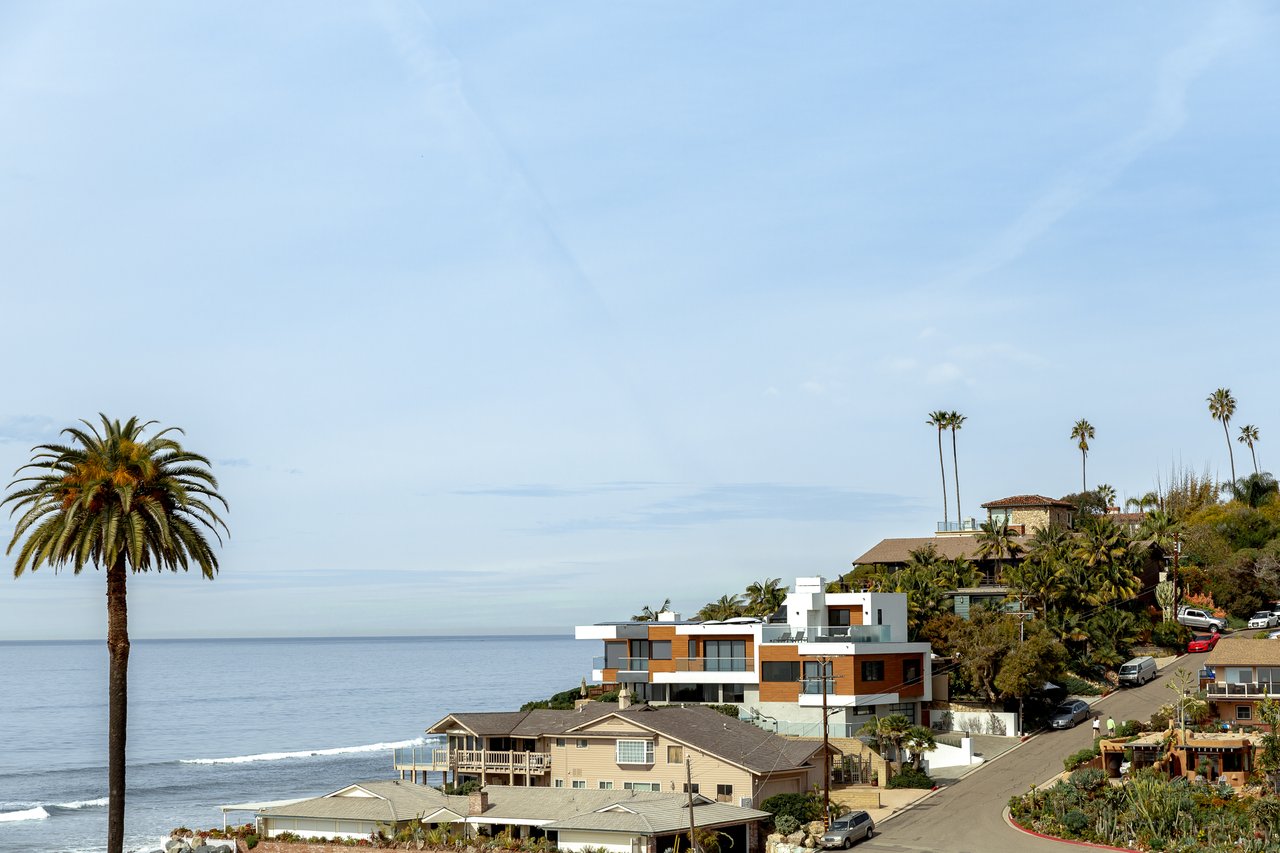
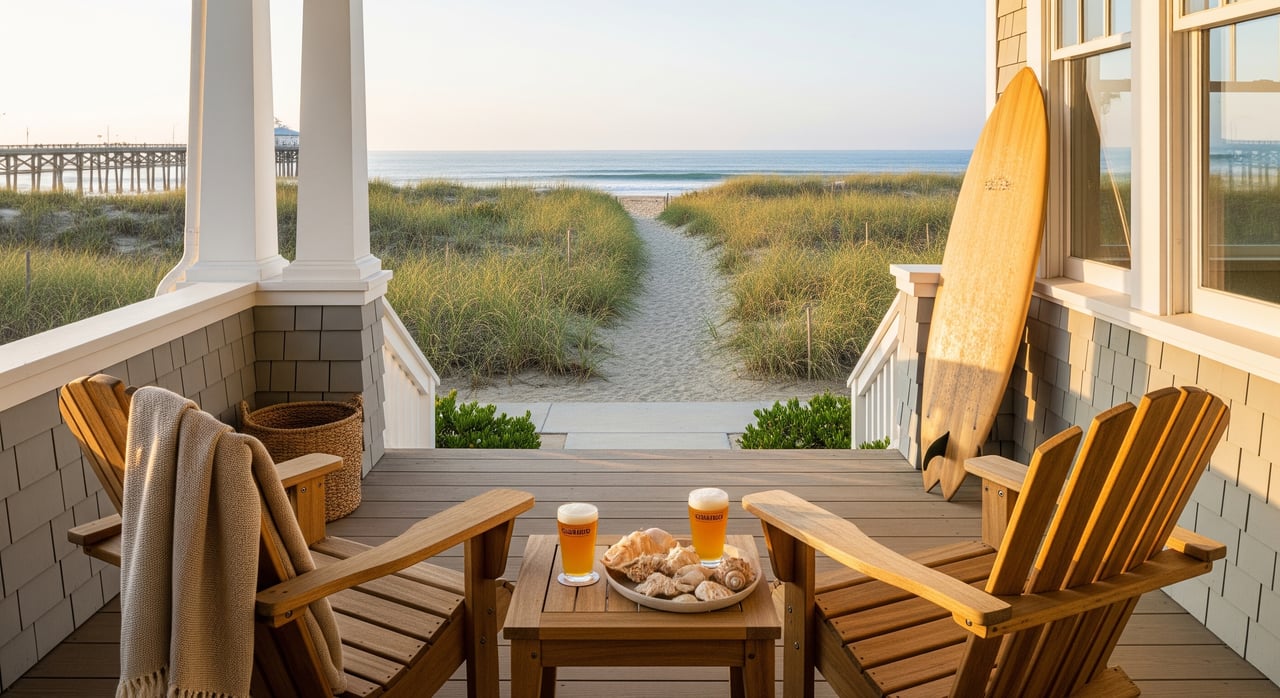
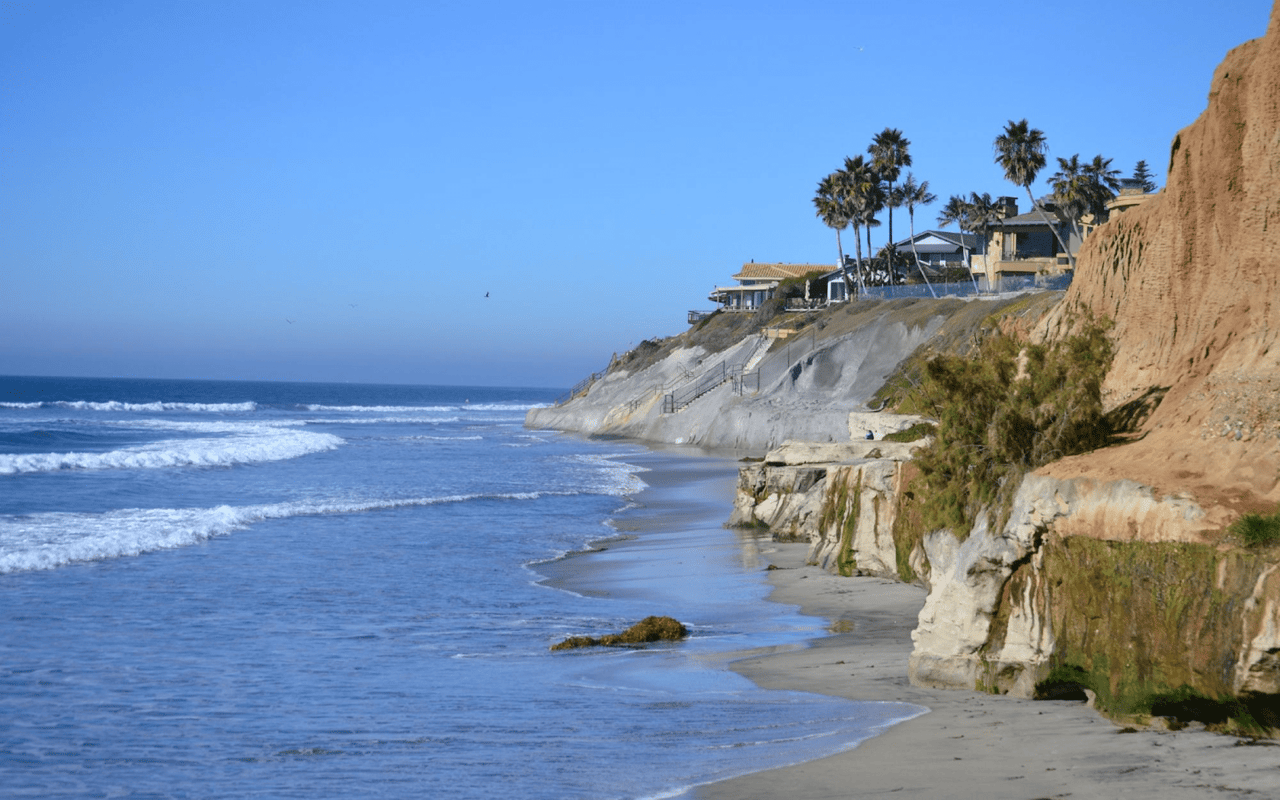
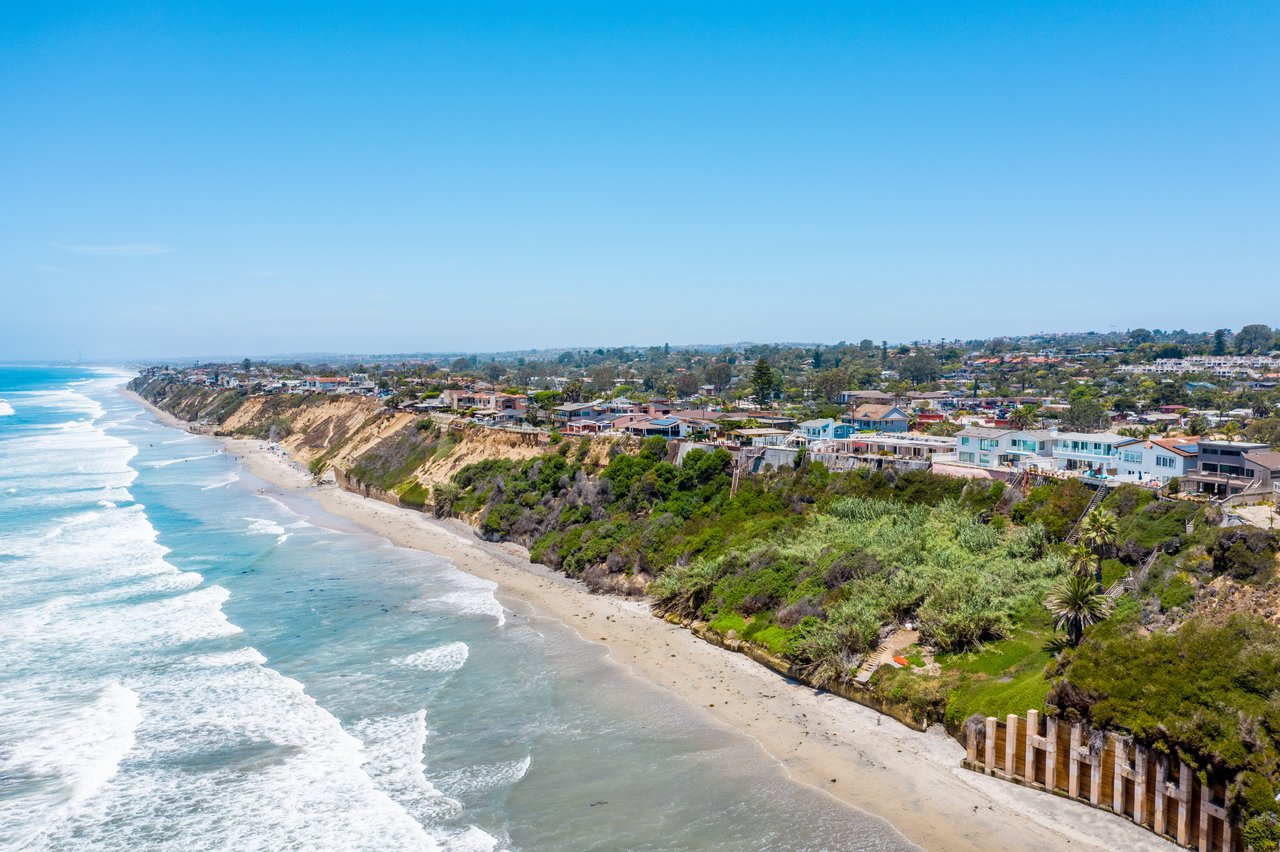
Even if you do not surf, the beach is still part of how Encinitas lives. The city maintains about 45 acres of beaches, and Moonlight Beach is one of the county’s most popular beach destinations.
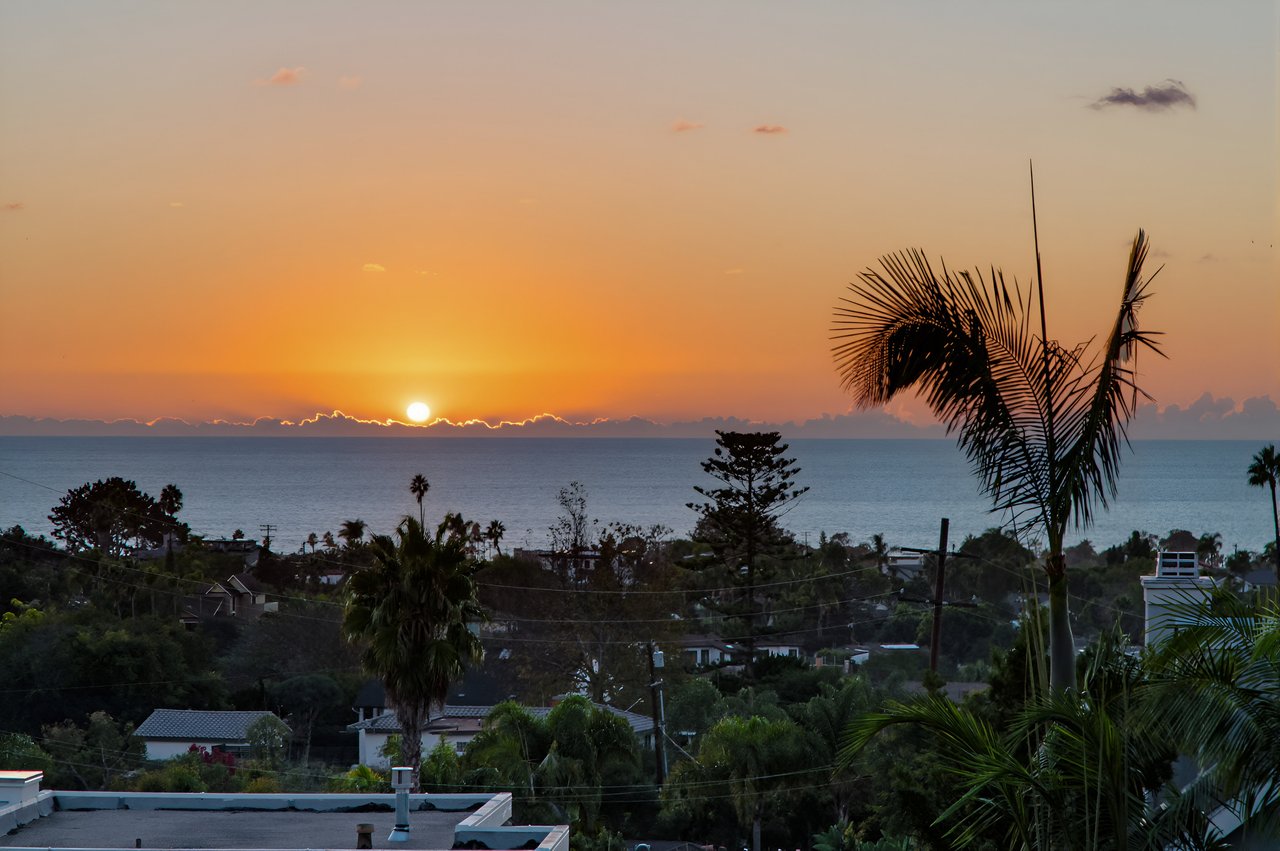
Moonlight Beach is especially easy to enjoy because it has sandy shoreline, free parking, year-round lifeguard service, restrooms, showers, a playground, and fire rings. It works well for a casual beach afternoon, a family outing, or a simple sunset stop.
Swami’s Beach Park offers a different experience. It is known for public art, views, and well-known surf, and it plays a big role in the city’s local identity.
Surf culture is real here
Encinitas has a genuine surf culture, not just beach branding. Access points and surf spots around Moonlight, Swami’s, D Street, Beacon’s, Grandview, and Stonesteps are part of what gives the city its rhythm.
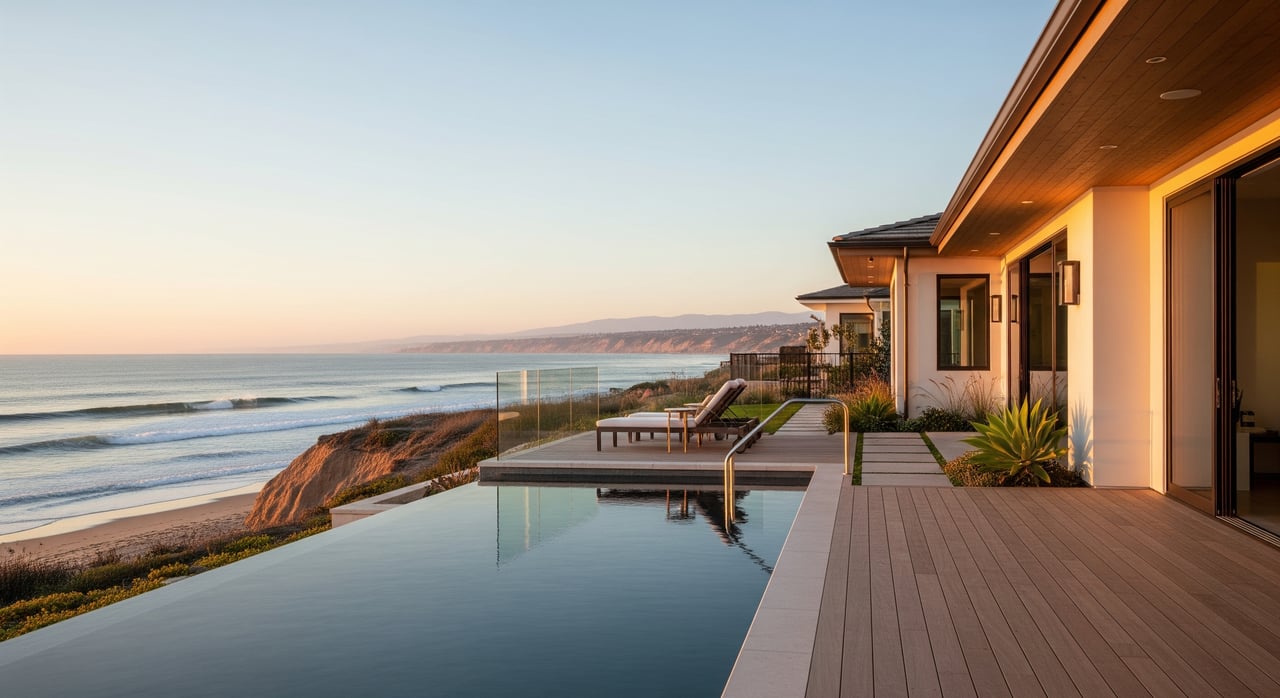
If you are beach-first in the way you want to live, the coastal parts of Encinitas usually make the strongest case. They put the ocean closer to your everyday life, not just your weekends.
Social life is casual and outdoorsy
Encinitas is not a place built around large entertainment districts. Much of the social life happens on patios, in coffee shops, along Highway 101, and in smaller neighborhood clusters.
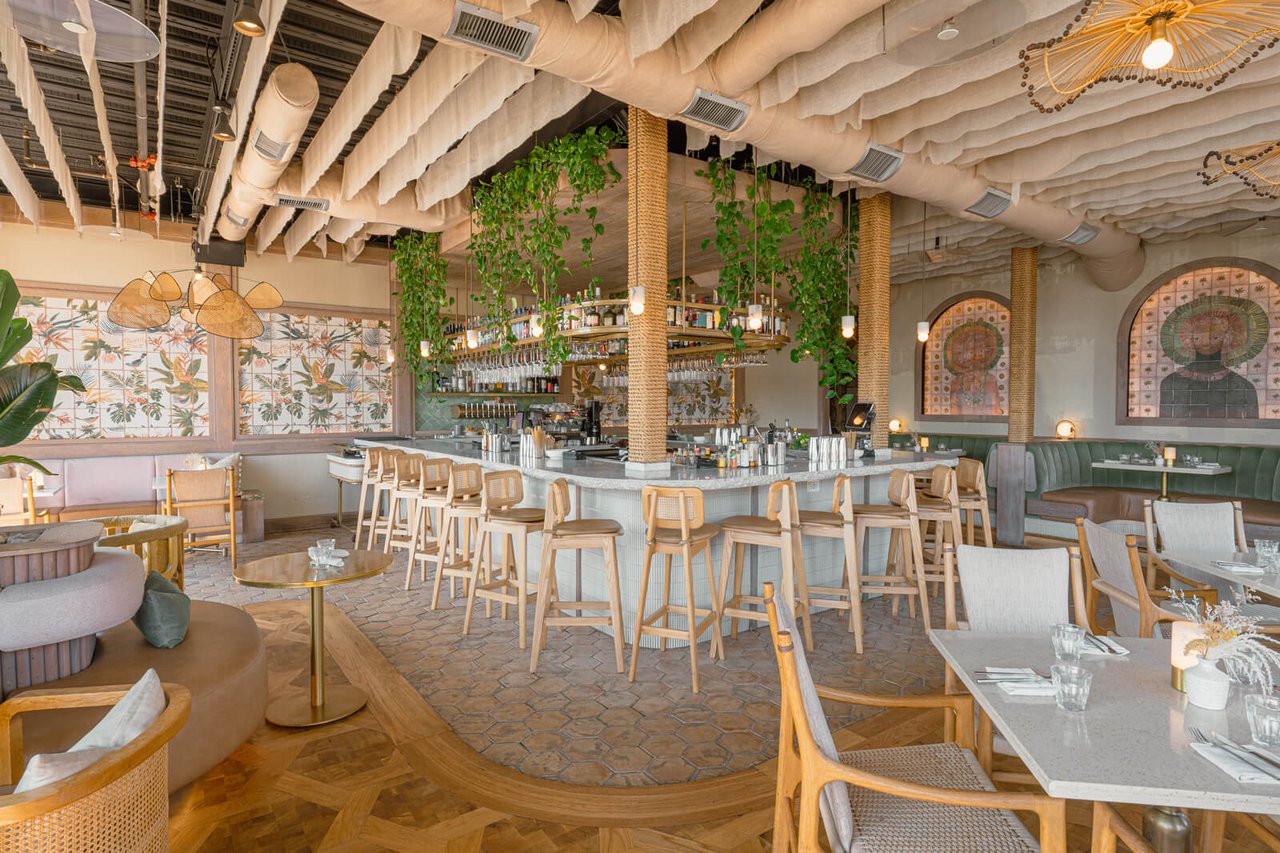
The dining scene includes outdoor cafes, upscale restaurants, taco shops, breweries, and trendy coffee spots. In everyday terms, that means going out often feels easy and low-pressure rather than formal or high-energy.
If you like a town where social life can be as simple as meeting friends for coffee, grabbing a casual dinner, or spending time outside, Encinitas delivers that well. The tone is relaxed, and the setting does a lot of the work.
Arts and events add local personality
Encinitas has a stronger arts presence than many people expect from a city this size. The city reports more than 85 arts and culture organizations and more than 80 pieces of public art.
Recurring programs include Art Night, Music by the Sea, Weds@Noon concerts, and Moonlight Beach Concerts during parts of the summer. These are the kinds of events that make the city feel active without making it feel hectic.
For residents, that means culture tends to show up in community-scale ways. You are more likely to run into public art, concerts, classes, and local events than large formal venues.
Parks and trails make it easy to stay outside
The outdoor lifestyle in Encinitas goes beyond the beach. The city maintains 20 community parks, three sports parks, a skatepark, a 2-acre off-leash dog park, and about 40 miles of trails.
The trail system supports pedestrian, bicycle, and equestrian use, which broadens the appeal for many types of residents. You can build a very active routine here without needing to rely on one specific hobby.
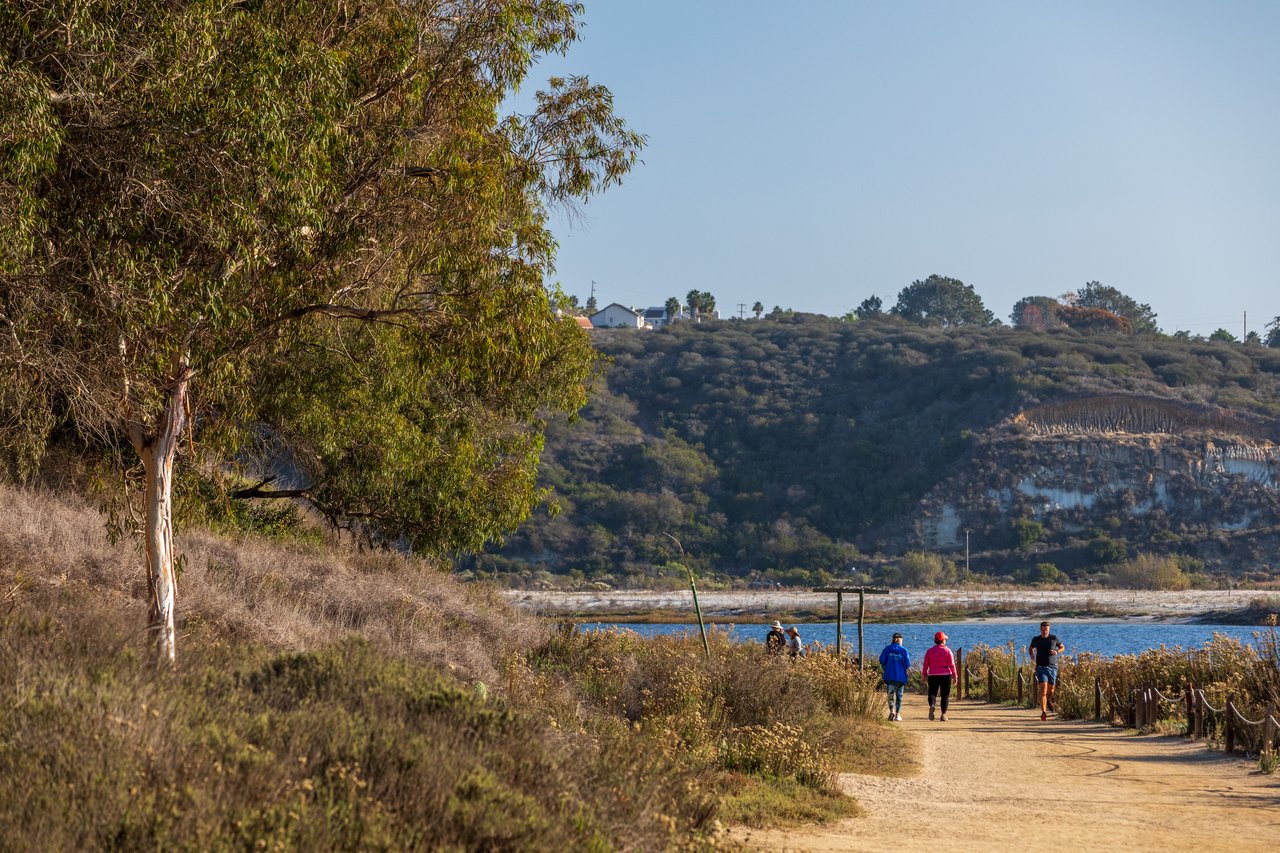
Another major asset is the San Elijo Lagoon Ecological Reserve, which adds about five miles of county-managed trails. The city notes that it is the largest coastal wetland in San Diego County and home to nearly 300 bird species throughout the year.
Encinitas works well for many life stages
The numbers help explain why Encinitas appeals to such a wide range of buyers. Census QuickFacts reports a population of 61,137, with about 20.7% of residents under 18 and 19.9% age 65 and older.
That age balance supports what many people feel on the ground. Encinitas can work for households looking for parks, beach access, and school pathways, and it can also work for buyers who want a coastal setting with strong everyday livability.
It is also a city where remote work can fit naturally. According to Census QuickFacts, 98.5% of households have a computer and 96.4% have broadband, which supports home-office readiness.
Schools are part of the move decision
If schools are part of your search, Encinitas is usually viewed through two public-school systems. Encinitas Union School District serves grades K through 6, and San Dieguito Union High School District serves grades 7 through 12.
EUSD lists nine campuses, and SDUHSD serves five middle schools and four comprehensive high schools. San Dieguito High School Academy in Encinitas is listed by the district as a school of choice.
For many buyers, this is a practical part of deciding where to land. Moving to Encinitas is often not just about finding the right house near the coast, but also understanding how the school-district structure fits your plans.
Commuting is manageable, but still car-oriented
Encinitas does have transit support. The city notes that NCTD commuter rail and buses serve multiple communities, that the COASTER stops at Encinitas Station, and that fixed-route buses cover additional neighborhoods.
Even so, daily life still tends to be easier by car, especially as you move inland. The coastal core is generally more walkable, while eastern areas feel more spread out and car-oriented.
Census QuickFacts reports a mean travel time to work of 24.7 minutes. If you work remotely or hybrid, that can make Encinitas especially attractive because the city combines connectivity with easy access to beaches, trails, and local amenities.
Cost is the biggest reality check
Encinitas offers a high-quality lifestyle, but it comes at a premium. Census QuickFacts lists a median owner-occupied home value of $1,646,800 and an owner-occupied housing rate of 66.5%.
That helps frame the central tradeoff in the city. Coastal areas tend to be more compact, more active, and more expensive, while inland and rural pockets may offer more space but less immediate access to the beach and downtown areas.
For you, the key is deciding what matters most. If being near the coast is the priority, you may accept less space. If privacy and room are higher on your list, inland Encinitas may offer a better fit.
Who Encinitas tends to fit best
Different parts of Encinitas suit different goals. In broad terms, here is how the city tends to line up:
- Beach-first buyers: Old Encinitas and Leucadia often make the most sense if you want surf access, walkability, and a stronger coastal feel.
- Households focused on parks and school pathways: Areas with convenient access to EUSD schools, parks, and Moonlight Beach amenities can be especially practical.
- Remote or hybrid workers: Strong broadband access and a balanced daily rhythm make Encinitas very workable for home-based schedules.
- Buyers wanting acreage or equestrian features: Olivenhain stands out for larger lots, trails, and a rural setting.
The right fit depends on how you want your weekdays to feel, not just what you want your weekends to look like.
If you are trying to figure out which part of Encinitas matches your lifestyle, goals, and budget, talking it through with a local expert can save you time and help you focus on the right areas from the start. Klinge Realty can help you compare neighborhoods, understand the tradeoffs, and make a smart move with clear local guidance.
FAQs
What is daily life like in Encinitas?
- Daily life in Encinitas is shaped by the beach, outdoor recreation, casual dining, community events, and distinct neighborhood personalities that range from walkable coastal areas to quiet rural pockets.
What part of Encinitas feels most walkable?
- Old Encinitas, especially around Downtown 101, generally feels the most walkable because of its concentration of shops, cafes, restaurants, and beach access.
What is Leucadia like for full-time living?
- Leucadia feels laid-back, eclectic, and local, with an informal coastal character, beach access, and a Highway 101 corridor lined with independent businesses and eateries.
What is Olivenhain like compared with coastal Encinitas?
- Olivenhain feels quieter and more rural, with larger lots, trails, rolling hills, and equestrian features, but it is less walkable and farther from immediate beach access.
Is Encinitas good for remote work?
- Encinitas appears well-suited for remote work because Census QuickFacts reports very high household computer and broadband access, and the city offers a lifestyle that can easily mix work with outdoor time.
Is Encinitas expensive to live in?
- Encinitas is a high-cost market, with Census QuickFacts listing a median owner-occupied home value of $1,646,800, so many buyers weigh coastal access against the amount of space they want.
How do public schools work in Encinitas?
- Public schools in Encinitas are commonly understood through two districts: Encinitas Union School District for grades K through 6 and San Dieguito Union High School District for grades 7 through 12.