Trying to choose between Cardiff’s Walking District and the Composer District? Both put you close to the beach, but the daily rhythm, street feel, and home settings are different. In this guide, you’ll get a clear, local breakdown of location, topography, home styles, ocean views, walkability, parking, and lifestyle fit so you can decide with confidence. Let’s dive in.
Quick compare: the big picture
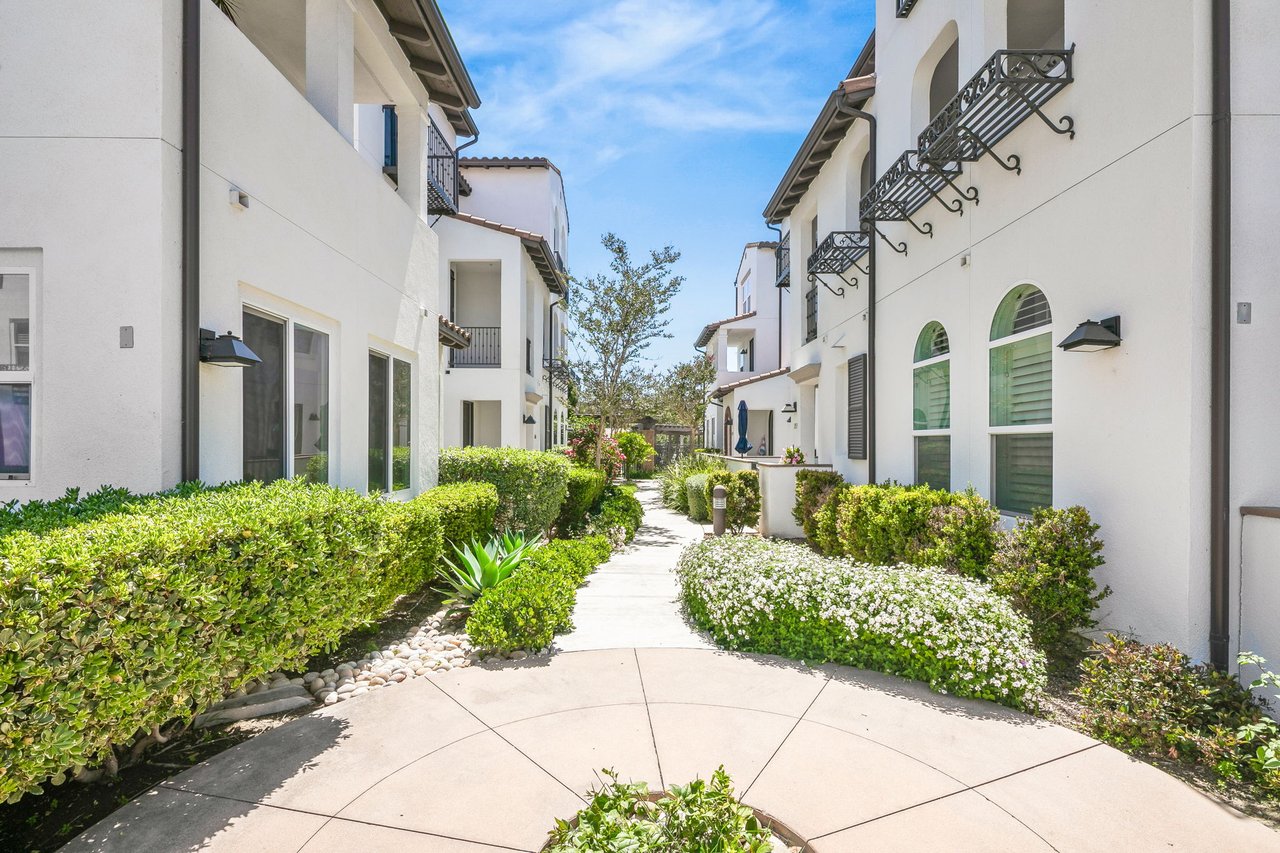
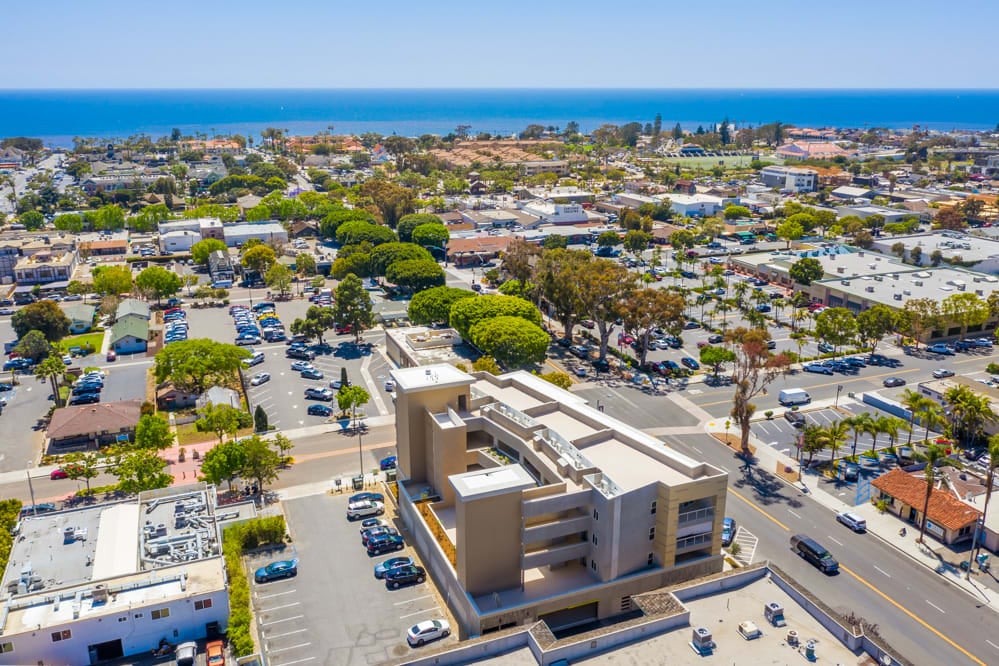
- Walking District: Flatter blocks near Cardiff’s town center with strong walkability to cafés, the Rail Trail, and Seaside Market. Expect more street activity and shorter walks to beach access. City planning materials describe the town center’s compact layout and surface parking pattern.
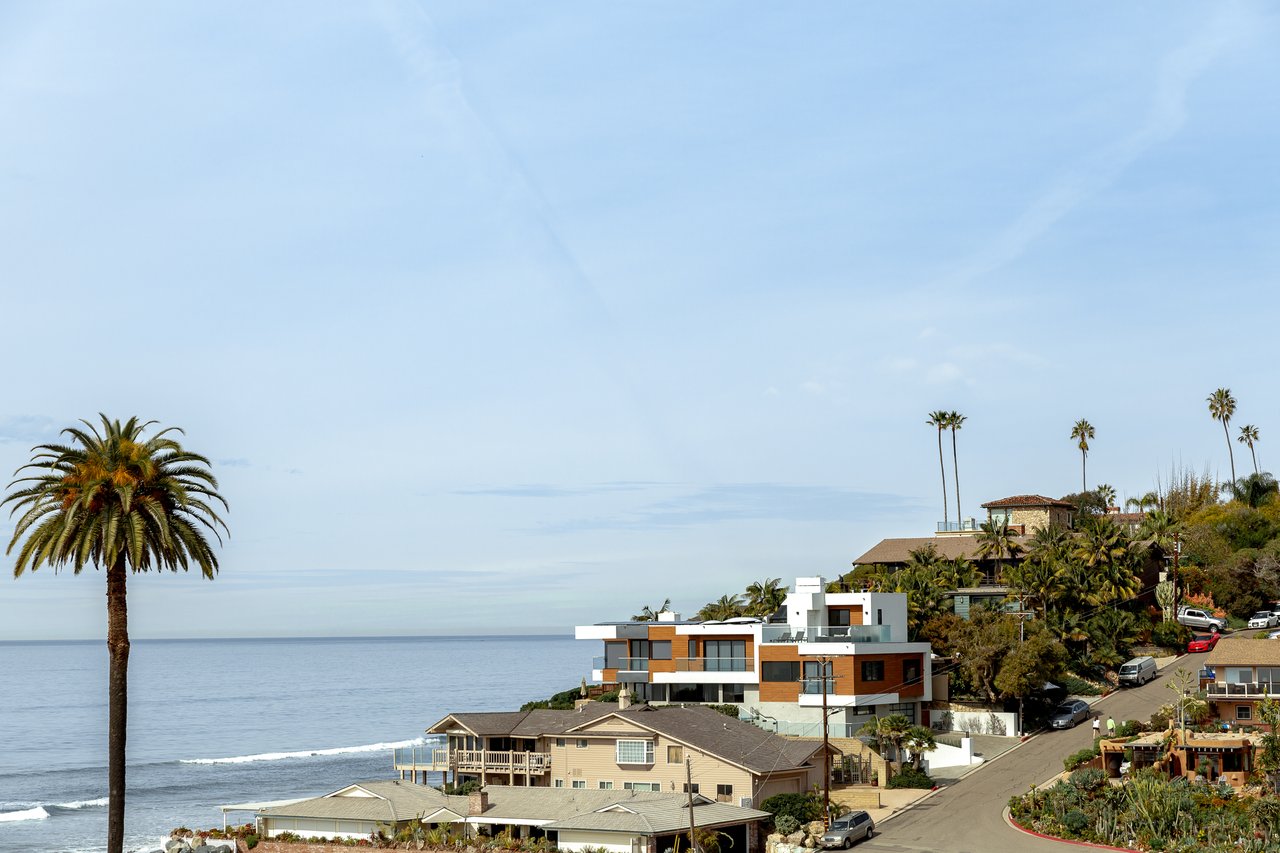
- Composer District: Hillier, winding streets named after composers with more frequent peek or sit‑down ocean views and often larger lots. The area’s name and history trace back to developer Victor Kremer and the composer-named streets noted in Cardiff’s Wikipedia entry.
- Access and noise tradeoffs: Both are walkable to beaches and Seaside Market. The rail corridor and Coast Highway shape crossings and ambient noise, with safety and access upgrades at Chesterfield improving how people move between neighborhood and beach, per SANDAG’s project summary.
Where they sit and how to get around
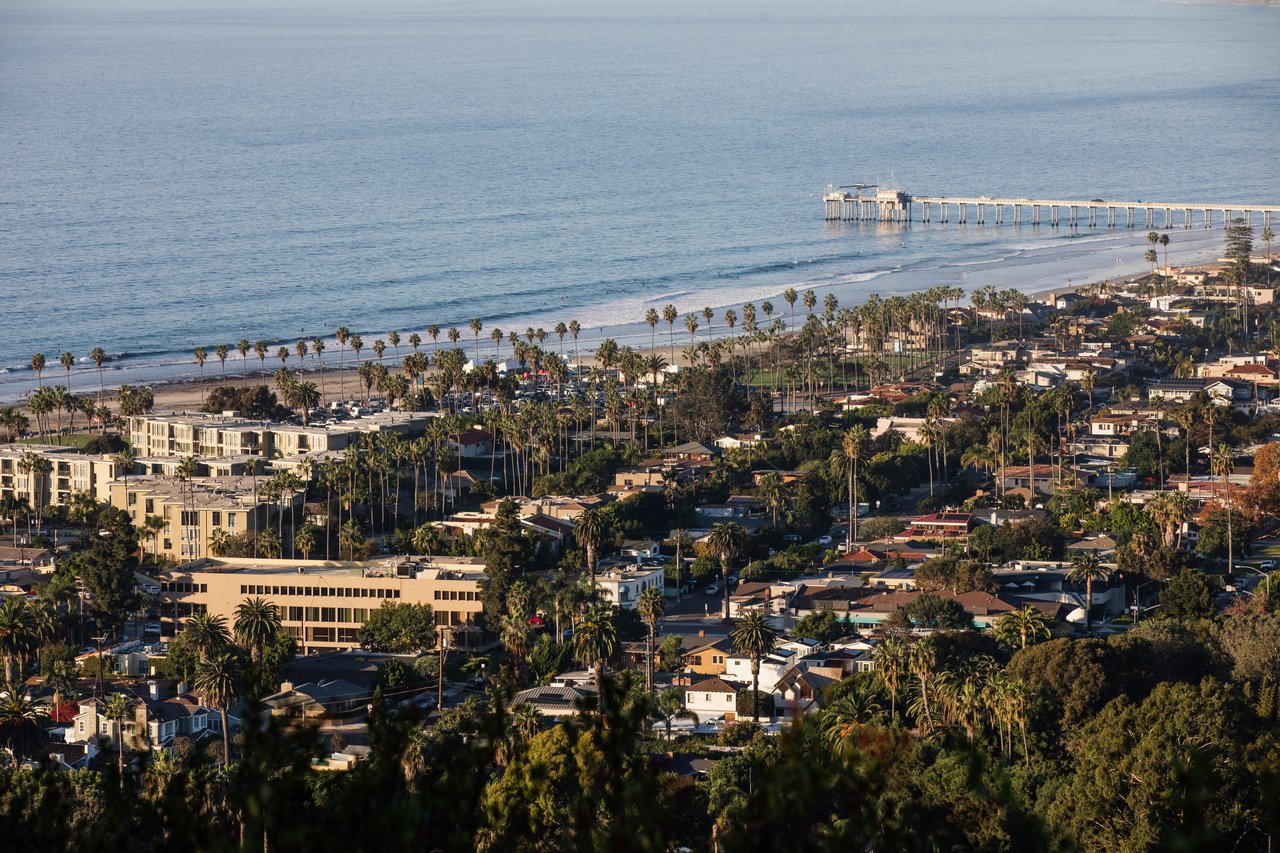
Locals use “Walking District” to describe the compact town-center grid west of I‑5 around San Elijo Avenue. The City’s planning description of the Cardiff town center highlights a tighter block layout and surface parking that supports a walkable core, as shown in Encinitas planning documents.
The Composer District generally refers to the residential pocket north of Birmingham Drive on the composer-named streets like Mozart, Bach, and Verdi. It is a locally recognized micro‑neighborhood, not a formal city boundary, and its origin story connects to Victor Kremer, which you can find in Cardiff’s Wikipedia article and historical references.
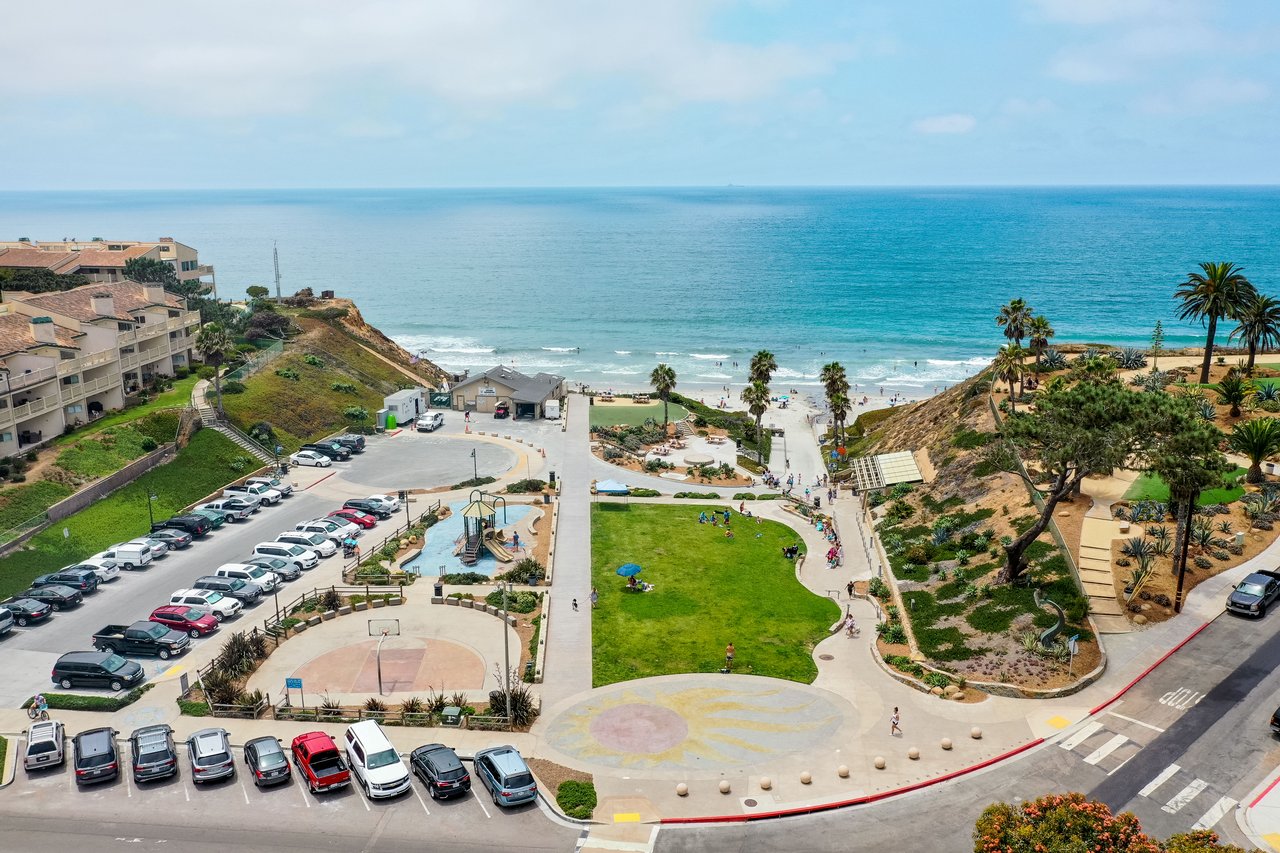
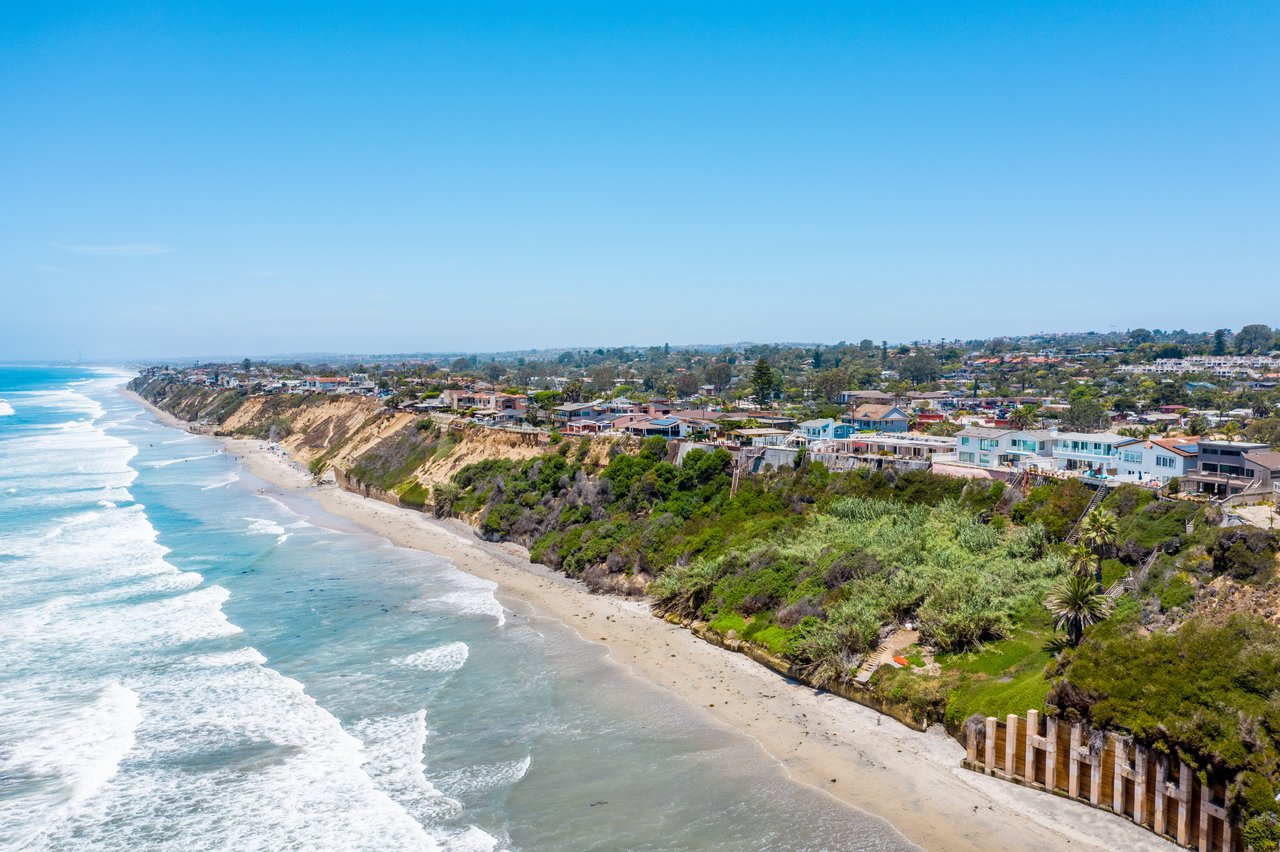
The coastal rail line runs along the shoreline and influences how you cross to the beach. Chesterfield is a key crossing where regional agencies improved safety and access as part of the San Elijo Lagoon double-track and Rail Trail work, described by SANDAG. If daily beach walks or bike rides are a priority, map your route to Chesterfield or designated paths before you buy.
Homes and lot feel
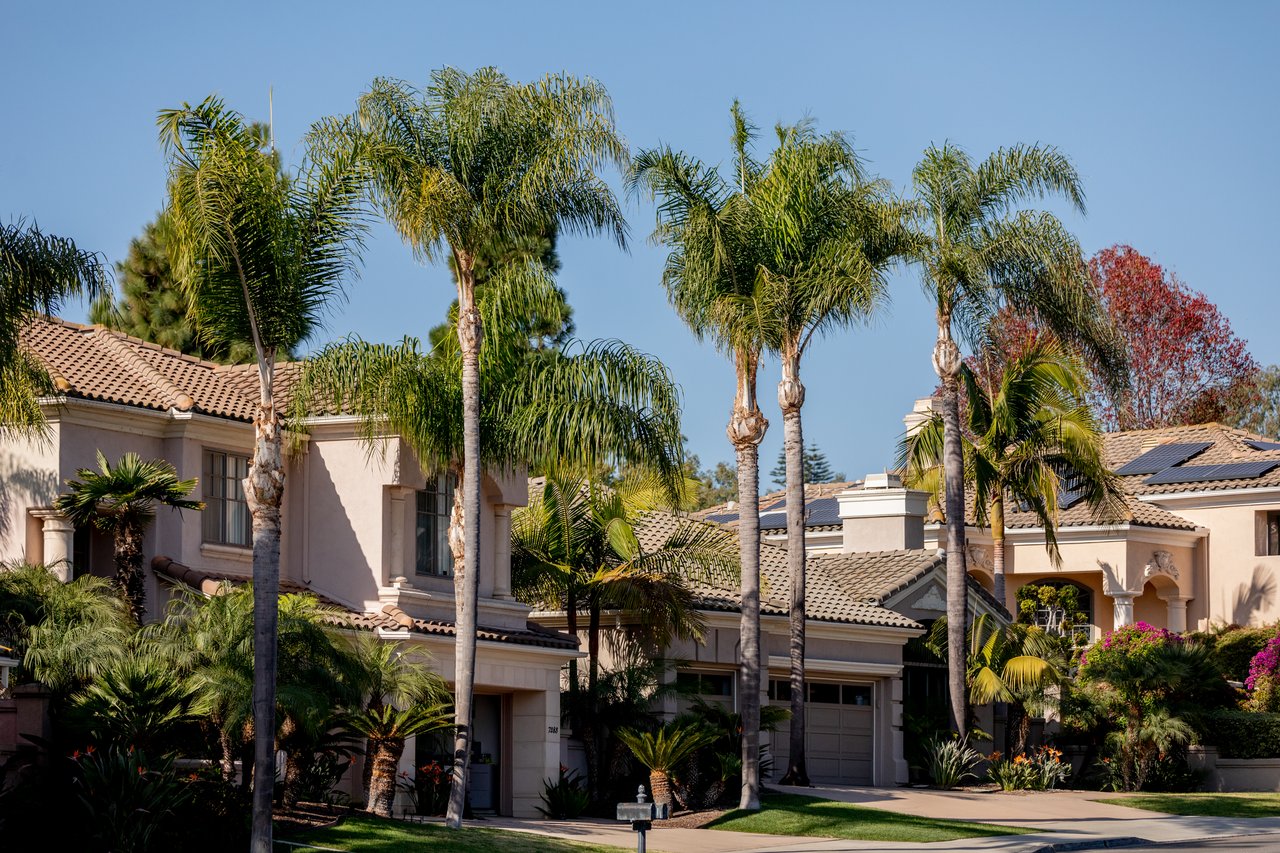
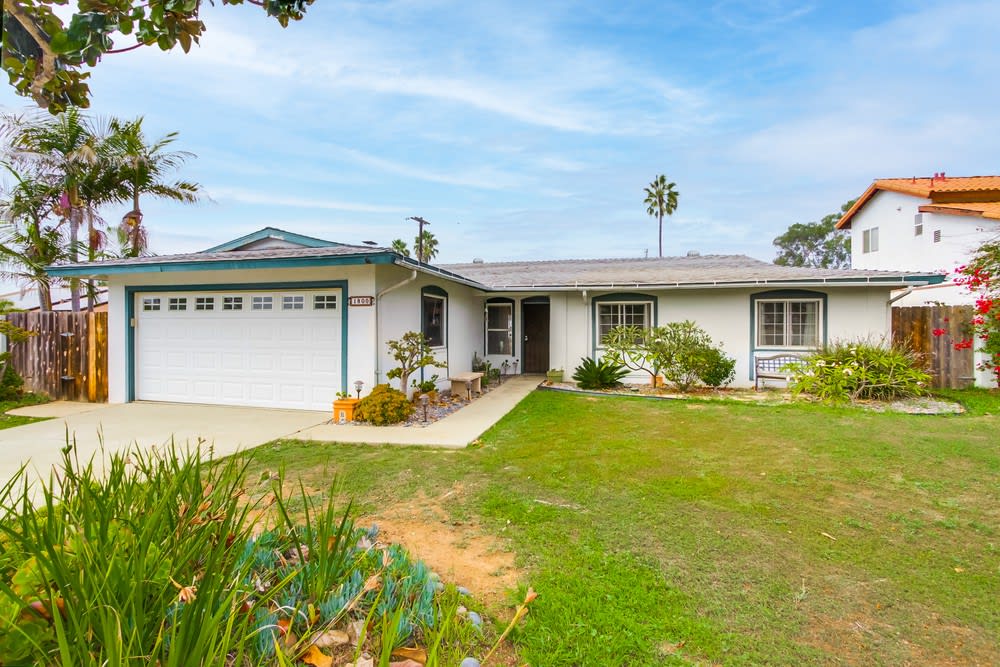
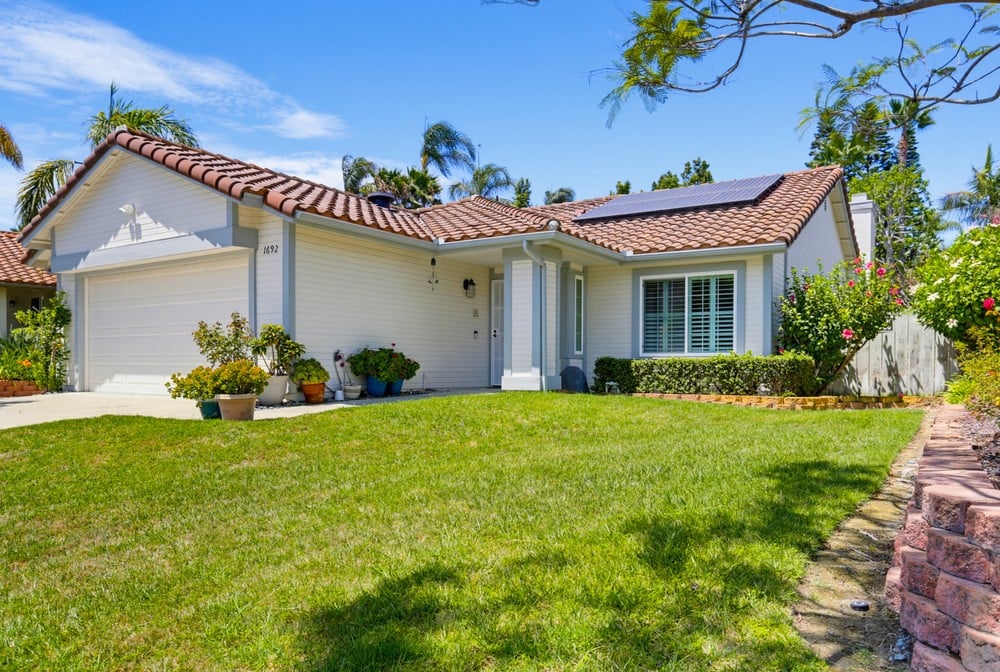
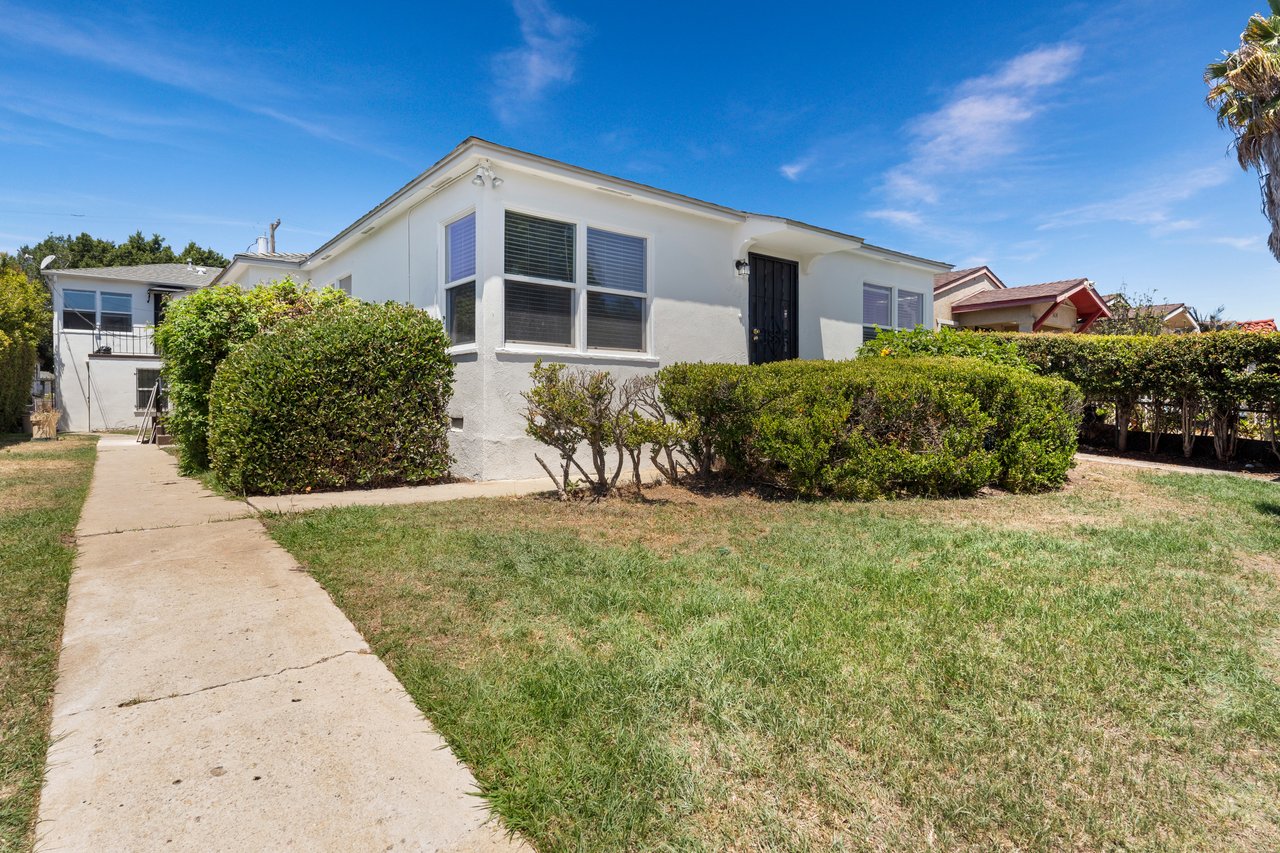
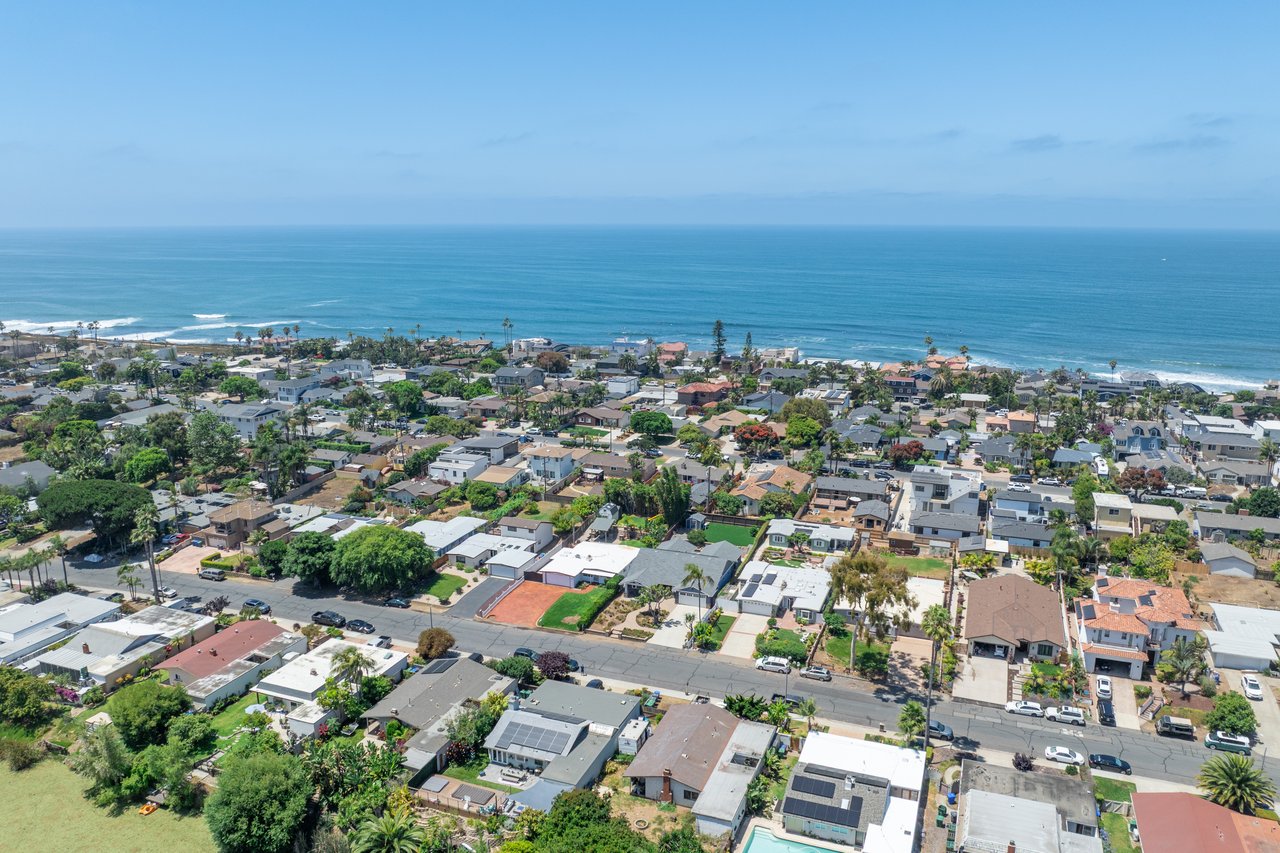
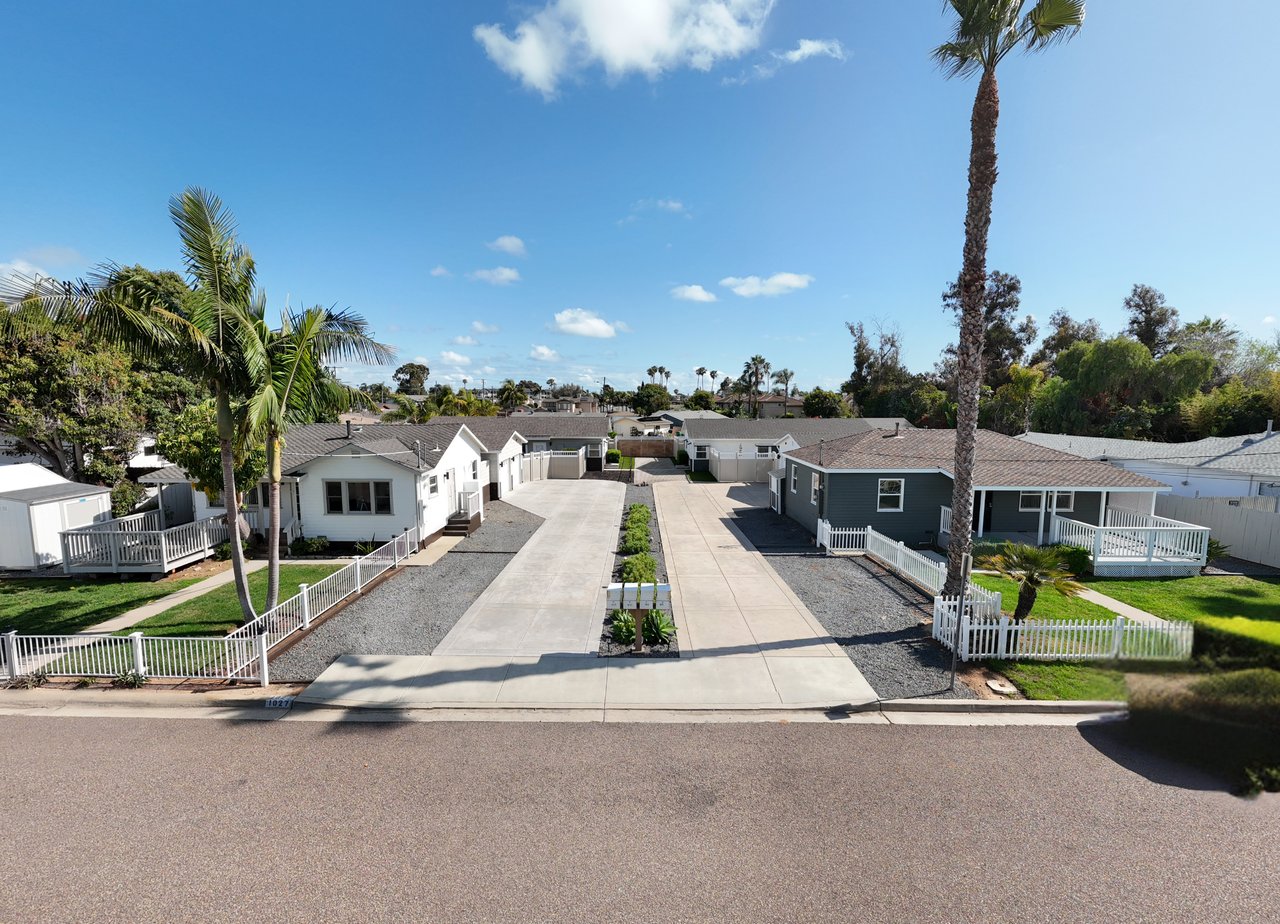
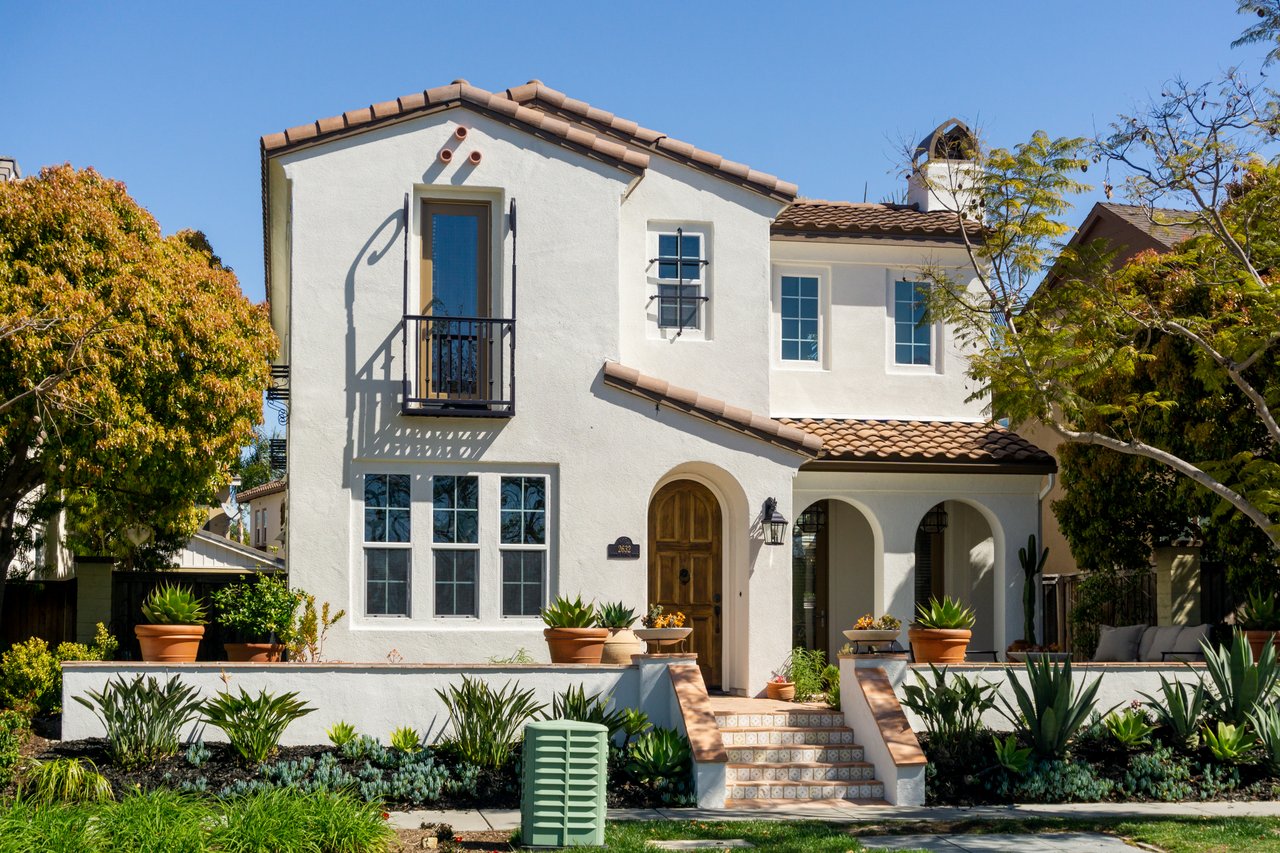
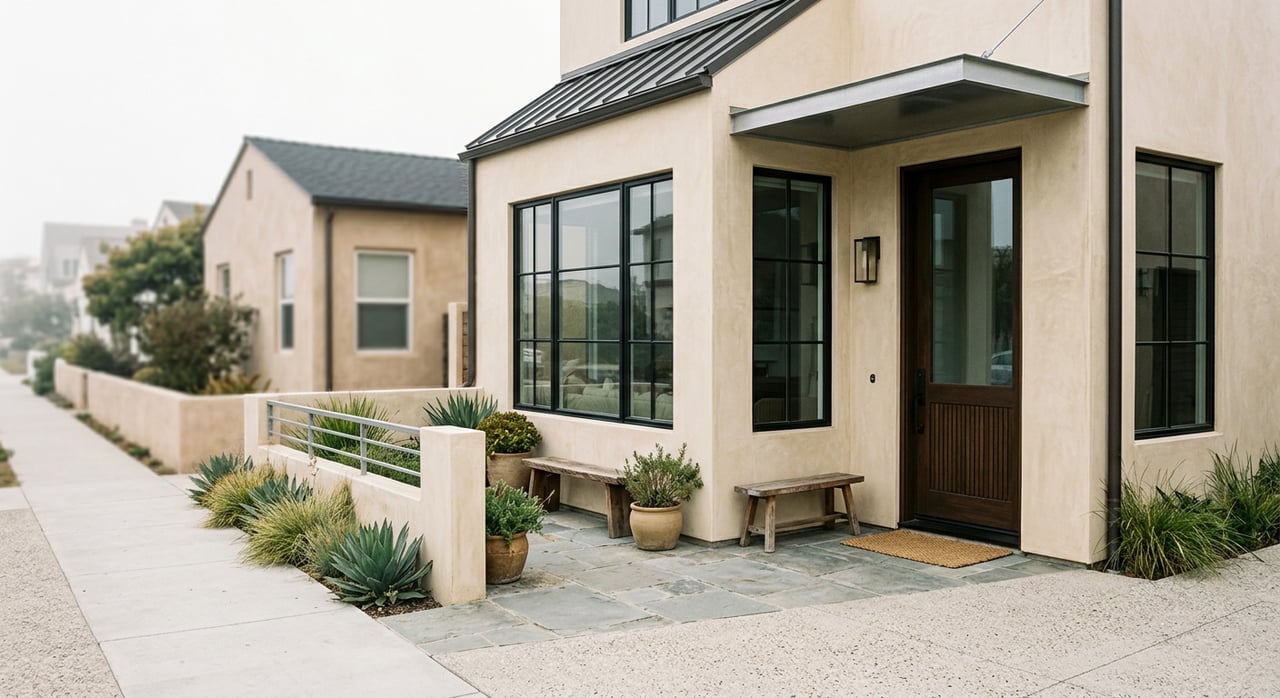
Both areas mix original cottages, mid‑century homes, and newer custom builds. In the Walking District, many parcels are closer together in a near‑town setting. That pattern tends to favor compact homes, infill builds, and vertical remodels. The flat, grid-like streets make daily errands on foot simple.
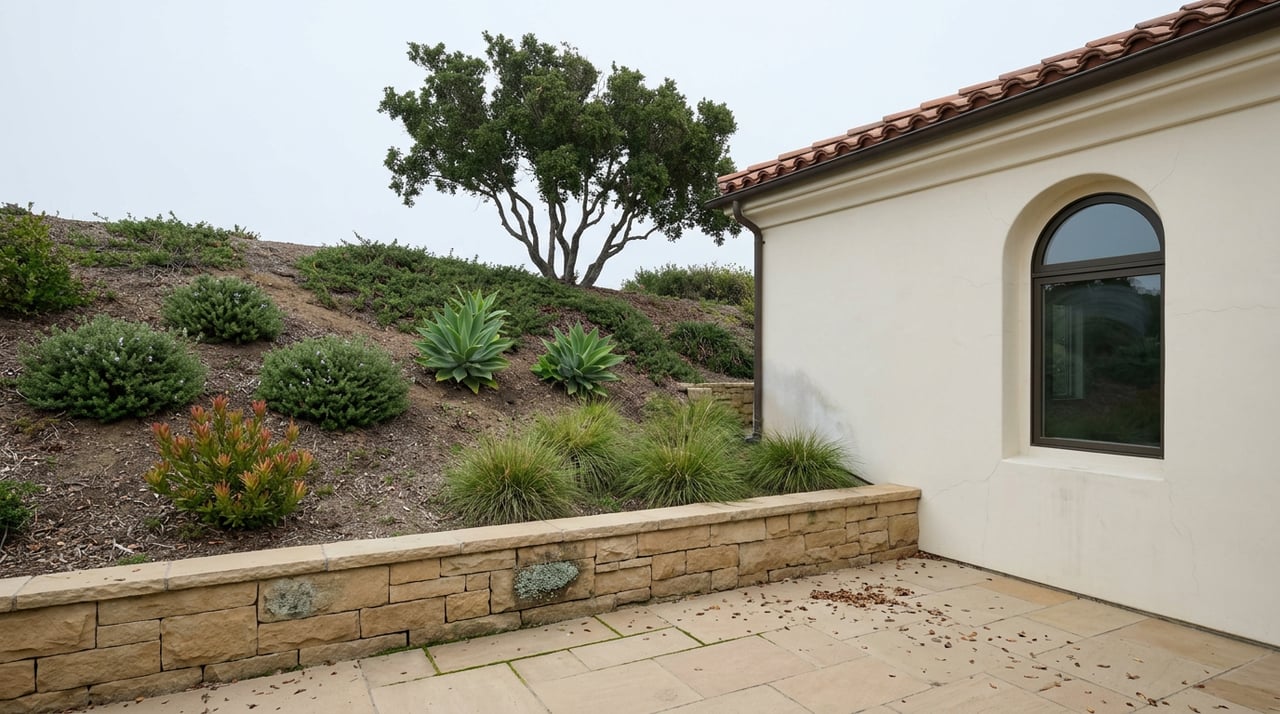
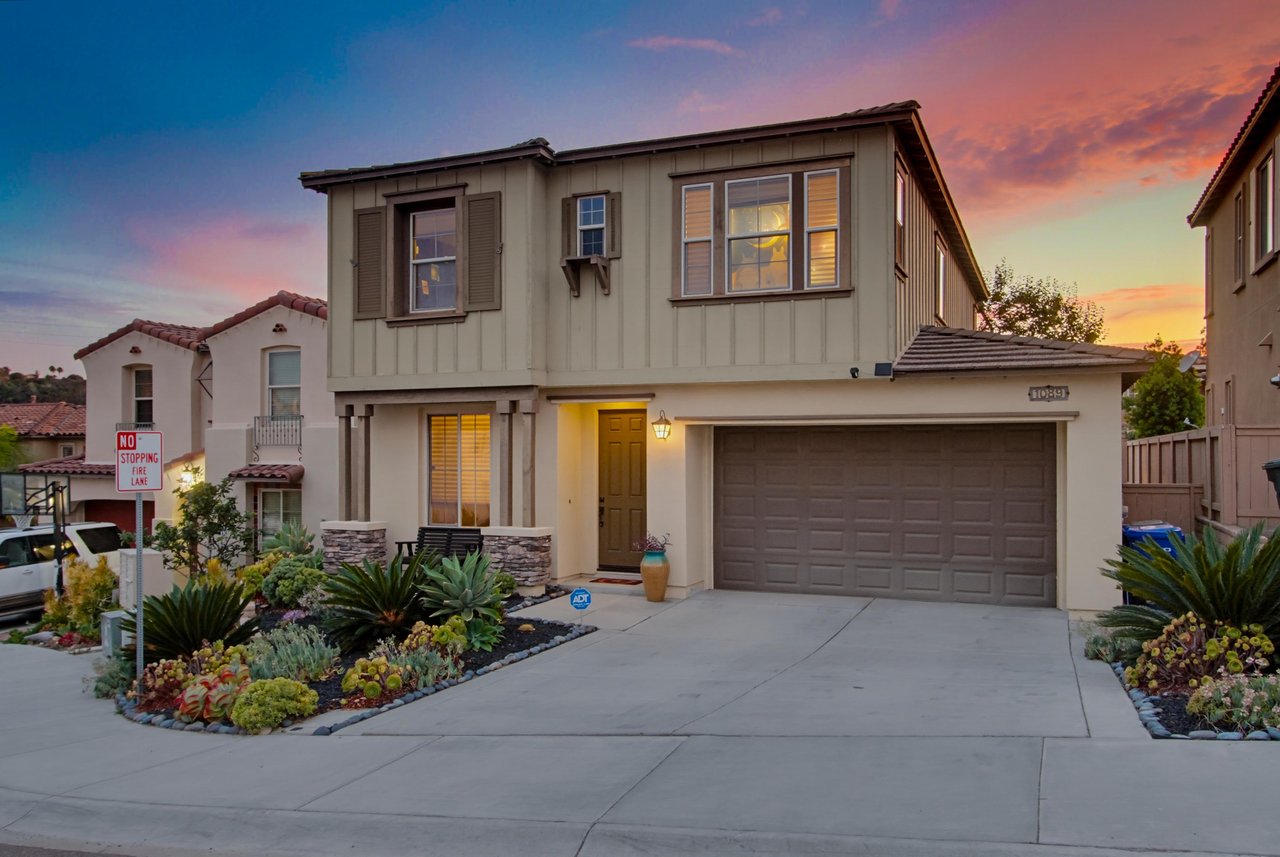
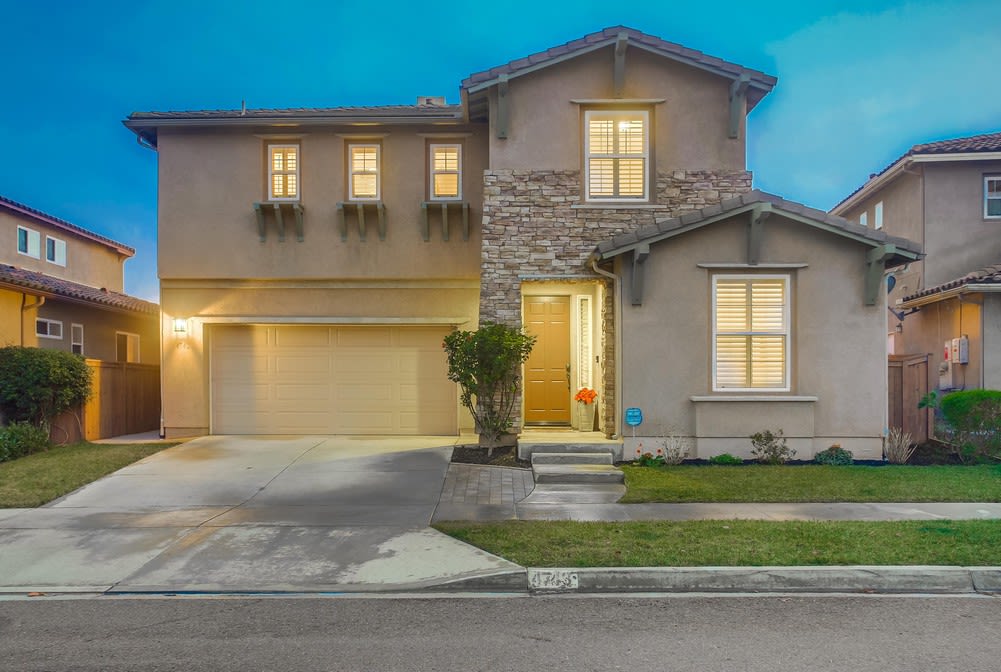
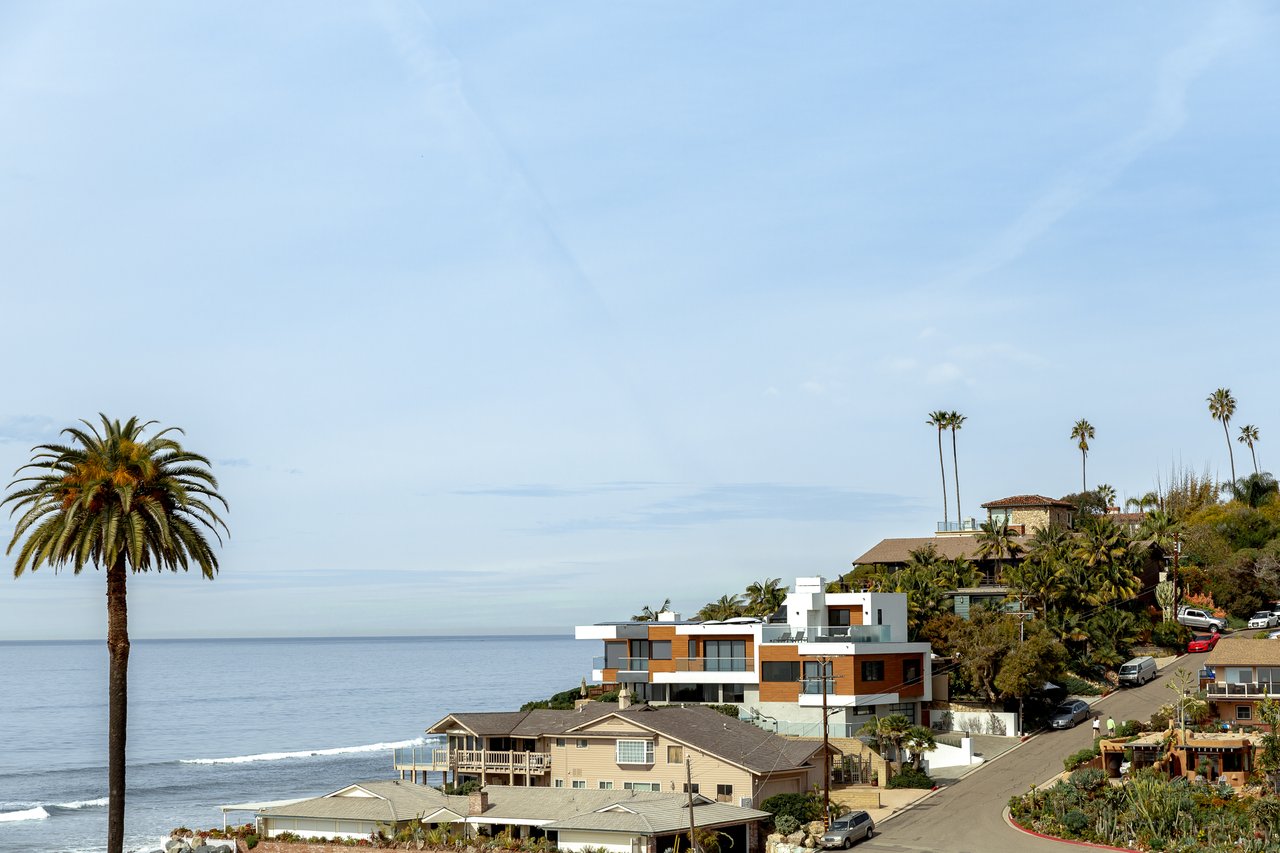
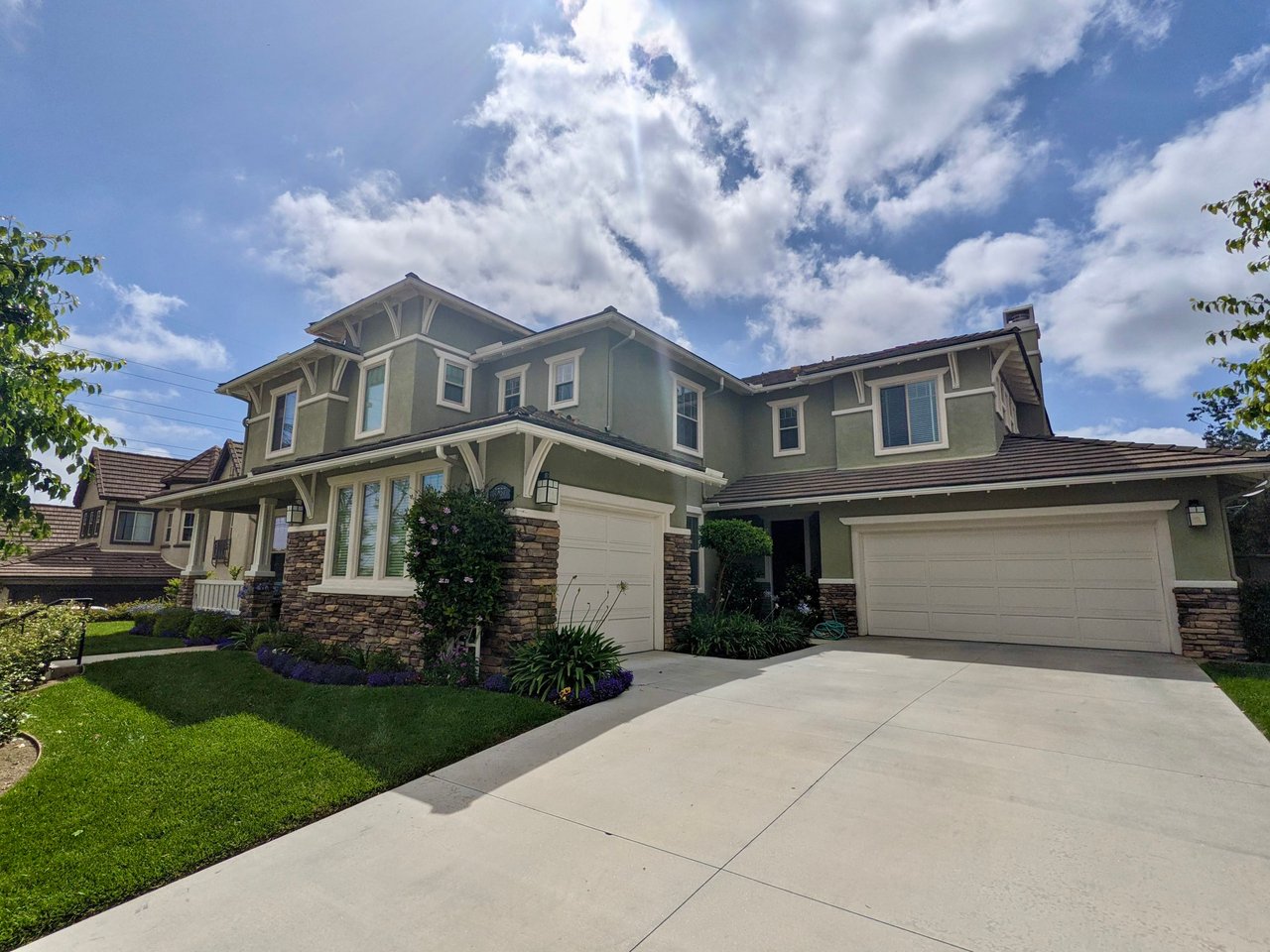
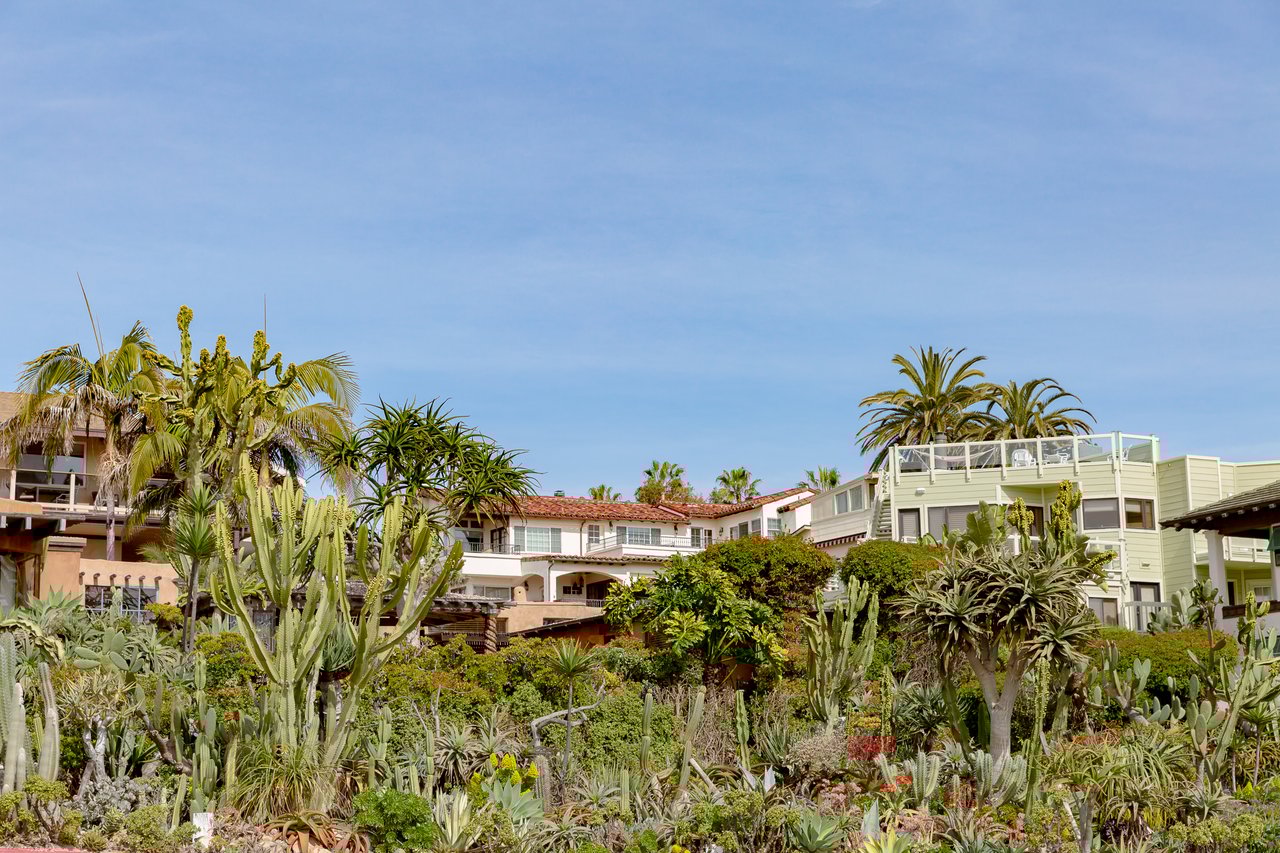
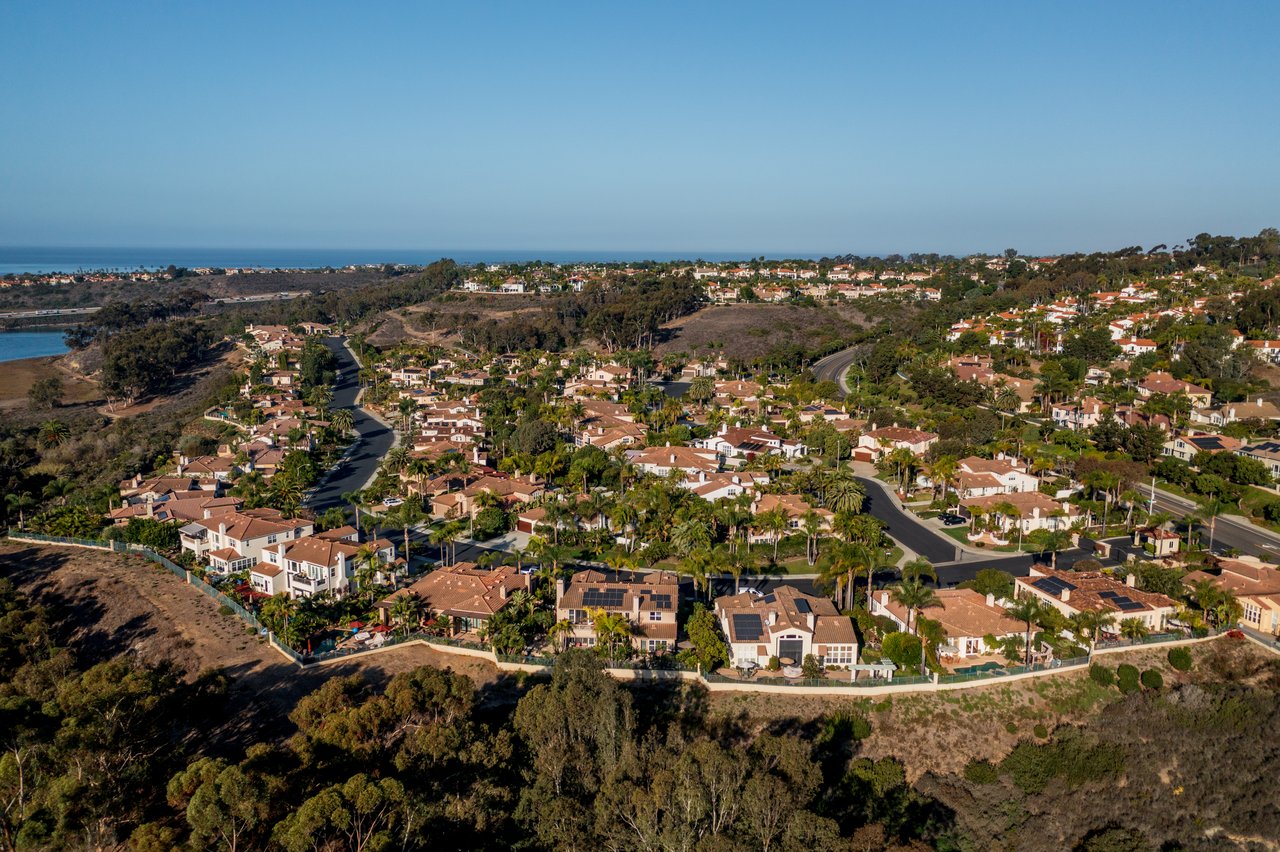
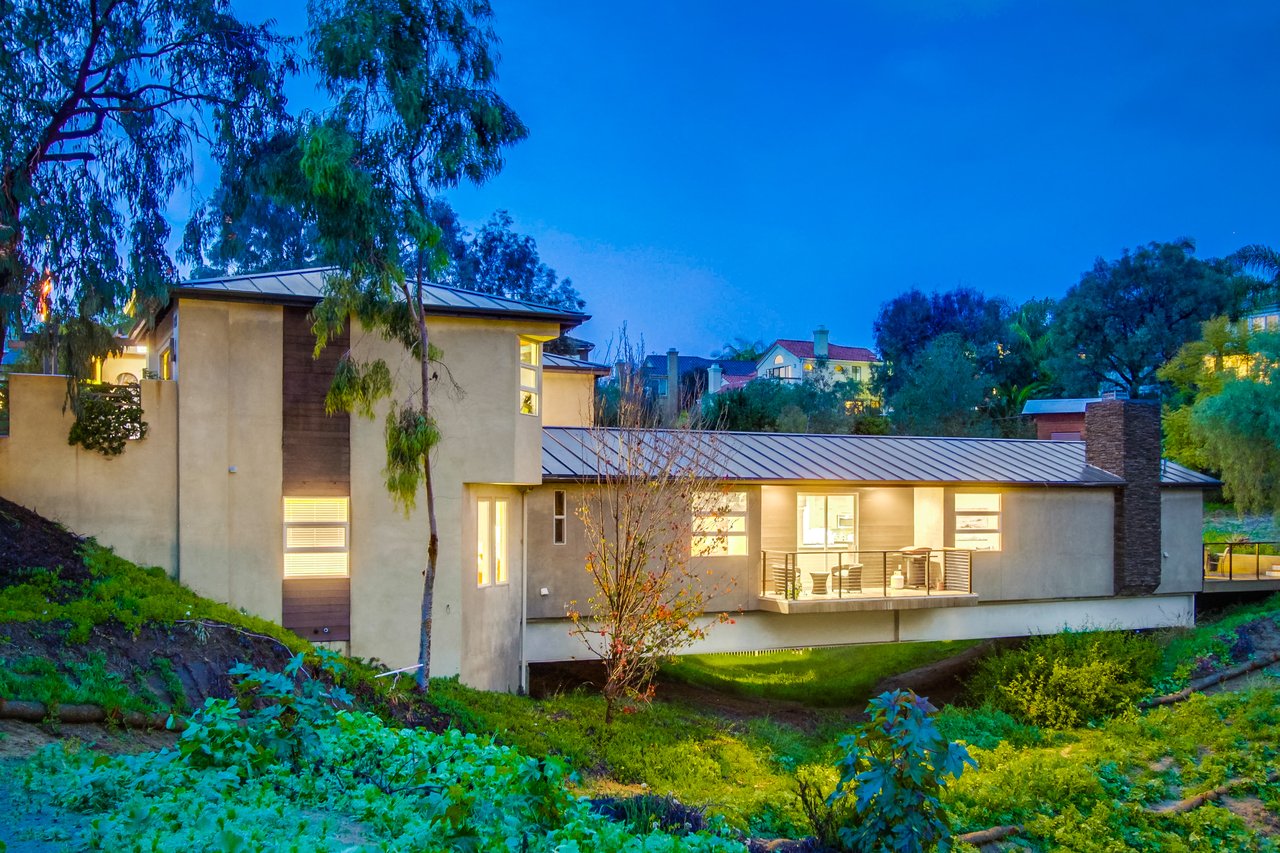
In the Composer District, lots often feel larger and sit on rolling terrain. That elevation makes room for two‑story homes, bigger yards in many cases, and more frequent ocean-view opportunities. The neighborhood’s identity comes from its composer-named streets and early development by Victor Kremer, noted in local history resources and Wikipedia.
Practical tip: lot sizes and configurations vary block by block in both pockets. Verify exact dimensions, setbacks, and any view protections or height limits with current records during your due diligence.
Ocean views and street vibe
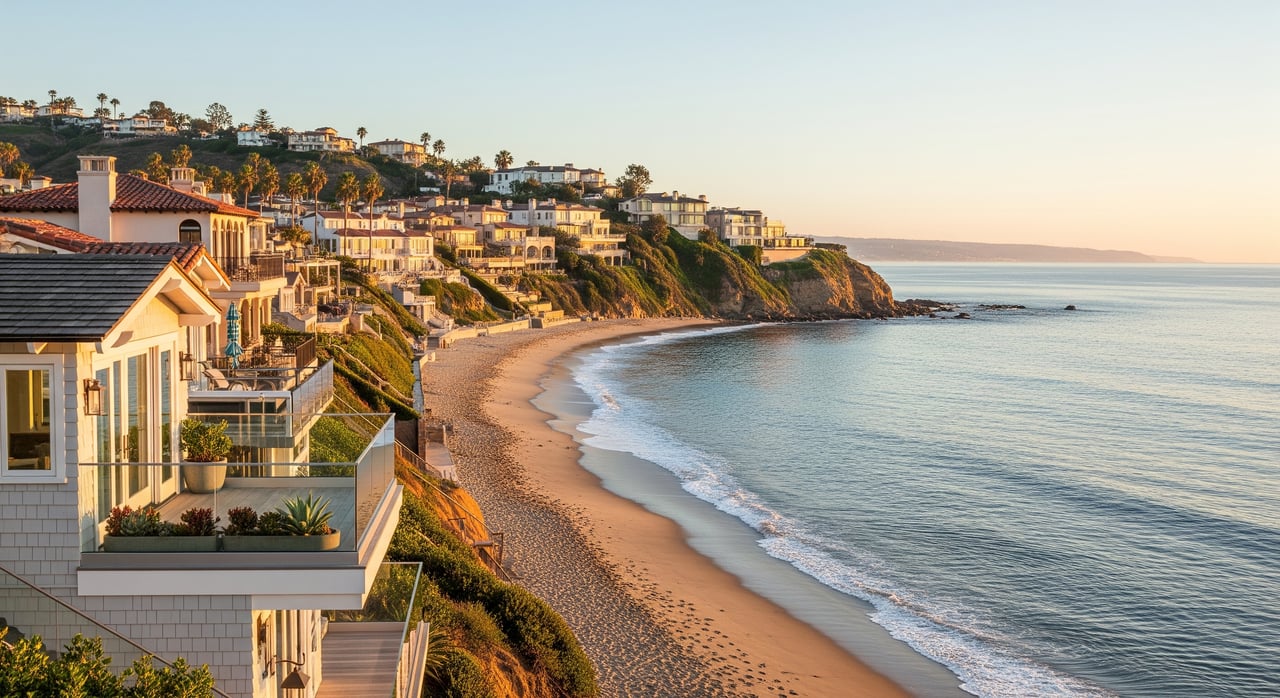
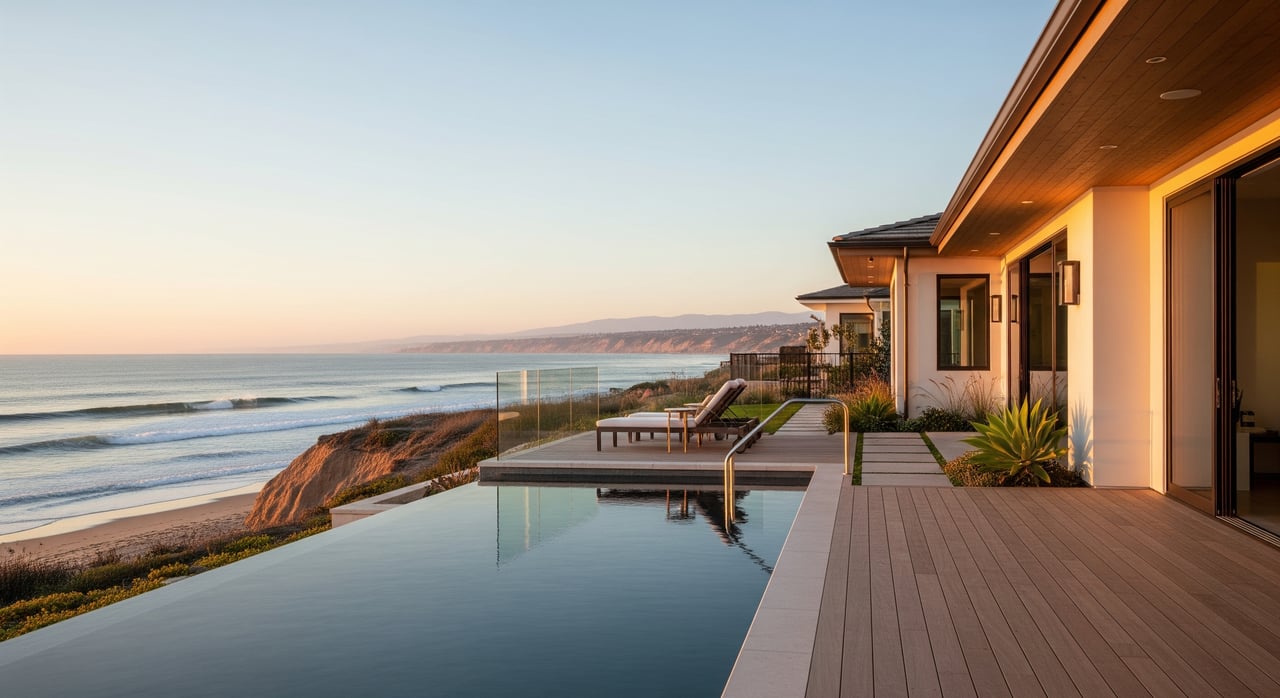
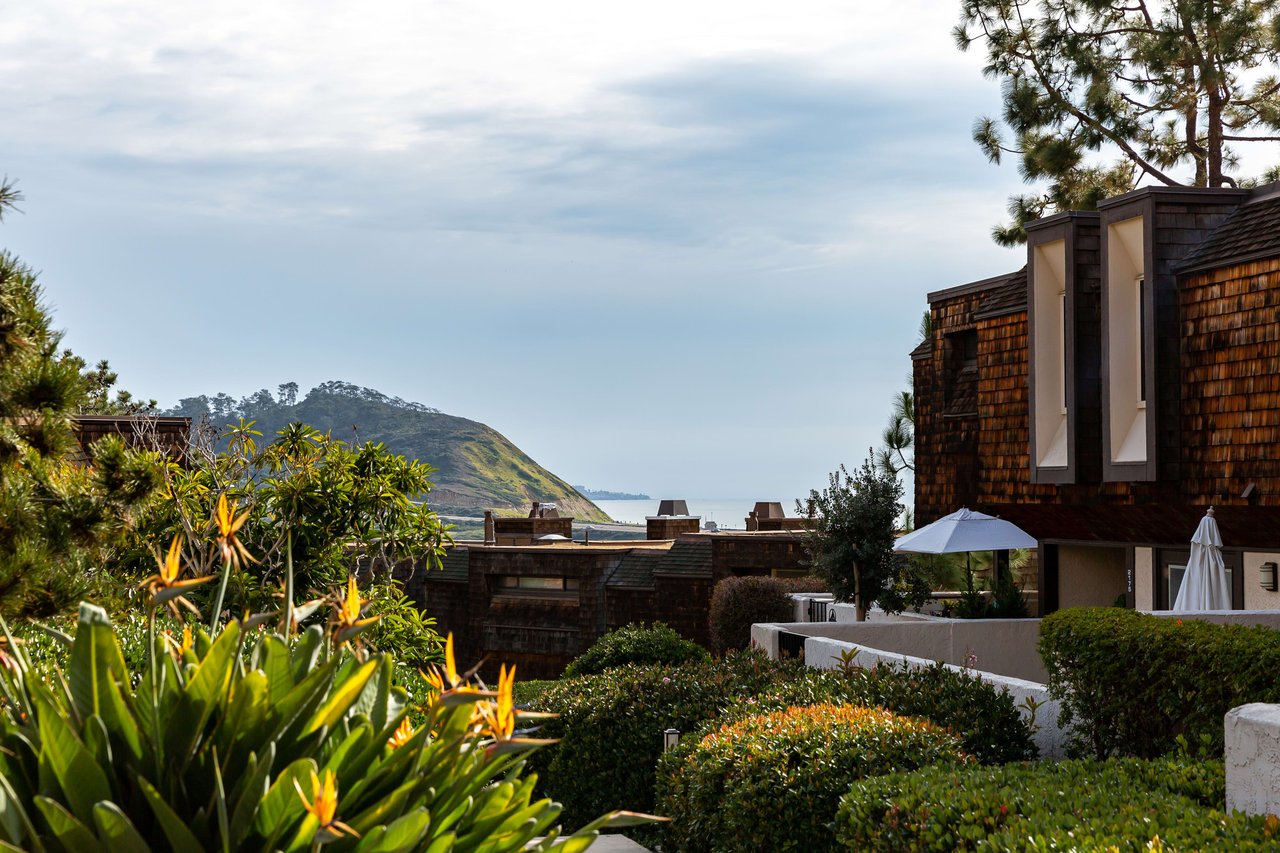
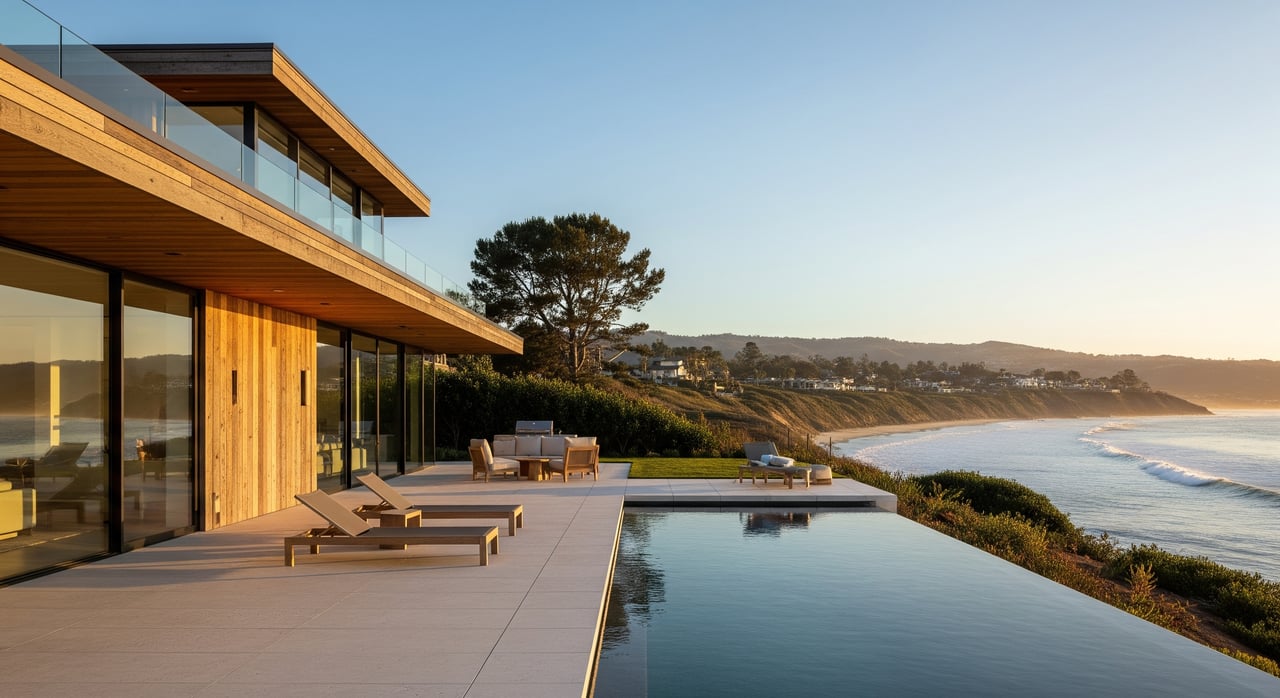
If ocean views are at the top of your list, the hill exposure in the Composer District often gives you a better shot at upper‑floor or sit‑down vistas. Many homes there advertise peek or panoramic views because the streets rise as you move inland.
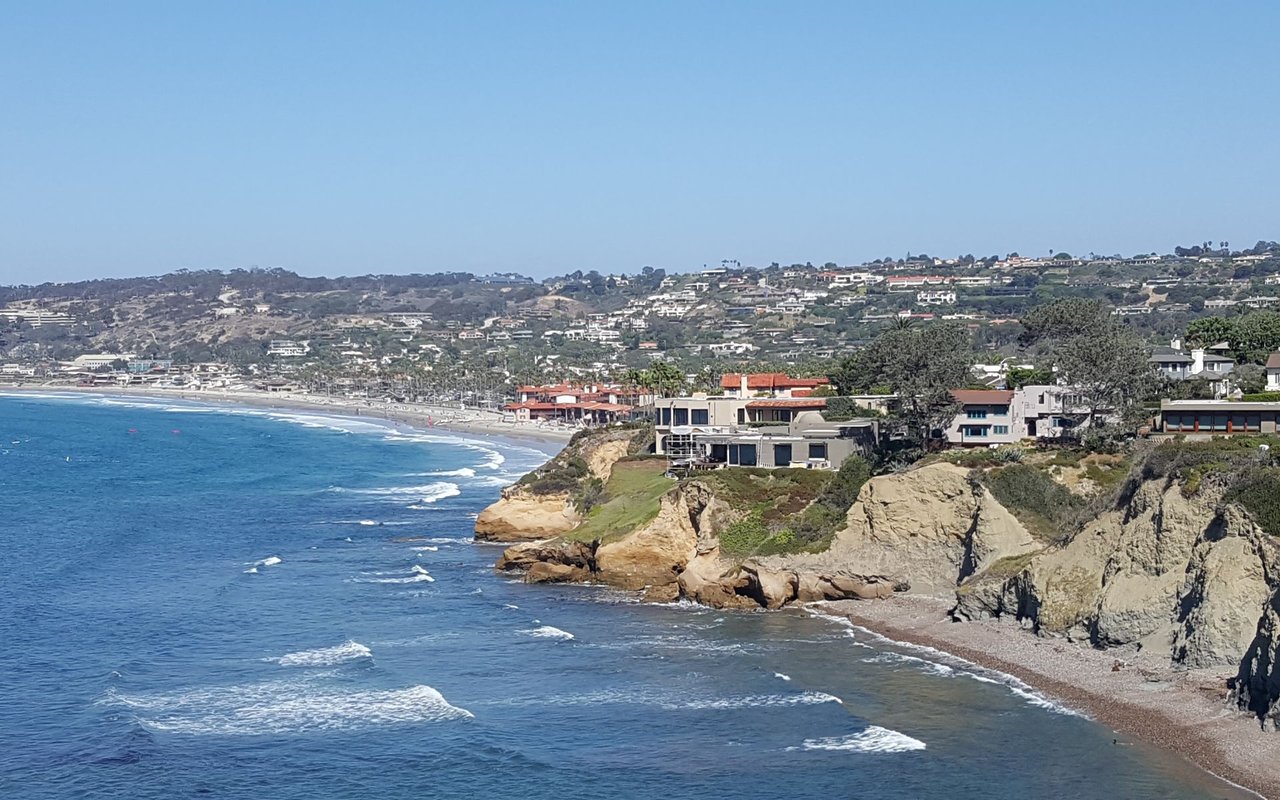
The Walking District is closer to the beach and businesses on flatter ground. You can still find rooftop decks and second‑story views on select properties, but ground-level views are less common compared with the hill streets. In return, you get an easy stroll to coffee, dining, and the sand.
Street activity also differs. The Walking District feels lively, with café traffic and quick grocery runs. The Composer District reads more purely residential, with calmer, winding streets and less evening foot traffic.
Parking and everyday convenience
Town-center convenience brings parking tradeoffs. In the Walking District, you benefit from nearby shops, short errands, and public surface lots for customers, a pattern noted in the City’s town center description. At the property level, some homes have narrow driveways or smaller garages, and street parking near peak dining hours can be busy.
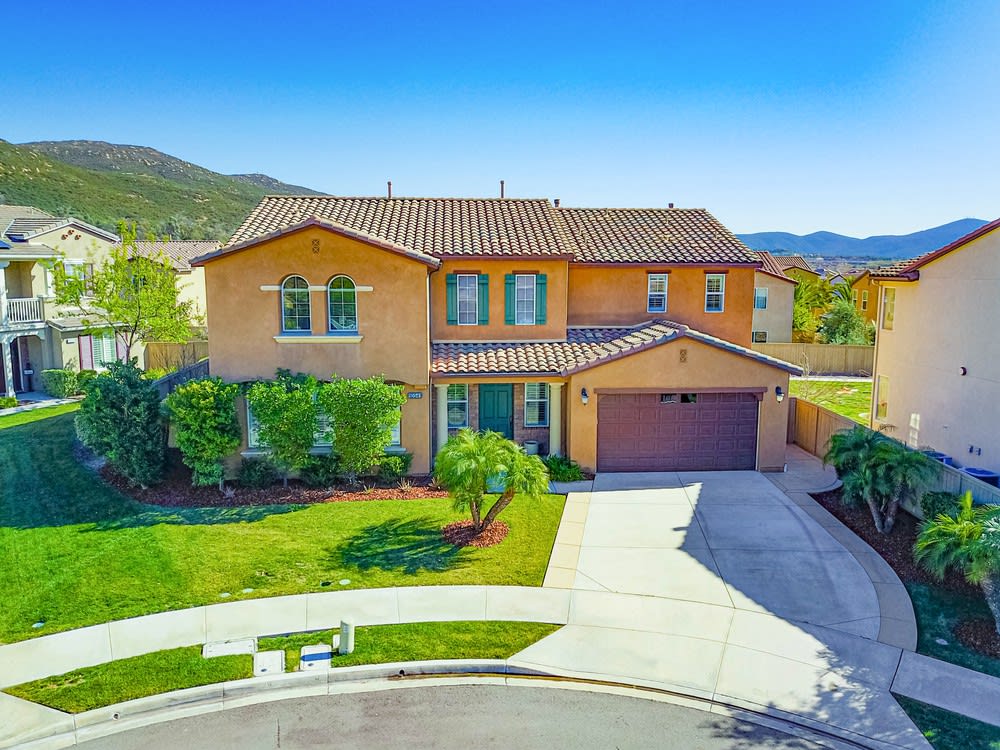
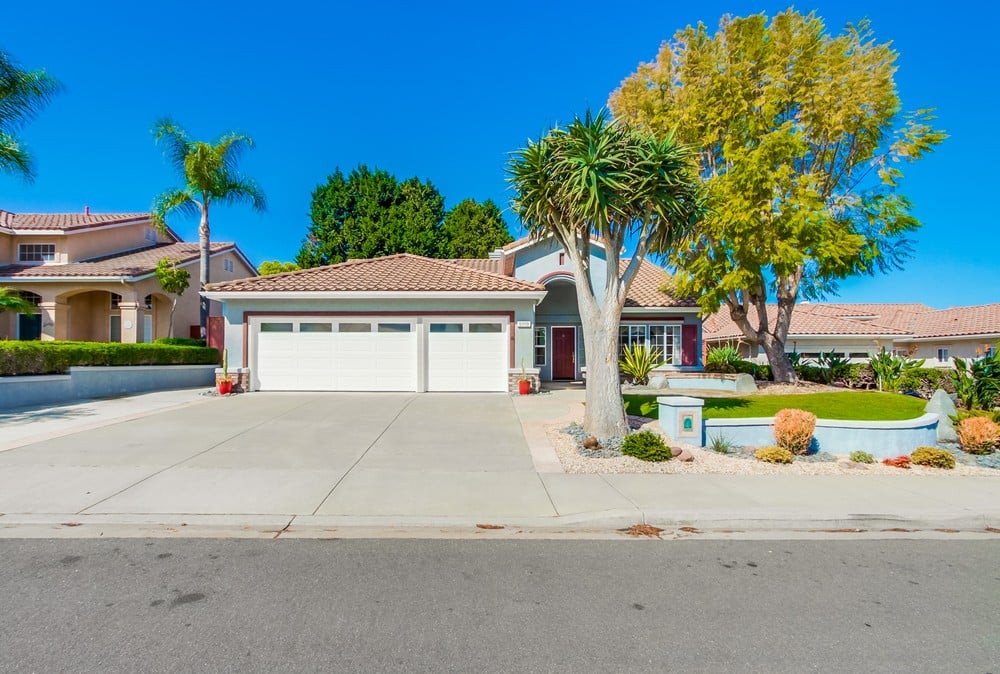
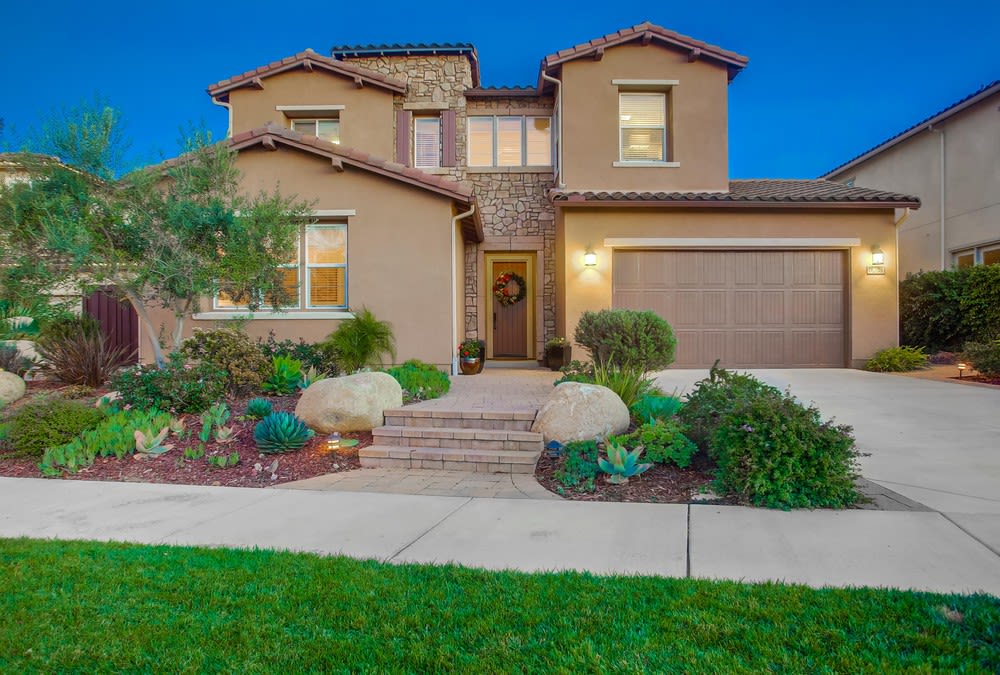
The Composer District often has on‑lot driveways and garages thanks to its residential orientation and lot forms. Parking tends to be easier on many streets, though it still varies property by property. If parking is critical, visit your target block in the evening and on weekends to see the real pattern.
Walkability to beaches and Seaside Market
Seaside Market at 2087 San Elijo Avenue anchors the Cardiff town center and is a daily touchpoint for many locals. Check the store’s site if you want hours or events before a house-hunting day trip at Seaside Market’s official page.
If grabbing groceries, coffee, and a sunset walk is your perfect routine, the Walking District puts you right in the mix. The Composer District can still be an easy stroll depending on your street and your route to crossings such as Chesterfield. The Double Track and Rail Trail work added safety and connectivity, which improves how residents from both pockets walk or bike to the beach and the town core, per SANDAG’s overview.
Pro move: pull up a walking map for your exact address and count the blocks to Seaside Market and your preferred beach access. Then test the walk at a few times of day to see how it feels.
Which pocket fits your lifestyle
- Choose the Walking District if you want a compact, low‑maintenance lifestyle with instant access to cafés, the Rail Trail, and beach paths. You accept more street activity in exchange for being steps from daily stops.
- Choose the Composer District if you value elevation, more frequent ocean views, and a calmer residential feel. You are open to slightly longer walks and driving for some errands.
Pricing overlaps between the two, and both can reach multi‑million ranges depending on address, lot, and improvements. In general, view potential and lot size are major price drivers. Always check current comps before drawing firm conclusions.
A simple decision checklist
Use this short list to compare what matters most to you:
- Do you want ocean views from main living areas? If yes, lean Composer District and verify view corridors on site.
- Do you prefer to walk for most errands? If yes, lean Walking District and map your routes to San Elijo Avenue and the Rail Trail.
- Is a larger yard or more driveway space important? If yes, lean Composer District and confirm lot dimensions and parking.
- Are you sensitive to ambient activity at night? If yes, visit both pockets after dinner to compare street feel.
- Will you use the beach daily? If yes, test your walk to Chesterfield or other crossings and time your round‑trip.
- Do you plan a vertical remodel or rooftop deck? If yes, review height limits and neighborhood design standards with the City before you buy.
- Is guest parking a must? If yes, check street turnover near your target address on weekends.
Touring tips from the field
- Visit the same address at morning, afternoon, and evening to compare light, breeze, and street activity.
- Stand in the yard and on upper floors to test view angles and privacy from neighboring homes.
- Listen for rail and Coast Highway noise, then walk to the nearest crossing to see your true access pattern. Project details and context are available via SANDAG.
- For town-center properties, note where the closest public lots and curbside spaces are, as described in City planning references.
- If history and neighborhood character matter to you, read about Victor Kremer and the composer streets in this background piece and on Wikipedia.
When you are ready to compare on the ground or line up comps, lean on a local team that knows both pockets well. If you want straight talk on value, views, and walkability, connect with Klinge Realty for a strategy session tailored to your goals.
FAQs
What is Cardiff’s Walking District?
- The Walking District refers to the compact, town-center grid west of I‑5 with flat blocks, surface parking, and strong pedestrian access to shops and the beach, as outlined in Encinitas planning documents.
How is the Composer District different from the Walking District?
- The Composer District sits on hillier, winding streets named for composers, often offering larger lots and more frequent ocean views. Its name and early development ties are noted on Wikipedia and in local history.
Can you walk to Seaside Market and the beach from both areas?
- Yes. The Walking District offers the shortest stroll to cafés and Seaside Market at 2087 San Elijo Avenue, while many Composer District addresses are still a short walk depending on your route and beach crossing. Check Seaside Market’s site and map your exact path to Chesterfield.
How has the rail corridor affected access and noise in Cardiff-by-the-Sea?
- Regional improvements like the San Elijo Lagoon double‑track and Rail Trail upgrades enhanced safety and connectivity at crossings such as Chesterfield, though proximity to the rail line is still address‑specific. See SANDAG’s summary for details.
Are lot sizes typically different between the two neighborhoods?
- In general, Walking District parcels feel smaller and closer together in the town core, while Composer District lots often feel larger on hill streets. Confirm exact dimensions and any build limits during due diligence.
Where can I find an official description of Cardiff’s town-center planning area?
- The City’s planning materials describe the town center footprint and development pattern. You can review them here: Encinitas planning documents.