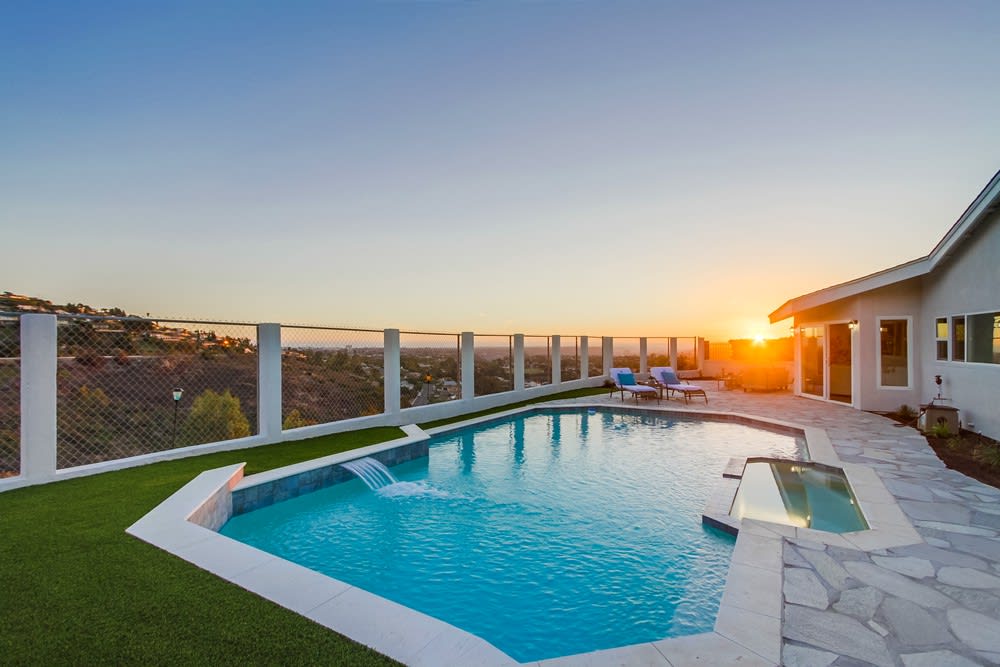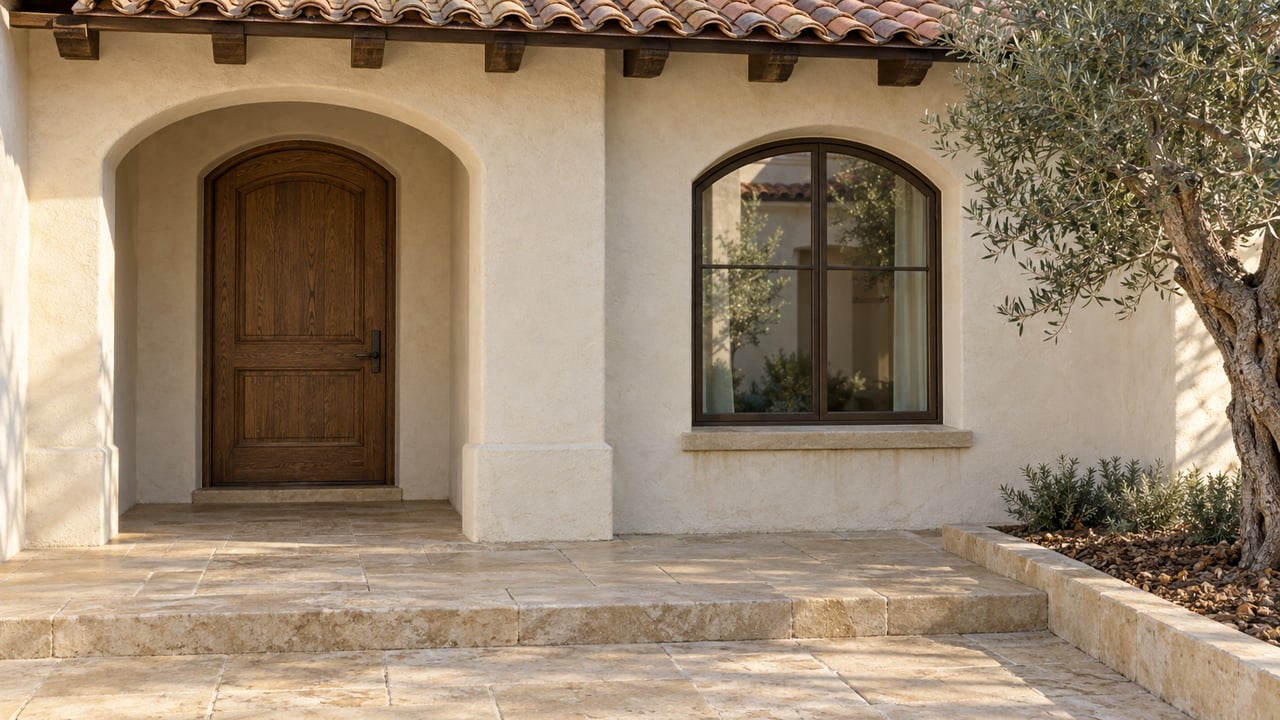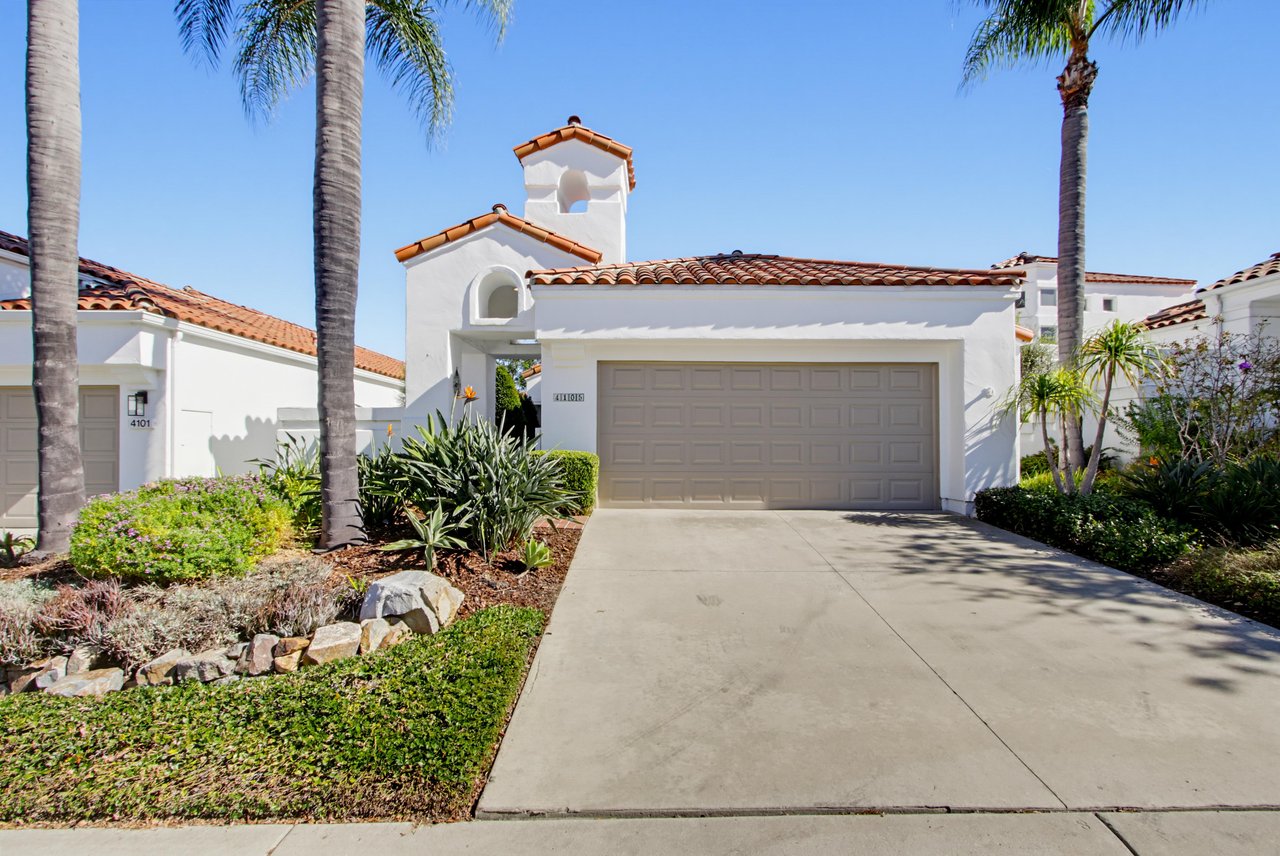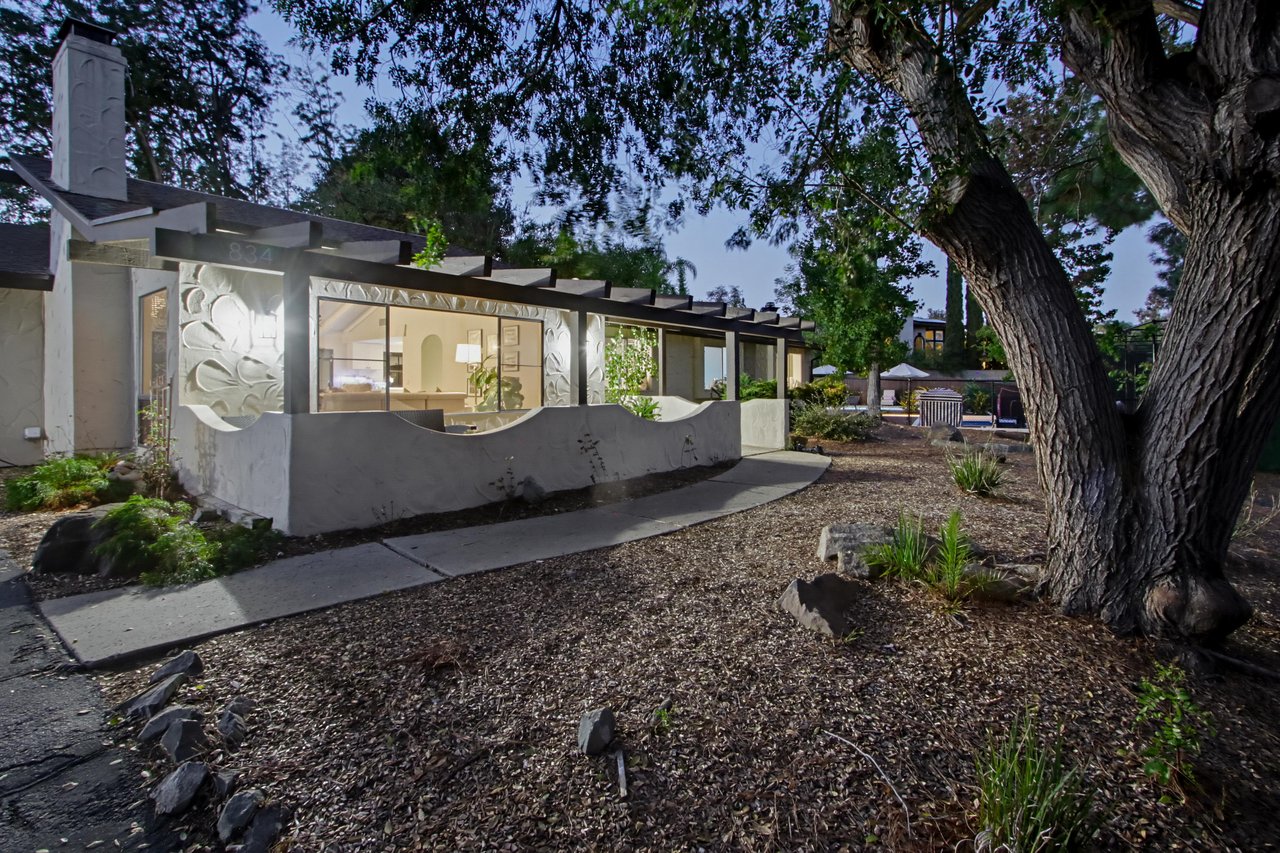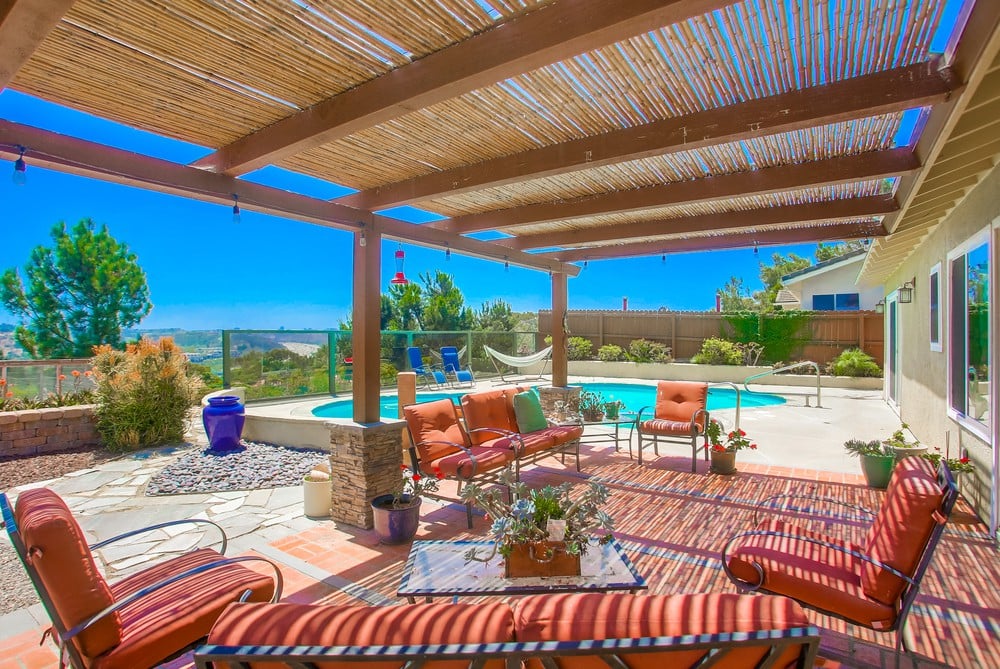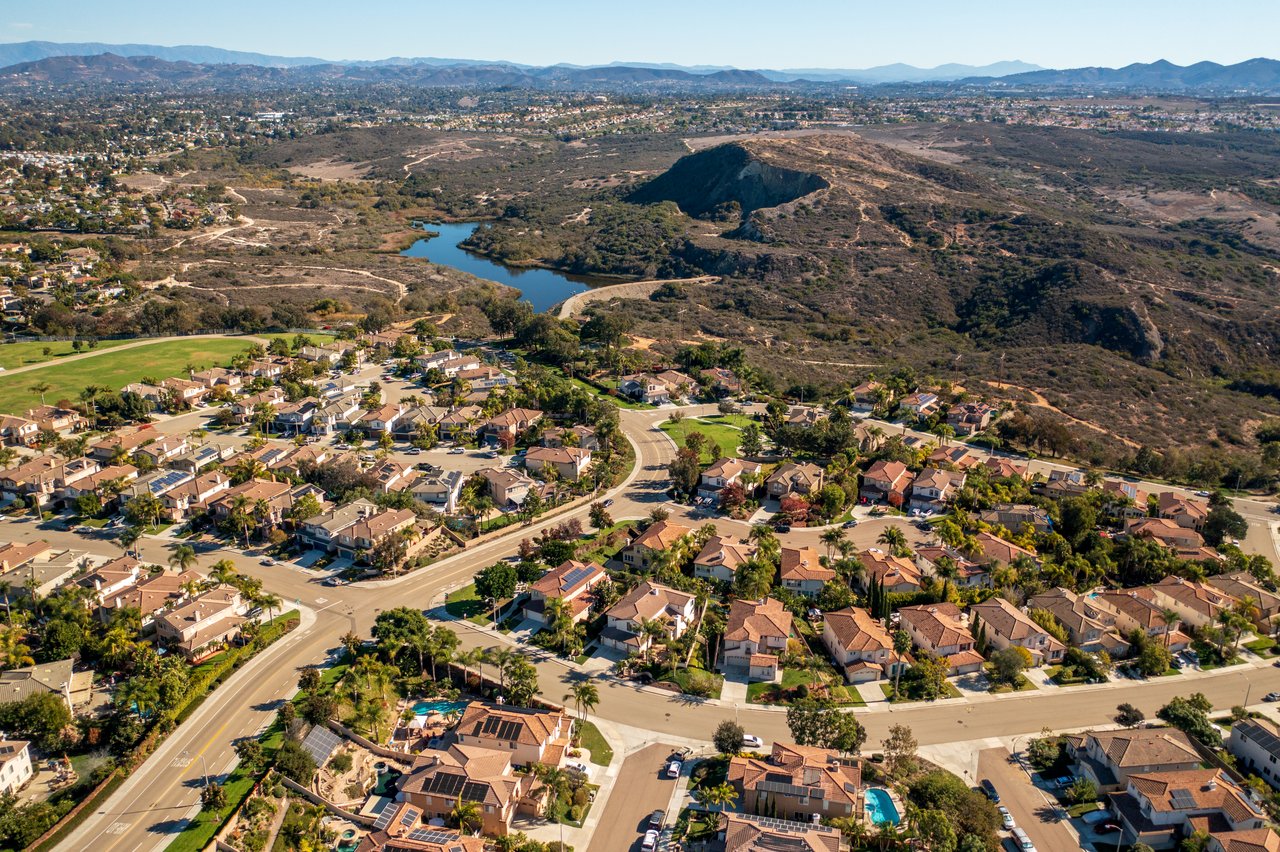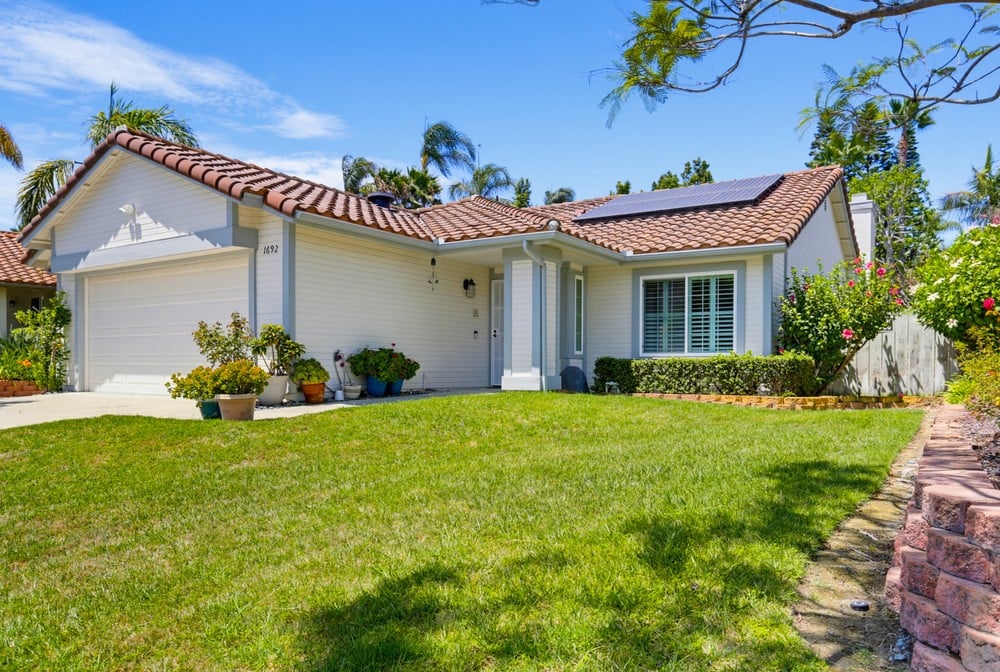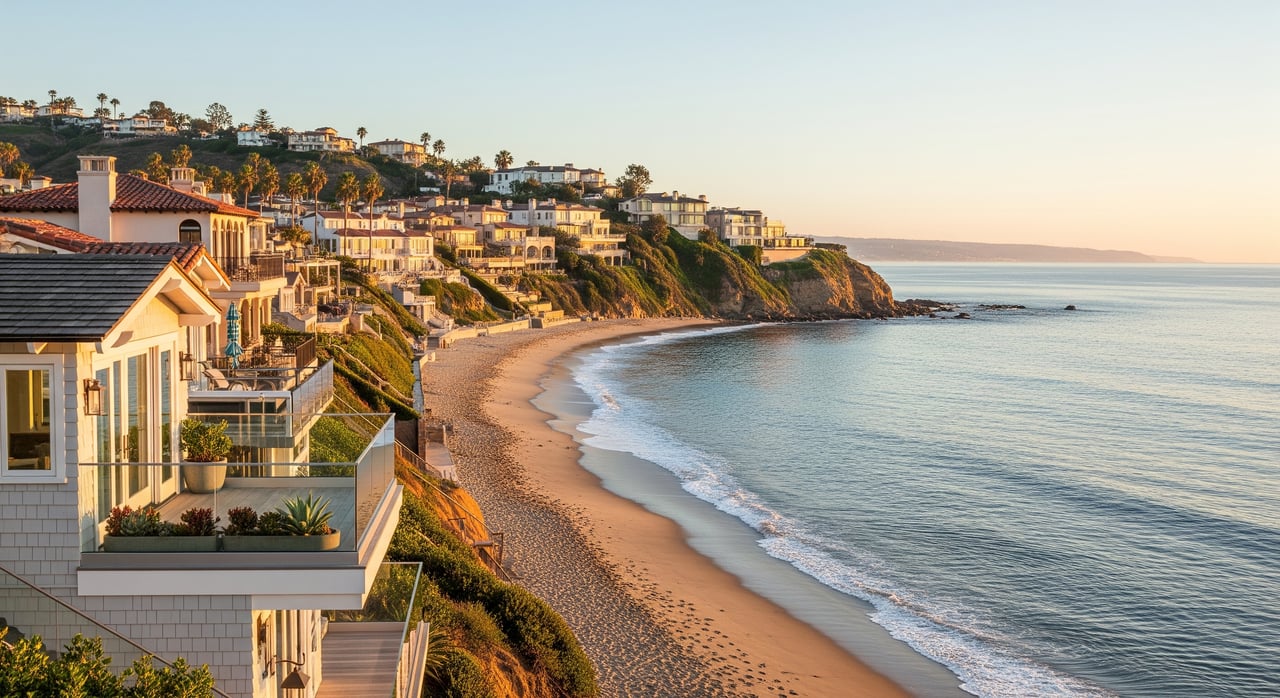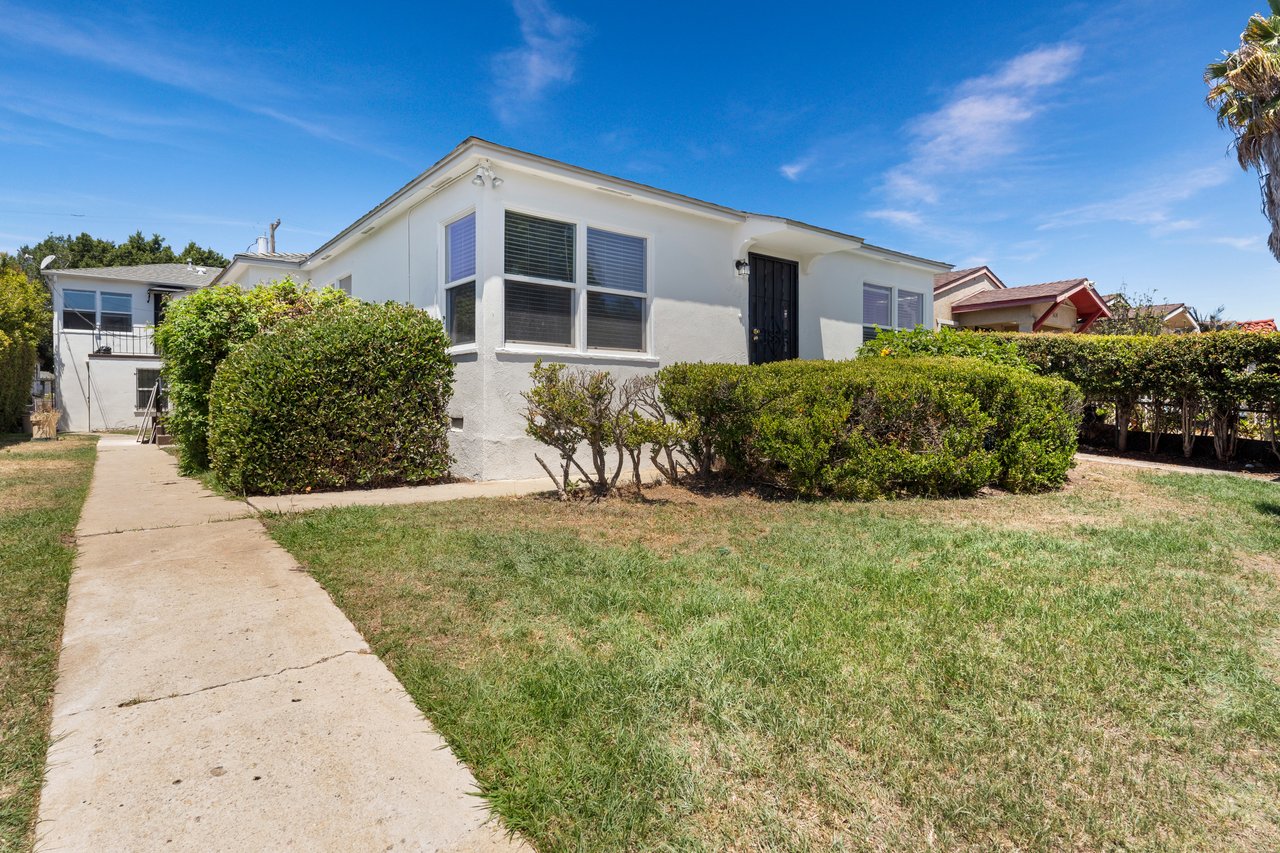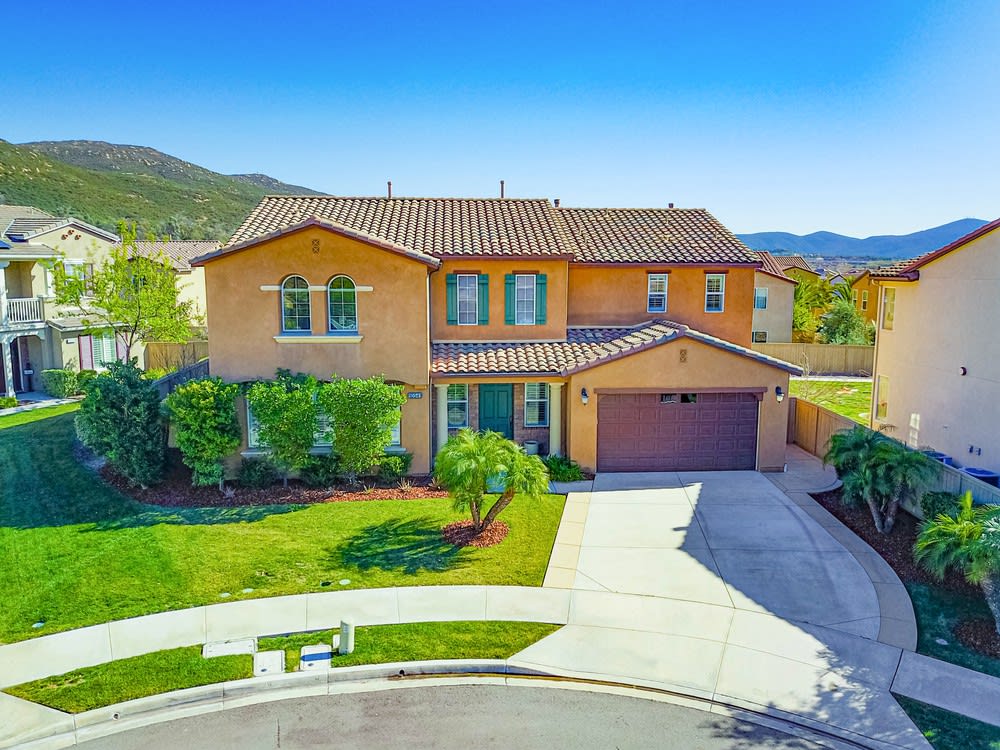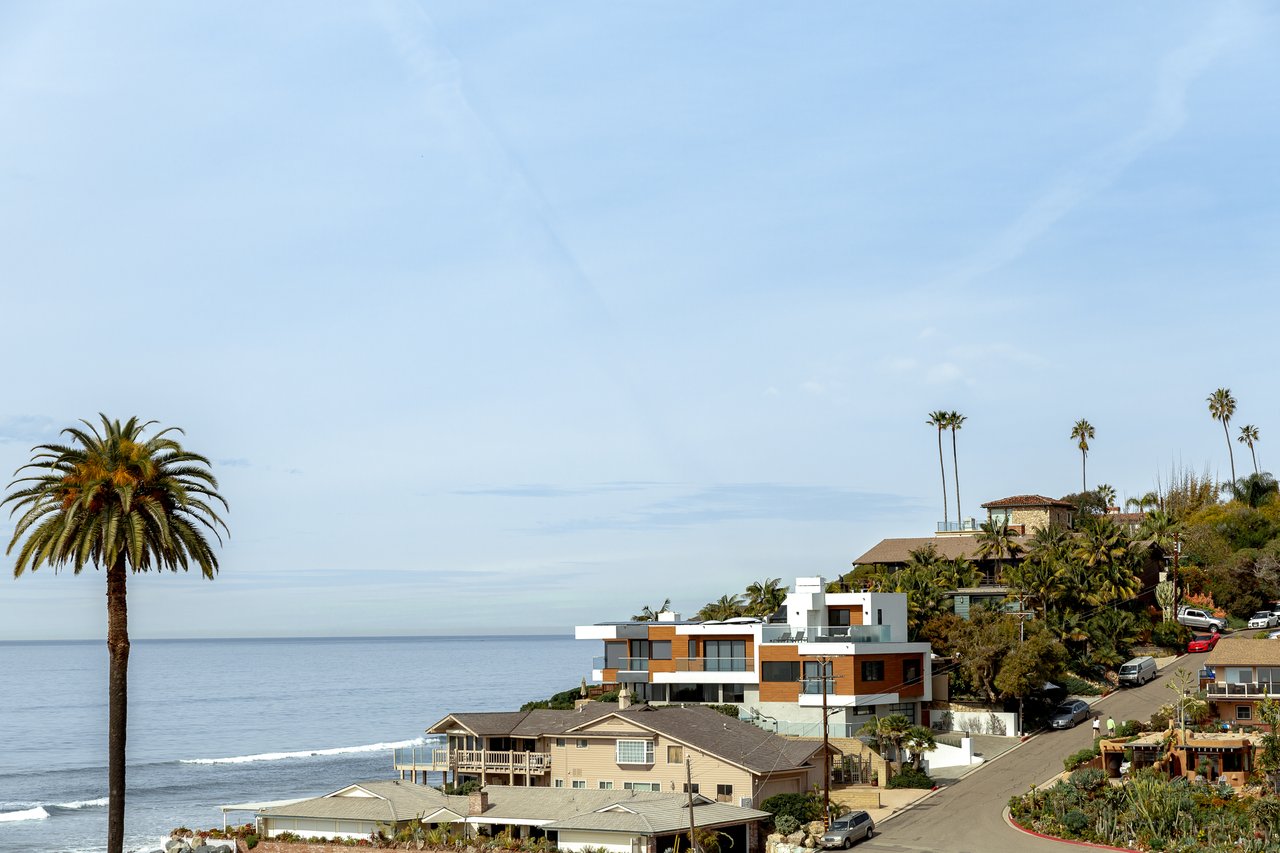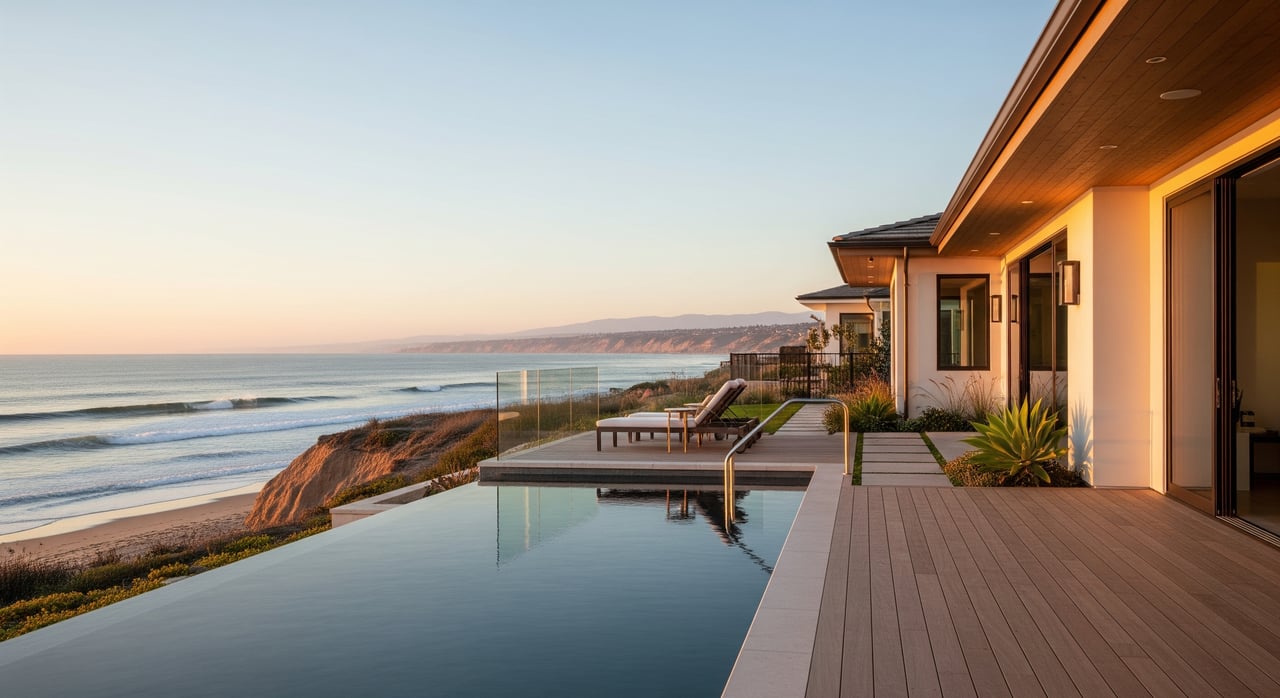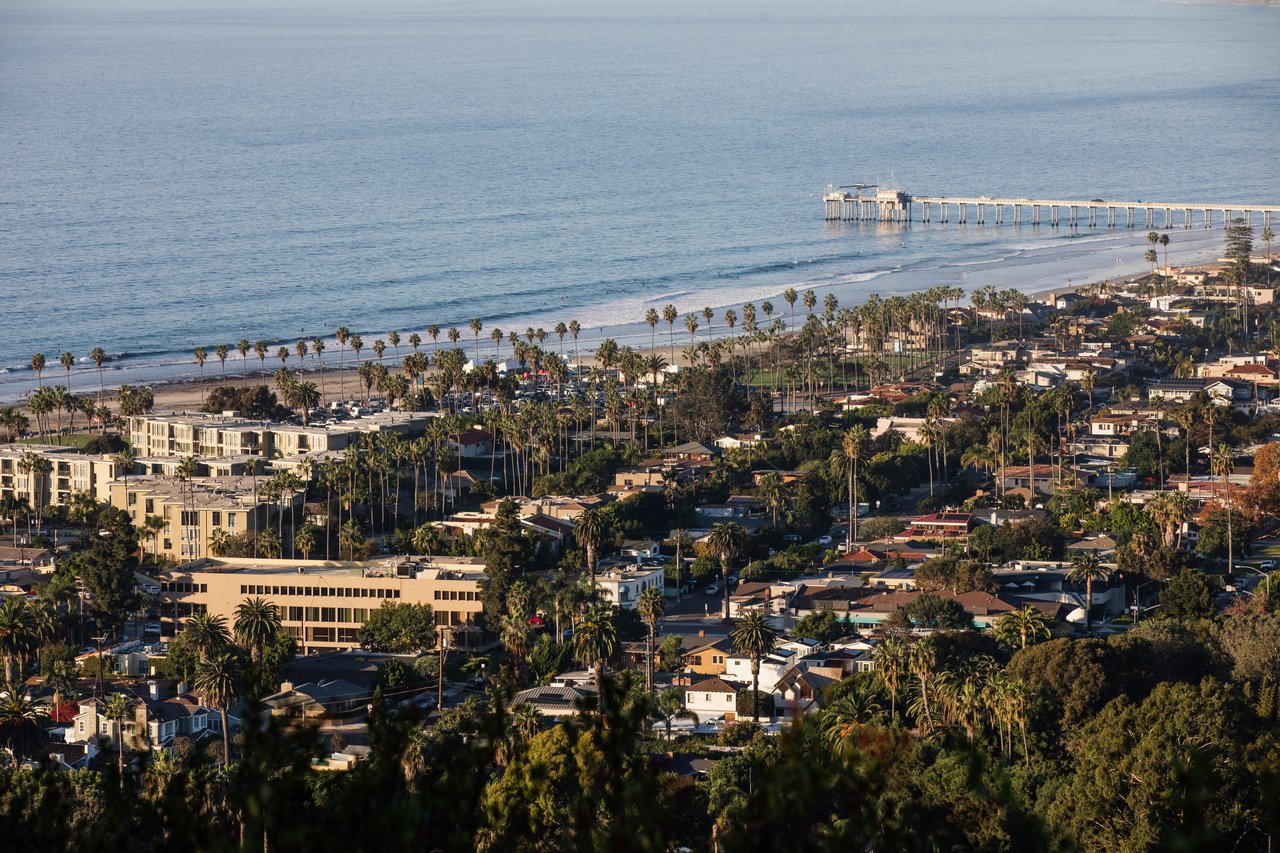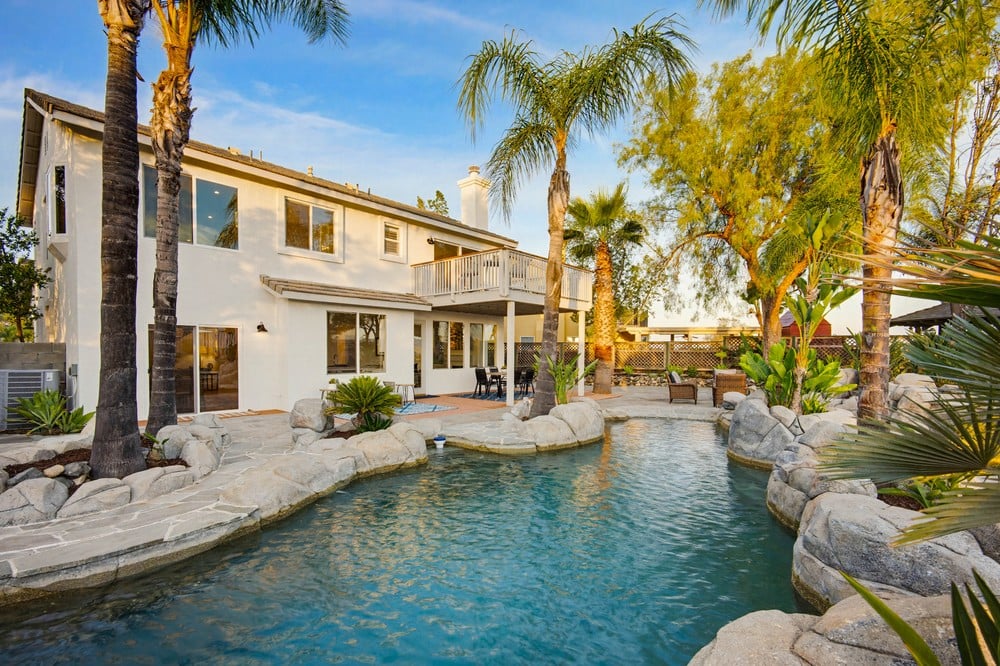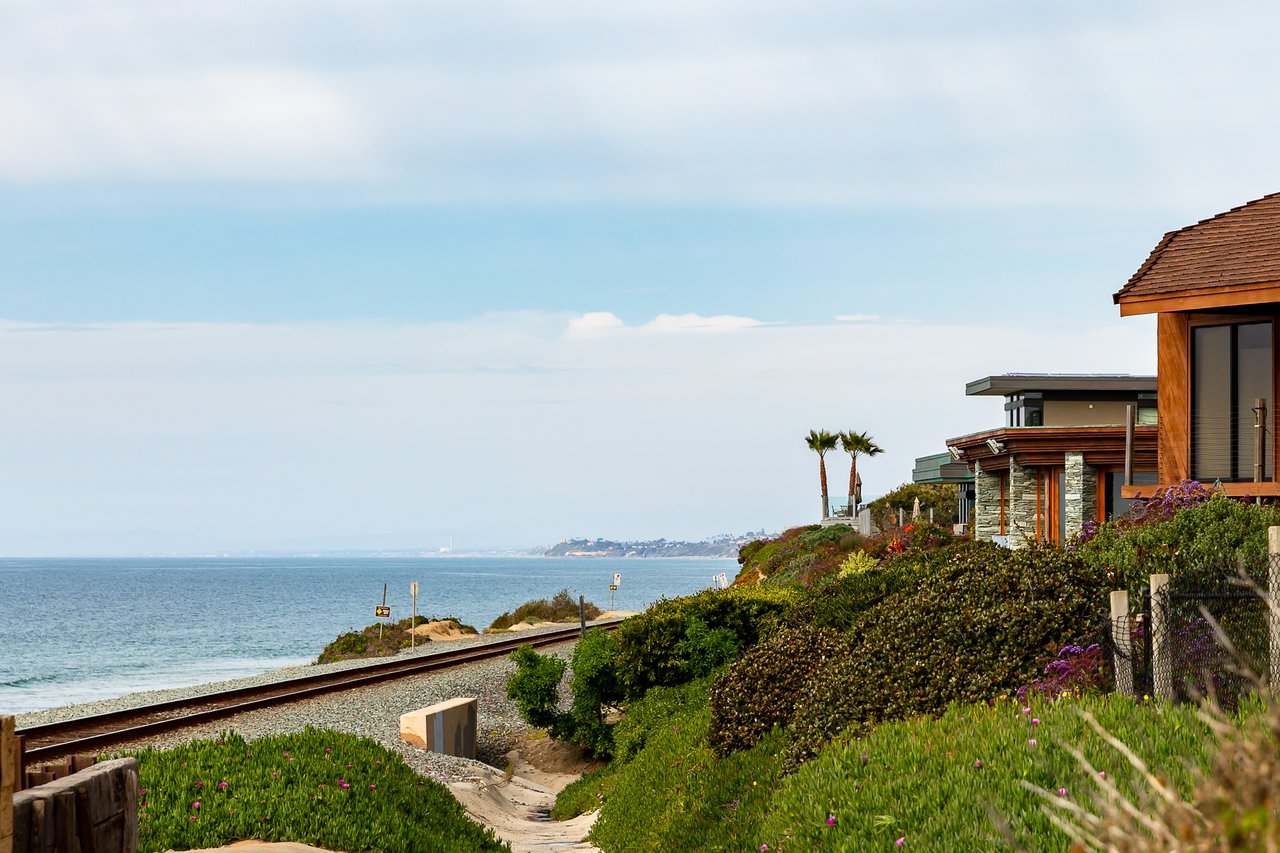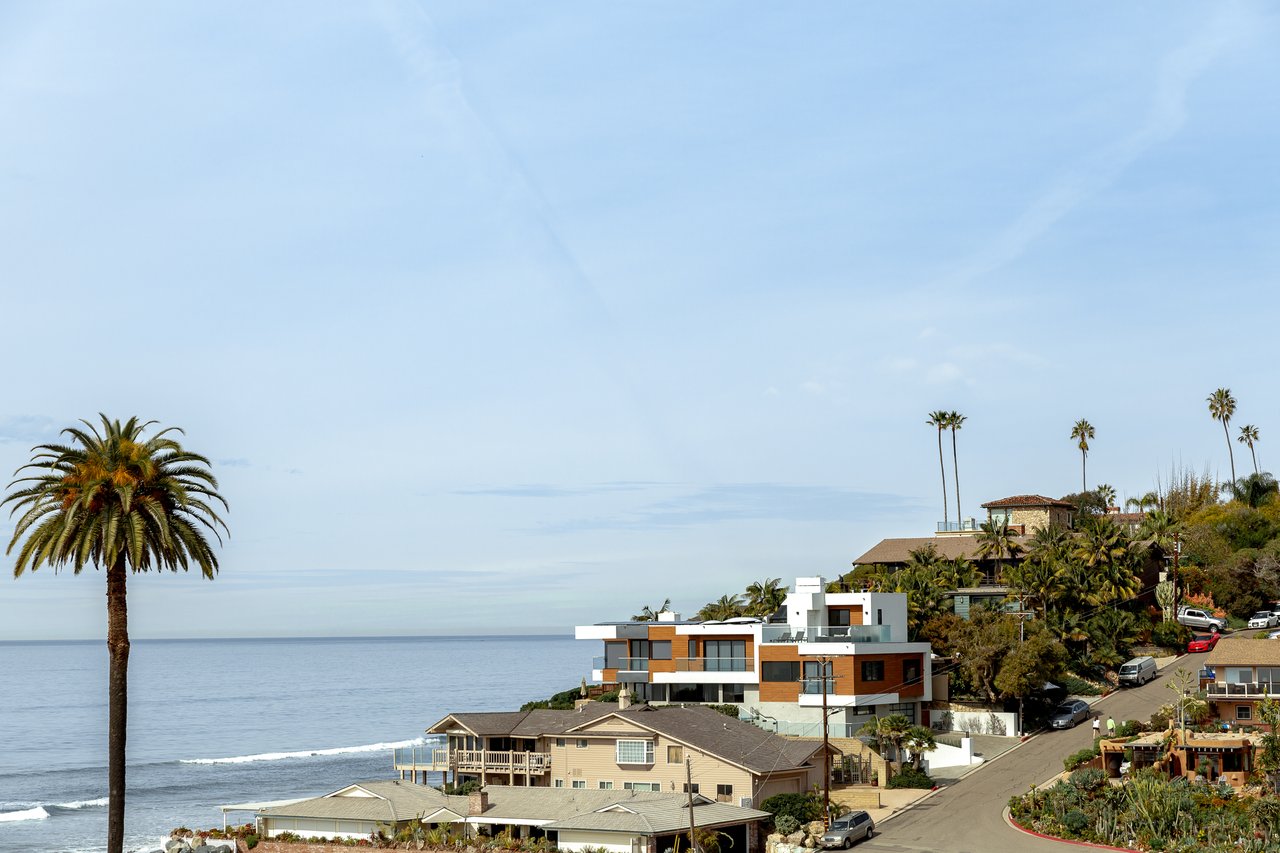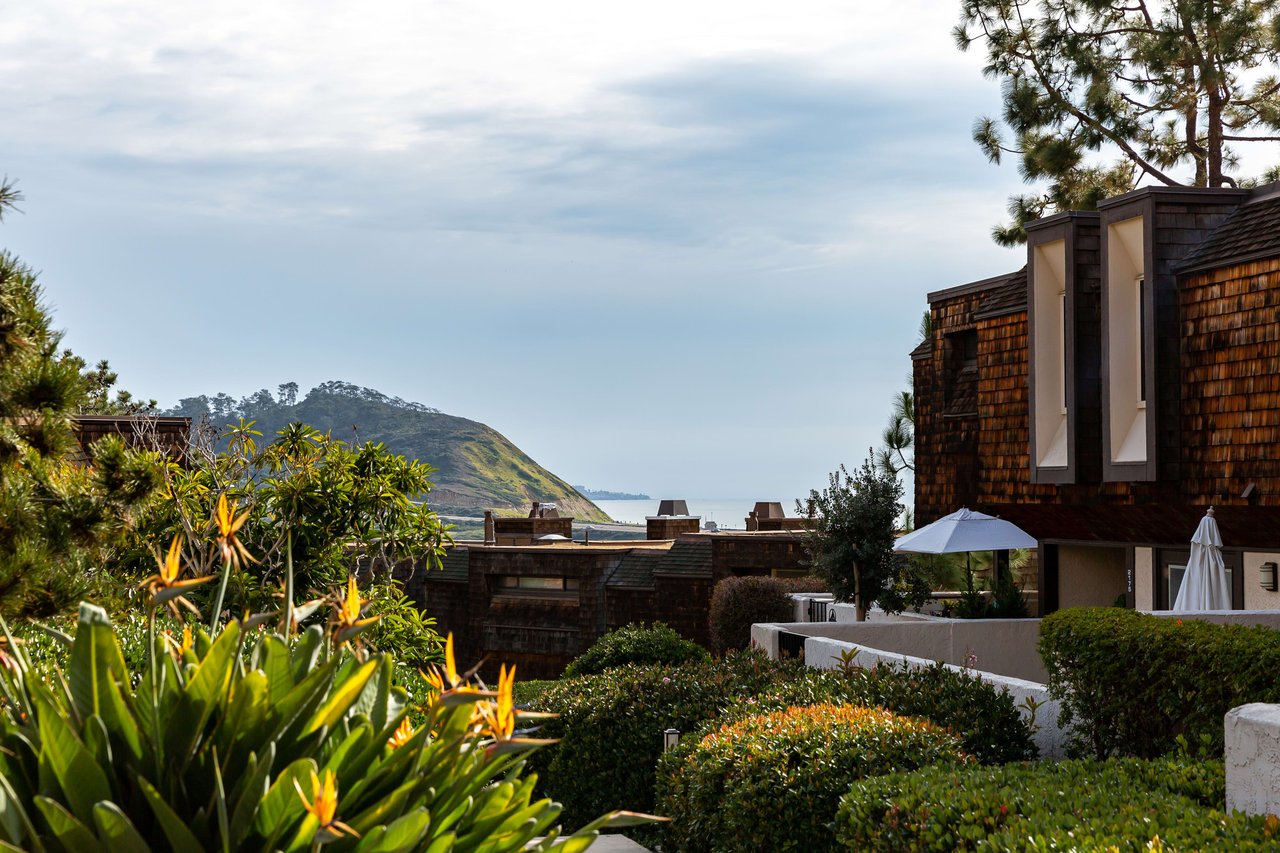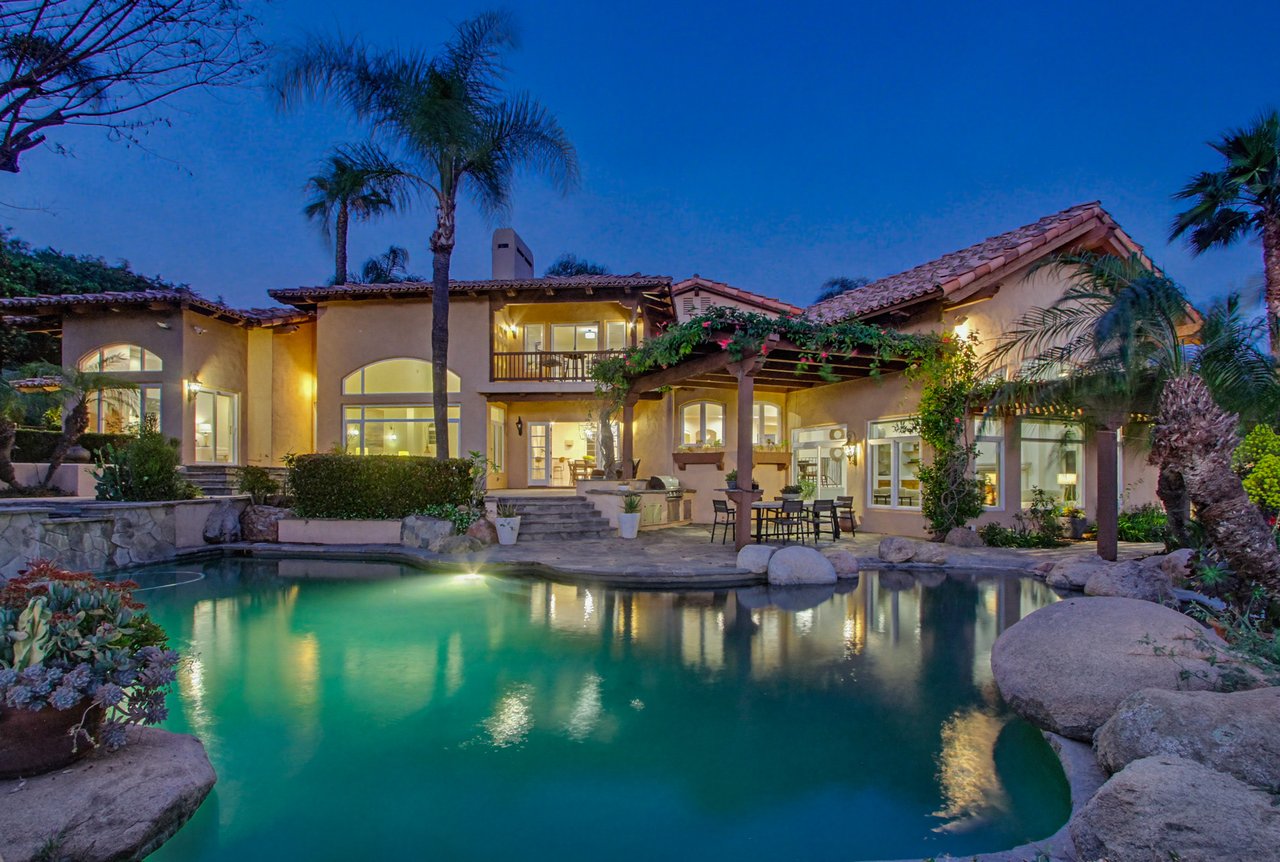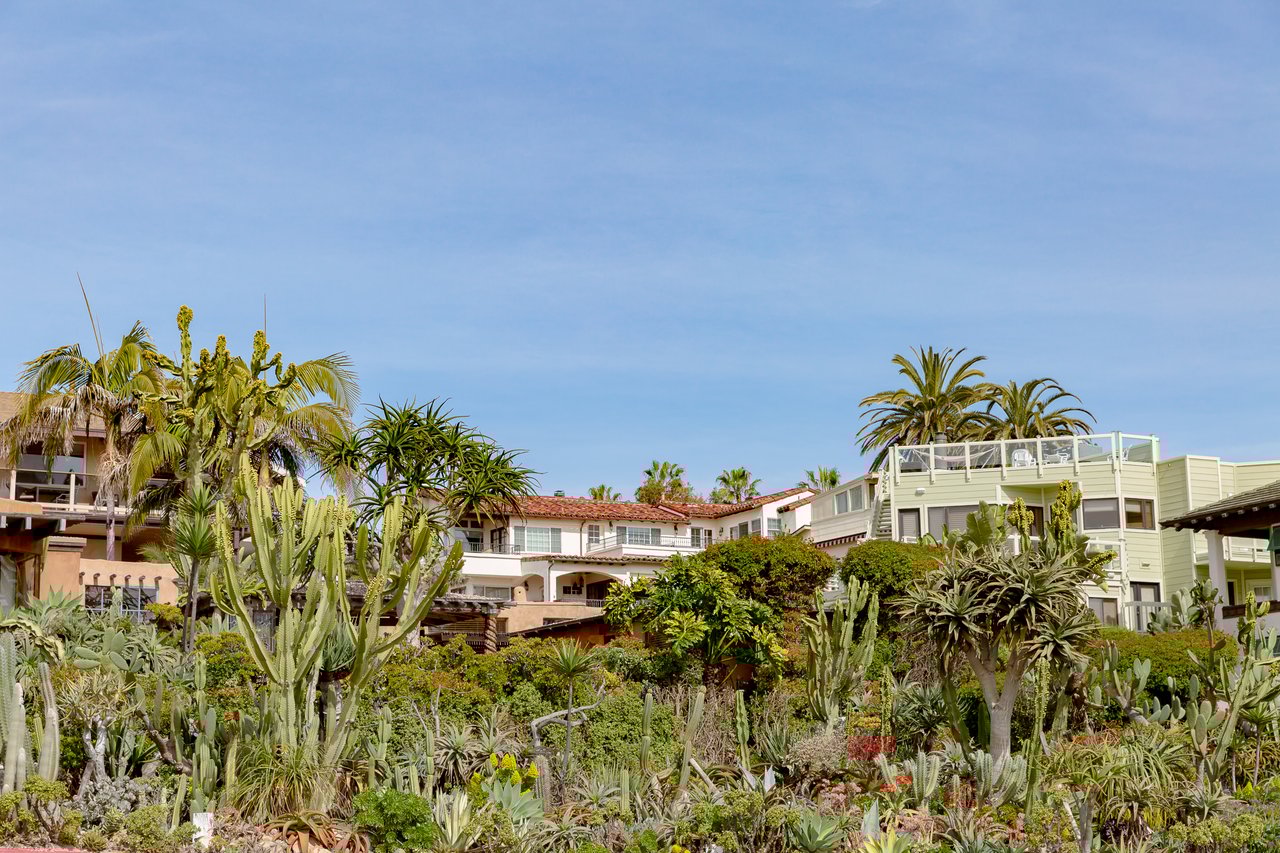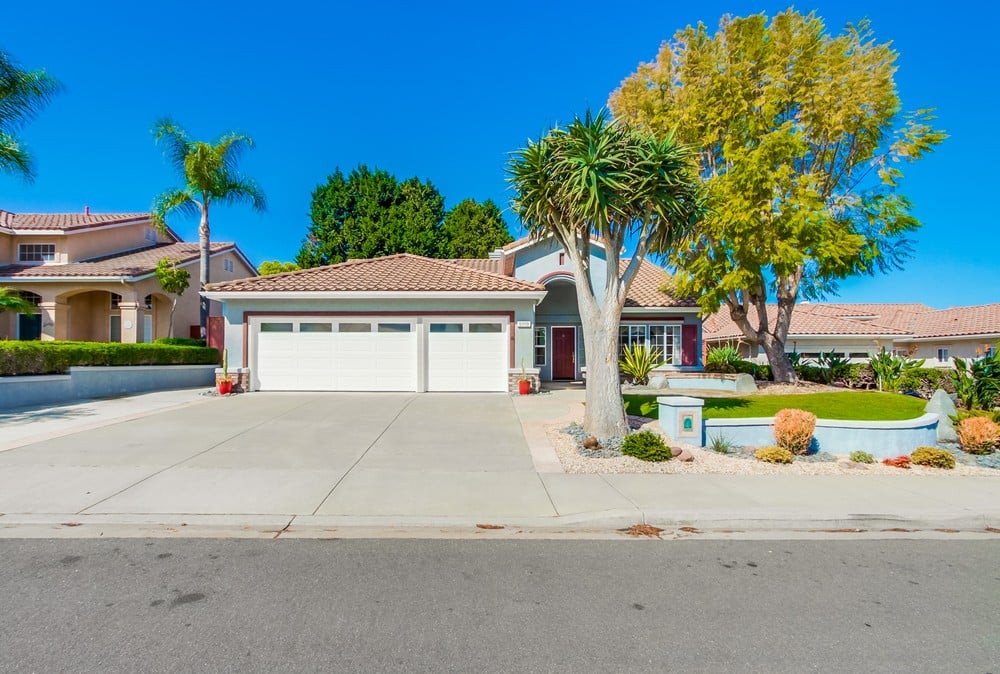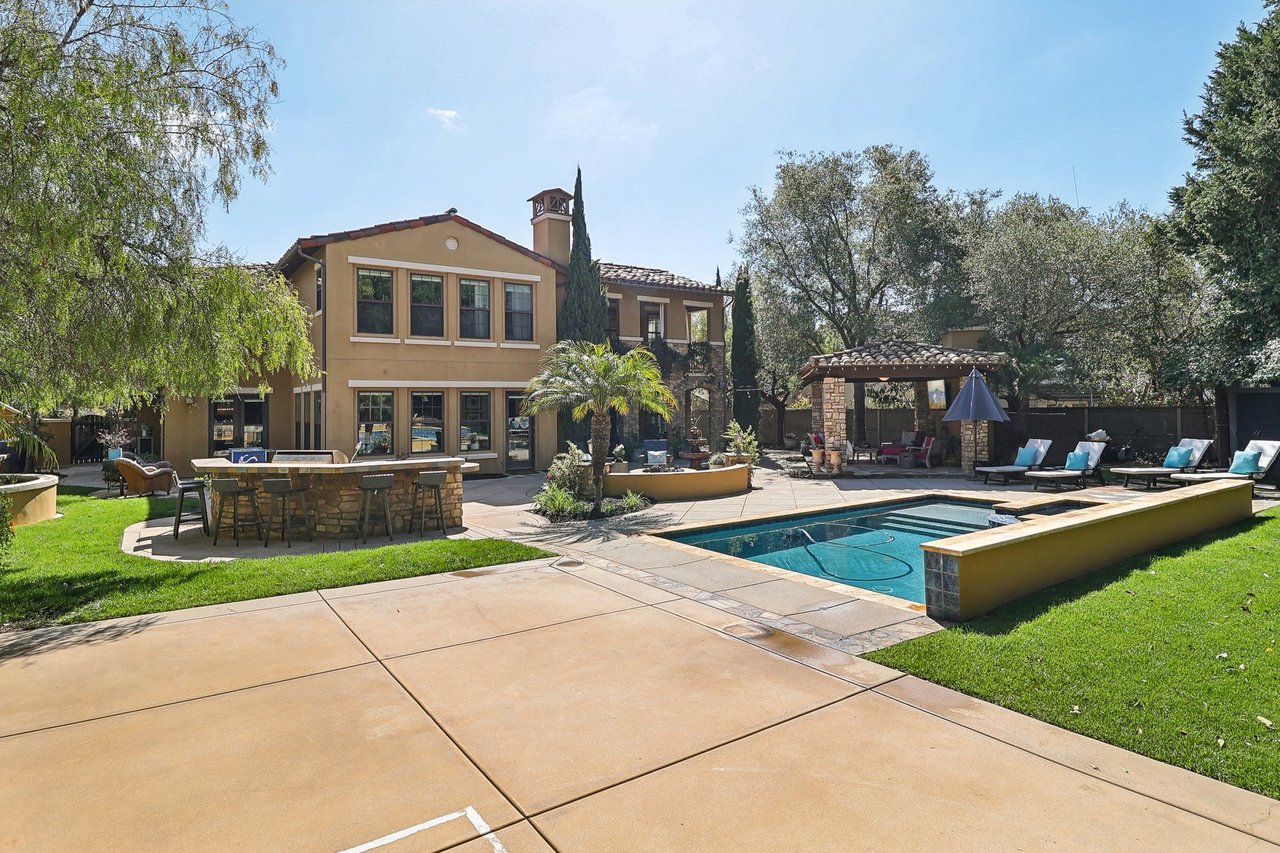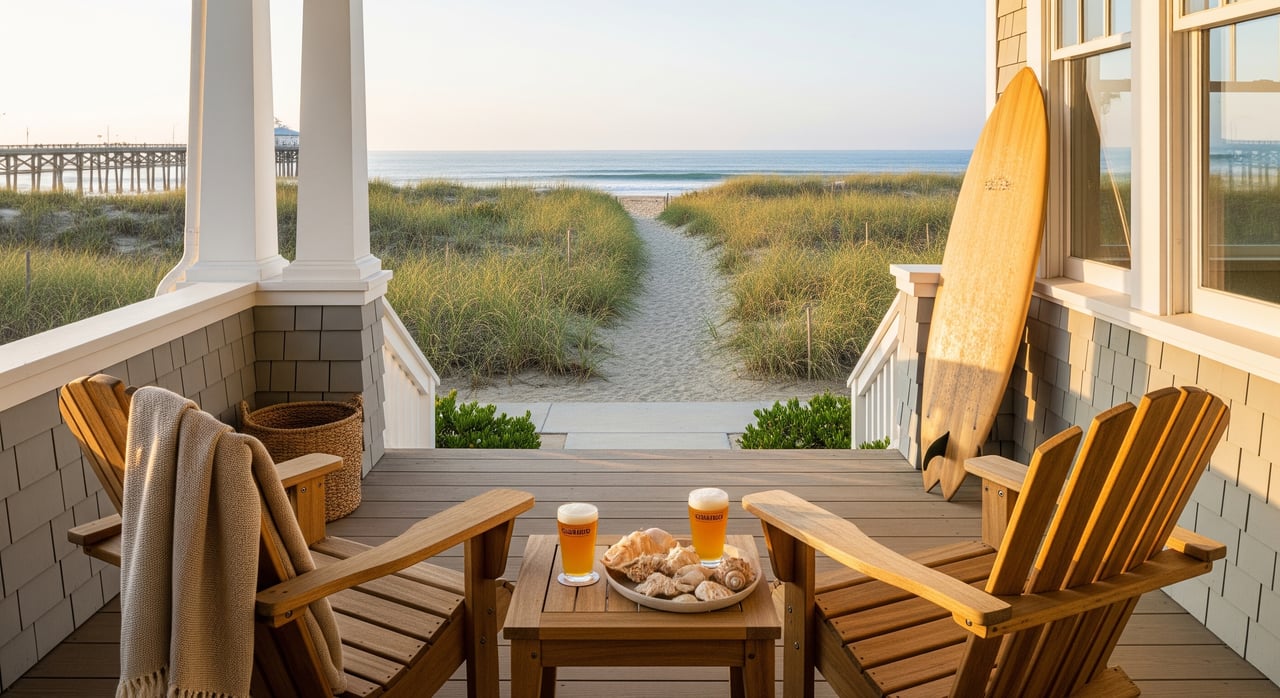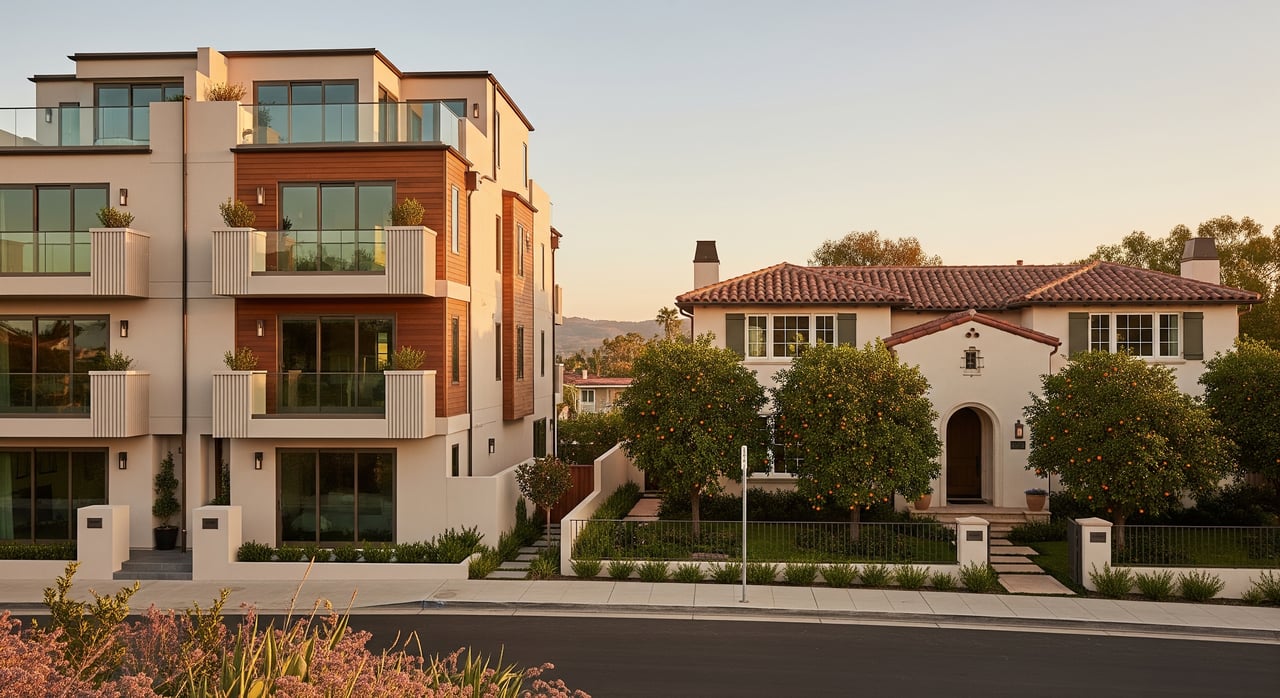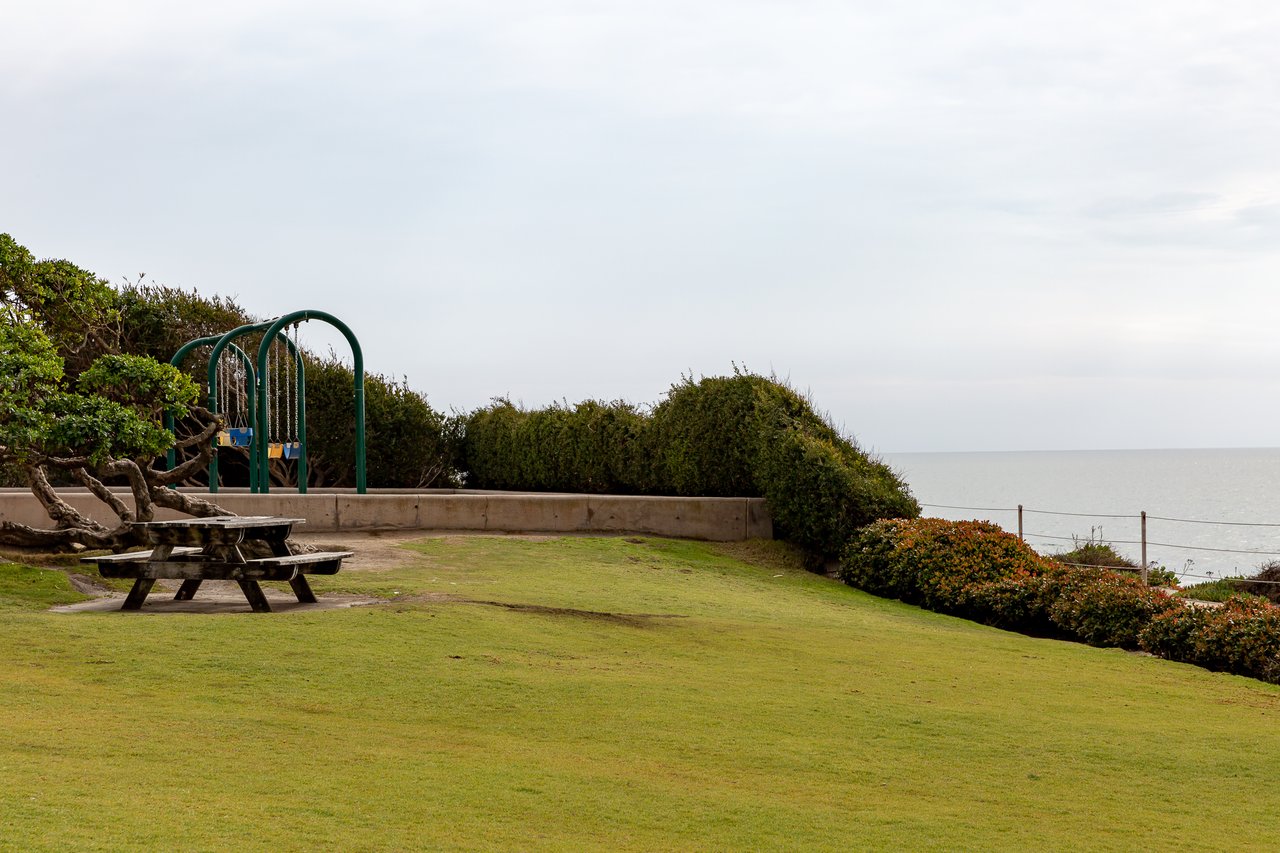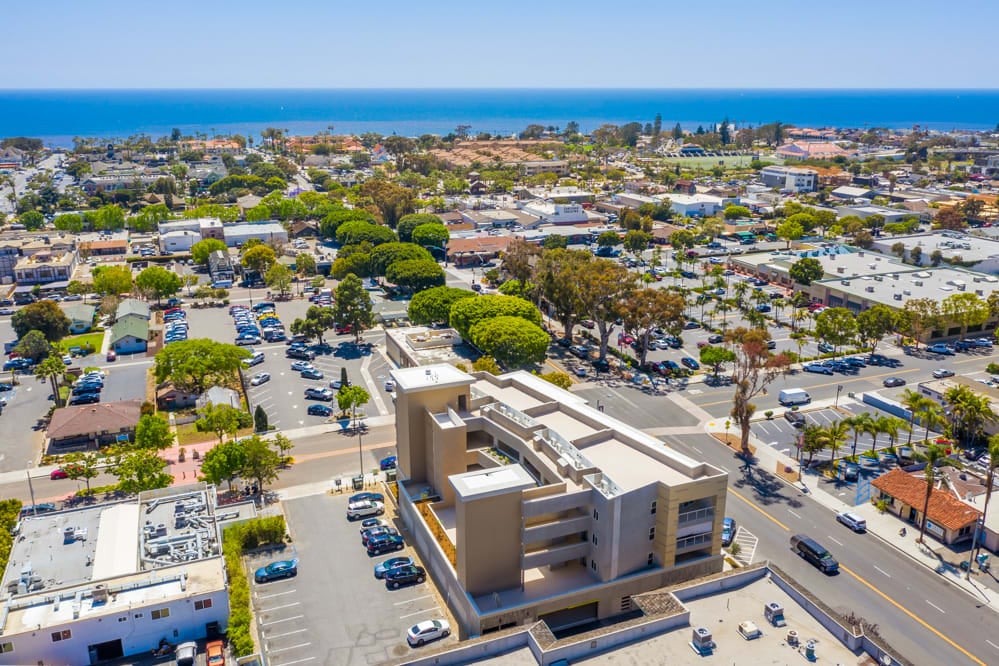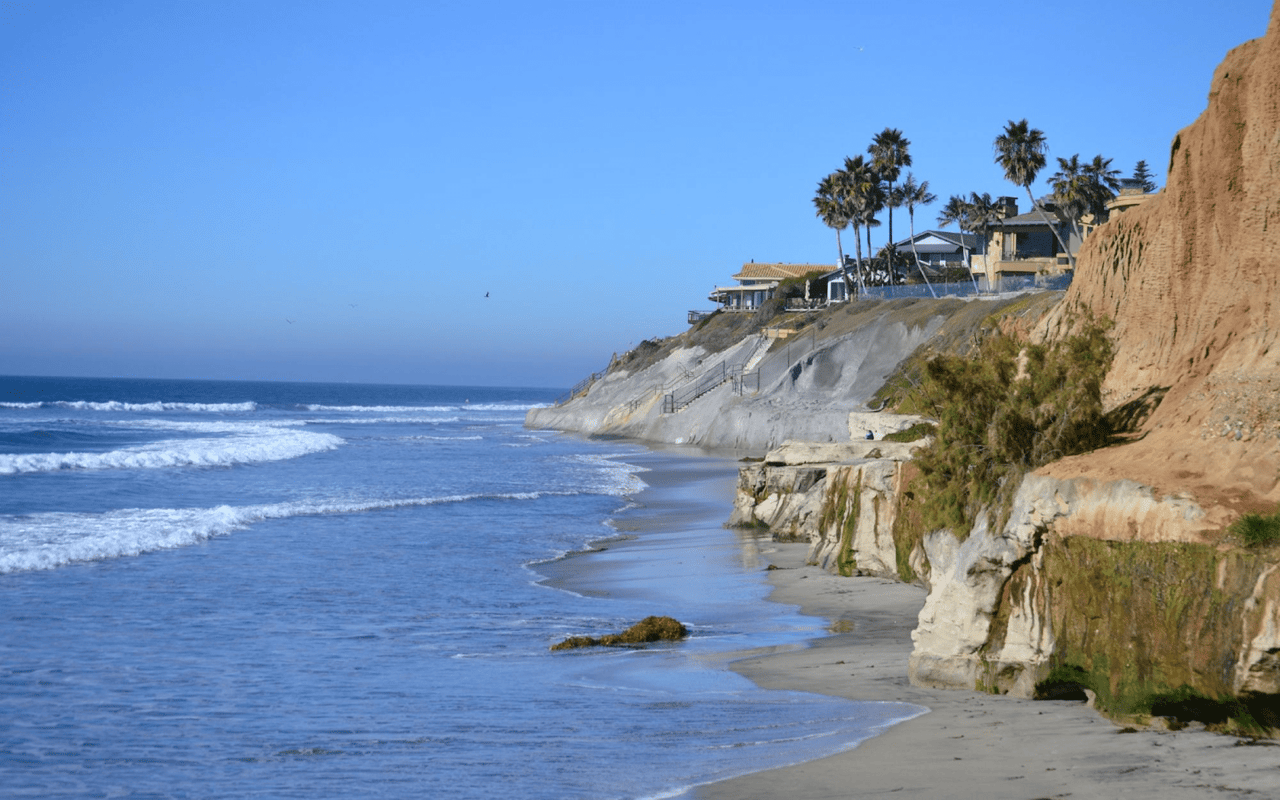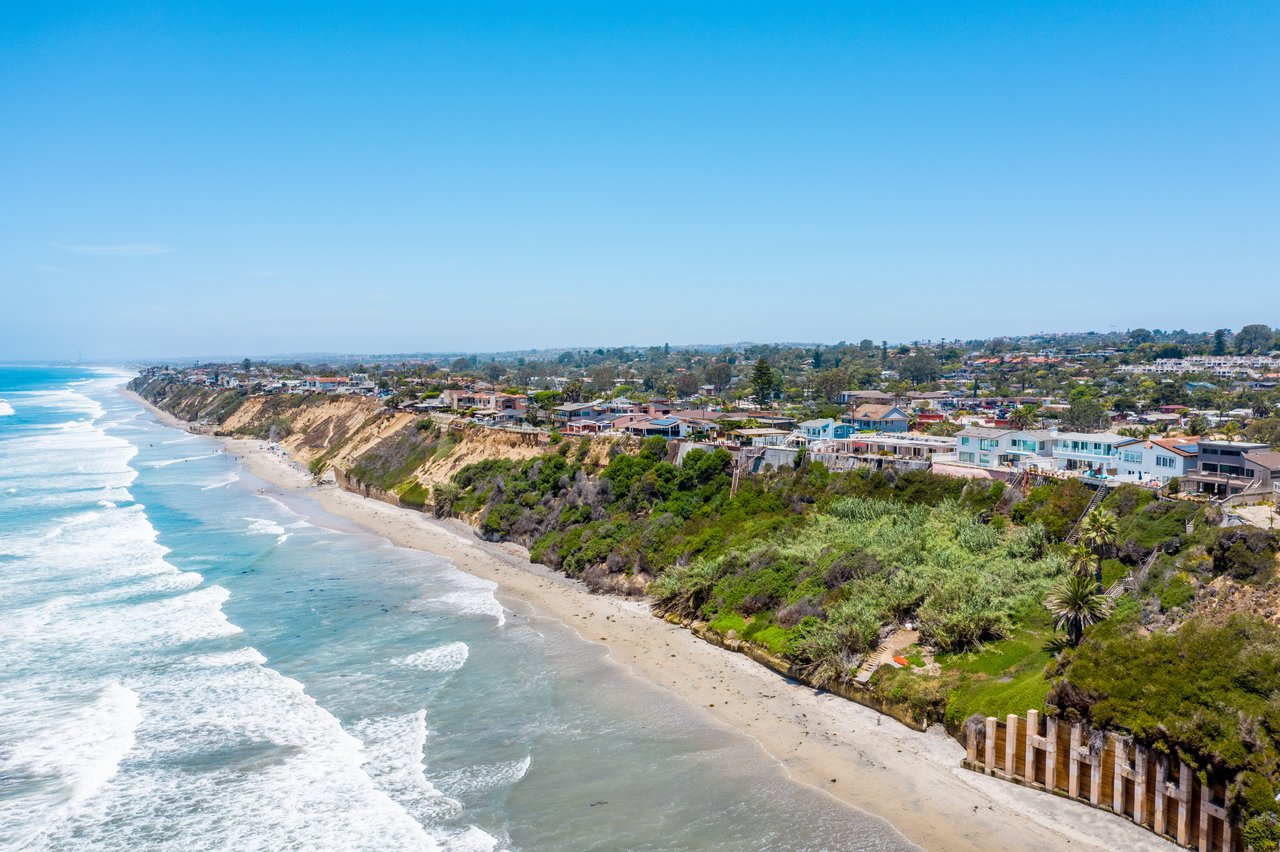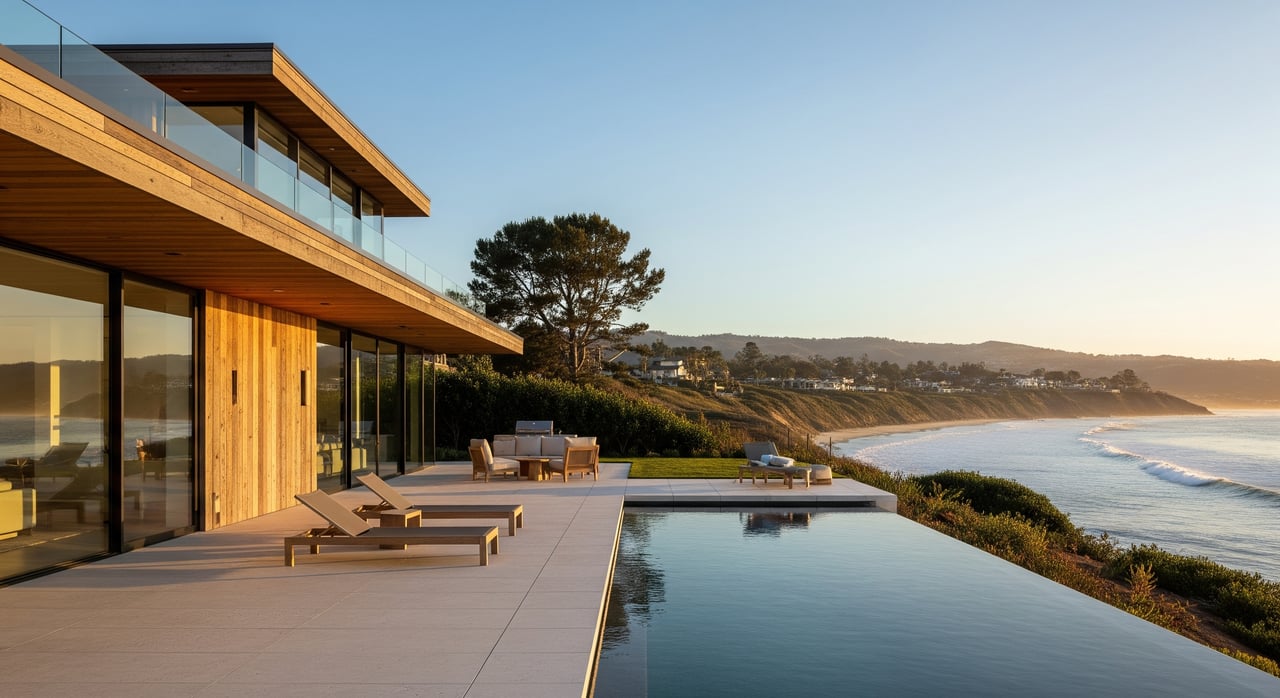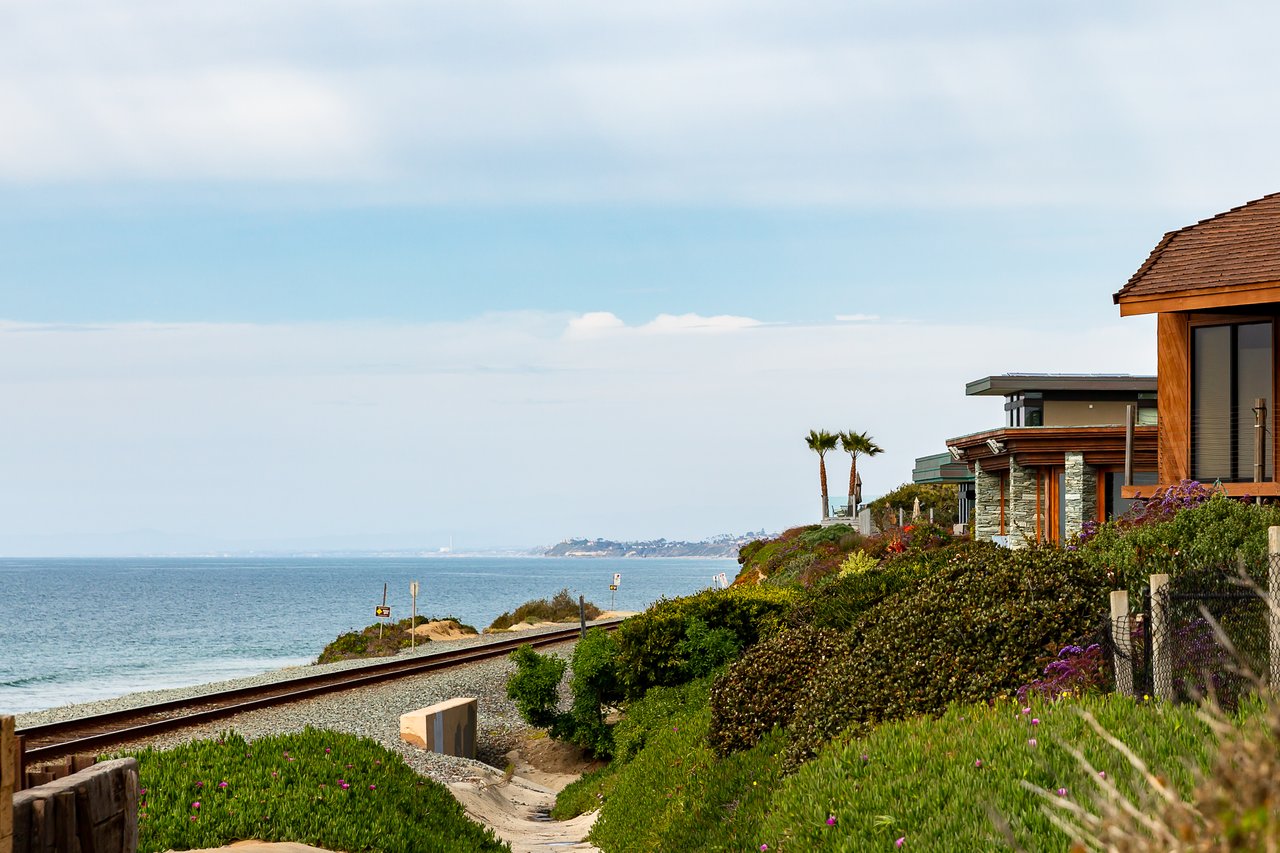
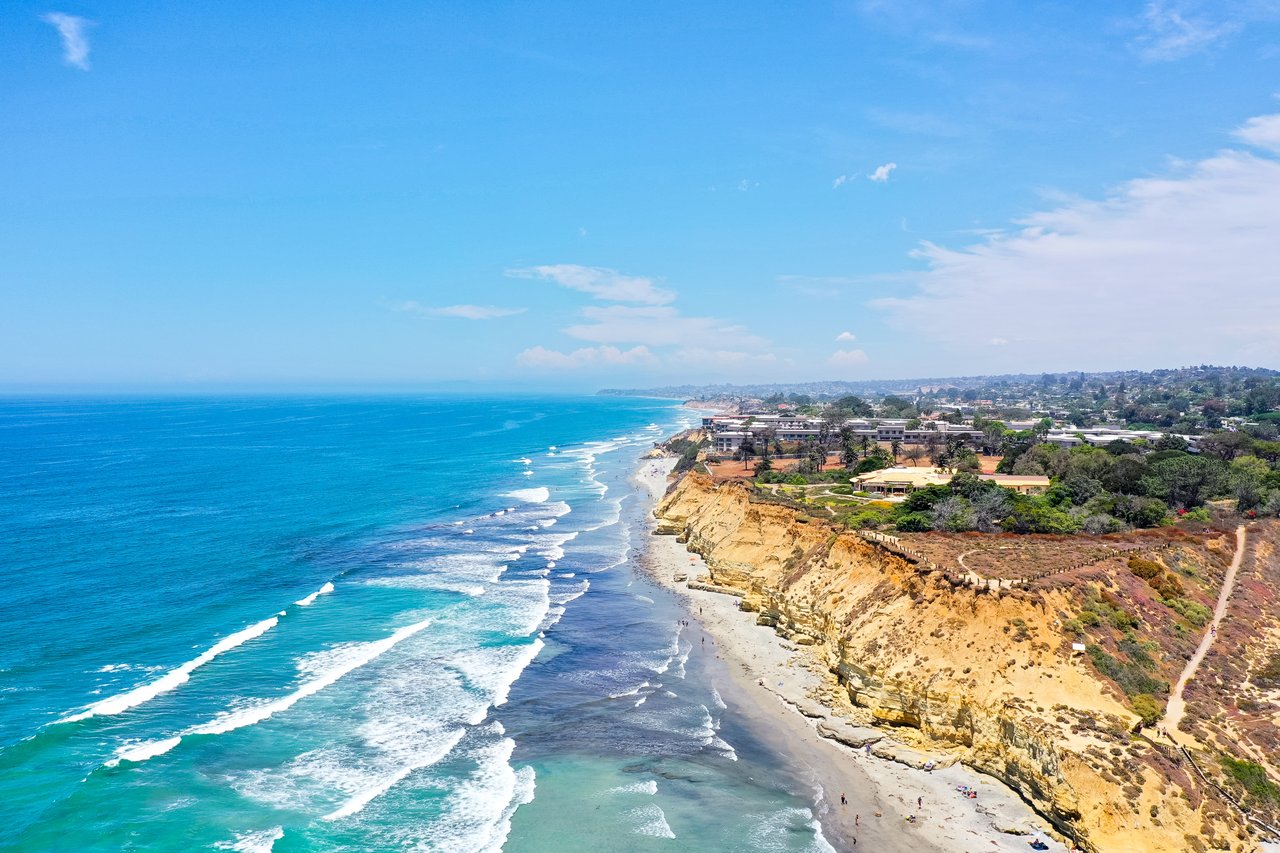
Picture two houses standing shoulder to shoulder along Del Mar's bluff, both facing the same stretch of Pacific, both with the same 180-degree wall of glass and the same salt air coming through the windows at night. One of them was built before January 1, 1977. The other was torn down and rebuilt in the 1980s. To a buyer standing in the driveway, they look like the same asset. To the California Coastal Commission, they are not remotely the same asset, and the difference shows up the moment either owner needs to protect the bluff beneath the house.
That date, not square footage, not the quality of the kitchen remodel, is doing more to determine what a Del Mar bluff-top property is actually worth than almost anything else in the listing. If you own one of these homes, or you're considering buying one, the year the structure went up, or came down and went back up, belongs at the top of your due diligence list.
The line nobody puts in the listing description
California's Coastal Act contains a provision, Section 30235, that has been read for decades as guaranteeing coastal property owners the right to armor their bluffs with seawalls or revetments to protect an existing structure from erosion. The word doing all the work in that sentence is existing. For years, property owners and the Coastal Commission fought over what existing actually meant: existing at the time you file your permit application, or existing back when the Coastal Act itself took effect in 1977.
That fight came to a head in a Half Moon Bay case, Casa Mira Homeowners Association v. California Coastal Commission, that has nothing to do with Del Mar geographically but everything to do with it legally. According to Surfrider, a homeowners association wanted to build a 257-foot seawall to protect ten townhomes built in 1984. A trial court initially sided with the homeowners. The Commission appealed, and in December 2024 the San Francisco Chronicle reported that the First District Court of Appeal reversed that decision, ruling that structures built after the Coastal Act's 1977 effective date are not guaranteed the right to armor. California's Supreme Court declined to revisit the ruling the following year, which means the interpretation stands.
A pre-1977 structure has a real argument for armoring under Section 30235. A newer structure generally does not.
What this looks like once you're actually in escrow
None of this shows up as a fixed number on a spec sheet, which is exactly why it catches people off guard. A geotechnical bluff-stability assessment from a licensed engineering geologist typically runs somewhere in the range of $8,000 to $40,000 depending on how many borings the site needs and how complex the geology turns out to be. Lenders increasingly ask for one before they'll finance a bluff-top purchase at all, and some will attach conditions or decline the loan outright if the site reads as higher risk.
Put a permit history question mark next to any of these and a straightforward transaction turns into a much longer one. City review of a coastal development permit in Del Mar typically runs two to six months on its own. If the project is appealable and gets appealed to the Coastal Commission, add another three to nine months. A buyer's 30-day close and a bluff-top property with an open permit question are not the same conversation.
The bluff itself keeps forcing the issue
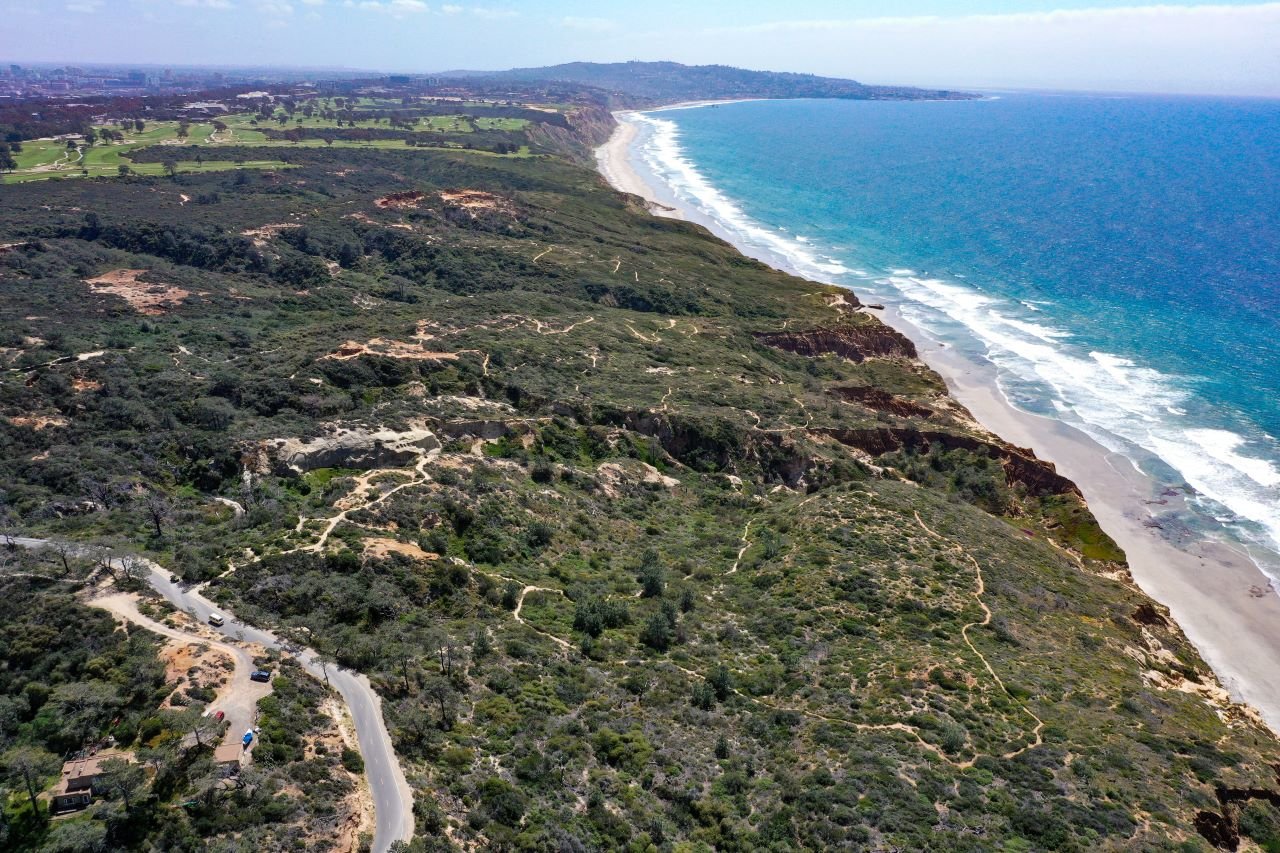
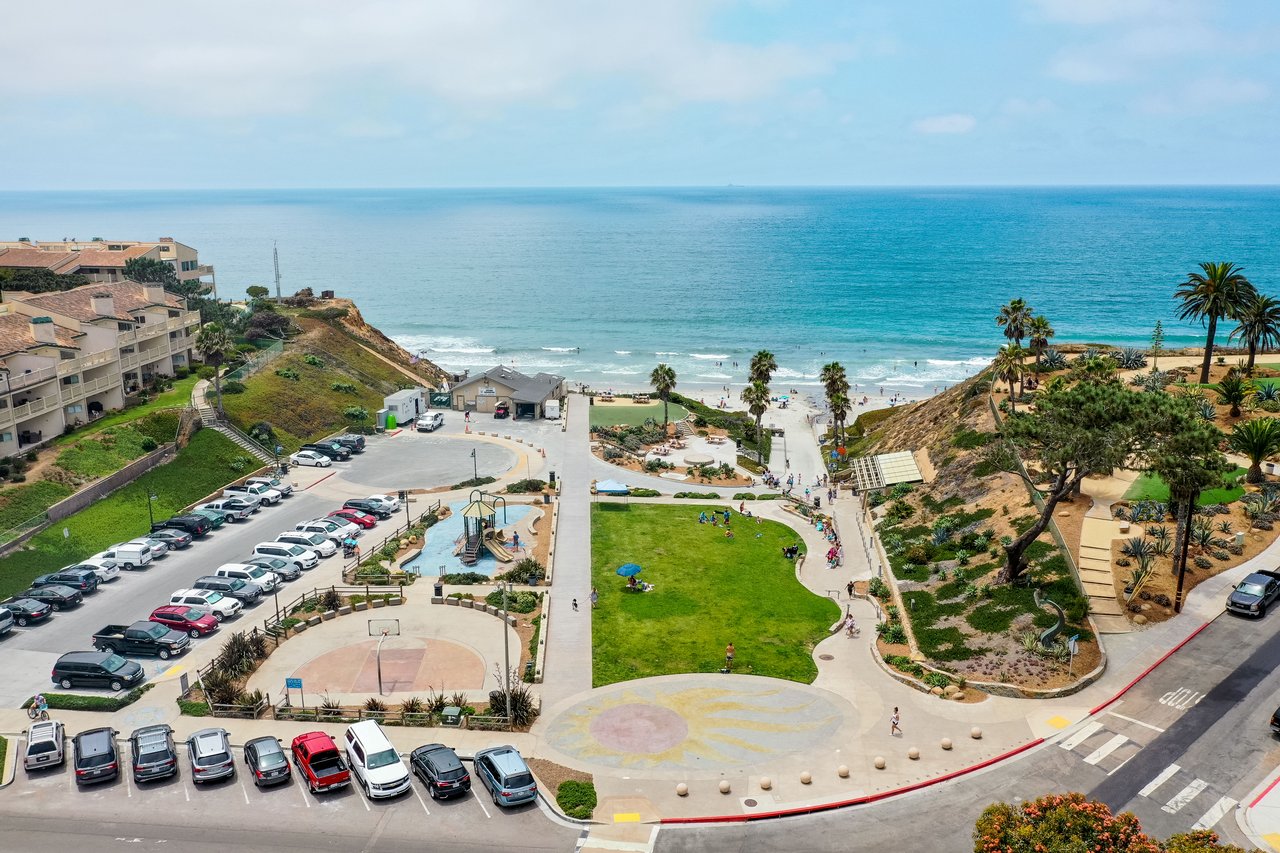
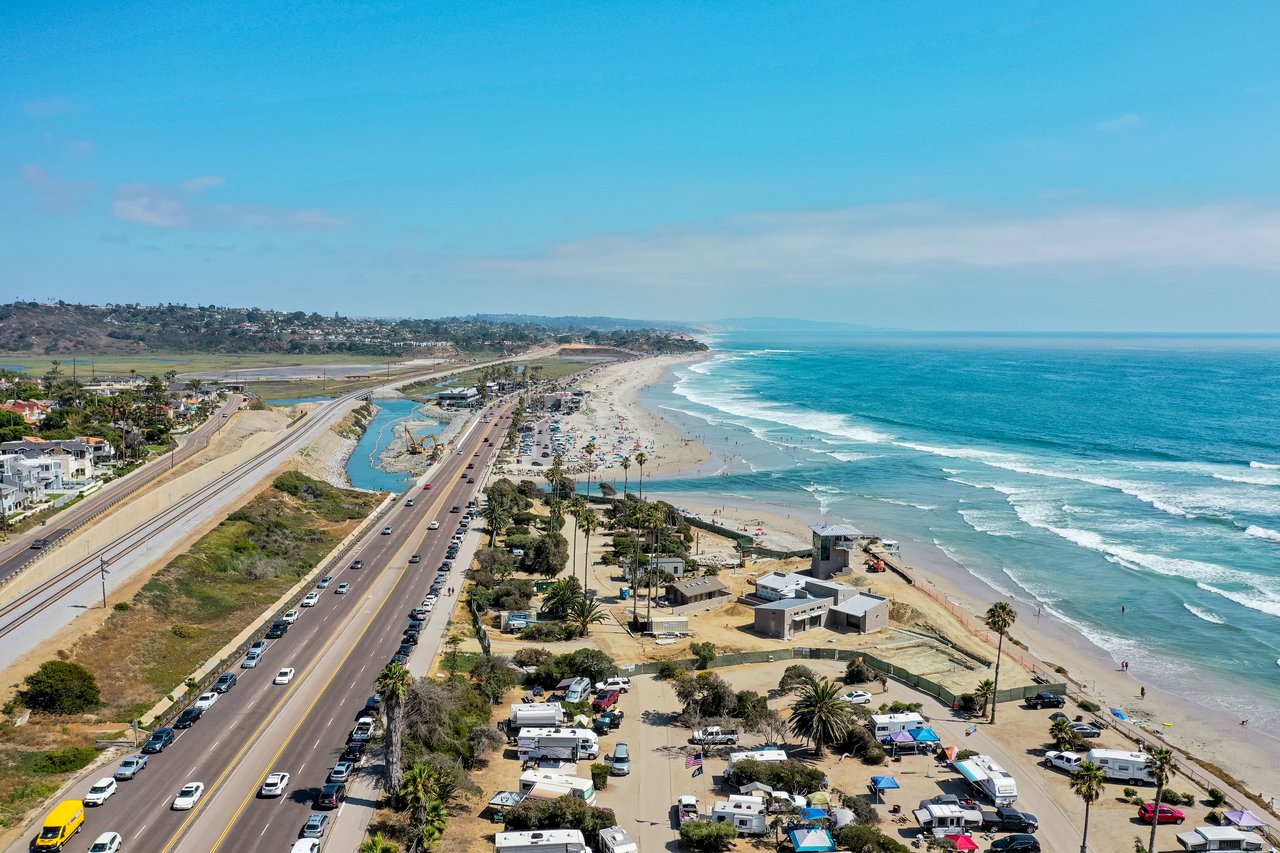
Del Mar's stretch of coastline is not a static backdrop to this legal question. It is an active one. Studies of San Diego County's coastal bluffs put the average erosion rate around six inches a year, but Del Mar's cliffs have been documented eroding faster than that average in specific segments, and the visible failures keep coming. In April 2024, a roughly 25-foot section of bluff collapsed onto the beach between 9th and 10th Streets. No one was injured, but it was one entry in a pattern of bluff failures that has grown more frequent across Del Mar, Torrey Pines, and Encinitas in recent years.
SANDAG is in the middle of the fifth phase of an ongoing stabilization effort along the Del Mar bluffs, an $88 million project running from spring 2024 through 2027 that covers 1.7 miles of coastline from 15th Street to the bridge at North Torrey Pines Road. Crews are drilling in additional support columns, extending existing seawalls, improving drainage, and replanting the slope with native species. Since 2003, SANDAG and the North County Transit District have completed four earlier stabilization phases along this same stretch, installing more than 230 support columns to keep the rail line running. The longer-term plan, the LOSSAN Rail Realignment project, aims to move the tracks off the bluffs entirely and is now entering environmental review, a process that will take years to work through.
In July 2026, North Coast Current reported that researchers at Scripps Institution of Oceanography published the results of a four-year study, required under state legislation known as AB-66, that installed movement sensors on bluffs at Beacon's Beach in Encinitas, along the Del Mar rail corridor, and at San Elijo State Beach in Cardiff. The sensors detected ground movement hours to days ahead of five separate collapses, evidence that an early-warning system is technically feasible even though the researchers say more development work is needed before it becomes operational. State Assemblymember Tasha Boerner, whose district includes this coastline, called bluff collapses "a constant threat to coastal neighborhoods in my district and across the California coast" in that report.
None of this is background noise for a Del Mar bluff-top listing. It is the reason the permit question at the center of this piece keeps mattering year after year instead of fading.
What to actually check before you list or make an offer
Question a Del Mar bluff-top seller or buyer should be able to answer | Why it matters |
|---|---|
Was the home built before January 1, 1977? | Determines whether the property has a real argument for future seawall protection under Section 30235. |
Is there a current, site-specific geotechnical bluff-stability report? | Lenders increasingly require one, and its findings shape both the buildable footprint and the insurance conversation. |
Where do the neighboring structures sit relative to the bluff edge? | The stringline rule ties your buildable envelope to theirs. |
According to Disclosures.com, California does not currently require coastal erosion to be listed among the six mandatory hazard categories on the statewide Natural Hazard Disclosure form, which surprises a lot of buyers moving here from other states. That does not make the information immaterial. A buyer who later discovers an unpermitted seawall or a recorded armoring waiver after close of escrow is going to have questions, and a seller who can answer them upfront is the one who keeps a transaction on schedule.
A few questions that come up almost every time
Does a pre-1977 build date guarantee I can armor my bluff? No. It gives you an argument under Section 30235 that a post-1977 structure generally does not have.
How long should I budget for a coastal permit if I'm planning to renovate before selling? Plan for months, not weeks. A straightforward city review can run two to six months, and if it gets appealed to the Coastal Commission, add another three to nine months on top of that.
A Del Mar bluff-top home is still one of the more distinctive properties in North San Diego County, and the view isn't going anywhere. But the paperwork behind that view has real teeth, and it rewards the seller or buyer who reads it early. If you're weighing a sale or a purchase along this stretch of coastline and want someone who will walk the permit history with you before it becomes a surprise in escrow, Klinge Realty offers a Free Home Strategy Consultation built for exactly this kind of property.
This article is general information, not legal, tax or financial advice. Consult a qualified professional about your situation.