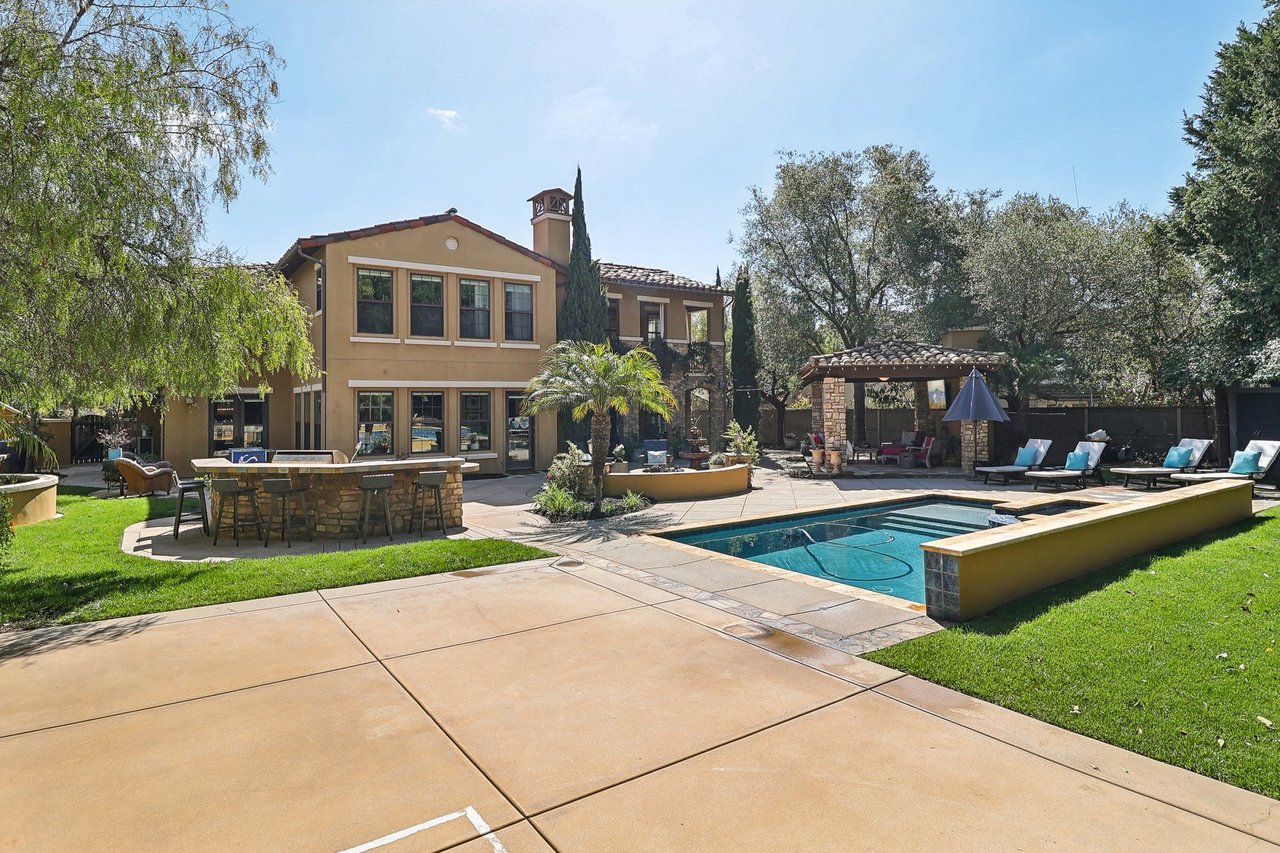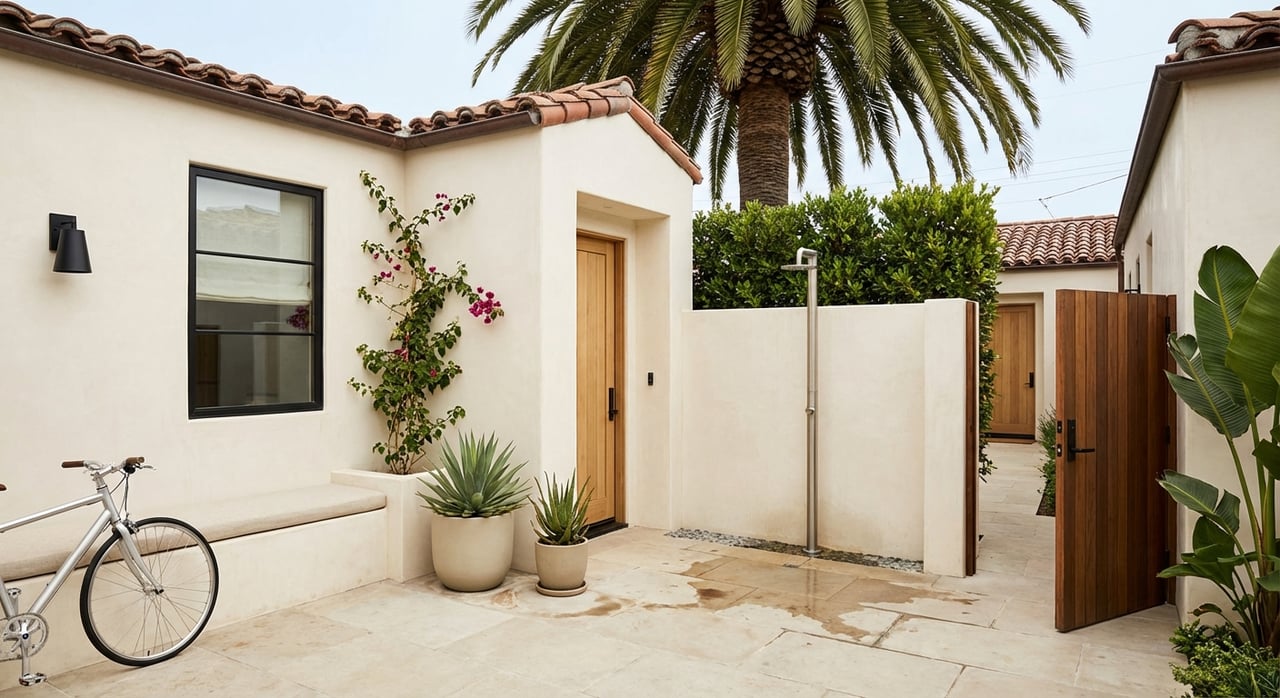

Thinking about a second home in Del Mar? You are not alone, and you are also looking at one of the most site-specific coastal markets in North San Diego County. In a small city with strong visitor traffic, a walkable village core, and distinct beach, bluff, and hillside settings, the right purchase depends on far more than the house itself. If you want to buy with clarity, it helps to understand how location, timing, carrying costs, and local rules can shape the experience. Let’s dive in.
Why Del Mar Feels Different
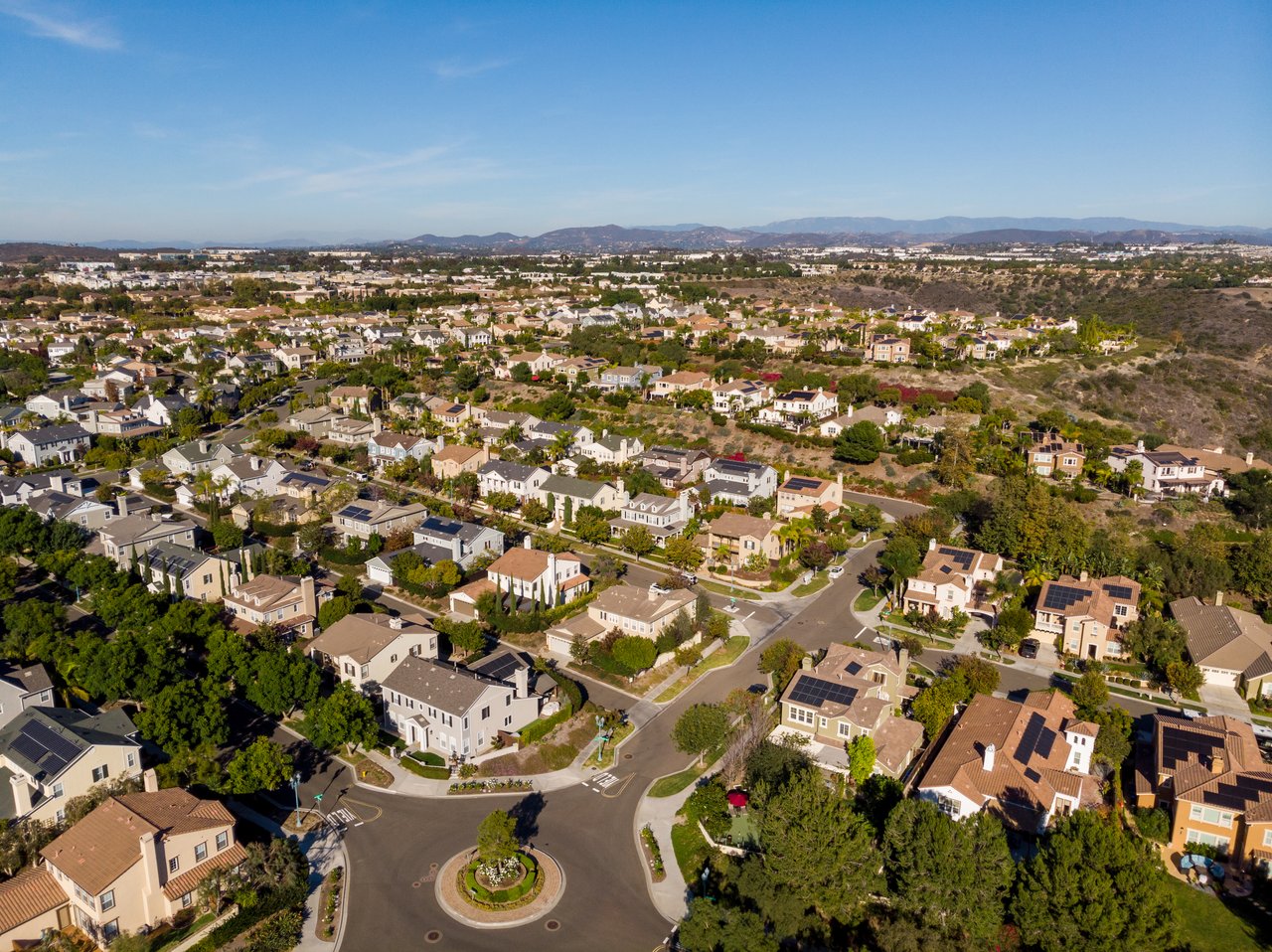
Del Mar is compact, with about 4,200 residents across roughly 2.2 square miles, yet it attracts more than 2 million visitors each year. The city describes itself as a residential community with a vibrant downtown and a tranquil natural setting. For you as a second-home buyer, that means lifestyle fit and access often matter just as much as floor plan or lot size.
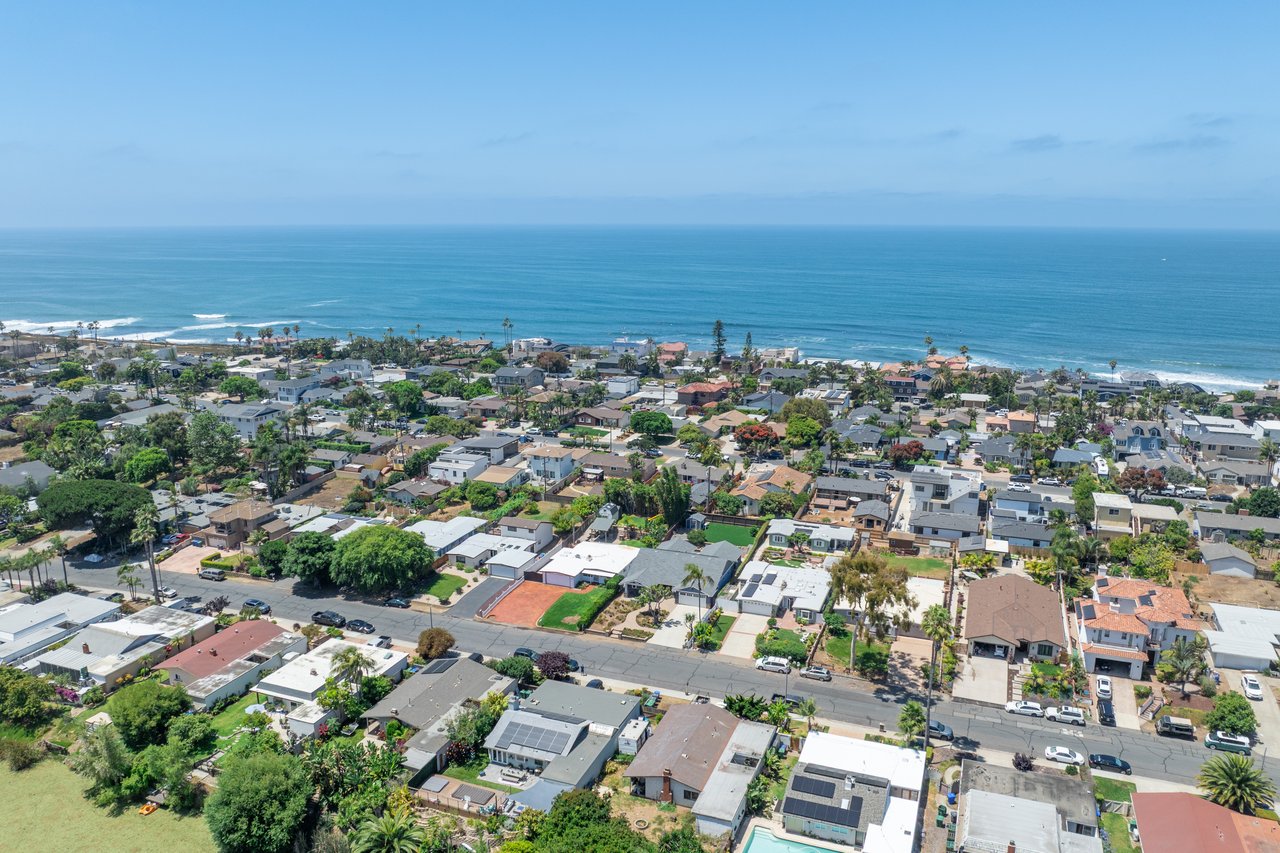
Because Del Mar is small, even modest differences in location can change your ownership experience in a big way. A home near the beach, in the Village, or on a hillside may offer a very different mix of convenience, privacy, parking, and property-related due diligence.
Timing Matters More Than You May Expect
If you plan to shop in summer, calendar timing deserves real attention. In 2026, the San Diego County Fair runs from June 10 through July 5, and the Del Mar Thoroughbred Club’s summer racing season runs from July 17 through September 7. Those are two separate high-activity periods in the same coastal corridor.
For buyers, that can mean more traffic, more competition for showings, and more logistical friction around inspections, deliveries, and contractor access. In a second-home purchase, where you may already be coordinating from out of town, small scheduling issues can become bigger headaches.
Parking also becomes more important during peak periods. Del Mar’s downtown parking plan notes that on-street parking is often fully occupied or nearly full at peak times in certain commercial areas and nearby residential streets, especially around the Village corridor. If you expect guests to visit or you want easy in-and-out access during short stays, parking should be part of your decision early.
How Location Changes the Decision
Beach-Area Homes
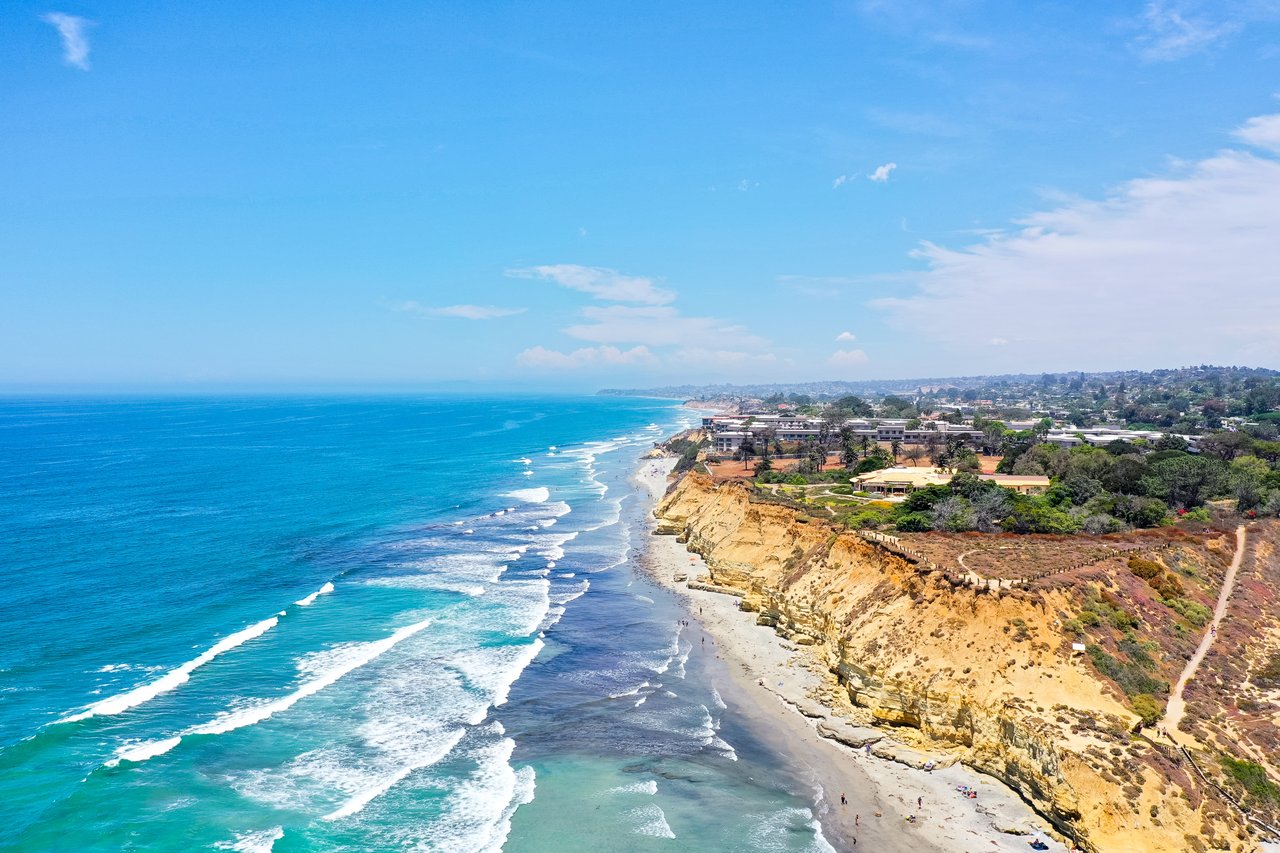
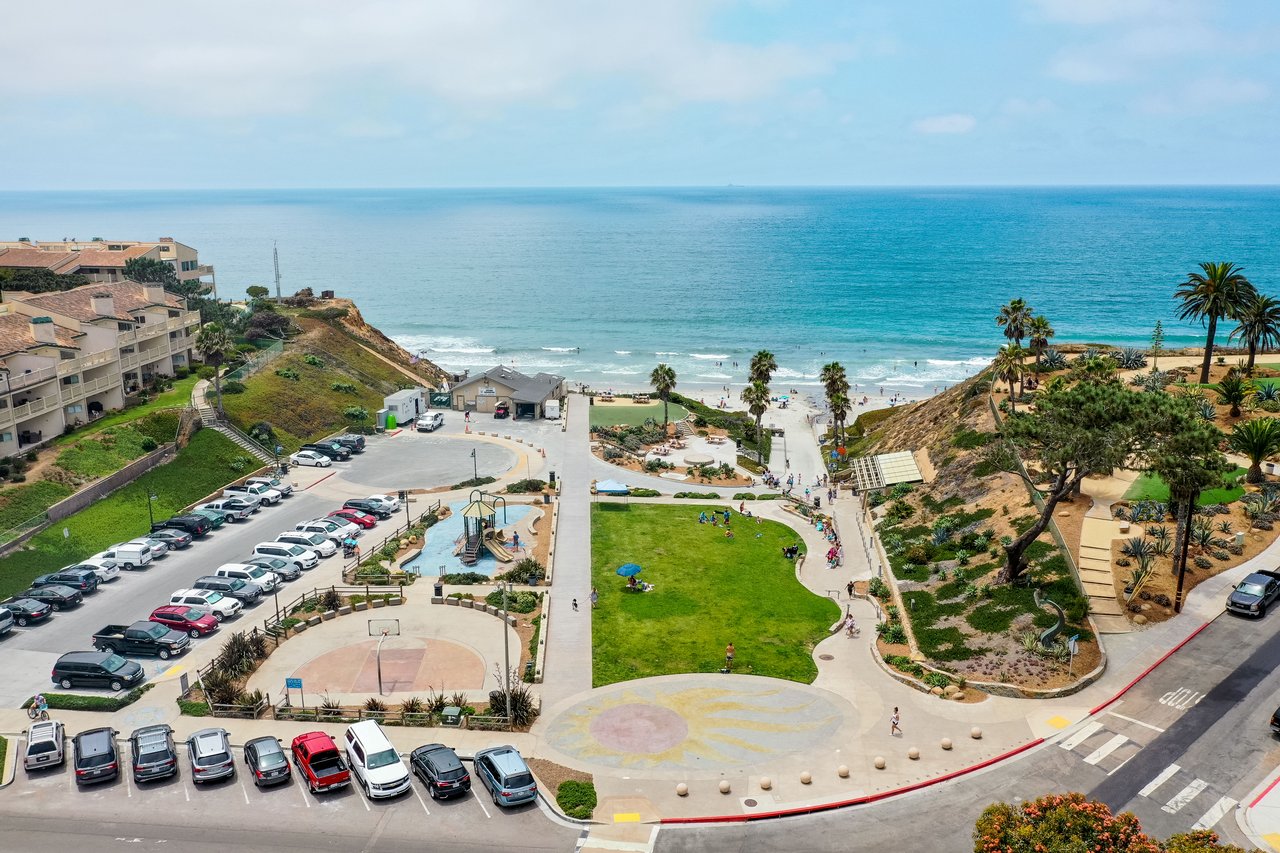
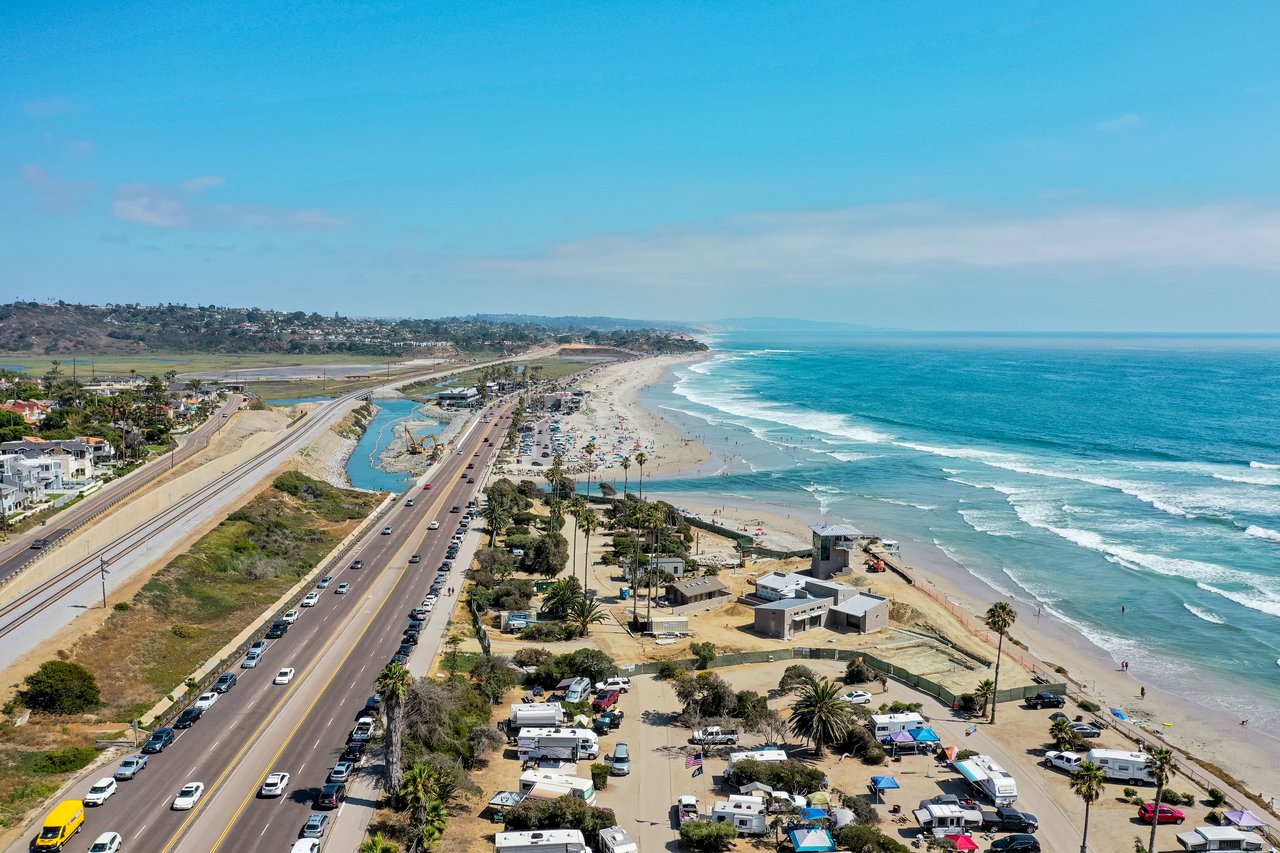
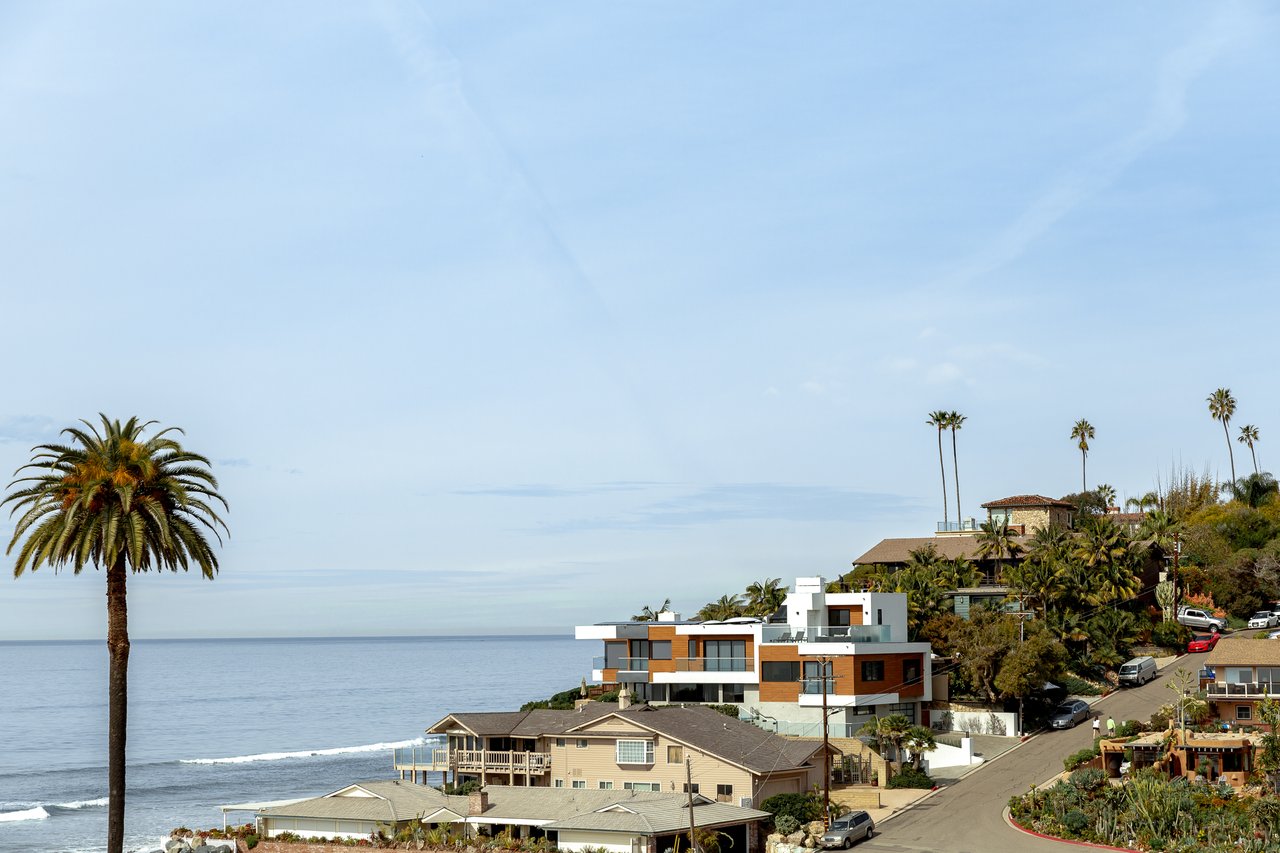
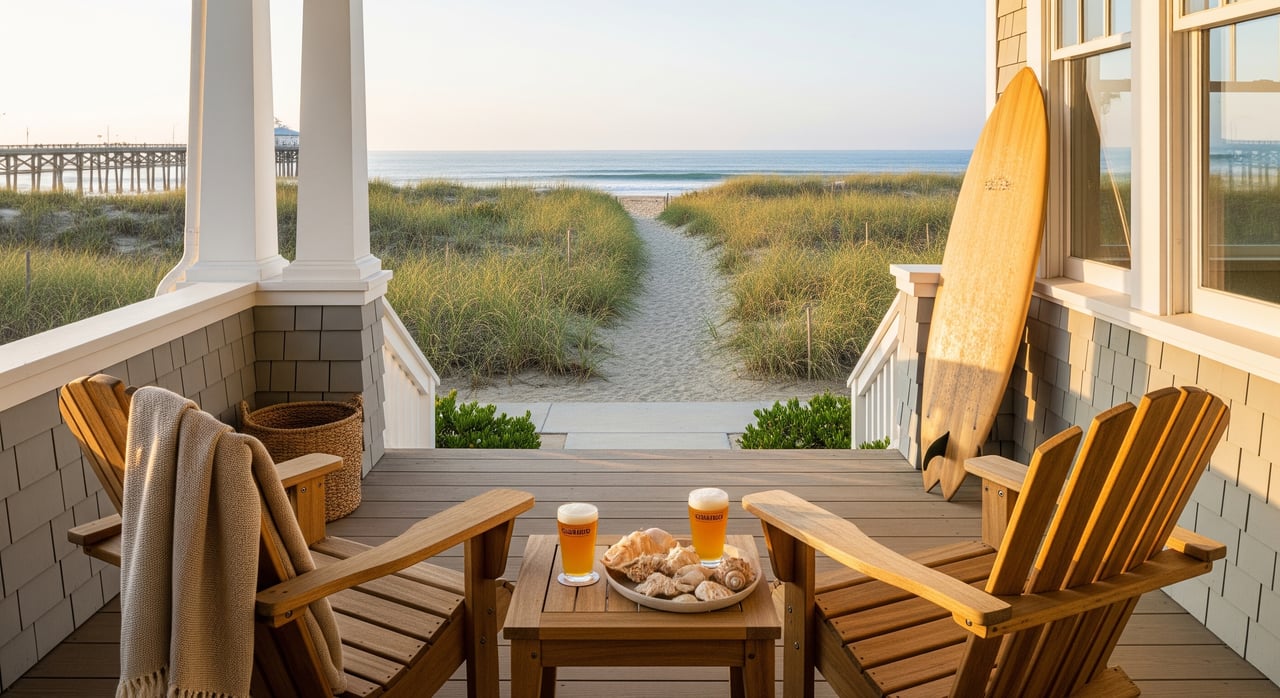
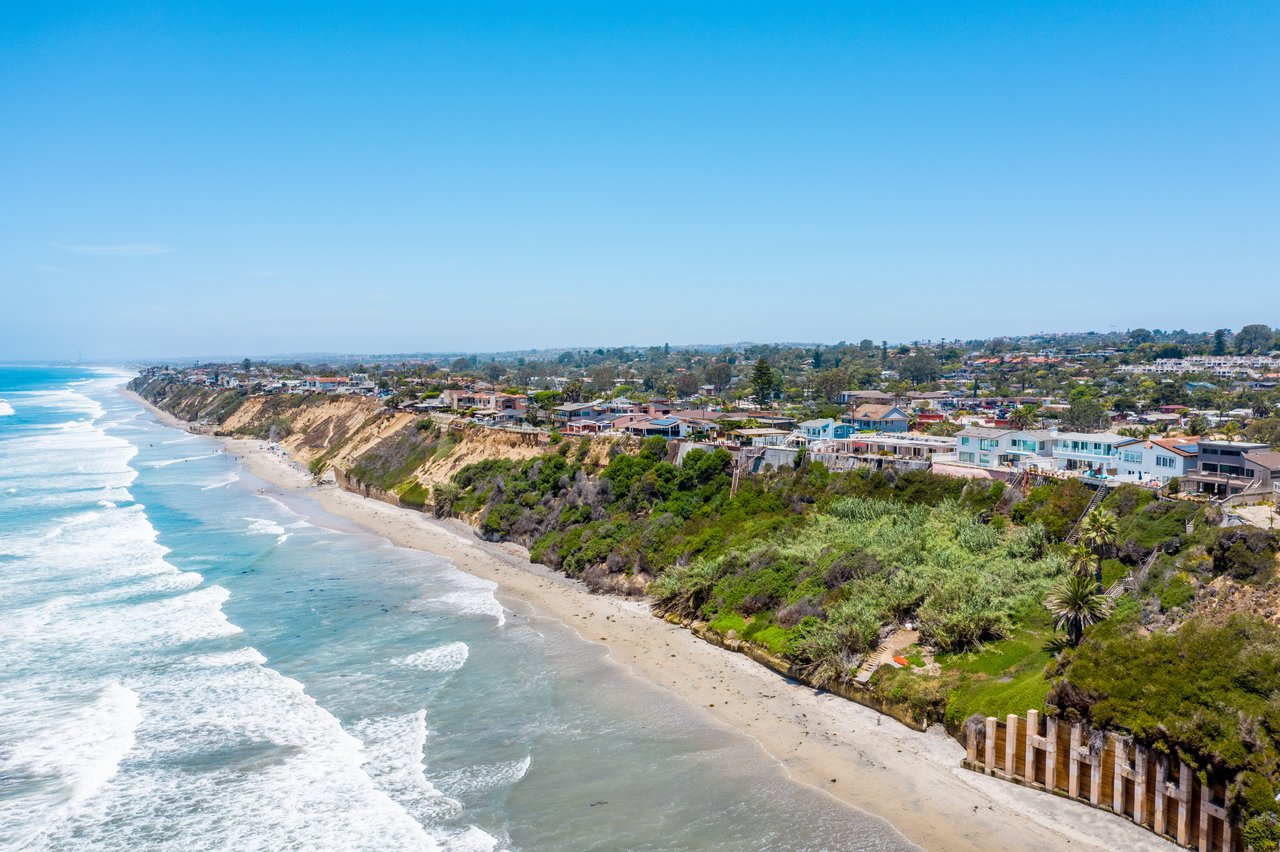
If your goal is quick access to the sand, surf, and coastal walking, beach-area properties are the obvious fit. These homes can make short stays feel effortless because the lifestyle is right outside your door.
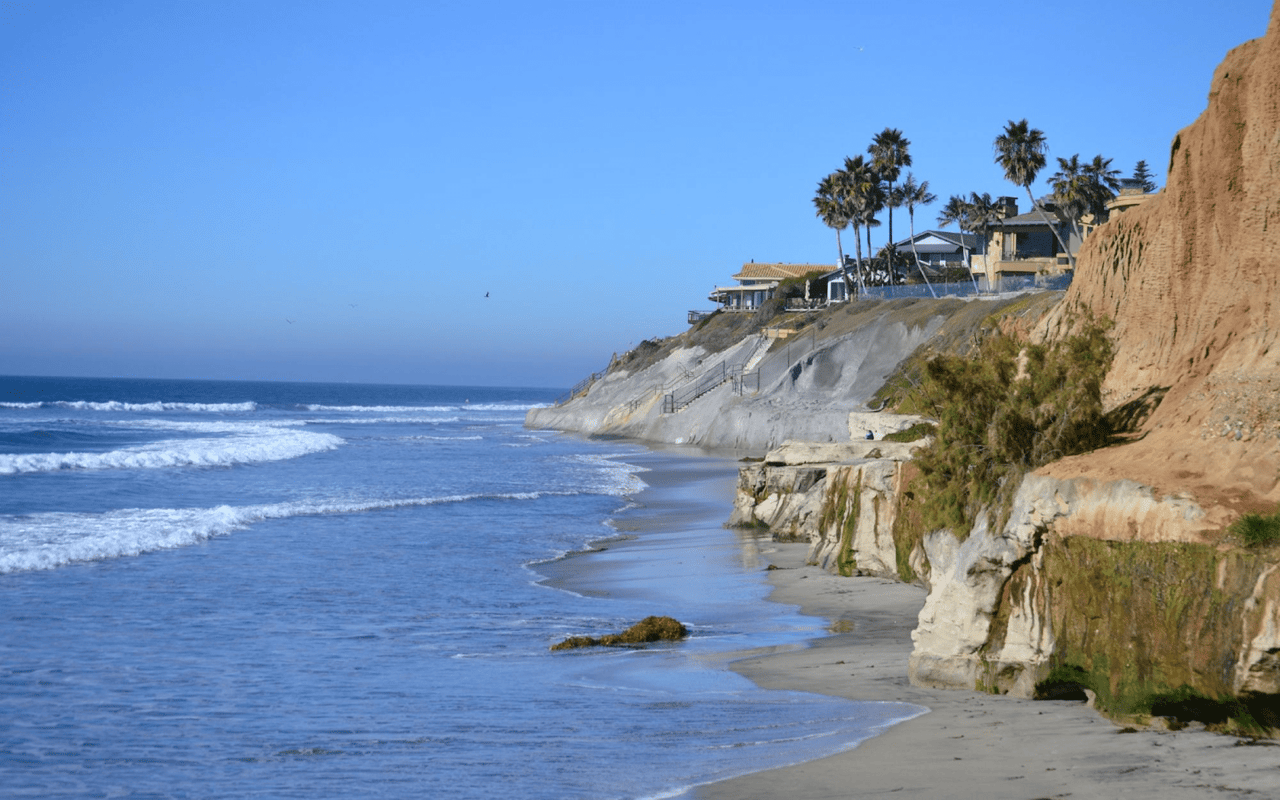
The tradeoff is exposure. Del Mar’s sea-level-rise planning identifies beachfront, beach-area, and bluff-top residences as potentially vulnerable to sea-level-rise impacts, and the city participates in FEMA’s National Flood Insurance Program. FEMA’s newer flood maps account for wave action and detailed engineering analysis, but they do not account for projected sea-level rise.
That does not mean every beach-area home is the wrong choice. It means you should review flood-related questions, insurance implications, and long-term site conditions with care before you commit.
Village Homes
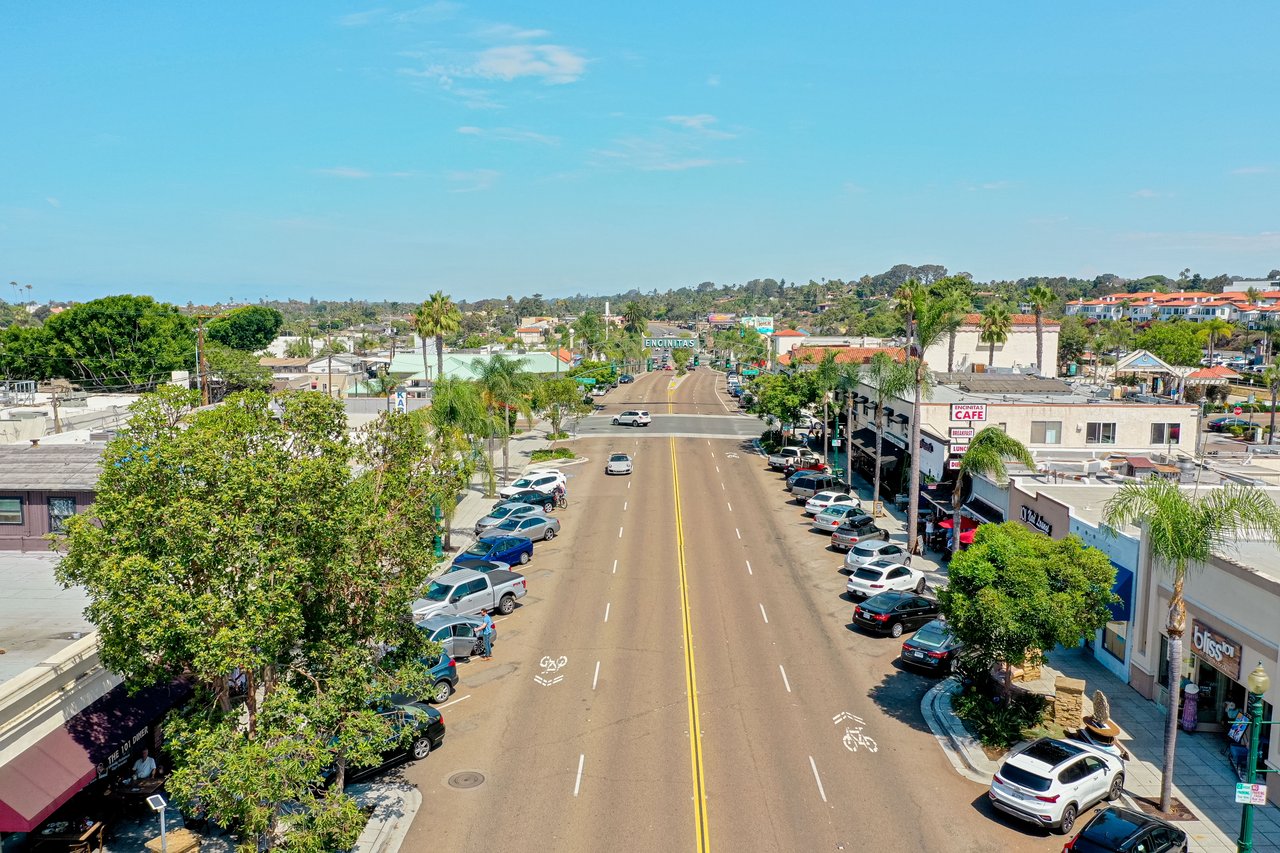
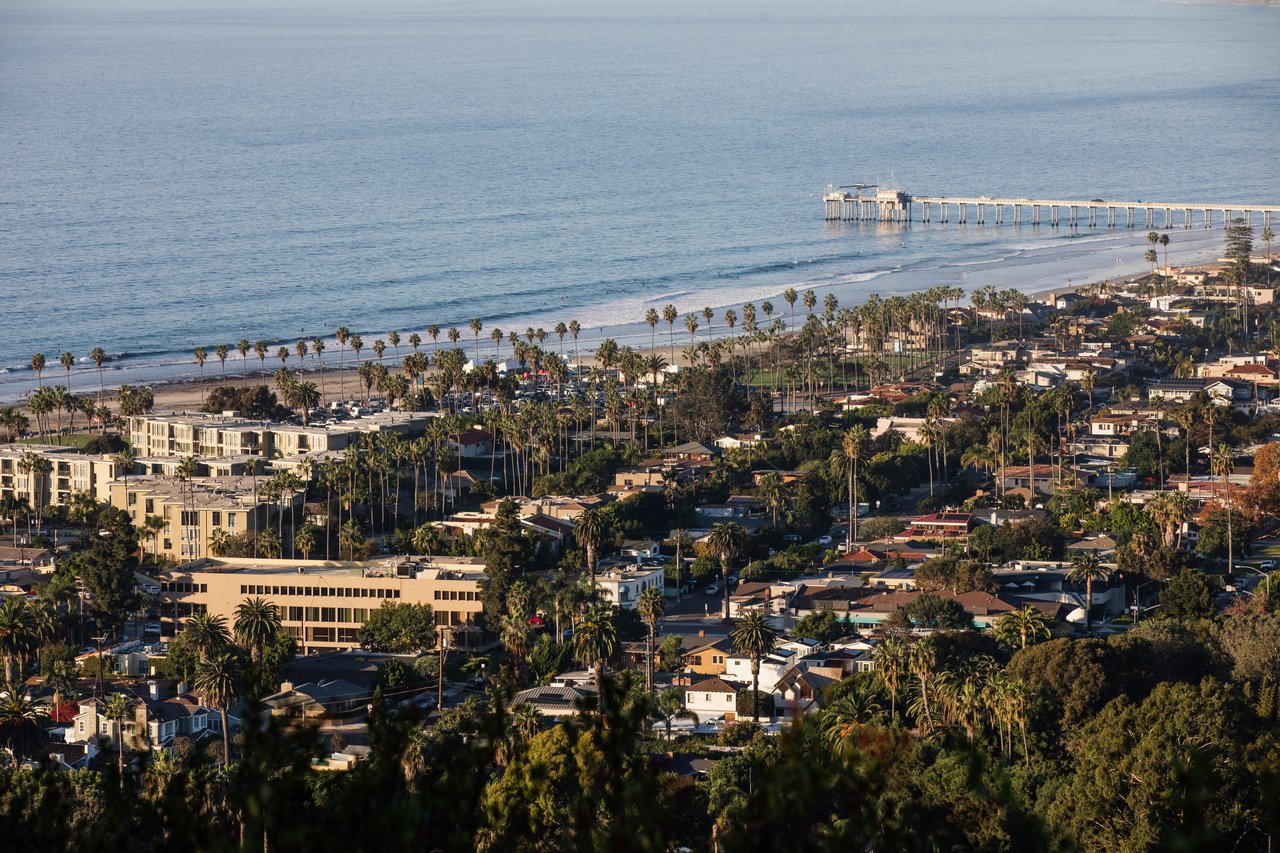
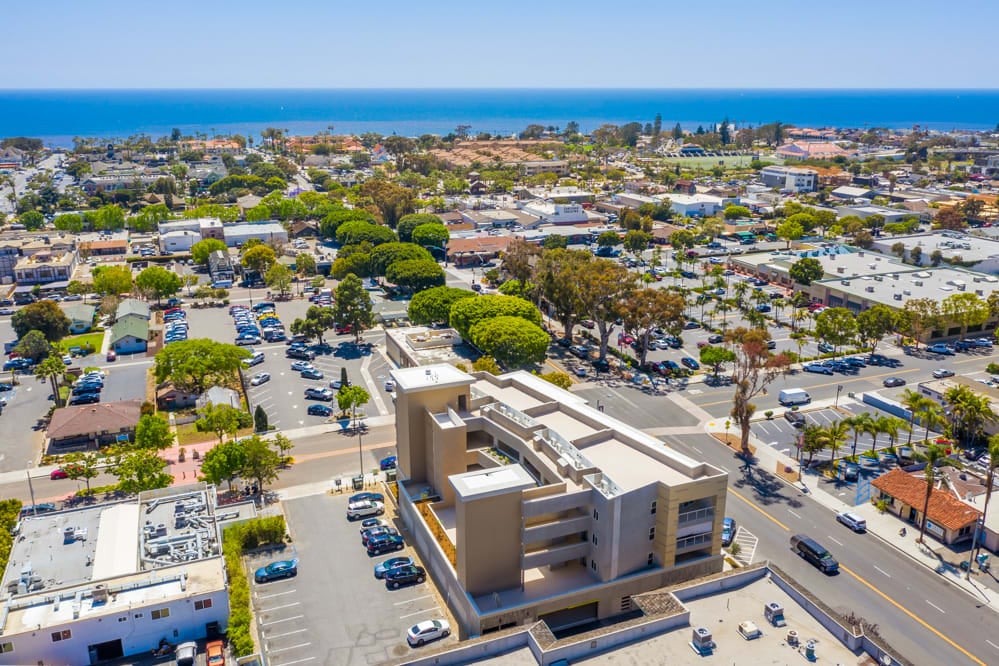
If you want a second home that feels easy to use without relying on a car, the Village may be the strongest lifestyle match. It is Del Mar’s pedestrian-oriented commercial core, with close access to shops, restaurants, and the daily convenience many part-time owners want.
The tradeoff is that activity levels and parking pressure are part of the package. City planning documents identify downtown parking as a long-standing issue, so homes near the Village can offer walkability while also bringing more visitor traffic and tighter parking conditions at peak times.
For some buyers, that is a worthwhile exchange for convenience. For others, especially those who want a more tucked-away feel, it may push the search elsewhere.
Hillside and Bluff-Top Homes
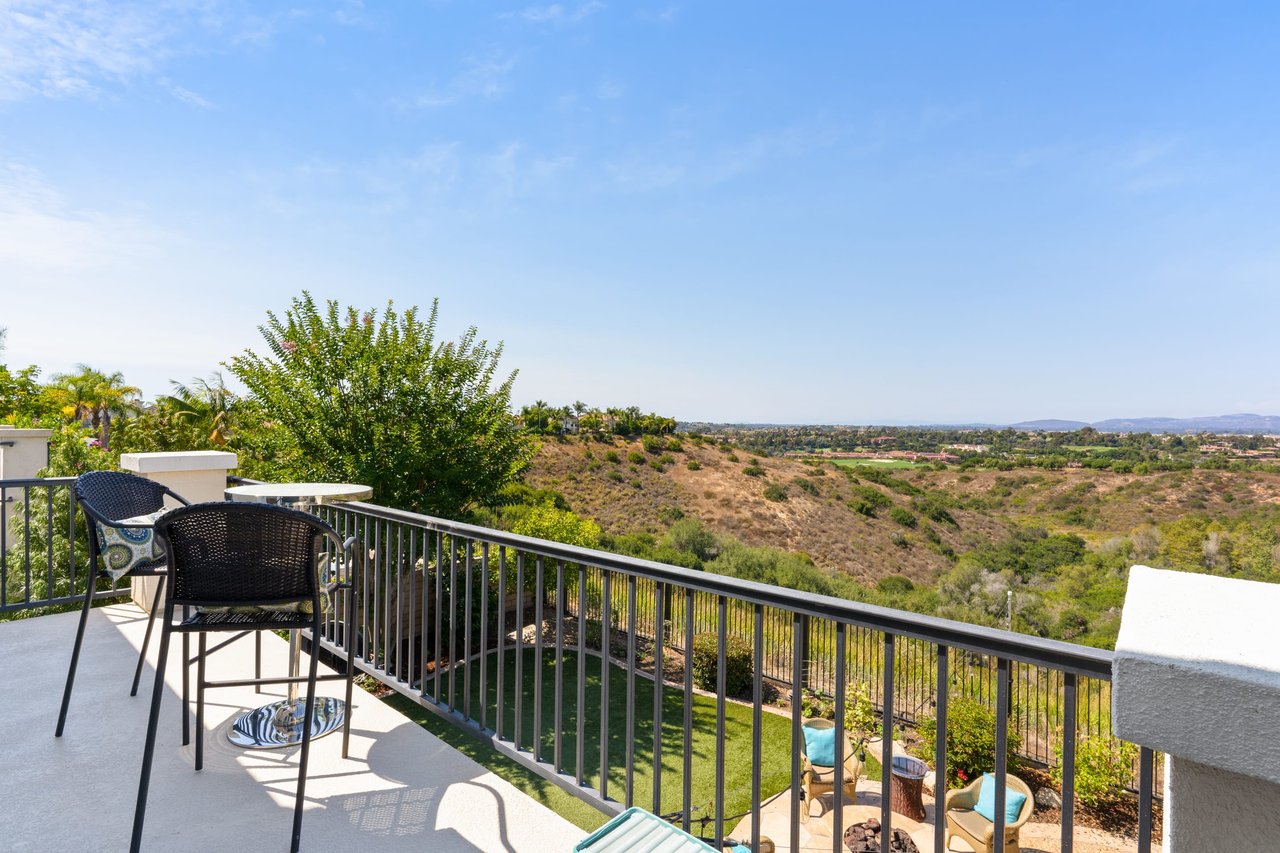
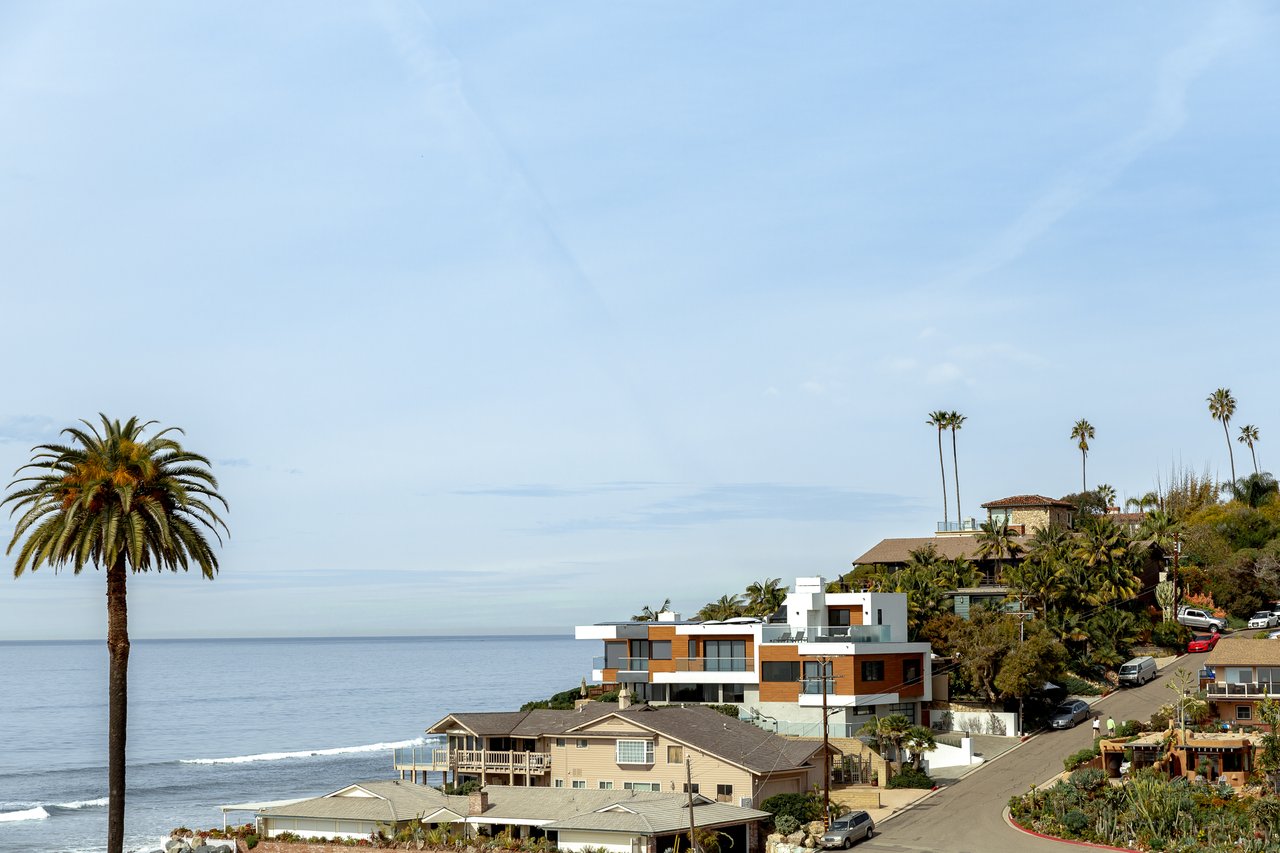
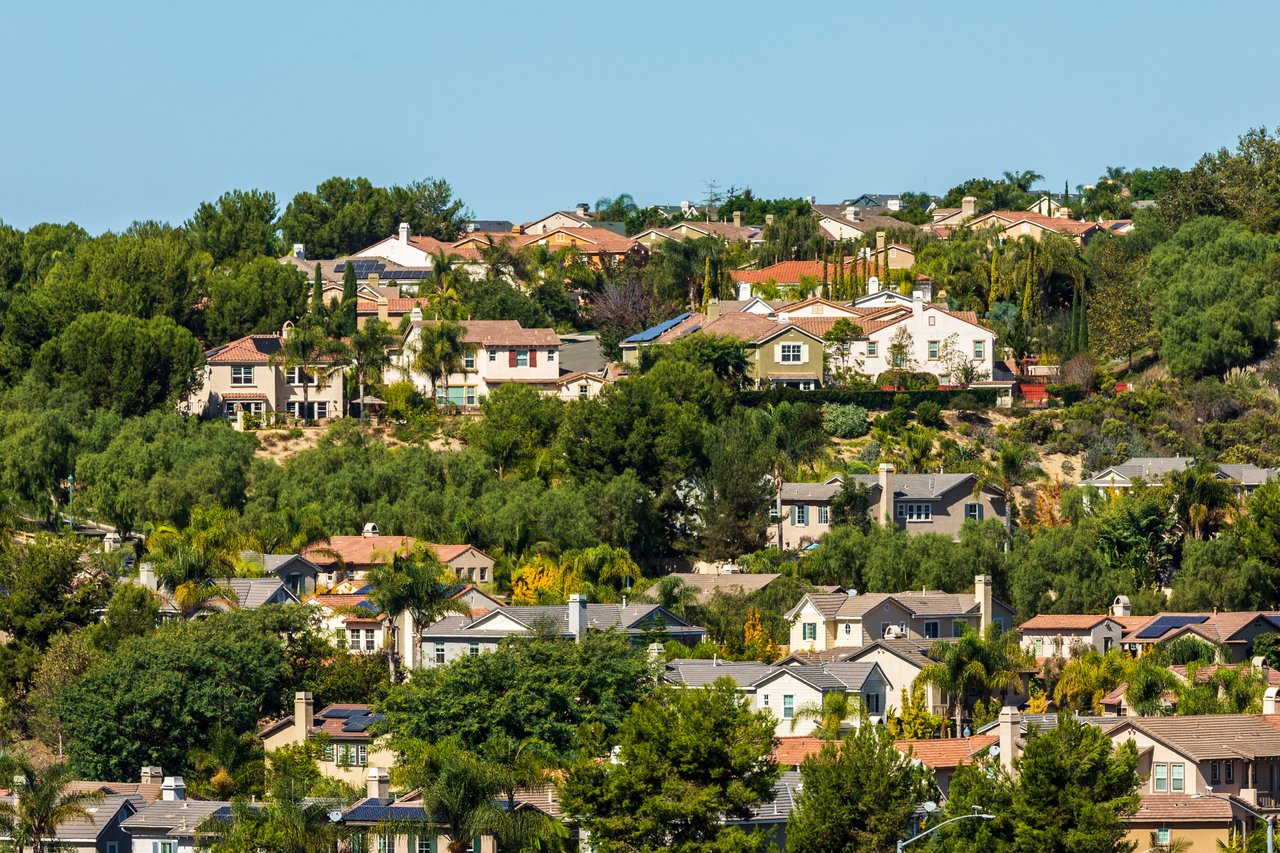
Hillside and bluff-top homes often appeal to buyers who want privacy, views, or more separation from the busiest parts of town. They can feel quieter and more removed, which is appealing if your second home is meant to be a retreat.
Still, a higher location does not automatically mean a lower-risk property. Del Mar’s coastal bluff regulations are designed to protect fragile bluffs and reduce risks tied to bluff failure and shoreline erosion. The city’s 2025 fire hazard maps also expanded high- and very-high-hazard areas, especially near open space.
That makes property-specific review especially important in these areas. If you are drawn to views and privacy, be ready to examine slope, bluff, and fire-zone conditions carefully during due diligence.
A Simple Way to Compare Areas
Here is a practical way to frame the most common second-home tradeoffs in Del Mar:
Area | Best Fit | Main Issues to Review |
|---|---|---|
Beach area | Coastal access and easy beach use | Flood and erosion questions |
Village | Walkability and part-time convenience | Parking pressure and event traffic |
Hillside or bluff-top | Privacy and views | Slope, bluff, and fire-zone review |
This is one reason Del Mar second-home purchases are so site-specific. The right answer depends on how you plan to use the property, how often you will be there, and what tradeoffs feel manageable to you.
Carrying Costs Can Be Higher Than Expected
When you run the numbers on a second home, it is smart to look beyond the mortgage payment. In California, Proposition 13 generally limits annual property tax to 1% of assessed value plus voter-approved bonds and other fees. San Diego County also notes that annual bills can include special assessments and other items beyond the base ad valorem tax.
You should also know that the California homeowners’ exemption usually will not apply to a second home because it is limited to a principal residence. That can affect your expected annual ownership costs.
In Del Mar, your true carrying cost may include:
- Property tax
- Special assessments
- Insurance
- Utilities
- Landscaping or pool care
- HOA dues, if applicable
- Ongoing maintenance
In some coastal and hillside locations, flood and fire-hazard considerations can also affect insurance review and future mitigation costs. Those line items can materially change the affordability picture, especially if you plan to use the home only part of the year.
Do Not Assume Short-Term Rental Income
Many second-home buyers like the idea of offsetting costs with short-term rental income. In Del Mar, that is something you need to verify before making an offer, not after closing.
The city states that its short-term rental ordinance was certified by the Coastal Commission on February 5, 2026. The existing application period closed on May 1, 2026, and new short-term rental permits are currently waitlisted until citywide cap capacity becomes available. The current transient occupancy tax rate is 13%.
The bottom line is simple: Del Mar is not a market where you should assume easy short-term rental flexibility. If rental income is part of your purchase strategy, confirm current eligibility and restrictions early.
Smart Due Diligence for Remote Buyers
If you are buying from outside the area, Del Mar offers some useful planning tools. The city provides online maps and zoning resources, and the planning department accepts submittals electronically by email. That can help you verify key details before you spend time on travel.
A smart remote-buyer sequence looks like this:
- Confirm the exact parcel and zoning using the city’s map tools.
- Check whether the property is in or near flood, bluff, or fire-hazard overlays.
- Verify whether any planned rental use is allowed under current short-term rental rules.
- Build your showing and inspection timeline around the fair and racing calendar if you are buying in early or late summer.
- Expect local coordination to matter because Del Mar is small, highly visited, and parking-constrained during peak periods.
For out-of-area buyers especially, this is where local guidance can make the process smoother. A well-organized buying plan can save you from chasing the wrong property or missing a key issue hidden in the location details.
What Matters Most Before You Buy
A second home in Del Mar can be an incredible lifestyle purchase, but it works best when the property matches the way you will actually use it. Beach access, walkability, privacy, views, parking, seasonal traffic, insurance questions, and rental limits all deserve a place in the conversation.
The biggest mistake is treating Del Mar like a one-size-fits-all coastal market. In reality, each pocket of the city comes with a different set of benefits and constraints, and the best choice usually becomes clear when you weigh those tradeoffs honestly.
If you are considering a second home in Del Mar and want practical, local guidance on location, timing, and property-specific due diligence, Klinge Realty can help you sort through the details and move forward with confidence.
FAQs
What should you check before buying a second home in Del Mar?
- You should confirm the parcel, zoning, flood or fire-hazard overlays, parking realities, and any short-term rental restrictions before you make an offer.
How does summer affect a second-home purchase in Del Mar?
- Summer can bring more traffic and tighter access because the San Diego County Fair and Del Mar racing season create separate demand waves in the area.
Are Village homes in Del Mar good for part-time owners?
- Village homes can work well for part-time owners who value walkability and convenience, but you should expect more parking pressure and visitor activity nearby.
Can you use a Del Mar second home as a short-term rental?
- You need to verify that directly with current city rules because Del Mar short-term rental permits are waitlisted until citywide cap capacity becomes available.
What costs should you budget for with a Del Mar second home?
- In addition to your mortgage, you should budget for property tax, special assessments, insurance, utilities, maintenance, landscaping or pool care, and HOA dues if the property has them.